
A night in Shinjuku can feel like a maze, until someone explains it. This tour strings together Kabukicho, Omoide Yokocho, and Golden Gai with stories that make the streets feel personal, not random. I also like that it includes a Hanazono Shrine stop, so you get a quiet breath right in the middle of the neon.
The one thing to weigh is style: you’re moving through nightlife districts after dark, so it’s better if you’re comfortable with noise, crowds, and casual bar culture. If you want calm temple time and photo ops only, you might find this schedule a bit more lively than you expected.
In This Review
- Key highlights you’ll care about
- A 90-Minute Night Pass Through Shinjuku’s Contrasts
- Meeting at Happy Lemon and Getting Oriented Fast
- Kabukicho’s Red-Light District Backstory, Plus Kabukicho Tower
- Omoide Yokocho’s Memory Lane Alleys for Yakitori and Retro Bars
- Hanazono Shrine: The Quiet Shinto Pause Between Skyscrapers
- Golden Gai Tiny Bars and How the Night Ends Well
- Price and Value in a $32, 90-Minute Walk
- What You’ll Learn From the Guide (Beyond Just Where to Go)
- Practical Tips for a Smoother Night Walk
- Who This Tour Suits Best
- Should You Book Shinjuku’s Secret Alley Night Walk?
- FAQ
- What areas of Shinjuku does the tour include?
- How long is the tour?
- Where do I meet the guide?
- Is the tour conducted in English?
- What’s included in the price?
- How does cancellation work?
Key highlights you’ll care about
- English-speaking guide with real local street knowledge, including behind-the-scenes context for each stop
- One tour, three iconic areas: Kabukicho, Omoide Yokocho, and Golden Gai
- A less-expected Shinto pause at Hanazono Shrine, tucked between the action
- Kabukicho Tower as a quick marker of how Shinjuku keeps reinventing itself
- Night-walk momentum that keeps you seeing more than you’d plan on your own
A 90-Minute Night Pass Through Shinjuku’s Contrasts
Shinjuku is famous for nightlife, sure. But it’s also a place where sacred spaces and back-alley drinking spots sit only a few minutes apart. I like that this tour uses time efficiently: it doesn’t ask you to choose between entertainment and tradition. It hands you both, in one steady walk that makes the neighborhood feel like one connected story.
The pacing matters. Ninety minutes is long enough to get real context and still short enough that you don’t feel stuck in one spot. You’ll keep moving past neon signage and then shift into narrow lanes where the atmosphere changes fast. That rhythm is a big part of why this works for first-timers and repeat visitors alike.
More Shinjuku plates and pours our readers rated
- Tokyo: Shinjuku Food Tour (13 Dishes at 4 Local Eateries)
★ 5.0 · 6,603 reviews - Tokyo Bar Hopping Tour in Shinjuku (All-You-Can-Drink + Dinner)
★ 5.0 · 3,587 reviews - Tokyo: Shinjuku Food Tour (15 Dishes and 4 Eateries)
★ 4.9 · 2,033 reviews - Best of Shinjuku: Izakaya Food Tour (4 Stops, 14+ Tastings)
★ 5.0 · 1,863 reviews
Meeting at Happy Lemon and Getting Oriented Fast
You meet in front of happy lemon near Shinjuku Station. That’s practical. It places you where you can actually regroup if you arrive a little late, and it keeps the start simple when you’re already navigating a massive station area.
From the beginning, the guide’s role is more than pointing. They set expectations for the night: which lanes to watch for, how the districts connect, and what to listen for when you hear the buzz of restaurants and bars. I find that early orientation keeps night walking from feeling stressful, especially in areas like Kabukicho where streets can look similar if you’re on your own.
Kabukicho’s Red-Light District Backstory, Plus Kabukicho Tower
The tour starts in Kabukicho, Shinjuku’s best-known entertainment zone. It’s the place most people picture when they hear Shinjuku at night: heavy neon, themed spots, and busy izakayas. What makes this stop valuable is the context. You’ll hear how Kabukicho evolved over time—from older undercurrents like post-war black markets to the entertainment-focused area it is today.
Then you’ll pass Kabukicho Tower, which helps you read the street differently. It’s a newer landmark in a neighborhood with older layers, and seeing it on the walk underlines how Shinjuku keeps changing its face while still keeping its edge. It’s a good moment for your brain to shift from purely “look at the lights” to “understand what I’m seeing.”
A useful tip: expect Kabukicho to feel intense. Even if you’re not planning to drink in every direction, it helps to learn how to navigate the sidewalks without getting pulled into every doorway. A guide helps you stay focused on the plan rather than getting swept up by the loudest sign.
Omoide Yokocho’s Memory Lane Alleys for Yakitori and Retro Bars
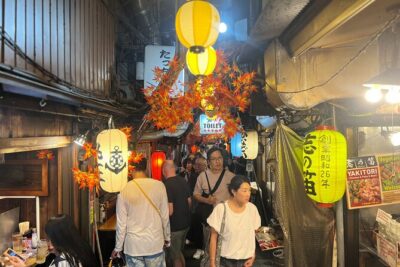
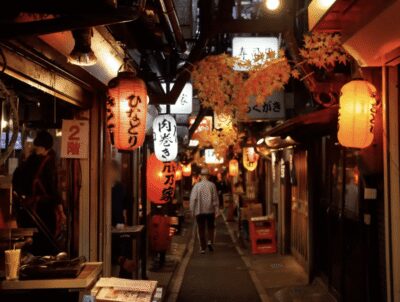
Next up is Omoide Yokocho, also called Memory Lane. This is where the tour changes gear from big-area nightlife to cramped, character-filled alleys. The lanes are narrow, the vibe is older-school, and you’ll likely smell grilled skewers as you walk. The point isn’t just atmosphere. It’s that this area gives you a sense of what Tokyo nightlife looked like before it became a global brand.
This stop also tends to stick with people because it feels different from the wide streets around it. Instead of towering buildings, you get low, tight spaces and lantern-like lighting that creates a “small world” feeling. That’s the kind of setting where stories land better too, because you can see the physical reality of the past-era vibe as you move.
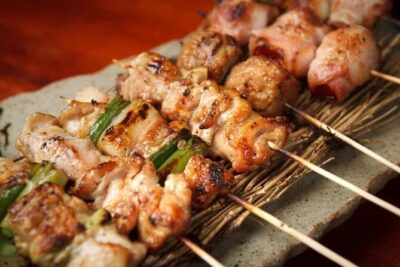
There’s also a practical angle. If you like food and you’re trying to choose where to eat, Memory Lane gives you a quick orientation to how yakitori shops and retro bars operate in tiny spaces. You’re not left guessing about what to order or where to stand. Your guide helps you connect the atmosphere to decisions you’ll actually make.
Hanazono Shrine: The Quiet Shinto Pause Between Skyscrapers
One of the best parts of this tour is the stop most visitors miss: Hanazono Shrine. You move from neon and entertainment into a sacred space where the mood genuinely changes. This isn’t a quick drive-by either. The value is that you get a real pause, and your guide can frame what you’re looking at so it doesn’t feel like a random stop between bars.
Shinto shrines in cities can be easy to ignore when you’re chasing nightlife. But here, the shrine sits between Kabukicho’s energy and the surrounding towers, so it works like a reset button. I love that contrast because it makes Shinjuku feel more human. You see that Tokyo’s spirituality isn’t only out in the countryside. It’s part of the same streets where people go to celebrate.
Even if you don’t know Shinto details, you’ll come away with a better sense of why a shrine is planted here and what it means for the neighborhood. It turns the evening from a pure “sights and snacks” run into something with texture.
Readers also shortlisted these Tokyo bookings:
- Tokyo Tsukiji Fish Market Food and Culture Walking Tour★ 5.0 · 3,184 reviews
- Tokyo: Imperial Palace and Shogun Historical Walking Tour★ 5.0 · 2,251 reviews
- Tokyo: Shinjuku Local Bar and Izakaya Guided Walking Tour★ 4.9 · 1,794 reviews
- Tokyo: Tsukiji Fish Market Food and Walking tour★ 5.0 · 1,724 reviews
- Tokyo: Asakusa Walking Tour with Sensoji Temple Visit★ 4.8 · 1,583 reviews
Golden Gai Tiny Bars and How the Night Ends Well
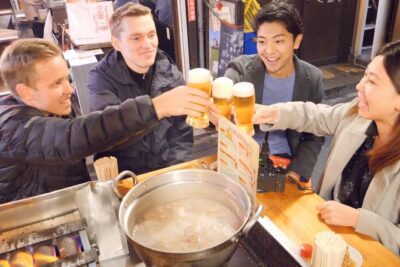
The tour finishes in Golden Gai, one of Shinjuku’s most famous nightlife districts. Golden Gai is known for tiny, themed bars, many of which feel like they could fit only a handful of people. That’s exactly why this works as the ending. By the time you reach Golden Gai, you’ve already learned how the other districts feel and what kind of street culture you’re walking through. So you can focus on the small details rather than starting cold.
A good guide makes a difference here. From what I’ve seen in past guide-led versions of this style of night tour, you get more than directions—you get a sense of which places fit your interests. In the guide line-up, names like Haydn and Karen have come up for strong explanations and answers to questions. Others like Yota and Ryota are known for pointing guests toward great spots to have a drink. And Nao is specifically noted for being informative and helping the food and stops feel like part of a plan, not just random consumption.
Golden Gai can be intimidating if you’re not sure what you’re stepping into. Your guide’s job at the end is to help you read the scene quickly and choose how you want to spend your time afterward. Even if you don’t stay for long, you’ll leave with a map in your head rather than just photos.
Price and Value in a $32, 90-Minute Walk
At $32 per person for about 90 minutes, this tour is priced for people who want depth without a huge time commitment. You’re paying for three things: an English-speaking guide, a structured route that links multiple districts, and the kind of local stories that make the evening feel guided instead of wandered.
You also get value because the itinerary naturally covers variety. You’re not only doing bars or only doing temples. You’re seeing entertainment history in Kabukicho, experiencing the alley-scale feel of Omoide Yokocho, taking a quiet break at Hanazono Shrine, and then ending in Golden Gai’s pocket-sized drinking culture. That mix is exactly what’s hard to build on your own unless you already know Shinjuku well.
One more value point: food and drinks tend to come up naturally around these areas. Even when you’re not doing a formal meal stop, the guide’s help with where the energy is and what the streets are known for makes it easier to spend your yen wisely instead of following the nearest sign.
What You’ll Learn From the Guide (Beyond Just Where to Go)
The standout theme is storytelling with practical takeaways. Guides like Haydn and Karen have a reputation for sharing behind-the-scenes details and answering questions with lots of small observations. That matters in Shinjuku, because so many signs and storefronts are designed to pull you in fast. A good guide slows you down just enough to notice the pattern: how the districts relate, what changed over time, and what each area is best at.
You’ll also learn how to read the difference between “big neon Kabukicho” and “tiny-lane Omoide Yokocho,” and then how Golden Gai flips from food alley vibes to micro-bars. That kind of orientation pays off later, when you’re deciding where to go next after the tour ends.
If you enjoy nightlife as a cultural thing, not just a party thing, this tour is especially strong. It treats the districts like living neighborhoods with layers, rather than just Instagram backdrops.
Practical Tips for a Smoother Night Walk
This is a walking tour at night through entertainment zones. So bring the basics that keep you comfortable and confident.
- Wear shoes you can move in for 90 minutes. Uneven sidewalks and tight alleys aren’t the place for delicate footwear.
- If you’re sensitive to noise and crowds, plan to keep expectations realistic in Kabukicho and Golden Gai.
- Keep your phone charged for maps after the tour. You’ll likely want to revisit one of the lanes once you’ve got your bearings.
Also, go in ready to ask questions. The better guides here can explain the why behind the streets, and that’s where you get the most out of the night.
Who This Tour Suits Best
This tour fits best if you fall into one of these groups:
- You’re in Tokyo for a limited time and want one night that covers multiple Shinjuku identities.
- You like nightlife but want it framed with history and local street sense.
- You’re returning to Tokyo and want a route that’s more structured than wandering.
It’s less ideal if your main goal is quiet sightseeing only, or if you strongly prefer daytime temples and low-traffic neighborhoods.
Should You Book Shinjuku’s Secret Alley Night Walk?
I’d book this tour if you want a guided way to experience Shinjuku’s extremes in a single evening. The route makes sense: Kabukicho gives you the energy, Omoide Yokocho gives you texture and old-school alley atmosphere, Hanazono Shrine gives you a calm reset, and Golden Gai shows you the small-scale side of night culture.
If you’re picky about your nightlife experience, you’ll probably appreciate the fact that the guide helps you navigate and decide without turning the night into a random bar hop. And at $32, the value feels solid because the tour includes meaningful variety rather than repeating one type of scene for 90 minutes.
If, on the other hand, you only want temple quiet or you dislike crowded nightlife areas, skip it and build a calmer Shinjuku day plan instead.
FAQ
What areas of Shinjuku does the tour include?
The tour covers Kabukicho, Omoide Yokocho, and Golden Gai, with a visit to Hanazono Shrine in between.
How long is the tour?
It lasts 90 minutes.
Where do I meet the guide?
You meet in front of happy lemon, near Shinjuku Station.
Is the tour conducted in English?
Yes, the tour guide speaks English.
What’s included in the price?
The price includes the guide and a walking tour of Shinjuku.
How does cancellation work?
You can cancel up to 24 hours in advance for a full refund.
More Tours in Tokyo
- Mt Fuji and Hakone 1-Day Bus Tour Return by Bullet Train
★ 5.0 · 26,383 reviews - 1-Day Tokyo Bus Tour
★ 5.0 · 14,250 reviews - Tokyo: Shinjuku Food Tour (13 Dishes at 4 Local Eateries)
★ 5.0 · 6,603 reviews - Tokyo Mt Fuji 5th St & Hakone Cruise Bus Tour w/Bullet Train
★ 4.4 · 5,024 reviews - Flagship 2-Hours Official Street Go-Kart Tour – Tokyo Bay Shop
★ 5.0 · 4,974 reviews
More Tour Reviews in Tokyo
- Mt Fuji and Hakone 1-Day Bus Tour Return by Bullet Train
★ 5.0 · 26,383 reviews - 1-Day Tokyo Bus Tour
★ 5.0 · 14,250 reviews - Tokyo: teamLab Planets TOKYO Digital Art Museum Entry Ticket
★ 4.6 · 9,779 reviews - Mt Fuji & Hakone Cruise, Drum Show Bullet Train 1 Day from Tokyo
★ 4.0 · 7,413 reviews - Tokyo: Shinjuku Food Tour (13 Dishes at 4 Local Eateries)
★ 5.0 · 6,603 reviews
More Shinjuku Food and Drink
- Tokyo: Shinjuku Food Tour (13 Dishes at 4 Local Eateries)
★ 5.0 · 6,603 reviews - Tokyo Bar Hopping Tour in Shinjuku (All-You-Can-Drink + Dinner)
★ 5.0 · 3,587 reviews - Tokyo: Shinjuku Food Tour (15 Dishes and 4 Eateries)
★ 4.9 · 2,033 reviews - Best of Shinjuku: Izakaya Food Tour (4 Stops, 14+ Tastings)
★ 5.0 · 1,863 reviews - Tokyo: Shinjuku Local Bar and Izakaya Guided Walking Tour
★ 4.9 · 1,794 reviews
Latest Tokyo reviews off our desk






Shinjuku Food & Bar Tours, compared.
 ★ 5.0Shinjuku Food Tour (13 Dishes at 4 Local Eateries)From $866,603 reviews
 ★ 5.0Tokyo Bar Hopping Tour in Shinjuku (All-You-Can-Drink + Dinner)From $1063,587 reviews
 ★ 4.9Shinjuku Food Tour (15 Dishes and 4 Eateries)From $852,033 reviews
 ★ 5.0Best of Shinjuku: Izakaya Food Tour (4 Stops, 14+ Tastings)From $921,863 reviews
 ★ 4.9Shinjuku Local Bar and Izakaya Guided Walking TourFrom $341,794 reviews
 ★ 5.0Tokyo Shinjuku Chopsticks Making ClassFrom $201,763 reviews
 ★ 5.0Tokyo Shinjuku Sumo Show & Experience with PhotoFrom $791,750 reviews
 ★ 5.0Tokyo Night Foodie Tour in Shinjuku – Seasonal Sushi, Wagyu BeefFrom $1111,161 reviews
Browse the lists this tour appears in