
Reviewed · SUMO TOURNAMENTS & SHOWS
Tokyo Sumo Culture Tour with Chanko-Nabe Lunch in Ryogoku
Sumo lives on the street in Ryogoku. This Tokyo Sumo Culture Tour pairs a guided walk through Sumo Town with a proper included chanko-nabe lunch, so you get sport history and real wrestler food in one outing. I like that the group is kept small (max eight travelers) and you get a guide to handle navigation. I also like that even when you are only viewing from the outside, you stop at key places tied to the sport’s origins and big events. One drawback: if your timing lands on a day when certain facilities are closed, your access to anything beyond the walk-and-look stops can feel limited.
You’ll get a lot of story for a compact schedule. The tour is built around landmarks like Hakkaku-beya stable, a shrine honoring the sport’s founder, and the neighborhood tied to tournament history—then it ends at a chanko restaurant. My main caution is expectations: this is culture and context, not guaranteed practice sessions or match viewing.
In This Review
- Key Points at a Glance
- Ryogoku in 3.5 Hours: A Sumo Town Walk You Can Actually Follow
- Price and What You Really Get for It
- Stop-by-Stop: From Hakkaku-beya Stable to Chanko at Tomoegata
- Hakkaku-beya Sumo Stable: Seeing Where Wrestlers Train and Live
- Nominosukune Shrine: The Founder and the Origin Story
- Ryogoku Kokugikan: The Sumo Arena, Up Close from the Outside
- Ryogoku Edo Noren: A Full-Scale Ring and the Edo Atmosphere
- Ekoin Temple: Tournament History in the Edo Period
- Kasuganobeya: The Stable Today and a Quirky Detail
- Tomoegata Chanko: Where the Day Shifts to Food
- Guide Energy: How the Stories Make the Landmarks Stick
- When timing goes sideways
- Chanko-Nabe Lunch: What to Expect and How to Make It Enjoyable
- Practical Tips for Your Day in Ryogoku
- Should You Book This Ryogoku Sumo Culture Tour with Chanko Lunch?
- FAQ
- What is the duration of the Tokyo Sumo Culture Tour with Chanko-nabe Lunch in Ryogoku?
- How much does the tour cost per person?
- Where does the tour start and end?
- What’s included in the price?
- Does the tour include watching sumo practice or matches?
- How big is the group?
Key Points at a Glance
- Small group (max 8) means you can ask questions without feeling rushed.
- Chanko-nabe lunch is included, with alcohol sold separately.
- You view key sumo sites from outside (no match/practice tickets included).
- Ryogoku is the center of it all, with arenas, stables, and Edo-era tournament references.
- Free admission at each stop keeps the day focused on the walk and stories.
- Timing can matter, since some facility access may be affected by the day you go.
Ryogoku in 3.5 Hours: A Sumo Town Walk You Can Actually Follow
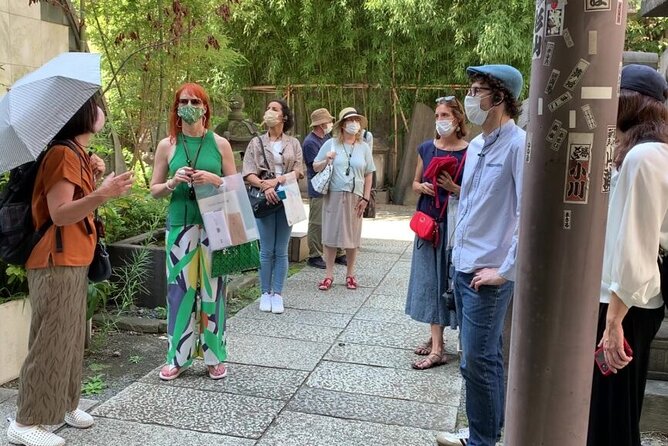
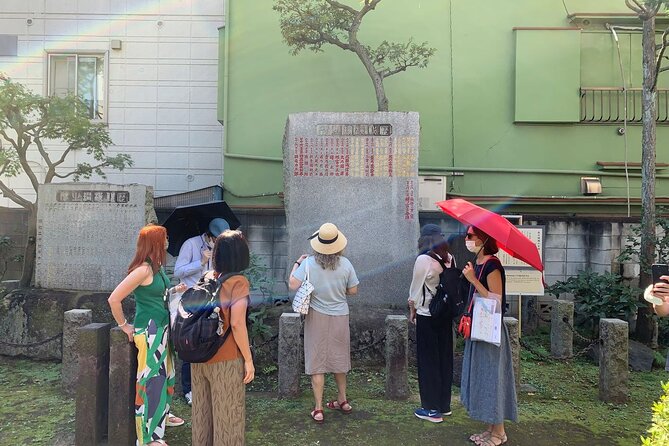
Ryogoku is the part of Tokyo where sumo stops being a TV thing and becomes street-level life. This tour is designed for that exact feeling: you start near Ryogoku Station (1-chōme, Yokoami) and spend about 3 hours 30 minutes walking and stopping at places that connect directly to how sumo developed and how it’s still rooted in this neighborhood.
The biggest practical win is the group size. With a maximum of eight travelers, the guide can keep the pace comfortable and you’re less likely to get lost. The route also avoids the common tourist headache of figuring out which gate to look at, which street has the right building, and where the right neighborhood landmarks are. The guide handles navigation, so you spend your energy on paying attention.
The tour ends at the restaurant—Tomoegata Chanko—so plan on no hotel drop-off. You’ll also want comfortable shoes. The stops are short, but you’re still doing a neighborhood walk in Tokyo, and Ryogoku is best enjoyed when you’re not worried about foot pain.
Other ringside bookings readers scored
- Tokyo: Sumo Show and Dining Experience
★ 4.8 · 2,742 reviews - the SUMO show
★ 5.0 · 1,960 reviews - Tokyo Shinjuku Sumo Show & Experience with Photo
★ 5.0 · 1,750 reviews - Tokyo: Sumo Show and Experience in Shinjuku
★ 4.8 · 1,001 reviews
Price and What You Really Get for It
At $131.12 per person, this isn’t the cheapest thing you can book in Tokyo. But it also isn’t paying just for walking between buildings. You’re paying for three things that usually cost extra when you piece them together yourself:
- A trained guide to connect the dots between places
- Included chanko-nabe lunch
- A route focused on sumo landmarks in a tight 3.5-hour block
Also, each listed stop includes free admission, which helps keep the value strong. The tour doesn’t just throw you in front of sights; it’s structured so you hear why each location matters.
What you should not assume is match viewing. The tour specifically does not include actual sumo viewing like practice or matches. That means you’re buying the cultural and historical version of sumo—not the ticketed arena experience. On some days, access to certain training-facility areas may be limited, too, so it’s wise to show up ready for a walk-and-stories day rather than a guaranteed inside-the-ropes day.
Stop-by-Stop: From Hakkaku-beya Stable to Chanko at Tomoegata
This tour is paced as a series of short stops with context added at each one. Each segment is brief enough that you stay oriented, but long enough for a guide to give you the “why” behind what you’re seeing.
Hakkaku-beya Sumo Stable: Seeing Where Wrestlers Train and Live
Your first stop is Hakkaku-beya Sumo Stable. You’re not here to watch a session; you’re here to understand what a stable is in sumo life. The visit is described as a short look at the stable and an outside view of where wrestlers live and train.
Even if you can’t go far beyond the exterior, it’s a strong start. Why? Because it frames everything else you’ll see. Sumo isn’t just a tournament sport—it’s a way of life structured around stable life, routines, and community.
Drawback to keep in mind: this is not an indoor practice viewing. It’s a quick stable orientation.
Nominosukune Shrine: The Founder and the Origin Story
Next is Nominosukune Shrine, a Shinto shrine that enshrines the founder of sumo. This stop is where the tour shifts from the neighborhood geography into the origin story—how sumo began and how rules evolved over long centuries.
This is the kind of stop that becomes more interesting once you’ve seen the stable life first. You can connect the idea of sumo as tradition to sumo as a discipline people train for daily.
Readers also shortlisted these Tokyo bookings:
- Tokyo: Mt.Fuji & Lake Kawaguchiko 1-Day Bus Tour w/Optional Lunch★ 4.5 · 839 reviews
- Tokyo: Sumo Experience and Chanko Nabe Lunch★ 4.8 · 257 reviews
- Tokyo: Tsukiji Fish Market Tour with 6 Stops & Seafood Lunch★ 4.5 · 165 reviews
- Tokyo: 1 Day Bus Tour with Meiji-Jingu,Odaiba,lunch&Skytree★ 4.6 · 156 reviews
- Tokyo: Full-Day Tour w/Tea Experience,Buffet Lunch & Cruise★ 4.9 · 151 reviews
Ryogoku Kokugikan: The Sumo Arena, Up Close from the Outside
Then you arrive at Ryogoku Kokugikan. The tour has you view the arena from the outside, but it’s still a major moment. This is the arena known for the Grand Sumo tournaments held three times a year.
If you’re expecting to walk into the arena and see operations, don’t. But standing near it and hearing the stories about how the arena functions as a mecca for sumo makes the “big event” side of the sport click.
Tip for your brain: treat this stop like your mental bookmark. After you learn about Edo-era tournament venues later, you’ll be able to compare how sumo’s public stage has changed.
Ryogoku Edo Noren: A Full-Scale Ring and the Edo Atmosphere
At Ryogoku Edo Noren, you’re invited into an Edo-style atmosphere. You’ll see a full-scale sumo ring and learn stories about how people watched the ring up close.
This stop is especially helpful if you’re newer to sumo. The point isn’t just trivia; it’s giving you a sense of what spectatorship looked like before modern arenas and broadcasts.
What you’ll probably notice: the ring setup and the idea of observation. It makes you understand why watching sumo is its own skill and culture.
Ekoin Temple: Tournament History in the Edo Period
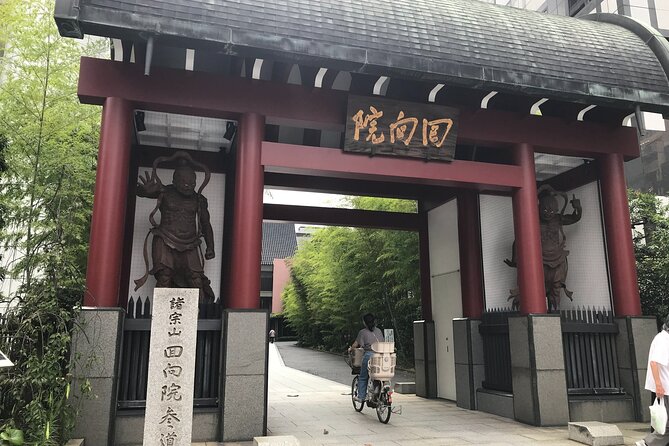
Ekoin Temple brings you into a deeper time layer. The stop highlights this temple as a venue connected to sumo tournaments held during the Edo period.
Here you’ll learn about wrestlers’ social status and how tournaments looked in the pre-modern era. This is where the guide tends to give the most “human” context, not just sports context—who the wrestlers were in society, and why the tournaments mattered beyond entertainment.
Kasuganobeya: The Stable Today and a Quirky Detail
Then it’s Kasuganobeya stable, including mention of a Bulgarian-born wrestler belonging to the stable. The stop also includes a small but memorable detail: you’ll see the wrestler-size bicycles they use in daily life.
That kind of practical detail is what keeps a history walk from feeling like a lecture. You start to see sumo stable life as real and specific—not just ceremonial.
Tomoegata Chanko: Where the Day Shifts to Food
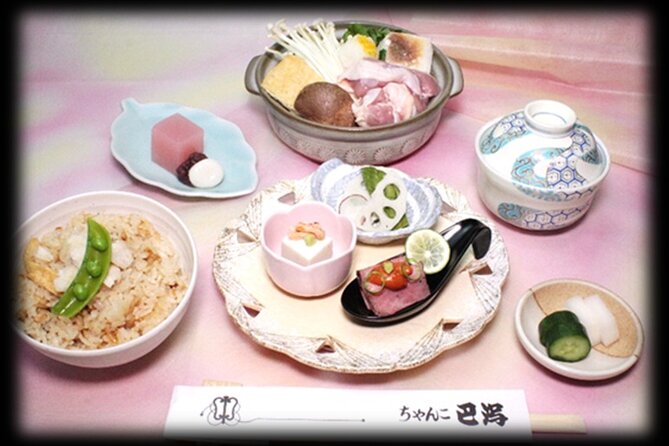
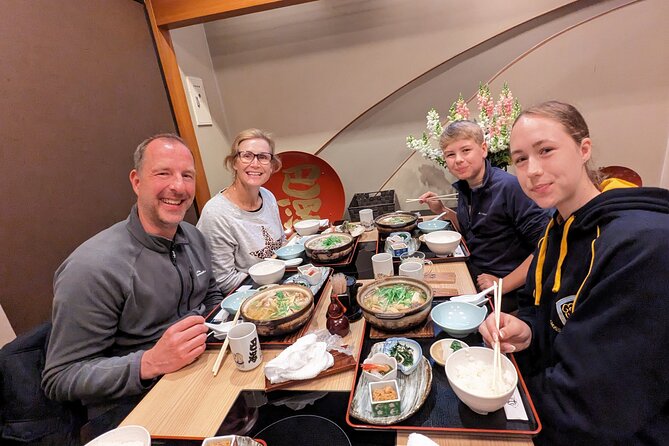
Finally, you head to Tomoegata Chanko for chanko-nabe lunch, which lasts about one hour. This is the meal at the center of the sumo diet—described as a nutrient hot-pot meant to help wrestlers build weight and muscle.
Even if you’re not a meat-and-broth superfan, this lunch is a strong cultural payoff because it connects food to training goals. And since alcohol isn’t included, you can keep it simple: eat the hot-pot, hydrate, and let the meal be your reward for the walking day.
Logistics note: the tour ends here, so plan your timing for the rest of your afternoon after lunch.
Guide Energy: How the Stories Make the Landmarks Stick
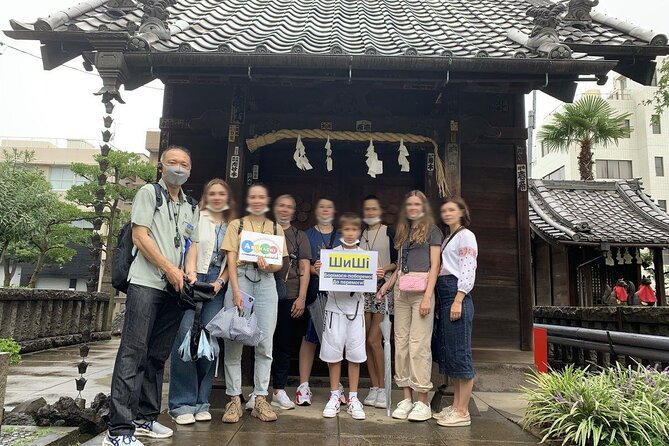
The tour lives or dies on narration, and the guide support is a big reason this experience earns such strong marks. Different guides have carried the vibe—names that come up include Taka, Jeff, and Aki-san—but the common thread is that they connect what you see to what it meant.
Good tours do one thing well: they turn a street view into understanding. Here, that means you’ll hear why the stable matters, what the founder shrine signifies, why Kokugikan is such a big deal, and how Edo-era tournament venues fit into the bigger picture.
When timing goes sideways
One honest downside shows up in real-world timing. If you visit close to tournament weeks, your schedule may still include days when certain training facilities or museum-like spaces are closed. One example described a Sunday where training-facility tours weren’t open, and a museum stop was closed too. The overall day was still enjoyable—especially the lunch and the sights—but the strict value felt less than expected when closures stacked up.
So I’d treat this as a planned culture walk with stable and shrine highlights, not as a guaranteed behind-the-scenes training access day.
Chanko-Nabe Lunch: What to Expect and How to Make It Enjoyable
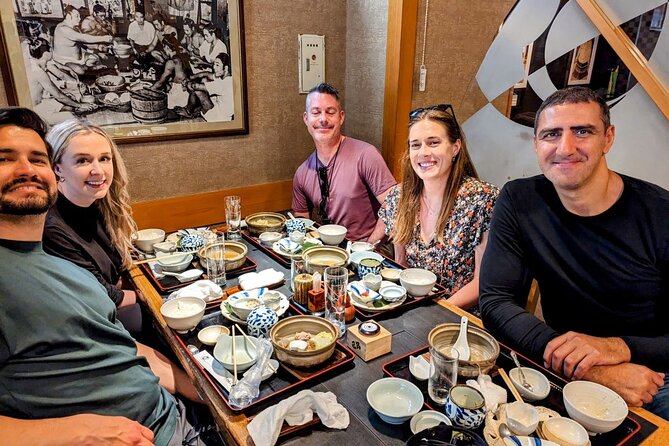
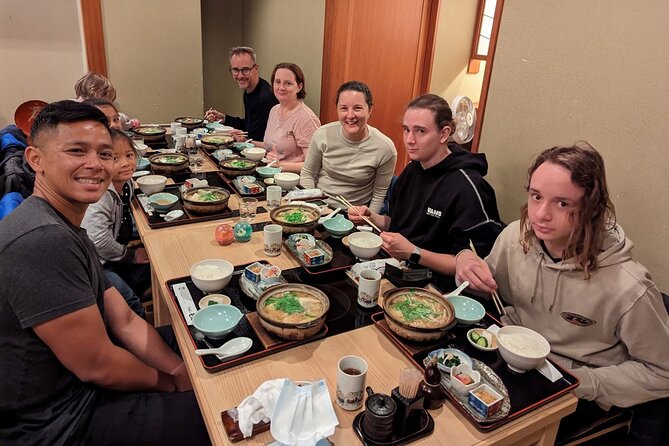
Chanko-nabe is often described as the cornerstone of the sumo diet, and the tour sets that expectation clearly: it’s a hot-pot built to help wrestlers gain weight and develop muscle.
In practice, this is the kind of meal that works whether you’re an experienced foodie or just hungry after walking. It’s warm, filling, and designed to be eaten slowly. It’s also an easy cultural connection: you’re not just learning about sumo; you’re eating something tied to the training lifestyle.
Two practical considerations:
- Alcohol isn’t included, so if you want beer or other drinks, budget extra.
- The tour ends at the restaurant, so you’ll want a little time margin after lunch to recharge and get your next transport sorted.
Practical Tips for Your Day in Ryogoku
A few small choices can make the tour smoother:
- Start on time. The tour starts at 9:30 am, and the schedule is built around short stops.
- Bring an appetite. Lunch is included, and it’s the main sit-down point.
- Dress for walking. The itinerary is not a museum marathon, but it is a neighborhood walk with multiple outdoor viewing moments.
- Expect outside views. Many of the key stops are free admission but still best treated as look-and-learn rather than inside access.
- Plan your afternoon. Since there’s no hotel pickup/drop-off, you’ll be mapping your next move from the end point at Tomoegata Chanko.
If you’re coming from another part of Tokyo, Ryogoku is well-connected by public transportation, and that’s a big part of why this outing is easy to build into a day.
Should You Book This Ryogoku Sumo Culture Tour with Chanko Lunch?
If you want sumo without the stress of figuring out where to go, this tour is a strong fit. You’re getting a guided sequence of landmarks that explain how sumo lives in Ryogoku—stable life, shrine origins, the arena’s role, and Edo-era tournament history—then you get chanko-nabe lunch as the payoff.
I’d book it if:
- You’re new to sumo and want a clear, guided orientation
- You like small groups (max eight) and hate feeling herded
- You care about food tied to culture, not just sightseeing photos
I’d think twice if:
- Your main goal is actual practice sessions or match viewing. This tour doesn’t include that.
- You are traveling on a day when access to certain facility areas may be limited (like Sundays mentioned in one experience). You can still have a good day, but don’t build your plan around behind-the-scenes access.
My bottom line: for most people, this is a smart way to spend half a day in Tokyo that feels truly local to sumo culture—especially because the lunch isn’t an afterthought, it’s part of the story.
FAQ
What is the duration of the Tokyo Sumo Culture Tour with Chanko-nabe Lunch in Ryogoku?
The tour runs for about 3 hours 30 minutes.
How much does the tour cost per person?
The price is $131.12 per person.
Where does the tour start and end?
It starts at Ryogoku Sta. 1-chōme-4-29 Yokoami, Sumida City, Tokyo 130-0015, Japan and ends at Tomoegata Chanko, 2-chōme-17-6 Ryōgoku, Sumida City, Tokyo 130-0026, Japan.
What’s included in the price?
The tour includes chanko-nabe lunch. It also notes mobile ticket use.
Does the tour include watching sumo practice or matches?
No. It does not include actual sumo viewing like practice or matches.
How big is the group?
The maximum group size is eight travelers, and it’s described as an intimate tour.
More Tours in Tokyo
- Mt Fuji and Hakone 1-Day Bus Tour Return by Bullet Train
★ 5.0 · 26,383 reviews - 1-Day Tokyo Bus Tour
★ 5.0 · 14,250 reviews - Tokyo: Shinjuku Food Tour (13 Dishes at 4 Local Eateries)
★ 5.0 · 6,603 reviews - Tokyo Mt Fuji 5th St & Hakone Cruise Bus Tour w/Bullet Train
★ 4.4 · 5,024 reviews - Flagship 2-Hours Official Street Go-Kart Tour – Tokyo Bay Shop
★ 5.0 · 4,974 reviews
More Tour Reviews in Tokyo
- Mt Fuji and Hakone 1-Day Bus Tour Return by Bullet Train
★ 5.0 · 26,383 reviews - 1-Day Tokyo Bus Tour
★ 5.0 · 14,250 reviews - Tokyo: teamLab Planets TOKYO Digital Art Museum Entry Ticket
★ 4.6 · 9,779 reviews - Mt Fuji & Hakone Cruise, Drum Show Bullet Train 1 Day from Tokyo
★ 4.0 · 7,413 reviews - Tokyo: Shinjuku Food Tour (13 Dishes at 4 Local Eateries)
★ 5.0 · 6,603 reviews
More Sumo, Ringside and Rated
- Tokyo: Sumo Show and Dining Experience
★ 4.8 · 2,742 reviews - the SUMO show
★ 5.0 · 1,960 reviews - Tokyo Shinjuku Sumo Show & Experience with Photo
★ 5.0 · 1,750 reviews - Tokyo: Sumo Show and Experience in Shinjuku
★ 4.8 · 1,001 reviews - Tokyo Grand Sumo Tournament Viewing Tour with Tickets
★ 5.0 · 692 reviews
Latest Tokyo reviews off our desk


Sumo Tournaments & Shows, compared.
 ★ 4.8Sumo Show and Dining ExperienceFrom $792,742 reviews
 ★ 5.0the SUMO showFrom $891,960 reviews
 ★ 5.0Tokyo Shinjuku Sumo Show & Experience with PhotoFrom $791,750 reviews
 ★ 4.8Sumo Show and Experience in ShinjukuFrom $691,001 reviews
 ★ 5.0Tokyo Grand Sumo Tournament Viewing Tour with TicketsFrom $124692 reviews
 ★ 5.0Tokyo Sumo Wrestling Tournament ExperienceFrom $124660 reviews
 ★ 4.7Luxury Sumo Show Experience & Japanese cuisine & DrinkFrom $103577 reviews
 ★ 4.8Sumo Morning Practice Viewing TourFrom $81570 reviews
Browse the lists this tour appears in