
Reviewed · SUMO TOURNAMENTS & SHOWS
Tokyo Sumo Wrestling Tournament Experience
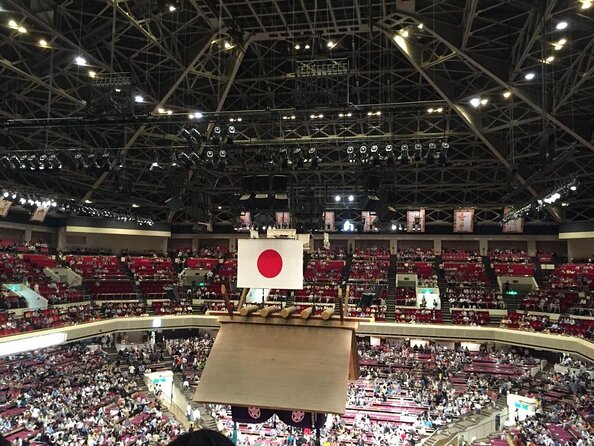
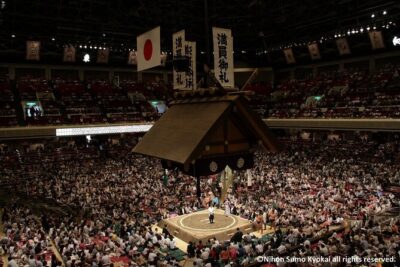
Sumo is loud, bigger, and weirder than you expect. This Tokyo experience brings you into the middle of Japanese sumo season on reserved seats at Ryogoku Kokugikan, with an English guide walking you through what you’re seeing and why it matters. The result: you spend less time guessing and more time following the drama in the ring.
I really like the way the tour pairs the tournament with sumo culture context—so the ceremonies, rules, and wrestler details click fast. I also like that your seat is taken care of, which means you can relax instead of standing around hoping you picked the right corner.
One thing to consider: seating is “come as you are,” not plush. You’ll sit on cushions without a backrest and you’ll need to remove your shoes, and the sumo museum visit can be skipped if crowds slow things down.
In This Review
- Key things I’d highlight before you go
- Tokyo Sumo at Ryogoku Kokugikan: What You’re Really Buying
- Getting There: Ryogoku Station, Museum Timing, and a Smooth Start
- The Stadium Experience: Chair vs Box Seats, and the Shoe-Off Rule
- What the English Guide Actually Changes for Your Sumo Viewing
- The Sumo Museum Stop: Helpful Background, With Real-World Crowds
- Optional Lunch at Ryogoku: Hot Pot That Keeps You Comfortable
- Price and Value for a Reserved Tokyo Sumo Ticket
- Who This Tour Fits Best (and Who Might Want Another Plan)
- Should You Book This Tokyo Sumo Tournament Tour?
- FAQ
- How long is the sumo tournament tour?
- Where do we meet for the tour?
- What’s included in the ticket price?
- Do I get reserved seating, or will I be standing?
- Is there any special seating or clothing rule inside the stadium?
- Can I get a refund if I cancel?
Key things I’d highlight before you go
- Ryogoku Kokugikan access: a proper day at Tokyo’s main sumo arena, not a rushed photo stop
- Reserved chair seats on the 2nd floor with a view designed for watching bouts
- Shoe-off stadium seating: quick rules, but plan socks and comfy footwear
- English guide storytelling that helps you read the bouts like a local
- Optional hot pot lunch so you’re fueled before the intensity starts
- Small group size (up to 15), which makes questions easier to ask
Tokyo Sumo at Ryogoku Kokugikan: What You’re Really Buying
You’re paying for more than admission. You’re buying a guided way into one of Japan’s most tradition-heavy sports, right inside the country’s big-sumo heartbeat.
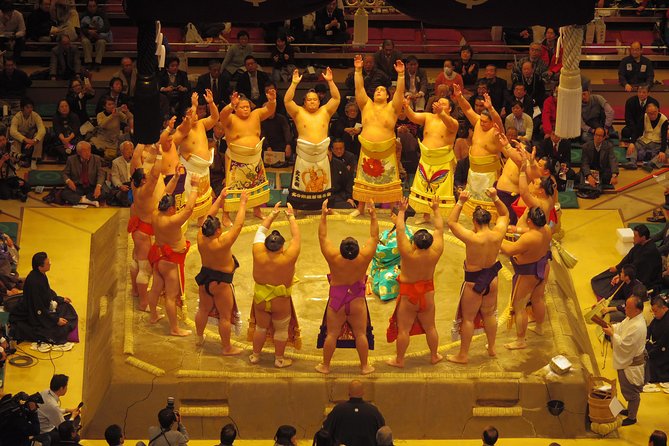
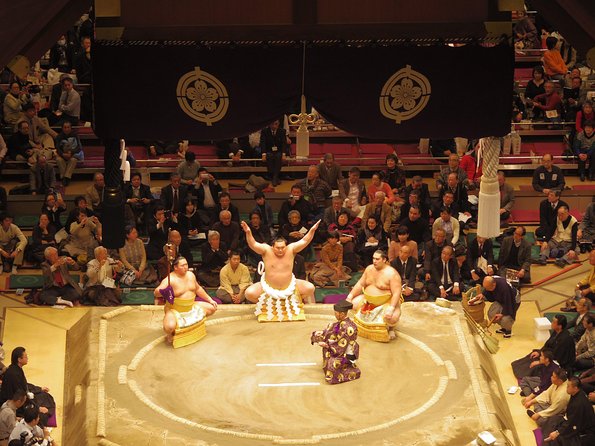
At Ryogoku Kokugikan, the whole experience runs on momentum—like the crowd, the wrestlers, and the rhythm of the arena are pushing against each other at the same time. Sumo fans talk about the sport’s long roots, tied to Japan’s older Shinto traditions, and when you see the pre-bout ceremony and the serious little rituals around the ring, the history suddenly feels present, not academic.
The other big “value move” here is seat strategy. The tour uses chair/box seats, so you don’t end up stuck trying to see over heads during the most exciting parts of the afternoon. That matters because sumo is fast to turn from calm to chaotic. One moment you’re watching big personalities stomp around; the next, everyone in the ring is committing.
Other ringside bookings readers scored
- Tokyo: Sumo Show and Dining Experience
★ 4.8 · 2,742 reviews - the SUMO show
★ 5.0 · 1,960 reviews - Tokyo Shinjuku Sumo Show & Experience with Photo
★ 5.0 · 1,750 reviews - Tokyo: Sumo Show and Experience in Shinjuku
★ 4.8 · 1,001 reviews
Getting There: Ryogoku Station, Museum Timing, and a Smooth Start
You’ll start in Tokyo’s Ryogoku area, meeting at JR Ryogoku Station West Gate for most chair-seat options. If you’re doing the lunch add-on, you meet at Ryogoku Hanano-mai Restaurant first. For chair option C, you meet at Ryogoku River Center. Either way, the goal is the same: you get placed with your group early enough that the day doesn’t feel like a sprint.
Once everyone’s together, you head toward Ryogoku Kokugikan, Tokyo’s National Sumo Arena. There’s a short walk, enough to get your bearings and build excitement, but not long enough to drain energy before the bouts.
Then there’s the museum step. The tour includes a stop at the Sumo Museum, but it’s not guaranteed. If the area is crowded, it may be skipped. I like that this is treated realistically. When there’s a tournament day crush, no one wants a sad half-visit where you stand in a line more than you explore.
Timing-wise, think of this as an afternoon event with a proper finish point around early evening. The tour doesn’t try to cram Tokyo’s entire skyline into the schedule. It stays focused on the stadium day, which is exactly what you want for sumo.
The Stadium Experience: Chair vs Box Seats, and the Shoe-Off Rule
Here’s the practical part that will affect your comfort more than you think: seating.
You’ll get chair seats on the 2nd floor. On the 1st floor, the tour uses box seats. The box seating option is noted as having a private space without sharing, which can be a nice upgrade if you’re traveling with a small group or want a bit more personal space.
The stadium seating itself is very traditional. The cushions can feel firm, and there’s no backrest, so you’re sitting forward and steady for a while. Also: you’ll need to remove your shoes when sitting. It’s a small change, but it can catch people off guard if they’re wearing shoes they hate taking off (or shoes with socks they don’t want to get chilly).
One more logistics note: there’s a place for stroller storage, but you can’t bring strollers up to your seats. If you’re traveling with a baby and you want everything to feel easy, pack accordingly so you’re not constantly juggling gear.
And yes, the chair/box difference matters for your view. Higher seating can feel far at first. Then your guide explains what to watch, and suddenly you’re tracking actions and decisions, not just watching giant bodies collide. If you’re a first-time sumo watcher, reserved seating plus context is the winning combo.
What the English Guide Actually Changes for Your Sumo Viewing
A tournament ticket alone gets you in the building. A guide gets you the “why” behind the “wow.”
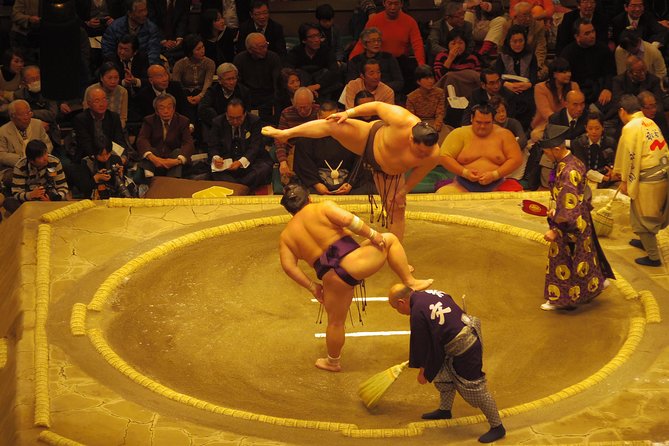
An English-speaking guide explains sumo culture, traditions, and how to read the bouts. This is crucial because sumo isn’t only about strength. It’s about timing, positioning, and technique—plus the meaning of the small ceremonial moments around match start.
The guide also points out what to look for as momentum shifts. In sumo, the momentum can move like a pendulum. The crowd’s roar rises and falls, and you can actually feel the rhythm changing as wrestlers commit to throws, pushes, and sudden pivots. When you know what you’re seeing, the intensity becomes easier to follow rather than just loud.
You may be with different guides on different dates. I’ve seen guides named Tetsu, Taka, Yuko, Maddie, Mia, Kenichi, and KATA in this kind of tour setting, and the common thread is the same: they’re excited to explain the sport, not just point you toward your seat.
If you’re the type who likes to learn before a show, this tour is set up perfectly. You’ll get those key “watch-for” ideas before the first bouts so you don’t miss the best parts while you’re still trying to understand the basics.
The Sumo Museum Stop: Helpful Background, With Real-World Crowds
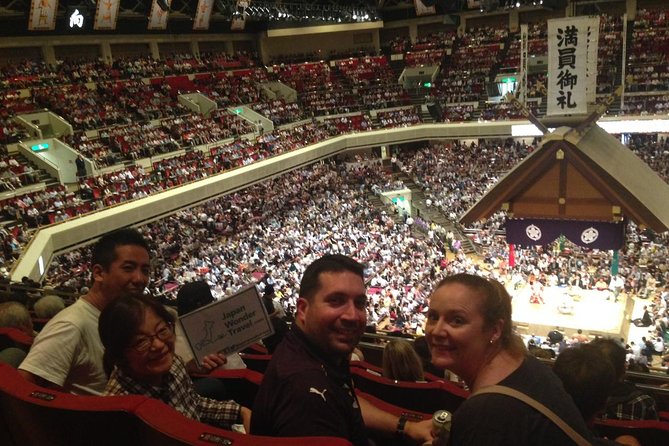
The Sumo Museum is a great add-on because it helps you connect the people in the ring with what you learn inside the sport’s world.
You’ll visit the Sumo Museum as part of the flow. The catch is crowd control. The museum visit may be skipped if congestion slows the schedule. In practice, this means you shouldn’t treat it as your main event.
My advice: think of the museum as “bonus background,” not “must-see.” If you do get in, it gives context that makes the tournament feel richer. If you don’t, the core experience still delivers: sitting in the arena for the real bouts.
This kind of flexible handling is smart on tournament days. You’ll get enough signal from the museum to deepen your understanding, but you’re not stuck losing your seats waiting for access that might never come.
- Tokyo: Shinjuku Food Tour (13 Dishes at 4 Local Eateries)★ 5.0 · 6,603 reviews
- Tokyo Mt Fuji 5th St & Hakone Cruise Bus Tour w/Bullet Train★ 4.4 · 5,024 reviews
- Flagship 2-Hours Official Street Go-Kart Tour – Tokyo Bay Shop★ 5.0 · 4,974 reviews
- From Tokyo: Mount Fuji Full-Day Sightseeing Trip★ 4.5 · 4,970 reviews
- Tokyo: Hop-On Hop-Off Sightseeing Bus Ticket★ 3.9 · 4,207 reviews
Optional Lunch at Ryogoku: Hot Pot That Keeps You Comfortable
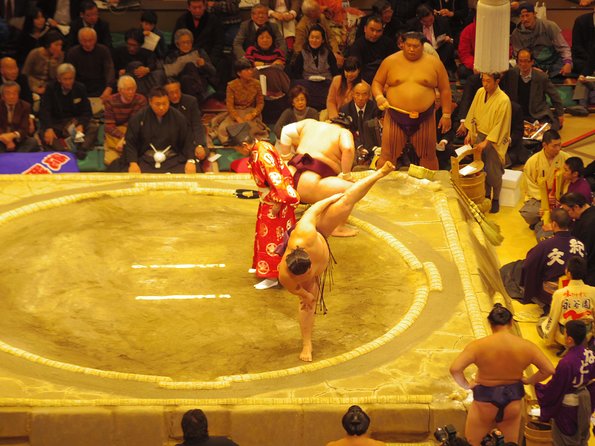
The lunch plan is an optional add-on, and it’s a smart one if you’re going for the full tournament afternoon.
If you choose it, you’ll meet at Ryogoku Hanano-mai Restaurant and get a Japanese hot pot lunch included. The practical upside is timing: hot food before a long sit is a gift. Sumo bouts can be gripping, and you don’t want to be calculating what you’ll eat while you’re trying to enjoy the next match.
Hot pot also fits the Ryogoku vibe—comfort food that works well with an energetic crowd around you. It’s not the kind of meal where you’re rushed to finish and run back. It’s more like getting yourself set up for a few hours of intense watching.
If you have allergies or dietary restrictions, you’ll want to tell the operator when booking or after reserving. The tour data is clear that they need that info ahead of time.
Price and Value for a Reserved Tokyo Sumo Ticket
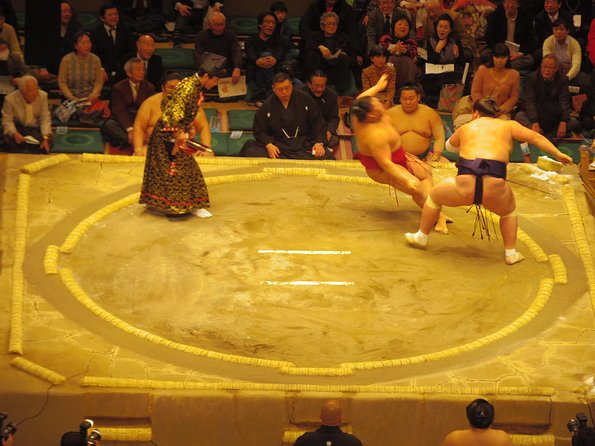
At $124, this tour sits in the “premium but not crazy” category for a Tokyo experience. Here’s how I’d evaluate it:
- You’re paying for reserved chair/box seating, meaning you skip a lot of uncertainty.
- You’re paying for a local professional English guide, which is the real difference-maker for first-timers.
- You’re also getting a structured tournament-day flow that includes the museum stop, with flexibility when crowds hit.
- If you add the lunch plan, your value increases because you’re not separately searching for a meal in a busy area.
Now, the honest caution: tournament tickets can have a face value in yen, and your total tour price may feel high if you only compare the seat ticket line item. One review pointed out a large difference between a yen-listed ticket value and what was charged through their booking. So if you’re price-sensitive, look at the full bundle, not only the ticket price.
In plain terms: this is not just a ticket purchase. It’s a guided event that reduces confusion and boosts enjoyment. For many visitors, that’s worth more than saving a little money and struggling with signage, timing, and what to watch once you’re in your seat.
Who This Tour Fits Best (and Who Might Want Another Plan)
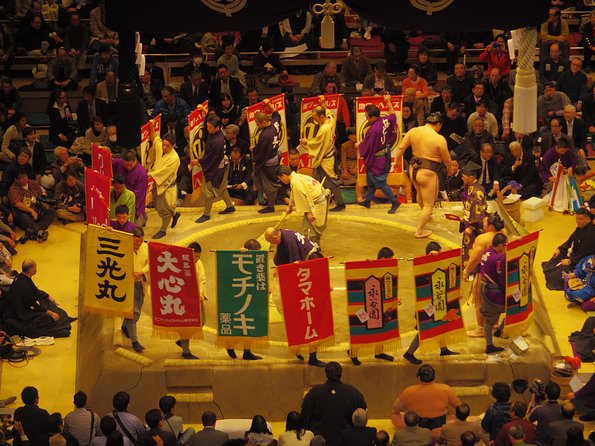
This tour is ideal if you’re:
- New to sumo and want to understand what you’re seeing fast
- Interested in traditions and want more than just match-time footage
- Traveling on a schedule and want reserved seating without the stress of securing it yourself
- Traveling with a small group mindset, since the group size caps at 15 travelers
- Interested in choosing a comfortable rhythm for the day, including an optional hot pot lunch
You might think twice if you:
- Hate removing shoes for seating (it’s part of stadium rules here)
- Want a plush, backrest-style experience (this is cushion seating without backrests)
- Are determined to get absolutely every planned stop no matter what (the museum can be skipped due to congestion)
Also, arrive with time in your favor. The tour is explicit that they leave on time, so being punctual isn’t optional if you want to avoid stress.
Should You Book This Tokyo Sumo Tournament Tour?
If you’re in Tokyo during one of the three annual sumo tournaments, I’d book this kind of guided seat setup. The arena is special, and a first-time sumo experience can be confusing without context. Your biggest win here is the guide + reserved seating combo. You’ll understand the ceremonies and the “momentum shifts” instead of just hearing noise and seeing collision.
If you’re comfortable with shoe-off seating and you’re happy with chair or box options, this tour makes the day feel easy and focused. The optional hot pot lunch is also a nice buffer so you’re not hunting food while your attention should be on the ring.
On the other hand, if you’re traveling purely on budget and already know sumo rules well enough to enjoy it cold, you might prefer buying tickets on your own. But for most visitors, the guidance and seat security justify the cost quickly.
In short: book it if you want your Tokyo sumo day to feel like a real experience, not a scavenger hunt.
FAQ
How long is the sumo tournament tour?
The experience lasts about 3 hours 30 minutes.
Where do we meet for the tour?
For most chair-seat options, you meet at JR Ryogoku Station West Gate. If you choose the lunch plan, you meet at Ryogoku Hanano-mai Restaurant. For chair C seats, you meet at Ryogoku River Center. The tour finishes at Ryogoku Kokugikan.
What’s included in the ticket price?
The included items are the sumo tournament ticket (chair/box seat), a local professional English-speaking guide, and (if you select the lunch plan) a Japanese hot pot lunch.
Do I get reserved seating, or will I be standing?
You get reserved chair/box seats, with chair seats typically on the 2nd floor. You are not expected to stand to watch.
Is there any special seating or clothing rule inside the stadium?
You’ll sit on cushion seating without a backrest, and you will need to remove your shoes when sitting.
Can I get a refund if I cancel?
Yes. Free cancellation is available up to 24 hours in advance for a full refund. If you cancel less than 24 hours before the tour start time, you won’t receive a refund.
More Tour Reviews in Tokyo
- Mt Fuji and Hakone 1-Day Bus Tour Return by Bullet Train
★ 5.0 · 26,383 reviews - 1-Day Tokyo Bus Tour
★ 5.0 · 14,250 reviews - Tokyo: teamLab Planets TOKYO Digital Art Museum Entry Ticket
★ 4.6 · 9,779 reviews - Mt Fuji & Hakone Cruise, Drum Show Bullet Train 1 Day from Tokyo
★ 4.0 · 7,413 reviews - Tokyo: Shinjuku Food Tour (13 Dishes at 4 Local Eateries)
★ 5.0 · 6,603 reviews
More Sumo, Ringside and Rated
- Tokyo: Sumo Show and Dining Experience
★ 4.8 · 2,742 reviews - the SUMO show
★ 5.0 · 1,960 reviews - Tokyo Shinjuku Sumo Show & Experience with Photo
★ 5.0 · 1,750 reviews - Tokyo: Sumo Show and Experience in Shinjuku
★ 4.8 · 1,001 reviews - Tokyo Grand Sumo Tournament Viewing Tour with Tickets
★ 5.0 · 692 reviews
Latest Tokyo reviews off our desk






Sumo Tournaments & Shows, compared.
 ★ 4.8Sumo Show and Dining ExperienceFrom $792,742 reviews
 ★ 5.0the SUMO showFrom $891,960 reviews
 ★ 5.0Tokyo Shinjuku Sumo Show & Experience with PhotoFrom $791,750 reviews
 ★ 4.8Sumo Show and Experience in ShinjukuFrom $691,001 reviews
 ★ 5.0Tokyo Grand Sumo Tournament Viewing Tour with TicketsFrom $124692 reviews
 ★ 4.7Luxury Sumo Show Experience & Japanese cuisine & DrinkFrom $103577 reviews
 ★ 4.8Sumo Morning Practice Viewing TourFrom $81570 reviews
 ★ 4.8Tokyo Sumo Experience: Chanko & Mochi with a Former ProFrom $103567 reviews
Browse the lists this tour appears in