
Reviewed · SHIBUYA EXPERIENCES
Tokyo: Tea Ceremony in Shibuya Tokyo
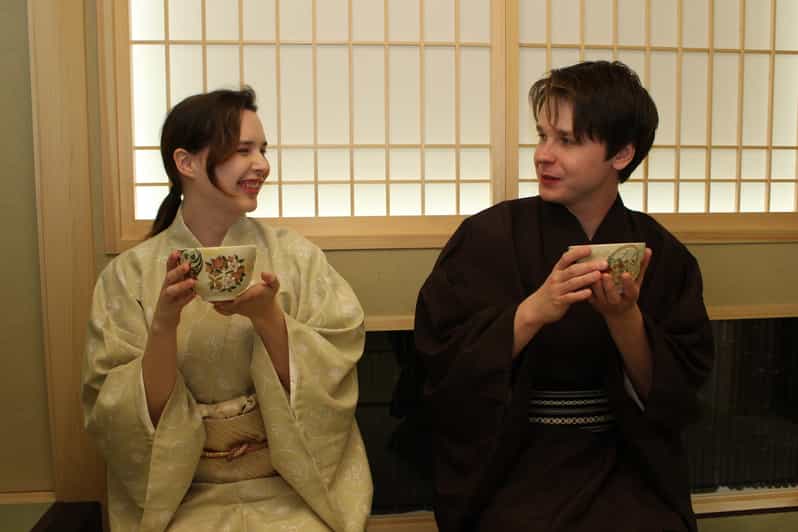
Tea ceremony calm is a fun surprise in Shibuya. You get a private class in a dedicated tea room, guided in English by teachers experienced in the ritual. I like that it’s not a loud, assembly-line stop; you slow down and actually do the steps.
Two things I especially like: the Otemae demonstration with clear explanation, and the chance to make your own matcha. You’ll also taste traditional Japanese sweets before you brew, which makes the whole flow feel intentional. One consideration: at $81 per person this is a booked, private experience, so you’re paying for your own group time (no mixed sessions).
In This Review
- Key highlights worth your attention
- A Shibuya tea ceremony that actually feels like tea
- Entering the tea room: what the setting teaches you
- The flow: history, etiquette, and the Otemae demonstration
- Sweets before matcha: why the tasting step is not filler
- Your turn: making matcha in a guided, private setup
- Etiquette in plain language: what you’ll actually carry home
- Kimono options and what to wear so you’re comfortable
- Souvenir energy: Pokemon from kimono material
- Price and value: what $81 includes (and why it’s fair)
- Practical timing and what the private format means for you
- Who should book this tea ceremony (and who might skip)
- Quick decision guide: should you book?
- FAQ
- Where does the tea ceremony take place?
- Is the experience private?
- How many people can book together?
- What language are the classes taught in?
- What do you do during the ceremony?
- What does the price include?
- What should I wear, and is pick-up available?
Key highlights worth your attention
- English-speaking tea teachers guide you through the history and etiquette at your pace
- Otemae demo + your own matcha hands-on learning, not just watching
- Japanese sweets tasting first helps you understand the tea mood before you make anything
- Fully private booking (1 to 4 people) means you stay with your group
- Kimono-themed souvenirs are part of the Shibuya experience vibe, including items made from kimono material
- Optional kimono rental may be available, with a separate charge
A Shibuya tea ceremony that actually feels like tea
Tokyo has a way of turning everyday errands into mini adventures. In that same spirit, a tea ceremony in Shibuya sounds like a marketing idea until you see the setting: you step into a tea room atmosphere designed for focus and quiet. Then the day shifts gears from city speed to careful movement.
This works well for people who want something cultural without committing to hours of museum time. If you’ve got a packed itinerary, a tea ceremony gives you a short, high-signal activity: one host, one theme, and you leave with a new skill you can repeat at home.
It also helps that this experience is private for your group. You won’t be mixed with strangers, so you can ask questions and move at a comfortable tempo—especially helpful if you’re not sure how much you’ll understand in English or you just want the calm.
More booked around Shibuya Crossing
- Official Street Go-Kart in Shibuya
★ 5.0 · 3,435 reviews - Tokyo: Street Kart Experience in Shibuya
★ 4.9 · 1,484 reviews - Shibuya Meltdown Nightlife Tour: All-You-Can-Drink Bar Hopping
★ 5.0 · 1,058 reviews - Shibuya Official Street Go-Kart in Shibuya Annex
★ 5.0 · 972 reviews
Entering the tea room: what the setting teaches you
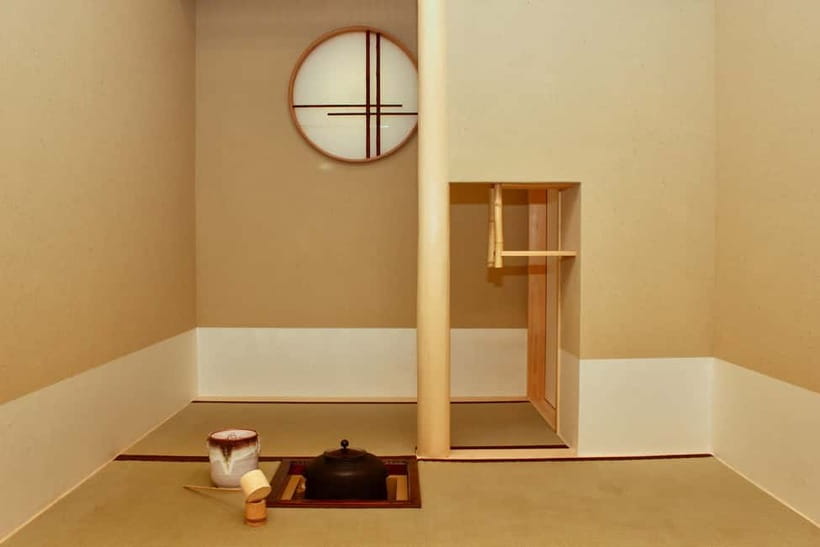
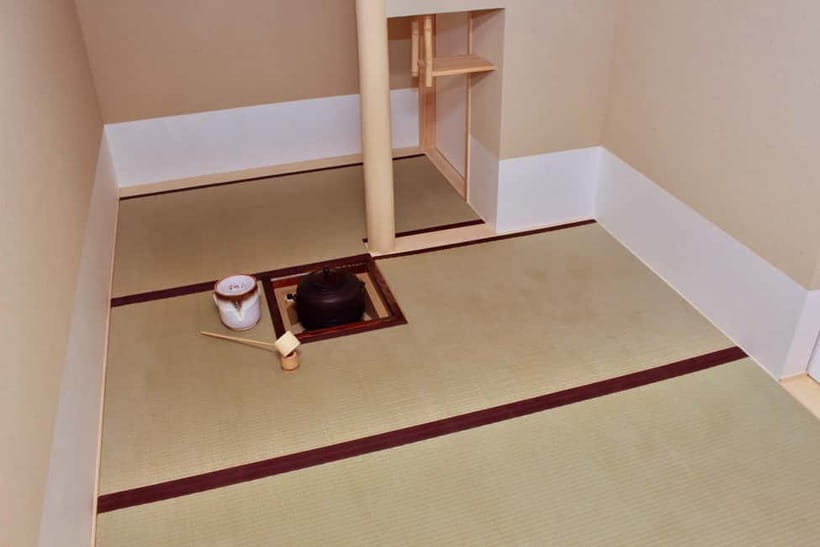
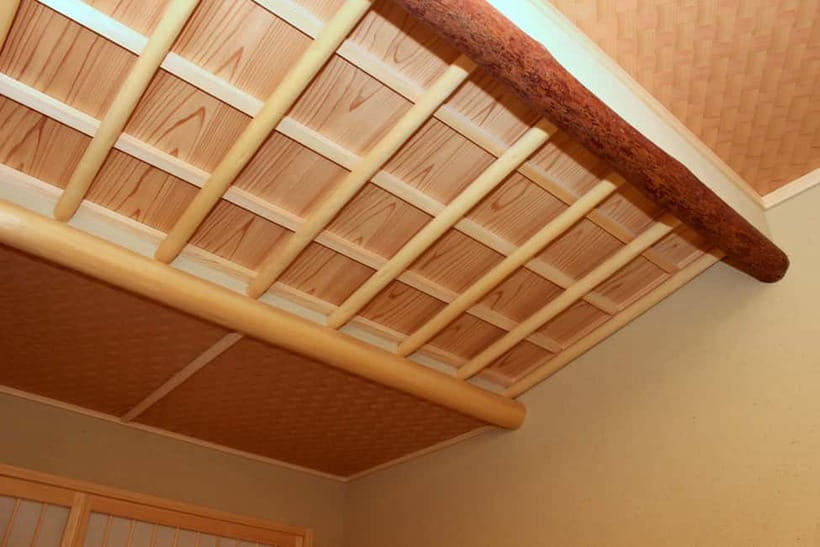
Even before tea shows up, the tea room setting sets expectations. The class is designed around traditional tea ceremony etiquette, and you’re not asked to sprint through it. You’ll get time to settle, look around, and get oriented before anyone hands you tools.
The room matters because tea ceremony is partly about rhythm. When you’re taught in a real tea room environment, you notice details you’d otherwise miss: the order of actions, how the host explains what you’re about to do, and how you handle utensils. That’s where the learning sticks.
I also appreciate the tone the teachers set. One review mentioned a hostess led by Mako-san, described as charming and very knowledgeable, and that kind of calm leadership is exactly what you want here. Tea ceremony is not meant to be stressful, and the private format usually keeps it that way.
The flow: history, etiquette, and the Otemae demonstration
Your class includes an explanation of the history and culture of the tea ceremony, plus etiquette. This matters because tea ceremony isn’t only a recipe. It’s a set of social rules and gestures that shape how tea is served and received.
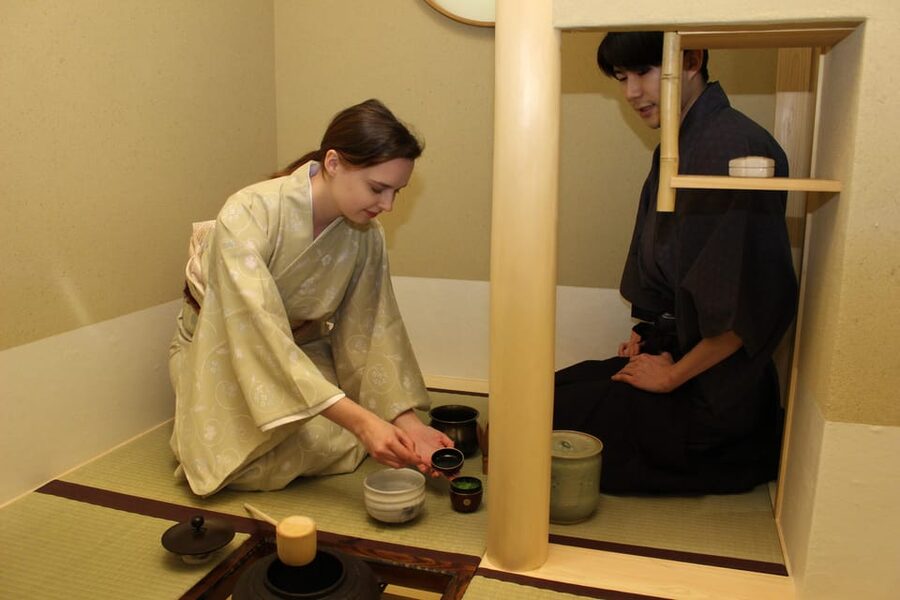
After the talk, you’ll watch a demonstration of the tea preparation called Otemae. Otemae is the practical “how” part: the sequence of steps and movements that make the tea-making consistent and respectful. The best part is that the demonstration isn’t left floating in the air—you see it, then you make it.
If you’re coming in with zero experience, this structure is a smart way to learn. You get the why, then you get the how, then you get the chance to do it with guidance.
Sweets before matcha: why the tasting step is not filler
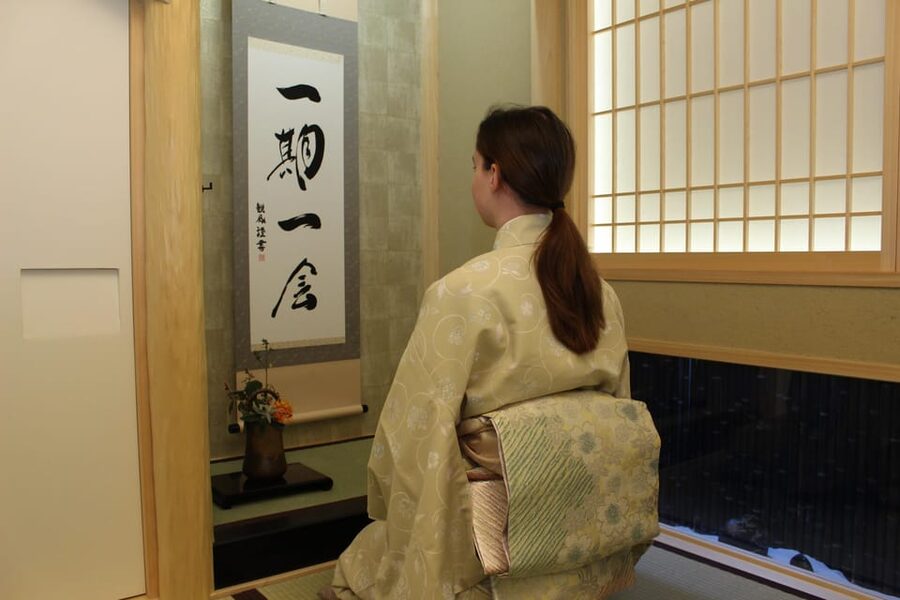
A lot of activities toss in snacks as an afterthought. Here, the tasting is built into the ceremony flow. Before you make your tea, you get to enjoy traditional Japanese sweets.
That sequencing changes how you experience the tea. You’re not just drinking matcha because it’s part of a “thing to do in Tokyo.” You’re tasting sweets first, which gives your palate a reference point. Then when matcha arrives (either the teacher’s prepared tea, or the tea you make), your brain already has something to compare it to.
In short: you’ll likely understand why matcha and sweets are paired, instead of treating them like random add-ons. It’s a small step that pays off.
Your turn: making matcha in a guided, private setup
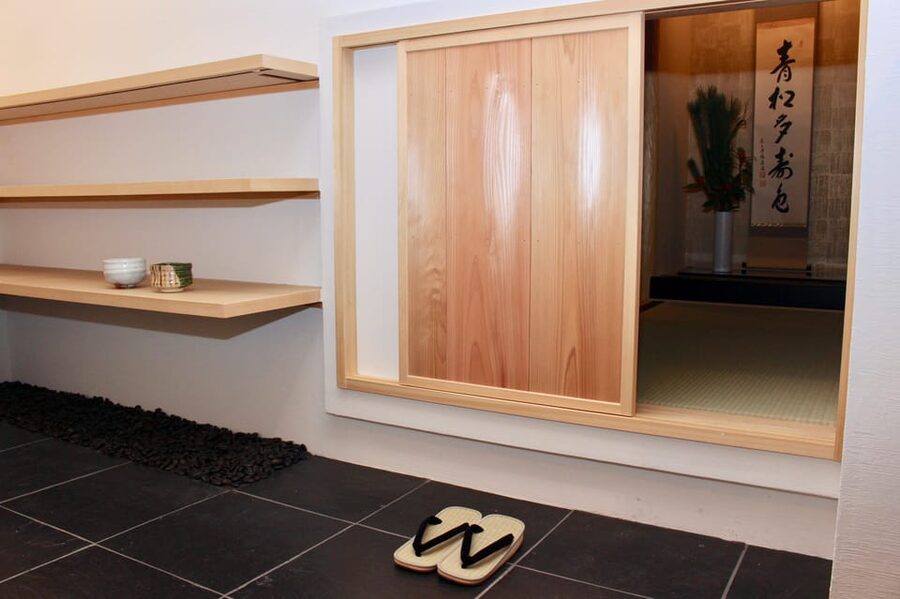
This is the hands-on center of the experience. You’ll get a chance to make your own matcha, with an experienced English-speaking teacher guiding you through it.
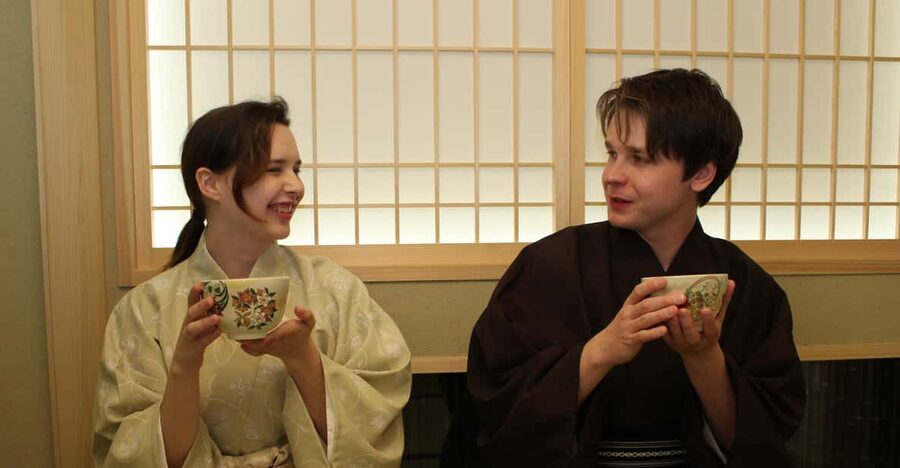
You also taste matcha tea during the class. One review described a shorter one-hour option where the hostess wearing a kimono made matcha first, then guests took turns making tea themselves. Even if your session runs longer or follows a different pacing, the core idea stays the same: you do the making, not just the watching.
What to expect from the learning moment:
- You’ll be taught the steps as you do them, so you’re not guessing.
- You’ll likely take turns or practice the actions during your group’s hands-on time.
- The teacher’s job is to keep it understandable, calm, and respectful.
If you worry about doing everything “perfectly,” don’t. In a private class, the goal is participation and understanding. You’re learning a ritual, not chasing a cooking competition score.
More tea rooms our readers rated
- Matcha Making Class in Tokyo with Authentic Japanese Sweets Set★ 5.0 · 744 reviews
- Tokyo: Traditional Tea Ceremony with a Tea Master★ 5.0 · 528 reviews
- Tokyo: Matcha Making Experience with Mochi Sweets in Asakusa★ 4.9 · 388 reviews
- Tokyo: Matcha and Kimono Experience★ 4.7 · 219 reviews
- Tea Ceremony Workshop in Tokyo by the Experienced Instrucor★ 5.0 · 189 reviews
Etiquette in plain language: what you’ll actually carry home
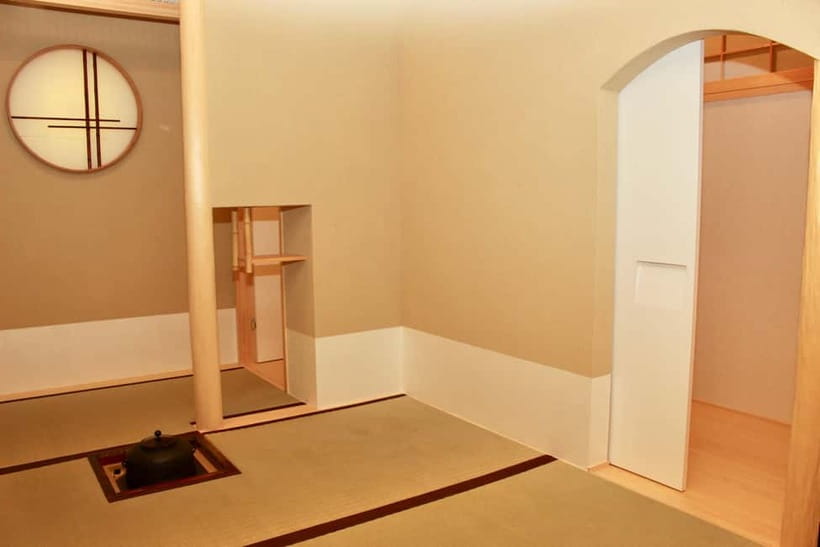
Tea ceremony etiquette can sound strict. In practice, the class makes it approachable by teaching it as a set of helpful behaviors. You’re learning how to behave in the tea room context, where attention and respect show up through small actions and a clear sequence.
That’s why this class can be more valuable than a photo-heavy cultural stop. You leave with something you can repeat: the idea of slowing down, doing each step in order, and treating tea as a shared moment rather than just a drink.
And because this is guided in English, you’re not stuck decoding everything on your own. You’ll know what you’re doing and why.
Kimono options and what to wear so you’re comfortable
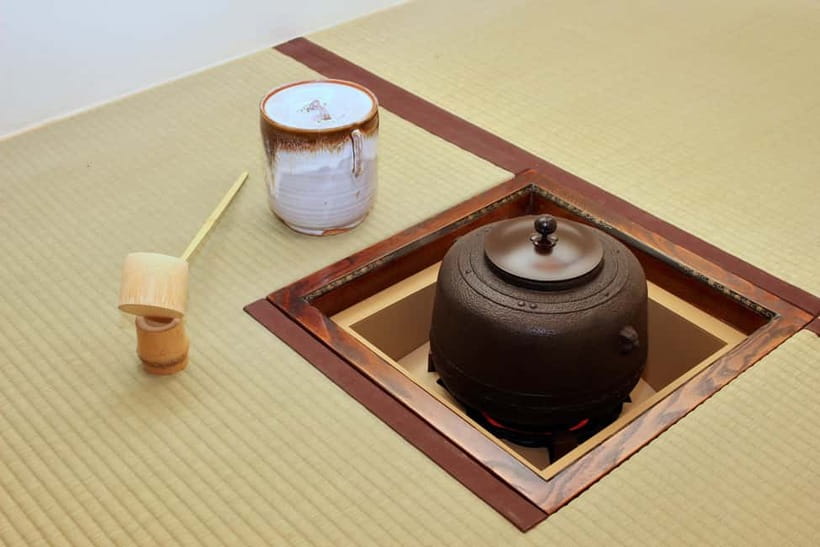
You might have the option to wear a kimono, though it’s not automatically included for every session. One review noted that kimono wear was available but came with a charge, so assume it’s an add-on.
Clothing rules are the bigger practical item. You don’t need to bring anything special, but you should wear skirts or pants long enough to cover your knees. If you show up without that coverage, the organizers will lend suitable pants or a wrap skirt for free.
This detail is worth taking seriously. It prevents awkwardness and lets you focus on the class instead of adjusting your outfit mid-ritual.
Souvenir energy: Pokemon from kimono material
Shibuya can feel like a pop-culture magnet, and tea ceremony here doesn’t try to pretend that isn’t part of the city. One highlight specifically calls out Pokemon souvenirs made from kimono material.
Think of these as a fun bridge between two worlds: traditional culture for the ceremony, and modern Japanese design for the take-home portion. You’re not required to buy anything, but having a few small, quirky options is nice if you want a reminder that still feels Tokyo.
Price and value: what $81 includes (and why it’s fair)
At $81 per person, this isn’t a budget activity. But it’s also not just a ticket for entry into a room. Your fee includes:
- tea and sweets fees
- facility charges and taxes
So you’re not getting nickeled-and-dimed after you arrive. That matters in Tokyo, where extra charges can sneak in.
It’s also private for your group. For some people, that’s the main value: you pay for time and attention, not for a seat in a bigger room. The booking size ranges from 1 person up to 4 people per booking, and sessions are not mixed.
Add optional pick-up service: it’s included if needed. If you’re staying far from Shibuya or you’re tired after a day of walking, that can turn the experience from a hassle into an easy evening.
Finally, there’s a payment flexibility angle: reserve & pay later is available, meaning you can book and pay nothing today. That makes it easier to plan when your schedule is still evolving.
Practical timing and what the private format means for you
The class is structured and guided, and at least one available option is a shorter one-hour ceremony. That tells you the experience can fit different schedules.
Because it’s private, your group’s pace matters. You won’t be rushed by other schedules or forced to share your teacher with strangers. If you’re traveling with family, it can be a calmer way to do cultural activity without losing someone to impatience.
Also, private doesn’t mean you’re left alone. You’ll still have step-by-step instruction for the history, Otemae demonstration, matcha making, and tasting.
Who should book this tea ceremony (and who might skip)
I think this works best for you if:
- you want an authentic cultural activity that includes hands-on making
- you prefer learning with an English-speaking teacher in a private setting
- you like calm, structured experiences more than free-form wandering
- you’re a foodie-in-training and enjoy the tea-and-sweets pairing
You might skip it if:
- you mainly want nightlife or street-photo entertainment and don’t want a seated, focused hour (or whatever your session length is)
- you’re looking for a group tour atmosphere with lots of other people around
- you’re trying to fill time cheaply rather than learn something for real
Quick decision guide: should you book?
Yes, I’d book it if you want a small, meaningful Tokyo moment that’s guided, private, and practical. The combination of Otemae explanation, your own matcha, and sweets first is a smart way to understand the ceremony instead of just watching it.
Before you book, do one simple thing: email [email protected] to confirm details and your preferences. Also plan your outfit so your knees are covered, or count on the free borrowed pants or wrap skirt.
If you want a tea experience that feels like you were taught, not herded, this is a strong choice for Shibuya.
FAQ
Where does the tea ceremony take place?
It’s held in a tea room in Shibuya, Tokyo.
Is the experience private?
Yes. It’s a completely private experience for your group, with no mixed sessions.
How many people can book together?
The group size is 1 person up to 4 people per booking.
What language are the classes taught in?
The teachers lead the class in English.
What do you do during the ceremony?
You’ll get an explanation of the tea ceremony’s history and etiquette, a demonstration of Otemae, you’ll make your own matcha, and you’ll taste your matcha tea plus traditional Japanese sweets.
What does the price include?
The price includes tea and sweets fees, facility charges, and taxes.
What should I wear, and is pick-up available?
You should wear skirts or pants long enough to cover your knees. If not, you can borrow suitable pants or a wrap skirt for free. A pick-up service is included if needed.
More Tour Reviews in Tokyo
- Mt Fuji and Hakone 1-Day Bus Tour Return by Bullet Train
★ 5.0 · 26,383 reviews - 1-Day Tokyo Bus Tour
★ 5.0 · 14,250 reviews - Tokyo: teamLab Planets TOKYO Digital Art Museum Entry Ticket
★ 4.6 · 9,779 reviews - Mt Fuji & Hakone Cruise, Drum Show Bullet Train 1 Day from Tokyo
★ 4.0 · 7,413 reviews - Tokyo: Shinjuku Food Tour (13 Dishes at 4 Local Eateries)
★ 5.0 · 6,603 reviews
More Tea and Matcha Rooms
- Matcha Making Class in Tokyo with Authentic Japanese Sweets Set
★ 5.0 · 744 reviews - Tokyo: Traditional Tea Ceremony with a Tea Master
★ 5.0 · 528 reviews - Tokyo: Matcha Making Experience with Mochi Sweets in Asakusa
★ 4.9 · 388 reviews - Tokyo: Matcha and Kimono Experience
★ 4.7 · 219 reviews - Tea Ceremony Workshop in Tokyo by the Experienced Instrucor
★ 5.0 · 189 reviews
More Around Shibuya Crossing
- Official Street Go-Kart in Shibuya
★ 5.0 · 3,435 reviews - Tokyo: Street Kart Experience in Shibuya
★ 4.9 · 1,484 reviews - Shibuya Meltdown Nightlife Tour: All-You-Can-Drink Bar Hopping
★ 5.0 · 1,058 reviews - Shibuya Official Street Go-Kart in Shibuya Annex
★ 5.0 · 972 reviews - Tokyo: Shibuya Food Tour (13 dishes and 4 Eateries)
★ 5.0 · 770 reviews
Latest Tokyo reviews off our desk




Shibuya Experiences, compared.
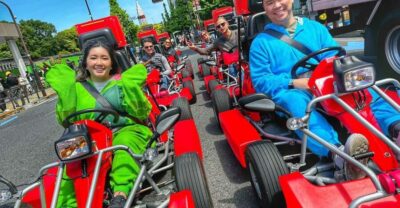
 ★ 5.0Official Street Go-Kart in ShibuyaFrom $763,435 reviews
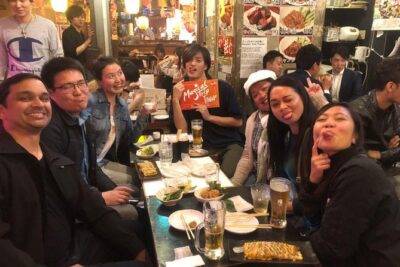
 ★ 4.9Street Kart Experience in ShibuyaFrom $741,484 reviews
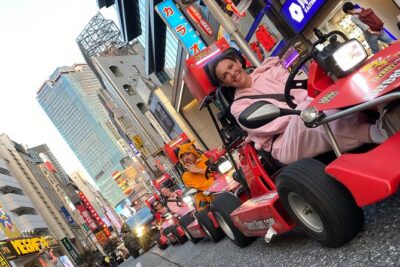
 ★ 5.0Shibuya Meltdown Nightlife Tour: All-You-Can-Drink Bar HoppingFrom $1061,058 reviews
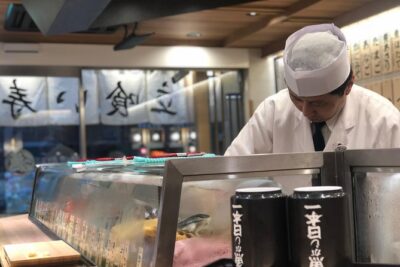
 ★ 5.0Shibuya Official Street Go-Kart in Shibuya AnnexFrom $69972 reviews
 ★ 5.0Shibuya Food Tour (13 dishes and 4 Eateries)From $77770 reviews
 ★ 5.0Best of Shibuya Food TourFrom $217612 reviews
 ★ 4.8Shibuya Highlights Walking TourFrom $19601 reviews
 ★ 4.7Premium Go-Kart Tour with Tower & Shibuya CrossingFrom $116528 reviews
Browse the lists this tour appears in