
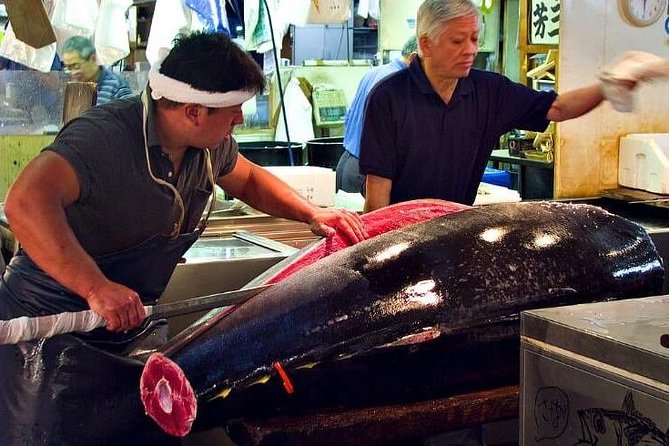
Reviewed · TSUKIJI MARKET FOOD TOURS
Tokyo Tsukiji Food & Culture 6hr Private Tour with Licensed Guide
Food here moves fast, so go with a plan. This private Tsukiji to Asakusa route is built for people who want great eats and real Tokyo shopping lanes without wrestling a map, and it can be shaped around your interests. You’ll cover Tsukiji food culture and classic Asakusa sights in one day, guided start to finish by a licensed English speaker.
What I like most is the undivided attention you get on a private tour. Second, you can tailor the day by choosing 3–4 stops from a ready-made list, which helps if you care more about markets, temples, or specific shopping streets. (If you get Taka, one rainy-day story highlighted how smoothly they kept things moving and how supportive they can be with chopsticks while you’re eating.)
One consideration: it’s a walking tour, and lunch, transit, and some market entry costs are not included—so you’ll want to budget time and money for food and getting between areas.
In This Review
- Key points at a glance
- A private walking route that turns Tsukiji and Asakusa into one smooth day
- Toyosu Market: modern wholesale vibes and what’s extra
- Tsukiji Fish Market in the morning: the feel of the classic seafood maze
- Ameyoko Shopping Street: shopping energy with a location advantage
- Senso-ji and Nakamise: temple time plus souvenir-snack momentum
- Kappabashi Dogugai: the kitchen-tool shopping street food lovers remember
- Tsukishima Monjya Street: liquid-style monjayaki and a flavor detour
- Yanaka Ginza Street: the old-town feel for a calmer pace
- Price and value: what your $154.84 actually buys
- How the guide keeps the day from turning into chaos
- Timing tips you can use immediately
- Who this tour is best for
- Should you book this Tsukiji to Asakusa private tour?
- FAQ
- Is this a private tour?
- How long is the tour?
- Is it mostly walking?
- Can I choose which stops to visit?
- Are entrance fees included?
- Does the price include lunch and transportation?
- Is there pickup and mobile ticketing?
- What’s the cancellation window?
Key points at a glance
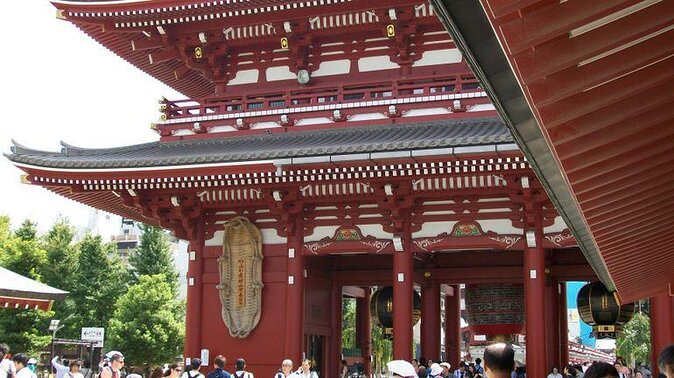
- Private, licensed English guide: Better explanations and smoother decision-making than wandering alone.
- Pick 3–4 stops: You control the flavor of the day (markets, temples, shopping streets).
- Toyosu plus Tsukiji, in one day: You get a modern market stop and the classic seafood feel.
- Asakusa shopping streets before and after Senso-ji: Easy flow for snacks and souvenirs.
- Kappabashi tool-shopping culture: Practical foodie shopping for restaurant-style kitchen gear.
- Guides can adjust when weather hits: One guide named Taka handled rain by adding a welcome alternative plan.
A private walking route that turns Tsukiji and Asakusa into one smooth day
Tokyo’s market zones and temple neighborhoods can feel like two different worlds. This tour stitches them together with a clear walking route and a guide who helps you stay oriented while you move. Instead of guessing what’s worth your time, you follow a licensed English speaker who can steer you toward the right experiences at the right moment.
The structure also helps you avoid the common problem of “market time” turning into random browsing. With a private format, you don’t have to wait for a group, and you can linger where something catches your eye—then move on when it’s time.
You also get the benefit of flexibility. You choose 3–4 sites from the list, so your day doesn’t have to feel like a checklist. If your top priority is seafood or you’re more into kitchen tools and street snacks, you can design the route to match.
More market breakfasts our reviewers scored
- Tokyo Tsukiji Fish Market Food and Culture Walking Tour
★ 5.0 · 3,184 reviews - Tokyo: Tsukiji Fish Market Food and Walking tour
★ 5.0 · 1,724 reviews - Tokyo: Tsukiji Fish Market Guided Walking Tour
★ 4.9 · 1,397 reviews - Tokyo Sushi Making Class in Tsukiji with Professional Chef
★ 5.0 · 1,177 reviews
Toyosu Market: modern wholesale vibes and what’s extra
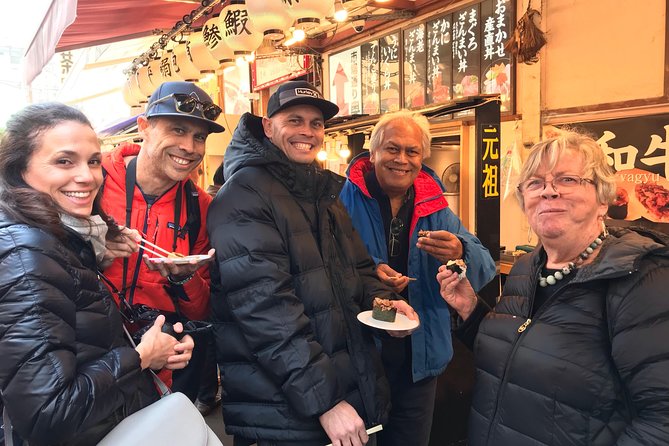
Toyosu Market is where the wholesale market function moved in 2018, and it opened on the man-made island of Toyosu in Tokyo Bay. The tour allots about two hours here, which is a helpful window if you want to see how Tokyo’s food system works beyond the old-school image.
Here’s the practical part: Toyosu Market admission is not included. So you’ll want to check what ticket you need ahead of time and plan for that cost in your budget. If you’re trying to keep spending tight, build that into your choice of stops.
Toyosu also sets the tone for the whole day. After this stop, Tsukiji feels less like a separate attraction and more like a continuation of Tokyo’s seafood story, with its own personality.
Tsukiji Fish Market in the morning: the feel of the classic seafood maze
The Tsukiji Fish Market stop is designed for a morning meet-up right outside the main gate area. You meet your guide at Tsukiji Honganji Temple, just outside the market’s main gate, and then you head in from there.
Timing matters with markets, even on a private tour. About an hour is often the sweet spot: long enough to understand what you’re looking at, and short enough that you’re not standing around while the energy shifts.
The tour lists Tsukiji Fish Market as free for admission, which makes it a strong value stop if you’re counting costs. Still, remember that the real “price” here is effort: wear comfortable shoes, and expect lots of tight movement and decision points—this is exactly where a guide earns their keep.
Ameyoko Shopping Street: shopping energy with a location advantage
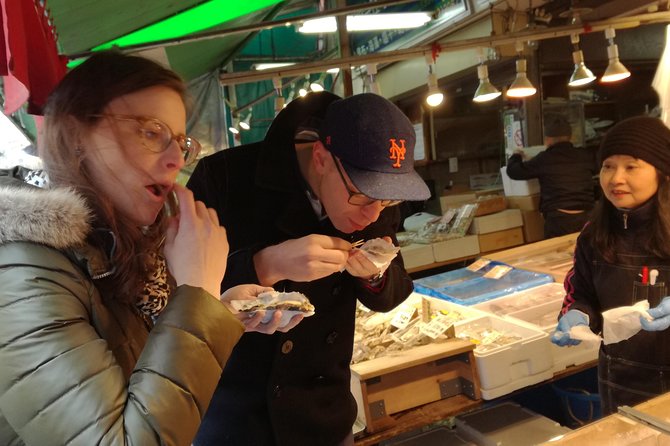
Ameyoko Shopping Street is a fun contrast to markets that focus only on food. This is a shopping street, and it’s often where you’ll pick up souvenirs, snacks, and everyday goods at prices that feel more accessible than the flashier shopping districts.
This stop is short—about 30 minutes—so think of it as a quick win. You’ll want to arrive with a clear idea of what you’re shopping for (small gifts, snacks, casual browsing), because a short stop is not the time for open-ended wandering.
The fact that it’s free to enter makes it easy to include as one of your Asakusa-adjacent choices, especially if you like browsing as part of the travel experience, not just as an afterthought.
Senso-ji and Nakamise: temple time plus souvenir-snack momentum
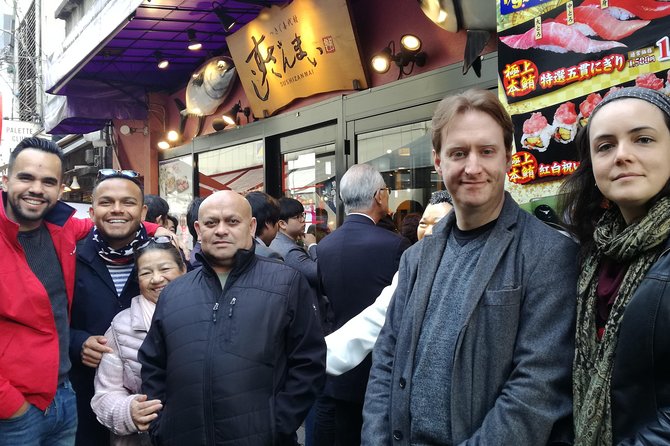
Senso-ji Temple is one of the best-known temples in Japan, with a history that stretches back about 1,300 years. In the tour flow, you get a short visit—around 30 minutes—so you’re mostly there for the big visual hits and the approach toward the entrance gate area.
The real “Tokyo” experience here is the build-up between sight and shopping. Nakamise Shopping Street runs roughly 250 meters along the main approach to Senso-ji, lined with shops for traditional souvenirs and snack-style treats.
This pairing is smart for your itinerary. You don’t have to choose between culture and shopping, because they happen in the same physical corridor. It’s also a convenient place to practice your eating decisions: if you want to snack as you walk, this is where the rhythm works.
One practical tip from an anecdote shared by a guide named Taka: chopsticks can feel awkward early on, but a little encouragement and short practice while eating can help a lot. If you’re nervous about using chopsticks, plan to start gently here rather than later when you’re hungry and tired.
Readers also shortlisted these Tokyo bookings:
- Tokyo: Shinjuku Food Tour (13 Dishes at 4 Local Eateries)★ 5.0 · 6,603 reviews
- Tokyo Tsukiji Fish Market Food and Culture Walking Tour★ 5.0 · 3,184 reviews
- Tokyo: Shinjuku Food Tour (15 Dishes and 4 Eateries)★ 4.9 · 2,033 reviews
- Best of Shinjuku: Izakaya Food Tour (4 Stops, 14+ Tastings)★ 5.0 · 1,863 reviews
- Tokyo: Tsukiji Fish Market Food and Walking tour★ 5.0 · 1,724 reviews
Kappabashi Dogugai: the kitchen-tool shopping street food lovers remember
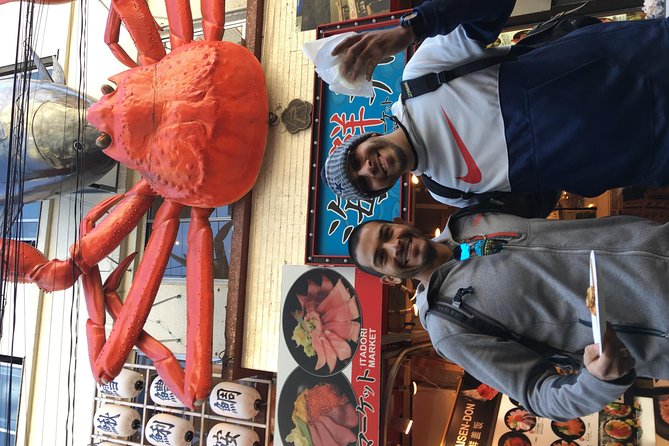
Kappabashi Street (Kappabashi Dogugai) is a shopping zone aimed at people who cook and people who love the tools behind cooking. It sits between Ueno and Asakusa, and it’s packed with stores selling items restaurant operators use—like kitchen gear you can’t always find easily elsewhere.
You’re given about 30 minutes for this stop, so keep your goal tight. If you love food gadgets, look for things you can pack without drama: kitchen utensils, specialty chopsticks, small serving tools, or other compact gear.
This is also a stop that makes your Tokyo trip feel more usable. Instead of just buying souvenirs you’ll forget in a closet, you’re buying objects that tie directly to how you enjoy food.
If your group is split—one person loves markets, another loves shopping—Kappabashi is often a peaceful meeting point. It’s still about food, just from the angle of tools and craftsmanship.
Tsukishima Monjya Street: liquid-style monjayaki and a flavor detour
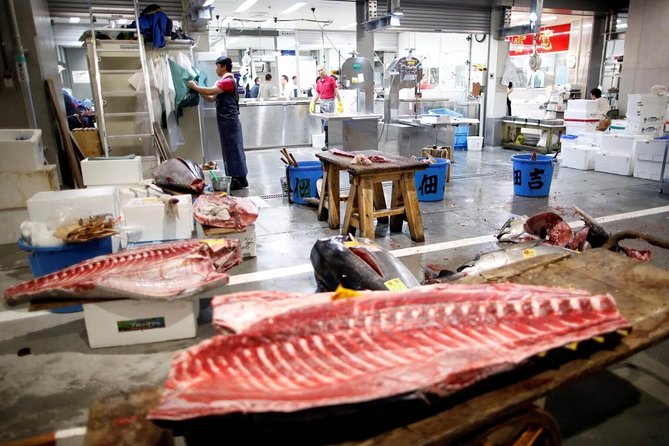
Tsukishima Monjya Street is where you can lean into a more specific Tokyo food culture. Monjayaki is described as liquid-y and hot, and the tour notes that it looks less appetizing at first glance—then you appreciate the taste.
This stop runs about 30 minutes, and it’s listed as admission not included. Since lunch isn’t included on the tour overall, you should treat this as a chance to add a food purchase of your own if you want it.
If you’re the type who likes to try a local specialty even when it sounds strange, Tsukishima can be the most memorable part of the day. If you’re picky about texture or you prefer safer bets, you might swap it for another free shopping stop in your 3–4 choice set.
Yanaka Ginza Street: the old-town feel for a calmer pace
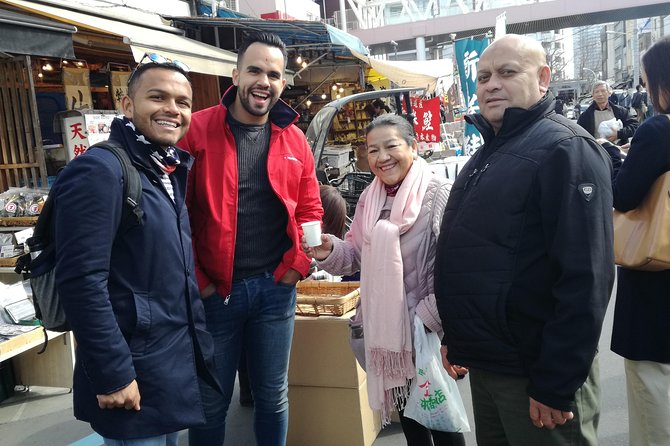
Yanaka Ginza Shopping Street is known for a preserved old-town vibe in Tokyo’s Shitamachi neighborhood style. This is a different mood from the markets: quieter, slower, and more about neighborhood atmosphere than speed and supply.
It’s also only about 30 minutes here, so it works as a “breather” between bigger, more intense areas. If you tend to get overwhelmed by crowds, this stop can help you reset your energy and walk away with photos that feel more lived-in.
If you’ve mostly been in high-attention tourist areas, Yanaka Ginza is a good way to round out the day with a quieter look at how Tokyo neighborhoods still feel.
Price and value: what your $154.84 actually buys
At $154.84 per person for about six hours, you’re paying for two main things: private time with a licensed local English-speaking guide, and the removal of planning stress.
Transportation fees are not included, and lunch is not included either. Some market admission can also be extra, like Toyosu Market. So the smart way to think about value is this: the tour cost covers the guide, the direction, and the tight structure, while your food, transit, and certain tickets become your part of the budget.
This tour can be a strong value if you’re traveling with someone you’d like to explore thoughtfully—especially if you want to customize stops rather than follow a fixed route. It can also be a good fit if you’re the kind of traveler who likes market insights: the guide helps you understand what you’re seeing so you’re not just walking past stalls.
If you’re on a strict budget and you’re perfectly happy to plan markets and temples yourself, you might find better “ticket-only” deals elsewhere. But if you want a guide to get you oriented quickly and keep your day moving without wasted detours, this price starts to make sense.
How the guide keeps the day from turning into chaos
Markets and shopping streets can mean a lot of small choices: which lane, when to move, where to stop, what to prioritize. A private guide reduces that mental load.
The tour is built as a walking experience with pickup on foot within a designated area, so you’re not waiting for a big vehicle plan. It also helps you stay flexible if you decide you want one more photo stop or you want to adjust based on where crowds are thickest.
One more thing: the guide’s entry fees are only covered for sights listed in the itinerary choices. That doesn’t mean you can’t add extras, but it does mean you should expect to pay any new entry costs yourself.
Timing tips you can use immediately
You don’t control when you’ll hit each area, but you can control how you show up. Wear shoes you’d be comfortable in for a long walk, because this day is designed around moving from one zone to another.
If you’re choosing between stops, pick based on your energy. If you want markets and food decisions, keep Tsukiji and Toyosu in your 3–4 list. If you want more shopping and less sensory intensity, add Nakamise, Kappabashi, Ameyoko, and Yanaka Ginza while keeping the market time shorter.
And if weather is shaky, treat your guide as your plan B. In one rainy-day example, a guide named Taka handled the situation with a welcome alternative activity, which is the kind of flexibility that saves your day.
Who this tour is best for
This private tour is especially good for:
- Food-first travelers who want market context, not just photos
- Couples and small groups who value a licensed English guide and flexible stop choices
- Shoppers who like practical buys, like kitchen tools from Kappabashi
- People who want classic Asakusa without sprinting through it
It may be less ideal if you hate walking, or if you’re expecting the tour price to cover all meals and all admission fees. The tour is built around walking and exploring, and you’ll add your own food and any extra costs.
Should you book this Tsukiji to Asakusa private tour?
Book it if you want a well-guided day that blends seafood culture, temple-area shopping, and food-related browsing without you doing the route-planning work. The private format matters here: it keeps you moving in the right direction and gives you someone to ask when something is confusing.
Think twice if your goal is mainly low-cost sightseeing with your own free time. Since lunch, transit, and some admissions like Toyosu are not included, the total spend can climb once you add your food and any extra tickets.
If you do book, pick your 3–4 stops intentionally. A simple strategy: choose one major market focus (Toyosu or Tsukiji), then build your remaining time around Asakusa sights and one shopping street that matches your interests (Nakamise for snacks/souvenirs, Kappabashi for kitchen tools, Yanaka Ginza for old-town calm).
FAQ
Is this a private tour?
Yes. It’s a private tour/activity, and only your group participates.
How long is the tour?
The tour runs about 6 hours.
Is it mostly walking?
Yes. It’s a walking tour, and pickup is on foot within a designated area of Tokyo.
Can I choose which stops to visit?
Yes. You customize the itinerary by choosing 3–4 sites from the provided list.
Are entrance fees included?
Not all of them. Toyosu Market is listed as admission ticket not included, while Tsukiji Fish Market is free. Other stops like Senso-ji, Nakamise Shopping Street, Ameyoko Shopping Street, and Kappabashi Street are listed as free (and Tsukishima Monjya Street is not included).
Does the price include lunch and transportation?
No. Transportation fees, entrance fees (where not listed as free), lunch, and other personal expenses are not included.
Is there pickup and mobile ticketing?
Pickup is offered (on foot within a designated area), and the tour includes a mobile ticket.
What’s the cancellation window?
Free cancellation is available up to 24 hours in advance for a full refund.
More Tours in Tokyo
- Mt Fuji and Hakone 1-Day Bus Tour Return by Bullet Train
★ 5.0 · 26,383 reviews - 1-Day Tokyo Bus Tour
★ 5.0 · 14,250 reviews - Tokyo: Shinjuku Food Tour (13 Dishes at 4 Local Eateries)
★ 5.0 · 6,603 reviews - Tokyo Mt Fuji 5th St & Hakone Cruise Bus Tour w/Bullet Train
★ 4.4 · 5,024 reviews - Flagship 2-Hours Official Street Go-Kart Tour – Tokyo Bay Shop
★ 5.0 · 4,974 reviews
More Tour Reviews in Tokyo
- Mt Fuji and Hakone 1-Day Bus Tour Return by Bullet Train
★ 5.0 · 26,383 reviews - 1-Day Tokyo Bus Tour
★ 5.0 · 14,250 reviews - Tokyo: teamLab Planets TOKYO Digital Art Museum Entry Ticket
★ 4.6 · 9,779 reviews - Mt Fuji & Hakone Cruise, Drum Show Bullet Train 1 Day from Tokyo
★ 4.0 · 7,413 reviews - Tokyo: Shinjuku Food Tour (13 Dishes at 4 Local Eateries)
★ 5.0 · 6,603 reviews
More Tsukiji Market Breakfasts
- Tokyo Tsukiji Fish Market Food and Culture Walking Tour
★ 5.0 · 3,184 reviews - Tokyo: Tsukiji Fish Market Food and Walking tour
★ 5.0 · 1,724 reviews - Tokyo: Tsukiji Fish Market Guided Walking Tour
★ 4.9 · 1,397 reviews - Tokyo Sushi Making Class in Tsukiji with Professional Chef
★ 5.0 · 1,177 reviews - Tsukiji Fish Market Guided Tour and Sushi Making with Pro Chef
★ 5.0 · 775 reviews
Latest Tokyo reviews off our desk






Tsukiji Market Food Tours, compared.
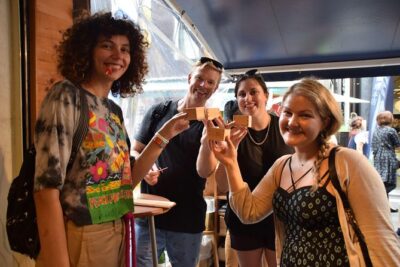 ★ 5.0Tokyo Tsukiji Fish Market Food and Culture Walking TourFrom $993,184 reviews
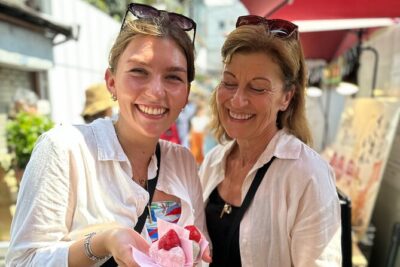 ★ 5.0Tsukiji Fish Market Food and Walking tourFrom $301,724 reviews
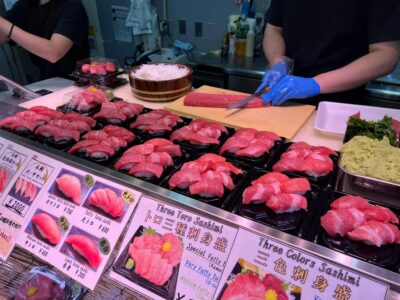 ★ 4.9Tsukiji Fish Market Guided Walking TourFrom $221,397 reviews
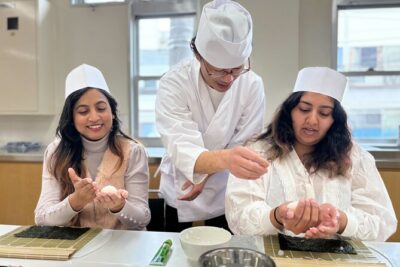 ★ 5.0Tokyo Sushi Making Class in Tsukiji with Professional ChefFrom $491,177 reviews
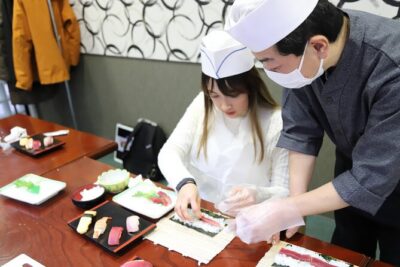 ★ 5.0Tsukiji Fish Market Guided Tour and Sushi Making with Pro ChefFrom $104775 reviews
★ 4.7Tsukiji Fish Market Food and Culture Walking TourFrom $96757 reviews
★ 5.0Tsukiji Fish Market Guided Tour and Sushi Making with Pro ChefFrom $104775 reviews
★ 4.7Tsukiji Fish Market Food and Culture Walking TourFrom $96757 reviews
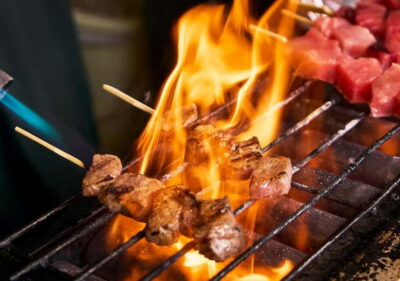 ★ 5.0Tsukiji Fish Market: Street Food & Culture Walking TourFrom $33669 reviews
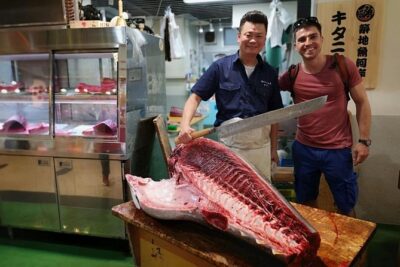 ★ 5.0Tsukiji Fish Market Small-Group Food Walking TourFrom $87621 reviews
Browse the lists this tour appears in