
Reviewed · FOOD & DRINK
Tokyo Vegan Food Tour
Shibuya gets a vegan makeover fast. This 3-hour Tokyo Vegan Food Tour takes you through key spots in Shibuya and Ebisu, including the famous crossing, while you eat a well-paced set of Japanese plant-based favorites. I like that it’s not just samples; you get stories behind each dish and practical advice for finding vegan food in Tokyo. The one drawback to consider: it’s a tight 3 hours, so if you want a slow sit-down meal and tons of rest time, you may wish you had more hours in one place.
I also really value the variety here—mini bowls, dumplings, fried bites, and desserts—so even if you eat like a vegan pro, you’ll still learn how different textures and flavor styles work in Japanese plant-based cooking. Plus, the tour runs with a small group, up to 6 travelers, which makes it easier to ask questions as you go. If you’re mainly looking for a super laid-back night market crawl, this one feels more like a focused food tour with one drink included.
One more thing to keep in mind: the food is fully plant-based, so omnivores usually need to be open-minded about how ramen, gyoza, and even karaage translate without animal ingredients.
In This Review
- Key highlights I’d plan around
- Shibuya crossing to Ebisu: why this route works
- What you eat: ramen, gyoza, karaage, and the sandwich lineup
- Mini Hokkaido-style ramen bowls
- Vegan gyoza dumplings
- Crunchy vegan karaage
- Fruit sandwiches and butter + anko sandwiches
- One included drink
- How the guide turns food into a Tokyo vegan strategy
- The 3-hour flow: timing, walking, and what to expect when you arrive
- Where you start
- How long you’ll spend at each part
- Group size keeps the experience friendly
- Guides make or break it: Daisy and Sahori as proof of the teaching style
- Price and value: $101.25 for a guided vegan meal route
- Who should book this Tokyo Vegan Food Tour (and who might not)
- Should you book? My practical decision guide
- FAQ
- What is the duration of the Tokyo Vegan Food Tour?
- How much does the tour cost?
- Where does the tour start and end?
- What food is included on the tour?
- Is a drink included?
- Is private transportation included?
- How big is the group?
- Do I get a mobile ticket?
- Can I cancel for a full refund?
Key highlights I’d plan around
- Shibuya crossing + local streets: see the area’s most famous scene, then move to food-focused neighborhoods
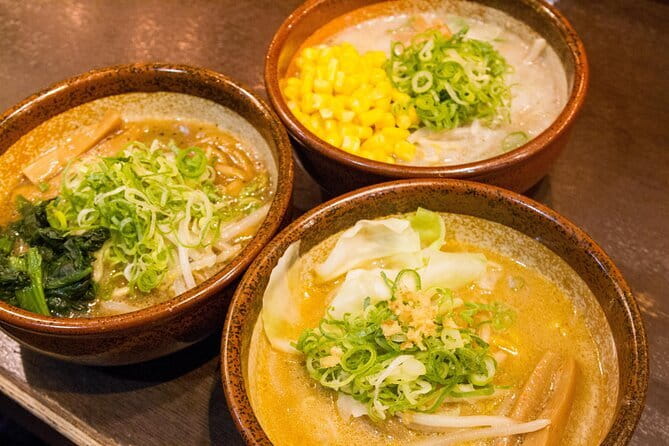
- Mini Hokkaido-style ramen bowls: with multiple vegan broth styles like spicy miso, miso, shoyu, or shio
- Japanese comfort foods, plant-based: vegan gyoza and crunchy vegan karaage (no watered-down vibes)
- Dessert and snack variety: fruit sandwiches plus butter and anko sandwiches
- Small-group teaching: guides like Daisy and Sahori share culture and practical how-tos, not just menus
- One included drink: alcoholic or non-alcoholic, to match the pacing
Shibuya crossing to Ebisu: why this route works
This tour is built around two of Tokyo’s most useful areas for food lovers: Shibuya for energy and famous landmarks, and Ebisu for a calmer finish near the station. You get the best of both without having to plan anything complicated yourself. Even before the first bite, you’re guided past recognizable Shibuya scenes—yes, including the crossing—so you’re not stuck wondering where you are in the city.
The pacing is also smart. In about 3 hours, you’ll move through the kind of streets where Tokyo’s food culture actually lives: small places, quick counters, and neighborhoods where people grab something tasty and keep walking. That matters because vegan dining in Tokyo can be both easy and confusing, depending on what you’re looking for. Having a guide who can point you toward what to try and how it’s made turns the whole walk into a practical lesson.
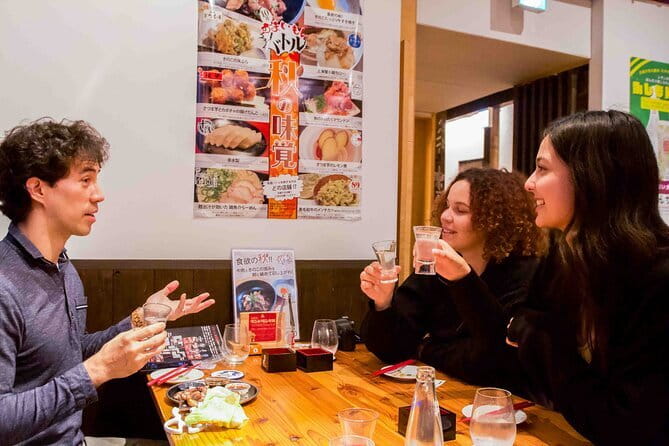
There’s also a comfort factor in the group size. With a maximum of 6 travelers, it’s not a loud bus situation. I like that this keeps questions in the conversation range—things like what ingredients do the heavy lifting in vegan ramen or how certain sandwich flavors balance sweet and savory.
The only real “watch-outs” are timing and expectations. It’s a set-route, set-duration experience, not a choose-your-own-adventure. If you want extra time for shopping, sitting, or a second round at one restaurant, you’ll likely feel slightly rushed. The upside is that you leave with a clear map of the kinds of vegan dishes that are common here.
Readers also shortlisted these Tokyo bookings:
- Tokyo: Shinjuku Food Tour (13 Dishes at 4 Local Eateries)
★ 5.0 · 6,603 reviews - Tokyo Tsukiji Fish Market Food and Culture Walking Tour
★ 5.0 · 3,184 reviews - Tokyo: Shinjuku Food Tour (15 Dishes and 4 Eateries)
★ 4.9 · 2,033 reviews - Best of Shinjuku: Izakaya Food Tour (4 Stops, 14+ Tastings)
★ 5.0 · 1,863 reviews
What you eat: ramen, gyoza, karaage, and the sandwich lineup
The heart of the tour is a lineup of Japanese vegan comfort foods that cover a full range of tastes and textures. You start with snacks and lunch, and the samples are designed to feel like a mini meal journey instead of random bites.
Mini Hokkaido-style ramen bowls
One of the main draws is the vegan take on Hokkaido-style ramen, served as mini bowls. What’s especially useful for you is that you can choose among flavor styles like spicy miso, miso, shoyu, or shio. That gives you a quick way to understand Japanese ramen flavor categories, even in plant-based form. You’re not just tasting one soup; you’re comparing how different seasonings change the whole bowl.
Vegan gyoza dumplings
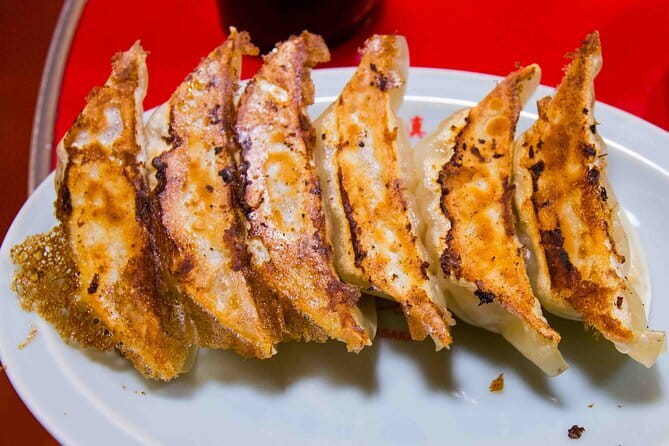
Next up are vegan gyoza. Dumplings are one of the easiest ways to spot whether a vegan version was built with real technique or just substitution. On this tour, the focus is on taste and crunch in the final result—so you learn what makes a good gyoza feel right even without traditional fillings.
Crunchy vegan karaage
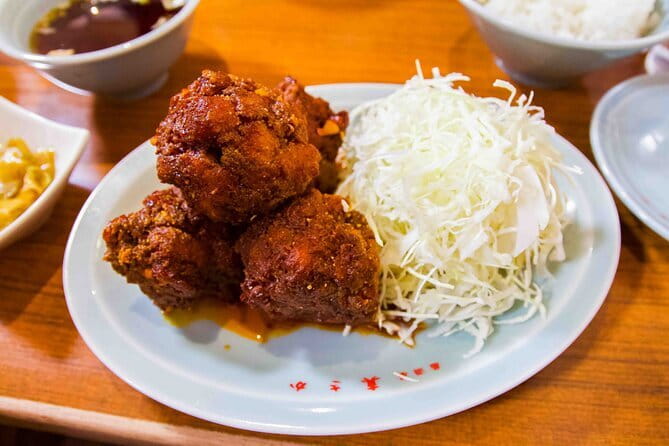
Then comes the part that surprises a lot of people: vegan karaage, the Japanese fried-chicken style. It’s described as crunchy, which is the detail you should care about. “Fried” can mean different things, and the tour is pointing you toward the textured style that makes karaage addictive in the first place.
Readers also shortlisted these Tokyo bookings:
- Tokyo: Tsukiji Fish Market Food and Walking tour★ 5.0 · 1,724 reviews
- Tokyo Night Foodie Tour in Shinjuku – Seasonal Sushi, Wagyu Beef★ 5.0 · 1,161 reviews
- Eat and Drink Like a Local: Tokyo Ueno Food Tour-Taverns&Ramen★ 5.0 · 957 reviews
- Tokyo: Shibuya Food Tour (13 dishes and 4 Eateries)★ 5.0 · 770 reviews
- Tokyo: Tsukiji Fish Market Food and Culture Walking Tour★ 4.7 · 757 reviews
Fruit sandwiches and butter + anko sandwiches
You also get dessert-like comfort items that feel very Japanese. There’s a stop for fruit sandwiches with fresh seasonal fruit, plus a sweet butter and anko (sweet bean paste) sandwich. These aren’t generic sweets. Fruit sandwiches are a Tokyo-specific kind of treat—bright, neat, and snackable. And anko plus butter is a classic flavor pairing that’s easy to recognize once you taste it.
One included drink
You’ll also have one drink of choice, alcoholic or non-alcoholic. This matters because it fits the rhythm of a food crawl. It helps you stay comfortable and keeps the pace from turning into a sugar-and-salt overload.
How the guide turns food into a Tokyo vegan strategy
A good food tour teaches you how to eat on your own afterward. This one aims for exactly that. As you walk, your guide shares the cultural stories behind dishes, plus practical tips for navigating Tokyo’s vegan scene. That includes a quick stop at a convenience store—worth paying attention to, because convenience stores are where Tokyo surprises you with easy grab-and-go options.
What I really like about guides here—based on what people experienced with Daisy and Sahori—is the teaching tone. The focus isn’t only on what you’re eating. It’s why the flavors work, what kinds of ingredients are commonly used, and how vegan dining has grown across Japan. That’s helpful if you’re going beyond one day and want to build a simple plan for multiple meals.
Here’s the payoff for you:
- You leave with a sense of which dish styles travel well as vegan options (ramen bowl, dumplings, fried bites, snack sandwiches).
- You understand the flavor categories used in ramen choices, so ordering feels less like guessing.
- You get at least one “Tokyo habit” lesson, like what to look for at a convenience store when you want something reliable and plant-based.
One consideration: this is a cultural-and-practical tour, not a deep lab session on ingredients. If you want chemistry-level explanations of every vegan substitution, you might crave more depth than the format allows. Still, the combination of tasting and guidance is strong enough to make the tour feel useful, not just fun.
The 3-hour flow: timing, walking, and what to expect when you arrive
This is a 3-hour experience and you finish near Ebisu Station. The structure is simple: meet at a specific Shibuya location, walk through the area, eat across multiple stops, and end where it’s easy to continue your evening.
Where you start
Meeting is at SHIBU HACHI BOX (2-chōme-1-1 Dōgenzaka, Shibuya, Tokyo 150-0043, Japan). That’s close to major transit, which matters because you’re likely arriving with other plans already in motion. You’ll also get the tour’s early visual orientation as you move through Shibuya scenes, including the famous crossing.
How long you’ll spend at each part
There’s no mention of long sit-down times, and that’s a feature, not a flaw. The tour is built for movement between tasty stops. You’ll likely spend more time focused on eating and listening than on waiting in lines for a single restaurant. For most visitors, that’s the right trade.
Group size keeps the experience friendly
With a maximum of 6 travelers, the flow stays human-sized. You aren’t fighting for attention while trying to ask what something tastes like before taking your first bite. That’s a big deal when you’re trying to learn a new food culture fast.
If you hate walking in cities, this might test your comfort level. Tokyo sidewalks are fine, but it’s still a walking tour. Wear shoes you’ll trust for at least a solid stretch of time.
Guides make or break it: Daisy and Sahori as proof of the teaching style

The best sign that a food tour is worth your time is the guide energy. In the experiences shared, guides including Daisy and Sahori come through as standout voices. People praised them not just for friendly hosting, but for how much they explained—especially around vegan food culture and how it developed in Japan.
What that means for you on the street:
- You’ll likely get clearer guidance on what to expect from each dish before you take the first bite.
- You’ll understand the bigger picture: how plant-based eating fits into Japan’s broader food habits, not just a foreign trend.
- You’ll feel more confident asking questions, since the tour is small enough to keep conversation going.
This is also where the “100% plant-based” concept turns from slogan into reality. If you only taste without context, vegan versions can feel random. With a guide who connects the dots, you start to see patterns—like why certain flavor profiles work so well in ramen, or why comfort foods like karaage and gyoza have such strong traction as vegan formats.
Price and value: $101.25 for a guided vegan meal route
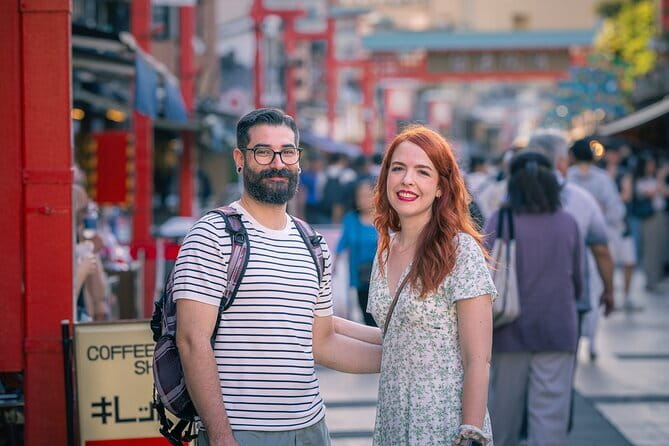
At $101.25 per person, this isn’t the cheapest snack tour option. But you’re not paying for a single restaurant. You’re paying for:
- multiple food stops (snacks plus lunch),
- a defined set of items that cover ramen, dumplings, fried bites, and sandwiches,
- a guide who talks through cultural and practical context,
- and one included drink.
Also, the tour’s compact format matters for value. You get a high density of sampling and learning in about 3 hours, which can save you time compared to building your own vegan meal route in a city where vegan options are plentiful but not always obvious.
The small group size (up to 6) is another value signal. Small groups often mean more attention per person, and that can be the difference between eating and actually learning how to order later.
What you should consider for your budget: if you’re traveling solo and already confident finding vegan food on your own, you might view it as more of a “guided learning meal” than a must-have. If you’re newer to Tokyo vegan dining, the guide’s tips and convenience store stop may pay for themselves quickly.
Who should book this Tokyo Vegan Food Tour (and who might not)

I’d point you toward this tour if:
- you want Japanese vegan food that covers both savory comfort and sweet snack styles,
- you’re excited by ramen, gyoza, and karaage-style fried foods,
- you like learning while you eat, especially about ingredients and cooking approaches,
- you want a compact route that ends conveniently near a major station.
You might skip it (or think twice) if:
- you dislike walking tours or prefer long restaurant sittings,
- you want a lot of shopping time or extra stops beyond the set menu,
- you’re looking for a purely restaurant-focused experience rather than a guided neighborhood walk.
This is also a good choice for mixed dining groups. The feedback includes people who aren’t vegan but still loved it, which usually means the flavors and textures are doing the heavy lifting. Even if you don’t eat plant-based at home, this can be a fun way to try real Japanese comfort-food logic with different ingredients.
Should you book? My practical decision guide

Book it if you want a guided introduction to Tokyo vegan eating that feels specific, not generic. The food mix is the main reason: ramen bowls in multiple flavor styles, vegan gyoza, crunchy vegan karaage, and snackable fruit and anko sandwiches. Add in the convenience store tip and the cultural context from guides like Daisy and Sahori, and you get more than a list of places.
Pass if you already have a solid vegan game plan in Tokyo and you’d rather spend your time chasing one favorite place for a longer meal. In that case, you might get similar foods on your own—just without the streamlined learning and route design.
If you’re on the fence, ask yourself one question: do you want help figuring out what to order next in Tokyo? If yes, this tour is a smart use of 3 hours.
FAQ
What is the duration of the Tokyo Vegan Food Tour?
The tour lasts about 3 hours.
How much does the tour cost?
It costs $101.25 per person.
Where does the tour start and end?
It starts at SHIBU HACHI BOX in Shibuya and ends near Ebisu Station.
What food is included on the tour?
You’ll sample snacks and Japanese vegan dishes, including mini bowls of Hokkaido-style ramen, vegan gyoza, vegan karaage, fruit sandwiches, and butter and anko sandwiches.
Is a drink included?
Yes. One drink of choice is included, alcoholic or non-alcoholic.
Is private transportation included?
No. Private transportation is not included.
How big is the group?
The tour has a maximum of 6 travelers.
Do I get a mobile ticket?
Yes, the tour uses a mobile ticket.
Can I cancel for a full refund?
Yes. You can cancel up to 24 hours in advance for a full refund.
More Food & Drink in Tokyo
- Tokyo: Shinjuku Food Tour (13 Dishes at 4 Local Eateries)
★ 5.0 · 6,603 reviews - Tokyo Tsukiji Fish Market Food and Culture Walking Tour
★ 5.0 · 3,184 reviews - Tokyo: Shinjuku Food Tour (15 Dishes and 4 Eateries)
★ 4.9 · 2,033 reviews - Best of Shinjuku: Izakaya Food Tour (4 Stops, 14+ Tastings)
★ 5.0 · 1,863 reviews - Tokyo: Tsukiji Fish Market Food and Walking tour
★ 5.0 · 1,724 reviews
More Tours in Tokyo
- Mt Fuji and Hakone 1-Day Bus Tour Return by Bullet Train
★ 5.0 · 26,383 reviews - 1-Day Tokyo Bus Tour
★ 5.0 · 14,250 reviews - Tokyo: Shinjuku Food Tour (13 Dishes at 4 Local Eateries)
★ 5.0 · 6,603 reviews - Tokyo Mt Fuji 5th St & Hakone Cruise Bus Tour w/Bullet Train
★ 4.4 · 5,024 reviews - Flagship 2-Hours Official Street Go-Kart Tour – Tokyo Bay Shop
★ 5.0 · 4,974 reviews
More Tour Reviews in Tokyo
- Mt Fuji and Hakone 1-Day Bus Tour Return by Bullet Train
★ 5.0 · 26,383 reviews - 1-Day Tokyo Bus Tour
★ 5.0 · 14,250 reviews - Tokyo: teamLab Planets TOKYO Digital Art Museum Entry Ticket
★ 4.6 · 9,779 reviews - Mt Fuji & Hakone Cruise, Drum Show Bullet Train 1 Day from Tokyo
★ 4.0 · 7,413 reviews - Tokyo: Shinjuku Food Tour (13 Dishes at 4 Local Eateries)
★ 5.0 · 6,603 reviews
Latest Tokyo reviews off our desk





Food & Drink, compared.
 ★ 5.0Shinjuku Food Tour (13 Dishes at 4 Local Eateries)From $866,603 reviews
 ★ 5.0Tokyo Tsukiji Fish Market Food and Culture Walking TourFrom $993,184 reviews
 ★ 4.9Shinjuku Food Tour (15 Dishes and 4 Eateries)From $852,033 reviews
 ★ 5.0Best of Shinjuku: Izakaya Food Tour (4 Stops, 14+ Tastings)From $921,863 reviews
 ★ 5.0Tsukiji Fish Market Food and Walking tourFrom $301,724 reviews
 ★ 5.0Eat and Drink Like a Local: Tokyo Ueno Food Tour-Taverns&RamenFrom $95957 reviews
 ★ 5.0Shibuya Food Tour (13 dishes and 4 Eateries)From $77770 reviews
★ 4.7Tsukiji Fish Market Food and Culture Walking TourFrom $96757 reviews
★ 5.0Shibuya Food Tour (13 dishes and 4 Eateries)From $77770 reviews
★ 4.7Tsukiji Fish Market Food and Culture Walking TourFrom $96757 reviews
Browse the lists this tour appears in