
Reviewed · FOOD & DRINK
Tokyo: Vegetarian & Vegan Friendly Food Tour
Tokyo is a food city, and this tour zooms in. In about 3 hours, you get a tight circuit of plant-based eating plus neighborhood walking that feels local, not staged. I like two things most: the small group format (max 6) keeps the pace calm, and the food stops include a real centerpiece like vegan ramen (or something close). The only thing to consider is that you’re still sampling, so you may want extra food after, depending on how hungry you are.
What makes the experience click is the guide’s practical approach to dietary needs. On one recent tour, the English-speaking guide named Firas took time to confirm gluten-free safety for a coeliac partner and even offered to phone other restaurants to check for the rest of that day. That kind of effort matters a lot when you’re trying to eat confidently in Japan.
You’ll also walk a lot on uneven city sidewalks and through alley-style lanes. That’s part of the charm, but it’s worth wearing comfortable shoes and expecting brief transfers during the route.
In This Review
- Key highlights you’ll actually feel during the walk
- Start in Asakusa: how the meeting point sets the tone
- What you eat first: a veggie-and-vegan-friendly restaurant start
- Asakusa street food walk: why 1 hour feels like the right dose
- A scenic walk plus a short transfer: comfortable variety, not chaos
- Local bakery break: the snack stop that keeps you happy later
- Nakamise Shopping Street: the landmark portion that still has food value
- Local café: the final tastings that bring it together
- Price and value: is $112 per person worth it?
- Who this tour is best for (and who should skip it)
- Practical tips before you go
- Should you book this Tokyo vegetarian and vegan food tour?
- FAQ
- What is the price of the Tokyo Vegetarian & Vegan Friendly Food Tour?
- How long is the tour?
- What food and drink is included?
- Is the tour suitable for people who need gluten-free options?
- Where do I meet, and where does the tour end?
- Is it a small group, and how does cancellation work?
Key highlights you’ll actually feel during the walk
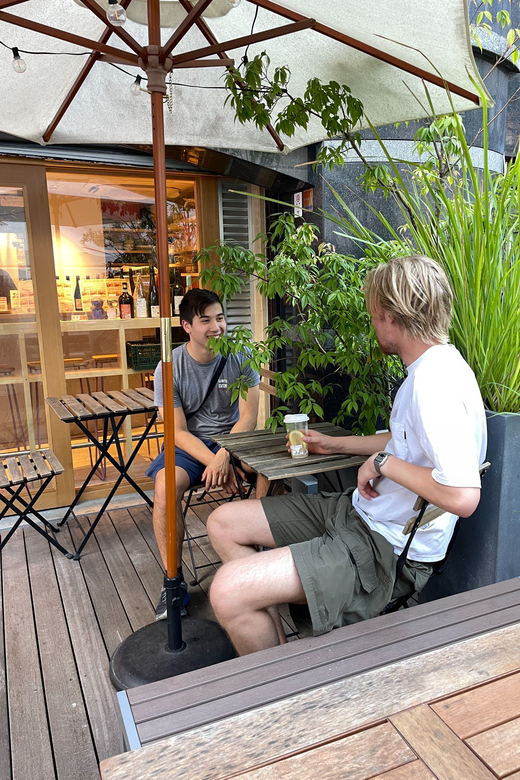
- Small-group pacing (up to 6) so you can ask questions without yelling over crowds
- Vegan ramen (or a similar plant-based bowl) as a real meal moment, not just nibbles
- Asakusa street energy with alley wandering and time on Nakamise Shopping Street
- Gluten-free friendly support when you tell the guide your needs early
- Snack + drink + break stops (bakery and a local café) that keep energy steady
Start in Asakusa: how the meeting point sets the tone
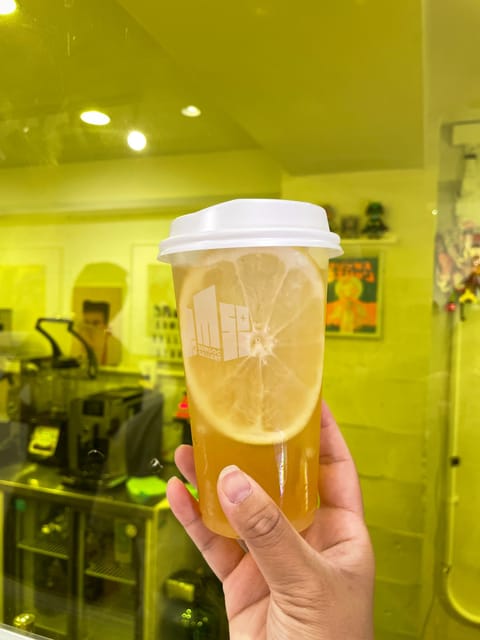
Most Tokyo food tours start with a big “line up and follow.” This one starts differently: you meet outside the Asakusa Tourist Center area (the tour lists 浅草文化観光センター), which is a sensible base for exploring this part of the city on foot. That matters because Asakusa is a little maze-y. Getting your bearings before you move into side streets saves time and keeps you from feeling lost five minutes in.
I also like that the tour ends back near 浅草駅前 (Asakusa Station front). It’s a relief after three hours of eating and walking—no mystery about the final location or extra transit you have to puzzle out.
If you’re the type who hates hunting down food spots alone, this route gives you structure. You’ll see more than you would by accident, and you’ll have a local guide to point out what’s worth your attention.
Readers also shortlisted these Tokyo bookings:
- Tokyo: Shinjuku Food Tour (13 Dishes at 4 Local Eateries)
★ 5.0 · 6,603 reviews - Tokyo Tsukiji Fish Market Food and Culture Walking Tour
★ 5.0 · 3,184 reviews - Tokyo: Shinjuku Food Tour (15 Dishes and 4 Eateries)
★ 4.9 · 2,033 reviews - Best of Shinjuku: Izakaya Food Tour (4 Stops, 14+ Tastings)
★ 5.0 · 1,863 reviews
What you eat first: a veggie-and-vegan-friendly restaurant start
The first real stop is a selected restaurant (or similar venue) serving vegetarian and vegan-friendly dishes. The tour description keeps it flexible: you might get something like a hearty noodle bowl, a traditional teishoku set meal, or a lighter bite depending on what’s available.
Here’s why this first meal matters: it’s the foundation. You’re not just grabbing a random snack to “start the experience.” You’re settling your stomach so the next hour of walking doesn’t feel like punishment. It also sets expectations for the kind of flavors you’ll be encountering—Japanese comfort foods that happen to be plant-forward.
If you need gluten-free, this is the moment to say it clearly. One guide, Firas, was described as confirming safety for a gluten-free partner, and that the guide was willing to phone other restaurants to check. Even if the exact restaurant choices vary by day, you’ll get the best results by raising your needs right at the start.
Asakusa street food walk: why 1 hour feels like the right dose
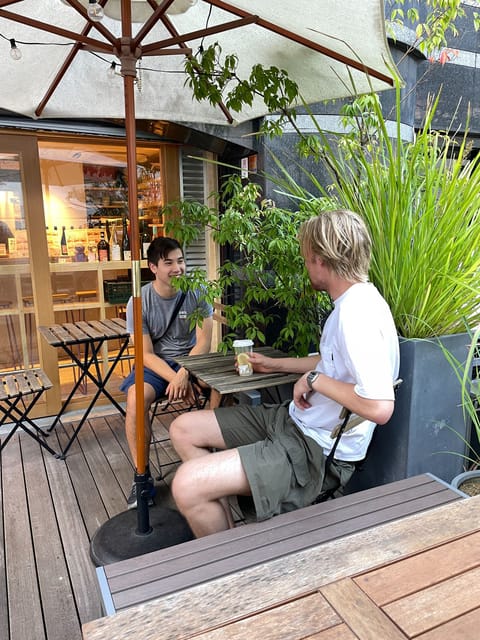
After the lunch/first stop, you spend about an hour in Asakusa, including walking and street food time. This is where you notice the difference between a scripted food tour and a real neighborhood walk: the goal isn’t only to eat. It’s to understand how people move through the area—what they buy, where they pause, and how the streets shape the food culture.
Asakusa is also famous for having that mix of old-meets-now energy. You’ll be wandering down narrower lanes and alleys, the kind of places where a casual visitor might walk past without noticing. Your guide’s job is to steer you toward places you would miss and to explain what you’re looking at while you eat.
Potential drawback: if you’re expecting a lot of big sit-down meals, you might feel a little surprised by how much of this part is walking and sampling. But if you’re more of a “keep it moving, keep it tasting” person, this is a sweet spot.
A scenic walk plus a short transfer: comfortable variety, not chaos
The itinerary includes more walking with scenic views on the way, then a 25-minute transfer to the next set of food breaks. That sequence is underrated. It prevents the tour from turning into a nonstop food blur. You get a visual reset, then you hop to a new area for the next tasting.
Transfers are also helpful when you want variety without spending your whole trip navigating trains and bus lines yourself. You’re still in control of the day, but the logistics are handled for you.
If you’re someone who prefers to stay fully in one neighborhood, this may feel like the tour “moves around” a bit. Still, the transfer time is short, and the overall loop is designed to stay manageable within a 3-hour window.
Local bakery break: the snack stop that keeps you happy later
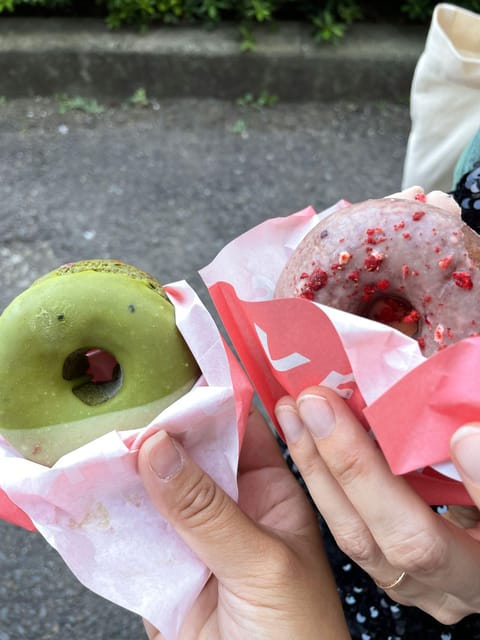
The next food beat is at a local bakery, with a break time and street food-style tasting. Bakery stops are great on food tours because they give you an easy win: you can sample something small and comforting without needing a full restaurant meal.
This stop also plays a pacing role. After walking, a warm, grab-and-go bite can be exactly what you need before you head back into crowds near shopping streets. Even if you eat slowly, you’ll feel like you have time to taste without rushing.
One small tip: treat this as your “save room” moment. If you don’t want to ruin your appetite for ramen and later café bites, you’ll pick smaller samples here and focus on the flavors rather than trying to conquer everything on the counter.
Readers also shortlisted these Tokyo bookings:
- Tokyo: Tsukiji Fish Market Food and Walking tour★ 5.0 · 1,724 reviews
- Tokyo Night Foodie Tour in Shinjuku – Seasonal Sushi, Wagyu Beef★ 5.0 · 1,161 reviews
- Eat and Drink Like a Local: Tokyo Ueno Food Tour-Taverns&Ramen★ 5.0 · 957 reviews
- Tokyo: Shibuya Food Tour (13 dishes and 4 Eateries)★ 5.0 · 770 reviews
- Tokyo: Tsukiji Fish Market Food and Culture Walking Tour★ 4.7 · 757 reviews
Nakamise Shopping Street: the landmark portion that still has food value
You’ll spend time on Nakamise Shopping Street, including sightseeing and time passing through (about 1 hour). Nakamise is a magnet for visitors, but on a guided food tour it becomes more than a tourist corridor. Your guide can help you connect what you see to what’s edible, what to try first, and what to skip based on your dietary needs.
This is also where the tour’s “alley wandering” idea meets a more open, structured street. That contrast is useful: you get the narrow-lane feel earlier, and then you get a clearer view of the area and its shopping rhythm.
If you hate crowds, plan your mindset. You’re still there for an hour, and it’s going to feel like the busiest part of the walk. But because you’re with a guide, you’re less likely to get stuck deciding what to eat while everyone else rushes around you.
Local café: the final tastings that bring it together
The route finishes with a local café stop, with street food and regional food. The tour description keeps it flexible, but the idea is consistent: you end with a relaxed bite so the last stretch feels lighter than a full meal.
Why café endings work on food tours: you often start thinking about what you want to eat later in the trip. A last stop gives you flavor reference points. If something tastes like a ramen topping you enjoyed earlier, you can plan your future searches more confidently.
This is also where the guide’s “ask me more” attitude becomes practical. If you’ve been collecting questions throughout the route, you can wrap up by asking what to look for next—especially if you’re vegetarian, vegan, or need gluten-free options.
Price and value: is $112 per person worth it?
At $112 per person for a 3-hour experience, the value comes from three areas.
First, you’re paying for a local expert foodie guide who helps with both food selection and neighborhood context. That’s not just “walking and pointing.” The gluten-free support described by Firas—confirming safety and offering to phone restaurants—shows the effort behind the curtain.
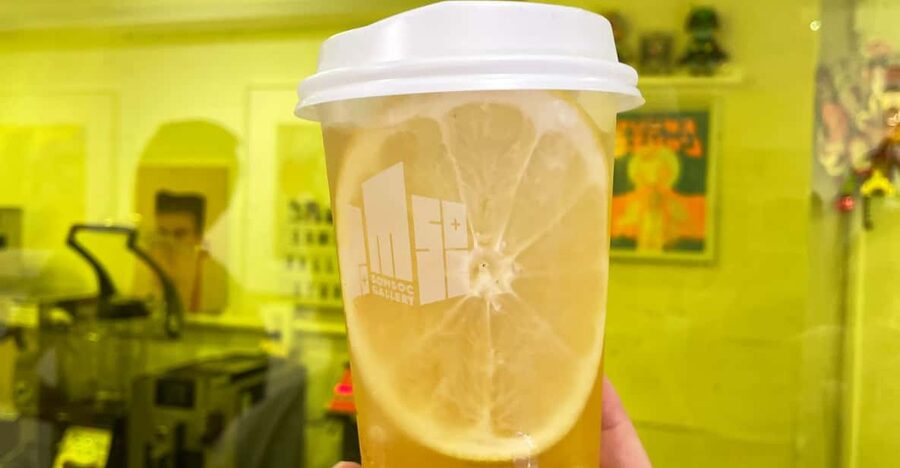
Second, the food inclusions matter. You get 1 snack, 1 drink, and 1 bowl of vegan ramen (or a similar plant-based dish). That ramen (or comparable bowl) is a real anchor item. Many tours are mostly small bites, but here you get a meal-style centerpiece.
Third, the route is designed to cover multiple “Tokyo food textures” in one session: restaurant comfort food, bakery sampling, shopping-street energy, and a café finish. If you’ve ever tried to do that yourself while tracking dietary needs, you know the time cost can be bigger than the ticket price.
If you’re the kind of eater who wants every stop to be a full dinner portion, you might find you’ll need extra food after. But if you want a guided taste-and-walk introduction to Asakusa’s plant-based side, the structure is fair.
Who this tour is best for (and who should skip it)
This tour is a great fit if you:
- want a vegetarian and vegan-friendly Tokyo food outing that’s not limited to one restaurant
- like learning how to order and what to look for in local neighborhoods
- need gluten-free support and appreciate a guide who takes confirmation seriously
- enjoy walking through parts of Tokyo where you can see how everyday life and food meet
You might want to choose another option if:
- you dislike walking and want only indoor, sit-down meals
- you’re looking for lots of different full meals rather than snack-and-bite sampling
- you’re highly sensitive to dietary cross-contact and need guarantees beyond what the tour data explicitly covers—always communicate your needs clearly with the guide
Practical tips before you go
- Wear comfortable shoes. You’ll be walking through Asakusa streets and side lanes.
- Go in hungry but not starving. With 1 snack + 1 bowl + 1 drink + a café/bakery stop, you’ll be fed, but it’s still a taste tour.
- If gluten-free matters, tell the guide at the start and ask how they handle confirmations. The tour has examples of the guide helping with safety checks, which is exactly what you want in the moment.
- Bring a little curiosity. The best part of this tour is not only what you eat, but also why you’re eating it where you are.
Should you book this Tokyo vegetarian and vegan food tour?
I’d book it if your goal is a high-quality plant-based Tokyo introduction that blends real neighborhood walking with sensible food stops. The best reason is the combination of structure (three hours, planned tastings) and flexibility (the guide can support gluten-free needs and steer you to more options).
If you’re craving a “three-course restaurant night,” you’ll probably feel the difference. But if you want to learn Tokyo’s food culture from the ground level—snack by snack, alley by alley—this tour is a strong bet.
Just do one thing before you go: come with a clear idea of your dietary priorities, especially if gluten-free is on your list. That’s when the guide’s care really turns into a better experience.
FAQ
What is the price of the Tokyo Vegetarian & Vegan Friendly Food Tour?
The tour costs $112 per person.
How long is the tour?
It runs for 3 hours.
What food and drink is included?
You’ll get 1 snack, 1 drink, and 1 bowl of vegan ramen (or a similar plant-based dish).
Is the tour suitable for people who need gluten-free options?
The tour is described as vegetarian and vegan friendly, and it is also labeled gluten-free friendly. If you have gluten-free needs, you should share them with the guide during the tour.
Where do I meet, and where does the tour end?
You meet outside the Asakusa Tourist Center area, and the tour ends back at the Asakusa Station front (浅草駅前).
Is it a small group, and how does cancellation work?
It’s a small group limited to 6 participants, and there is free cancellation up to 24 hours in advance for a full refund.
More Food & Drink in Tokyo
- Tokyo: Shinjuku Food Tour (13 Dishes at 4 Local Eateries)
★ 5.0 · 6,603 reviews - Tokyo Tsukiji Fish Market Food and Culture Walking Tour
★ 5.0 · 3,184 reviews - Tokyo: Shinjuku Food Tour (15 Dishes and 4 Eateries)
★ 4.9 · 2,033 reviews - Best of Shinjuku: Izakaya Food Tour (4 Stops, 14+ Tastings)
★ 5.0 · 1,863 reviews - Tokyo: Tsukiji Fish Market Food and Walking tour
★ 5.0 · 1,724 reviews
More Tours in Tokyo
- Mt Fuji and Hakone 1-Day Bus Tour Return by Bullet Train
★ 5.0 · 26,383 reviews - 1-Day Tokyo Bus Tour
★ 5.0 · 14,250 reviews - Tokyo: Shinjuku Food Tour (13 Dishes at 4 Local Eateries)
★ 5.0 · 6,603 reviews - Tokyo Mt Fuji 5th St & Hakone Cruise Bus Tour w/Bullet Train
★ 4.4 · 5,024 reviews - Flagship 2-Hours Official Street Go-Kart Tour – Tokyo Bay Shop
★ 5.0 · 4,974 reviews
More Tour Reviews in Tokyo
- Mt Fuji and Hakone 1-Day Bus Tour Return by Bullet Train
★ 5.0 · 26,383 reviews - 1-Day Tokyo Bus Tour
★ 5.0 · 14,250 reviews - Tokyo: teamLab Planets TOKYO Digital Art Museum Entry Ticket
★ 4.6 · 9,779 reviews - Mt Fuji & Hakone Cruise, Drum Show Bullet Train 1 Day from Tokyo
★ 4.0 · 7,413 reviews - Tokyo: Shinjuku Food Tour (13 Dishes at 4 Local Eateries)
★ 5.0 · 6,603 reviews
Latest Tokyo reviews off our desk






Food & Drink, compared.
 ★ 5.0Shinjuku Food Tour (13 Dishes at 4 Local Eateries)From $866,603 reviews
 ★ 5.0Tokyo Tsukiji Fish Market Food and Culture Walking TourFrom $993,184 reviews
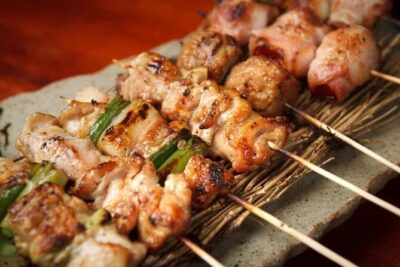 ★ 4.9Shinjuku Food Tour (15 Dishes and 4 Eateries)From $852,033 reviews
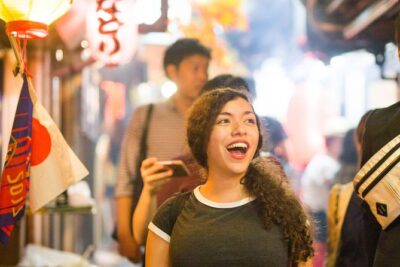 ★ 5.0Best of Shinjuku: Izakaya Food Tour (4 Stops, 14+ Tastings)From $921,863 reviews
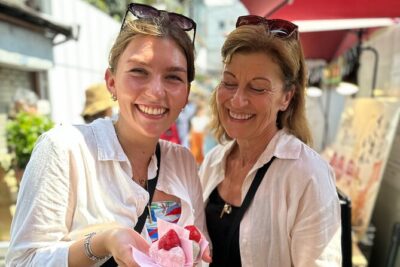 ★ 5.0Tsukiji Fish Market Food and Walking tourFrom $301,724 reviews
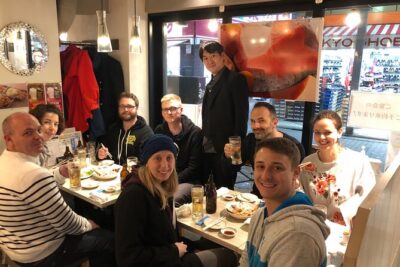 ★ 5.0Eat and Drink Like a Local: Tokyo Ueno Food Tour-Taverns&RamenFrom $95957 reviews
 ★ 5.0Shibuya Food Tour (13 dishes and 4 Eateries)From $77770 reviews
★ 4.7Tsukiji Fish Market Food and Culture Walking TourFrom $96757 reviews
★ 5.0Shibuya Food Tour (13 dishes and 4 Eateries)From $77770 reviews
★ 4.7Tsukiji Fish Market Food and Culture Walking TourFrom $96757 reviews
Browse the lists this tour appears in