
Reviewed · TSUKIJI MARKET FOOD TOURS
Tokyo:Enjoy street food & Japanese food culture at Tsukiji Market
Tsukiji tastes better with an on-the-ground guide. This 3-hour walk in Tokyo pairs street-food tastings at the Tsukiji Outside/ Jogai Market with two meaningful stops: Tsukiji Honganji Temple and Namiyoke Shrine, where the market’s sea-safety prayers live on.
I love how the tour focuses on how Japanese food culture works, not just on grabbing snacks. You get a guided route through the food stalls, plus time at the temple and shrine to understand why this area feels different from other food neighborhoods. My only real caution is budgeting: the snacks are included, but lunch and any shopping are extra, so the final bill can creep up.
In This Review
- Tsukiji Jogai Market on a Short Time Budget
- Key things to know before you go
- Starting at Tsukiji Honganji Temple: more than a photo stop
- Tsukiji Jogai Market: the snack route that teaches you how to order
- Seafood facts you’ll actually use: how guides make Tsukiji make sense
- Tsukiji 海幸橋棟: choosing your lunch without stress
- Namiyoke Shrine: the sea-safety stop that makes the food feel personal
- Price and value: what you’re really paying for
- Timing and logistics that affect your comfort
- Who this tour is best for (and who should skip it)
- Should you book this Tsukiji street-food and culture tour?
- FAQ
- What’s included in the tour price?
- How long is the tour?
- Where does the tour start and end?
- Is lunch included?
- Is this tour wheelchair accessible?
- How many people are in a group?
- What about allergies?
Tsukiji Jogai Market on a Short Time Budget
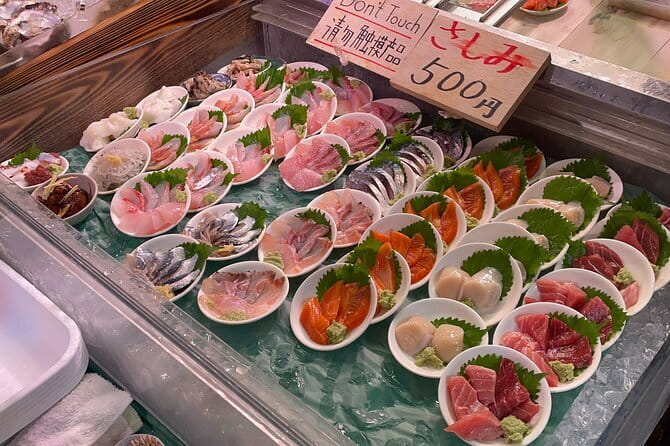
Tsukiji is one of those Tokyo places that looks simple from far away: fish, knives, seafood, photos. Up close, it’s more complex. The famous inner wholesale market moved on, but the surrounding area still plays a big role in daily food habits, from casual bites to “grab lunch and keep going” culture. This tour leans into the part you can experience right now: the Outside/Jogai Market food and the spiritual anchors nearby.
The best payoff is that you’re not wandering with your phone as your only map. You’re walking with an English-speaking guide, in a group capped at 6 people, which matters in a place where stalls are tight and menus are not always in friendly English. You get snack guidance, historical context, and practical ordering help—without turning the whole experience into a lecture.
Key things to know before you go
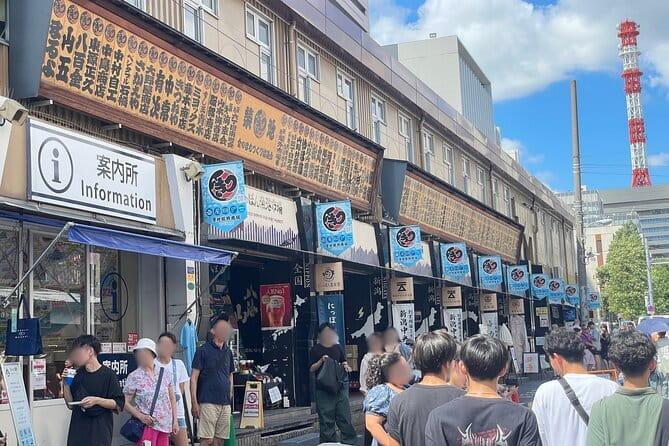
- Small-group pace: up to 6 people, so your guide can steer the group through crowded sections.
- Seafood-and-meat tastings included: you’ll try multiple snack types, with seafood options like oysters or sashimi.
- Temple and shrine stops are part of the food story: Tsukiji Honganji Temple and Namiyoke Shrine connect food to tradition and sea safety.
- Lunch is optional but timed: you’ll have a dedicated window to buy your own boxed lunch, on top of included snacks.
- Comfort matters: it isn’t wheelchair accessible and requires a moderate physical fitness level.
More market breakfasts our reviewers scored
- Tokyo Tsukiji Fish Market Food and Culture Walking Tour
★ 5.0 · 3,184 reviews - Tokyo: Tsukiji Fish Market Food and Walking tour
★ 5.0 · 1,724 reviews - Tokyo: Tsukiji Fish Market Guided Walking Tour
★ 4.9 · 1,397 reviews - Tokyo Sushi Making Class in Tsukiji with Professional Chef
★ 5.0 · 1,177 reviews
Starting at Tsukiji Honganji Temple: more than a photo stop
The tour begins at Tsukiji Hongwanji (Honganji) Temple, at the main gate. The short visit gives you a reset before the food: you step away from the market noise and look at the architecture and decorations with an eye for how different Asian influences can show up in one Tokyo landmark. The tour notes this temple style draws from other regions, including India, which helps explain why Tsukiji feels layered rather than purely commercial.
Even if you’re not a temple person, I like this start because it gives you a frame. In Japan, food culture often sits next to religion and daily rituals. Coming here first makes the later shrine stop feel connected, not random.
Practical tip: if you’re wearing light shoes, you’ll thank yourself later. The day moves from quiet space to market walking without long breaks.
Tsukiji Jogai Market: the snack route that teaches you how to order
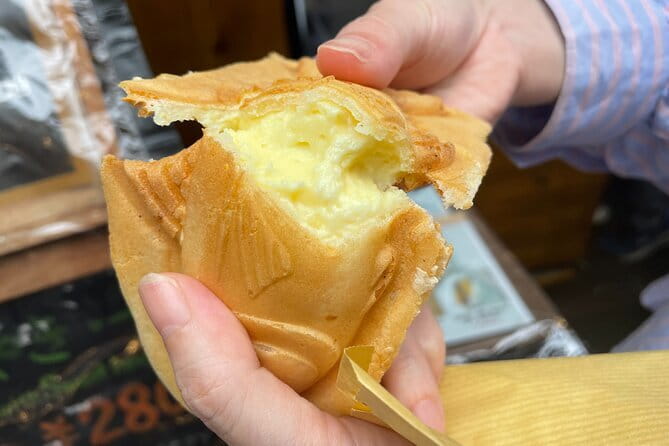
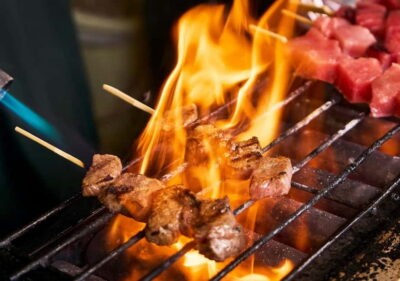
After the temple, you move into the Tsukiji Jogai Market area, where the tour’s tasting phase happens. This is the part most people picture: narrow lanes, storefronts, and vendors calling out what’s fresh or popular. Here’s what the tour includes as tastings: seasoned seaweed, dried fish, roast beef sushi, and options like oysters or sashimi, plus bean snacks.
What I like most is that this isn’t one “starter bite” and a hard push to the next store. You get enough variety to learn the basics of Japanese snack rhythm:
- salty and savory pieces first (seaweed, dried fish),
- then seafood-forward items (oysters/sashimi examples),
- then something crunchy or snackable (bean snacks).
Also, the tour keeps you from over-ordering. You don’t have to guess which stand is best for a first-time sampler. The guide suggests where to get snacks for tasting, then you can handle other items you want on your own later if you choose.
Allergy reality check: snacks on the tour include seafood and meat. If you have allergies, tell the guide ahead of time so the tasting plan can adjust. Don’t assume every stall handles ingredients the same way.
Seafood facts you’ll actually use: how guides make Tsukiji make sense
Tsukiji can feel overwhelming because every stall seems to specialize in something small: a cut, a preparation, a snack form. That’s where having an English-speaking guide pays off. In practice, your guide is doing two jobs:
1) translating what you see into what it means, and
2) helping you choose without second-guessing.
From past tour groups, names like Yoshi and Yuki come up often, praised for friendly explanations and cultural context around the food. Another guide name you may hear is Haruka, who’s noted for offering strong recommendations when people get a bit lost among the many shops. And Hiro gets mentioned for teaching deeper food ideas, including the role of dashi, the broth flavor base used in lots of Japanese cooking.
You don’t need to be a food nerd to benefit. Even a quick explanation can change what you taste. Instead of eating something that’s just salty and ocean-y, you start noticing how flavors build—seaweed and dried fish for umami, seafood preparations for texture, and then how bean snacks act like a palate reset.
Tsukiji 海幸橋棟: choosing your lunch without stress
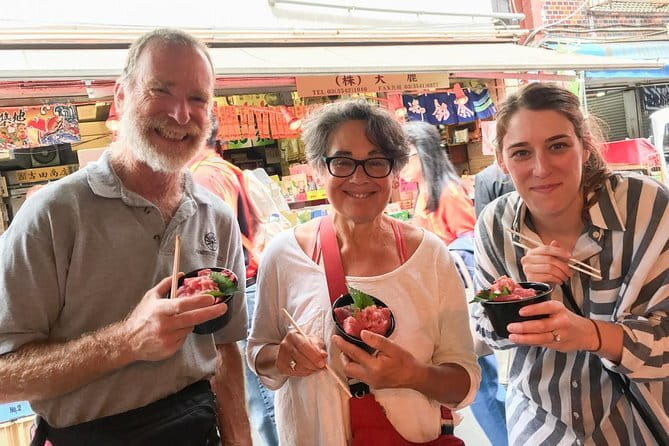
Mid-tour, you’ll reach 築地魚河岸 海幸橋棟, a key area for boxed lunches and other ready-to-eat options. This is where the pacing turns practical. It’s lunch time, and you’ll have about an hour window to buy what you want.
Here’s the deal: the guide helps point you toward the boxed lunches and food options, but the lunch cost isn’t included. You’re essentially combining two things:
- included snacks from the market, and
- a self-selected lunch purchase at this specific spot.
I like this structure. Food tours can go two ways: either you get a fixed meal (safe, but limited), or you’re on your own (freedom, but decision fatigue). This approach gives you the guide’s “here are good choices” support while still letting you pick what fits your budget and appetite.
What to watch for: boxed lunches vary in price, especially with seafood. If you’re aiming to keep costs low, check menu boards and be ready to choose a less seafood-heavy option if needed.
Readers also shortlisted these Tokyo bookings:
- Tokyo: Shinjuku Food Tour (13 Dishes at 4 Local Eateries)★ 5.0 · 6,603 reviews
- Tokyo Tsukiji Fish Market Food and Culture Walking Tour★ 5.0 · 3,184 reviews
- Tokyo: Shinjuku Food Tour (15 Dishes and 4 Eateries)★ 4.9 · 2,033 reviews
- Best of Shinjuku: Izakaya Food Tour (4 Stops, 14+ Tastings)★ 5.0 · 1,863 reviews
- Tokyo: Tsukiji Fish Market Food and Walking tour★ 5.0 · 1,724 reviews
Namiyoke Shrine: the sea-safety stop that makes the food feel personal
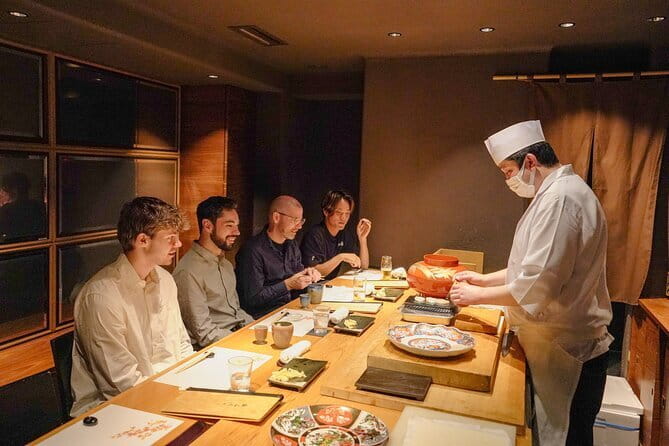
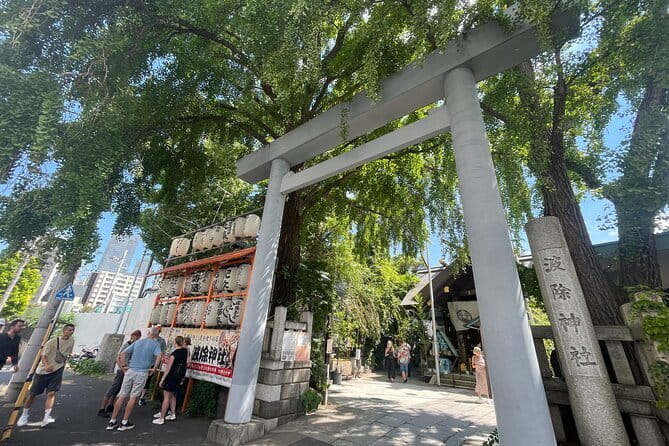
The final major stop is Namiyoke Shrine. This isn’t a long detour, but it’s meaningful. The shrine has been worshipped since the market area was first established here. The focus is on safety of the sea, and the tour frames it as a place where people connected to the market have prayed for many years.
This is one of those moments where you realize the food scene isn’t only about consumption. It’s also about respect, routine, and protection—especially in a place built around fishing and seafood supply. Even if you only spend 30 minutes here, the shrine gives the whole walk an emotional logic.
It also helps you slow down. After tasting and walking, the shrine gives you space to take a breath, look around, and reset your appetite for whatever you do after the tour.
Price and value: what you’re really paying for
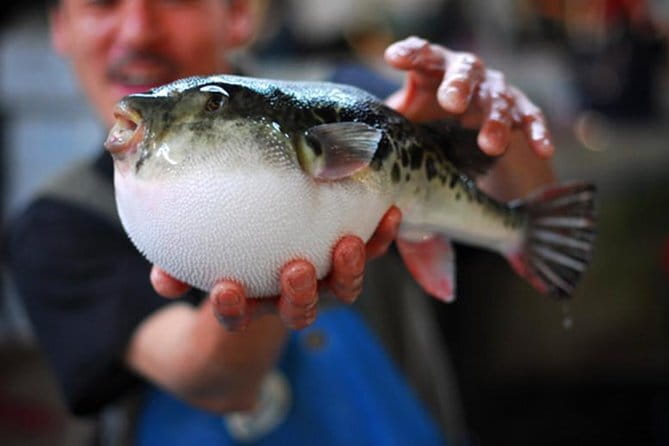
At $100.34 per person for about 3 hours, the price lands in the “you’re buying convenience and guidance” category. You don’t just pay for walking through Tsukiji with a map. You pay for:
- an English-speaking guide,
- included tastings (seaweed, dried fish, roast beef sushi, oysters/sashimi, and bean snacks),
- and structured stops (temple, market tastings, shrine),
- plus a small group size that makes guidance more practical.
Lunch is not included, and shopping costs vary by what you buy. So think of the $100.34 as covering the guided experience and the tastings, while lunch and extras become your personal choice.
If you’re the type who likes to graze, this tour offers value because the included snacks cover multiple flavors and textures, so you’re not starting from zero. If you’re the type who wants one big sit-down meal, you might find the snack portions don’t fully scratch that itch—though you’ll have the option to buy your own lunch.
Timing and logistics that affect your comfort
The tour duration is roughly 3 hours, with specific time blocks for each stop: about 20 minutes for the temple, around 1 hour for the Jogai Market tasting walk, a little over 1 hour for the lunch area, and around 30 minutes for the shrine.
That timing matters because Tsukiji is a place where crowds and lines can change quickly. A guided loop keeps you moving and prevents the common “We spent 45 minutes wandering the wrong lane” problem.
The group max is 6 travelers, and the activity uses a mobile ticket. The meeting point is at the Tsukiji Hongwanji main gate (address provided), and the tour ends at Namiyoke Shrine.
Comfort note: this is not wheelchair accessible, so mobility is important. You should plan for standing, short distances of walking, and market-style foot traffic.
Who this tour is best for (and who should skip it)
This is a strong fit if:
- you want a first-time Tsukiji experience that’s not only about fish,
- you like food culture context along with tastings,
- you want help choosing snacks and understanding what you’re eating,
- you prefer a smaller group rather than a big bus-tour crush.
You might want to skip (or choose another style of tour) if:
- you hate walking through crowded areas,
- you want a fully included lunch with no extra decisions,
- you have complex food needs and would rather avoid seafood-centered tastings.
If you do have allergies, you can still ask for clarity, but the included items do include seafood and meat, so you’ll want to coordinate closely with the guide.
Should you book this Tsukiji street-food and culture tour?
I’d book it if you want the practical “how to eat here” side of Tsukiji, plus the temple and shrine context that gives the area meaning beyond seafood photos. The small group size and included snack set make it feel efficient, and the guide-led ordering support saves time when the market is loud and visually packed.
I wouldn’t book it if your top priority is a sit-down meal or if you’re trying to keep spending strictly to the base price—lunch and any extra purchases are on you. Also skip if mobility is limited, since it’s not wheelchair accessible.
If you do book, bring comfortable shoes, be honest about allergies, and go in ready to treat lunch as a choice you’ll make after you’ve already sampled the flavors. That’s when Tsukiji starts to click.
FAQ
What’s included in the tour price?
The tour includes an English-speaking guide and market tastings such as seasoned seaweed, dried fish, roast beef sushi, oysters or sashimi, and bean snacks. Lunch is not included.
How long is the tour?
The tour lasts about 3 hours.
Where does the tour start and end?
It starts at Tsukiji Hongwanji Temple main gate in Tsukiji, Chuo City, Tokyo, and it ends at Namiyoke Shrine in Tsukiji, Chuo City, Tokyo.
Is lunch included?
No. You’ll have time to buy your own lunch at the lunch stop, and the lunch fee is not included.
Is this tour wheelchair accessible?
No, it is not wheelchair accessible.
How many people are in a group?
The tour has a maximum group size of 6 travelers.
What about allergies?
The included snacks include seafood and meat. You should inform the guide if you have any allergies so they can steer you toward appropriate choices.
More Food & Drink in Tokyo
- Tokyo: Shinjuku Food Tour (13 Dishes at 4 Local Eateries)
★ 5.0 · 6,603 reviews - Tokyo Tsukiji Fish Market Food and Culture Walking Tour
★ 5.0 · 3,184 reviews - Tokyo: Shinjuku Food Tour (15 Dishes and 4 Eateries)
★ 4.9 · 2,033 reviews - Best of Shinjuku: Izakaya Food Tour (4 Stops, 14+ Tastings)
★ 5.0 · 1,863 reviews - Tokyo: Tsukiji Fish Market Food and Walking tour
★ 5.0 · 1,724 reviews
More Tour Reviews in Tokyo
- Mt Fuji and Hakone 1-Day Bus Tour Return by Bullet Train
★ 5.0 · 26,383 reviews - 1-Day Tokyo Bus Tour
★ 5.0 · 14,250 reviews - Tokyo: teamLab Planets TOKYO Digital Art Museum Entry Ticket
★ 4.6 · 9,779 reviews - Mt Fuji & Hakone Cruise, Drum Show Bullet Train 1 Day from Tokyo
★ 4.0 · 7,413 reviews - Tokyo: Shinjuku Food Tour (13 Dishes at 4 Local Eateries)
★ 5.0 · 6,603 reviews
More Tsukiji Market Breakfasts
- Tokyo Tsukiji Fish Market Food and Culture Walking Tour
★ 5.0 · 3,184 reviews - Tokyo: Tsukiji Fish Market Food and Walking tour
★ 5.0 · 1,724 reviews - Tokyo: Tsukiji Fish Market Guided Walking Tour
★ 4.9 · 1,397 reviews - Tokyo Sushi Making Class in Tsukiji with Professional Chef
★ 5.0 · 1,177 reviews - Tsukiji Fish Market Guided Tour and Sushi Making with Pro Chef
★ 5.0 · 775 reviews
Latest Tokyo reviews off our desk






Tsukiji Market Food Tours, compared.
 ★ 5.0Tokyo Tsukiji Fish Market Food and Culture Walking TourFrom $993,184 reviews
 ★ 5.0Tsukiji Fish Market Food and Walking tourFrom $301,724 reviews
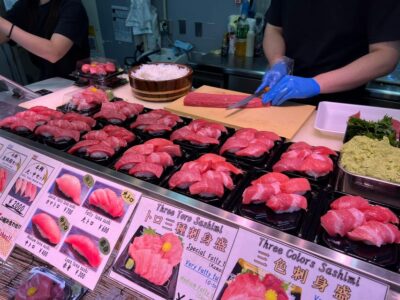 ★ 4.9Tsukiji Fish Market Guided Walking TourFrom $221,397 reviews
 ★ 5.0Tokyo Sushi Making Class in Tsukiji with Professional ChefFrom $491,177 reviews
 ★ 5.0Tsukiji Fish Market Guided Tour and Sushi Making with Pro ChefFrom $104775 reviews
★ 4.7Tsukiji Fish Market Food and Culture Walking TourFrom $96757 reviews
 ★ 5.0Tsukiji Fish Market: Street Food & Culture Walking TourFrom $33669 reviews
 ★ 5.0Tsukiji Fish Market Small-Group Food Walking TourFrom $87621 reviews
Browse the lists this tour appears in