
Reviewed · SHOW
Traditional Japanese Music ZAKURO SHOW in Tokyo
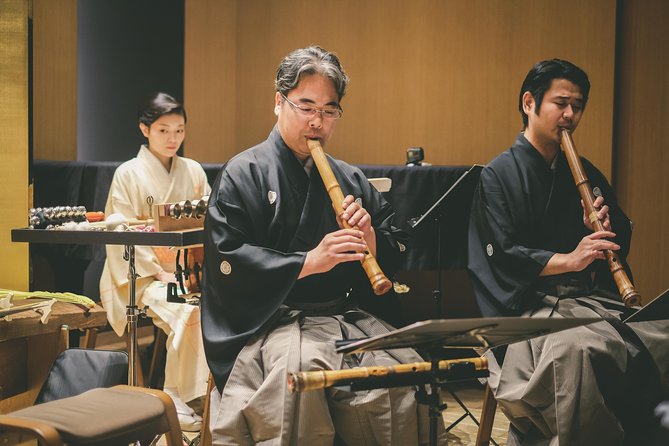
Watching traditional Japanese music up close is rare. The Zakuro Show in Omotesando turns a concert into a clear, friendly lesson, with live translations and performers right in front of you. I especially like the way the program pairs ancient and modern traditional sounds with short, practical explanations, and I also like that you get context without needing to study Japanese music first. One possible drawback: it’s only about 1 hour, so if you want a long, immersive concert experience, you may finish wanting more.
In Tokyo, Omotesando is a smart location for an evening that doesn’t require museum stamina or jet-lag recovery. You sit in a beautiful, cozy setting and watch an ensemble of skilled musicians in colorful kimono, moving through multiple instruments like taiko and koto while a host adds commentary and translates for English speakers. The show format is easy to follow, but you’ll get the most out of it if you’re open to listening closely.
In This Review
- Key Highlights You’ll Notice Right Away
- Your Easy, One-Hour Gateway to Traditional Japanese Music
- Omotesando’s Cozy Setting and Why It Matters
- Price and What You’re Actually Buying for $39.64
- Meet the Instruments: Koto, Shamisen, Shakuhachi, and Taiko
- How the Explanations Work Between Songs
- The Program Flow: Ancient, Modern, and a Western Cover
- What to Expect From the Performers and the Audience Experience
- Practical Tips So You Get the Most Out of the Hour
- Who This Show Fits Best (and Who Might Prefer Something Else)
- Should You Book the Traditional Japanese Music ZAKURO Show?
- FAQ
- How long is the Zakuro Show?
- What instruments are included in the show?
- Is there English translation during the concert?
- Where is the show located?
- How much does it cost?
- Do I get a ticket?
- How far in advance should I book?
- What is the cancellation policy?
Key Highlights You’ll Notice Right Away
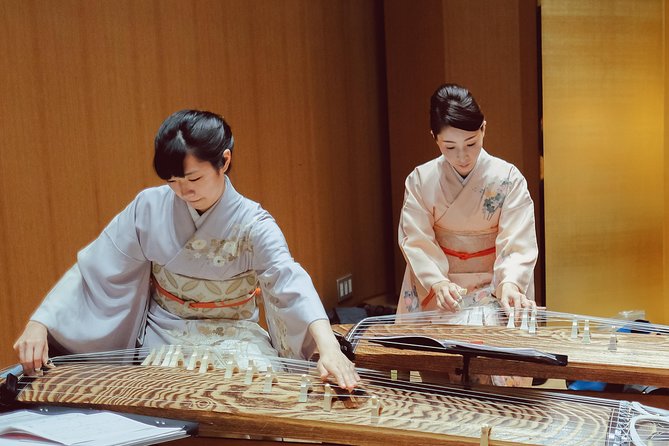
- Wagakki instruments in the room: koto, shamisen, shakuhachi, taiko, and more, played from very close range
- English commentary between pieces that explains technique and meaning, not just names
- A mix of old and newer Japanese traditional music built as a story, tune by tune
- A Western hit cover that helps you hear how Japanese instruments reshape familiar melodies
- A 1-hour format that fits cleanly into a day plan without stealing your whole evening
Your Easy, One-Hour Gateway to Traditional Japanese Music
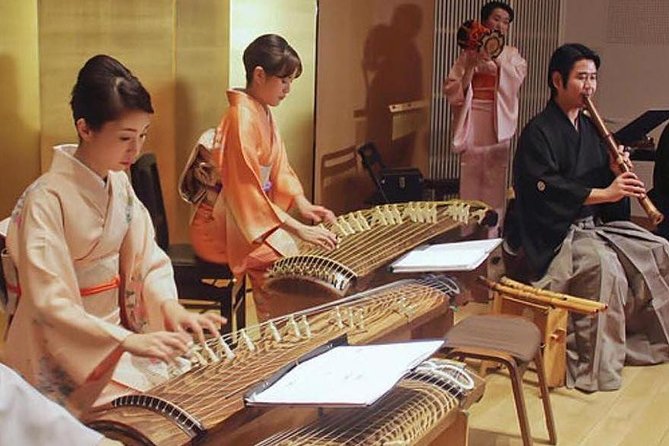
If you’re trying to understand Japanese music without getting lost in technical terms, the Zakuro Show is built for you. It’s a live performance where the explanations are part of the experience, not a side note. The atmosphere is intimate and cozy, and the musicians are close enough that you can actually see how the instruments are handled.
The show runs for about an hour, which is a big deal in Tokyo. One hour means you can do it before dinner, after shopping, or as a calm break between bigger sights. It’s also paced so you don’t feel like you’re stuck watching a single long piece with no context.
You’ll likely recognize that the instruments feel different from typical Western setups. That’s the point. You’re learning how wagakki (traditional Japanese instruments) create their own kind of tone, rhythm, and expression.
Readers also shortlisted these Tokyo bookings:
- Mt Fuji & Hakone Cruise, Drum Show Bullet Train 1 Day from Tokyo
★ 4.0 · 7,413 reviews - Tokyo: Sumo Show and Dining Experience
★ 4.8 · 2,742 reviews - the SUMO show
★ 5.0 · 1,960 reviews - Tokyo Shinjuku Sumo Show & Experience with Photo
★ 5.0 · 1,750 reviews
Omotesando’s Cozy Setting and Why It Matters
Omotesando is known for stylish streets, but this show doesn’t feel like a flashy event. It’s a small, comfortable venue where the focus stays on sound and storytelling. In practical terms, that means fewer distractions and an easier time paying attention.
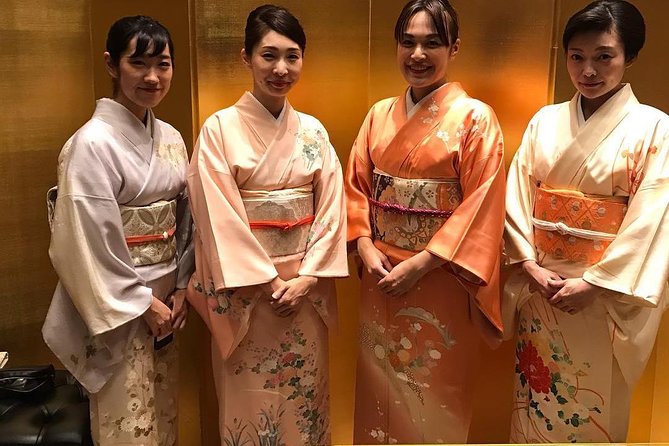
A key detail: the musicians and their instruments are positioned so you’re not just watching from afar. You get a real sense of presence because the performers in kimono are right in front of you, surrounded by instruments that you can see being played in real time. That closeness makes the explanations land better too.
If you’ve ever struggled with concerts where the audience feels separated from the performers, this setup works in your favor. You’ll feel like you’re in the room for a craft demonstration, not just sitting in the dark.
Price and What You’re Actually Buying for $39.64
At about $39.64 per person, this can look like a “small-ticket” experience. The value is that you’re not paying only for music. You’re paying for a guided concert, where each tune comes with context and translation.
Admission is included, and the show is about an hour long. You’re getting a multi-instrument ensemble plus dialogue that connects technique and history. That combination is what makes the price feel reasonable rather than arbitrary.
Booking timing also hints at demand: it’s commonly reserved about a month in advance on average. If you’re traveling in busy seasons or you have a tight schedule in Omotesando, I’d treat this like a must-book event rather than a casual option.
One more practical bonus: you receive a mobile ticket. That’s one less thing to manage while you’re navigating trains, stations, and short appointment times in Tokyo.
Meet the Instruments: Koto, Shamisen, Shakuhachi, and Taiko
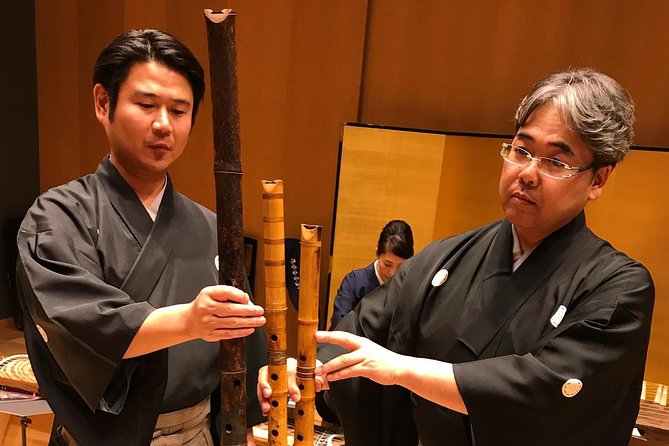
This is a true instrument showcase. The program features multiple traditional instruments, and you’re meant to learn what each one contributes to the overall sound world.
Here’s what stands out from the lineup:
- Koto (harp-like zither): delicate, expressive tones that can sound both airy and precise
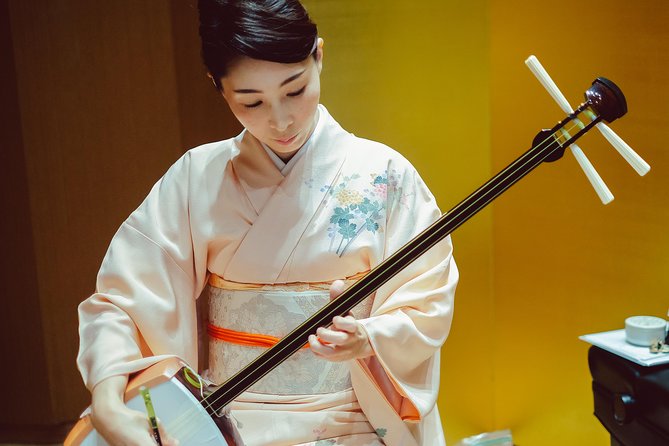
- Shamisen (three-string instrument): a stronger, more percussive character that often drives energy in a piece
- Shakuhachi (bamboo flute): breathy, haunting phrasing that can feel meditative and emotional
- Taiko (drums): powerful rhythm and force, with impact you can feel in the room
The show also covers a range of wagakki rather than centering on only one instrument type. That variety matters because Japanese traditional music isn’t one sound. It’s many voices with different ways of producing pitch, rhythm, and texture.
And you’re not just hearing them back-to-back. The host’s explanations are timed around the music, so you’re learning what to listen for while the sounds are happening.
How the Explanations Work Between Songs
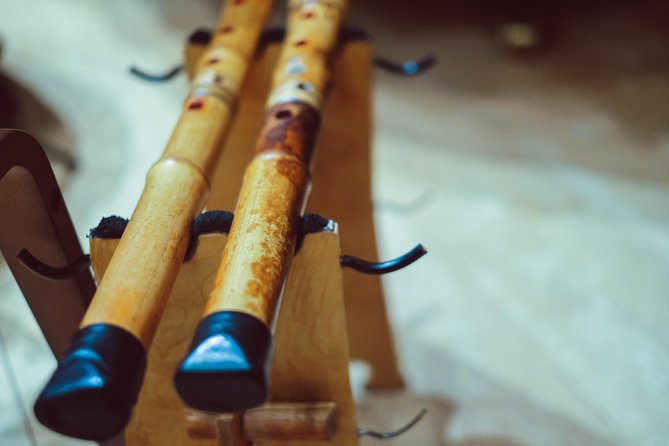
A concert with no context can still be beautiful, but it can also pass by fast. The Zakuro Show solves that by building in spoken commentary and translation right when it matters.
Between musical numbers, the performers share secrets of their craft and historical knowledge. The host also translates into English, so you’re not stuck guessing what the music is trying to say. That matters for first-timers, because you’re learning how musicians shape meaning through technique.
I like this approach because it turns listening into participation. You start paying attention to details: how the tone changes, how rhythm is structured, and how different instruments interact. Instead of treating each piece like a random track on a playlist, you connect pieces to a bigger picture.
The show design also keeps it from becoming lecture-heavy. You’re constantly alternating between sound and explanation. That rhythm of experience is part of why people rate it so highly.
- Tokyo: Shinjuku Food Tour (13 Dishes at 4 Local Eateries)★ 5.0 · 6,603 reviews
- Tokyo Mt Fuji 5th St & Hakone Cruise Bus Tour w/Bullet Train★ 4.4 · 5,024 reviews
- Flagship 2-Hours Official Street Go-Kart Tour – Tokyo Bay Shop★ 5.0 · 4,974 reviews
- From Tokyo: Mount Fuji Full-Day Sightseeing Trip★ 4.5 · 4,970 reviews
- Tokyo: Hop-On Hop-Off Sightseeing Bus Ticket★ 3.9 · 4,207 reviews
The Program Flow: Ancient, Modern, and a Western Cover
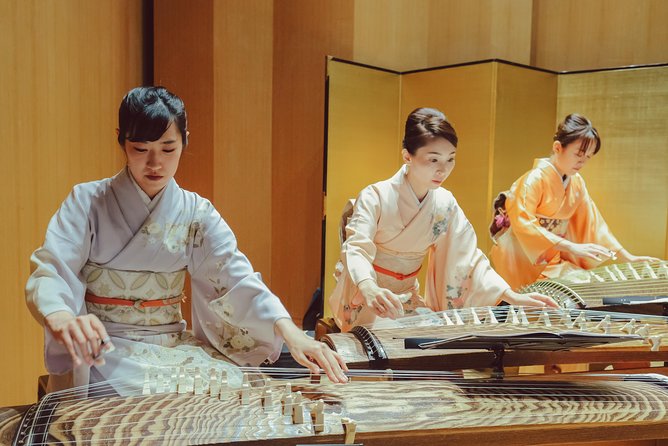
The setlist isn’t random. Each tune is carefully selected to provide context and show how traditional music can both preserve old forms and adapt over time.
You can expect a mix of:
- Ancient and modern Japanese traditional music
- An explanation of how those traditions fit together
- A cover of a western hit to highlight the unique sound of Japanese instruments
One review detail you might find especially fun: there’s mention of a Nirvana song performed in the show. Even if you don’t know the original, hearing a familiar melody re-shaped by instruments like koto or shamisen helps your brain make a quick connection.
That kind of “bridge” is useful. It lowers the intimidation factor and makes the rest of the program easier to enjoy. You start with recognition, then you learn why Japanese instruments sound like themselves even when they play something you already know.
What to Expect From the Performers and the Audience Experience
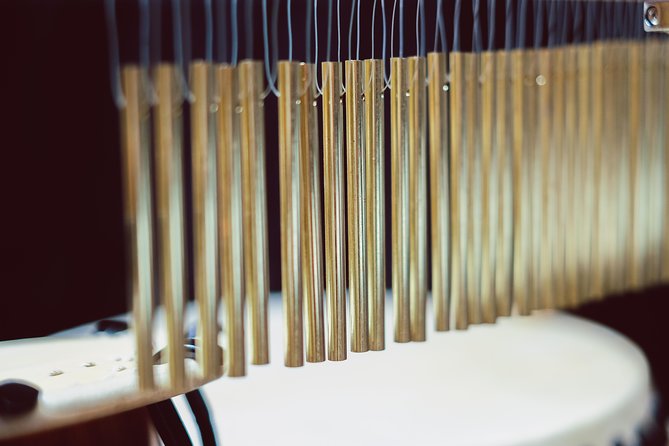
The performers wear colorful kimono, and you don’t feel like you’re watching from behind a barrier. Musicians are right in front of you, and the show is structured for interaction. The artists talk about their craft, share historical knowledge, and connect with the audience through dialogue and translation.
In an experience like this, the best part is often the human factor. You’re hearing music, yes, but you’re also seeing musicians explain choices and craft decisions as they go. That changes how you interpret the sound.
I also like that the show is made for international audiences. The English translation is integrated into the performance, so you’re not juggling language app work in the middle of a concert.
Practical Tips So You Get the Most Out of the Hour
You’ll have an easier time if you plan for the show like it’s part concert, part mini-lecture.
- Arrive a few minutes early so you can settle before the first instrument starts
- Plan to sit where you can see the instruments since the visuals matter for understanding the explanations
- Listen with curiosity, not with the goal of identifying every term
- If you’re pairing this with dinner, leave enough time after the show for a relaxed walk instead of rushing right out
Because the venue is described as close and cozy, your comfort matters. Dress normally for Tokyo nights, bring a layer if you tend to get cold in indoor spaces, and keep your expectations aligned with the 1-hour length.
Who This Show Fits Best (and Who Might Prefer Something Else)
This is a great match if you fall into any of these buckets:
- You want traditional Japanese music but you don’t want to do homework first
- You like live explanations and learning how sound is made
- You’re short on time and need something that fits cleanly into a day plan
- You enjoy a mix of old tradition and accessible context
It may be less ideal if you’re the type who wants a long, uninterrupted performance where you just sit back. The hour goes fast, and one theme from the experience is that people wish it lasted longer. If that would bother you, you might want a different music outing with a longer runtime.
Should You Book the Traditional Japanese Music ZAKURO Show?
If you want a first taste of Japanese traditional music that comes with English translation and meaningful context, I think you should book this. The format is smart for beginners and rewarding for anyone who loves instruments. You’re not just watching sound; you’re learning how musicians shape tone, rhythm, and history.
Booking is also sensible because the average reservation window is about a month in advance. If your Tokyo dates are fixed, grabbing a spot early gives you confidence, especially in Omotesando.
On the flip side, keep your expectations realistic about time. This is about an hour, so treat it as a focused highlight rather than a full evening event.
If that fits your style, the Zakuro Show is one of the most straightforward ways to get close to wagakki and walk away with a clearer ear.
FAQ
How long is the Zakuro Show?
The performance is about 1 hour.
What instruments are included in the show?
The show features traditional Japanese instruments such as taiko drums, koto harp, shamisen, and shakuhachi flute.
Is there English translation during the concert?
Yes. The performers provide live commentary, and English translation is included.
Where is the show located?
It takes place in Omotesando, Tokyo, in a beautiful and cozy setting.
How much does it cost?
The price is $39.64 per person.
Do I get a ticket?
Yes, the show includes an admission ticket and you receive a mobile ticket.
How far in advance should I book?
On average, it’s booked about 33 days in advance.
What is the cancellation policy?
Free cancellation is available up to 24 hours in advance for a full refund. If you cancel less than 24 hours before the start time, the amount you paid is not refunded.
More Show in Tokyo
- Mt Fuji & Hakone Cruise, Drum Show Bullet Train 1 Day from Tokyo
★ 4.0 · 7,413 reviews - Tokyo: Sumo Show and Dining Experience
★ 4.8 · 2,742 reviews - the SUMO show
★ 5.0 · 1,960 reviews - Tokyo Shinjuku Sumo Show & Experience with Photo
★ 5.0 · 1,750 reviews - Mt Fuji & Hakone Cruise, Drum Show Bus 1 Day from Tokyo
★ 4.0 · 1,287 reviews
More Tour Reviews in Tokyo
- Mt Fuji and Hakone 1-Day Bus Tour Return by Bullet Train
★ 5.0 · 26,383 reviews - 1-Day Tokyo Bus Tour
★ 5.0 · 14,250 reviews - Tokyo: teamLab Planets TOKYO Digital Art Museum Entry Ticket
★ 4.6 · 9,779 reviews - Mt Fuji & Hakone Cruise, Drum Show Bullet Train 1 Day from Tokyo
★ 4.0 · 7,413 reviews - Tokyo: Shinjuku Food Tour (13 Dishes at 4 Local Eateries)
★ 5.0 · 6,603 reviews
Latest Tokyo reviews off our desk




Show, compared.
 ★ 4.0Mt Fuji & Hakone Cruise, Drum Show Bullet Train 1 Day from TokyoFrom $1497,413 reviews
 ★ 4.8Sumo Show and Dining ExperienceFrom $792,742 reviews
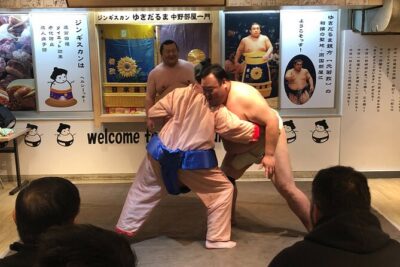 ★ 5.0the SUMO showFrom $891,960 reviews
 ★ 5.0Tokyo Shinjuku Sumo Show & Experience with PhotoFrom $791,750 reviews
 ★ 4.0Mt Fuji & Hakone Cruise, Drum Show Bus 1 Day from TokyoFrom $1221,287 reviews
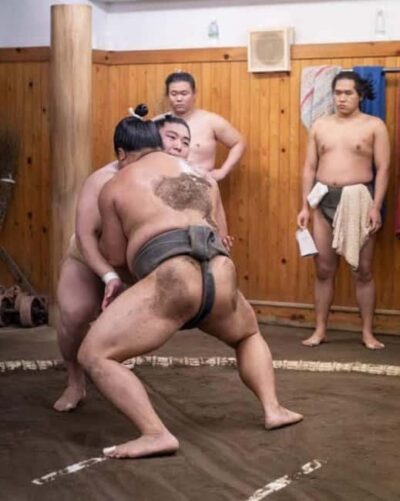 ★ 4.8Sumo Show and Experience in ShinjukuFrom $691,001 reviews
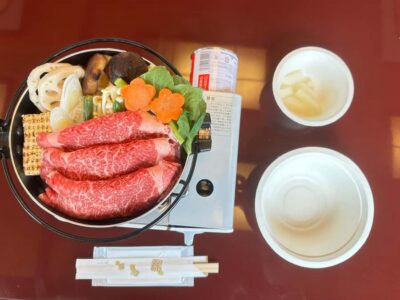 ★ 4.7Yakatabune Dinner Cruise with Japanese Show & DrinksFrom $100871 reviews
 ★ 4.7Luxury Sumo Show Experience & Japanese cuisine & DrinkFrom $103577 reviews