
Reviewed · TSUKIJI MARKET FOOD TOURS
Tsukiji Fish Market: Street Food Tour with Tasting
Tokyo smells like dinner at dawn. This Tsukiji tour is fun because the guide helps you handle the crowds like a pro, and I especially loved the fish-cutting show and the fresh wasabi set that boosts raw seafood flavor. One thing to consider: the market is busy, so you’ll be on your feet and need to move with the group.
You’ll spend about 2 hours sampling a set of classic Tsukiji bites, then get a guided look at how the market feeds Tokyo’s food culture. With a small cap of 15 travelers, it stays manageable, and the mobile ticket makes it easy to show up and go.
In This Review
- Key Highlights Worth Getting Excited About
- Meeting at Tsukiji Hongwanji: Where the Tour Starts
- Stop 1 at Tsukiji Jogai Market: Street Food With a Food-Culture Lens
- Tsukiji Jogai Fish-Cutting Show: Watching Technique Become Flavor
- Stop 3: Tsukiji Fish Market Walk Among Traders
- Tsukiji Hongwanji Temple: A Quiet Reset With Cultural Context
- What’s Included in the Tasting Set (And Why It Works)
- How the Tour’s Pace Fits Into a Tokyo Day
- Price and Value: Is $97.55 a Fair Deal?
- Small Group Size: The Hidden Quality Upgrade
- Who Should Book This Tsukiji Street Food Tour
- Should You Book It?
- FAQ
- What is the duration of the Tsukiji Fish Market street food tour with tasting?
- How much does the tour cost?
- Where does the tour start?
- Is the fish-cutting show included, and is admission covered?
- What foods are included in the tasting set?
- How long do you spend at each stop?
- Is the group size limited?
- Do I need a printed ticket?
- What is the cancellation policy?
Key Highlights Worth Getting Excited About
- Wasabi set guided by your host: you’ll learn how to use it so it tastes bright, not just spicy.
- Tsukiji Jogai fish-cutting show: a chef uses traditional technique to portion a whole fish.
- Real-market atmosphere, not a staged food court: you’ll watch professional traders at work.
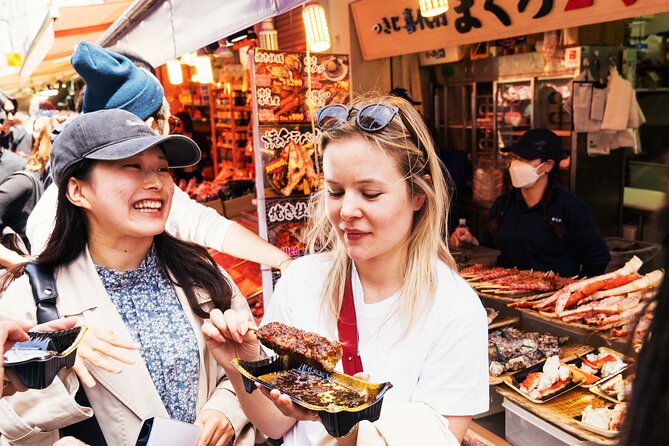
- A tasting set with big variety: sushi or a seafood rice bowl, Wagyu items, tamagoyaki, eel, shumai, and dessert.
- A temple stop with context: quick and meaningful, tied to Japanese culture and Buddhism.
Meeting at Tsukiji Hongwanji: Where the Tour Starts
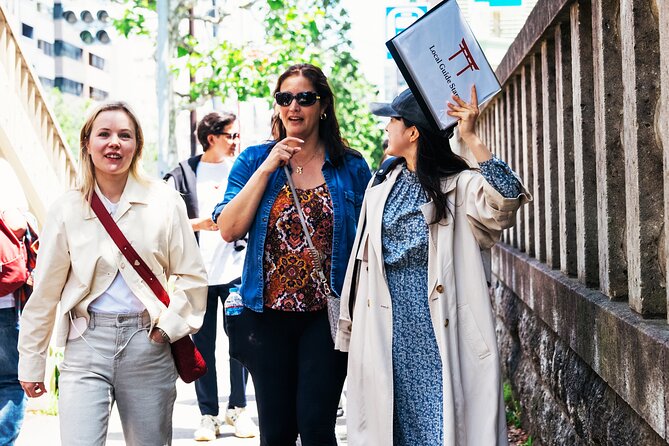
The experience begins at 築地本願寺本堂 (Hongwanji Temple main hall) at 3-chōme-15-1 Tsukiji, Chuo City, Tokyo. I like starting at a landmark like this because it’s easier to orient yourself than hunting for a tiny street stall.
From there, your guide keeps the flow tight: you’re not just eating, you’re learning what you’re seeing. And because the group is capped at 15, you don’t spend the whole tour waiting for everyone to catch up.
Plan to arrive a few minutes early. In Tsukiji, being punctual is part of the food experience. The tastings are timed, and the market doesn’t slow down for anyone.
More market breakfasts our reviewers scored
- Tokyo Tsukiji Fish Market Food and Culture Walking Tour
★ 5.0 · 3,184 reviews - Tokyo: Tsukiji Fish Market Food and Walking tour
★ 5.0 · 1,724 reviews - Tokyo: Tsukiji Fish Market Guided Walking Tour
★ 4.9 · 1,397 reviews - Tokyo Sushi Making Class in Tsukiji with Professional Chef
★ 5.0 · 1,177 reviews
Stop 1 at Tsukiji Jogai Market: Street Food With a Food-Culture Lens
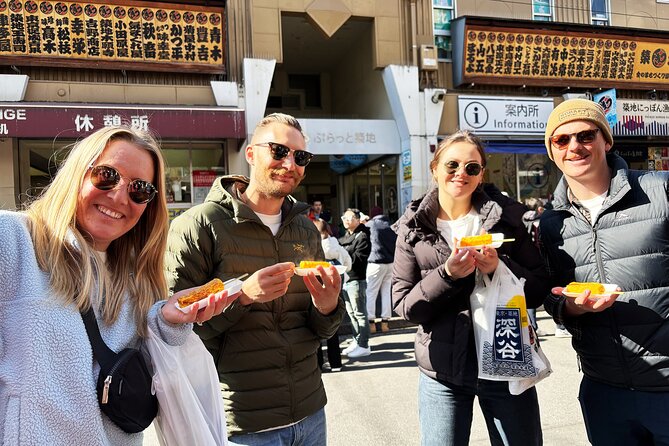
Your first stop is Tsukiji Jogai Market, where you get about 45 minutes of street food exploration. This is the “get your bearings and start tasting” part of the tour, with the guide pointing out what matters and why it tastes the way it does.
What I like here is that the tour doesn’t treat food like random snacks. You get an explanation of Japanese food culture and how flavor works in practice, including how artisan methods and preservation techniques affect the end result. That’s especially helpful when you’re trying unfamiliar items, because you know what to pay attention to: texture, balance, and how certain bites are meant to be eaten immediately.
Practical note: street markets are narrow and crowded. Wear comfortable shoes and expect to walk and stand more than you might at a museum tour. If you move at a normal walking pace and follow the guide’s lead, it feels smooth.
Admission is free at this stop, which means the value is really in the guided tasting and context, not extra ticket costs.
Tsukiji Jogai Fish-Cutting Show: Watching Technique Become Flavor
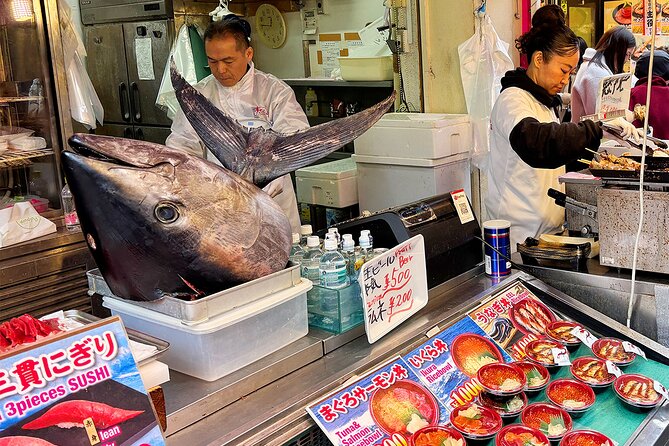
Next comes the highlight for many people: a fish-cutting show at Tsukiji Jogai Market. You’ll have about 30 minutes here, and admission is included for this stop.
A skilled chef fillets a whole fish using traditional techniques. The payoff isn’t just watching someone work; it’s realizing how precision affects taste. Cleaner cuts, proper portioning, and careful handling all change how seafood presents on your plate—and how it’s likely to be seasoned or paired.
After the show, you’ll enjoy a fresh seafood bowl tied to what you just saw. This is one of those rare moments where your eyes and your mouth sync up. You can connect the dots between technique and the final bite.
If you care about food craft—how things are made, not just what they look like—this section is a must.
Stop 3: Tsukiji Fish Market Walk Among Traders
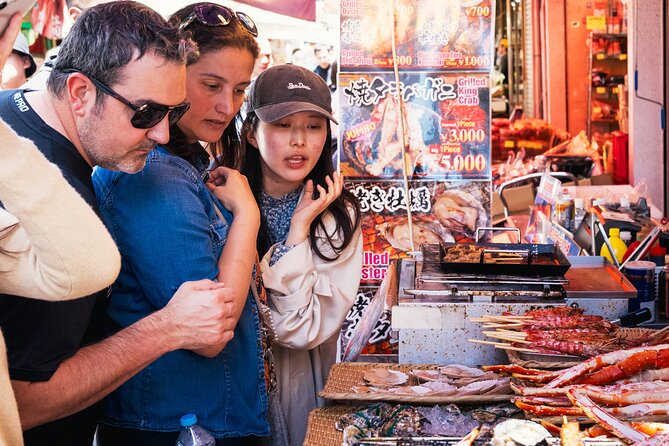
Then you shift from show-and-tasting mode to pure atmosphere at the Tsukiji Fish Market. This segment lasts about 30 minutes, with admission listed as free.
This is the window into how the market really operates. You’ll see professional traders in their work rhythm and get a feel for the pace that drives Tokyo’s seafood supply. It’s not about posing for photos; it’s about understanding the “why” behind the food. When you see the scale of people doing serious work, seafood stops feeling like a luxury and starts feeling like infrastructure.
A fair consideration: you might not get to do deep wandering here on your own. The guide is keeping you moving so you’re in the right places at the right moments. If you like total freedom and long browsing, you may feel slightly hand-held.
But if you want context plus tastings, this stop is a strong bridge between culinary culture and real-life food logistics.
Tsukiji Hongwanji Temple: A Quiet Reset With Cultural Context
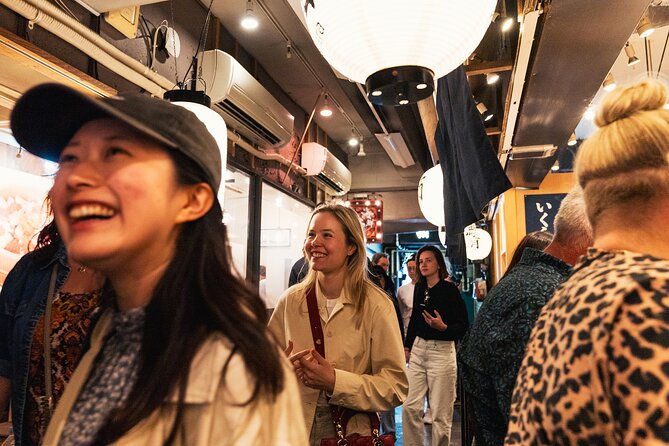
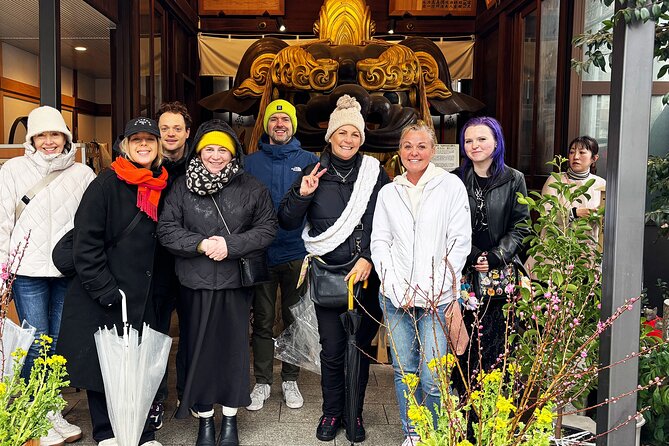
You finish with a short visit to Tsukiji Hongwanji Temple. This part runs about 15 minutes and includes entry with a local guide who explains the charm of the space, as well as the culture and history of Buddhism.
I like this because it balances the sensory intensity of the market. Food tours can feel like nonstop stimulus, and a short cultural stop helps your brain reset. It also gives you a lens for understanding why markets, daily life, and community spaces matter in Japan.
It’s brief, so don’t expect a long temple deep-study. Think of it as a calm punctuation mark—enough to add meaning without running late.
Readers also shortlisted these Tokyo bookings:
- Tokyo: Shinjuku Food Tour (13 Dishes at 4 Local Eateries)★ 5.0 · 6,603 reviews
- Tokyo Tsukiji Fish Market Food and Culture Walking Tour★ 5.0 · 3,184 reviews
- Tokyo: Shinjuku Food Tour (15 Dishes and 4 Eateries)★ 4.9 · 2,033 reviews
- Best of Shinjuku: Izakaya Food Tour (4 Stops, 14+ Tastings)★ 5.0 · 1,863 reviews
- Tokyo: Tsukiji Fish Market Food and Walking tour★ 5.0 · 1,724 reviews
What’s Included in the Tasting Set (And Why It Works)
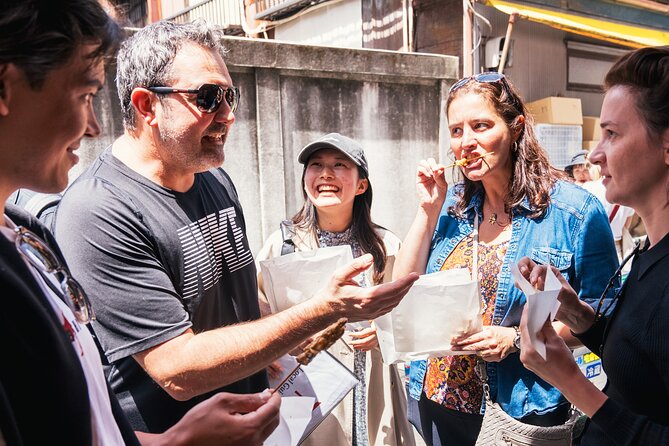
The tasting set is designed to cover classic Tsukiji favorites and show off different styles of Japanese seafood and egg-forward cooking. Here’s what’s included in the meal set:
- Premium sushi or a seafood rice bowl
- Wagyu beef skewer
- Wagyu menchi katsu
- Tamagoyaki (sweet omelette)
- Grilled eel
- Shumai (dumpling)
- Strawberry dessert
Plus, there’s a special wasabi set provided by your guide. This is not just a condiment tossed on top. With proper guidance, you can taste how wasabi changes raw seafood flavor and aroma. It can feel surprisingly different depending on how it’s used, and that’s exactly the kind of practical tip that makes this tour worth doing instead of just walking in and ordering whatever looks good.
From what I’ve picked up about guides like Tomo and Kawa, the best part isn’t only the food—it’s how they help you ask the right questions at stalls and clarify what you’re eating. You don’t need to be fluent to get more out of the market; you just need the right person to translate the situation into something you can enjoy.
How the Tour’s Pace Fits Into a Tokyo Day
This experience runs about 2 hours, and it’s built for a concentrated taste schedule. You’re in and out of key places: street food to start, a fish-cutting show for technique, a market walk for real-world context, then a temple stop for cultural grounding.
That pacing matters because Tsukiji can get overwhelming fast. A guided route helps you avoid the common problem of wandering for an hour, then realizing you’re too late to try the good stuff. Here, you’re tasting throughout rather than waiting for a single “big meal moment.”
It also helps if you’re on a tighter itinerary. If you’re trying to see multiple neighborhoods in one day, this tour gives you a strong culinary payoff without eating up half your schedule.
Price and Value: Is $97.55 a Fair Deal?
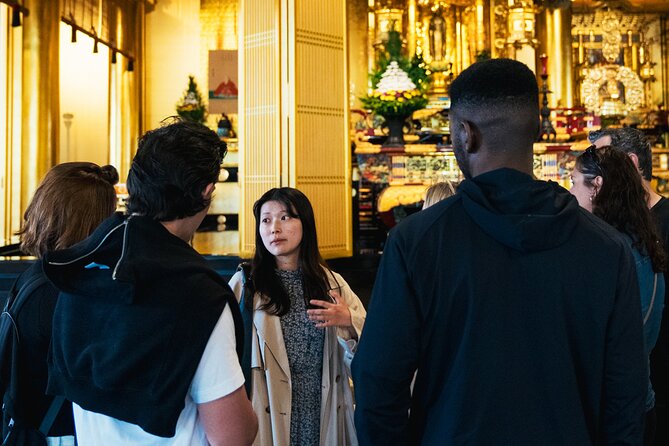
At $97.55 per person, this isn’t a bargain-basement snack crawl. But it does feel like a fair spend when you look at what’s included: a structured route, guided context, multiple tastings, and an included admission moment for the fish-cutting show.
A big part of the value is timing and “getting it right.” Tsukiji is crowded and fast-moving. You’re paying for the guide’s ability to keep the group coordinated, help you choose well, and explain what you’re tasting so you actually understand the differences instead of just collecting bites.
You’re also getting variety that’s hard to replicate on your own without planning: Wagyu skewers, menchi katsu, tamagoyaki, eel, shumai, plus sushi or a seafood bowl. And the wasabi set tip turns a common ingredient into something you can use with intention.
If you’re the kind of traveler who likes eating with a reason—and learning how Japanese food craft connects to taste—this price makes sense. If you mainly want to browse independently and pick your own stalls, you might find less value here.
Small Group Size: The Hidden Quality Upgrade
With a maximum group size of 15, the tour stays conversational and doesn’t turn into a shuffle line. That matters when you’re dealing with markets where attention and movement both matter.
A smaller group also makes it easier for the guide to help you navigate choices. That’s where I’ve seen the biggest difference firsthand with tours led by people like Kawa and Tomo: they help with food decisions on the spot and make sure you’re not stuck guessing.
If you’ve ever done a big-group walking tour where you can’t hear and you lose track of what you’re eating, you’ll feel the difference immediately here.
Who Should Book This Tsukiji Street Food Tour
I’d point this tour toward you if:
- you want a guided Tsukiji experience rather than solo wandering
- you like Japanese food technique and want context while you taste
- you’re comfortable standing and walking for about two hours
- you want a mix of seafood and meat (not only raw fish)
- you like the idea of a fish-cutting show plus market atmosphere
I’d think twice if:
- you hate crowds and want total quiet
- you prefer picking your own food without a set tasting format
- you’re sensitive to standing around in busy places
Should You Book It?
Yes, I think you should book this Tsukiji street food tour if you want the market experience with training wheels—in the best way. You’ll eat well, you’ll see real market work, and you’ll get practical flavor guidance like the wasabi component that makes the tastings more memorable.
If Tsukiji is on your Tokyo list, this is one of the most efficient ways to get both food and context in a short window. Just show up ready to walk, and let the guide handle the chaos.
FAQ
What is the duration of the Tsukiji Fish Market street food tour with tasting?
The tour takes about 2 hours.
How much does the tour cost?
It costs $97.55 per person.
Where does the tour start?
It starts at 築地本願寺本堂3-chōme-15-1 Tsukiji, Chuo City, Tokyo 104-0045, Japan.
Is the fish-cutting show included, and is admission covered?
Yes. The exclusive fish-cutting show is included, and admission is listed as included for that stop.
What foods are included in the tasting set?
The tasting set includes premium sushi or a seafood rice bowl, Wagyu beef skewers, Wagyu menchi katsu, tamagoyaki, grilled eel, shumai, and a strawberry dessert, plus a wasabi set provided by the guide.
How long do you spend at each stop?
You spend about 45 minutes at Tsukiji Jogai Market for street food, about 30 minutes at the fish-cutting show, about 30 minutes at the Tsukiji Fish Market, and about 15 minutes at Tsukiji Hongwanji Temple.
Is the group size limited?
Yes. The maximum group size is 15 travelers.
Do I need a printed ticket?
No. It uses a mobile ticket.
What is the cancellation policy?
Free cancellation is available up to 24 hours in advance for a full refund. If you cancel less than 24 hours before the start time, the amount paid is not refunded.
More Tours in Tokyo
- Mt Fuji and Hakone 1-Day Bus Tour Return by Bullet Train
★ 5.0 · 26,383 reviews - 1-Day Tokyo Bus Tour
★ 5.0 · 14,250 reviews - Tokyo: Shinjuku Food Tour (13 Dishes at 4 Local Eateries)
★ 5.0 · 6,603 reviews - Tokyo Mt Fuji 5th St & Hakone Cruise Bus Tour w/Bullet Train
★ 4.4 · 5,024 reviews - Flagship 2-Hours Official Street Go-Kart Tour – Tokyo Bay Shop
★ 5.0 · 4,974 reviews
More Tour Reviews in Tokyo
- Mt Fuji and Hakone 1-Day Bus Tour Return by Bullet Train
★ 5.0 · 26,383 reviews - 1-Day Tokyo Bus Tour
★ 5.0 · 14,250 reviews - Tokyo: teamLab Planets TOKYO Digital Art Museum Entry Ticket
★ 4.6 · 9,779 reviews - Mt Fuji & Hakone Cruise, Drum Show Bullet Train 1 Day from Tokyo
★ 4.0 · 7,413 reviews - Tokyo: Shinjuku Food Tour (13 Dishes at 4 Local Eateries)
★ 5.0 · 6,603 reviews
More Tsukiji Market Breakfasts
- Tokyo Tsukiji Fish Market Food and Culture Walking Tour
★ 5.0 · 3,184 reviews - Tokyo: Tsukiji Fish Market Food and Walking tour
★ 5.0 · 1,724 reviews - Tokyo: Tsukiji Fish Market Guided Walking Tour
★ 4.9 · 1,397 reviews - Tokyo Sushi Making Class in Tsukiji with Professional Chef
★ 5.0 · 1,177 reviews - Tsukiji Fish Market Guided Tour and Sushi Making with Pro Chef
★ 5.0 · 775 reviews
Latest Tokyo reviews off our desk






Tsukiji Market Food Tours, compared.
 ★ 5.0Tokyo Tsukiji Fish Market Food and Culture Walking TourFrom $993,184 reviews
 ★ 5.0Tsukiji Fish Market Food and Walking tourFrom $301,724 reviews
 ★ 4.9Tsukiji Fish Market Guided Walking TourFrom $221,397 reviews
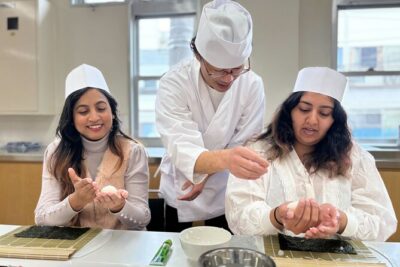 ★ 5.0Tokyo Sushi Making Class in Tsukiji with Professional ChefFrom $491,177 reviews
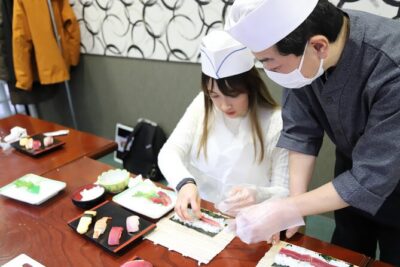 ★ 5.0Tsukiji Fish Market Guided Tour and Sushi Making with Pro ChefFrom $104775 reviews
★ 4.7Tsukiji Fish Market Food and Culture Walking TourFrom $96757 reviews
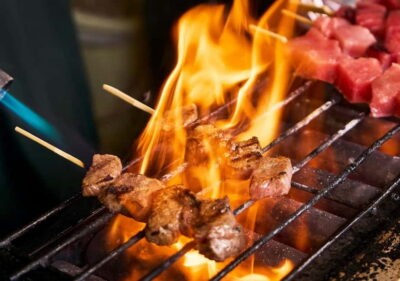 ★ 5.0Tsukiji Fish Market: Street Food & Culture Walking TourFrom $33669 reviews
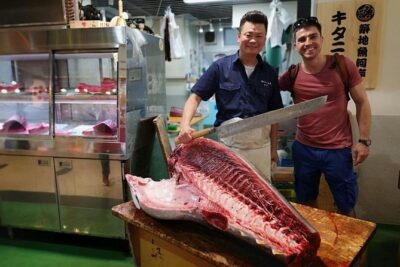 ★ 5.0Tsukiji Fish Market Small-Group Food Walking TourFrom $87621 reviews
Browse the lists this tour appears in