
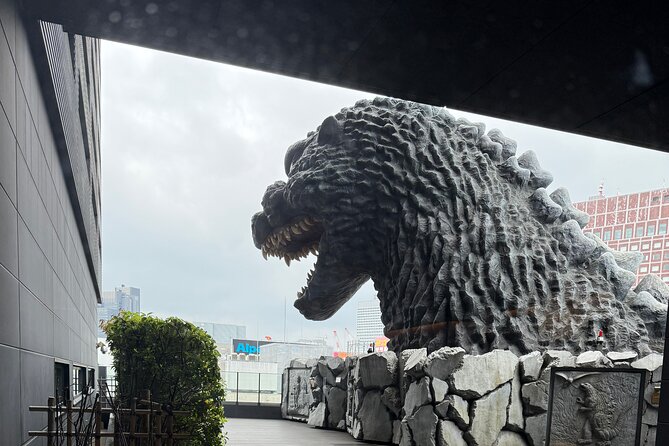
Reviewed · YOKOHAMA DAY TRIPS
Variety of Tokyo or Yokohama Tours Customizable and Memorable
Tokyo and Yokohama on your feet.
This tour works because it feels custom without turning your day into guesswork. Pick your start time, and a local English guide shapes the route around your hotel and interests, whether you lean classic Tokyo landmarks or a Yokohama day of Chinatown and harbor views. The big catch is simple: it is a walking tour, and you should be ready for at least 10,000 steps, plus train/metro time.
I also love the human side: a guide who explains what you are seeing and keeps your day moving with clear local tips. In one example, a guide named Jack was praised for good pacing, helping a family stay together, and speaking Japanese well while answering questions without making anyone feel rushed.
One more consideration before you book: not everything is included in the price. You will pay for meals, and Sankeien Garden admission is payable onsite (¥700 adult, ¥200 children under 15), plus public transport fares are extra (about ¥400–¥700 one-way depending on route).
In This Review
- Key highlights you’ll care about
- Tokyo and Yokohama with a plan you can actually follow
- What makes the Tokyo route work: Shibuya, Harajuku, Asakusa, Ueno, Tsukiji
- Asakusa and Ueno: why this pairing makes sense
- Tsukiji: market atmosphere without needing a food tour label
- Tokyo Tower and the Imperial-area feel: quick icons, better context
- Customizing Tokyo: Yanaka Ginza and off-route shrine time
- Yokohama on foot: Chinatown, Yamashita Park views, and Red Brick Warehouse
- Sankeien Garden: Edo-period atmosphere without a long extra trip
- Price and value: why $10 can work, and what it does not cover
- Pickup, mobile tickets, and staying efficient on a busy day
- How to prepare for 7 hours of walking (without wrecking your feet)
- Who should book this Tokyo or Yokohama walking tour
- Should you book it?
- FAQ
- How long is the tour?
- Is this tour walking-only?
- Can the route be customized based on my interests and hotel?
- Is it a private tour?
- What fees are included, and what is extra?
- Are train or metro fares included?
- What fitness level do I need?
- What happens if the weather is bad?
Key highlights you’ll care about
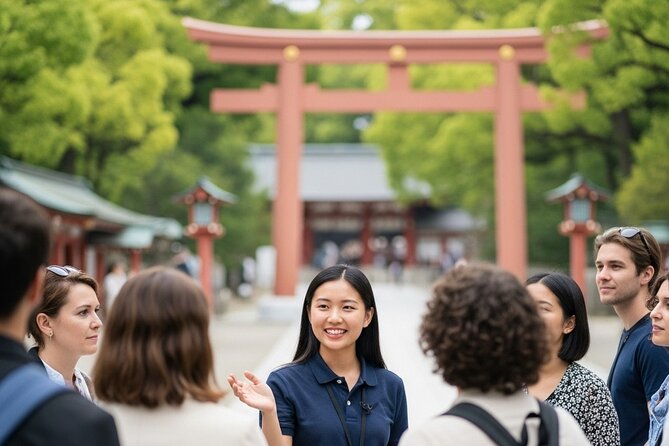
- Hotel-based route planning: your guide adjusts the day to where you are staying and what you want to do
- Two distinct options: a Tokyo loop (Shibuya to Asakusa/Ueno/Tsukiji) or a Yokohama loop (Chinatown to harbor to Sankeien Garden)
- Native English speaking guide with stories, history, and practical insider advice
- Private tour for your group with a chat system to plan your route and ask questions directly
- A guide who manages pace so you do not feel lost while moving between neighborhoods
Tokyo and Yokohama with a plan you can actually follow
Walking tours can go two ways: either you get a fixed route that ignores your needs, or you get a free-for-all that drains your energy. This one lands in the middle. You choose your start time and tour length, then the guide builds the route around your hotel location and interests, which helps a lot on a first trip to Japan.
Another practical win: you can chat directly with your host before you set off. That matters because Tokyo and Yokohama are huge, and the biggest time-saver is not finding sights. It is getting the order right and cutting down dead transit.
If you need help beyond the walk, the support is built in. The guide can share money exchange tips, give train travel guidance, and even help with additional hotel booking plans if that is part of your trip puzzle.
The harbour city next door, reviewed
- Narita Airport: One Way Private Transfer to Tokyo|Yokohama Hotels
★ 4.5 · 69 reviews - Tokyo/Yokohama: Mt. Fuji and Hakone Private Day Tour
★ 5.0 · 64 reviews - Tokyo: Private One-Way Transfers to/from Yokohama Port
★ 4.5 · 50 reviews - Private Car Tour to see Highlights of Kamakura, Enoshima, Yokohama from Tokyo
★ 5.0 · 48 reviews
What makes the Tokyo route work: Shibuya, Harajuku, Asakusa, Ueno, Tsukiji
The Tokyo option is designed to give you a wide-angle view in one day. You start in the parts of Tokyo that people come to see for a reason, then you shift toward temple streets and old-city vibes.
In Shibuya and Harajuku, you get the modern Tokyo feel fast: big energy streets, fashion-forward scenes, and the kind of city atmosphere where you want someone local to point out what you are looking at. Then the day turns toward Asakusa and Ueno, where temples, market-side activity, and calmer walking rhythms take over.
What I like about this structure is the rhythm. You do not jump randomly between unrelated areas. You build momentum: modern Tokyo first, then the slower, historical zones.
Asakusa and Ueno: why this pairing makes sense
Asakusa is one of those places where it is easy to burn time without fully understanding what makes the area special. Having a guide helps you go beyond photos and get the basic context. You also get a better sense of how Tokyo layers old and new in the same city.
Ueno adds variety. It is a good counterweight to Shibuya/Harajuku because the pace feels different and the scenery shifts. Even if your interests lean shopping, this temple-and-street day helps you balance your Tokyo trip so it does not become only department stores and signage.
Tsukiji: market atmosphere without needing a food tour label
Tsukiji is often treated like a food-only stop, but it also works as a window into how Tokyo wakes up and runs. Even when you are not hunting a specific counter, you learn how to read the area: where people flow, how to spot what is worth your time, and how to get your bearings.
One realistic note: meals are not included, so build time in your schedule for snacks or lunch. If you want to do it well, ask your guide for a simple plan of where to eat along your route rather than stopping at the first place you see.
Tokyo Tower and the Imperial-area feel: quick icons, better context
The Tokyo loop also includes a classic set of landmarks: Tokyo Tower, Zojoji Temple, and the Imperial Palace area. These are the kinds of stops you can technically reach alone, but the value comes from the ordering and the commentary.
Tokyo Tower is a fast win for photos and skyline views. Zojoji Temple gives you the contrast you want: a spiritual stop in the shadow of a modern landmark, which helps Tokyo feel less like a theme park.
Then you add the Imperial Palace area, which changes the mood again. Even if you only spend a short time there, it is the kind of stop that helps you understand the city’s “center” beyond shopping districts.
- Tokyo: Shinjuku Food Tour (13 Dishes at 4 Local Eateries)★ 5.0 · 6,603 reviews
- Tokyo Mt Fuji 5th St & Hakone Cruise Bus Tour w/Bullet Train★ 4.4 · 5,024 reviews
- Flagship 2-Hours Official Street Go-Kart Tour – Tokyo Bay Shop★ 5.0 · 4,974 reviews
- From Tokyo: Mount Fuji Full-Day Sightseeing Trip★ 4.5 · 4,970 reviews
- Tokyo: Hop-On Hop-Off Sightseeing Bus Ticket★ 3.9 · 4,207 reviews
Customizing Tokyo: Yanaka Ginza and off-route shrine time
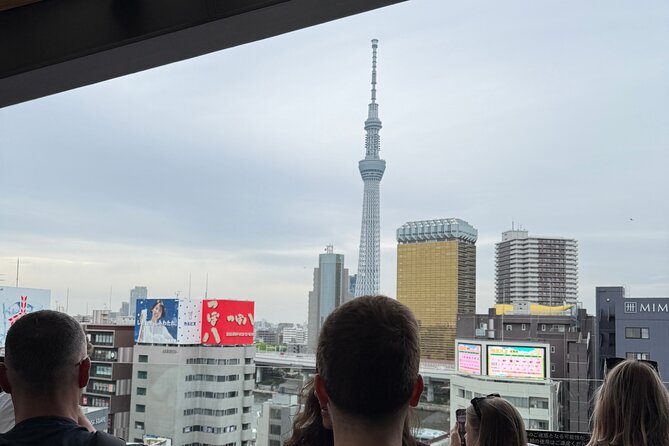
Here is where the Tokyo day gets more personal. The tour can be customized based on your interests and your hotel location. If you want less high-pressure crowds and more side streets, this is where you can steer toward areas like Yanaka Ginza and lesser-known shrines.
I like customizing for one simple reason: Tokyo is too big to “maybe” your way through a day. If you have a clear interest, you get more out of your 7 hours. If your group is flexible, this is still a good fit because the guide can steer toward the right blend of shopping, temples, and local food spots.
Yokohama on foot: Chinatown, Yamashita Park views, and Red Brick Warehouse
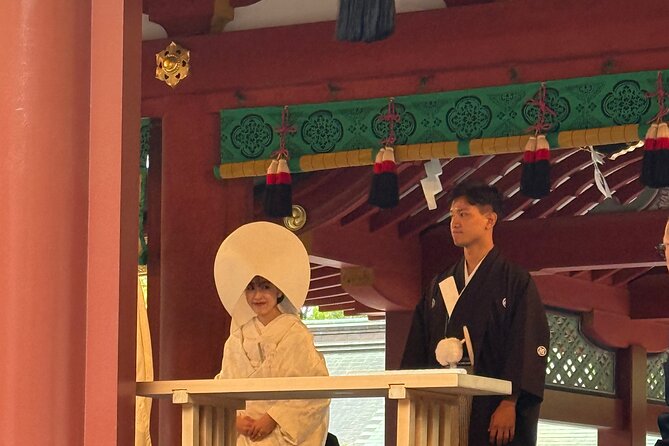
If Tokyo is all vertical and neon, Yokohama feels like a different kind of Japan day. The Yokohama option is built around a smart mix: people-watching and snack time in Chinatown, big views by the water, and shopping around a classic warehouse district.
Start with Chinatown, one of the largest in the world. This is the kind of neighborhood where a guide helps you spot what is worth trying and how to move through it efficiently.
Then you head to Yamashita Park for harbor views. This stop breaks up the walking rhythm and gives you a breather. It is also a great moment for photos that do not look like straight Tokyo landmarks.
Next comes the Red Brick Warehouse area, where you can shop and get something to eat. It is not just a shopping zone in practice; it is a place where you can take a pause, reset your legs, and still stay on theme.
Sankeien Garden: Edo-period atmosphere without a long extra trip
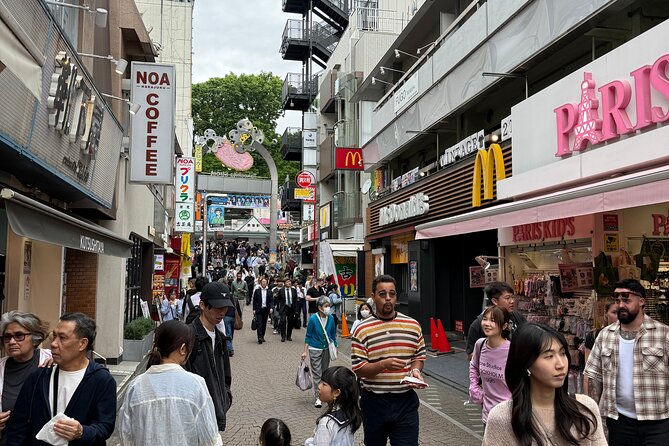
The day wraps with Sankeien Garden, a traditional Japanese garden tucked away in Yokohama. The garden is described as a time capsule from the Edo Period, and it is one of those stops that gives your day texture. You go from street scenes and harbor views into a calmer, slower walking experience.
Important for budgeting: the admission fee is not included in the tour price for this garden. You pay onsite (¥700 adult, ¥200 children under 15). If you want to avoid stress, bring cash just in case, and plan a bit of time for entrances and walking inside the grounds.
Price and value: why $10 can work, and what it does not cover
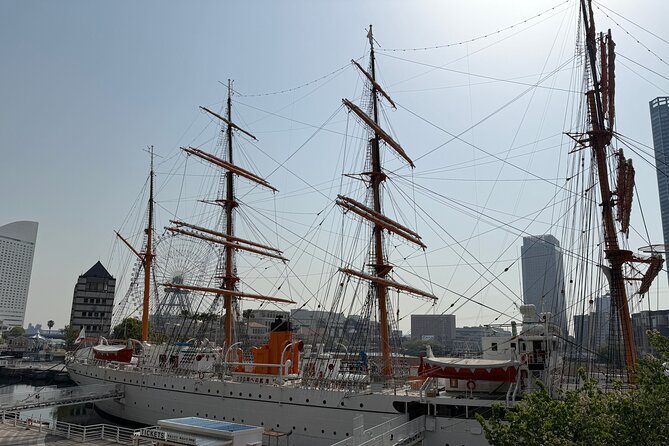
The listed price is $10.00 per person, and that can sound almost too good to be true. Here is the realistic value picture.
What you are paying for is a native English guide, route planning, and help making the day run smoothly. The tour also includes support for money exchange and train travel tips, plus you can chat directly with your host to fine-tune your route.
What is not included is where costs usually creep in on Japan days. Meals and drinks are not included. Public transportation fares are extra, and those can add up, especially if you are crossing between areas. The tour also notes bus/train fares as roughly ¥400–¥700 one-way depending on route.
There is one more value lever: if your group is 5 or more, transportation and the entrance fee for one location are paid by Happy Travels Japan. The garden admission is still listed separately, so assume you will handle that onsite unless your guide confirms which covered stop applies to your specific plan.
Bottom line: this tour is strongest when you want guided direction and a structured day, not when you want everything packaged into one all-in price.
Pickup, mobile tickets, and staying efficient on a busy day
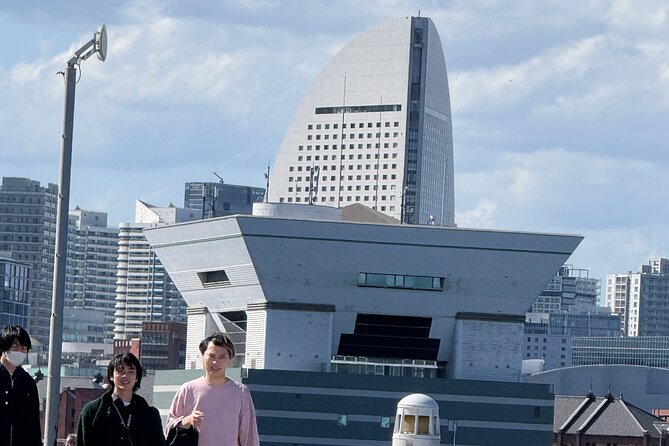
The tour includes mobile ticket access and offers pickup. In practice, pickup helps if you are staying near a major transit area or want the start to feel smoother.
Because the tour is walking-only (no private car or bus), train and metro moves are part of the schedule. The tour is near public transportation, so you are not likely to face a long “get to the meeting point” hike, but you should still expect public transit time to matter.
My practical tip: when you book, decide what matters most to your group—shopping districts, temples, market time, or views. Then message the host with your hotel address and your top 2 priorities. This is the part that turns a long day into a day that actually feels manageable.
How to prepare for 7 hours of walking (without wrecking your feet)
This is not a sit-and-snap tour. It is a walk that expects moderate fitness, and the guidance is clear: if you cannot walk minimum 10,000 steps, this is not a good match.
Wear shoes you already trust. Tokyo and Yokohama sidewalks can be uneven, and you will be on your feet for a long stretch even when you take breaks.
Also plan your day around meals even though they are not included. Build in time for snacks and lunch so you do not end up eating late or paying extra because you got hungry at the wrong moment.
Finally, bring a little flexibility mindset. Weather matters, and the tour notes it is best with good weather. If weather turns, you are offered another date or a full refund.
Who should book this Tokyo or Yokohama walking tour
This works best if you fit at least one of these boxes:
- You are a first-timer in Tokyo or Yokohama and want an organized overview without building a route from scratch
- You want a mix of modern neighborhoods and temples, not just one kind of sightseeing
- Your group includes different interests, and you want a guide to steer the day based on what people care about
- You prefer direct, practical local guidance in English while walking between major areas
It may not fit if your group has very limited mobility or if you dislike walking long distances. Also, if you are hoping for an all-in price with meals, you will want to plan extra for food and transit.
One more note from the feedback pattern: people like when the guide manages the group calmly. A guide named Jack was highlighted for helping a family stay together and keep pace, and that kind of attention is exactly what you want when you are moving through busy areas.
Should you book it?
Yes, if you want a guided Tokyo or Yokohama day that you can shape around your hotel and your interests, without dealing with route planning stress. I think the value is real, especially because you are getting a native English guide, direct pre-trip chat support, and a route that can flex toward temples, shopping, and food rather than locking you into a one-size itinerary.
Book carefully if you are strict about included costs. Meals and transit are not covered, Sankeien Garden has an onsite fee, and it is walking-first. If you can handle that, you get a full day that helps you understand both cities in a way that feels practical, not rushed.
FAQ
How long is the tour?
It runs about 7 hours.
Is this tour walking-only?
Yes. It is a walking tour only, and it does not use a private car or bus. You travel by train/metro.
Can the route be customized based on my interests and hotel?
Yes. You can chat directly with your host to plan your route, and the guide can adjust the day based on your hotel location and interests.
Is it a private tour?
Yes. Only your group participates.
What fees are included, and what is extra?
The tour includes an entrance fee for groups of 5 or more for one covered location. Sankeien Garden admission is payable onsite. Meals are not included.
Are train or metro fares included?
No. Public transportation fares are not included, and the tour lists an approximate ¥400–¥700 one-way depending on route.
What fitness level do I need?
You should have moderate physical fitness and be able to walk at least 10,000 steps.
What happens if the weather is bad?
The experience requires good weather. If it is canceled due to poor weather, you will be offered a different date or a full refund.
More Tours in Tokyo
- Mt Fuji and Hakone 1-Day Bus Tour Return by Bullet Train
★ 5.0 · 26,383 reviews - 1-Day Tokyo Bus Tour
★ 5.0 · 14,250 reviews - Tokyo: Shinjuku Food Tour (13 Dishes at 4 Local Eateries)
★ 5.0 · 6,603 reviews - Tokyo Mt Fuji 5th St & Hakone Cruise Bus Tour w/Bullet Train
★ 4.4 · 5,024 reviews - Flagship 2-Hours Official Street Go-Kart Tour – Tokyo Bay Shop
★ 5.0 · 4,974 reviews
More Tour Reviews in Tokyo
- Mt Fuji and Hakone 1-Day Bus Tour Return by Bullet Train
★ 5.0 · 26,383 reviews - 1-Day Tokyo Bus Tour
★ 5.0 · 14,250 reviews - Tokyo: teamLab Planets TOKYO Digital Art Museum Entry Ticket
★ 4.6 · 9,779 reviews - Mt Fuji & Hakone Cruise, Drum Show Bullet Train 1 Day from Tokyo
★ 4.0 · 7,413 reviews - Tokyo: Shinjuku Food Tour (13 Dishes at 4 Local Eateries)
★ 5.0 · 6,603 reviews
The Harbour City Next Door, Rated
- Narita Airport: One Way Private Transfer to Tokyo|Yokohama Hotels
★ 4.5 · 69 reviews - Tokyo/Yokohama: Mt. Fuji and Hakone Private Day Tour
★ 5.0 · 64 reviews - Tokyo: Private One-Way Transfers to/from Yokohama Port
★ 4.5 · 50 reviews - Private Car Tour to see Highlights of Kamakura, Enoshima, Yokohama from Tokyo
★ 5.0 · 48 reviews - Private Kamakura plus Yokohama Tour – English Speaking Driver
★ 4.5 · 28 reviews
Latest Tokyo reviews off our desk






Yokohama Day Trips, compared.
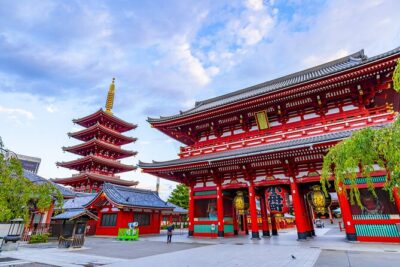 ★ 5.0Tokyo 8hr Private Tour with Licensed Guide from YokohamaFrom $20194 reviews
 ★ 4.5Narita Airport: One Way Private Transfer to Tokyo|Yokohama HotelsFrom $7769 reviews
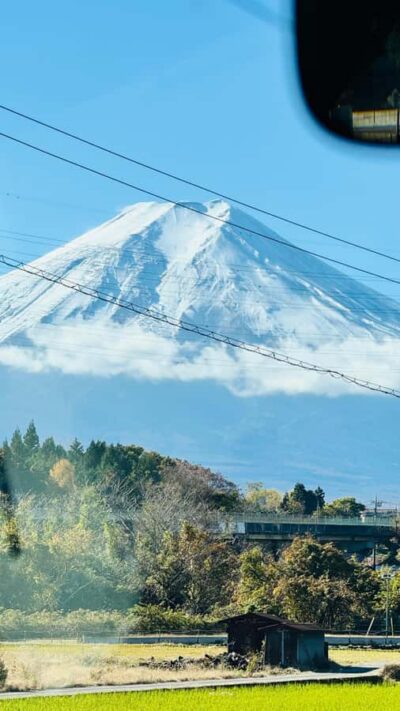 ★ 5.0Tokyo/Yokohama: Mt. Fuji and Hakone Private Day TourFrom $39264 reviews
 ★ 5.0Shuttle Van Transfer, Yokohama(Port)⇒Tokyo, Narita, Haneda, TDRFrom $12263 reviews
 ★ 5.0Yokohama Ramen Adventure From a Local Noodle Factory to HomeFrom $16560 reviews
 ★ 4.5Private One-Way Transfers to/from Yokohama PortFrom $6750 reviews
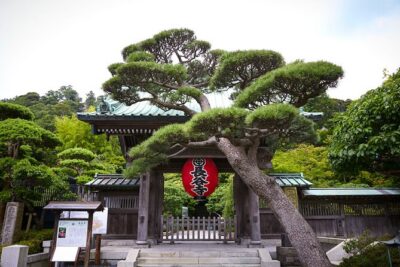 ★ 5.0Private Car Tour to see Highlights of Kamakura, Enoshima, Yokohama from TokyoFrom $1,18348 reviews
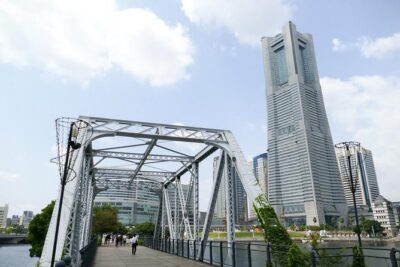 ★ 5.0Yokohama 4hr Private Tour with Government-Licensed GuideFrom $10834 reviews
Browse the lists this tour appears in