Reviewed · TOKYO
Cook Everyday Japanese Home Meals with Your Tokyo Mom
Cooking in a real Tokyo home beats eating out. You’ll step into a lived-in style Japanese house and cook side-by-side with a local, not through a show-kitchen script. I love how the class nudges you into daily details like removing your shoes and arranging dishes the way families do.
What really wins for me is that you’re not stuck with one menu. You can choose a main-dish style—Saikyo Yaki (miso-marinated and grilled) or Teriyaki (sweet-savory soy glaze)—or request your own favorite Japanese dish, plus pick meat, fish, or vegetables.
One thing to consider: this takes place in a quieter Tokyo suburb, and transport to the meeting point isn’t included, so you’ll want to plan your public transit route ahead of time.
In This Review
- Key things to know before you cook
- Stepping into a retro Tokyo home (and the etiquette that comes with it)
- Starting with dashi: the one skill that makes the whole meal taste Japanese
- Choosing your main dish: Saikyo Yaki, Teriyaki, or your own request
- Onigiri by hand: shaping rice balls like a household habit
- Fluffy tamagoyaki: the rolled-omelet technique that clicks fast
- Seasonal vegetables and miso soup: building a home-meal rhythm
- What happens after you cook: stories at the table, not a sales pitch
- Who this experience suits best (and who might not love it)
- Price and value: why $99 can feel fair for a home-cooking lesson
- Meeting point in Koganei: how to make the suburb part easy
- The small details that make it feel real
- Should you book Tokyo Mom’s Kitchen for everyday Japanese home meals?
- FAQ
- How long is the cooking experience?
- What dishes are included in the menu?
- Can I choose what main dish you cook?
- What’s included in the price?
- How many people are in the group?
- Is transportation included?
- Are alcoholic beverages included?
Key things to know before you cook
- A real home setting in a quiet Koganei suburb, with everyday kitchen rhythms instead of staged production
- Choose your main dish between Saikyo Yaki, Teriyaki, or a tailored request (meat, fish, or vegetables)
- You start with dashi, the seaweed-and-dried-fish foundation that ties the whole meal together
- Onigiri by hand plus tamagoyaki (that fluffy rolled omelet) with practical technique you can reuse later
- Small group size (max 6) so you get help without feeling rushed
- You leave with recipes and instructions, not just a full stomach
Stepping into a retro Tokyo home (and the etiquette that comes with it)
This experience is set in a real Japanese home in a quiet Tokyo suburb—think retro house or a cozy, lived-in family space. That matters because the whole feel is domestic and normal, not “tour bus” scripted. The host/instructor guides you through small customs that you’d miss if you only ate at restaurants: taking off your shoes at the entrance and setting up for the meal in a way that matches what you’d see at home.
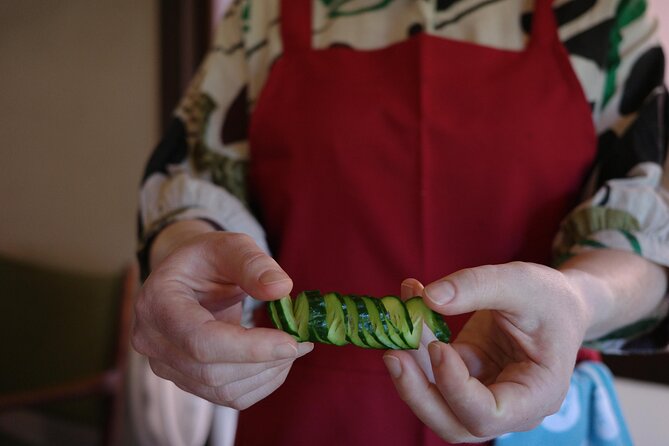
The best part is how quickly you get pulled into the flow. You’re not just watching while someone else cooks. You’re doing the hands-on work with the tools and ingredients used in everyday cooking. Even if you’re a beginner, the class format is designed around simple, repeatable actions—mix, shape, roll, grill, simmer—so you feel productive fast.
The “retro house in the suburb” detail can be a pro or a con. Pro: it feels like you’re seeing a slice of daily life, not chasing landmarks. Con: you’ll need to get yourself to the meeting point on time, using public transportation since transportation isn’t included.
Readers booked these Tokyo Prefecture options in the same breath. Here is how each one scored:
- Vegan/Vegetarian Ramen and Gyoza by Bentoya cooking
★ 5.0 · 59 reviews - Tokyo Half-Day Canyoning Adventure
★ 5.0 · 25 reviews - Tokyo: Samurai Sword Academy in the Hometown of the Last Samurai
★ 5.0 · 24 reviews - 3-Hour Guided Musubi Japanese Home Cooking Class
★ 5.0 · 21 reviews
Starting with dashi: the one skill that makes the whole meal taste Japanese
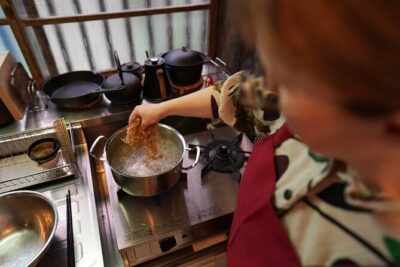
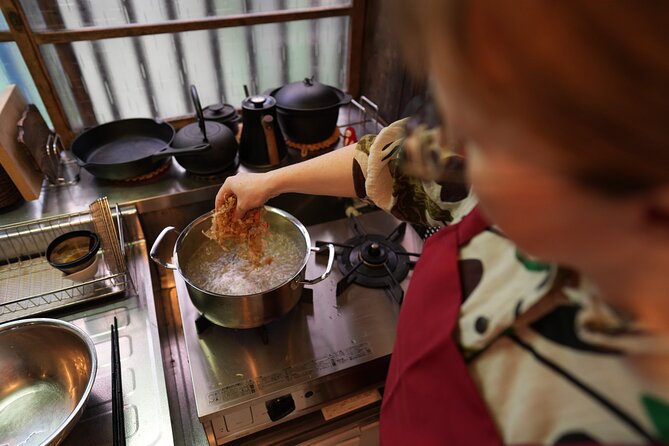
The class begins by making dashi, a core Japanese soup stock made from seaweed and dried fish. This isn’t an optional step or a flavor lecture. It’s the start of how the meal builds: dashi becomes the backbone for miso soup and supports the savory depth in other components.
Why this matters for you: if you’ve ever tried to cook Japanese food at home and wondered why it tastes “close but not quite,” dashi is usually the missing link. Learning the stock foundation inside a real kitchen gives you a clearer mental map of how Japanese home cooking layers flavor—simple ingredients, but carefully connected.
Also, this is where the cultural explanation tends to land. Dashi isn’t presented as fancy; it’s presented as essential. That framing helps you cook with confidence after the class, because you’re not chasing a mystery sauce. You’re learning a base you can respect—and then adapt.
Choosing your main dish: Saikyo Yaki, Teriyaki, or your own request
Your main dish comes from one of three paths:
- Saikyo Yaki: miso-marinated and grilled for a rich, delicate flavor
- Teriyaki: glazed in a sweet and savory soy-based sauce
- Your Request: tell the instructor your favorite Japanese dish, and they’ll do their best to make it happen
And for each style, you can choose the protein or ingredient: meat, fish, or vegetables. That choice is a big deal for value and enjoyment. It means you’re not locked into a menu that doesn’t fit your tastes, and it also helps you learn flavor patterns that match what you already like.
Here’s what to think about as you choose:
- If you want something classic and balanced, teriyaki is usually the easiest mental bridge.
- If you like deeper, nuanced flavors, Saikyo miso’s marinated profile is the move.
- If you want to go personal, the request option turns the class into a custom “Japanese home cooking Q&A,” not just a fixed workshop.
One practical tip: if you have dietary needs or very specific preferences, it’s smart to share them early at booking. The experience says you’ll have an English-speaking instructor, so you should be able to communicate clearly—then the instructor can work within the meal framework.
Onigiri by hand: shaping rice balls like a household habit
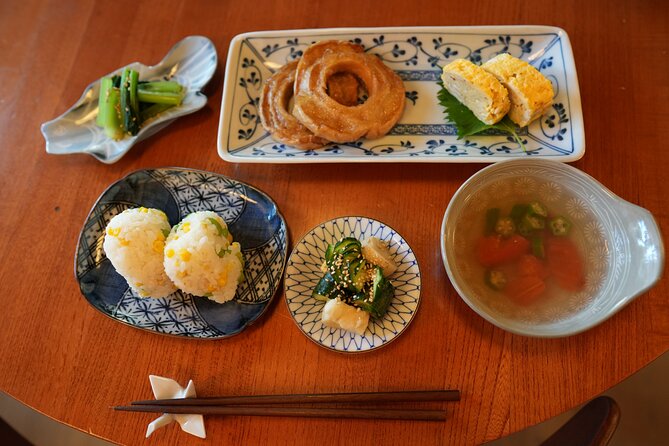
After the savory base is underway, you’ll make onigiri—Japanese rice balls shaped by hand and wrapped in seaweed. This is one of those foods that looks easy until you try it. The class structure helps because you’re not just forming rice; you’re learning how to handle the texture so the rice holds its shape.
Onigiri is also a great “take-home” skill because it’s practical. Once you know the feel and technique, you can make a snack, a lunch, or a side dish without needing a special market trip every time. And since onigiri uses seaweed wrapping, it teaches you how Japanese flavors are often built from simple, compact components.
Even if you don’t cook often, this part tends to feel satisfying. You can see the outcome quickly: form, wrap, finish. That’s exactly the kind of feedback loop that keeps cooking classes fun rather than frustrating.
Fluffy tamagoyaki: the rolled-omelet technique that clicks fast
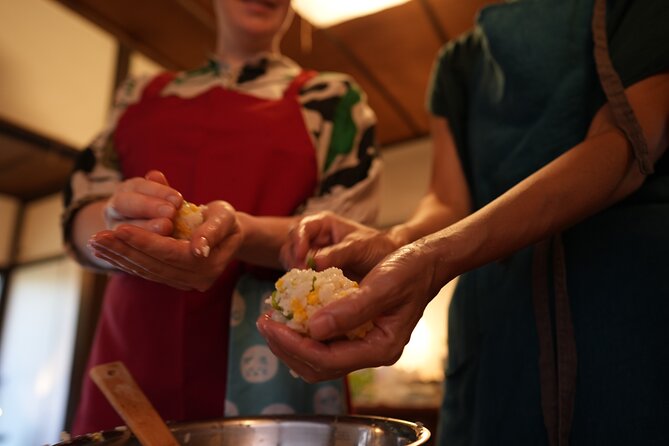
Another highlight is tamagoyaki, the fluffy Japanese rolled omelet. Again, this is hands-on, which matters because tamagoyaki is all about technique: controlling heat, timing additions, and rolling so you get that layered look and tender texture.
For many people, tamagoyaki is the first Japanese cooking project that feels both simple and oddly technical. That’s a good thing. It teaches you kitchen fundamentals—how to manage heat and how to work in stages—without requiring complicated ingredients.
Also, rolled egg tends to show up across Japanese meals. When you learn it here, you’re learning a reusable tool, not just a one-off dish. If you want a dish that feels “Japanese breakfast meets lunch box,” this is it.
- Vegan/Vegetarian Ramen and Gyoza by Bentoya cooking★ 5.0 · 59 reviews
- Tokyo Half-Day Canyoning Adventure★ 5.0 · 25 reviews
- Tokyo: Samurai Sword Academy in the Hometown of the Last Samurai★ 5.0 · 24 reviews
- 3-Hour Guided Musubi Japanese Home Cooking Class★ 5.0 · 21 reviews
- Tokyo: Mt. Takao Tour with Ramen and Tattoo-Okay Hot Spring★ 5.0 · 12 reviews
Seasonal vegetables and miso soup: building a home-meal rhythm
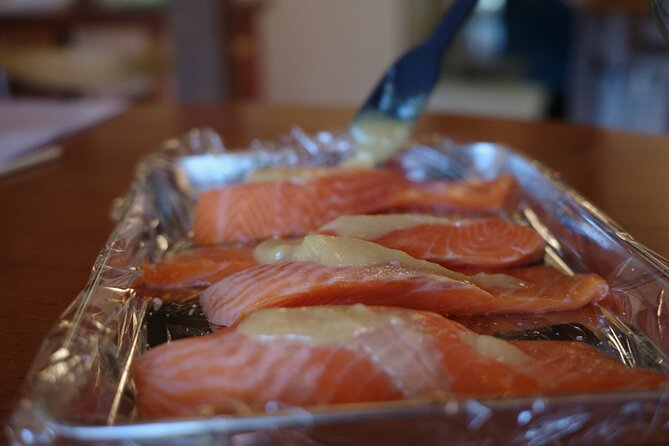
Your menu also includes:
- a seasonal vegetable dish
- miso soup
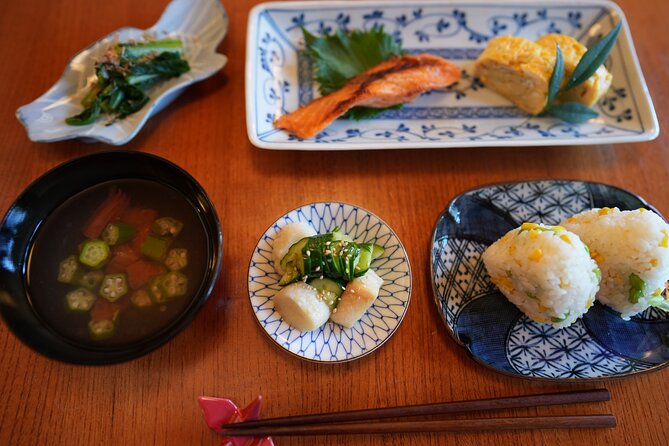
- plus the main dish, onigiri, and tamagoyaki
The seasonal vegetable element is valuable because it connects you to how Japanese home cooking changes with the time of year. Instead of buying the same “imported tourist veggies,” you’re cooking with what fits the season. The exact vegetables aren’t listed in the data, but the approach is clear: learn to treat vegetables as part of the meal’s structure, not as an afterthought.
Miso soup, meanwhile, is where the earlier dashi work pays off. When you understand the stock foundation, miso soup stops feeling like a random bowl of paste and becomes a deliberate balance of savory and comforting warmth. The class frames this as everyday home life—healthy, calm, and centered around real routines.
If you’re wondering whether this will feel filling: yes. You’re making several components, then enjoying a homemade meal together. This is not a tasting menu. It’s the feeling of cooking a complete lunch or set meal at home.
What happens after you cook: stories at the table, not a sales pitch
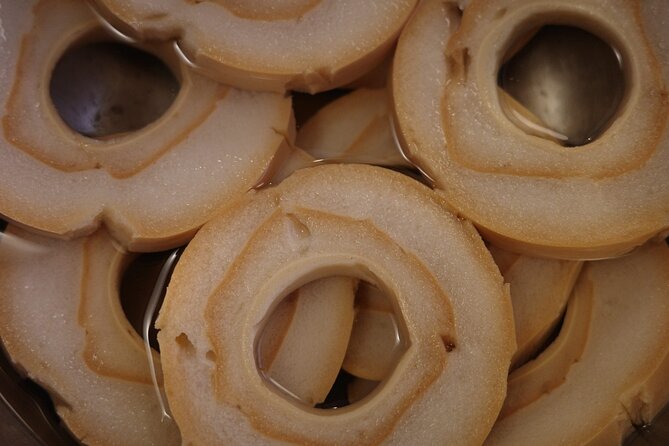
One of the underrated parts of home-cooking experiences is how you eat. This class includes sharing stories while you enjoy the food you made. It’s not presented as a hard-sell or a scripted “culture talk.” Instead, it’s built into the meal itself, which makes it easier to ask real questions.
You also learn small dining habits—like how dishes are arranged on the table. That’s not just etiquette theater. It helps you understand how Japanese meals are organized: separate items, balanced portions, and an atmosphere that supports conversation.
For me, that’s where the experience becomes more than food. You end up with the kind of knowledge you can use later—how people set up for a meal, how they think about order, and how everyday warmth is built into simple steps.
Who this experience suits best (and who might not love it)
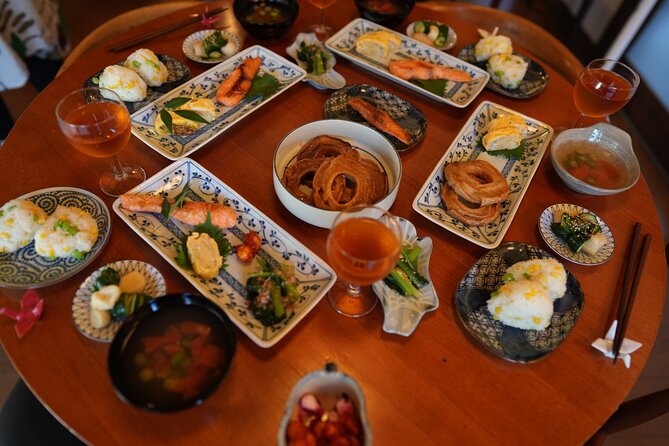
This is a strong fit if you want:
- a hands-on class (you’ll be cooking, not watching)
- a meal built around everyday Japanese basics like dashi, miso soup, onigiri, and tamagoyaki
- a small-group setting where an English-speaking instructor can help
- the chance to choose your main dish style and even adjust the ingredient type
It’s also a good choice for couples, small groups of friends, or solo travelers who like learning through doing. With a maximum of 6 travelers, you’re less likely to feel lost if your Japanese is limited.
Where it might not be perfect: if you want a major sightseeing day, this is more about one focused slice of local life. It’s not a “Tokyo highlights” tour. Also, you’ll be responsible for getting to and from the meeting point, since transportation costs and parking fees aren’t included.
Price and value: why $99 can feel fair for a home-cooking lesson
At $99 per person for about 2 hours 30 minutes, the price looks reasonable when you compare what’s included versus what you’d normally pay piecemeal.
You get:
- all necessary ingredients
- use of cooking utensils
- recipe and instruction materials
- a loan of apron and hand towels
- an English-speaking instructor
- a full meal you cook together
You’re also in a small group, which usually means less waiting around. And because you leave with recipe materials, you’re buying a skill, not only a lunch.
There’s also a value angle in the menu design. The class doesn’t just say “make something Japanese.” It teaches foundational components—dashi for miso soup and flavor structure, plus hands-on items like onigiri and tamagoyaki that can anchor your future home cooking.
What’s not included is also important: alcoholic beverages aren’t included, so don’t plan on alcohol as part of your budget. And since transport isn’t included, your overall cost will depend on how you get there.
Meeting point in Koganei: how to make the suburb part easy
You’ll meet at 4-chōme-15-17 Nakachō, Koganei, Tokyo 184-0012, Japan. The listing notes it’s near public transportation, which is a good sign. Still, because this is a home visit in a quieter area, I suggest planning your route the day before.
A practical strategy:
- Aim to arrive early enough to settle in and get instructions before you start cooking.
- Keep your phone ready for the exact location. Home addresses can be trickier than station landmarks.
The tour ends back at the meeting point, so plan your return route accordingly. If you prefer to keep your day simple, pick a time when you won’t need to squeeze in extra commuting stress afterward.
The small details that make it feel real
This experience leans into the everyday. That shows in the details: shoes off at the entrance, cultural explanations woven into the cooking, and the expectation that you’ll help arrange dishes and enjoy what you’ve made.
The group limit of 6 travelers is part of that “real” feel. Instead of being one more person in a crowd, you tend to get personal attention. And because the instructor is English-speaking, you’re not stuck guessing what to do when your hands are busy.
Even the tools and materials matter. You’re loaned an apron and hand towels, which means you can focus on cooking rather than borrowing supplies. Recipe and instruction materials also mean you’re not walking away empty-handed once the meal ends.
Should you book Tokyo Mom’s Kitchen for everyday Japanese home meals?
If your goal is to learn Japanese cooking in a way that actually transfers to your kitchen, this is a strong yes. The combination of dashi, onigiri, tamagoyaki, miso soup, and a customizable main dish gives you both foundational technique and practical results.
Book it if you like:
- small-group classes
- hands-on cooking
- learning the basics behind Japanese flavor, not just copying dishes
- a home setting that focuses on daily habits
Skip it if:
- you want a sightseeing-heavy itinerary
- you’re unwilling to handle suburb transit on your own
- you’re only interested in restaurant-style dining without cooking
One last point: free cancellation is offered up to 24 hours in advance for a full refund. That gives you flexibility if your plans change.
If you want your Tokyo day to feel like you joined a family kitchen for a few hours—while still learning real techniques you can repeat—this one is worth your time.
FAQ
How long is the cooking experience?
It runs for about 2 hours 30 minutes.
What dishes are included in the menu?
You’ll make dashi, choose and cook a main dish (Saikyo Yaki, Teriyaki, or your request), plus onigiri, tamagoyaki, a seasonal vegetable dish, and miso soup.
Can I choose what main dish you cook?
Yes. You can choose between Saikyo Yaki and Teriyaki, or request your favorite Japanese dish. For each style, you can also choose meat, fish, or vegetables.
What’s included in the price?
The price includes all necessary ingredients, use of cooking utensils, recipe and instruction materials, an English-speaking instructor, and loan of an apron and hand towels.
How many people are in the group?
The experience has a maximum of 6 travelers.
Is transportation included?
No. Private transportation costs or parking fees are not included.
Are alcoholic beverages included?
No. Alcoholic beverages are not included.
More Tour Reviews in Tokyo Prefecture
- Vegan/Vegetarian Ramen and Gyoza by Bentoya cooking
★ 5.0 · 59 reviews - Tokyo Half-Day Canyoning Adventure
★ 5.0 · 25 reviews - Tokyo: Samurai Sword Academy in the Hometown of the Last Samurai
★ 5.0 · 24 reviews - 3-Hour Guided Musubi Japanese Home Cooking Class
★ 5.0 · 21 reviews - Tokyo: Mt. Takao Tour with Ramen and Tattoo-Okay Hot Spring
★ 5.0 · 12 reviews