
Reviewed · COOKING CLASSES
3-Hour Guided Musubi Japanese Home Cooking Class
A Japanese home-cooked meal beats a checklist. This hands-on Tokyo cooking class happens in the instructor’s own apartment, so you cook in a real home setting and learn Japanese basics you can repeat later. I especially like that you work start-to-finish on one main dish plus two sides, and you also learn how to make miso soup flavor through dashi/umami stock. One thing to consider: you’ll need to handle getting yourself to the meeting point in Tokyo, since transportation isn’t included.
The stand-out part for me is the host experience—Akiko’s warm, conversational teaching style makes the class feel personal, not instructional-cold. You get small-group attention (max 6) and you’ll leave with a recipe copy plus the ingredients you used, so it’s easier to cook again at home. The main drawback is simple: it’s a home-apartment setup, so if you want a big, showy cooking studio vibe, this won’t be that.
In This Review
- Key things to know before you go
- A Tokyo Home Kitchen Class, Not a Restaurant Line
- The value behind an $85 home-cooking lesson
- What you’ll cook: one main, two sides, and miso soup with rice
- Main dish options you may be able to choose
- Side dishes and how they teach you flavor balance
- Dashi and umami: the skill that makes everything taste right
- Meeting point in Musashi-Koganei: easy start, simple end
- Inside the instructor’s apartment: what the home visit adds
- Akiko’s teaching style: warm, clear, and hands-on
- Lunch you make: the part most people remember
- Who this class is best for
- When it might not be ideal
- Practical tips so you get the most out of it
- Should you book this Musubi Japanese home cooking class?
- FAQ
- How long is the 3-hour guided Musubi Japanese home cooking class?
- Where does the class meet in Tokyo?
- Does the price include the cooking lesson and lunch?
- What dishes will I make during the class?
- Can I choose what to cook?
- Can the instructor handle dietary requirements?
- Is the instructor able to teach in English?
- How big is each class?
- Is transportation provided to or from the meeting point?
- What is the cancellation and refund policy?
Key things to know before you go
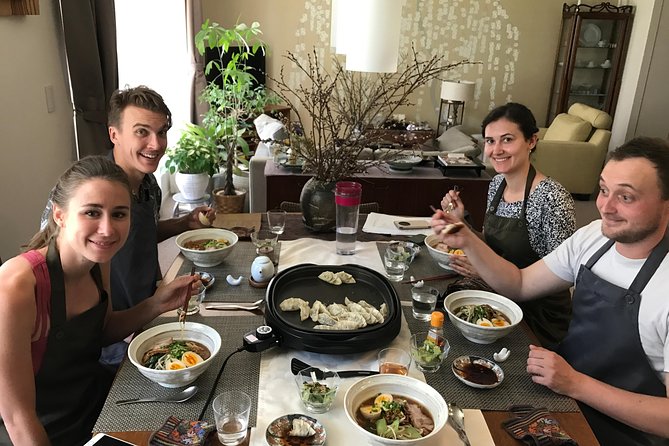
- Small group, home kitchen setting: learn like you’re cooking with a friend, with room to ask questions.
- Full meal structure: one main plus two sides, plus miso soup with rice for a complete lunch.
- Umami skills, not just recipes: you’ll learn dashi so flavor makes sense.
- Menu choices exist: you can choose among options like fried chicken, seaweed-wrapped sushi rolls, and even gyoza.
- English-friendly teaching: the instructor speaks fluent English, so you won’t be guessing.
A Tokyo Home Kitchen Class, Not a Restaurant Line
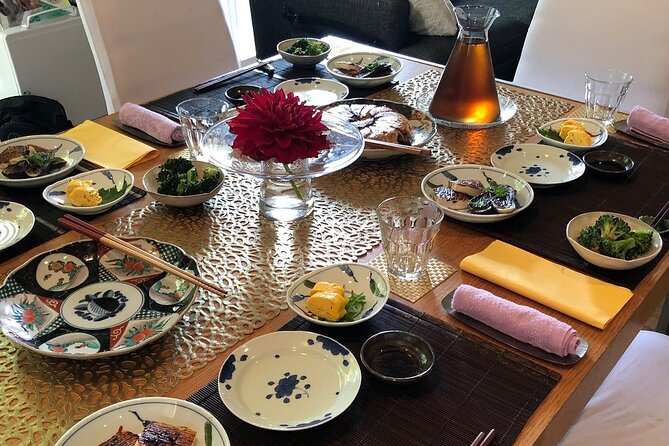
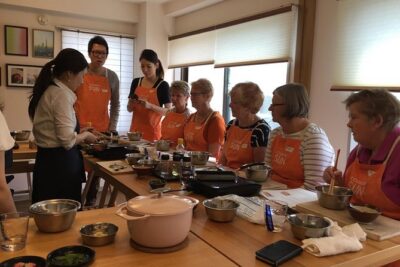
Tokyo has no shortage of cooking shows. But this kind of experience is different because the kitchen is someone’s real daily-life space, not a stage. You’re stepping into an apartment in midtown Tokyo, where you can see how people actually live while you cook.
That home setting changes how the lesson feels. Instead of watching through glass or squeezing around demo tables, you’ll be working with utensils, ingredients, and apron-on focus. It also means the pace is calmer and more practical, like you’re learning to cook for yourself rather than performing for an audience.
And yes, the class is labeled a 3-hour experience, but the listed duration is about 2 hours 30 minutes. That’s good news if you want something focused that doesn’t eat your whole day.
Readers booked these Tokyo Prefecture options in the same breath. Here is how each one scored:
- Vegan/Vegetarian Ramen and Gyoza by Bentoya cooking
★ 5.0 · 59 reviews - Tokyo: Samurai Sword Academy in the Hometown of the Last Samurai
★ 5.0 · 24 reviews - 3-Hour Guided Musubi Japanese Home Cooking Class
★ 5.0 · 21 reviews - Tokyo: Mt. Takao Tour with Ramen and Tattoo-Okay Hot Spring
★ 5.0 · 12 reviews
The value behind an $85 home-cooking lesson
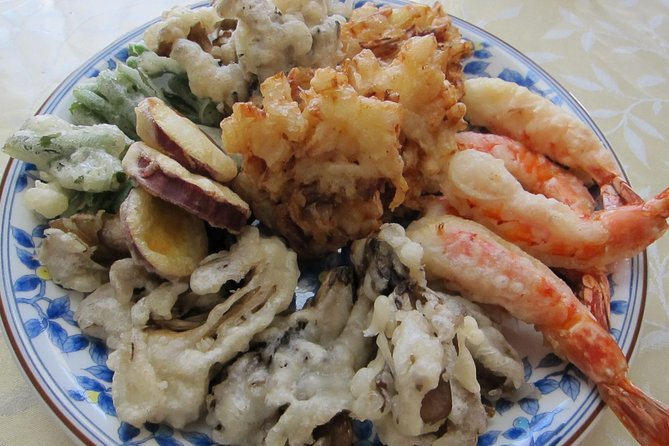
At $85, you might wonder what you’re really paying for in Tokyo. Here, the value comes from the mix: a guided, hands-on lesson plus food you actually eat plus a take-home recipe pack. You’re not just tasting; you’re making.
You also get a skill you can reuse—dashi/umami stock—which is the backbone of so many Japanese dishes. In other words, you’re buying more than a one-time lunch. You’re buying a method.
The small group size (maximum 6 people) matters too. Bigger classes often mean you wait your turn. Here, you’ll likely have enough time to ask how to handle things like sauces, seasoning balance, and timing while you’re cooking.
What you’ll cook: one main, two sides, and miso soup with rice
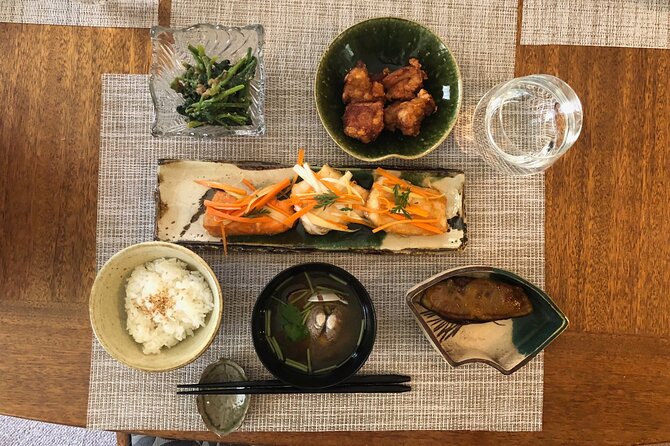
This class is built around a simple idea: learn a real home-cooked meal structure. You’ll make:
- One main dish
- Two side dishes
- Miso soup with rice
That combination is useful at home because it mirrors how many Japanese meals are assembled—main for satisfaction, sides for balance, soup for warmth and comfort.
Main dish options you may be able to choose
The class describes choices among Japanese classics, including:
- deep-fried chicken
- seaweed-wrapped sushi rolls
One review also referenced making gyoza. Since menu specifics can vary, don’t assume your options will be identical day-to-day, but you can expect to choose from familiar Japanese comfort foods.
Side dishes and how they teach you flavor balance
You won’t just make one item and move on. You’ll cook two sides, which is where Japanese home cooking often teaches the most. Sides tend to show you how to handle seasoning lightly but effectively, and how to build variety without heavy sauces.
If you’re new to Japanese cooking, this format is perfect. You’ll learn what matters without feeling overwhelmed.
- (Private car)Fake It Then Taste It:Japan’s Quirky Cuisine Journey★ 5.0 · 8 reviews
Dashi and umami: the skill that makes everything taste right
A lot of people think Japanese food is complicated because it looks delicate. In class like this, the lesson message is practical: Japanese cooking can be straightforward, and flavor comes from smart stock work.
You’ll learn to make dashi (the soup stock) and understand umami in a hands-on way. That matters because once you can make dashi, it’s easier to season other dishes without copying exact measurements every time.
Also, you’ll use that knowledge as part of the meal—miso soup with rice anchors what you’re learning. So you’re not learning stock as a separate science project; you learn it as a step that directly affects your lunch.
Meeting point in Musashi-Koganei: easy start, simple end
You’ll start at the meeting point around Musashi-Koganei Station, at 6 Chome-14 Honcho, Koganei, Tokyo 184-0004. The activity ends back at the meeting point, so you’re not stuck figuring out transit afterward.
Since transportation to and from the meeting area isn’t included, build a little buffer into your day. Tokyo transit can be easy once you’re oriented, but station-to-street walking still takes time, especially if you’re unfamiliar with the neighborhood.
If you’re traveling with a group, plan to arrive together. The schedule is tight, and home kitchens don’t run on “we’ll catch you whenever.”
Inside the instructor’s apartment: what the home visit adds
This isn’t a cooking class that stays behind a closed door. You’ll get an apartment visit during the experience, which is part of what makes it culturally meaningful.
You’ll also use practical supplies: an apron and cooking utensils. That’s a small detail, but it helps a lot. You don’t have to worry about whether you’re bringing the right kind of tools, and you can focus on technique.
The home setting also tends to make communication easier. People often ask questions more naturally when they’re sitting at a small table in a living space, not standing in a public classroom. That’s where the host’s teaching style really helps.
Akiko’s teaching style: warm, clear, and hands-on
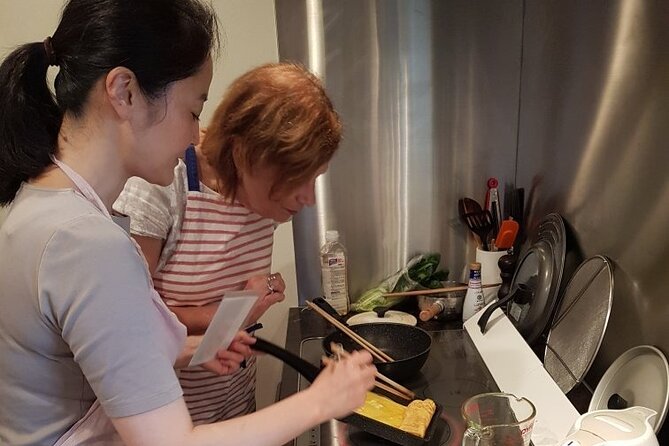
The instructor experience is a big reason this class has a perfect score. Akiko is described as welcoming, kind, and very good at explaining while you’re actively cooking.
Two things stand out from what you can expect:
1) She’s fluent in English, so you’ll follow steps without translating in your head.
2) She’ll help you course-correct when your first attempt isn’t quite right.
You’ll be doing real cooking work, not just chopping while someone else directs. You’ll learn the process from start to finish: how to handle ingredients, how to time tasks, and how to finish a dish so it’s ready to eat.
One more bonus: conversation. This kind of lesson doesn’t feel like a silent tutorial. People often find it surprisingly easy to chat about Japanese food habits and everyday culture while they cook.
Lunch you make: the part most people remember
You’ll enjoy lunch after cooking, using what you prepared. That means you get the instant feedback loop that cooking classes should have: if a sauce tastes off, you fix it during the process, not a week later at home.
You’ll also get coffee and/or tea, which fits the rhythm of the meal. It helps the experience feel complete rather than rushed.
More than anything, eating your own dishes makes the skills stick. You don’t just leave with recipes; you leave with a sense of what “right” tastes like in context.
Who this class is best for
This fits best if you want:
- hands-on cooking in English
- a meal you can repeat at home
- a smaller, more personal Tokyo activity
- Japanese comfort foods with practical techniques
It’s also a solid pick if you’re traveling with someone who enjoys cooking but doesn’t want a long, complicated course. The structure is contained: one main and two sides, with soup and rice, done in about half a day.
When it might not be ideal
If you want a formal “chef at a podium” experience or a big commercial kitchen setup, you might find the apartment setting less exciting.
Also, the class doesn’t allow groups made up of only male participants. If that applies to your group, you’ll need to adjust your booking.
Practical tips so you get the most out of it
Here are the things I’d do to make the day run smoothly, based on how home classes work.
Bring a mindset of learning by doing. If you’re expecting perfection on your first try, you’ll feel stressed. This format is designed for practice.
Tell them dietary needs upfront. The class asks you to advise specific dietary requirements and preferences at booking. One key upside: the menu can be adjusted to fit diet needs, so sharing details early helps the instructor plan correctly.
Arrive a little early. You’re meeting at Musashi-Koganei Station area and then walking to a home kitchen space. Extra minutes prevent a rushed start.
Take the recipe copy seriously. Ingredients and a recipe guide are included, so use that as your post-trip cooking plan. Even if you only cook one side dish again, it’s a win.
Should you book this Musubi Japanese home cooking class?
I’d book it if you want a Tokyo experience that’s practical, friendly, and centered on real food you’ll actually cook again. The combination of hands-on teaching, umami/dashi skills, and a full meal with lunch makes the $85 feel reasonable for Tokyo.
Skip it if you hate apartment-style settings, want a large group atmosphere, or can’t get yourself to the meeting point without help. Also, make sure your group fits the class rules, since a group made up of only male participants isn’t allowed.
If you’re aiming for one memorable food-focused activity that teaches real technique (not just a photo session), this is a strong choice.
FAQ
How long is the 3-hour guided Musubi Japanese home cooking class?
The class duration is listed as about 2 hours 30 minutes (approx.). It is described as a 3-hour experience, so expect it to run around that time window.
Where does the class meet in Tokyo?
You meet at Musashi-Koganei Station, then the address given is 6 Chome-14 Honcho, Koganei, Tokyo 184-0004, Japan.
Does the price include the cooking lesson and lunch?
Yes. The class includes the Japanese home cooking session, plus lunch. You also get coffee and/or tea.
What dishes will I make during the class?
You’ll prepare a meal with one main dish and two side dishes, along with miso soup with rice.
Can I choose what to cook?
The class offers menu choices among Japanese classics such as deep-fried chicken and seaweed-wrapped sushi rolls. You’ll also be making a main dish you select.
Can the instructor handle dietary requirements?
You should advise any dietary requirements and preferences at the time of booking. The class is set up to adjust for specific needs based on what you share.
Is the instructor able to teach in English?
Yes. The instructors speak fluent English.
How big is each class?
The class is a small group with a maximum of 6 people per booking.
Is transportation provided to or from the meeting point?
No. Transportation to and from the meeting points is not included. The activity starts at the meeting point and ends back there.
What is the cancellation and refund policy?
Cancellation terms are time-based. One policy detail says you can cancel up to 24 hours in advance for a full refund, and within 24 hours there is no refund. Another detail states that if you cancel 1 week to 72 hours prior you receive a 50% refund, and cancellations less than 72 hours before the class have no refund (including no-shows).
More Cooking Classes in Tokyo Prefecture
- Vegan/Vegetarian Ramen and Gyoza by Bentoya cooking
★ 5.0 · 59 reviews
More Tour Reviews in Tokyo Prefecture
- Vegan/Vegetarian Ramen and Gyoza by Bentoya cooking
★ 5.0 · 59 reviews - Tokyo Half-Day Canyoning Adventure
★ 5.0 · 25 reviews - Tokyo: Samurai Sword Academy in the Hometown of the Last Samurai
★ 5.0 · 24 reviews - Tokyo: Mt. Takao Tour with Ramen and Tattoo-Okay Hot Spring
★ 5.0 · 12 reviews - (Private car)Fake It Then Taste It:Japan’s Quirky Cuisine Journey
★ 5.0 · 8 reviews
Latest Tokyo Prefecture reviews off our desk

Cooking Classes, compared.
 ★ 5.0Ramen & Gyoza Cooking Class in Tokyo with Local Supermarket VisitFrom $122823 reviews
 ★ 4.6Easy Ramen Cooking Experience in Kabukicho, ShinjukuFrom $29321 reviews
 ★ 5.0Ramen and Sushi Cooking Class with Sake Pairing Set in TokyoFrom $79291 reviews
 ★ 4.9Wagyu and 7 Japanese Dishes Cooking ClassFrom $67273 reviews
 ★ 5.0Tokyo Washoku 4-hour Cooking Class: From Market to TableFrom $79253 reviews
 ★ 5.0Small-Group Wagyu Beef and 7 Japanese Dishes Tokyo Cooking ClassFrom $72190 reviews
 ★ 5.0Private Home Cooking in Yanaka – Local Flavors in a Warm SettingFrom $122173 reviews
 ★ 5.0Tokyo Sushi Making Experience & Japanese Cooking ClassFrom $59150 reviews
Browse the lists this tour appears in