
Reviewed · COOKING CLASSES
Vegan/Vegetarian Ramen and Gyoza by Bentoya cooking
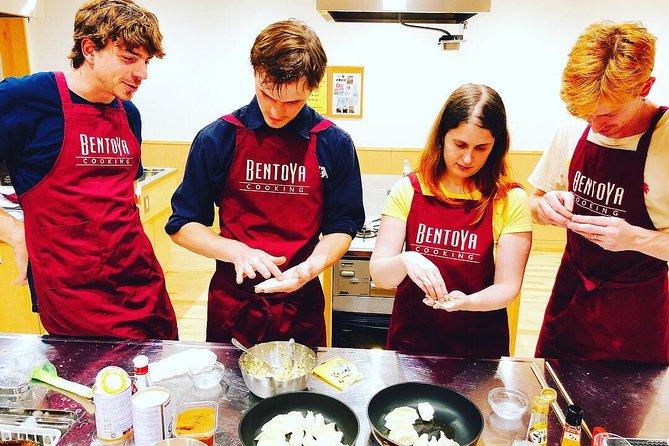
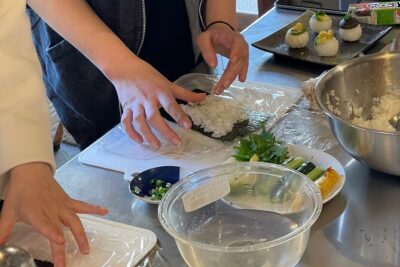
Vegan ramen can be the main event. This Tokyo vegan ramen and gyoza class with BentoYa Cooking puts you in a real local kitchen in Komae, learning ramen soup from scratch and making gyoza step by step. The setup is built for small groups (max 6), so you’re not lost in a crowd. People also highlight hosts like Kaori and Miwa for clear guidance and a friendly, welcoming vibe.
I also like that the class includes a local supermarket stop to understand basic Japanese ingredients first, not last. One thing to keep in mind: the lesson builds toward the lunch you cook, so if you tend to get hungry fast, consider eating a light snack before you arrive so the timing feels comfortable.
In This Review
- Key highlights to know before you book
- Komae Station makes the whole day easier than you’d expect
- What happens during the supermarket stop (and why it’s not fluff)
- Ramen soup from scratch: the real lesson is handling flavor without fish stock
- Gyoza technique: small details you’ll actually use later
- The kitchen time: learning from hosts like Kaori and Miwa
- Eating what you made: why this format feels more satisfying than a demo
- Price and value: is $75 for 2.5 hours a smart deal?
- Weather and refunds: a minor risk worth planning for
- Who should book BentoYa Cooking for vegan ramen and gyoza
- Should you book this vegan ramen and gyoza class in Tokyo?
- FAQ
- Where do I meet for this cooking class?
- How long is the vegan ramen and gyoza experience?
- How much does it cost?
- What is the group size?
- What will I cook during the session?
- Does the class work for vegetarians given dashi is common in Japan?
- Is there a supermarket stop?
- Will I get anything to help me cook again at home, and what if it’s canceled for weather?
Key highlights to know before you book
- Small group size (up to 6): more hands-on attention while you’re cooking.
- Supermarket walkthrough first: learn what to buy and why, then use it right away.
- Ramen soup from scratch: not just reheating or assembling—this is real cooking.
- Vegan/vegetarian approach in a dashi-heavy country: you’ll learn how vegetarians handle ramen despite traditional fish stock.
- You can cook it again at home: detailed instruction files are provided after class.
- Komae Station meeting point: straightforward access with public transit nearby.
Komae Station makes the whole day easier than you’d expect
The experience starts at Komae Station (1 Chome-7 Motoizumi, Komae, Tokyo 201-0013). That matters more than it sounds. Getting a cooking class to begin on time in Tokyo can be tricky, but a station meeting point keeps it simple. You also get back to the same meeting area when it ends.
It runs during a morning window (listed hours are 10:00 AM to 1:00 PM, Monday through Sunday), and the experience itself is about 2 hours 30 minutes. Since ramen can take time, you’re likely working at a steady pace—not dawdling, not rushing.
Also: it uses a mobile ticket, which is practical. Tokyo travel already has enough apps and cards. One more thing that works digitally is a plus.
Readers booked these Tokyo Prefecture options in the same breath. Here is how each one scored:
- Tokyo Half-Day Canyoning Adventure
★ 5.0 · 25 reviews - Tokyo: Samurai Sword Academy in the Hometown of the Last Samurai
★ 5.0 · 24 reviews - 3-Hour Guided Musubi Japanese Home Cooking Class
★ 5.0 · 21 reviews - Tokyo: Mt. Takao Tour with Ramen and Tattoo-Okay Hot Spring
★ 5.0 · 12 reviews
What happens during the supermarket stop (and why it’s not fluff)
A big part of this class is learning ingredients at a local supermarket before you cook. This is where most cooking classes either shine or fall flat. Here, it’s treated like part of the meal, not a photo op.
Japan can be tough for vegetarian and vegan eating because dashi—fish-based soup stock made from bonito flakes—is common in everyday cooking. Your class leans into this reality. You’ll learn Japanese basics and how to shop with intention so your ramen and gyoza don’t accidentally become fish-soup projects.
From the reviews and the class description, the supermarket time is where hosts explain:
- what ingredients you’ll use in your recipe
- how Japanese pantry staples are different from what you might expect
- what to look for when you’re trying to keep things vegetarian/vegan
Even if you’re already comfortable cooking, this step is valuable. You’re not just learning a dish—you’re learning how Japanese stores label and supply the building blocks. That makes it much easier to recreate the food after you go home.
Ramen soup from scratch: the real lesson is handling flavor without fish stock
Ramen is not only noodles in broth. It’s a balance of aroma, body, and seasoning. The standout here is that you learn the ramen soup from scratch, rather than copying a shortcut. And because the class is vegan/vegetarian, you’re learning how to build that depth while avoiding traditional fish-based dashi.
That dashi issue is the key challenge for vegetarians in Japan. Knowing that up front helps you appreciate what the class is doing. The ramen you make won’t rely on the usual fish-stock base. It’s a different flavor pathway, and you get shown how to get there with the ingredients you pick up.
I like teaching that treats substitution as a skill, not a footnote. You’ll come away with a method: how to think about soup depth, seasoning, and timing. Then you can apply the idea to other Japanese comfort foods too, not just ramen.
Gyoza technique: small details you’ll actually use later
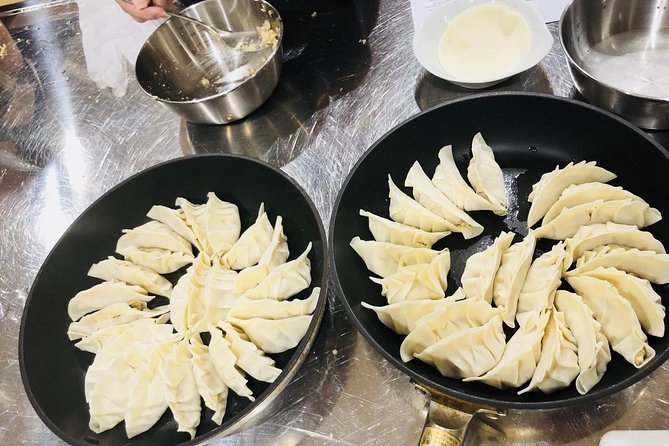
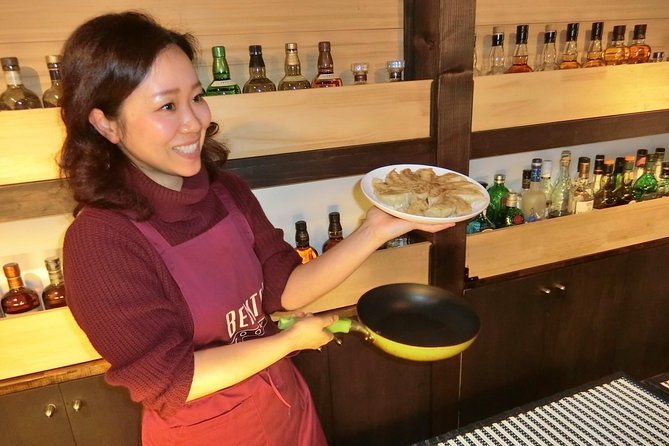
After ramen prep, you shift into making gyoza. Dumplings sound simple until you’re in the kitchen folding, seasoning, and trying to get the right texture. This class spends time on fundamentals like cutting and cooking techniques, plus seasoning and presentation.
A few reviews specifically praise instruction that felt organized and easy to follow. That matters because gyoza is one of those dishes where small mistakes snowball:
- filling too wet can lead to messy dumplings
- under-seasoning makes everything taste flat
- timing affects crispness
The goal isn’t just to produce a plate for today. It’s to leave with repeatable technique. One review notes you get detailed instruction-files afterwards—exactly what you want if you’re serious about cooking again at home.
The kitchen time: learning from hosts like Kaori and Miwa
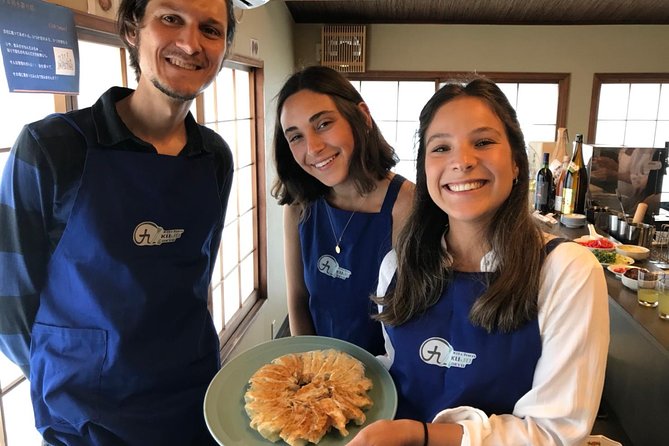
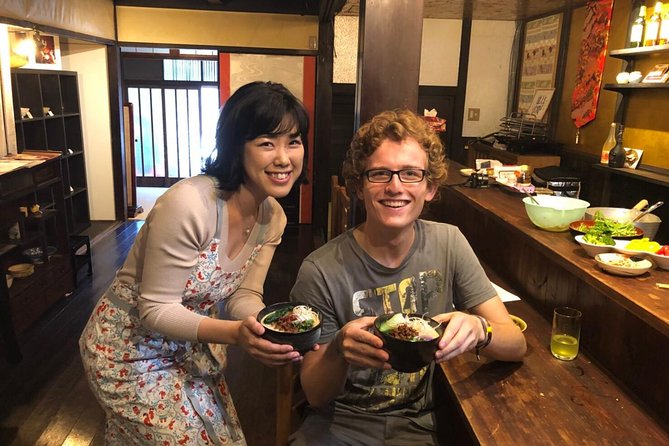
This isn’t a chaotic class where the teacher talks at you. The whole setup is designed for interaction. Reviews mention hosts being friendly and welcoming, and highlight strong English from hosts like Kaori. People also mention being taught basic cutting and cooking techniques, plus how to handle seasoning and plating.
That teaching style is especially useful if:
- you don’t speak Japanese fluently
- you’re nervous about “messing it up”
- you’ve cooked at home but want Japanese technique, not generic recipes
Also, group size helps. With a maximum of 6 travelers, you’re more likely to get personal attention when your dough or filling needs adjustment.
- (Private car)Fake It Then Taste It:Japan’s Quirky Cuisine Journey★ 5.0 · 8 reviews
- Rafting Tour at Beautiful Okutama River★ 5.0 · 7 reviews
- Tokyo’s hidden nature cycling tour – Okutama Historical Road Tour★ 5.0 · 6 reviews
- Little Adventure with Cycling in Tokyo No. 1 Crystal Clear River★ 5.0 · 6 reviews
Eating what you made: why this format feels more satisfying than a demo
You’ll finish by eating the lunch you cook. That’s not just convenient—it changes how you learn. When you taste your own ramen and gyoza while the flavors are still fresh in your brain, you connect technique to outcome.
It’s also the reason one practical caution shows up in the feedback. If you’re the type who gets hungry early, you might want a light snack first so the timing feels comfortable. Cooking classes are fun, but they do run on kitchen reality.
Price and value: is $75 for 2.5 hours a smart deal?
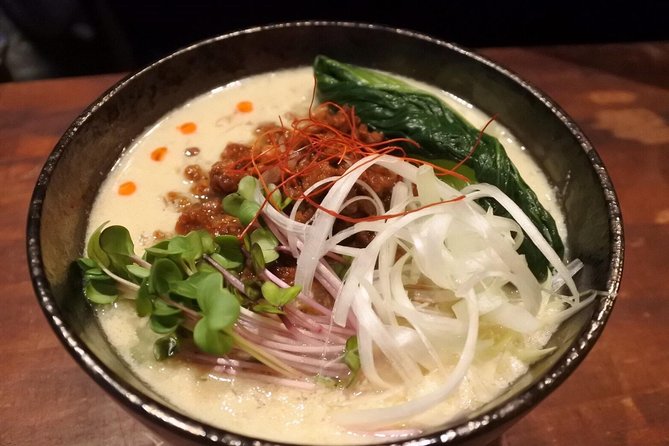
At $75 per person for about 2 hours 30 minutes, this class isn’t bargain-bin pricing. But it does pack in real value:
- supermarket ingredient learning (not just cooking)
- soup made from scratch (not instant base)
- ramen and gyoza production in one session
- small group teaching with hands-on support
- instruction materials you can use later
- a local-cuisine focus with the vegetarian/vegan dashi challenge addressed
Tokyo cooking classes can range widely. What makes this feel like better value is the combination of shopping + method + repeatability. You’re not just buying a meal. You’re buying the “how.”
And the fact that it’s often booked about 27 days in advance suggests demand stays steady. Popular doesn’t always mean best, but it’s a sign this one’s not a one-off.
Weather and refunds: a minor risk worth planning for
The experience requires good weather. If it’s canceled because of poor weather, you’ll be offered a different date or a full refund. That’s a fair setup for an outdoor-influenced start or travel component.
Also, there’s free cancellation up to 24 hours in advance for a full refund. So if your Tokyo schedule is still moving around, you have flexibility.
Who should book BentoYa Cooking for vegan ramen and gyoza
This is a great fit if you want:
- a vegetarian/vegan Japanese cooking experience that takes dashi challenges seriously
- a small-group class where you can ask questions
- practical skills you’ll use at home (especially if you plan to cook ramen again)
It’s also ideal if you’re traveling with family or friends who want something hands-on, not just sightseeing. Reviews mention fun, wholesome moments—like chatting and cooking together in a host’s kitchen—and that kind of setting usually lands well with different ages.
If you’re only mildly interested in cooking, you might find the hands-on pace more than you expected. But if you like being in the kitchen and learning ingredient strategy, this hits the sweet spot.
Should you book this vegan ramen and gyoza class in Tokyo?
If you care about making Japanese comfort food that actually works for vegans and vegetarians, I’d book it. The mix of supermarket shopping, ramen soup from scratch, and gyoza technique makes it more than a one-time meal.
I’d especially recommend it if you’ve struggled with vegetarian ramen in Japan and want a method you can repeat after your trip. And if your schedule is tight, double-check what time slots fit your day and plan for the weather requirement.
Want maximum return on your $75? Come ready to cook, ask questions, and treat the ingredient lessons like part of the recipe—not separate from it.
FAQ
Where do I meet for this cooking class?
You meet at Komae Station, 1 Chome-7 Motoizumi, Komae, Tokyo 201-0013, Japan.
How long is the vegan ramen and gyoza experience?
It’s listed as about 2 hours 30 minutes.
How much does it cost?
The price is $75.00 per person.
What is the group size?
The class has a maximum of 6 travelers.
What will I cook during the session?
You’ll make vegan/vegetarian Japanese food, including ramen soup from scratch and gyoza.
Does the class work for vegetarians given dashi is common in Japan?
Yes. The class specifically addresses the challenge that vegetarian food can be difficult in Japan because traditional dashi is made mainly from bonito flakes.
Is there a supermarket stop?
Yes. The experience includes showing you a local supermarket to introduce Japanese basic ingredients.
Will I get anything to help me cook again at home, and what if it’s canceled for weather?
Yes. You receive detailed instruction-files after the class according to feedback. If the experience is canceled due to poor weather, you’ll be offered a different date or a full refund.
More Cooking Classes in Tokyo Prefecture
- 3-Hour Guided Musubi Japanese Home Cooking Class
★ 5.0 · 21 reviews
More Tour Reviews in Tokyo Prefecture
- Tokyo Half-Day Canyoning Adventure
★ 5.0 · 25 reviews - Tokyo: Samurai Sword Academy in the Hometown of the Last Samurai
★ 5.0 · 24 reviews - 3-Hour Guided Musubi Japanese Home Cooking Class
★ 5.0 · 21 reviews - Tokyo: Mt. Takao Tour with Ramen and Tattoo-Okay Hot Spring
★ 5.0 · 12 reviews - (Private car)Fake It Then Taste It:Japan’s Quirky Cuisine Journey
★ 5.0 · 8 reviews
Latest Tokyo Prefecture reviews off our desk



Cooking Classes, compared.
 ★ 5.0Ramen & Gyoza Cooking Class in Tokyo with Local Supermarket VisitFrom $122823 reviews
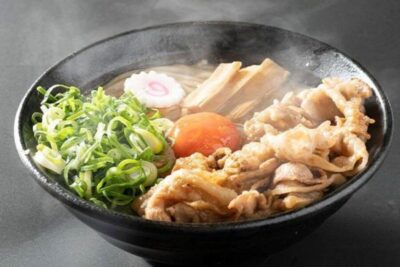 ★ 4.6Easy Ramen Cooking Experience in Kabukicho, ShinjukuFrom $29321 reviews
 ★ 5.0Ramen and Sushi Cooking Class with Sake Pairing Set in TokyoFrom $79291 reviews
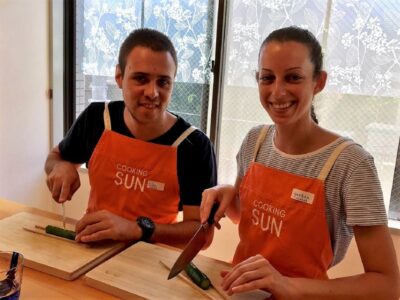 ★ 4.9Wagyu and 7 Japanese Dishes Cooking ClassFrom $67273 reviews
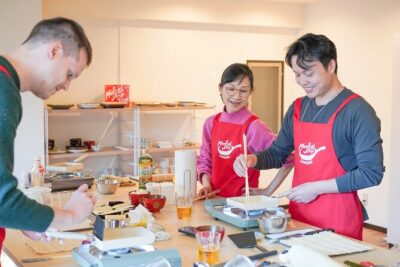 ★ 5.0Tokyo Washoku 4-hour Cooking Class: From Market to TableFrom $79253 reviews
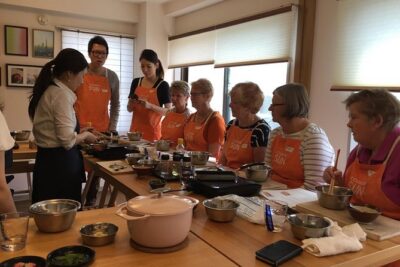 ★ 5.0Small-Group Wagyu Beef and 7 Japanese Dishes Tokyo Cooking ClassFrom $72190 reviews
 ★ 5.0Private Home Cooking in Yanaka – Local Flavors in a Warm SettingFrom $122173 reviews
 ★ 5.0Tokyo Sushi Making Experience & Japanese Cooking ClassFrom $59150 reviews
Browse the lists this tour appears in