
Reviewed · CYCLING TOURS
Little Adventure with Cycling in Tokyo No. 1 Crystal Clear River
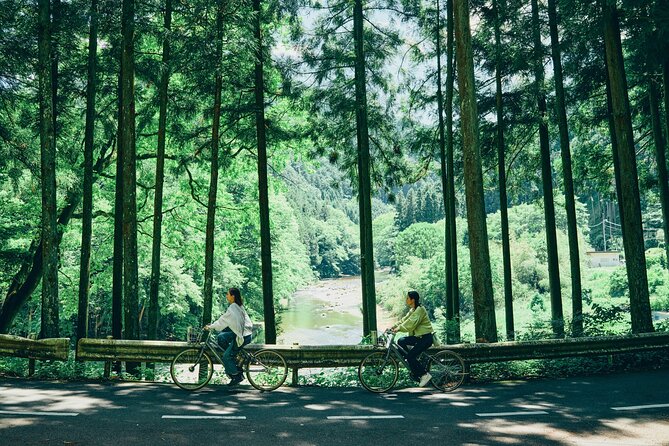
A day trip that feels like a different country? That is the magic here: you leave Tokyo and head into the upper reaches of the Akigawa River on an e-bike, then swap wheels for a river walk to a hidden waterfall. The route also mixes Edo-era roots (charcoal and forestry) with real village stops, plus a riverside lunch and a hot-spring-style footbath.
What I really like is the way the day balances moving with slowing down. You get an easy rhythm—bike for scenery and temples, then river trekking for the big experience, and finally a relaxing footbath. I also like that it is a small group setup (up to 6), so the guide can keep things comfortable and responsive.
One drawback to think about: this trip depends on weather, because you are doing outdoor river time. If conditions aren’t right, the plan can change, and you’ll want to be ready for that.
In This Review
- Key highlights you should know
- Getting out of Tokyo on an e-bike (and actually feeling relaxed)
- Kotokuji Temple: the thatched gate and a giant ginkgo tree
- Kurochaya bridges and valley gardens (the calm in-between)
- Akigawa Valley lunch: chairs by the water and a special lunchbox
- River trekking to a hidden waterfall (waterproof gear and a wow moment)
- Riding again near 秋川溪谷瀨音之湯, then crossing a suspension bridge
- Hot spring footbath at 秋川溪谷瀨音之湯 (and the souvenir stop)
- The Edo-era connection you can actually picture
- Value check: is $143.34 worth it?
- Who this tour is best for (and who might not love it)
- Practical tips for a smooth day
- Should you book this Tokyo countryside bike-and-waterfall day?
- FAQ
- How long is the cycling and river trekking tour?
- What time does the tour start, and where do I meet?
- Is the tour a small group?
- Is a lunch included, and where do you eat it?
- What are the main activities besides cycling?
- Are there admission tickets needed for the stops?
- What should I do if the weather is bad?
- Can I use a mobile ticket, and how does cancellation work?
Key highlights you should know
- E-bike riding from a Tokyo base: first half guided, easy to use, and built for covering ground without breaking your legs
- Kotokuji Temple stop: thatched gate, a giant ginkgo tree, and clear explanations that make the place feel lived-in
- Akigawa Valley scenery breaks: scenic bridges, old temples, Japanese gardens, and café views over the valley
- Riverside lunch with outdoor chairs: a special Cuba sandwich lunchbox served by the water
- Waterproof river trekking to a waterfall: you cross the river on foot gear meant for getting wet
- 秋川渓谷瀨音之湯 footbath + souvenirs: suspension bridge, hot spring foot soaking, then a bit of shopping
Getting out of Tokyo on an e-bike (and actually feeling relaxed)
This is one of those Tokyo day trips that does not start with a stressful scramble. You meet at 東京裏山ベース (Tokyo Urayama Base) at 10:00, and the location is near public transportation, so you can get there without a big guessing game. The day runs about 6 hours, and it ends back at the same meeting point.
With a max group size of 6, you are not stuck in a cattle line. That matters on a route like this because the guide can adjust your pace and keep you comfortable on the bike ride. The e-bikes handle the work for you, and the ride style is set up so you can enjoy scenery instead of counting minutes until your legs recover.
Also, you are not just riding around aimlessly. The itinerary uses the bikes to connect temple stops, valley views, and river time—so each transition feels purposeful.
Readers also shortlisted these Tokyo Prefecture bookings:
- Tokyo’s hidden nature cycling tour – Okutama Historical Road Tour
★ 5.0 · 6 reviews
Kotokuji Temple: the thatched gate and a giant ginkgo tree
Stop one is Kotokuji Temple, and it is a strong opener. You can pass through a splendid thatched gate, which instantly gives the day a rural, old-school feel. Then you see a giant ginkgo tree, one of those landmarks that makes you pause even if you normally rush through sights.
What makes this stop more than a quick photo stop is the explanation about the temple’s history. It is short (about 30 minutes), but it gives you context so the visuals land harder. The best part is that the admission is free, so you’re not spending energy or money figuring out ticket logistics right away.
If you like temples that feel like part of everyday Japan—not just curated for visitors—this first stop sets the tone.
Kurochaya bridges and valley gardens (the calm in-between)
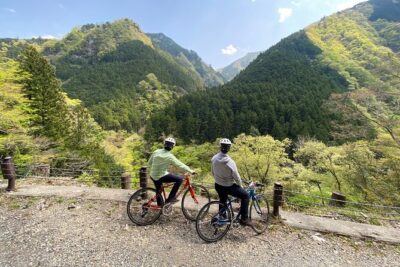
After Kotokuji, you roll out by e-bike. At Kurochaya, the day shifts into scenic cruising: you ride with the guide for the first half, stopping at viewpoints that actually look different from what you see in central Tokyo.
This part includes bridges, old temples, and Japanese gardens, plus café breaks with terraces overlooking the valley (the itinerary lists café terraces as part of the experience). It’s a good stretch because it gives you moving scenery while keeping your pace easy.
One small practical tip: bridges and lookout areas are when you’ll want to have your phone ready, but also when you’ll feel the autumn mountain air (or spring chill). A light layer helps.
And if rain shows up, this section is often where you can get the best sense of how the valley changes—one of the guides’ adjustments in poor weather is to keep the day enjoyable rather than cancel everything.
Akigawa Valley lunch: chairs by the water and a special lunchbox
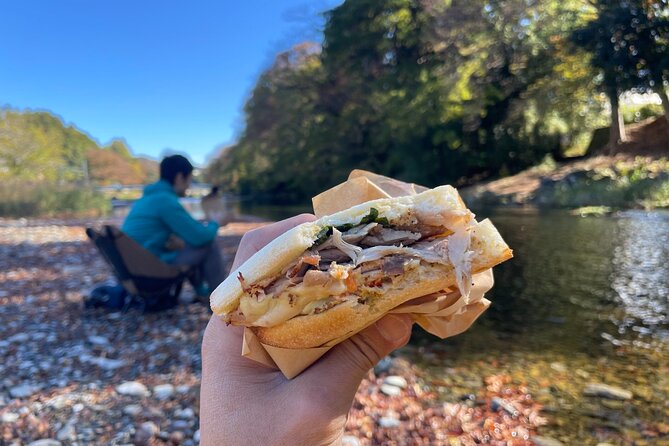
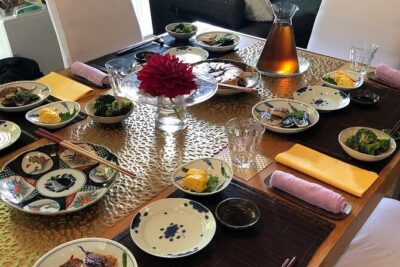
Around 12:00–13:00, you break for lunch in the Akigawa Valley. The setup is simple but memorable: you place outdoor chairs at a special riverside spot, then enjoy a special Cuba sandwich lunchbox.
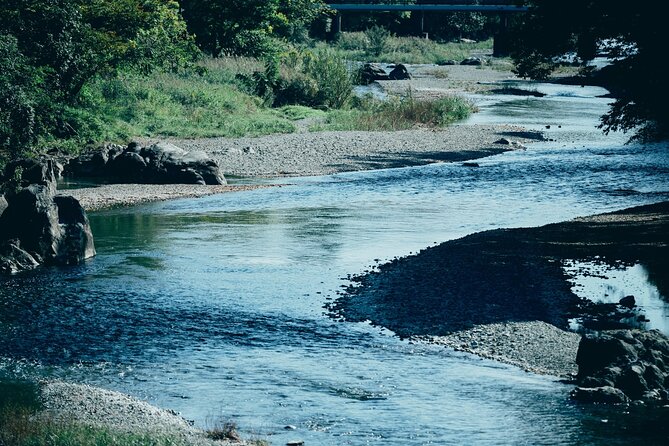
This is exactly the kind of meal pause that makes a countryside day trip worth it. You’re not eating in a parking lot or on a tight schedule. You’re sitting where you can hear the river and watch people go about their day.
At lunch time, you can also adjust for the rest of the itinerary. The next block involves getting wet and doing river trekking, so use this time wisely:
- Eat what you want, but also leave room in your mind for the next “active” phase
- If you brought a spare layer, keep it accessible for later
Even if you are not a big foodie, this lunch feels like part of the scenery, not an add-on.
River trekking to a hidden waterfall (waterproof gear and a wow moment)
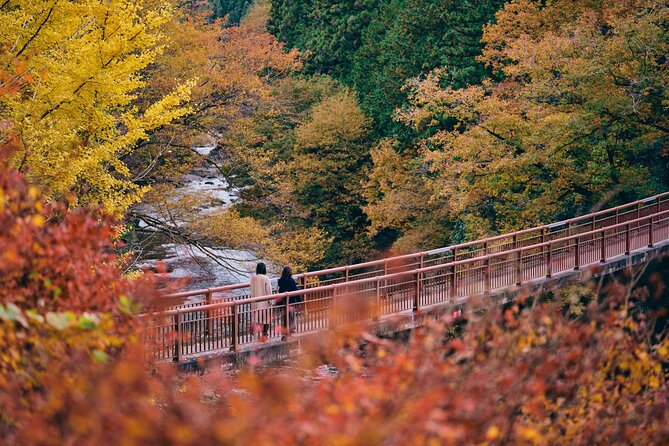
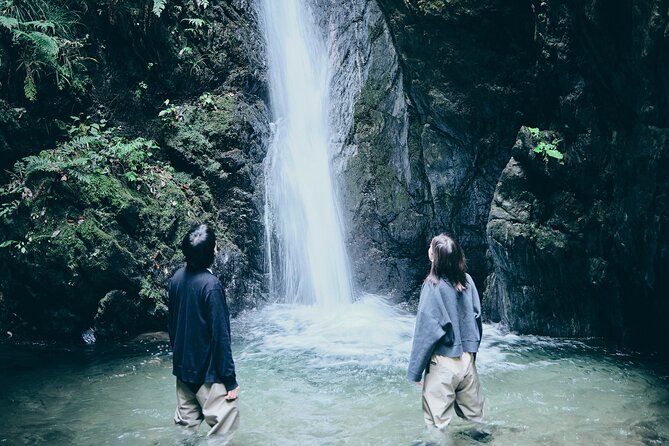
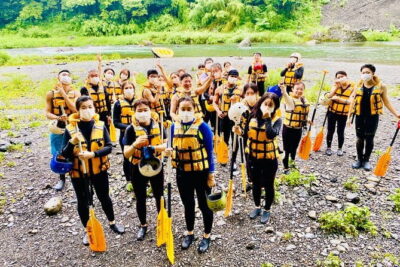
The highlight is a 2-hour river trekking segment (listed as 13:00–14:00), and it comes with something many city visitors never get: you actually walk through the river using waterproof gear. You are not just looking at water from a bank.
The goal of this walking section is a hidden waterfall. Think of it like this: the e-bike gets you close, the trekking puts you in the story, and the waterfall walk gives you the payoff.
What you’ll notice on this part of the day:
- The pace feels more physical, but the gear helps you stay comfortable
- The river becomes your route, so the views feel personal and close-up
- You get a contrast to the temple-and-garden portions—less architecture, more water, sound, and motion
One consideration: this is outdoor time in moving water. If your idea of comfort is smooth pavement, you’ll still be okay—but you should expect steps that are less predictable than city sidewalks.
- Vegan/Vegetarian Ramen and Gyoza by Bentoya cooking★ 5.0 · 59 reviews
- Tokyo Half-Day Canyoning Adventure★ 5.0 · 25 reviews
- Tokyo: Samurai Sword Academy in the Hometown of the Last Samurai★ 5.0 · 24 reviews
- 3-Hour Guided Musubi Japanese Home Cooking Class★ 5.0 · 21 reviews
- Tokyo: Mt. Takao Tour with Ramen and Tattoo-Okay Hot Spring★ 5.0 · 12 reviews
Riding again near 秋川溪谷瀨音之湯, then crossing a suspension bridge
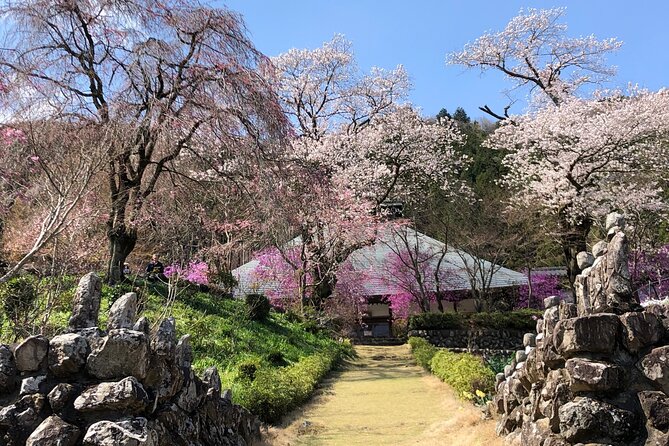
After lunch and trekking, the itinerary keeps you active without being exhausting. From 14:00–14:40, you cycle again on an e-bike for the second half of the route.
Then you move into the hot spring area around 14:40–15:30. This is where you cross a suspension bridge and visit 秋川溪谷瀨音之湯 for the next phase of relaxation.
The suspension bridge matters because it offers a break in energy: you go from river walking back to open views, with that valley feeling wide around you. It also helps you reset before the footbath.
If you get motion-sick easily, you might want to take it slow on the bridge and keep your eyes on stable points. (The day involves water, bikes, and movement, so simple pacing helps.)
Hot spring footbath at 秋川溪谷瀨音之湯 (and the souvenir stop)
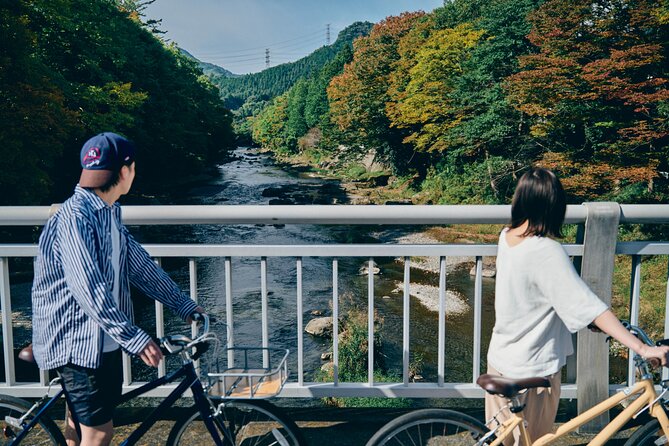
At 秋川溪谷瀨音之湯, you get a footbath in a hot spring. After river trekking, that is the perfect ending move. Your feet take the hit first, so soaking them is not just relaxing—it feels practical.
The stop also includes souvenir shopping, so you can pick up small items to remember the day without needing to hunt for a store after you get back to Tokyo.
This segment is about recovery. It is short enough to keep the day moving, but it gives your body that “okay, now we can enjoy the view” feeling.
The Edo-era connection you can actually picture
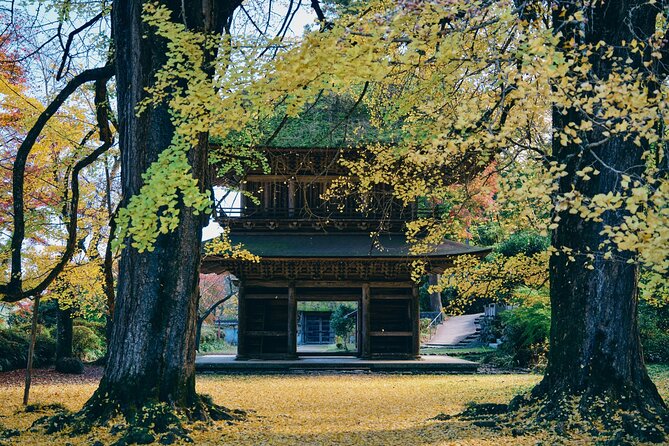
One of the best parts of this tour is that it gives you a reason for the route, not just a list of stops. In the upper reaches of the Tama and Akigawa Rivers, Tokyo’s historical connection to Edo shows up through topics like charcoal burning and forestry.
When you’re cycling through forested areas and then walking along the river, it becomes easier to understand how these industries shaped the landscape and local life. The day doesn’t turn into a lecture, but the context makes the scenery feel more meaningful.
And because you’re visiting temples like Kotokuji, you also get to see how spiritual spaces and everyday rural life can overlap in Japan. It’s a quieter kind of history you can sense with your eyes.
Value check: is $143.34 worth it?
At $143.34 per person for about 6 hours, this is not a cheap impulse buy. But it is priced like an experience built around real logistics: guided e-bikes, multiple stops, a riverside lunch, waterproof river trekking, and a hot spring footbath.
Here is why I think it can be good value for the right person:
- You get a guided day with small group size (up to 6), which keeps attention on you instead of a crowd
- The itinerary includes both active and calm moments, so you’re not stuck doing one thing all day
- Temple/admission tickets listed for the main stops are free, which reduces surprise costs
- The hot spring footbath gives you a finish that fits the “countryside day trip” theme
The guide also matters. One review highlights Kenji, with easy communication and a kind, accommodating approach. That’s important because this kind of route can involve weather shifts, and a good guide makes the day feel handled rather than stressful.
Also note: rain can change the itinerary. One review mentions the plan being adjusted due to rain while still keeping the atmosphere enjoyable in an early autumn mountain village. So if you like nature but accept that weather rules the schedule, this fits your mindset.
Who this tour is best for (and who might not love it)
This is a great match if you want:
- A less touristy Tokyo escape with real countryside rhythm
- To use e-bike support so you can cover more ground without fatigue
- A day that includes both scenery and activity, capped with a relaxing soak
It may be less ideal if you:
- Hate getting wet, even with waterproof gear
- Need mostly flat, predictable walking
- Want a full-on food tour or museum-heavy day (this is nature-and-temples first)
Best guess: people who enjoy outdoors, short guided explanations, and a sense of place will feel happiest here.
Practical tips for a smooth day
Here’s what will help you get the most out of the experience:
- Wear shoes you don’t mind getting wet (even with waterproof gear, you’re around water)
- Bring a small dry bag or something to keep your phone protected during river time
- Plan for a light-to-moderate physical day: biking plus about two hours of river trekking
- Bring a layer for temperature swings near the valley, especially if it is cool in the morning
And yes, if it rains, don’t panic. The tour is designed for outdoor conditions, and the guide adjustments help keep the day worth it.
Should you book this Tokyo countryside bike-and-waterfall day?
If you want Tokyo but not Tokyo-only, this is a smart way to get contrast in just one day. You combine e-bike valley riding, temple context at Kotokuji, a riverside lunch that actually feels part of the scenery, and the main event: waterproof river trekking to a hidden waterfall, followed by a hot spring footbath.
I’d book it if you like nature, you’re comfortable with some wet walking, and you enjoy guided days where the route makes sense. If you want a purely dry, low-activity day, you may prefer a different style of Tokyo day trip.
FAQ
How long is the cycling and river trekking tour?
The tour runs for about 6 hours.
What time does the tour start, and where do I meet?
It starts at 10:00 am at 東京裏山ベース (Tokyo Urayama Base), 219-7 Tateya, Akiruno, Tokyo 190-0163, Japan.
Is the tour a small group?
Yes. The tour has a maximum of 6 travelers.
Is a lunch included, and where do you eat it?
Lunch is part of the itinerary in Akigawa Valley at a special riverside spot, with outdoor chairs and a special Cuba sandwich lunchbox.
What are the main activities besides cycling?
Besides e-bike riding, you also do river trekking with waterproof gear and visit 秋川溪谷瀨音之湯 for a hot spring footbath, with a suspension bridge stop along the way.
Are there admission tickets needed for the stops?
The itinerary lists admission ticket free for the main stops (including Kotokuji Temple).
What should I do if the weather is bad?
The experience requires good weather and can be canceled due to poor weather. If that happens, you’ll be offered a different date or a full refund.
Can I use a mobile ticket, and how does cancellation work?
You receive a mobile ticket, and you can cancel up to 24 hours in advance for a full refund.
If you want, tell me your travel month and your comfort level with wet walking, and I’ll help you decide the best day-trip style for your Tokyo visit.
More Cycling Tours in Tokyo Prefecture
- Tokyo’s hidden nature cycling tour – Okutama Historical Road Tour
★ 5.0 · 6 reviews
More Tour Reviews in Tokyo Prefecture
- Vegan/Vegetarian Ramen and Gyoza by Bentoya cooking
★ 5.0 · 59 reviews - Tokyo Half-Day Canyoning Adventure
★ 5.0 · 25 reviews - Tokyo: Samurai Sword Academy in the Hometown of the Last Samurai
★ 5.0 · 24 reviews - 3-Hour Guided Musubi Japanese Home Cooking Class
★ 5.0 · 21 reviews - Tokyo: Mt. Takao Tour with Ramen and Tattoo-Okay Hot Spring
★ 5.0 · 12 reviews
Latest Tokyo Prefecture reviews off our desk
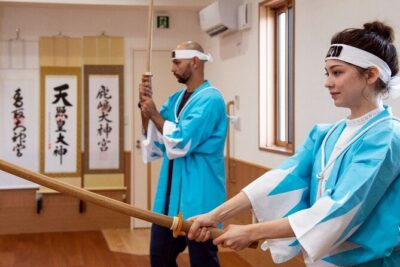
Cycling Tours, compared.
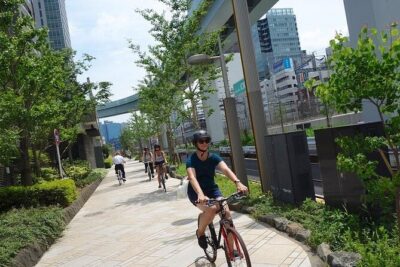 ★ 5.0Tokyo Guided Small-Group Biking TourFrom $1061,250 reviews
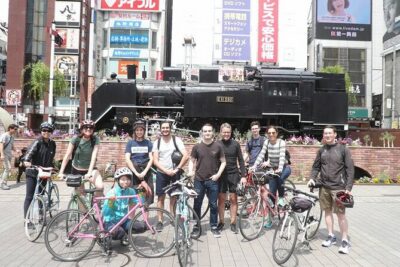 ★ 5.0Tokyo Great Cycling TourFrom $99811 reviews
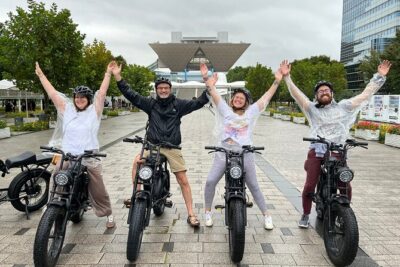 ★ 5.0Tokyo Top Highlights 3h Guided E-bike TourFrom $63714 reviews
 ★ 5.03h Tokyo E-Bike Tour: Hidden Gems, and Local Life with guideFrom $63670 reviews
 ★ 4.83-Hour Bike or E-Bike City Highlights TourFrom $45435 reviews
 ★ 4.83-hour Guided E-Bike Tour of the City’s Hidden GemsFrom $65251 reviews
 ★ 5.0Tokyo West-Side Cycling & Food TourFrom $99214 reviews
 ★ 5.03-Hour Bike/E-Bike Tour of the City’s HighlightsFrom $63209 reviews
Browse the lists this tour appears in