
Reviewed · HISTORICAL TOURS
Edo Tokyo Small-Group Tour: History, Culture & Local Experiences
Tokyo’s Edo past is surprisingly close. This Edo Tokyo small-group walk mixes faith, everyday life, and food into a 4-hour route you can follow without getting lost in Tokyo chaos. You start in Koto City, then bounce from temple to shrine to a museum built for imagination.
I especially like the way the stops connect: at Fukagawa Fudodo you’ll see an Edo-period fire display, then at Tomioka Hachimangu you’ll visit a shrine founded in 1627 with sumo commemorative stones. It’s history you can watch, not just read.
I also love the pacing—energy in the morning, then a softer landing with traditional sweets and Kiyosumi Teien’s tea house and pond. One consideration: the tour needs good weather, so rainy conditions can affect the plan.
In This Review
- Key things to know before you go
- Why This Edo Tokyo Route Feels Personal
- Getting There: Meet at Monzen-nakacho, Finish at Kiyosumi Gardens
- Stop 1: Fukagawa Fudodo Fire Display (Edo Temple Energy)
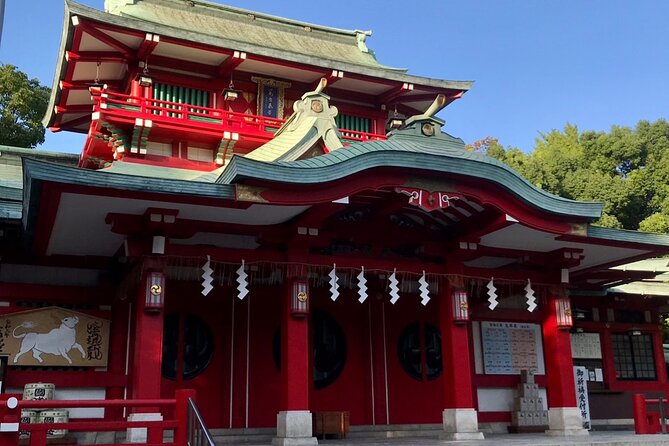
- Stop 2: Tomioka Hachimangu Shrine Founded in 1627
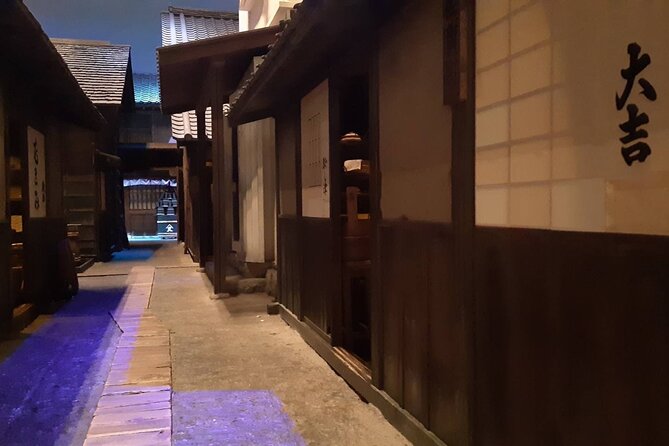
- Stop 3: Fukagawa Edo Museum Streetscapes That Make Daily Life Feel Real
- Stop 4: Traditional Sweets at an Old-Fashioned Shop
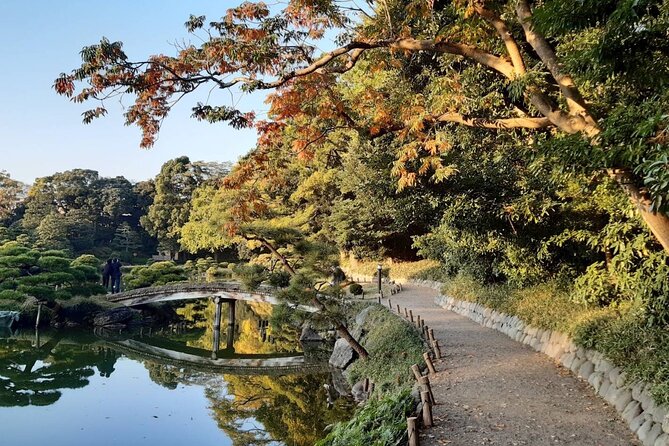
- Stop 5: Kiyosumi Teien Garden, Tea House, and Pond Calm
- The Guide Makes the History Land (Especially with Kids)
- Price and Value: What $48.99 Buys You in Real Time
- Who Should Book This Edo Tokyo Tour (And Who Might Skip It)
- Should You Book It?
- FAQ
- How long is the Edo Tokyo small-group tour?
- How many people are in the group?
- Where do we meet and when does the tour start?
- Where does the tour end?
- Is lunch included?
- What does the price include?
- Is cancellation allowed, and how far in advance?
Key things to know before you go
- Max 7 people means more time for questions and slower explanations
- Temple fire ceremony + shrine dates to 1627 give you strong Edo-period anchors
- Fukagawa Edo Museum uses life-sized streetscapes to make daily life click
- Traditional sweets at an old-fashioned shop turn cultural learning into a snack break
- Kiyosumi Teien offers a real reset with a tea house and pond before you wrap up
Why This Edo Tokyo Route Feels Personal
I like tours that respect your attention span. This one does, because you’re capped at seven people and the guide can actually tailor the pace. Instead of racing through big-ticket sights, you get a focused slice of Koto City through an Edo-period lens.
For $48.99, the value is in the mix: you’re not paying for a single museum stop. You’re stacking five themed experiences—temple, shrine, Edo museum, sweets, and a classic garden—into one coherent story. And because it’s only about 4 hours, you’ll still have energy left to explore Tokyo afterward.
Also, the route format is friendly for real-life travel. You use a mobile ticket, and you’re close to public transportation for getting to the meeting point and continuing your day once the tour ends.
Readers also shortlisted these Tokyo bookings:
- Tokyo: Imperial Palace and Shogun Historical Walking Tour
★ 5.0 · 2,251 reviews - Tokyo: Imperial Palace Japanese History Walking Tour
★ 4.9 · 987 reviews - Yanaka Walking Tour: Historic and Traditional District of Tokyo
★ 5.0 · 530 reviews - Tokyo: Shinjuku Historical Walking Tour & Secret Backstreets
★ 5.0 · 530 reviews
Getting There: Meet at Monzen-nakacho, Finish at Kiyosumi Gardens
The meeting point is Monzen-nakacho Station (2 Chome-4 Monzennakacho, Koto City), with a 10:00 am start. The tour ends at Kiyosumi Gardens (3-chōme-3-9 Kiyosumi, Koto City).
That end location matters. Kiyosumi Gardens is a natural “stay and wander” spot, so you can extend your day without immediately changing trains again. It’s a simple win if you like keeping your schedule low-stress.
Because it’s near public transportation and built as a walking-friendly sequence, it’s also easier to plan around. If you arrive a bit early, you can get your bearings fast. If you arrive late, you’ll still be in the same general Koto area rather than trying to play catch-up across Tokyo.
Stop 1: Fukagawa Fudodo Fire Display (Edo Temple Energy)
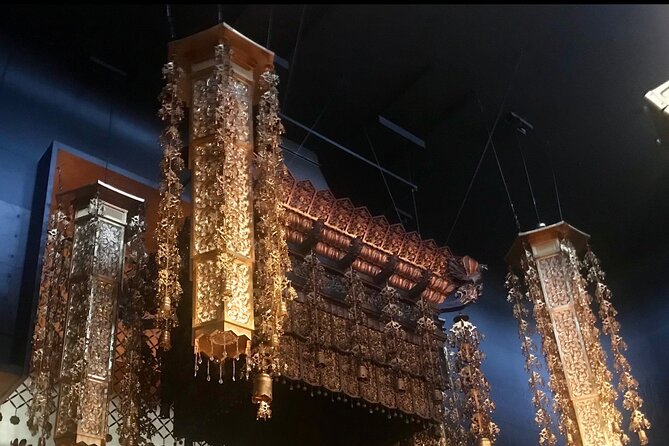
Fukagawa Fudodo is where the tour grabs you. You’ll spend about 1 hour 20 minutes here, and the visit includes the admission ticket. The main event is a spiritual fire display tied to the Edo period.
This is the kind of stop that works even if you’re not a “temple person.” Fire rituals tell you something practical about Edo life: how faith, community events, and public atmosphere could blend in one place. You’re not just looking at a building. You’re seeing a performance-like moment that helps you picture how traditions traveled through daily routines.
What to watch for:
- How the space feels during the fire display (it’s not just spectacle; it’s ceremony)
- How the guide frames the Edo context so it makes sense rather than feeling random
A small caution: fire displays can draw attention quickly, and spaces can get busy. Wear comfortable shoes and be ready to stand or move in short bursts while you follow the group.
Stop 2: Tomioka Hachimangu Shrine Founded in 1627
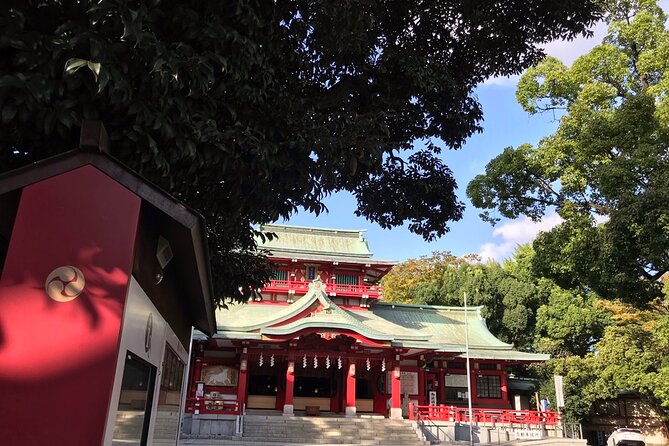
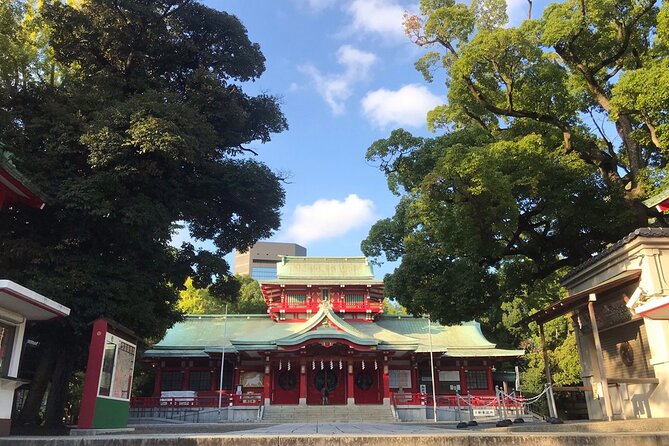
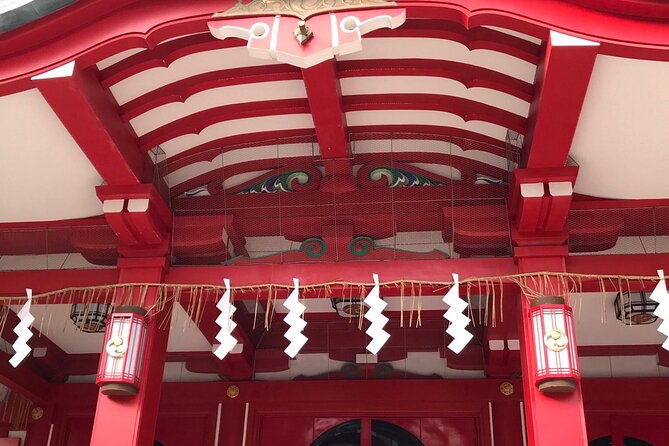
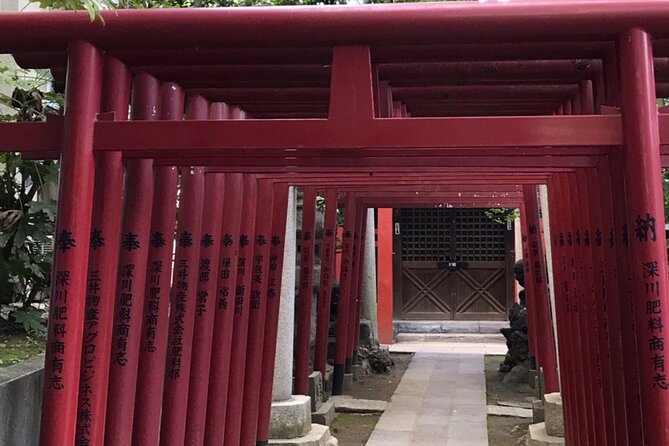
Next comes Tomioka Hachimangu, with about 30 minutes on-site, also including admission. The shrine is estimated to date to 1627, and the tour highlights sumo commemorative stones.
Shrines are easy to oversimplify when you only think of them as photo stops. Here, you get a specific historical hook. Seeing the age of the place anchored in 1627 helps you grasp that Edo-era culture wasn’t confined to books or museums. It lived on in major sites across Tokyo.
And those sumo memorial stones add an everyday-life connection. Even if you’re not a sumo fan, it’s a clue that sports, community, and spirituality could overlap in Edo times. That detail is exactly the kind of “small fact, big meaning” payoff I like.
At this stop, keep an eye out for:
- How the guide points out notable features and context
- The way the commemorative elements are placed and described
Stop 3: Fukagawa Edo Museum Streetscapes That Make Daily Life Feel Real
The tour then shifts from real historical sites to Edo-period imagination at Fukagawa Edo Museum. This part is listed under the Fukagawa Library, and it’s about 1 hour. Admission is free for this stop.
This is where your mental picture gets clearer. Instead of only hearing about Edo life, you walk through life-sized streetscapes that recreate how a small Edo community might have looked and functioned. For many people, this is the moment when Edo stops being abstract.
Practical tips for getting value here:
- Move at your pace, but don’t rush. The whole point is that you’re learning by looking closely.
- Pay attention to how street layout and building scale suggest daily routines.
- Use the guide’s explanations to connect the visuals to the culture behind them.
There’s also a comfort factor: museums let you slow down without losing the narrative. In a city where you can walk for hours without stopping, that balance is a win.
- Tokyo: Shinjuku Food Tour (13 Dishes at 4 Local Eateries)★ 5.0 · 6,603 reviews
- Tokyo Mt Fuji 5th St & Hakone Cruise Bus Tour w/Bullet Train★ 4.4 · 5,024 reviews
- Flagship 2-Hours Official Street Go-Kart Tour – Tokyo Bay Shop★ 5.0 · 4,974 reviews
- From Tokyo: Mount Fuji Full-Day Sightseeing Trip★ 4.5 · 4,970 reviews
- Tokyo: Hop-On Hop-Off Sightseeing Bus Ticket★ 3.9 · 4,207 reviews
Stop 4: Traditional Sweets at an Old-Fashioned Shop
Then comes a quick sensory reset: an old-fashioned sweet shop in Koto. You’ll spend about 20 minutes here, and the experience includes trying traditional sweets.
This is a short stop, but I’d argue it’s one of the most memorable. Food turns history into something you can taste. And it keeps the tour from feeling like nonstop architecture and ceremony.
A couple of common-sense considerations:
- If you have food allergies or strict dietary limits, plan to ask what’s in the sweets. The tour doesn’t list specific ingredients here.
- If you’re sensitive to very sweet flavors, start with a small bite and work your way up.
Think of this as your Edo-period snack break, not a souvenir run. You’re there for the taste and the culture behind it.
Stop 5: Kiyosumi Teien Garden, Tea House, and Pond Calm
The final stop is Kiyosumi Teien, a classic Japanese garden with a tea house and pond. You’ll have about 45 minutes here, and admission is free for the tour stop.
If the temple and museum get your head full of Edo energy, the garden is the exhale. It’s a quieter setting that helps you absorb what you’ve learned. Gardens in Japan aren’t just pretty. They’re designed to guide your attention—how you look, where you pause, and how you slow down.
What makes this stop feel worth it:
- You get a real contrast to the earlier intensity
- The tea house and pond give you a scenic anchor for the whole tour’s Edo mood
- It’s a good place to take photos, but also a good place to stop staring at your phone and just watch the scene
If the weather is nice, you’ll feel the difference even more. If it’s cooler, the garden still works, but dress for walking and standing in one place.
The Guide Makes the History Land (Especially with Kids)
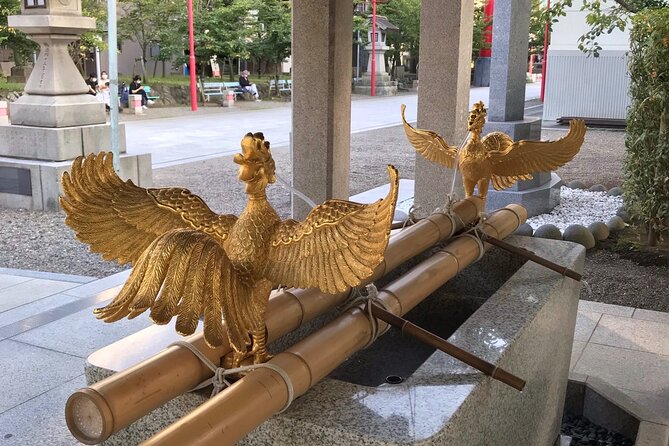
A great guide can turn dates and names into something you actually remember. In past departures, Sandra has been associated with this tour, and the common theme is how she keeps the story moving and understandable—especially when kids are along.
That matters because Edo-period culture can sound distant if the guide only talks academically. When explanations are paced well, you start connecting the dots on your own. You also get better at noticing details without needing a textbook.
If you’re coming as a history fan, you’ll likely appreciate how each stop reinforces the others—fire display as community ritual, shrine as long-standing spiritual space, museum as reconstructed daily life. If you’re coming with family, the structure helps: each stop has a clear focus, and the tour doesn’t drag.
Price and Value: What $48.99 Buys You in Real Time
Let’s talk money in a practical way. At $48.99 per person, you’re paying for a guided, small-group experience lasting around 4 hours. The tour includes all fees and taxes, which is one of those details that saves you from surprise add-ons later.
More importantly, not all stops are equal when it comes to what you’re getting:
- Fukagawa Fudodo includes admission and is the fire display anchor
- Tomioka Hachimangu includes admission and delivers the shrine history plus sumo memorial stone highlight
- The Fukagawa Edo Museum and later stops have admission noted as free for the experience
Lunch is not included, so you’ll likely want to plan a snack or meal before you start or afterward. That’s not a deal-breaker; it just means this is a culture-focused morning rather than a full-day food-and-fun excursion.
For me, the value looks strongest if you want a guided route that strings together multiple Edo-themed experiences without you needing to research each location on your own. You’re paying for coherence, not just access.
Who Should Book This Edo Tokyo Tour (And Who Might Skip It)
This tour is a strong fit if you:
- Want Edo-period Tokyo without spending your whole day on logistics
- Like a mix of temple + shrine + museum rather than only modern city sights
- Enjoy calm endings, not just a nonstop line of crowds
- Want a small group where the guide can slow down and answer questions
It may not be your best match if you:
- Are only interested in Tokyo’s biggest landmarks and don’t want a Koto-focused route
- Need a lot of time for shopping or a long lunch stop
- Are visiting during weather that’s likely to disrupt outdoor walking (the tour requires good weather)
The format is practical: one meeting point, clear stops, and a convenient finish near Kiyosumi Gardens.
Should You Book It?
I think you should book this Edo Tokyo Small-Group Tour if you want something more meaningful than a checklist. The combination of a fire ceremony, a 1627 shrine, life-sized Edo streetscapes, a sweet shop break, and a finishing garden visit creates a full story arc in just a few hours.
If your Tokyo plan includes time for quiet breaks and you like understanding how everyday life used to work, this tour gives you that through a smart route choice and a guide-led explanation style. Just be ready to walk and be flexible with weather, since the experience depends on it.
FAQ
How long is the Edo Tokyo small-group tour?
It runs for about 4 hours.
How many people are in the group?
The tour has a maximum of 7 travelers (people).
Where do we meet and when does the tour start?
You meet at Monzen-nakacho Station and the tour starts at 10:00 am.
Where does the tour end?
The tour ends at Kiyosumi Gardens.
Is lunch included?
No, lunch is not included.
What does the price include?
The price includes all fees and taxes.
Is cancellation allowed, and how far in advance?
Yes. You can cancel for a full refund up to 24 hours before the experience starts.
More Historical Tours in Tokyo
- Tokyo: Imperial Palace and Shogun Historical Walking Tour
★ 5.0 · 2,251 reviews - Tokyo: Imperial Palace Japanese History Walking Tour
★ 4.9 · 987 reviews - Yanaka Walking Tour: Historic and Traditional District of Tokyo
★ 5.0 · 530 reviews - Tokyo: Shinjuku Historical Walking Tour & Secret Backstreets
★ 5.0 · 530 reviews - Mt. Fuji Heritage Tour: Traditional Villages, Lakes & Shrine
★ 4.5 · 509 reviews
More Tours in Tokyo
- Mt Fuji and Hakone 1-Day Bus Tour Return by Bullet Train
★ 5.0 · 26,383 reviews - 1-Day Tokyo Bus Tour
★ 5.0 · 14,250 reviews - Tokyo: Shinjuku Food Tour (13 Dishes at 4 Local Eateries)
★ 5.0 · 6,603 reviews - Tokyo Mt Fuji 5th St & Hakone Cruise Bus Tour w/Bullet Train
★ 4.4 · 5,024 reviews - Flagship 2-Hours Official Street Go-Kart Tour – Tokyo Bay Shop
★ 5.0 · 4,974 reviews
More Tour Reviews in Tokyo
- Mt Fuji and Hakone 1-Day Bus Tour Return by Bullet Train
★ 5.0 · 26,383 reviews - 1-Day Tokyo Bus Tour
★ 5.0 · 14,250 reviews - Tokyo: teamLab Planets TOKYO Digital Art Museum Entry Ticket
★ 4.6 · 9,779 reviews - Mt Fuji & Hakone Cruise, Drum Show Bullet Train 1 Day from Tokyo
★ 4.0 · 7,413 reviews - Tokyo: Shinjuku Food Tour (13 Dishes at 4 Local Eateries)
★ 5.0 · 6,603 reviews
Latest Tokyo reviews off our desk



Historical Tours, compared.
 ★ 5.0Imperial Palace and Shogun Historical Walking TourFrom $222,251 reviews
 ★ 4.9Imperial Palace Japanese History Walking TourFrom $32987 reviews
 ★ 5.0Yanaka Walking Tour: Historic and Traditional District of TokyoFrom $72530 reviews
 ★ 5.0Shinjuku Historical Walking Tour & Secret BackstreetsFrom $25530 reviews
 ★ 4.5Mt. Fuji Heritage Tour: Traditional Villages, Lakes & ShrineFrom $50509 reviews
 ★ 4.9From Tokyo: Nikko World Heritage Site Private Full-Day TripFrom $483243 reviews
 ★ 4.9The Best of Izakaya in Shinjuku Food & Cultural TourFrom $129221 reviews
 ★ 5.0Yanaka Historical Walking Tour in Tokyo’s Old TownFrom $81182 reviews
Browse the lists this tour appears in