
Reviewed · MOUNT FUJI TOURS
Explore Mt. Fuji Ice Cave in Aokigahara Forest
Aokigahara’s Ice Cave is the kind of plan you can’t DIY easily. This guided trek gets you special access to lava-formed ice caverns tied to Mt. Fuji, with permits included and a small group pace.
I especially liked the way guides such as Tada and Takasi connect what you see in the forest to Mt. Fuji’s volcanic past. It turns a cold walk into a story you can actually follow.
Two big wins for me: the kit is handled (helmet, headlamp, gloves, coveralls), and the group size stays intimate so you’re not just herded through. One thing to consider: you’ll be walking on uneven ground and moving around rocks, so your shoes and balance matter.
In This Review
- Key Highlights to Know Before You Go
- Mt. Fuji Ice Cave in Aokigahara: Why This Feels Different
- Pickup, Timing, and the Gear That Makes the Cave Work
- Walking the Sea of Trees: What to Expect in Aokigahara Forest
- The Ice Cave Experience: Headlamp-Only, Cold Air, Real Cave Texture
- Connecting the Dots: Lava Tubes, Frozen History, and Ice Art
- The Forest Again: A Clean Exit from the Cold
- Who This Tour Suits Best (And Who Should Reconsider)
- Price and Value: Is $53.06 Worth It?
- What to Wear and How to Prep So You Don’t Freeze Out
- Should You Book This Mt. Fuji Ice Cave Tour?
- FAQ
- How long is the Mt. Fuji Ice Cave in Aokigahara Forest tour?
- Where is pickup and drop-off included?
- What equipment is provided for the ice cave?
- Do I need to arrange special entry permits?
- How big is the group?
- Is this tour okay for children?
- What kind of physical fitness do I need?
- What if the weather is bad?
Key Highlights to Know Before You Go
- Permit access is included, so you’re not stuck trying to figure out entry rules on your own
- Gear comes with the tour: helmet, headlamp, gloves, and an overall for real cave comfort
- Small-group vibe (up to 12) and sometimes very small numbers, which keeps the pace human
- A headlamp-only cave rule helps you experience the ice darkness the way it’s meant to feel
- 0°C cave conditions make your senses work fast: cold, damp air, and close-up textures
Mt. Fuji Ice Cave in Aokigahara: Why This Feels Different
This tour is built around one simple problem: getting into Aokigahara’s Mt. Fuji Ice Cave is hard for most independent travelers. The route is remote, and the entry rights are part of what makes the experience possible. Here, you get the entry access handled through special permits included in the tour.
What that means in real life is calmer time. Instead of worrying about logistics, you’re focused on the walk and the cold underworld. And instead of being surrounded by strangers snapping photos, you’re in a small group where your guide can adjust to the weather, the pace, and the terrain.
Also, Aokigahara isn’t just “a forest.” It’s a volcanic environment with a well-known reputation. A good guide matters here, and the ones you’ll meet—like Tada and Takasi—tend to keep the tone respectful while still being practical about safety and the geology.
More Fuji day trips our readers rated highly
- Mt Fuji Area Private Guided Tours in English-Nature up close, quiet, personal
★ 5.0 · 288 reviews - Explore Mt. Fuji Ice Cave in Aokigahara Forest
★ 5.0 · 243 reviews - Ramen Cooking Class at Ramen Factory in Mt.Fuji
★ 5.0 · 101 reviews - Early Morning Kayaking With Views of Mt Fuji at Lake Kawaguchiko
★ 5.0 · 69 reviews
Pickup, Timing, and the Gear That Makes the Cave Work
The tour starts with pickup and drop-off around Lake Kawaguchiko—typically Kawaguchiko Station and hotels in that area. You ride in an air-conditioned vehicle, which is a small comfort that adds up when you’re heading out early or if the weather is messy.
Before you leave the base area, there’s a preparation step that’s more important than it sounds. You’ll get:
- helmet
- headlamp
- overall/coveralls
- gloves
- time to change clothes and handle basics like the restroom
Then you move to the starting point for the hike. Expect around 3 hours total, give or take depending on progress.
Why I like this setup for you: the cave is cold and damp, and having the right layers is half the battle. The tour provides the gear so you don’t have to gamble on rentals or bring extra items that you’ll only use for one short adventure.
Walking the Sea of Trees: What to Expect in Aokigahara Forest
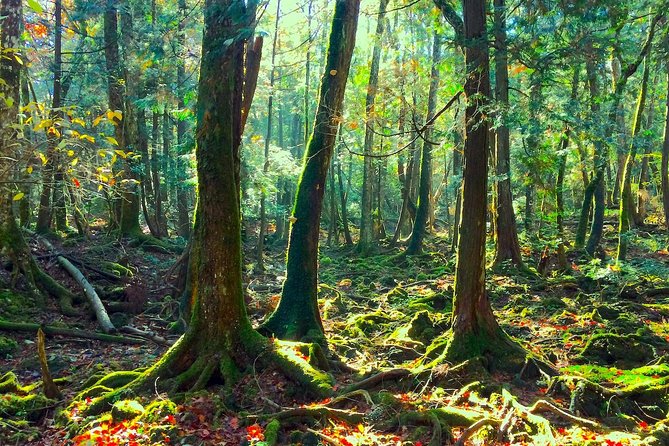
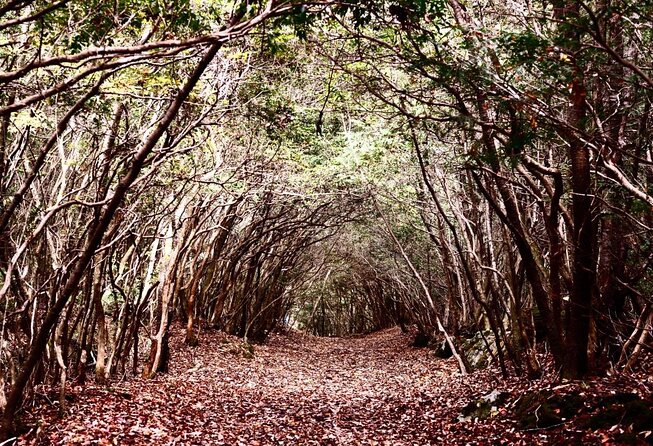
Once you’re moving, the forest sets the tone fast. You’ll walk through Aokigahara (also called the Sea of Trees) before you reach the cave area.
This is the part that slows your brain down—in a good way. The soil is volcanic and the air can feel thick with moisture. Your guide points out details along the way, usually blending two tracks:
1) how the volcanic terrain works
2) how people used the caves and the forest environment historically
You’ll also likely get your bearings on how to move. That matters, because the forest floor and the route to the lava caverns aren’t “park smooth.” You’re walking in an active natural setting, not a paved attraction.
One practical note: the tour assumes you have a moderate fitness level. It’s not a marathon, but it’s not a stroll either. Wear shoes that grip well, and don’t plan to go in brand-new sneakers.
The Ice Cave Experience: Headlamp-Only, Cold Air, Real Cave Texture
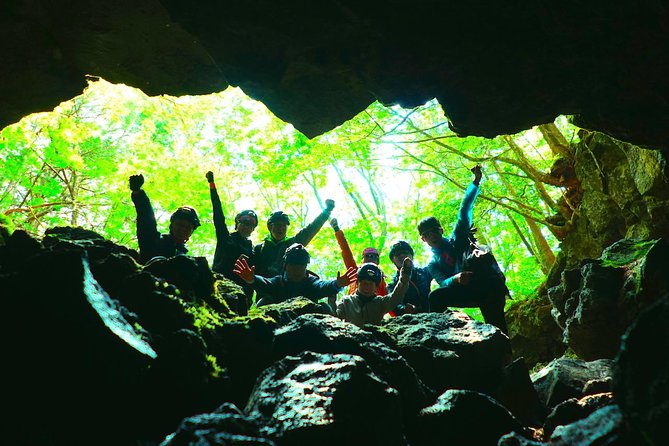
Then comes the main event: the lava-formed ice cave. This is where your senses take the microphone.
You’ll spend about 60 minutes exploring the ice cave, and the lighting setup is simple: you’re using a headlamp (not broad handheld lighting). That single-light feeling is part of the authenticity. It also makes the experience safer and more controlled in tight spaces.
Inside, you’re dealing with around 0°C air. Even if you dress warm, you’ll feel the cold immediately. The helmet and gloves aren’t just for style—they help you handle contact with rocky surfaces and keep your hands usable while you move.
You should also expect some maneuvering. The cave route involves moving around rocks and navigating uneven ground. In practice, it means:
- you may need to scramble a bit
- your footing needs to be steady
- you should take your time and follow your guide’s instructions
This isn’t the best fit if you have mobility limits or if you’re worried about balance.
Connecting the Dots: Lava Tubes, Frozen History, and Ice Art
Here’s what makes the Mt. Fuji Ice Cave more than a “cool place to see.” It’s tied to volcanic cause-and-effect.
About 1,200 years ago, Mt. Fuji had a major eruption. Lava flows formed caves out of hardened volcanic rock. Over time, melted snow and cold conditions helped freeze and shape ice inside these volcanic spaces—creating the ice formations you’re coming to see.
That’s why the tour feels educational without turning into a lecture. Your guide connects the story to what’s in front of you: ice shapes that look like art, textures that show how the cave cooled over time, and the way the surrounding environment supports those formations.
Some tours talk about the ice. This one links it back to Mt. Fuji’s geology, and the result is that you understand what you’re looking at, not just that it’s pretty.
- Private guided hidden gems tour by local English speaking driver★ 5.0 · 142 reviews
- Mt. Fuji Five Lakes Area Private Tour with Licensed Guide(Kawaguchiko area Dep)★ 5.0 · 55 reviews
- Cute & Fun E-Car tour following guide around Lake Kawaguchiko★ 5.0 · 54 reviews
- Hidden Fuji drive tour with a Local English speaking guide★ 5.0 · 43 reviews
- Ramen Cooking Class at Lake Kawaguchiko (Short Course)★ 5.0 · 42 reviews
The Forest Again: A Clean Exit from the Cold
After the cave portion, you’ll walk back through Aokigahara again (another block of forest time). This second forest walk gives you a natural reset. Your body stops shivering as much, and your mind comes back online after the cave’s close-up cold and confined feeling.
It’s also the time where the guide’s knowledge can land as “context.” You start to see the forest as part of the same system rather than a separate stop.
In total, the walking pattern is roughly:
- forest walk
- cave exploration
- forest walk back
And the exact timing can shift depending on conditions and how the group is doing.
Who This Tour Suits Best (And Who Should Reconsider)
This is a great fit if you want:
- an off-the-radar Fuji-area activity
- a guided experience with real access (permits included)
- a cold-weather challenge that still feels safe because you’re with a pro
It’s also a good option for people who prefer small groups. Reviews and the tour design both point toward a personal pace, and sometimes you may end up with very few people in your slot, which lets your guide spend more time with you.
Who should reconsider:
- If you’re pregnant, the tour notes it may not be safe
- If you’ve been drinking, the tour notes it may not be safe
- If you have mobility restrictions or worry about uneven rocky terrain, the cave maneuvering could be an issue
Kids are allowed, but children must be accompanied by an adult. If you’re traveling with a child, the best move is to set expectations: cold, headlamp time, and moving around rocks.
Price and Value: Is $53.06 Worth It?
At $53.06 per person, this looks “reasonable” only if you include what’s actually in the package. You’re paying for more than a guide. You’re paying for:
- special entry permits that give access to these ice caverns
- the cave equipment (helmet, headlamp, gloves, coveralls/overall)
- round-trip transport from the Kawaguchiko area (pickup and drop-off)
- a small-group format that helps keep the experience safe and manageable
If you were trying to piece this together yourself, you’d likely spend time chasing entry requirements and finding a route that matches the cave access. Time has value, especially if you’re only in the Fuji area for a day or two.
So for me, the price feels like good value if you care about doing the hard part correctly: proper access, proper gear, and a guide who can keep you safe while you explore a cold volcanic space.
What to Wear and How to Prep So You Don’t Freeze Out
Dress for real winter conditions. The tour recommends outdoor clothing like:
- long sleeves and long pants
- a winter jacket
- layers that you can move in
Because you’ll get an overall, you don’t need to wear bulky fashion underneath. But you do want warmth where it counts: arms, legs, and feet.
Shoes are the biggest “don’t wing it” item. The cave involves moving around rocks and can require scrambling, so bring footwear with good grip. If your shoes are smooth on wet surfaces, switch them now.
Finally, plan your expectations for photos. Pictures can show the ice, but they won’t capture how cold and close-up it feels. I’d treat photos as a bonus, not the goal.
Should You Book This Mt. Fuji Ice Cave Tour?
I’d book it if you want a Fuji-area day that’s genuinely different: ice underground, lava history overhead, and a forest walk that feels like it belongs to the same story. The included permits and cave gear are the real selling points, and the small-group pace makes it feel human.
I would skip or choose a different activity if you’re not comfortable with uneven terrain or if the cave’s cold and maneuvering would stress you out. This isn’t a “sit and watch” stop.
If you’re the kind of traveler who likes stories you can point at—volcano to lava tube to frozen ice—this tour fits you well.
FAQ
How long is the Mt. Fuji Ice Cave in Aokigahara Forest tour?
It runs about 3 hours (approx.), and the timing can shift depending on how the group is progressing.
Where is pickup and drop-off included?
Pickup and drop-off are included from Kawaguchiko Station and hotels around Lake Kawaguchiko.
What equipment is provided for the ice cave?
You’ll receive exploration equipment including a helmet, overall, gloves, and a headlight.
Do I need to arrange special entry permits?
No. The tour includes special entry permits for exclusive access to the lava-formed ice caverns, and it also includes entry to the Real Cave.
How big is the group?
Small-group tours are capped at a maximum of 12 people. The activity information also states a maximum of 1 traveler for the booking.
Is this tour okay for children?
Children must be accompanied by an adult.
What kind of physical fitness do I need?
You should have a moderate physical fitness level. The experience includes walking in the forest and exploring a cave, with some maneuvering around rocks.
What if the weather is bad?
The tour requires good weather. If it’s canceled due to poor weather, you’ll be offered a different date or a full refund.
More Tour Reviews in Fujikawaguchiko machi
- Mt Fuji Area Private Guided Tours in English-Nature up close, quiet, personal
★ 5.0 · 288 reviews - Private guided hidden gems tour by local English speaking driver
★ 5.0 · 142 reviews - Ramen Cooking Class at Ramen Factory in Mt.Fuji
★ 5.0 · 101 reviews - Early Morning Kayaking With Views of Mt Fuji at Lake Kawaguchiko
★ 5.0 · 69 reviews - Johnny’s Exclusive: Mt. Fuji Adventure from Kawaguchiko
★ 5.0 · 62 reviews
More Mount Fuji Days We Have Reviewed
- Mt Fuji Area Private Guided Tours in English-Nature up close, quiet, personal
★ 5.0 · 288 reviews - Ramen Cooking Class at Ramen Factory in Mt.Fuji
★ 5.0 · 101 reviews - Early Morning Kayaking With Views of Mt Fuji at Lake Kawaguchiko
★ 5.0 · 69 reviews - Johnny’s Exclusive: Mt. Fuji Adventure from Kawaguchiko
★ 5.0 · 62 reviews - Mt. Fuji Five Lakes Area Private Tour with Licensed Guide(Kawaguchiko area Dep)
★ 5.0 · 55 reviews
Latest Fujikawaguchiko machi reviews off our desk
Mount Fuji Tours, compared.
 ★ 5.0Mt Fuji and Hakone 1-Day Bus Tour Return by Bullet TrainFrom $16326,383 reviews
 ★ 4.0Mt Fuji & Hakone Cruise, Drum Show Bullet Train 1 Day from TokyoFrom $1497,413 reviews
 ★ 4.4Tokyo Mt Fuji 5th St & Hakone Cruise Bus Tour w/Bullet TrainFrom $1545,024 reviews
 ★ 4.5From Tokyo: Mount Fuji Full-Day Sightseeing TripFrom $684,970 reviews
 ★ 4.7Mt. Fuji Tour, Hakone Ropeway, Owakudani, Lake AshiFrom $544,002 reviews
 ★ 4.4Mt.Fuji,Kawaguchiko Oishi Park,Arakurayama Sengen ParkFrom $542,682 reviews
 ★ 4.2Mt. Fuji 5th Station & Hakone Cruise 1-Day Bus TourFrom $1292,381 reviews
 ★ 4.7Mt Fuji Top 5 Spots Day Tour: Arakurayama Park,Oshino HakkaiFrom $532,066 reviews