
Reviewed · MOUNT FUJI TOURS
Private Tour of Mt. Fuji Culture and Nature Walk
Fuji feels personal on this walk. This private Mt. Fuji culture-and-nature tour pairs a morning view from Sankodai with Aokigahara forest time and faith sites, all explained by Momo. You’re not just checking boxes. You’ll follow a planned route that connects the mountain to daily life, belief, and landscape around Fujikawaguchiko-machi.
I especially like two things: first, the way the day moves from big views to grounded nature walks, so it feels balanced instead of all scenery. Second, Momo’s academic-style explanations make the sites easier to understand, from shrine meaning to pilgrimage practice. The one thing to watch is physical pacing—there’s walking (including a short hilltop walk) and cave interiors, so wear solid shoes and ask Momo how to adjust if needed.
In This Review
- Key points to know before you go
- Why Mt. Fuji Here Feels More Than a Photo
- Morning at Sankodai: Fuji, Lakes, and Aokigahara in One Direction
- Aokigahara Forest Bathing in the Jukai Sea of Trees
- Narusawa Ice Cave: A Cool Break Inside the Fuji Zone
- Funatsu Tainai Jugata Lava Tree Mold for Fuji-ko Pilgrimage Meaning
- Kitaguchi Hongu Fuji Sengen Jinja Shrine: Meaning Beyond the Photo
- Timing, Pace, and What’s Actually Included
- Price and Value: How $99.40 Makes Sense for a Private Guide
- Who Should Book This Mt. Fuji Culture and Nature Walk
- Should You Book This Private Tour With Momo?
- FAQ
- How long is the Mt. Fuji culture and nature walk?
- What’s the meeting point and starting time?
- Is pickup included?
- Is this tour private?
- What’s included in the price?
- Are entrance tickets included?
- Are drinks and snacks included?
- What are the main stops during the day?
- What if I need to cancel?
- Is the tour suitable for people with limited walking ability?
Key points to know before you go
- Sankodai morning view: Mt. Fuji straight ahead, lakes below, and Aokigahara spreading out—after a short walk to the hilltop.
- Aokigahara forest bathing: you spend real time in the Jukai “sea of trees” setting, plus cave stops along the way.
- Narusawa Ice Cave year-round: included admission, with a cool, sheltered stop that breaks up the day.
- Funatsu Tainai Jugata lava tree mold: you go inside a historical pilgrimage cave linked to Fuji-ko worship.
- Kitaguchi Hongu Fuji Sengen Jinja explained, not rushed: Momo focuses on meaning, not just what’s in photos.
- Private flow with lunch and transport: private transportation and lunch are included, with a mobile ticket for the day’s stops.
Why Mt. Fuji Here Feels More Than a Photo
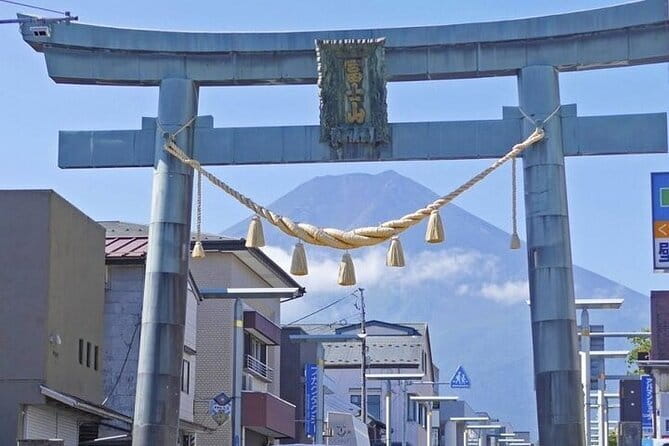
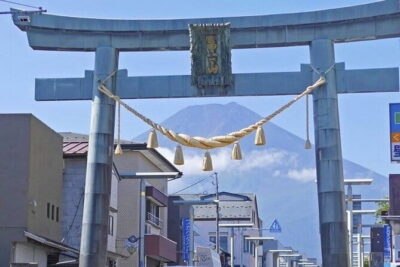
Mt. Fuji isn’t treated like a background prop in this tour. In Japanese belief, the mountain has been a spiritual symbol for more than 1500 years, and people traditionally thought of it as a god. Shrines, worship sites, and pilgrimages grew around that idea—and that’s the thread Momo follows all day.
You’ll also notice how the tour mixes scale and detail. One moment you’re taking in the wide framing from Sankodai. Next, you’re in Aokigahara and cave spaces where the mountain’s presence feels more intimate and grounded. For people who like their sightseeing with context, this format is a strong match.
A private guide matters here too. Your group can move at a human pace, and you can ask questions as you go. One review highlighted that Momo helps before you even arrive—especially helpful if you’re figuring out bus connections on your way to the meeting point.
More Fuji day trips our readers rated highly
- Mt Fuji Area Private Guided Tours in English-Nature up close, quiet, personal
★ 5.0 · 288 reviews - Explore Mt. Fuji Ice Cave in Aokigahara Forest
★ 5.0 · 243 reviews - Ramen Cooking Class at Ramen Factory in Mt.Fuji
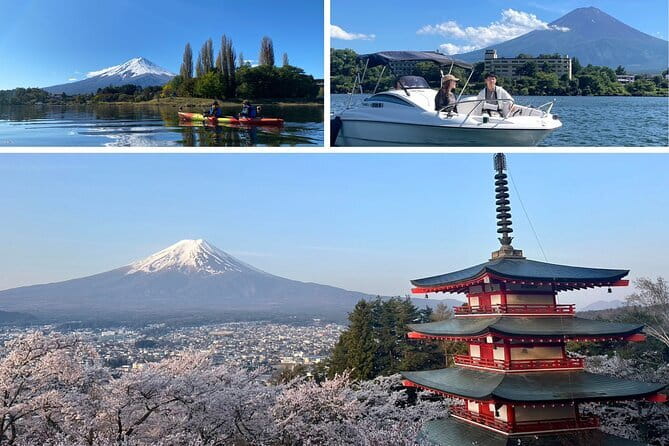
★ 5.0 · 101 reviews - Early Morning Kayaking With Views of Mt Fuji at Lake Kawaguchiko
★ 5.0 · 69 reviews
Morning at Sankodai: Fuji, Lakes, and Aokigahara in One Direction
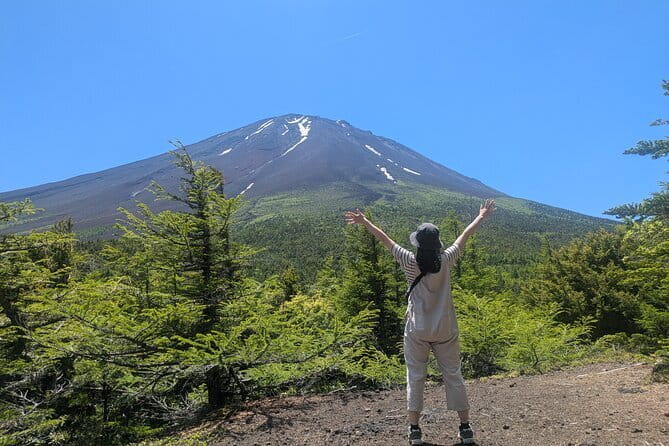
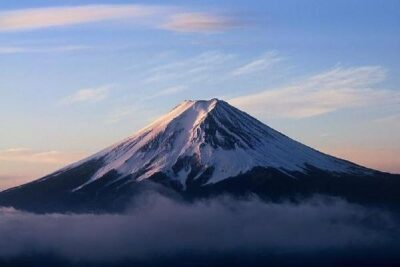
Stop 1 is Sankodai, the kind of spot that makes you say, so that’s why people come. You’ll get a panoramic view of Mt. Fuji right in front of you, plus the lakes below and a broad stretch of Aokigahara forest in the distance. The stop includes about 15 minutes of walking to reach the hilltop, so plan for a light climb rather than a perfectly flat stroll.
This is also where the day’s geography clicks. Seeing Fuji stacked against lakes and forest at the same time helps you understand why the later cultural sites make sense. You’re not just moving through places—you’re building a mental map of how the mountain shapes the surrounding area.
The admission for Sankodai is free, so the value is in the view time and the explanation. If the morning is clear, you’re set up for the most dramatic “Fuji centered” moment of the day. If visibility is less than perfect, Momo’s talk still helps you appreciate the spiritual and cultural logic of the route.
Aokigahara Forest Bathing in the Jukai Sea of Trees
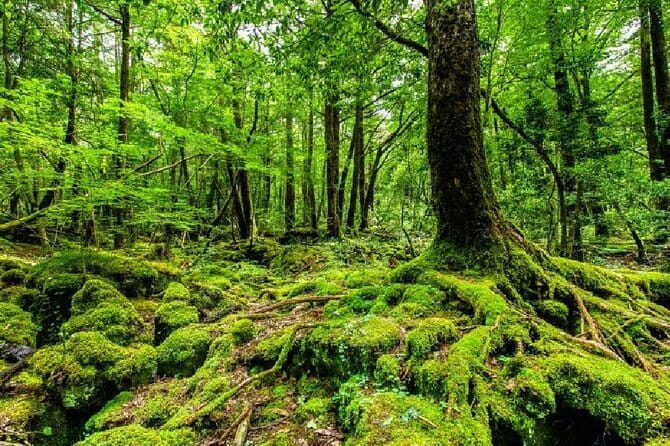
Stop 2 is Aokigahara Forest, where the tour shifts from open-air views to quieter, slower nature time. Momo leads you through the famous forest and includes visits to some caves. The goal here isn’t speed—it’s that “forest bathing” feeling, where you slow down and take in textures, sounds, and the sense of being in a living space.
This stop is free of admission fees, so again, you’re paying primarily for guiding and interpretation. That matters, because Aokigahara is widely known, but it’s also easy to leave with only one impression. With Momo’s approach, you get a framework that ties the forest setting to the broader Mt. Fuji world of belief and place.
A practical note: forest paths and cave visits can mean uneven ground. I’d treat this part as comfortable-walking territory, not museum-floor easy. If your group needs a gentler pace, a private guide can help you plan how to manage time and energy.
Narusawa Ice Cave: A Cool Break Inside the Fuji Zone
Stop 3 is the Narusawa Hyoketsu (Ice Cave), about an hour. It’s located at the east entrance to the Aokigahara Jukai “sea of trees” forest, and it’s regarded as a spot you can visit throughout the year. Included admission makes this a straightforward, no-extra-fee stop.
What’s special here is the contrast. After walking through forest atmosphere, you shift into an ice-cave environment where temperature and light feel different. Even if you’ve seen cave photos before, going inside changes the experience—you feel the coolness and the enclosure in a way that’s hard to replicate from outside.
Potential drawback: caves often mean uneven surfaces and steps. The tour includes time for the stop (about an hour), but I’d still bring shoes with grip and be ready to move carefully. If you’re traveling with someone who has mobility concerns, this is a good moment to ask your guide what’s the most manageable path.
Funatsu Tainai Jugata Lava Tree Mold for Fuji-ko Pilgrimage Meaning
Stop 4 is Funatsu Tainai Jugata Lava Tree Mold, another included admission stop, and it’s built around a key idea: this is not just a rock formation. It’s a historical cave tied to Fuji-ko pilgrims—worshippers who honored the mountain before starting their climb. You’ll actually go inside the cave, so the spiritual part isn’t only in the background. The tour frames the space as something people visited with intention.
This is one of the reasons the tour feels different from a standard scenic circuit. You’re moving from forest and ice to a site that connects physical space with ritual practice. The cave setting helps you understand why people might have paused there: it’s an in-between space before the main ascent, a place of respect and mindset.
The tour gives about one hour here, which is enough for the cave experience plus explanation without feeling rushed. If you don’t love enclosed spaces, you can still participate, but do tell Momo so your route and time inside can be handled with care. Private format helps with that.
- Private guided hidden gems tour by local English speaking driver★ 5.0 · 142 reviews
- Mt. Fuji Five Lakes Area Private Tour with Licensed Guide(Kawaguchiko area Dep)★ 5.0 · 55 reviews
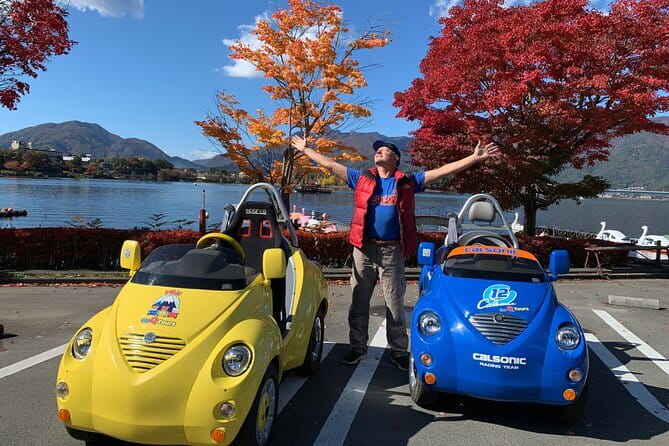
- Cute & Fun E-Car tour following guide around Lake Kawaguchiko★ 5.0 · 54 reviews
- Hidden Fuji drive tour with a Local English speaking guide★ 5.0 · 43 reviews
- Ramen Cooking Class at Lake Kawaguchiko (Short Course)★ 5.0 · 42 reviews
Kitaguchi Hongu Fuji Sengen Jinja Shrine: Meaning Beyond the Photo
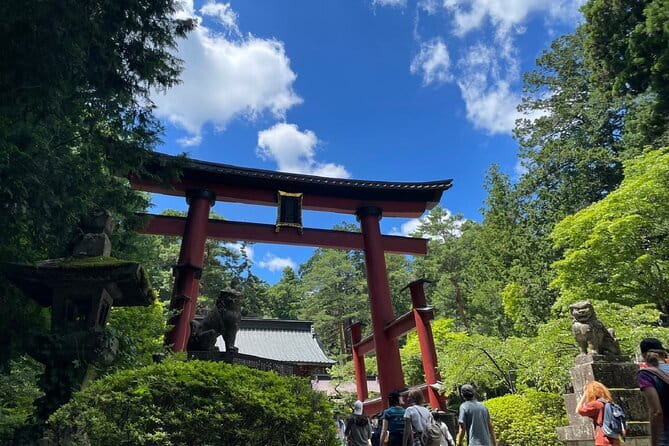
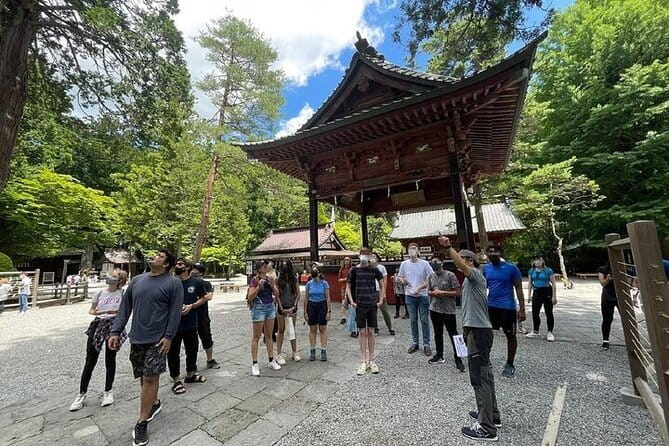
Stop 5 is Kitaguchi Hongu Fuji Sengen Jinja, one of the main shrine sights in the Mt. Fuji area. You’ll spend about an hour there, and admission is free. Momo specifically focuses on a common issue: it’s easy to look only at the surfaces of the shrine and miss what the place is really about.
This is where the “academic and detailed explanations” really pay off. The shrine is majestic, yes—but the tour tries to explain significance instead of treating the site like a pretty waypoint. If you like understanding why certain rituals exist and what structures symbolize, this part will feel like the payoff to the morning’s view and the afternoon’s nature stops.
I also like that this stop anchors the day back to living tradition. Mt. Fuji isn’t only a mountain you look at—it’s a spiritual axis that shaped worship for centuries. Ending the cultural sequence at a major shrine makes the tour’s theme land cleanly.
Timing, Pace, and What’s Actually Included
The tour runs about 6 hours, starting at 9:00 am. You meet at Kawaguchiko Bus Station No.2 in Funatsu, and the day ends back at the meeting point. Pickup is offered, which helps a lot if you don’t want to waste your morning figuring out local transport.
You’ll also have private transportation and a guide/driver, plus lunch is included. That’s a real value point because it reduces decision fatigue during a packed day. Admission fees are covered for the stops listed as included, and the remaining stops are free per the tour plan.
What’s not included is drinks and snacks. I’d plan a small buffer for water, especially after walking and cave visits. Even if lunch is provided, thirst and snack needs don’t always line up with meal timing.
As for pace, there’s walking at Sankodai (around 15 minutes to the hilltop) and time spent moving through forest areas and cave environments. The tour notes that most people can participate, and one review specifically described Momo adjusting for a 75-year-old who had difficulty walking long distances. That’s comforting if you’re worried about energy levels—private tailoring is a genuine strength here.
Price and Value: How $99.40 Makes Sense for a Private Guide
At $99.40 per person, this tour sits in a price range where you’re usually paying for logistics. Here, you’re getting far more than transport: private transportation, lunch, and a guide/driver are included, along with all fees and taxes. Some major moments are also handled through included admissions (like the ice cave and lava tree mold), so you’re not constantly checking what costs extra.
The value question really comes down to your travel style. If you only want quick photo stops with minimal context, a self-guided day could be cheaper. But if you want the spiritual and cultural logic explained—why shrines are placed where they are, why Fuji-ko pilgrims used certain spaces, and what Aokigahara’s setting means in the wider Fuji world—then the guide time is the product.
The private format also matters. Instead of being rushed with a big group, you can spend more time at the view when the light is right, or move carefully inside caves and still stay on schedule.
One more detail: the experience uses a mobile ticket, which helps keep the day simple. Book ahead and you’ll be ready to go without chasing paper.
Who Should Book This Mt. Fuji Culture and Nature Walk
I’d point you to this tour if you want Mt. Fuji culture, not just Mt. Fuji scenery. It’s a strong fit for people interested in Japanese spirituality, history, and pilgrimage traditions. Momo is a sociology teacher, and that background comes through in how the sites are interpreted.
You’ll also appreciate the mix of nature and ritual space. The day isn’t only forest; it includes open views, ice cave environment, and shrine meaning. That combination is great if you get bored with one-note itineraries.
This is especially good for couples, small families, and small groups who want a private pace. If someone in your group has trouble walking long distances, the tour appears able to adjust—at least based on prior experience with Momo. Still, you should be honest about limits before you arrive so the route can match your needs.
Should You Book This Private Tour With Momo?
Book it if you care about understanding Mt. Fuji as a spiritual and cultural presence. The tour’s strongest feature is the way it connects view points, forest space, cave sites, and shrine meaning into one coherent story—guided by Momo’s detailed explanations.
Skip it if you want a purely scenic, no-explanations outing, or if your group avoids caves and enclosed spaces. And if you’re sensitive about walking, bring good shoes and plan to ask for pacing adjustments early.
If your goal is to come away with more than photos—if you want to understand why these places matter—this is one of the more thoughtful ways to spend a half-day around Fujikawaguchiko.
FAQ
How long is the Mt. Fuji culture and nature walk?
The tour lasts about 6 hours.
What’s the meeting point and starting time?
You meet at Kawaguchiko Bus Station No.2 (Funatsu) at 9:00 am, and the tour ends back at the meeting point.
Is pickup included?
Pickup is offered.
Is this tour private?
Yes. It’s a private tour, so only your group participates.
What’s included in the price?
All fees and taxes are included, along with private transportation, lunch, and a guide/driver.
Are entrance tickets included?
Admission for some stops is free, and admission is included for Narusawa Ice Cave and Funatsu Tainai Jugata Lava Tree Mold.
Are drinks and snacks included?
No. Drinks and snacks are not included.
What are the main stops during the day?
The stops are Sankodai, Aokigahara Forest, Narusawa Ice Cave, Funatsu Tainai Jugata Lava Tree Mold, and Kitaguchi Hongu Fuji Sengen Jinja Shrine.
What if I need to cancel?
Cancellation is free up to 24 hours in advance for a full refund.
Is the tour suitable for people with limited walking ability?
The tour states most people can participate. Also, in at least one case, Momo modified the tour so a person with difficulty walking long distances could actively participate.
More Tours in Fujikawaguchiko machi
- Mt Fuji Area Private Guided Tours in English-Nature up close, quiet, personal
★ 5.0 · 288 reviews - Private guided hidden gems tour by local English speaking driver
★ 5.0 · 142 reviews - Mt. Fuji Five Lakes Area Private Tour with Licensed Guide(Kawaguchiko area Dep)
★ 5.0 · 55 reviews - Cute & Fun E-Car tour following guide around Lake Kawaguchiko
★ 5.0 · 54 reviews - Hidden Fuji drive tour with a Local English speaking guide
★ 5.0 · 43 reviews
More Tour Reviews in Fujikawaguchiko machi
- Mt Fuji Area Private Guided Tours in English-Nature up close, quiet, personal
★ 5.0 · 288 reviews - Explore Mt. Fuji Ice Cave in Aokigahara Forest
★ 5.0 · 243 reviews - Private guided hidden gems tour by local English speaking driver
★ 5.0 · 142 reviews - Ramen Cooking Class at Ramen Factory in Mt.Fuji
★ 5.0 · 101 reviews - Early Morning Kayaking With Views of Mt Fuji at Lake Kawaguchiko
★ 5.0 · 69 reviews
More Mount Fuji Days We Have Reviewed
- Mt Fuji Area Private Guided Tours in English-Nature up close, quiet, personal
★ 5.0 · 288 reviews - Explore Mt. Fuji Ice Cave in Aokigahara Forest
★ 5.0 · 243 reviews - Ramen Cooking Class at Ramen Factory in Mt.Fuji
★ 5.0 · 101 reviews - Early Morning Kayaking With Views of Mt Fuji at Lake Kawaguchiko
★ 5.0 · 69 reviews - Johnny’s Exclusive: Mt. Fuji Adventure from Kawaguchiko
★ 5.0 · 62 reviews
Latest Fujikawaguchiko machi reviews off our desk

Mount Fuji Tours, compared.
 ★ 5.0Mt Fuji and Hakone 1-Day Bus Tour Return by Bullet TrainFrom $16326,383 reviews
 ★ 4.0Mt Fuji & Hakone Cruise, Drum Show Bullet Train 1 Day from TokyoFrom $1497,413 reviews
 ★ 4.4Tokyo Mt Fuji 5th St & Hakone Cruise Bus Tour w/Bullet TrainFrom $1545,024 reviews
 ★ 4.5From Tokyo: Mount Fuji Full-Day Sightseeing TripFrom $684,970 reviews
 ★ 4.7Mt. Fuji Tour, Hakone Ropeway, Owakudani, Lake AshiFrom $544,002 reviews
 ★ 4.4Mt.Fuji,Kawaguchiko Oishi Park,Arakurayama Sengen ParkFrom $542,682 reviews
 ★ 4.2Mt. Fuji 5th Station & Hakone Cruise 1-Day Bus TourFrom $1292,381 reviews
 ★ 4.7Mt Fuji Top 5 Spots Day Tour: Arakurayama Park,Oshino HakkaiFrom $532,066 reviews
Browse the lists this tour appears in