
Reviewed · MOUNT FUJI TOURS
Hidden Fuji drive tour with a Local English speaking guide
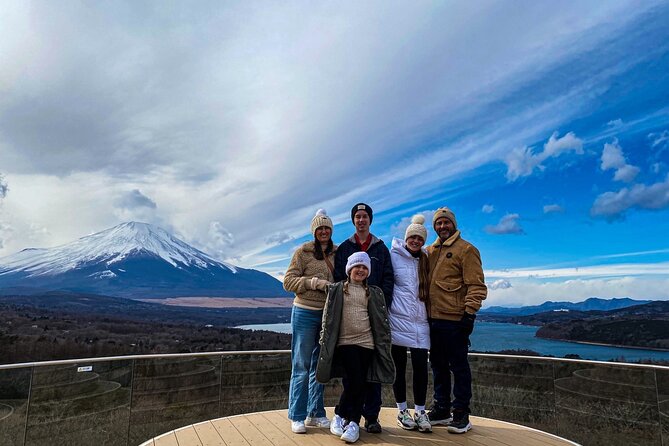
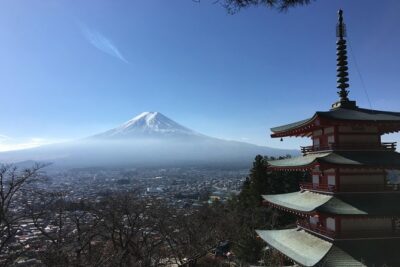
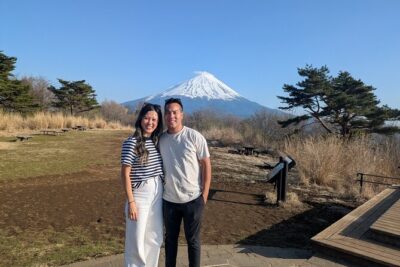
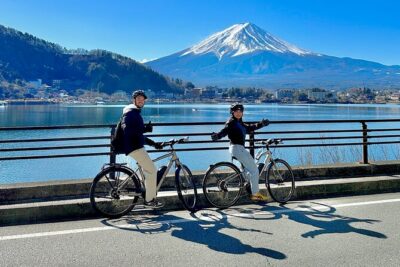
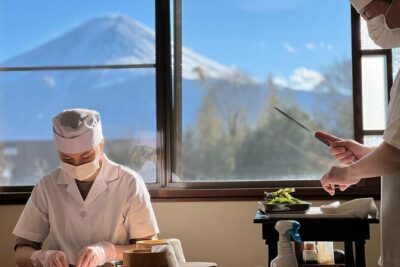
Mt. Fuji, minus the crowd shuffle. This private drive with Yuki keeps you in calmer corners around Kawaguchiko and the Fuji Five Lakes, with English explanations that make the scenery feel personal. I love the slower pace and the stops that most tour buses skip, but one consideration is that the tour is only for people who are already in the Kawaguchiko area (or arriving there themselves).
I also like how the day balances easy sightseeing with a few places that are more meaningful than postcard lookouts, like Kawaguchi Asama Shrine and the Aokigahara forest area. The optional climb toward the 5th station can be amazing, but it depends on weather and it’s an extra ticket cost if you go up.
In This Review
- Key highlights to look for on your day
- Why this private Hidden Fuji drive works (and when it doesn’t)
- The morning start: how you’ll begin your Fuji day
- Stop 1: Lake Kawaguchiko for first Fuji views
- Stop 2: Kawaguchi Asama Shrine and the idea of Fuji “settling”
- Stop 3: Saiko Lake for quiet blue water and calm viewing
- Stop 4: Aokigahara forest (Jukai) and the lava story
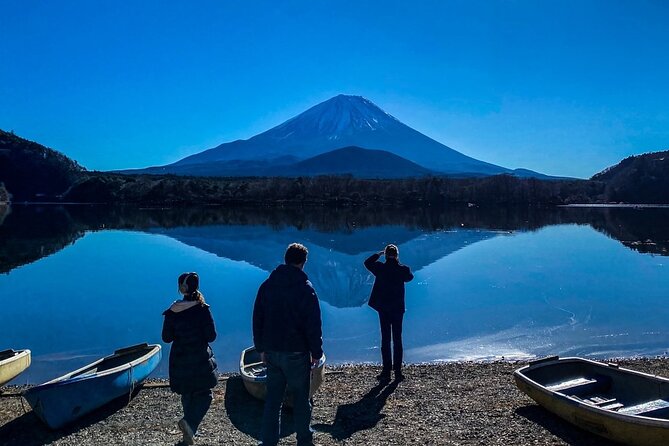
- Stop 5: Lake Shoji for a peaceful Fuji moment
- Stop 6: Menkyo-kaiden and Yoshida udon that actually hits
- Stop 7: Mt. Fuji approach toward the 5th station (optional)
- Stop 8: Fujisan Onsen Hotel Kaneyamaen gardens
- Price and value: what $396.31 per group really buys you
- The kind of traveler this tour fits best
- Practical tips to make the day smoother
- Should you book this Hidden Fuji drive tour?
- FAQ
- What area does this tour start from?
- How long is the tour?
- What’s the group size and price?
- Is pickup included?
- Is there an English-speaking guide?
- What kinds of stops are included?
- Are tickets and admissions included?
- Is lunch included?
- What if the weather is bad?
- When does the tour run?
- Is the cancellation refundable?
Key highlights to look for on your day
- Private group up to 5: you set the pace with Yuki, not a bus schedule.
- English-speaking local guide (Yuki): you get context, not just directions.
- Quiet Fuji viewpoints around Lake Kawaguchiko, Saiko Lake, and Lake Shoji.
- Aokigahara forest on lava ground with time to walk and see sacred ruins.
- Local food stop for Yoshida udon at Menkyo-kaiden.
- Optional Mt. Fuji 5th station approach if conditions allow, with a separate entry fee.
Why this private Hidden Fuji drive works (and when it doesn’t)
This tour is designed for one kind of day-trip traveler: the person who wants Fuji without feeling like they’re standing in a line with everyone else. You’re in Fujikawaguchiko-machi, cruising between lakes, shrines, and forest roads in a comfortable, air-conditioned vehicle while Yuki—your English-speaking local guide—handles the timing and the talking.
I like that the experience is built around getting to places that are quieter and less obvious, especially the routes between the Fuji Five Lakes. Instead of racing from one famous spot to another, the day is spaced out so you can actually look, breathe, and take in details.
The big “don’t ignore this” point: the tour is only available if you are coming to the Kawaguchiko area yourself or already staying there. In plain terms, don’t plan this as a tour you can book from far outside the area and expect to be picked up easily.
More Fuji day trips our readers rated highly
- Mt Fuji Area Private Guided Tours in English-Nature up close, quiet, personal
★ 5.0 · 288 reviews - Explore Mt. Fuji Ice Cave in Aokigahara Forest
★ 5.0 · 243 reviews - Ramen Cooking Class at Ramen Factory in Mt.Fuji
★ 5.0 · 101 reviews - Early Morning Kayaking With Views of Mt Fuji at Lake Kawaguchiko
★ 5.0 · 69 reviews
The morning start: how you’ll begin your Fuji day
The tour starts at 9:00 am, and you’ll use a mobile ticket. If you’re someone who hates hunting down last-minute meeting instructions, this is the type of setup that usually feels calmer—just have your phone ready.
The day is about 6 hours total, which is long enough to see multiple lakes and at least one forest area, but not so long that you lose energy. You’ll also have the benefit of parking fees included, which can sound boring until you’re sitting in a parking lot somewhere around Fuji thinking about tolls and meters.
One practical note: since you’ll be driving between viewpoints and stops, the timing works best when you dress for cool-to-mild weather and bring layers. Mt. Fuji can change mood fast, and you’ll often be stepping in and out of parked locations.
Stop 1: Lake Kawaguchiko for first Fuji views
You start at Lake Kawaguchiko for a quick orientation moment—about 10 minutes—with one goal: see Mt. Fuji and the lake from a good angle.
Why this matters is simple. Kawaguchiko is the hub of the Fuji Five Lakes area, and getting your bearings early helps the rest of the day make sense. You’ll also get a sense of how the lake sits against Fuji’s slopes, which makes later viewpoints easier to understand.
The only real downside here is that it’s brief. If you’re the type who could stand and watch water for an hour, just know this is a taste, not a long lounge.
Stop 2: Kawaguchi Asama Shrine and the idea of Fuji “settling”
Next up is Kawaguchi Asama Shrine, around 30 minutes. This shrine was built to pray for the goddess of Mt. Fuji to settle after a major eruption long ago, and the area includes seven ancient trees.
What I like about adding a shrine stop early is that it changes how you think about the mountain. Fuji isn’t just scenery here. It’s part of local life and local belief, and the shrine gives that context without turning the day into a museum.
The drawback? Shrines often mean you’ll be on foot for short stretches and you may step into shade or sun depending on the layout. It’s not a hard hike, but it’s still outdoors.
Stop 3: Saiko Lake for quiet blue water and calm viewing
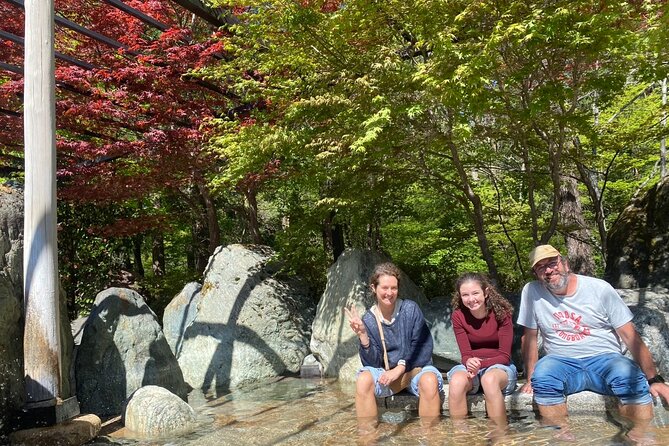
Then you head to Saiko Lake for about 20 minutes. The water is described as deep blue, fed by pure water from Mt. Fuji, and the idea is to enjoy the views quietly—especially so you don’t disturb local anglers.
This is one of those stops where the value is partly the setting and partly the etiquette. In a crowded area, people forget that lakes aren’t just backdrops. Here, you’re reminded that this is a working local environment, and being respectful makes the experience better.
The only consideration: if the weather is cloudy, you may lose some of the classic Fuji reflection moments. Still, even without perfect sightlines, lakes tend to be atmospheric, and you’ll be close enough for a satisfying look.
Readers also shortlisted these Fujikawaguchiko machi bookings:
- Private guided hidden gems tour by local English speaking driver★ 5.0 · 142 reviews
- Mt. Fuji Five Lakes Area Private Tour with Licensed Guide(Kawaguchiko area Dep)★ 5.0 · 55 reviews
- Cute & Fun E-Car tour following guide around Lake Kawaguchiko★ 5.0 · 54 reviews
- Hidden Fuji drive tour with a Local English speaking guide★ 5.0 · 43 reviews
- Mt Fuji Area: In-depth Guided Adventure in English or French★ 5.0 · 27 reviews
Stop 4: Aokigahara forest (Jukai) and the lava story
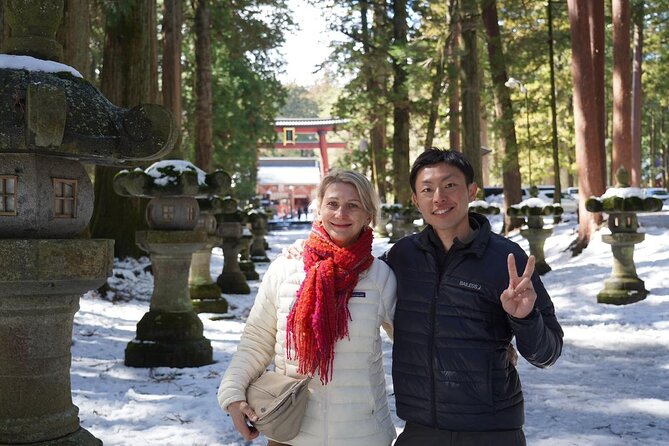
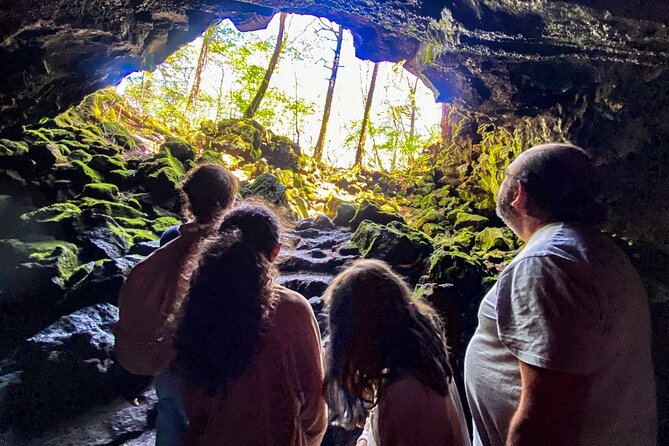
Aokigahara is the stop people remember, even if they don’t know what they’re walking into. You’ll spend about 1 hour exploring the Jukai forest, which grew on lava fields from Mt. Fuji.
This part of the day is built for walking—staying active, reading the atmosphere, and understanding that the terrain itself has a story. You’ll also have the chance to visit a sacred ruins site tied to Fuji worship, including a lava cave created by a major eruption.
Why this works in a driving tour format: Yuki can guide you on what’s meaningful to look for, and you don’t waste time trying to piece together routes on your own. Also, an hour feels like the right amount of time to get out of the car, stretch your legs, and still keep momentum for the rest of the day.
The one thing to consider: Aokigahara is a forest on lava. That means paths can feel uneven. If you have mobility issues or you hate walking on textured ground, it’s worth thinking about your comfort level ahead of time.
Stop 5: Lake Shoji for a peaceful Fuji moment
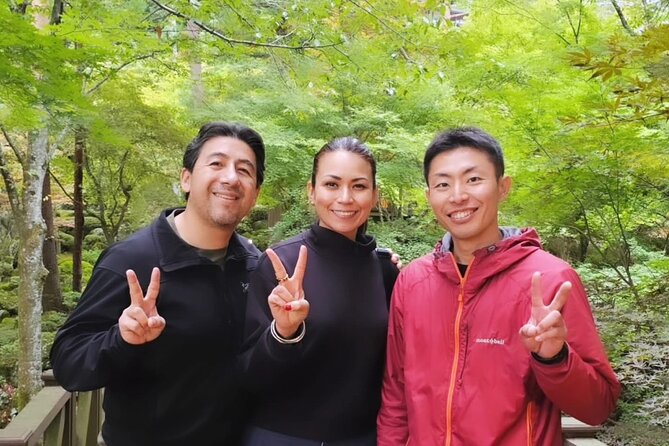
Next is Lake Shoji, about 30 minutes. It’s described as the smallest of the Fuji Five Lakes, and the tone here is quiet and peaceful, with strong opportunities to see Mt. Fuji.
This is a good stop for slowing down. After Aokigahara’s more intense feel, Lake Shoji gives you space—less “look, next” and more “take it in.” It’s also a nice contrast because lakes differ in wind, shoreline angles, and how the mountain appears.
If you’re unlucky with weather, you may get more cloud-and-mountain texture than a clean view. But even then, it’s often the calmness that makes this stop feel worth it.
Stop 6: Menkyo-kaiden and Yoshida udon that actually hits
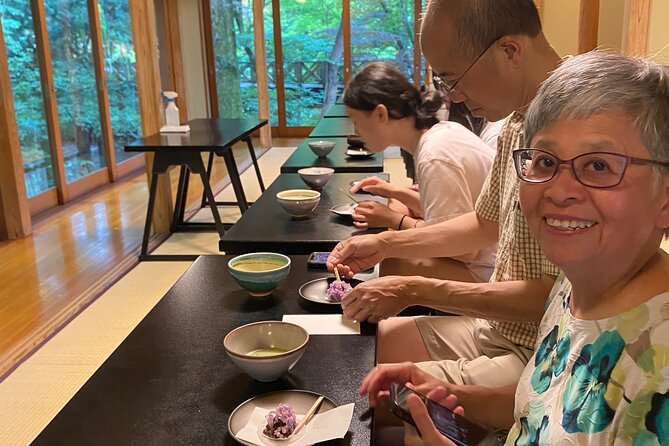
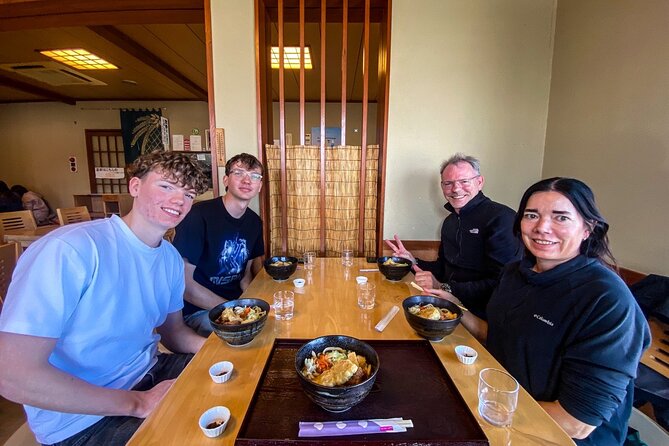
You’ll stop at Menkyo-kaiden for Yoshida udon, about 45 minutes. This is Fujiyoshida city’s signature food, with noodles that are thicker than usual and known for a firm, chewy texture.
I’m glad this tour builds in food time. A driving day around Fuji can make you hungry faster than you expect, and a proper local meal turns the day from sightseeing into a real experience.
One small practical point: lunch is labeled as an optional expense in the tour info, and the typical cost is 1,000–2,000 yen per person. So budget for it. If you’re the kind of traveler who wants to plan around a favorite meal, you’ll appreciate that the food stop is placed in the middle rather than after the best views.
Stop 7: Mt. Fuji approach toward the 5th station (optional)
Now we get to the big question: do you go up? This stop is optional, and you can approach up to the 5th station if weather conditions are good. You’ll have about 1 hour here.
This is where planning matters. The tour info notes that the day depends on good weather, and the optional climb is specifically weather-dependent. If clouds or visibility are poor, you’ll likely miss the payoff that makes the 5th station idea so exciting.
Also, the Mt. Fuji entrance fee is not included. It’s listed as 2,800 yen, so factor that into your decision. If the weather looks questionable, you may decide it’s better to focus on the lakes and forest where the scenery can still be satisfying.
Stop 8: Fujisan Onsen Hotel Kaneyamaen gardens
To finish, you’ll go to Fujisan Onsen Hotel Kaneyamaen, with about 30 minutes on the property. This is described as a historical and fancier hotel in Fujiyoshida city, and the tour notes that they open their Japanese-style garden for public.
I like a garden stop at the end because it feels like a reset button. After road time and varied terrain, a carefully designed garden gives you a softer landing—plus the garden is a place where seasonal changes are the point.
The only drawback is that this stop is shorter. If you’re the type who loves lingering, you might wish you had more time. Still, for a 6-hour drive tour, it’s a thoughtful closer.
Price and value: what $396.31 per group really buys you
The price is $396.31 per group for up to 5 people. That’s not cheap if you’re traveling solo, but it’s often fair when you split it among a small group. For a family of four or a group of friends, it starts looking like a strong deal for what you get: private routing, English interpretation, and a vehicle with parking fees covered.
What makes it good value isn’t just “transport included.” It’s that the guide helps you make choices you might struggle with on your own. Getting to the right angles, choosing quieter spots, and understanding what you’re looking at—those are exactly the parts that cost you time and energy when you self-drive without local knowledge.
The day also includes admission tickets listed as free for multiple stops. That doesn’t mean everything is free—Mt. Fuji has a separate fee—but it does mean you’re less likely to feel nickel-and-dimed across the day.
The kind of traveler this tour fits best
This is a great fit if you:
- want a private, slower-paced Fuji day with a local English guide
- care more about stories, meaning, and calmer stops than chasing a single famous viewpoint
- are traveling as a small group (up to 5) and want the cost to make sense
It’s less ideal if you:
- are not already in the Kawaguchiko area and you don’t want to deal with that “you must be there” requirement
- want a full-day hike or a long, strenuous climb (this is more about drives + short walks)
- are traveling on a day when weather is uncertain and you’re counting on the optional 5th station approach
Practical tips to make the day smoother
A few habits will help you enjoy the tour more:
- Bring layers for quick shifts between lake areas and forest shade.
- Wear shoes you don’t mind getting a bit dusty; Aokigahara-style terrain can be rough underfoot.
- If Mt. Fuji’s peak is your top priority, keep an eye on the sky in the morning. Yuki’s decision-making will depend on conditions.
- Budget separately for lunch (listed as optional, usually 1,000–2,000 yen) and for the Mt. Fuji entrance fee if you go up.
And if you’re thinking about booking because you want fewer crowds, this is exactly the right idea: you’re paying for flexibility and quiet routing, not just for a checklist of famous spots.
Should you book this Hidden Fuji drive tour?
If you’re going to the Fuji Five Lakes area and you want a day that feels local—shrines with meaning, lakes you can actually enjoy, a lava forest you can walk through, and a proper meal—it’s a strong choice. I’d book it when you have a small group, you value guidance in English, and you’re okay with the fact that Mt. Fuji’s biggest viewing payoff is weather-dependent.
Pass if you’re trying to use this as an easy add-on from outside Kawaguchiko, or if your entire plan hinges on reaching the 5th station no matter what.
FAQ
What area does this tour start from?
The tour is in the Kawaguchiko area, specifically Fujikawaguchiko-machi, Japan.
How long is the tour?
It runs for about 6 hours.
What’s the group size and price?
It’s $396.31 per group, up to 5 people.
Is pickup included?
Pickup is offered.
Is there an English-speaking guide?
Yes. The tour includes an English-speaking local guide, Yuki.
What kinds of stops are included?
You’ll visit Lake Kawaguchiko, Kawaguchi Asama Shrine, Saiko Lake, Aokigahara Forest, Lake Shoji, Menkyo-kaiden, and Fujisan Onsen Hotel Kaneyamaen. Mt. Fuji 5th station approach is optional.
Are tickets and admissions included?
Parking fees are included. Many listed stops have free admission, but the Mt. Fuji entrance fee (2,800 yen) is not included. You would pay that only if you choose the Mt. Fuji stop.
Is lunch included?
Lunch isn’t included. It’s optional and usually costs 1,000–2,000 yen per person.
What if the weather is bad?
This experience requires good weather. If it’s canceled due to poor weather, you’ll be offered a different date or a full refund.
When does the tour run?
The start time is 9:00 am.
Is the cancellation refundable?
Yes. You can cancel for a full refund up to 24 hours in advance of the experience’s start time.
More Tours in Fujikawaguchiko machi
- Mt Fuji Area Private Guided Tours in English-Nature up close, quiet, personal
★ 5.0 · 288 reviews - Private guided hidden gems tour by local English speaking driver
★ 5.0 · 142 reviews - Mt. Fuji Five Lakes Area Private Tour with Licensed Guide(Kawaguchiko area Dep)
★ 5.0 · 55 reviews - Cute & Fun E-Car tour following guide around Lake Kawaguchiko
★ 5.0 · 54 reviews - Private Fuji Half-day Car Tour with Hotel Pickup and Local Guide
★ 5.0 · 20 reviews
More Tour Reviews in Fujikawaguchiko machi
- Mt Fuji Area Private Guided Tours in English-Nature up close, quiet, personal
★ 5.0 · 288 reviews - Explore Mt. Fuji Ice Cave in Aokigahara Forest
★ 5.0 · 243 reviews - Private guided hidden gems tour by local English speaking driver
★ 5.0 · 142 reviews - Ramen Cooking Class at Ramen Factory in Mt.Fuji
★ 5.0 · 101 reviews - Early Morning Kayaking With Views of Mt Fuji at Lake Kawaguchiko
★ 5.0 · 69 reviews
More Mount Fuji Days We Have Reviewed
- Mt Fuji Area Private Guided Tours in English-Nature up close, quiet, personal
★ 5.0 · 288 reviews - Explore Mt. Fuji Ice Cave in Aokigahara Forest
★ 5.0 · 243 reviews - Ramen Cooking Class at Ramen Factory in Mt.Fuji
★ 5.0 · 101 reviews - Early Morning Kayaking With Views of Mt Fuji at Lake Kawaguchiko
★ 5.0 · 69 reviews - Johnny’s Exclusive: Mt. Fuji Adventure from Kawaguchiko
★ 5.0 · 62 reviews
Latest Fujikawaguchiko machi reviews off our desk

Mount Fuji Tours, compared.
 ★ 5.0Mt Fuji and Hakone 1-Day Bus Tour Return by Bullet TrainFrom $16326,383 reviews
 ★ 4.0Mt Fuji & Hakone Cruise, Drum Show Bullet Train 1 Day from TokyoFrom $1497,413 reviews
 ★ 4.4Tokyo Mt Fuji 5th St & Hakone Cruise Bus Tour w/Bullet TrainFrom $1545,024 reviews
 ★ 4.5From Tokyo: Mount Fuji Full-Day Sightseeing TripFrom $684,970 reviews
 ★ 4.7Mt. Fuji Tour, Hakone Ropeway, Owakudani, Lake AshiFrom $544,002 reviews
 ★ 4.4Mt.Fuji,Kawaguchiko Oishi Park,Arakurayama Sengen ParkFrom $542,682 reviews
 ★ 4.2Mt. Fuji 5th Station & Hakone Cruise 1-Day Bus TourFrom $1292,381 reviews
 ★ 4.7Mt Fuji Top 5 Spots Day Tour: Arakurayama Park,Oshino HakkaiFrom $532,066 reviews