
Reviewed · SUMO TOURNAMENTS & SHOWS
Grand Sumo Tournament Tour w/an English Guide ,Tokyo January 2026
Sumo feels like chaos until someone explains the rules.
In this Grand Sumo Tournament tour, you go inside the Kokugikan arena with a guide who helps you see what matters, from ring etiquette to wrestler rankings. You also get time at the Sumo Museum so the action in your seat connects to the sport’s traditions.
I especially like two things: the English explanations that turn confusion into clarity, and the fact that the guide walks you to your reserved seat so you’re not wandering around stressed. The small group size (up to 10) keeps it easier to ask questions and follow along.
One possible drawback: at $124.26 per person, it costs more than grabbing a plain ticket on your own. If you’re the kind of traveler who just wants to arrive and watch, you may feel the price is steep for what’s added beyond admission.
In This Review
- Key Things To Know Before You Go
- Kokugikan Arena: Where Sumo Feels Real
- The English Guide: Making Rules Click Without Turning It Into a Lecture
- Reserved S Seat and Chair Seating: Why Being Seated Matters
- Sumo Museum: Turning the Day’s Action Into Real Context
- January Timing in Tokyo: A Clear 2:15 Start, a Real 3h 45m Plan
- Price and Value: What $124.26 Buys You
- Who This Tour Fits Best (And Who Might Skip It)
- Should You Book This Grand Sumo Tournament Tour?
- FAQ
- What time does the tour start?
- How long is the Grand Sumo Tournament tour?
- Where do I meet the guide?
- Is the tour guided in English?
- What seating options are available?
- Do I need to pay an admission fee?
- Is the ticket mobile?
- Is the tour dependent on weather?
Key Things To Know Before You Go
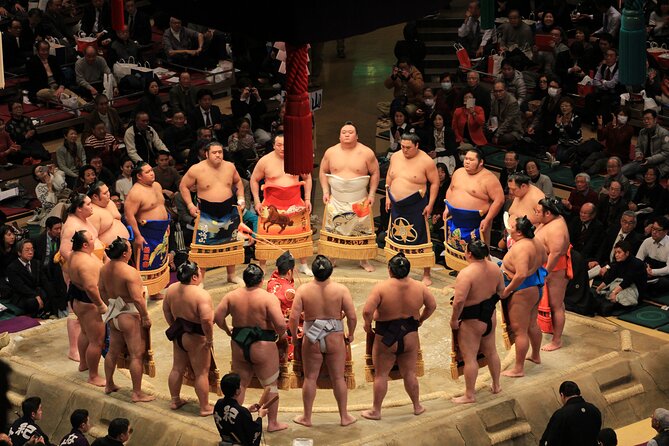
- Reserved chair seating (S Seat is best): you’re escorted to where you need to sit, not stuck hunting around inside.
- English guide focus: you’ll learn who’s who in the match, including the gyoji referee and yobidashi announcer.
- You’ll understand rankings fast: from yokozuna and ozeki down through the sanyaku and makuuchi level.
- Kokugikan is part of the show: Japanese architecture and arena symbolism add weight to every entrance and stomp.
- Small-group experience: max 10 travelers helps the guide keep the pace and answer questions.
Kokugikan Arena: Where Sumo Feels Real
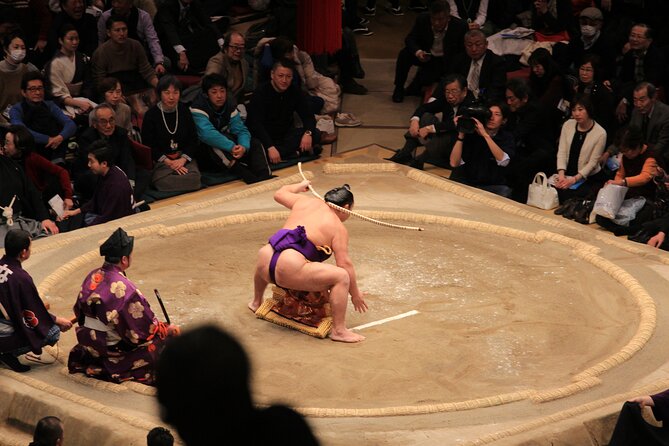
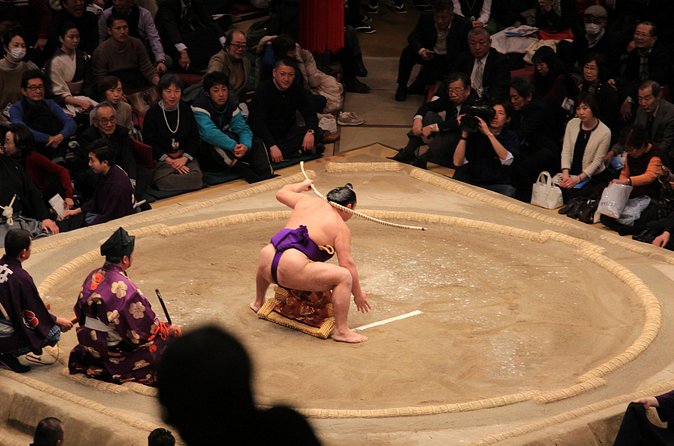
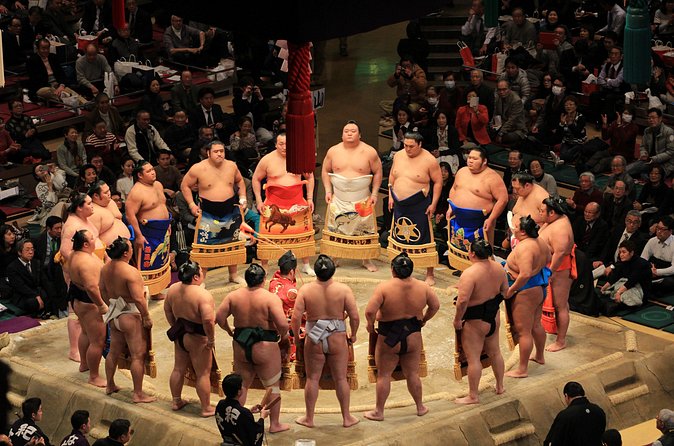
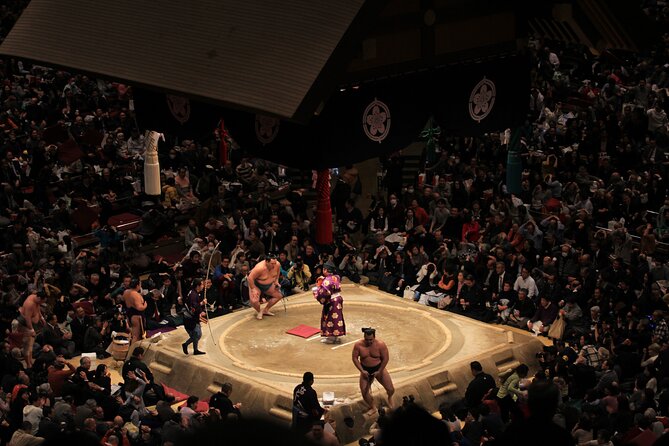
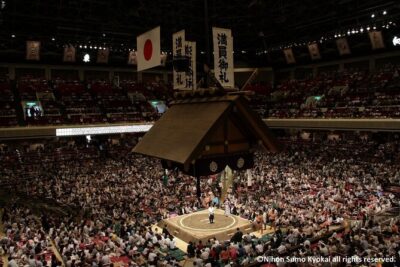
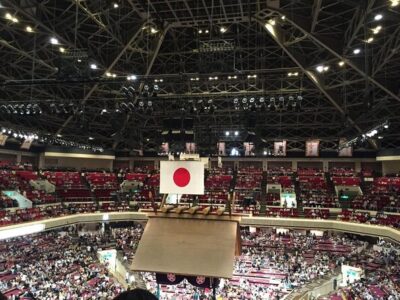
The Kokugikan arena is the kind of place where your brain catches up to the sport. The building feels purpose-built for ceremony, not just spectacle. That matters, because sumo isn’t random fighting. It’s timing, ritual, and rules you can feel in your seat.
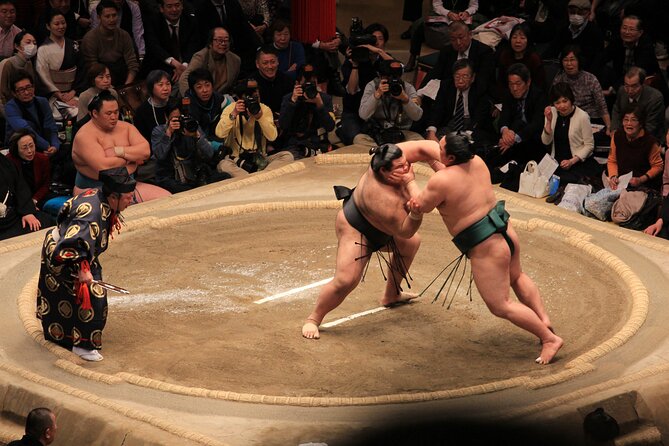
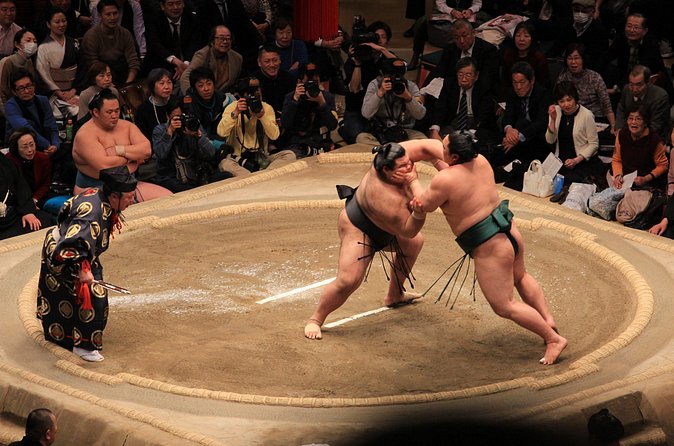
In your reserved seating area, you’ll catch the exact rhythm of a day of tournament bouts. You see wrestlers prepare, you feel the tension before they enter the ring, and you understand why a match can be over in seconds but still feel like a whole story. Even if you’ve watched sumo on video, being there changes the scale—especially the intensity of movements and the sharpness of the moments that used to look technical but now click as technique.
And the tour is structured so you don’t treat it like a checklist. You’ll also get explanations about traditional clothing and arena customs, so you’re not guessing what you’re supposed to notice. That’s where the experience becomes more than watching.
Other ringside bookings readers scored
- Tokyo: Sumo Show and Dining Experience
★ 4.8 · 2,742 reviews - the SUMO show
★ 5.0 · 1,960 reviews - Tokyo Shinjuku Sumo Show & Experience with Photo
★ 5.0 · 1,750 reviews - Tokyo: Sumo Show and Experience in Shinjuku
★ 4.8 · 1,001 reviews
The English Guide: Making Rules Click Without Turning It Into a Lecture
This is one of those tours where a good guide can change everything. Here, the guide’s job isn’t just to narrate what you see. They’re there to help you understand the match structure and what each role means.
You’ll learn about the structure of professional sumo, including the different divisions and where the early matches fit into the tournament flow. You’ll also get clarity on the officials you might not notice at first. The gyoji referee and the yobidashi announcer have distinct roles, and their traditional attire and timing are part of how the tournament runs.
Then comes the part that really helps your viewing: rankings. When you understand who sits where—yokozuna and ozeki at the top, and how sanyaku and makuuchi competitors fit in—you stop watching only for the result. You start watching for the stakes behind each bout.
The winning techniques, or kimarite, are another big payoff. You’ll hear about match highlights and why particular finishes happen. That’s how the sport turns from physical to strategic in your eyes.
From the guide experiences shared for this tour, you can expect a friendly, practical approach. Jeff is noted for explaining a lot and making the rules feel accessible. Yuki is described as thorough, even preparing extra info sheets about the wrestlers. That kind of support helps a first-time sumo fan follow along without feeling lost.
Reserved S Seat and Chair Seating: Why Being Seated Matters
Sumo tournament tickets can be hard to score, and once you have one, you want your time inside the arena to be relaxing, not chaotic. This tour’s biggest practical advantage is that you’re escorted to your reserved seat. That reduces the most annoying part of major event touring: arriving and then spending precious minutes figuring out where you’re supposed to sit.
The seating type matters too. You’ll have chair seating, with S Seat described as the best chair seating available. Chair seating isn’t a small detail. It affects how comfortably you can watch close-ups of technique—especially if you’re there for hours and want to stay focused when your knees would otherwise protest.
Seat assignments also depend on what’s available for your January date. S Seat and A Seat are listed as to be released soon, while B Seat has specific dates (January 11, 13, 15, 21, 22, 23). If you’re flexible, you can shop dates. If your timing is fixed, check which seat categories are actually open for the days you want.
The tour also uses a mobile ticket, which is convenient if you don’t want to worry about printed documents. It’s one less thing to handle when you’re already navigating a busy Tokyo transit system.
Sumo Museum: Turning the Day’s Action Into Real Context
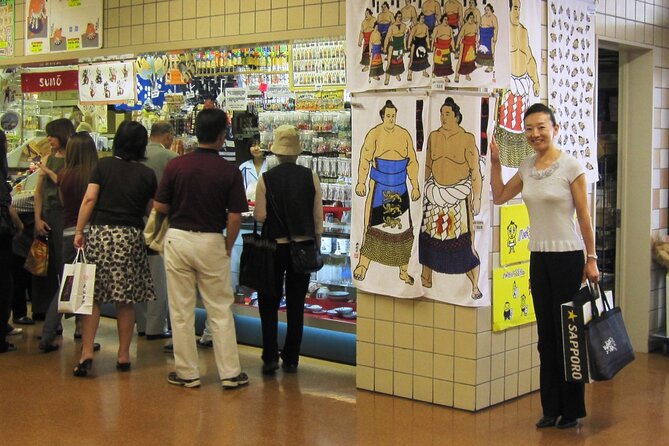
If the arena is where you feel the sport, the Sumo Museum is where you understand it. This stop adds substance, because it connects what you see in the ring to how sumo developed into the highly structured competition it is today.
You’ll see elements that help explain Japan’s traditional craftsmanship and presentation. The museum visit supports what the guide is doing in real time during the match—so you’re not just learning definitions. You’re learning how and why they matter.
This is where wrestler rankings stop being random labels. When you connect rankings to what you observe in matches, you start picking up patterns. You’ll understand how the tournament positions relate to who is competing in what stage, and how the bigger names fit into the overall structure.
You’ll also learn the meaning behind ceremonial details, including clothing and etiquette. That’s useful because in sumo, the “small” movements and behaviors often signal respect, preparation, and hierarchy. Once you notice those cues, your seat feels like a front-row seat to the sport’s culture, not just its brawling reputation.
And because you’ll be hearing about kimarite and match highlights as part of the guided experience, the museum stop can help you recognize technique ideas later when you watch again.
January Timing in Tokyo: A Clear 2:15 Start, a Real 3h 45m Plan
This tour is scheduled to start at 2:15 pm, with a total duration of about 3 hours 45 minutes. That timing is practical for January in Tokyo. It gives you a chunk of daytime to handle other plans, then it sets you up for afternoon-to-evening viewing without a ridiculous early-morning wake-up.
You’ll meet at Ryōgoku Station (1-chōme-3-20 Yokoami, Sumida City, Tokyo 130-0015). Ryōgoku is the right neighborhood for sumo energy, so you’re not crossing town just to reach an event. It also keeps your transit route straightforward. The tour notes it’s near public transportation, which matters because in Japan event crowds can make long walks feel longer than you expect.
The day ends back at the meeting point. That’s a comfort factor: you’re not left to figure out how to get out of the area when you’ve got tournament traffic and tired feet.
Since your ticket is mobile, plan to have your phone charged. Not glamorous advice, but it saves stress. Also, the tour notes that good weather is required. If conditions are poor and the tour is canceled, you’ll be offered a different date or a full refund.
Readers also shortlisted these Tokyo bookings:
- Tokyo 6hr Private Tour with Government-Licensed Guide★ 5.0 · 3,902 reviews
- Tokyo: Shinjuku Local Bar and Izakaya Guided Walking Tour★ 4.9 · 1,794 reviews
- Tokyo: Private City Highlights Tour with Local Guide★ 4.8 · 1,433 reviews
- Tokyo: Tsukiji Fish Market Guided Walking Tour★ 4.9 · 1,397 reviews
- Tokyo 4hr Private Tour with Government-Licensed Guide★ 5.0 · 1,394 reviews
Price and Value: What $124.26 Buys You
At $124.26 per person, this isn’t the cheapest way to see sumo. Some people do feel it’s pricey compared with the cost of a regular ticket they could possibly get on their own. That reaction is fair. If your goal is simply to watch and you’re comfortable figuring everything out, you might not need a paid guide.
But for most first-timers, the real question is: what’s included beyond admission?
In this experience, you’re buying:
- An English guide who explains what you’re seeing as it happens
- Escorted reserved chair seating (with S Seat positioned as the best chair option)
- A Sumo Museum stop that adds context
- A structure that connects divisions, rankings, officials, and technique to the matches
That combination is what justifies the price for many people, especially if you don’t already know sumo etiquette, ranking terms, and the roles of the officials. The guide-led approach can turn an event you might enjoy into an event you actually understand.
I also think the small group size (max 10) is part of the value equation. In a small group, you’re less likely to feel like you’re being rushed through or ignored.
If you love sports and hate feeling lost, this is the kind of ticket that can feel worth every dollar.
Who This Tour Fits Best (And Who Might Skip It)
This tour suits you best if you’re:
- Watching sumo for the first time and want the rules explained in a way you can use instantly
- Interested in Japanese ceremony—clothing, etiquette, and arena culture
- Short on time and want a guided path that gets you to your seat without hassle
- Traveling with no Japanese language support and would rather ask questions than guess
It might not be the best fit if you:
- Already know sumo deeply and want to go strictly on your own schedule
- Are determined to find the lowest-cost tournament option, even if that means extra effort to navigate what you’re seeing
One more fit-check: you’ll be spending a chunk of time in the Kokugikan arena plus the museum. If you’re the type who wants only the match and nothing else, you may feel the museum stop is extra. But if you want the match to make sense, the museum is the bridge.
Should You Book This Grand Sumo Tournament Tour?
My take: I’d book it if you want to leave the arena thinking, I got it. A reserved chair seat, an English guide who explains structure, officials, rankings, and technique, plus the Sumo Museum stop is a strong package for January.
If you’re a confident self-guided event traveler who’s comfortable figuring out sumo basics on your own, you may prefer a cheaper route. But if you’d rather pay for clarity than gamble on understanding, this tour is a smart way to spend time in Tokyo.
One final practical note: seat category availability and specific dates matter in January. If you can be flexible with dates, you may have more seat options.
FAQ
What time does the tour start?
The start time is 2:15 pm.
How long is the Grand Sumo Tournament tour?
It lasts about 3 hours 45 minutes.
Where do I meet the guide?
You meet at Ryōgoku Station (1-chōme-3-20 Yokoami, Sumida City, Tokyo 130-0015, Japan). The tour ends back at the meeting point.
Is the tour guided in English?
Yes. It is described as a Grand Sumo Tournament Tour w/an English Guide.
What seating options are available?
The tour lists S Seat, A Seat, and B Seat. S Seat and A Seat are listed as to be released soon, while B Seat has specific dates in January.
Do I need to pay an admission fee?
Yes. An admission fee applies for guests aged 4 and above.
Is the ticket mobile?
Yes, the tour uses a mobile ticket.
Is the tour dependent on weather?
Yes. The experience requires good weather. If it’s canceled due to poor weather, you’ll be offered a different date or a full refund.
More Tours in Tokyo
- Mt Fuji and Hakone 1-Day Bus Tour Return by Bullet Train
★ 5.0 · 26,383 reviews - 1-Day Tokyo Bus Tour
★ 5.0 · 14,250 reviews - Tokyo: Shinjuku Food Tour (13 Dishes at 4 Local Eateries)
★ 5.0 · 6,603 reviews - Tokyo Mt Fuji 5th St & Hakone Cruise Bus Tour w/Bullet Train
★ 4.4 · 5,024 reviews - Flagship 2-Hours Official Street Go-Kart Tour – Tokyo Bay Shop
★ 5.0 · 4,974 reviews
More Tour Reviews in Tokyo
- Mt Fuji and Hakone 1-Day Bus Tour Return by Bullet Train
★ 5.0 · 26,383 reviews - 1-Day Tokyo Bus Tour
★ 5.0 · 14,250 reviews - Tokyo: teamLab Planets TOKYO Digital Art Museum Entry Ticket
★ 4.6 · 9,779 reviews - Mt Fuji & Hakone Cruise, Drum Show Bullet Train 1 Day from Tokyo
★ 4.0 · 7,413 reviews - Tokyo: Shinjuku Food Tour (13 Dishes at 4 Local Eateries)
★ 5.0 · 6,603 reviews
More Sumo, Ringside and Rated
- Tokyo: Sumo Show and Dining Experience
★ 4.8 · 2,742 reviews - the SUMO show
★ 5.0 · 1,960 reviews - Tokyo Shinjuku Sumo Show & Experience with Photo
★ 5.0 · 1,750 reviews - Tokyo: Sumo Show and Experience in Shinjuku
★ 4.8 · 1,001 reviews - Tokyo Grand Sumo Tournament Viewing Tour with Tickets
★ 5.0 · 692 reviews
Latest Tokyo reviews off our desk






Sumo Tournaments & Shows, compared.
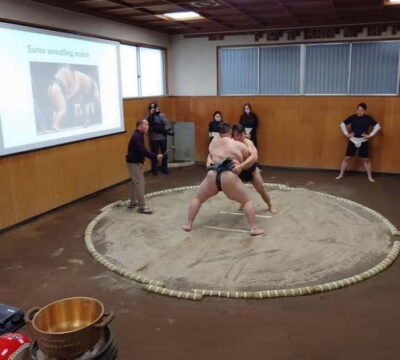 ★ 4.8Sumo Show and Dining ExperienceFrom $792,742 reviews
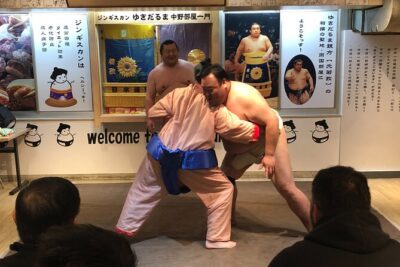 ★ 5.0the SUMO showFrom $891,960 reviews
 ★ 5.0Tokyo Shinjuku Sumo Show & Experience with PhotoFrom $791,750 reviews
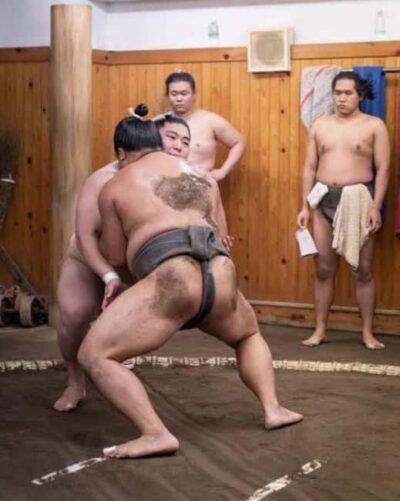 ★ 4.8Sumo Show and Experience in ShinjukuFrom $691,001 reviews
 ★ 5.0Tokyo Grand Sumo Tournament Viewing Tour with TicketsFrom $124692 reviews
 ★ 5.0Tokyo Sumo Wrestling Tournament ExperienceFrom $124660 reviews
 ★ 4.7Luxury Sumo Show Experience & Japanese cuisine & DrinkFrom $103577 reviews
 ★ 4.8Sumo Morning Practice Viewing TourFrom $81570 reviews
Browse the lists this tour appears in