
Reviewed · TSUKIJI MARKET FOOD TOURS
Tokyo: Tsukiji Fish Market Sushi Making Class with Pro Chef
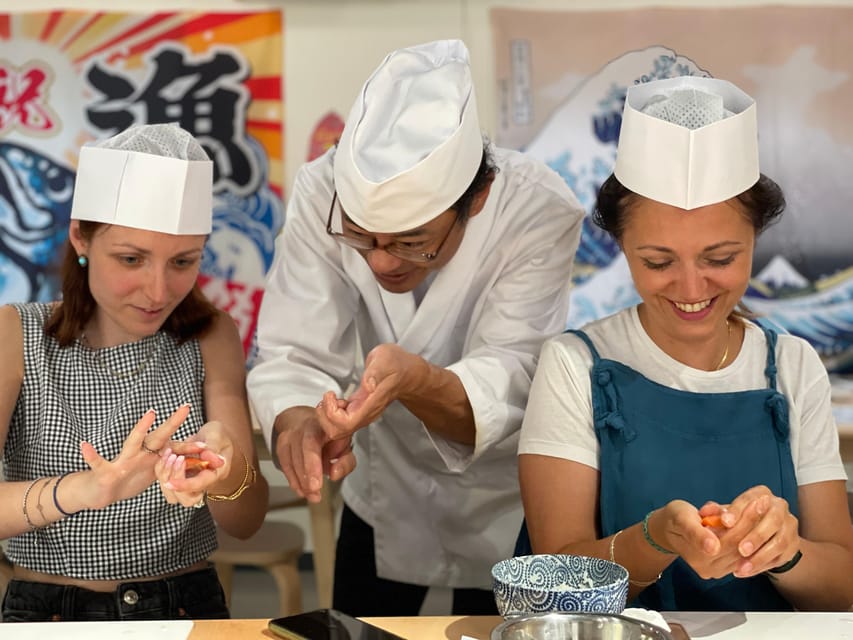
A sushi-making class in Tsukiji sounds serious, and it’s worth it. You’ll learn nigiri and maki techniques from a sushi master, using fresh Tsukiji-sourced ingredients and proper utensils right in the outer market area. Two things I like a lot are the fish disassembly/knife instruction and the hands-on make-and-eat format. The main consideration: the classroom is on the third floor with stairs only.
This isn’t a vague cooking demo. You get an English-speaking host to guide you, and the chef runs the show step by step, from prepping fish to forming rice and finishing rolls. Depending on your session, the teaching team might include hosts like Satoko, Yuko, Shoko, or AJ, and chefs such as Tanaka or Kate, which shows how varied and consistently professional the instruction can be.
In This Review
- Key Things to Know Before You Go
- Why Tsukiji Makes This Tokyo Sushi Class Feel Different
- The main trade-off
- Meet Your Team: English Host + Sushi Master
- A note on group size and feedback
- Fish Disassembly + Japanese Knife Tips
- Rolling Rice, Shaping Nigiri, and Building a Maki Roll
- Nigiri: the important bits you actually control
- Maki: learning the roll, not just the roll-up
- What you’ll eat (and why it matters)
- The Chef’s Extras: Wasabi, Dashi Soup, and Green Tea
- A quick cultural bonus you might not expect
- Price and Value: What $63 Buys You in Real Skills
- Duration matters, too
- Practical Tips So You Don’t Get Caught Off Guard
- Bring your stamina for stairs
- Know the dietary limits upfront
- Timing after the class
- What to do in the market area
- Who This Sushi Class Is Best For
- Who should skip it
- Should You Book This Tsukiji Sushi-Making Class?
- FAQ
- How long is the Tsukiji sushi-making class?
- What sushi will I make during the class?
- Is there an English-speaking instructor?
- What’s included in the price?
- Is the class suitable for vegetarians or vegans?
- Are there stairs at the classroom location?
- What should I do if I have allergies?
Key Things to Know Before You Go
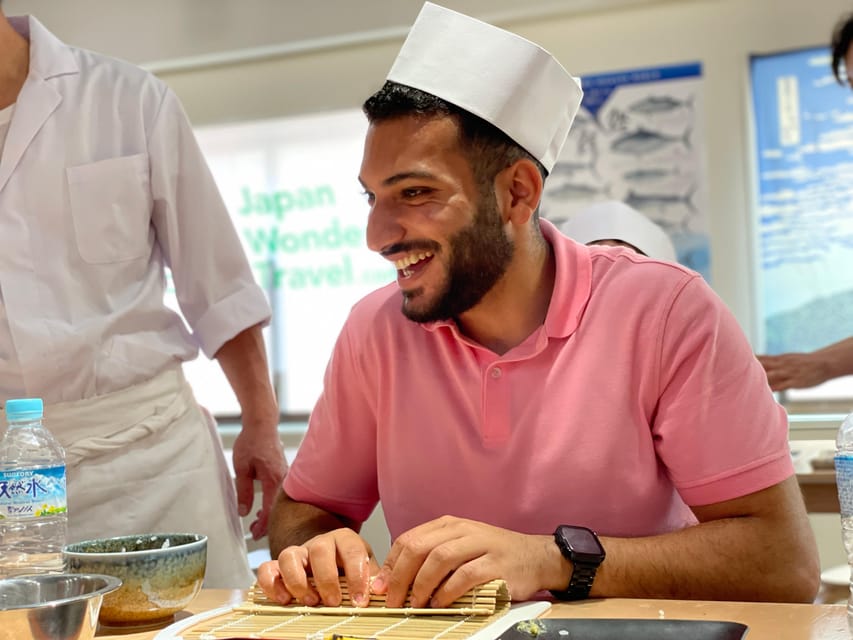
- Pro chef instruction on knife skills and fish prep: you’ll see disassembly first, then learn why cuts matter.
- Market-fresh ingredients sourced from Tsukiji: your sushi isn’t built from mystery-market substitutes.
- You make and eat: typically 4 nigiri + 1 maki, plus extra bites from the chef.
- Real tableware and a classic classroom setup: you practice on proper tools, not just plastic props.
- English host interpretation throughout: the guidance is designed for first-timers, not silence and guesswork.
- Stairs-only location: the classroom is on the third floor, so plan accordingly.
Why Tsukiji Makes This Tokyo Sushi Class Feel Different
Tsukiji isn’t just a backdrop. The market setting changes the whole tone of a sushi class because you’re surrounded by the food system that sushi depends on: fish quality, timing, and the people who handle it every day.
This class takes place in the center of Tsukiji’s outer fish market area, and that matters for your Tokyo itinerary. Before or after your workshop, you can keep walking and see what the market looks like when it’s working, not when it’s packaged for tourists. It also means the class can stay tightly focused on the real stuff: ingredient selection, rice handling, and technique.
And yes, Tsukiji has a reputation, but sushi culture is bigger than the Instagram shot. What you’re actually learning is how sushi is built as a system: fish prep, rice seasoning, temperature, and plating. That’s hard to get from most “sushi experiences” that stop at rolling or eating.
More market breakfasts our reviewers scored
- Tokyo Tsukiji Fish Market Food and Culture Walking Tour
★ 5.0 · 3,184 reviews - Tokyo: Tsukiji Fish Market Food and Walking tour
★ 5.0 · 1,724 reviews - Tokyo: Tsukiji Fish Market Guided Walking Tour
★ 4.9 · 1,397 reviews - Tokyo Sushi Making Class in Tsukiji with Professional Chef
★ 5.0 · 1,177 reviews
The main trade-off
The prize here is authenticity, but the logistics reflect a real Japanese building. The classroom is on the third floor with stairs only, and that can slow you down if you’re managing mobility issues.
Meet Your Team: English Host + Sushi Master
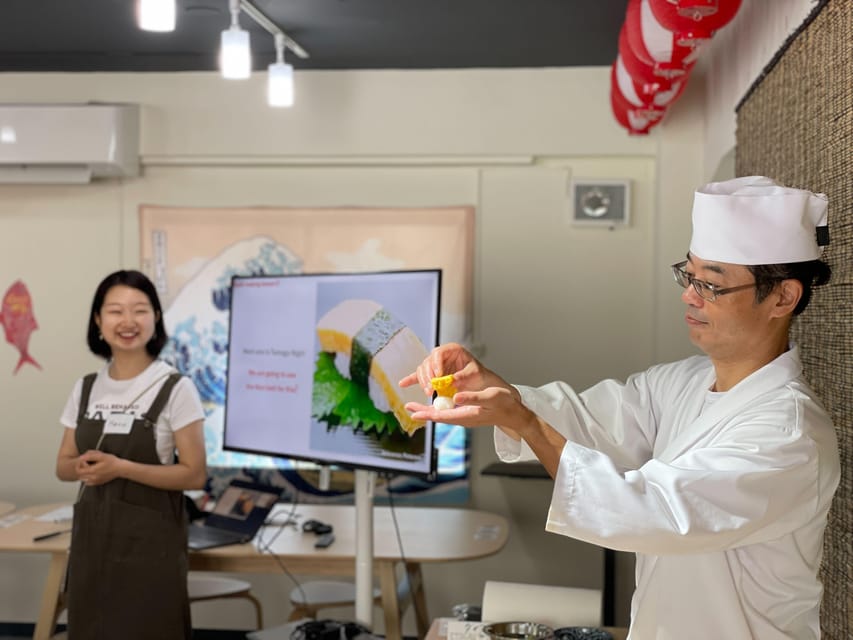
What makes this class work for English speakers is the two-layer guidance: an English-speaking host interprets and keeps things moving, while the sushi master teaches the core technique.
In practice, that means you don’t just get instructions. You get context while you work. Hosts seen in recent sessions include Satoko, Yuko, Shoko, and AJ. Sushi masters mentioned include Tanaka and Kate. It’s the same idea either way: friendly, patient instruction paired with real chef focus.
In several accounts, people also praised the host for keeping the pace comfortable and the explanations clear. If you’re nervous about raw fish or basic cooking skills, this setup is a big reason to feel confident walking in.
A note on group size and feedback
Some sessions run small enough that you can ask questions and get specific feedback while you shape nigiri and handle rice. If your group is larger, you might have slightly less one-on-one time, but the class is structured to keep you participating, not watching.
Fish Disassembly + Japanese Knife Tips
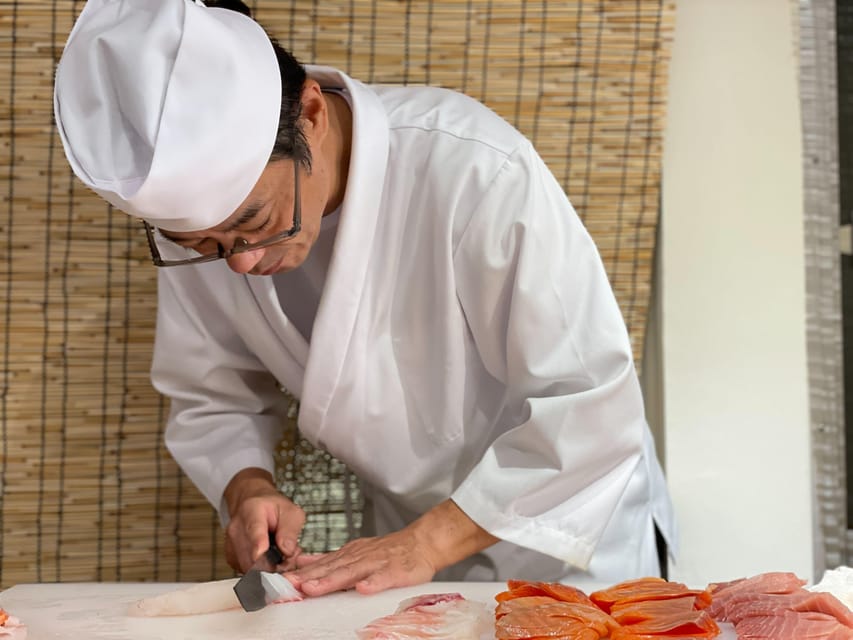
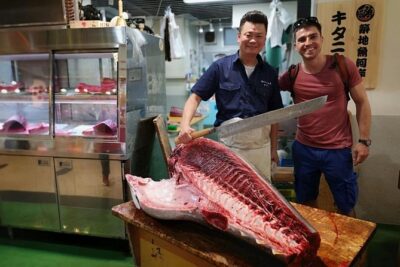
The class starts with a fish disassembly show led by the sushi chef. That’s one of the most useful parts, especially if you’ve only ever seen sushi after it’s been cleaned and portioned.
Here’s what you’ll get from this section:
- You see how the fish gets prepared for sushi, not just plated for sushi.
- You learn the steps involved in turning a fish into usable pieces.
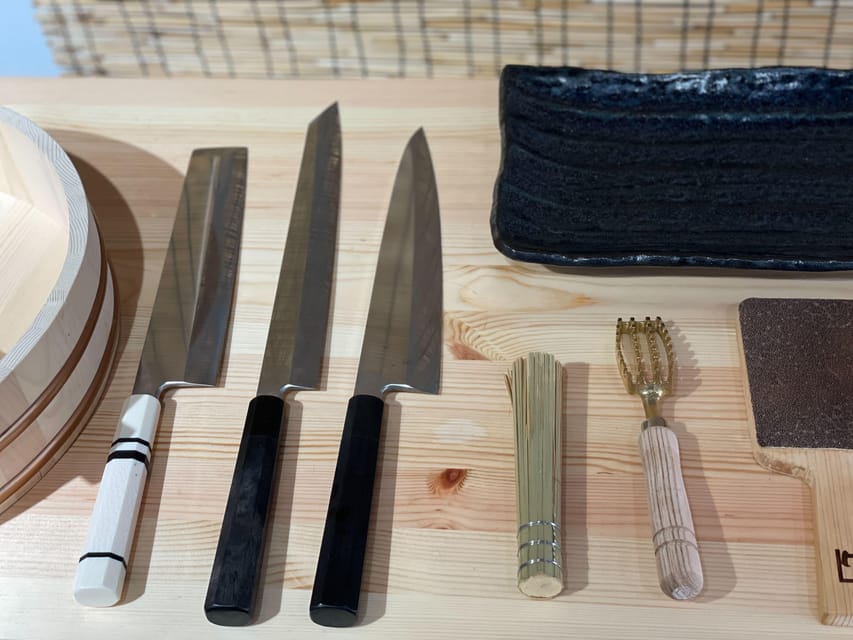
- You get a lesson on Japanese knives and what they’re used for.
Knife skills aren’t about becoming a ninja on day one. They’re about understanding accuracy: the shape of the cut affects texture, and texture is what you taste. Even if you don’t remember every term, you’ll start noticing how sushi relies on precision.
And because the chef is doing the work before you start, it becomes easier to follow the later rice-and-fish assembly steps. You’re not learning technique in a vacuum.
More sushi counters to book, ranked
- Sushi Making Tokyo Roll and Authentic Japanese Sushi Class★ 5.0 · 3,971 reviews
- Tokyo: Roll and Authentic Sushi Making Class in Asakusa★ 4.9 · 1,957 reviews
- Make Sushi and Create Unforgettable Memories in Tokyo★ 5.0 · 1,413 reviews
- Tokyo: Sushi Making Class in a Happi Coat near a Famous Spot★ 4.9 · 1,377 reviews
- Tokyo: Tsukiji Fish Market Sushi Making Class with Pro Chef★ 4.9 · 506 reviews
Rolling Rice, Shaping Nigiri, and Building a Maki Roll
After fish prep and knife talk, it’s time for the core lesson: what sushi is, and how to make it properly.
You’ll learn:
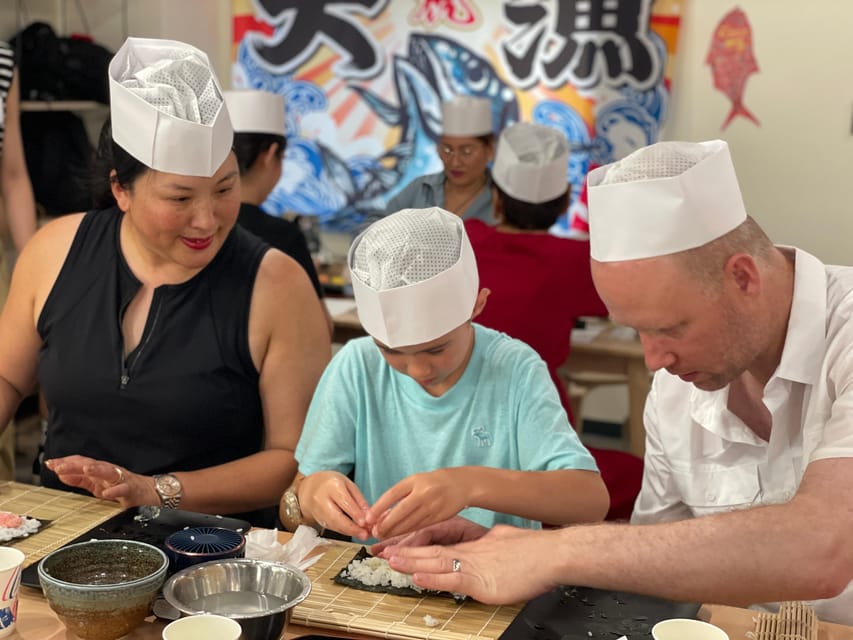
- Proper steps for nigiri sushi
- How to make rolled sushi (maki)
This is the part where you stop thinking of sushi as a “thing you buy” and start thinking of it as a set of actions.
Nigiri: the important bits you actually control
Nigiri is deceptively simple. The rice must be handled correctly, and the fish placement matters. This class teaches the steps step by step, and that’s crucial because your hands do most of the learning.
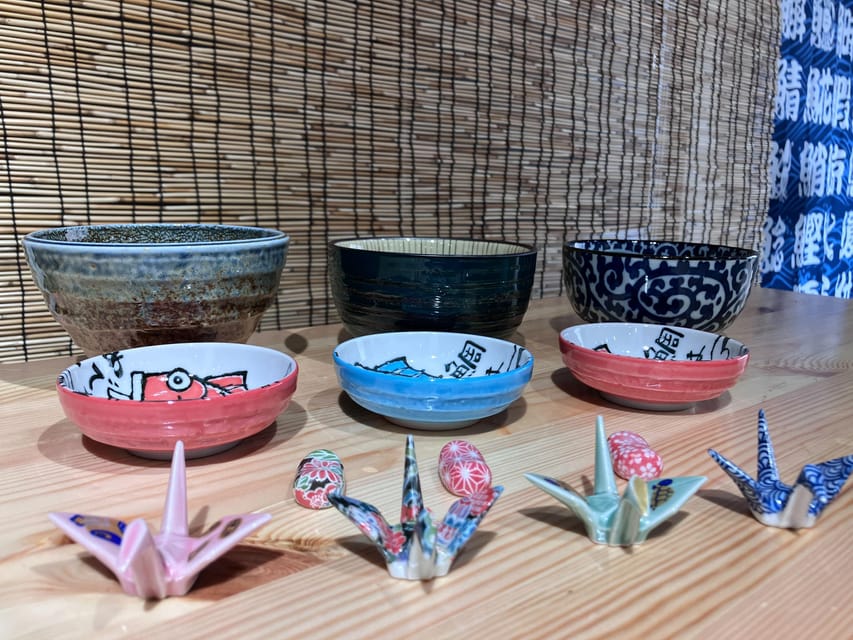
You’ll also get proper utensils and tableware, provided through local shops. That reduces the usual frustration of home sushi attempts where people improvise with random chopsticks, dull knives, or the wrong rice tools. Here, you’re practicing with the actual basics.
Maki: learning the roll, not just the roll-up
For maki, the focus is on proper rolling technique and balance. If you’ve ever watched someone casually roll a maki at home and thought it looks fine until you try to cut it, you’ll understand why this matters.
The class portion designed for you typically results in one maki—so it’s enough to learn the shape and assembly without turning the lesson into hours of repetitive rolling.
What you’ll eat (and why it matters)
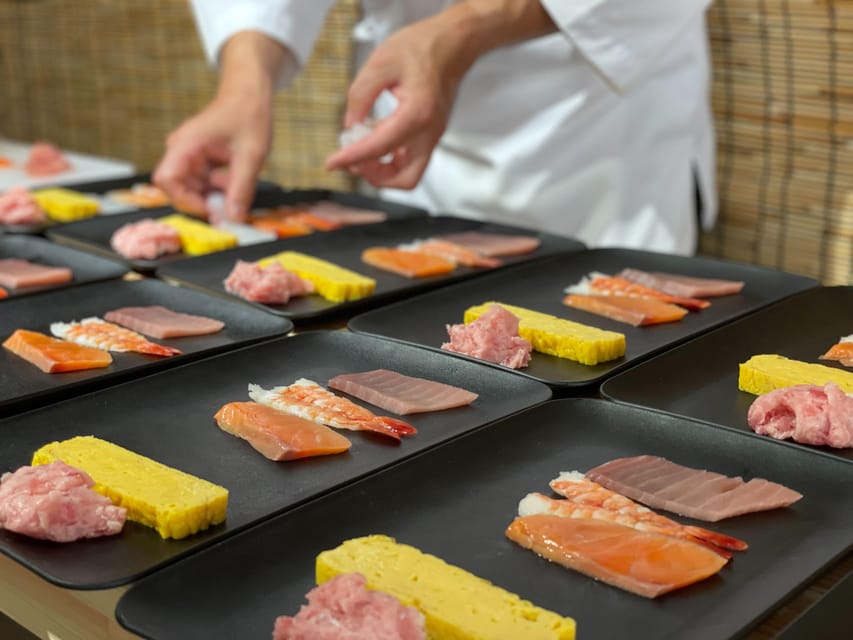
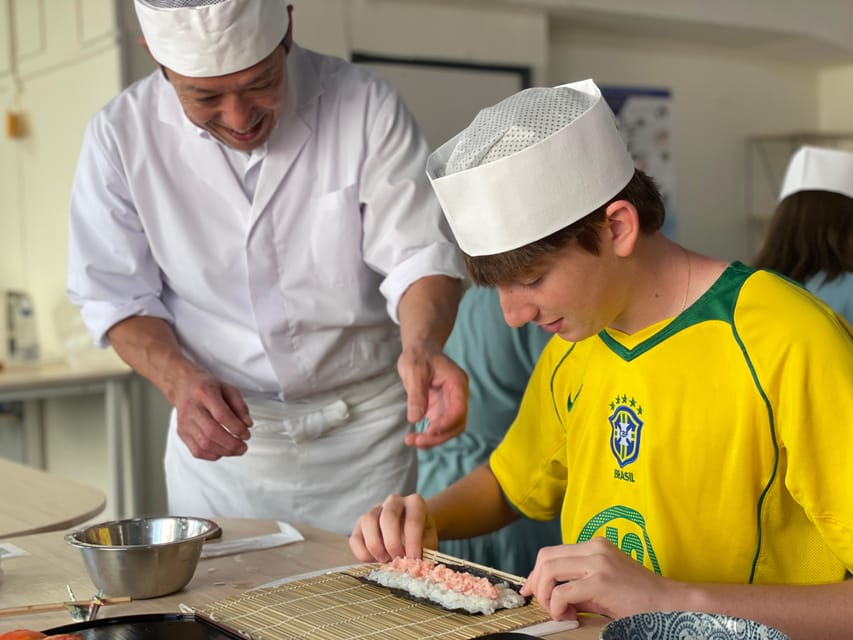
You get to eat your creations. The included sushi you make is typically 4 different nigiri sushi and 1 maki sushi. That’s a satisfying amount because it’s not just one bite for photos. You get to taste the results of your technique and see what works.
The Chef’s Extras: Wasabi, Dashi Soup, and Green Tea
The final act is eating, but with an important difference: the chef also prepares extra sushi and shows off skill while you eat.
One standout detail is how wasabi is handled. The chef prepares it fresh, and that makes a big difference in flavor. If you’re used to wasabi paste from a tube, fresh wasabi tastes sharper and cleaner, and it changes how you experience fish.
You’ll also get:
- Traditional dashi soup
- Green tea
This pairing isn’t random. Dashi is warm, savory, and works as a reset between bites. Green tea helps cleanse the palate too. Together, they make the meal feel like part of the sushi culture, not just a snack tacked onto a class.
A quick cultural bonus you might not expect
Some sessions include small customs around how to eat, and helpers may explain etiquette. In past experiences, people noted things like a brief blessing before eating. Even if that timing varies by session, expect the team to treat the meal respectfully, not casually.
Price and Value: What $63 Buys You in Real Skills
At $63 per person, this class sits in the “worth it if you plan to learn something” category. Here’s why.
Most sushi experiences either:
1) Focus on sightseeing, or
2) Let you roll a few pieces, or
3) Serve a meal without real technique training.
This one does the harder middle. It gives you:
- Pro chef instruction (not just a host)
- Fresh ingredients sourced from Tsukiji
- Proper utensils and tableware
- A structured sequence: fish prep → knife basics → nigiri and maki making
- A meal that includes what you make (typically 4 nigiri + 1 maki), plus additional sushi from the master
- Tea and soup
You’re paying for the combination of expertise and ingredients. Fresh fish and the right tools cost real money, and the chef time is the expensive part. The class also targets your ability to repeat the process at home later, which is where value shows up after the trip.
Duration matters, too
The class duration can range from 90 minutes to 4 hours depending on the option you book. If you want the fastest version, choose accordingly. If you want more hands-on time and explanations, plan for the longer end.
Practical Tips So You Don’t Get Caught Off Guard
A few details can make or break your experience in Tokyo, especially around markets.
Bring your stamina for stairs
The classroom is on the third floor and requires stairs. This is especially important if you’re combining your class with market walking beforehand. If stairs are a problem, skip this one and look for a more accessible cooking experience.
Know the dietary limits upfront
This class doesn’t accommodate:
- Vegetarian
- Vegan
- Halal
- Kosher gluten-free requests
Allergy accommodations may be possible, but you should let the team know when you book if you have allergies.
So if you’re traveling with dietary restrictions, be honest with yourself before you book. Sushi classes like this often rely on fish-based ingredients and cross-contact is hard to control.
Timing after the class
The session may run beyond the scheduled ending point. If you have a reservation right after (train, restaurant, or another tour), tell the operator in advance so they can help you plan.
What to do in the market area
Because guidance through the market isn’t included, plan to keep the market exploration flexible. You can wander nearby streets before or after your class, but think of the tour’s main “guided” part as the sushi instruction portion.
Who This Sushi Class Is Best For
You’ll likely love this class if:
- You want a hands-on sushi lesson, not a lecture
- You’re excited by knife work and fish preparation
- You want to understand sushi culture beyond what’s on menus
- You want a fun, structured activity in one of Tokyo’s most food-focused areas
It’s also family-friendly in the right age range. Children must be 4 years or older, and the workshop is described as family-friendly. Just remember the stairs.
Who should skip it
Skip it if:
- You use a wheelchair or have mobility impairments (stairs-only)
- You need vegan or vegetarian meals
- You’re very sensitive to raw fish prep and want a fish-free experience (this class centers on fish preparation and sushi-making)
Should You Book This Tsukiji Sushi-Making Class?
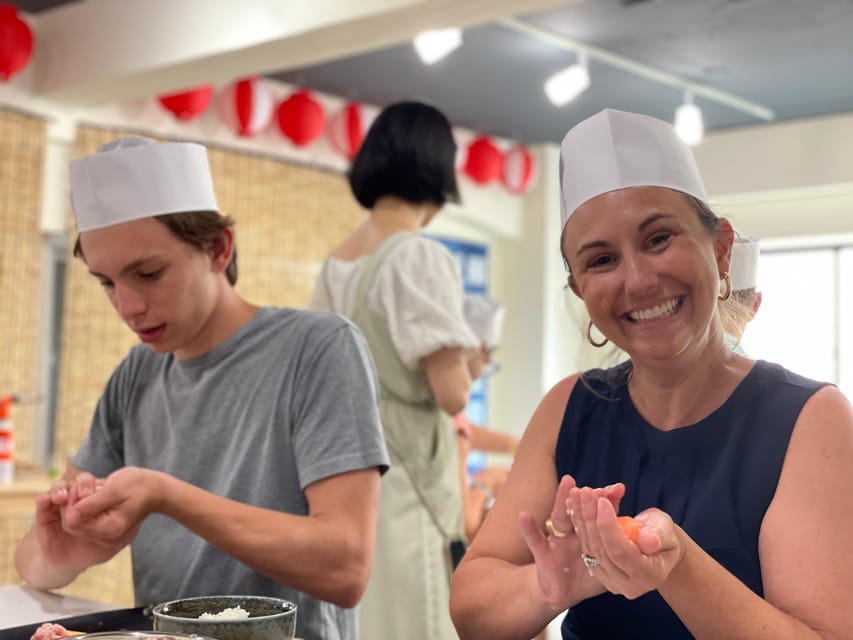
Book it if you want a Tokyo activity that actually teaches sushi technique in a real food setting. The biggest reasons are the combination of pro-level instruction, market-fresh ingredients, and an outcome you can taste: your own nigiri and maki, plus extra sushi from the chef.
Skip it if stairs are a deal-breaker or if you need a fully plant-based menu. Also, if you’re only after a quick sushi roll for fun, this class may feel like more work than you want, because it teaches steps and technique rather than just giving you a souvenir roll.
If your goal is to go home knowing how sushi is built, not just how it looks, this is one of the more reliable bets in Tokyo’s sushi-class world.
FAQ
How long is the Tsukiji sushi-making class?
The duration is listed as 90 minutes to 4 hours, depending on the option booked.
What sushi will I make during the class?
You’ll typically make 4 different nigiri sushi and 1 maki sushi, and you’ll also eat additional sushi made by the master.
Is there an English-speaking instructor?
Yes. The class includes an English-speaking host, and the sushi master teaches as well.
What’s included in the price?
Included items are the sushi-making workshop, English-speaking host, professional sushi master, fresh ingredients, proper utensils, the sushi you make, extra sushi from the master, tea and soup, and a hat.
Is the class suitable for vegetarians or vegans?
No. It does not accommodate vegetarian or vegan requests.
Are there stairs at the classroom location?
Yes. The classroom is on the third floor in a Japanese traditional building with only stairs, so it’s best for people who have no problems with stairs.
What should I do if I have allergies?
Let the team know when you make a reservation. Allergy-related requests may be tried, but it’s not guaranteed to be possible.
More Tour Reviews in Tokyo
- Mt Fuji and Hakone 1-Day Bus Tour Return by Bullet Train
★ 5.0 · 26,383 reviews - 1-Day Tokyo Bus Tour
★ 5.0 · 14,250 reviews - Tokyo: teamLab Planets TOKYO Digital Art Museum Entry Ticket
★ 4.6 · 9,779 reviews - Mt Fuji & Hakone Cruise, Drum Show Bullet Train 1 Day from Tokyo
★ 4.0 · 7,413 reviews - Tokyo: Shinjuku Food Tour (13 Dishes at 4 Local Eateries)
★ 5.0 · 6,603 reviews
More Sushi Counters to Book
- Sushi Making Tokyo Roll and Authentic Japanese Sushi Class
★ 5.0 · 3,971 reviews - Tokyo: Roll and Authentic Sushi Making Class in Asakusa
★ 4.9 · 1,957 reviews - Make Sushi and Create Unforgettable Memories in Tokyo
★ 5.0 · 1,413 reviews - Tokyo: Sushi Making Class in a Happi Coat near a Famous Spot
★ 4.9 · 1,377 reviews - Tokyo Sushi Making Class in Tsukiji with Professional Chef
★ 5.0 · 1,177 reviews
More Tsukiji Market Breakfasts
- Tokyo Tsukiji Fish Market Food and Culture Walking Tour
★ 5.0 · 3,184 reviews - Tokyo: Tsukiji Fish Market Food and Walking tour
★ 5.0 · 1,724 reviews - Tokyo: Tsukiji Fish Market Guided Walking Tour
★ 4.9 · 1,397 reviews - Tokyo Sushi Making Class in Tsukiji with Professional Chef
★ 5.0 · 1,177 reviews - Tsukiji Fish Market Guided Tour and Sushi Making with Pro Chef
★ 5.0 · 775 reviews
Latest Tokyo reviews off our desk




Tsukiji Market Food Tours, compared.
 ★ 5.0Tokyo Tsukiji Fish Market Food and Culture Walking TourFrom $993,184 reviews
 ★ 5.0Tsukiji Fish Market Food and Walking tourFrom $301,724 reviews
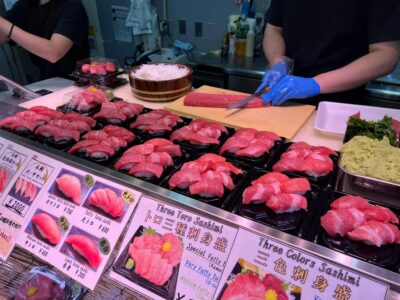 ★ 4.9Tsukiji Fish Market Guided Walking TourFrom $221,397 reviews
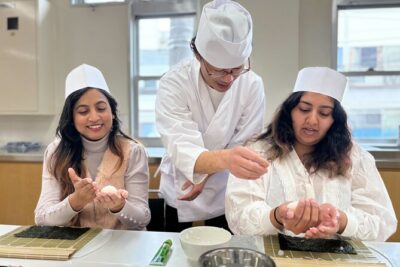 ★ 5.0Tokyo Sushi Making Class in Tsukiji with Professional ChefFrom $491,177 reviews
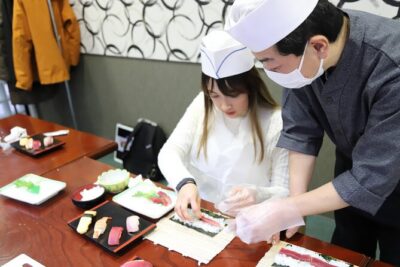 ★ 5.0Tsukiji Fish Market Guided Tour and Sushi Making with Pro ChefFrom $104775 reviews
★ 4.7Tsukiji Fish Market Food and Culture Walking TourFrom $96757 reviews
★ 5.0Tsukiji Fish Market Guided Tour and Sushi Making with Pro ChefFrom $104775 reviews
★ 4.7Tsukiji Fish Market Food and Culture Walking TourFrom $96757 reviews
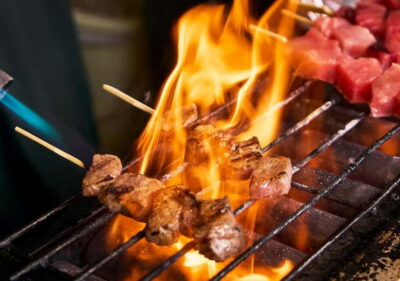 ★ 5.0Tsukiji Fish Market: Street Food & Culture Walking TourFrom $33669 reviews
 ★ 5.0Tsukiji Fish Market Small-Group Food Walking TourFrom $87621 reviews
Browse the lists this tour appears in