
Reviewed · IMPERIAL PALACE TOURS
Imperial Palace Tour: Discover Samurai History with a Guide
Tokyo’s history feels close-up when you walk it. This guided route through the Imperial Palace East Gardens connects samurai-era power to today’s calm streets, with guide commentary that keeps the walk moving and meaningful. On top of that, the tour runs in small groups (up to 8), so questions don’t get lost in a crowd.
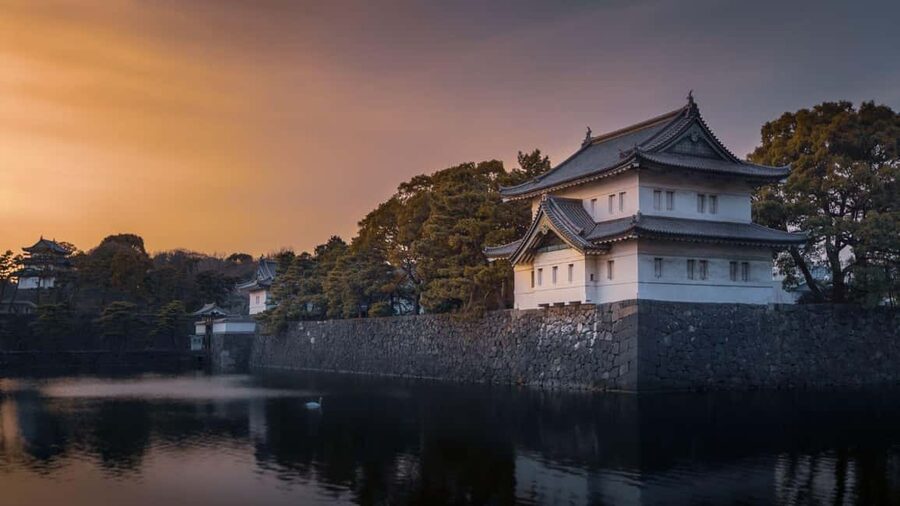
I especially like the way the guide turns stone, gates, and paths into a story you can follow, with Edo Castle highlights such as the Tenshudai base and the Tatsumi Yagura Watchtower. I also appreciate the human touch in recent experiences, including guides like Hina, Naoki Sugar (noted for Spanish that’s quite good), and Hiroshi, who were described as friendly and accommodating.
One consideration: this is a walking tour with a moderate pace, and it is listed as not suitable for people with low fitness or for pregnant women—so it may not be the best fit if you want a mostly seated experience.
In This Review
- Key Things to Know Before You Go
- From Starbucks to the East Gardens: How the Tour Starts Smoothly
- Tokyo Imperial Palace Stop: What That First 30 Minutes Is For
- East Gardens and Edo Castle Ruins: Tenshudai and Tatsumi Yagura
- Samurai, Empire, and Tokyo’s “Why”: The Real Point of the Commentary
- Price and Value: Is $24 a Good Deal?
- Timing, Pace, and Comfort: What to Bring (and What to Skip)
- Best For Who? Decide Fast if This Tour Matches Your Style
- Should You Book This Imperial Palace East Gardens Tour?
- FAQ
- FAQ
- How long is the Imperial Palace tour?
- Where do I meet the guide?
- What languages are offered?
- What’s included in the price?
- Is the tour wheelchair accessible?
- What should I bring?
- How large is the group?
- Who is this tour not suitable for?
Key Things to Know Before You Go
- Small group (max 8) means more time for questions and less waiting around.
- Edo Castle ruins get specific attention, including Tenshudai and Tatsumi Yagura.
- Professional local guide teaches you how the samurai and the empire connect to Tokyo today.
- English, Spanish, and French are available, so you can match your comfort level.
- Wheelchair and stroller accessible makes it easier for more visitors to join.
- Bring comfy shoes and water because you’ll spend most of the time walking outdoor paths.
From Starbucks to the East Gardens: How the Tour Starts Smoothly

The meeting point is straightforward: Starbucks at 皇居外苑 和田倉噴水公園店. Your guide stands in front of the shop holding a signboard for the inbound tour service YURAGI, so look for that visual cue first. If you’re running late or having trouble finding the group, you can contact the guide directly through WhatsApp or phone.
I like this setup because Tokyo can be confusing at street level. When your reference point is a very recognizable place (Starbucks) plus a visible sign, you waste less time and stress. And because the group is small, once you spot the sign, you’ll usually match up fast.
The tour is designed to focus on the Imperial Palace East Gardens, and you’ll be outside for the walking portion. That means you’ll want to start with decent walking shoes and a water plan. The tour also runs in English, Spanish, and French, which matters if you’re relying on your language to understand details about feudal Japan.
More walks around the Imperial grounds
- Tokyo: Imperial Palace and Shogun Historical Walking Tour
★ 5.0 · 2,251 reviews - Tokyo: Imperial Palace Japanese History Walking Tour
★ 4.9 · 987 reviews - Tokyo: Imperial Palace and Shogun Walking Tour
★ 4.9 · 935 reviews - Imperial Palace East Garden and Edo Castle Walking Tour in Tokyo
★ 5.0 · 510 reviews
Tokyo Imperial Palace Stop: What That First 30 Minutes Is For
The schedule gives you a first stop at the Tokyo Imperial Palace area for about 30 minutes. This portion is essentially your orientation. You’re not just walking past things—you’re learning how to read what you’re seeing.
That matters here because Imperial Palace grounds aren’t like a typical city park or temple loop. The setting is quieter, more formal, and the landmarks are tied to power and governance. In this early segment, a guide can help you connect the dots quickly: where authority was concentrated, why certain locations mattered, and how Edo-era rule shaped what people experienced in daily life.
A practical tip: use this part to get oriented before you move deeper into the gardens. If you like taking photos, you’ll also get your bearings first, which makes the rest of the walk feel less like “random sightseeing” and more like a purposeful route.
East Gardens and Edo Castle Ruins: Tenshudai and Tatsumi Yagura
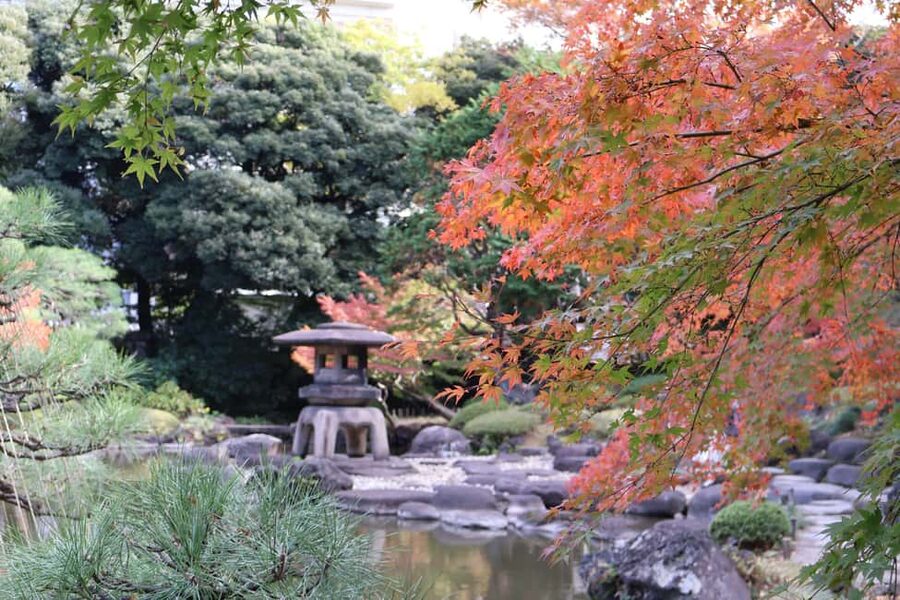
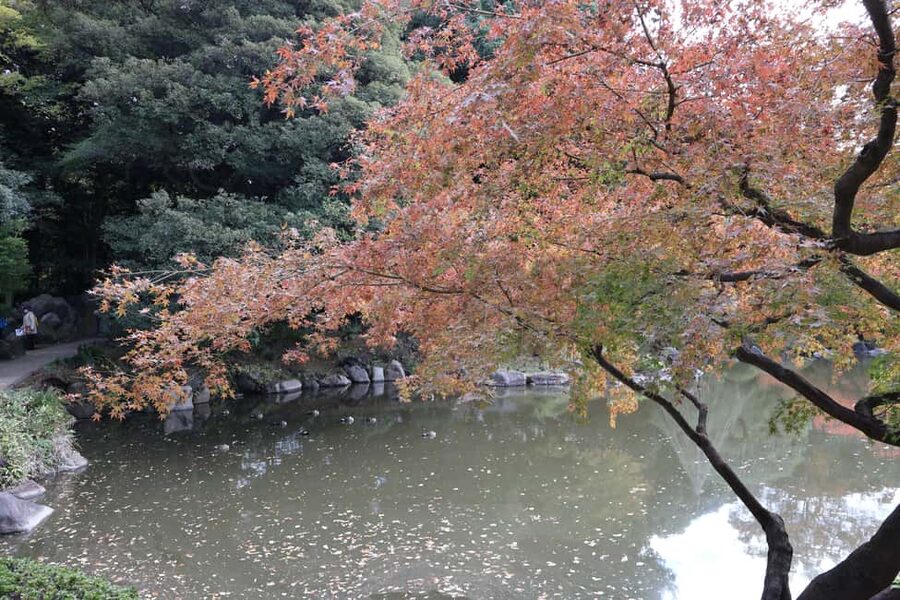
The heart of the experience is the Imperial Palace East Gardens, scheduled for about 70 minutes. This is where the tour’s samurai angle becomes concrete. You’ll walk maintained garden paths while the guide points out stone ruins, older structures, and key Edo Castle elements.
Two standouts get named in the highlights, and they’re the kind of details you’ll be glad you heard about in real time:
- Tenshudai base: You’ll learn what it was and why it mattered in the Edo Castle setting. This is the sort of feature that can look like just another old foundation unless someone explains its role.
- Tatsumi Yagura Watchtower: This is a major visual anchor. A watchtower doesn’t just sound impressive—it tells you how the shogunate monitored space, movement, and control.
What I like about this approach is that it’s not only about dramatic stories. The guide’s commentary ties the samurai-era political system to the physical environment—how walls, towers, and gate locations worked together. When you understand that logic, you can look at ruins and think like a planner rather than like a tourist.
If you’re the type who reads guidebooks and still feels lost, this portion helps. You’ll come away with a mental map, not just photos. And because the group is limited to 8 participants, it’s easier for the guide to check whether you’re following along and answer questions on the spot.
Samurai, Empire, and Tokyo’s “Why”: The Real Point of the Commentary
A lot of Japan tours show you places. This one tries to explain the machinery behind the places. You’ll hear about samurai, emperors, and Tokyo’s changing political power—from the Tokugawa era (Edo Castle) toward the later Imperial presence.
That storytelling layer is valuable because Tokyo’s modern skyline can make it hard to imagine how power operated centuries ago. When you’re standing near old foundations and looking at a watchtower landmark, it’s easier to understand why samurai weren’t just warriors in battles. They were part of a governance system, tied to security, hierarchy, and enforcement.
One thing that comes through strongly in recent feedback is how well guides handle questions. People specifically noted that guides answered what they asked and explained things clearly, including guide experiences with Hina, Delfo, Taku, Hiroshi, and Naoki Sugar. That’s a big deal in a small-group tour: if you’re curious about one detail—like how Edo Castle functioned or how samurai roles changed—your guide is positioned to respond instead of rushing through a script.
You should expect a walking pace that keeps you moving, but not so fast that you can’t absorb the story. The setting is also calm enough that the commentary doesn’t feel like it’s competing with crowds or noise.
Price and Value: Is $24 a Good Deal?
At $24 per person for a guide-led walking experience in central Tokyo, this is the kind of price that feels realistic for budget travel—especially because you’re paying for a local guide’s time and interpretation, not just entry-level sightseeing.
Here’s how I see the value:
- You’re getting a guided route focused on specific landmarks (like Tenshudai and Tatsumi Yagura), which are harder to appreciate without context.
- You’re doing it in a small group (up to 8), so the guide’s attention isn’t spread too thin.
- The tour lasts about 90 minutes, with most of that time spent on the East Gardens walking portion.
Could you do the area on your own for free? Yes, but you’d be relying on your own research to understand what you’re looking at. If you want the quickest path to meaningful understanding—especially around samurai and shogunate history—this price-to-guidance ratio is strong.
And because the experience is described as offering free cancellation up to 24 hours in advance and a reserve now & pay later option, it also lowers risk if your day in Tokyo shifts. Just do yourself a favor: wear shoes you’re comfortable walking in, and you’ll feel the value immediately.
More blade-and-dojo sessions, reviewed
- Tokyo: Samurai Ninja Museum Guided tour and Experience★ 4.6 · 1,010 reviews
- Tokyo: Samurai Sword & Archery Class from Samurai Descendant★ 5.0 · 603 reviews
- Best Samurai Experience in Tokyo★ 5.0 · 458 reviews
- Ninja Experience (Family Friendly) at Samurai Ninja Museum TOKYO★ 5.0 · 441 reviews
- Tokyo: Samurai Entertainment Night Show in Kanda Shrine★ 4.6 · 417 reviews
Timing, Pace, and Comfort: What to Bring (and What to Skip)
This is a walking tour, so the “bring” list is simple and smart:
- Comfortable shoes
- Camera
- Water
I’d treat the shoes as the main priority. Tokyo sidewalks can be even, but garden paths and historical areas still involve steady walking. If your feet hate you, the history won’t matter.
On pace and fit: the tour is wheelchair accessible and stroller accessible, and service animals are allowed. That’s good for families and travelers who rely on mobility support. At the same time, it’s listed as not suitable for pregnant women and people with low level of fitness, so consider how much continuous walking you’re comfortable with.
One more small practical note: the Imperial Palace area is near public transportation, so you won’t feel stranded. Still, plan to arrive a few minutes early at the Starbucks meeting point so you can find the guide holding the YURAGI sign without sprinting.
Best For Who? Decide Fast if This Tour Matches Your Style
This tour fits best if you:
- Want more than photos and prefer to understand what you’re seeing.
- Enjoy samurai and Edo period context, especially tied to real locations.
- Like the interaction of a small group, where your questions can actually land.
- Travel in one of the supported languages—English, Spanish, or French.
It’s less ideal if you:
- Want a mostly seated, low-effort outing.
- Don’t enjoy walking outdoors for close to an hour-plus.
- Need a tour that works well for people who are not suited for this walking-based format.
If your Tokyo plan is heavy on neighborhoods and you want one focused, historically grounded experience in the middle of it, this is a good balance choice.
Should You Book This Imperial Palace East Gardens Tour?
I’d book it if you want a guided walk with context rather than self-guided wandering. The standout value is the combination of (1) a small group, (2) a professional local guide, and (3) specific Edo Castle ruins you’re likely to miss or misunderstand without explanation.
Skip it if walking time is a problem for you, because the experience is built around moving through the East Gardens and seeing landmarks like Tatsumi Yagura and Tenshudai base in a guided flow.
FAQ

FAQ
How long is the Imperial Palace tour?
The tour duration is listed as 90 minutes.
Where do I meet the guide?
Meet at スターバックス コーヒー 皇居外苑 和田倉噴水公園店. The guide will be standing in front of Starbucks holding a sign for the inbound tour service YURAGI.
What languages are offered?
The live guide offers English, Spanish, and French.
What’s included in the price?
The tour includes a professional local guide.
Is the tour wheelchair accessible?
Yes, it is listed as wheelchair accessible and also stroller accessible.
What should I bring?
Bring comfortable shoes, a camera, and water.
How large is the group?
The tour is a small group limited to 8 participants.
Who is this tour not suitable for?
It is listed as not suitable for pregnant women and people with low level of fitness.
If you want, tell me your travel dates and your walking comfort level, and I’ll help you decide whether this is the right match for your Tokyo day.
More Tour Reviews in Tokyo
- Mt Fuji and Hakone 1-Day Bus Tour Return by Bullet Train
★ 5.0 · 26,383 reviews - 1-Day Tokyo Bus Tour
★ 5.0 · 14,250 reviews - Tokyo: teamLab Planets TOKYO Digital Art Museum Entry Ticket
★ 4.6 · 9,779 reviews - Mt Fuji & Hakone Cruise, Drum Show Bullet Train 1 Day from Tokyo
★ 4.0 · 7,413 reviews - Tokyo: Shinjuku Food Tour (13 Dishes at 4 Local Eateries)
★ 5.0 · 6,603 reviews
More Samurai and Ninja Sessions
- Tokyo: Samurai Ninja Museum Guided tour and Experience
★ 4.6 · 1,010 reviews - Tokyo: Samurai Sword & Archery Class from Samurai Descendant
★ 5.0 · 603 reviews - Best Samurai Experience in Tokyo
★ 5.0 · 458 reviews - Ninja Experience (Family Friendly) at Samurai Ninja Museum TOKYO
★ 5.0 · 441 reviews - Tokyo: Samurai Entertainment Night Show in Kanda Shrine
★ 4.6 · 417 reviews
More Imperial Palace Walks
- Tokyo: Imperial Palace and Shogun Historical Walking Tour
★ 5.0 · 2,251 reviews - Tokyo: Imperial Palace Japanese History Walking Tour
★ 4.9 · 987 reviews - Tokyo: Imperial Palace and Shogun Walking Tour
★ 4.9 · 935 reviews - Imperial Palace East Garden and Edo Castle Walking Tour in Tokyo
★ 5.0 · 510 reviews - Tokyo: Imperial Palace East Gardens Walking Tour
★ 4.8 · 353 reviews
Latest Tokyo reviews off our desk






Imperial Palace Tours, compared.
 ★ 5.0Imperial Palace and Shogun Historical Walking TourFrom $222,251 reviews
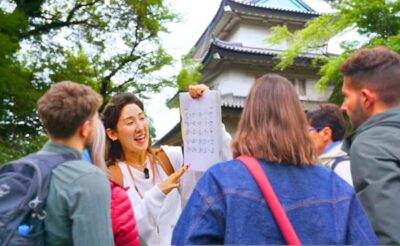 ★ 4.9Imperial Palace Japanese History Walking TourFrom $32987 reviews
 ★ 4.9Imperial Palace and Shogun Walking TourFrom $16935 reviews
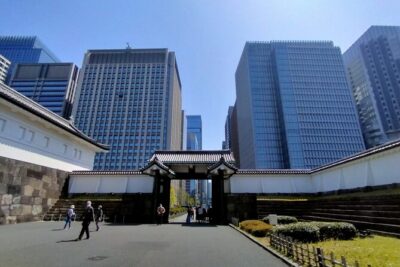 ★ 5.0Imperial Palace East Garden and Edo Castle Walking Tour in TokyoFrom $25510 reviews
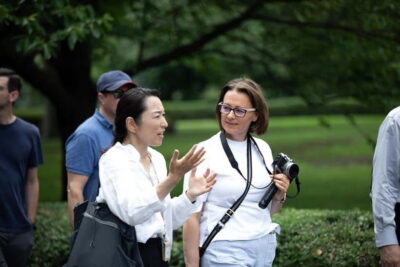 ★ 4.8Imperial Palace East Gardens Walking TourFrom $19353 reviews
 ★ 4.5Imperial Palace, Sensō-ji Temple, & Tokyo Tower TourFrom $40339 reviews
 ★ 5.0Tokyo Castle, Imperial Palace, Shogun & Garden Walking TourFrom $31211 reviews
 ★ 4.7Edo Castle & East Garden of the Imperial Palace TourFrom $42112 reviews
Browse the lists this tour appears in