

Reviewed · IMPERIAL PALACE TOURS
Tokyo: Imperial Palace and Shogun Walking Tour
History hits differently in Tokyo. This guided walk through the Imperial Palace East Gardens turns the grounds of an Edo-era fortress into something you can actually picture in your head, from Ote-Mon Gate to the calm ponds of Ninomaru Garden.
I especially love how the tour mixes big, readable visuals (stone walls, moats, gates) with human-scale stories about the shogunate. I also love the quiet payoff: koi swimming in palace ponds, with just enough context so it feels more than scenery.
One possible drawback: this is mostly an outdoor walk with short stops. If you’re hoping for lots of indoor exhibits or long, slow wandering, you may want a different pace or a longer day plan.
In This Review
- Key highlights worth your attention
- Meet at Kokyo Gaien Starbucks and start with your bearings
- Ote-Mon Gate: your first lesson in power and design
- Tokyo Imperial Palace grounds: seeing the shogunate through the layout
- Hyakunin Bansho Guardhouse: a small stop with a big job
- Fujimi-yagura: watchtowers, sightlines, and strategic thinking
- Imperial Palace East Gardens: moats, stone foundations, and calm walking
- Ninomaru Garden: koi ponds and seasonal beauty that actually lands
- Why the guide can make or break this tour
- Price and value: what $16 buys in central Tokyo
- Timing, weather, and what to bring
- Who this tour is best for
- Should you book the Imperial Palace and Shogun tour?
- FAQ
- How long is the Tokyo Imperial Palace and Shogun walking tour?
- How much does the tour cost?
- Where is the meeting point?
- Is the tour in English?
- What parts of the Imperial Palace area does the tour cover?
- Are there guided stops during the walk?
- What are the main highlights?
- Is the tour accessible for wheelchair users?
- Can I cancel if my plans change?
- Is there an option to pay later?
Key highlights worth your attention

- Ote-Mon Gate gives you the sense of entry and control, not just a photo spot
- Stone foundations and moats help you decode how the old power system protected itself
- Hyakunin Bansho Guardhouse adds a practical layer to palace life, not just legends
- Fujimi-yagura connects the grounds to how people watched, reported, and responded
- Ninomaru Garden delivers seasonal beauty and koi-filled ponds in a peaceful setting
- English-speaking guides like Tony, Izzy, Blake, and Jim Allen are praised for clear answers and a lively, not robotic, tone
Meet at Kokyo Gaien Starbucks and start with your bearings
You’ll meet at Starbucks Coffee – Kokyo Gaien Wadakura Fountain Park (35.6830391, 139.7614181). It’s a handy start in a place that already feels like a buffer from Tokyo’s rush. You get a clean handoff from the city into something more ordered and ceremonial.
I like the choice of meeting point because it’s easy to find, and it lets you begin the tour in a calm mindset. Plus, Starbucks is a familiar “reset button.” If you’re running early or late because of train timing, you’ve got a stable reference.
More walks around the Imperial grounds
- Tokyo: Imperial Palace and Shogun Historical Walking Tour
★ 5.0 · 2,251 reviews - Tokyo: Imperial Palace Japanese History Walking Tour
★ 4.9 · 987 reviews - Tokyo: Imperial Palace and Shogun Walking Tour
★ 4.9 · 935 reviews - Imperial Palace East Garden and Edo Castle Walking Tour in Tokyo
★ 5.0 · 510 reviews
Ote-Mon Gate: your first lesson in power and design
The route begins with a visit to the Ote-Mon Gate. This is where you start seeing the palace grounds the way their planners likely wanted: as layered access. Gates like this weren’t just architecture; they were a statement about who could move, and who had to stop.
Your guide will put the gate into context—linking it to the Edo Castle setting and explaining how the area functioned as a seat of authority. Even if you’ve never studied Japanese history, the structure tells a story: entry was controlled, visibility mattered, and the layout helped define roles.
Time here is short, so don’t treat it like a long photo session. Use the minutes for close observation: look at the scale, the stonework, and the way the gate frames what comes next.
Tokyo Imperial Palace grounds: seeing the shogunate through the layout
Next comes the Tokyo Imperial Palace visit with guided commentary. This part matters because it connects the ceremonial image of today’s palace to the older systems that shaped it. You’re not just looking at walls and paths. You’re learning how power was organized—then and now.
The tour does well at translating the complicated parts—samurai rule, the shogunate world, and the later shift toward modern Japan—into something you can remember later when you’re walking around the city. That connection is the difference between sightseeing and understanding.
Also, this is one of those stops where having an English guide can really help. You’ll hear meanings behind specific features, rather than guessing from labels that don’t explain the “why.”
Hyakunin Bansho Guardhouse: a small stop with a big job
At the Hyakunin Bansho Guardhouse, you’ll get a guided look at how security and order worked on the ground. This is the kind of stop that can feel minor if you only think of palaces as grand halls. But guardhouses like this were practical—people doing watch duty, enforcing access rules, and keeping the system running.
The value here is the tour’s focus on how the palace operated day-to-day. You’ll hear about the human side of a place that can otherwise feel untouchable. Even if your history reading is thin, the guide’s explanations help you picture routine—who was responsible, what they monitored, and how the layout supported their work.
Expect a concise visit, but it’s designed to add meaning. You’ll likely walk away noticing security features elsewhere in Tokyo with a new eye.
Fujimi-yagura: watchtowers, sightlines, and strategic thinking
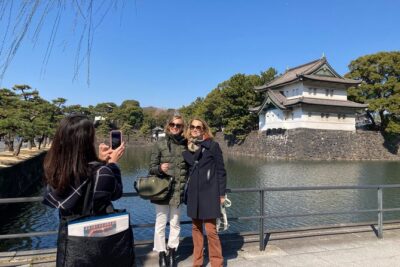
Then you’ll visit Fujimi-yagura, a stop that’s all about observation. Yagura structures are linked to how the grounds were monitored. In plain terms: people needed vantage points, and they needed a way to spot issues before they became problems.
Your guide will help you read the space in relation to the tower. That’s the trick with this tour: it’s not just sightseeing; it’s learning how to interpret what you’re seeing. If you’ve ever felt like Tokyo’s historic sites look cool but confusing, this style of explanation solves that.
This stop is also a good reminder that “tranquil” today doesn’t mean “random” in the past. The grounds were planned. The viewpoints were purposeful.
Readers also shortlisted these Tokyo bookings:
- Tokyo Tsukiji Fish Market Food and Culture Walking Tour★ 5.0 · 3,184 reviews
- Tokyo: Imperial Palace and Shogun Historical Walking Tour★ 5.0 · 2,251 reviews
- Tokyo: Shinjuku Local Bar and Izakaya Guided Walking Tour★ 4.9 · 1,794 reviews
- Tokyo: Tsukiji Fish Market Food and Walking tour★ 5.0 · 1,724 reviews
- Tokyo: Asakusa Walking Tour with Sensoji Temple Visit★ 4.8 · 1,583 reviews
Imperial Palace East Gardens: moats, stone foundations, and calm walking
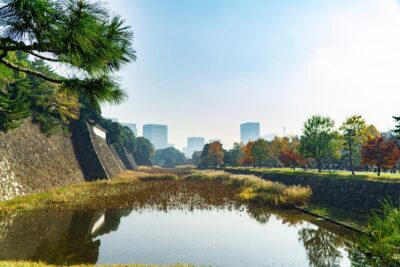
The main walking stretch happens in the Imperial Palace East Gardens. This is where you really slow down, because the experience becomes about atmosphere. Think landscaped calm, but grounded in real defensive design: stone foundations, moats, and the heavier geometry of old fortifications.
The highlight people talk about most is how the tour helps you decode the massive stone walls and how they relate to protection. You’ll understand that the palace grounds were built to manage risk, not just to look impressive. That makes the walk feel more alive, even when you’re simply moving forward at a relaxed pace.
This is also where you get the “serene escape” feeling right in central Tokyo. It’s not just a break from crowds—it’s a change in how the city’s space is organized.
One practical tip: wear shoes you can trust. This isn’t a marathon, but you will be on your feet for a couple of hours.
Ninomaru Garden: koi ponds and seasonal beauty that actually lands

The tour’s signature calm moment is Ninomaru Garden. This is where the “story” switches from power to peace. The garden is known for koi swimming in tranquil ponds, and it’s the kind of place where the explanations stick because the setting does the emotional work.
The guide will point out features so you understand what you’re looking at. It’s not a lecture in the middle of a pond view; it’s context that makes the garden feel intentional—like it was designed to create a certain kind of quiet.
I also like that this stop has a built-in reward for first-time Tokyo visitors. You can be totally new to Japanese history, and still walk away thinking, Okay, I get it. The palace isn’t only about rule and control. It also includes leisure, nature design, and the softer side of elite life.
Why the guide can make or break this tour
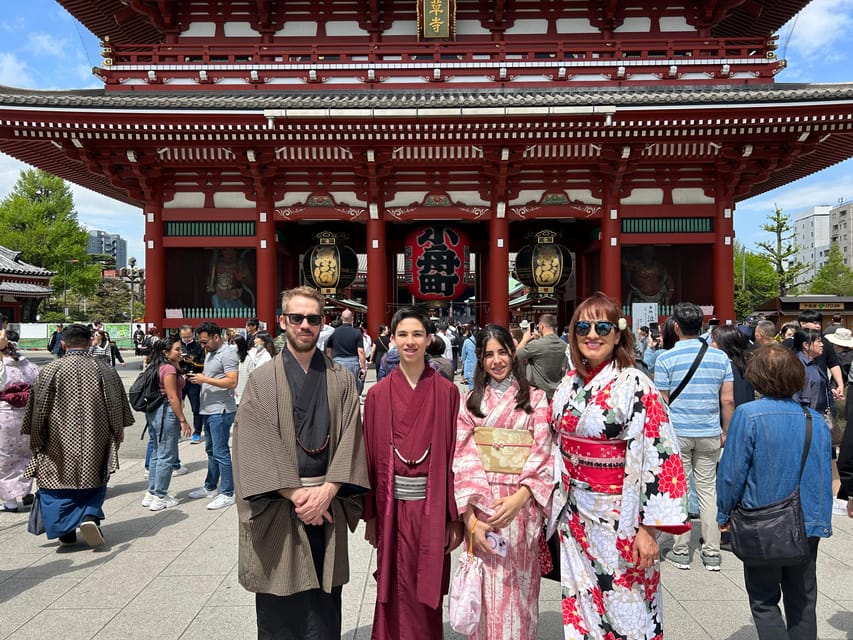
This kind of site can go either way: either you get a list of facts, or you get a story you can follow. The guides tied to this tour have strong feedback for exactly that second option—clear explanations, friendly pacing, and willingness to answer questions.
Names that show up again and again include Tony, Izzy, Blake, Thomas, Miguel, Embla, and Jim Allen. People describe guides who connect Japanese history with Tokyo’s modern layout, keep the group moving at a comfortable tempo, and answer questions without making you feel rushed.
You’ll also hear personal touches that help the tour feel human. For example, some groups mention a humorous, interactive style, and a couple of notes point to practical moments like a pause to grab a drink during the walk. If it’s rainy or cold, it’s worth remembering that at least one guide was said to loan an umbrella.
The takeaway for you: if you want your palace visit to feel readable and satisfying, choose the tour time you can attend when you’re not rushing off to the next thing.
Price and value: what $16 buys in central Tokyo

At $16 per person for about 2 hours, this is strong value for Tokyo. The cost isn’t just “access” to historic grounds. You’re paying for an English-speaking live guide who can turn stone walls and gates into something you understand.
Also, the tour format is efficient. You don’t need to pre-study Edo Castle design. You get a guided route that hits major features and then lands on the garden highlight—so you leave with both context and a mental image you’ll remember.
If you’re deciding between a self-walk and paying for a guide, ask yourself one question: Do you want to enjoy the place, or do you want to decode it? At this price, paying for interpretation is the smart move.
Timing, weather, and what to bring
Because the route is outdoors and includes multiple short walking segments, I’d plan for weather. You’re seeing seasonal beauty in Ninomaru Garden, so the conditions will affect how your experience feels.
Bring:
- Comfortable walking shoes
- A light layer (Tokyo temps can shift fast)
- Water or a way to buy it nearby if you get thirsty during the loop
- Sun protection or rain gear, depending on the season
And if you’re the type who likes photos, keep expectations realistic. Some stops are brief. You’ll do best by listening first, then snapping photos at the end of each short explanation.
Who this tour is best for
You’ll love this tour if:
- You’re a first-time Tokyo visitor who wants history without getting lost
- You like seeing how past power systems shaped modern places
- You want a calm break from big-city pace
- You care about details like koi ponds, stone foundations, and defensive design
It may not be ideal if you:
- Want a long, slow garden day with no structure
- Prefer museums and indoor exhibits over outdoor walking
- Already know a lot about Edo Castle and need fewer explanations
Should you book the Imperial Palace and Shogun tour?
Yes—if you want a satisfying mix of architecture, palace-ground meaning, and a garden payoff in one easy 2-hour block. The value is the guide’s ability to connect what looks like scenery to what actually mattered in the shogunate world.
If you’re on a tight schedule, this tour is a smart use of time. You’ll cover key spots like Ote-Mon Gate, Hyakunin Bansho Guardhouse, Fujimi-yagura, and end with the peaceful Ninomaru Garden experience. And if your English guide is Tony, Izzy, Blake, or Jim Allen, you’re set up for a tour that’s clear, question-friendly, and not just a walk with dates.
If you love the idea of learning how to read Tokyo’s historic spaces, book it.
FAQ
How long is the Tokyo Imperial Palace and Shogun walking tour?
The tour lasts 2 hours.
How much does the tour cost?
It costs $16 per person.
Where is the meeting point?
You meet in front of Starbucks Kokyo Gaien Wadakura Fountain Park (coordinates: 35.6830391, 139.7614181).
Is the tour in English?
Yes, the live tour guide speaks English.
What parts of the Imperial Palace area does the tour cover?
The tour includes Ote-Mon Gate, Tokyo Imperial Palace, Hyakunin Bansho Guardhouse, Fujimi-yagura, Imperial Palace East Gardens, and Ninomaru Garden.
Are there guided stops during the walk?
Yes. You get an English-speaking guided walking tour of the East Gardens, with guided visits at the stops listed above.
What are the main highlights?
Key highlights include Ninomaru Garden, koi swimming in ponds within the palace grounds, and decoding the large stone walls. You also stand where power was historically exercised.
Is the tour accessible for wheelchair users?
Yes, it is listed as wheelchair accessible.
Can I cancel if my plans change?
Free cancellation is available up to 24 hours in advance for a full refund.
Is there an option to pay later?
Yes. You can reserve now and pay later.
More Tours in Tokyo
- Mt Fuji and Hakone 1-Day Bus Tour Return by Bullet Train
★ 5.0 · 26,383 reviews - 1-Day Tokyo Bus Tour
★ 5.0 · 14,250 reviews - Tokyo: Shinjuku Food Tour (13 Dishes at 4 Local Eateries)
★ 5.0 · 6,603 reviews - Tokyo Mt Fuji 5th St & Hakone Cruise Bus Tour w/Bullet Train
★ 4.4 · 5,024 reviews - Flagship 2-Hours Official Street Go-Kart Tour – Tokyo Bay Shop
★ 5.0 · 4,974 reviews
More Tour Reviews in Tokyo
- Mt Fuji and Hakone 1-Day Bus Tour Return by Bullet Train
★ 5.0 · 26,383 reviews - 1-Day Tokyo Bus Tour
★ 5.0 · 14,250 reviews - Tokyo: teamLab Planets TOKYO Digital Art Museum Entry Ticket
★ 4.6 · 9,779 reviews - Mt Fuji & Hakone Cruise, Drum Show Bullet Train 1 Day from Tokyo
★ 4.0 · 7,413 reviews - Tokyo: Shinjuku Food Tour (13 Dishes at 4 Local Eateries)
★ 5.0 · 6,603 reviews
More Imperial Palace Walks
- Tokyo: Imperial Palace and Shogun Historical Walking Tour
★ 5.0 · 2,251 reviews - Tokyo: Imperial Palace Japanese History Walking Tour
★ 4.9 · 987 reviews - Imperial Palace East Garden and Edo Castle Walking Tour in Tokyo
★ 5.0 · 510 reviews - Tokyo: Imperial Palace East Gardens Walking Tour
★ 4.8 · 353 reviews - Tokyo: Imperial Palace, Sensō-ji Temple, & Tokyo Tower Tour
★ 4.5 · 339 reviews
Latest Tokyo reviews off our desk






Imperial Palace Tours, compared.
 ★ 5.0Imperial Palace and Shogun Historical Walking TourFrom $222,251 reviews
 ★ 4.9Imperial Palace Japanese History Walking TourFrom $32987 reviews
 ★ 5.0Imperial Palace East Garden and Edo Castle Walking Tour in TokyoFrom $25510 reviews
 ★ 4.8Imperial Palace East Gardens Walking TourFrom $19353 reviews
 ★ 4.5Imperial Palace, Sensō-ji Temple, & Tokyo Tower TourFrom $40339 reviews
 ★ 5.0Tokyo Castle, Imperial Palace, Shogun & Garden Walking TourFrom $31211 reviews
 ★ 4.7Edo Castle & East Garden of the Imperial Palace TourFrom $42112 reviews
 ★ 5.0Tokyo Private Tour! Edo Castle & Imperial Palace East GardensFrom $65105 reviews
Browse the lists this tour appears in