

Reviewed · IMPERIAL PALACE TOURS
Tokyo: Imperial Palace East Gardens Walking Tour
Tokyo noise fades fast here. A guide helps you read the Edo Castle grounds through ponds, bridges, and the garden paths that feel like a pause button in the middle of Tokyo.
I especially love two things: seeing the Honmaru remnants in plain view, and then winding into the bonsai-and-pond calm of the Ninomaru Garden. The best part is how the tour turns scenery into stories about how power worked here, from shoguns to modern Japan.
One possible drawback: this tour does not go inside the Imperial Palace buildings. So if you want interiors and exhibits, you’ll need a different plan.
In This Review
- Key highlights to watch for
- Imperial Palace East Gardens: A Quiet Walk With Edo Castle Clues
- Meeting at Starbucks Kokyo Gaien Wadakura Fountain Park
- Honmaru Area: The Edo Castle Core, Read Like a Map
- Stone Walls and Guard Houses: Garden Beauty With Military Purpose
- Ninomaru Garden: Traditional Japanese Design for Stopping
- Seasonal Color: Cherry Blossoms and Fall Foliage
- Old vs New Tokyo: Shogun Stories Near Modern Streets
- How the 150 Minutes Feels: Pacing, Breaks, and Photo Stops
- Value for $19: What You’re Paying For (and What You’re Not)
- Who Should Book This Tour (and Who Might Skip It)
- Quick Practical Tips Before You Go
- Should You Book This Imperial Palace East Gardens Walking Tour?
- FAQ
- Does the tour include entry into the Imperial Palace?
- How long is the Imperial Palace East Gardens walking tour?
- Where do I meet the guide?
- Is the tour guide available in English?
- Can I reserve now and pay later?
- Is this tour wheelchair accessible?
Key highlights to watch for
- Honmaru ruins in the open: foundation, gates, and defensive layouts you can actually picture
- Stone walls, guard houses, and watch towers: military bits explained in garden-grade surroundings
- Ninomaru Garden: classic Japanese design with stone lanterns and carefully arranged trees
- Seasonal bloom and color: cherry blossoms in spring, fall foliage in autumn
- Old Tokyo meets new Tokyo: shogun-era stories told beside modern city walls and streets
Imperial Palace East Gardens: A Quiet Walk With Edo Castle Clues
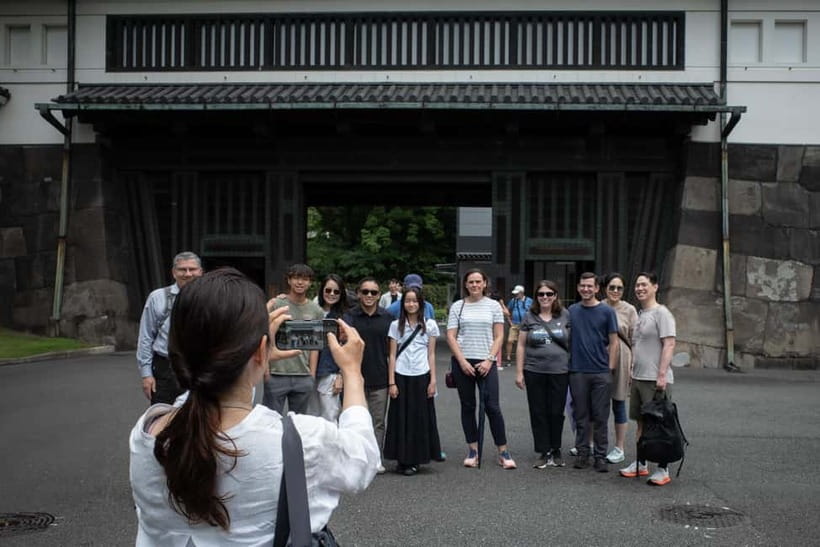
This is Tokyo at its gentlest. You’re walking through the East Gardens, which used to be part of the grounds of Edo Castle, the seat of Tokugawa shoguns during Japan’s Edo period.
What makes it satisfying is that you don’t just stroll—you learn how to look. Expect explanations that connect what you’re seeing (stonework, garden design, remnants) to how the shoguns ran a city-scale power system.
More walks around the Imperial grounds
- Tokyo: Imperial Palace and Shogun Historical Walking Tour
★ 5.0 · 2,251 reviews - Tokyo: Imperial Palace Japanese History Walking Tour
★ 4.9 · 987 reviews - Tokyo: Imperial Palace and Shogun Walking Tour
★ 4.9 · 935 reviews - Imperial Palace East Garden and Edo Castle Walking Tour in Tokyo
★ 5.0 · 510 reviews
Meeting at Starbucks Kokyo Gaien Wadakura Fountain Park
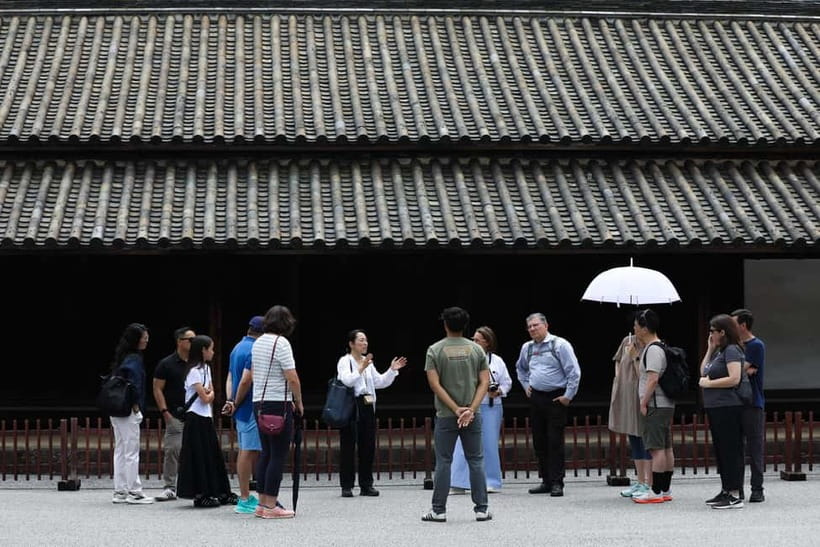
Your guide meets you near Starbucks Coffee at Kokyo Gaien Wadakura Fountain Park. The tour uses that spot because it’s easy to find and gets you started quickly—no long “where are we?” moment before you’re inside the gardens.
If you like good guiding, keep an eye out for names that show up often in past bookings. Guides such as Mei and Kei are repeatedly praised for clear English, patient explanations, and fun questions-and-answers, while Laura is noted for storytelling that mixes feudal facts with modern Japanese perspective.
Honmaru Area: The Edo Castle Core, Read Like a Map
The Honmaru area was once the main compound of Edo Castle. On this tour, you’ll explore the remnants—things like foundation traces, gates, and defensive structures—so you can understand how the castle was laid out and defended.
Here’s why that matters: Edo Castle isn’t just a myth. You can stand in the general area where the center of power sat, then compare the ruins to the logic of military architecture—where people would move, where security would concentrate, and what lines of protection might have looked like.
Don’t expect dramatic, fully intact buildings. The value is in learning the structure from what’s left.
Stone Walls and Guard Houses: Garden Beauty With Military Purpose
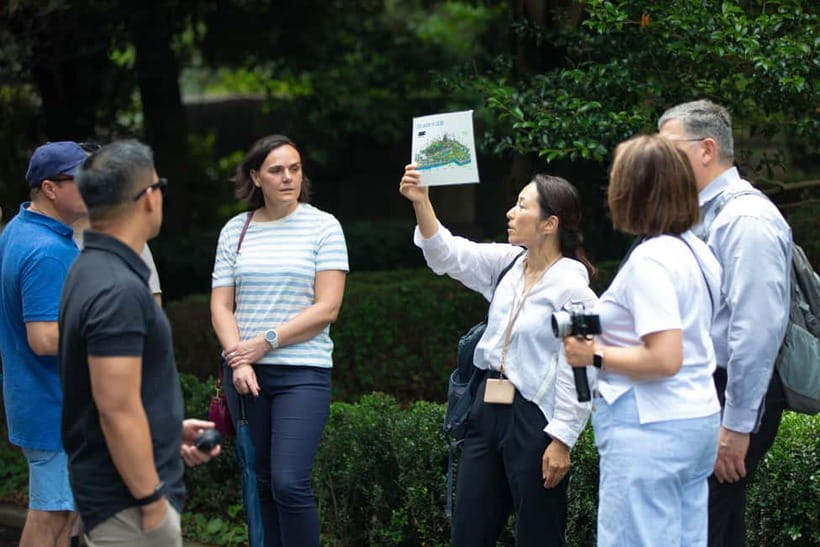
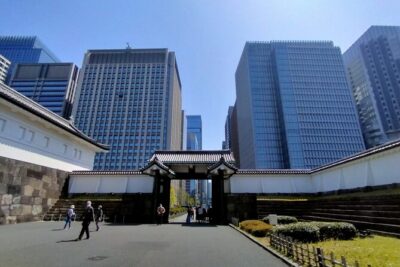
As you move through the East Gardens, you’ll notice features that feel like they belong to a castle textbook. Expect to see artifacts such as stone walls, guard houses, and watch towers, plus plenty of explanation for what they did and why they were placed where they are.
This is where the tour earns its keep. Tokyo has lots of pretty parks, but this one pairs beauty with function. It’s much easier to remember the Edo era when you can point at real remnants and hear how they fit into the bigger picture.
If you want a practical tip: slow down at the stone and structural bits. Let the guide’s explanation land before you keep walking, otherwise you’ll speed through the pieces that make the history click.
Ninomaru Garden: Traditional Japanese Design for Stopping
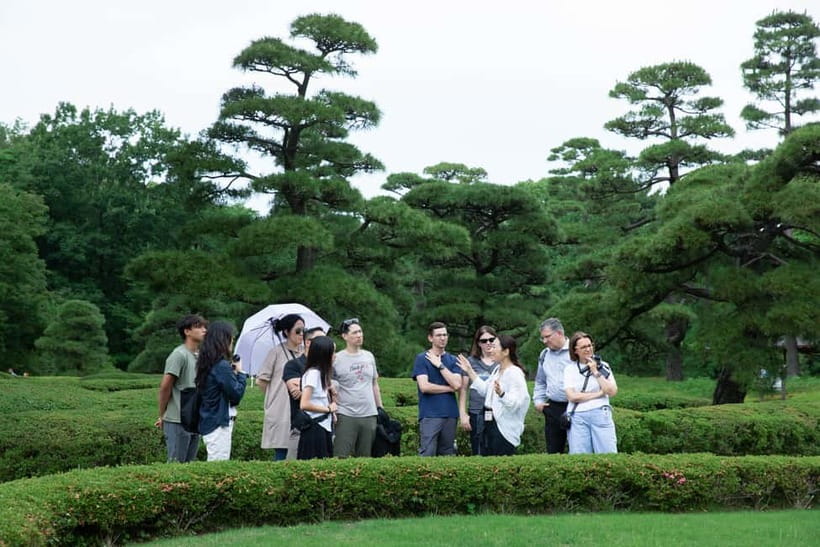
The Ninomaru Garden is the calm, contemplative chapter of the walk. This part is known for its traditional Japanese design, including carefully arranged trees and shrubs, stone lanterns, and a layout that’s meant for quiet viewing.
You’ll also get the garden atmosphere that makes it feel like a break from the city: ponds, bridges, and meticulously pruned bonsai. The trick is to shift from sightseeing mode to observation mode—notice how the design guides where your eyes go and where you naturally pause.
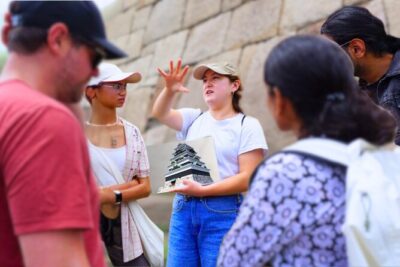
In past tours, people have also liked that some guides come prepared with visual aids like maps or pictures to help you connect what you’re hearing to where things are in the garden. That’s especially useful here, since the garden is pretty but also intentionally designed with specific sightlines.
Readers also shortlisted these Tokyo bookings:
- Tokyo Tsukiji Fish Market Food and Culture Walking Tour★ 5.0 · 3,184 reviews
- Tokyo: Imperial Palace and Shogun Historical Walking Tour★ 5.0 · 2,251 reviews
- Tokyo: Shinjuku Local Bar and Izakaya Guided Walking Tour★ 4.9 · 1,794 reviews
- Tokyo: Tsukiji Fish Market Food and Walking tour★ 5.0 · 1,724 reviews
- Tokyo: Asakusa Walking Tour with Sensoji Temple Visit★ 4.8 · 1,583 reviews
Seasonal Color: Cherry Blossoms and Fall Foliage
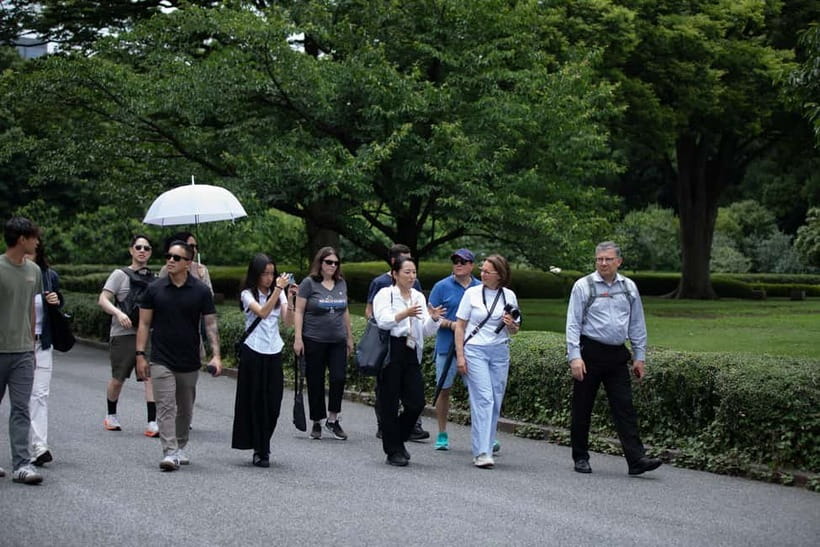
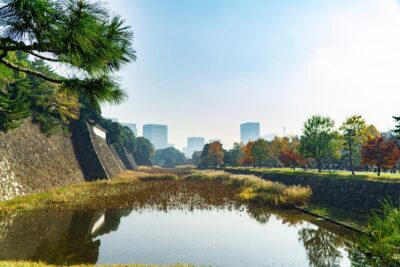
One of the easiest ways to get a better experience is to match your visit to the season. The East Gardens are famous for cherry blossoms in spring and colorful foliage in fall, and the tour is built around those moments.
Spring can be soft and scenic, while autumn adds contrast—warmer tones against stone and water. Either way, you’ll get a setting that makes the historical explanations feel lighter, not heavier.
If you’re traveling in peak seasonal weeks, wear comfortable shoes and plan for crowds outside the garden gates. Inside, the pace is guided, but getting to the meeting point and settling in can still take patience.
Old vs New Tokyo: Shogun Stories Near Modern Streets
This walk is about the contrast. You’re in central Tokyo, with modern life all around, but the story keeps snapping back to the shogun era—who held power, how it was enforced, and why the castle mattered.
Guides also tend to make the connections human. In past groups, comments included light humor about the imperial family and how modern Japan fits into older structures. That style helps the history feel like a living story instead of a list of dates.
For you, the takeaway is simple: you’ll leave knowing how to interpret the city a little better. When you later spot other Tokyo landmarks, you’ll understand why feudal planning shaped what came after.
How the 150 Minutes Feels: Pacing, Breaks, and Photo Stops
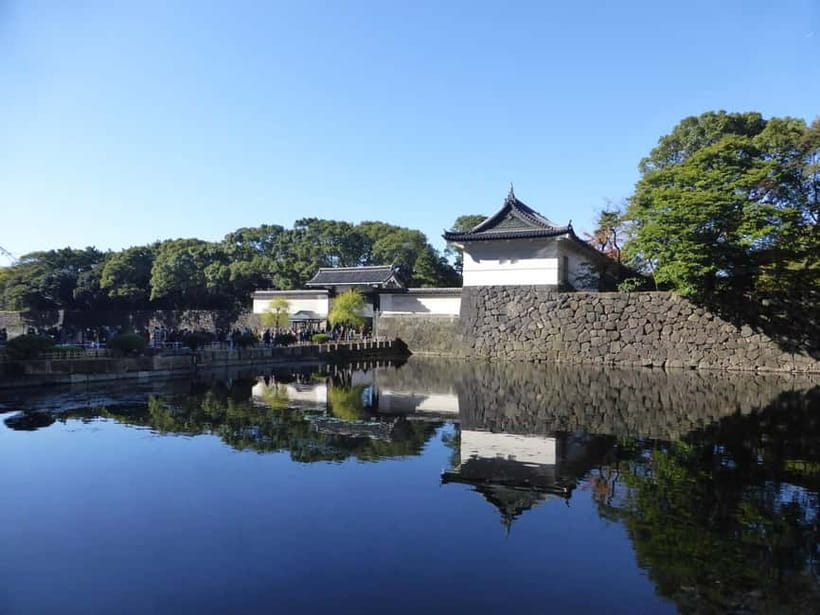
The tour runs about 150 minutes (2.5 hours), so it’s long enough to cover real ground but short enough to stay enjoyable. The best pacing is built around short education stops—listen, look, then walk.
Bring your energy for walking, but don’t overpack your day. After this, you’ll likely want a calm meal nearby or a slower follow-up stroll rather than rushing to another big sight immediately.
If you like taking photos, you’ll often get chances to stop. Some guides have been noted for helping with picture timing and even offering to take photos of the group, which is handy when everyone wants at least one good shot in the garden setting.
Value for $19: What You’re Paying For (and What You’re Not)
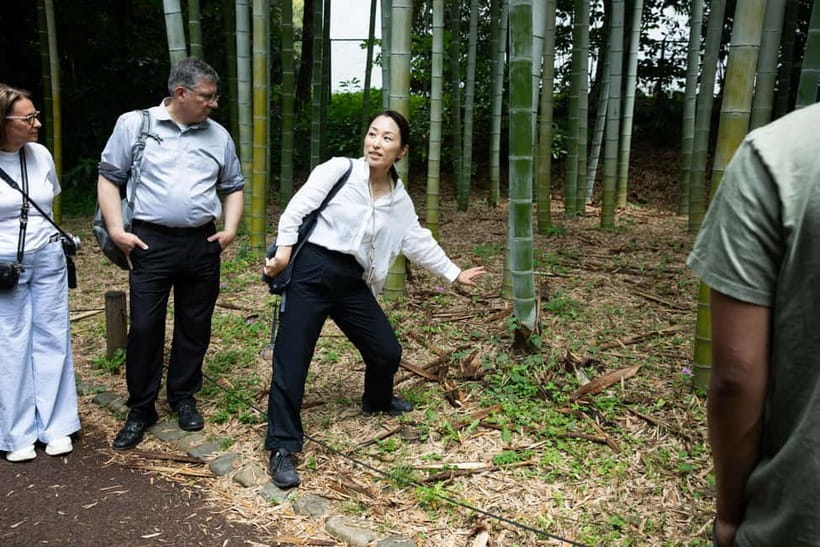
At around $19 per person, the main value is the guided interpretation. You’re not paying for admission to major palace buildings here; you’re paying for the walk plus the guide who explains what the remnants mean.
And that’s a smart deal in Tokyo, where self-guided tours can turn into guesswork fast. A guide turns stone walls, foundations, and designed paths into something you can understand on the spot.
Just remember the trade-off: this tour does not go inside the Imperial Palace. So if your priority is palace interiors, museum-style viewing, or ticketed palace areas, budget extra time for a separate visit.
Who Should Book This Tour (and Who Might Skip It)

I think this tour is ideal if you want history with a relaxed pace. It’s also a great fit if you like gardens but hate when a park tour ignores the “why” behind the design and the placement of structures.
Skip it or rethink if your goal is specifically Imperial Palace interiors, because the tour stays in the East Gardens. Also, if you only want dramatic ruins, you may find the remains more subtle than you expect—but that’s exactly why the guide’s explanations help.
For many people, it hits the sweet spot: peaceful walking, visible Edo Castle remnants, and a guide who can connect the feudal story to modern Tokyo.
Quick Practical Tips Before You Go
Wear shoes you can walk in for a couple of hours, because the experience is mostly on foot. Dress for seasonal weather—spring mornings and fall afternoons can swing fast, and rain sometimes happens in Tokyo.
If you’re sensitive to rain or sun, bring a compact umbrella and a small layer. In past sessions, guides like Miko were noted for keeping groups comfortable in wet weather, which suggests the tour still works when conditions aren’t perfect.
Lastly, bring curiosity. This tour rewards you when you’re willing to look closely at stone, bridges, and garden arrangements instead of just snapping photos and moving on.
Should You Book This Imperial Palace East Gardens Walking Tour?
Yes, if you want a high-value mix of garden calm and Edo Castle storytelling without the stress of navigating ruins on your own. The Honmaru remnants and the Ninomaru Garden are the two big reasons this works, and the guides—often highlighted by names like Mei and Kei—are repeatedly praised for clear English and making the tour feel interactive.
If your priority is entering the palace buildings, don’t book this as your only palace plan. For everyone else, it’s one of those Tokyo experiences that makes the city feel more readable, not just more impressive.
FAQ
Does the tour include entry into the Imperial Palace?
No. The tour does not go inside the Imperial Palace, and entry is not included.
How long is the Imperial Palace East Gardens walking tour?
The duration is 150 minutes, which is about 2.5 hours.
Where do I meet the guide?
You’ll meet at Starbucks Coffee – Kokyo Gaien Wadakura Fountain Park. The guide will wait nearby.
Is the tour guide available in English?
Yes, the live tour guide speaks English.
Can I reserve now and pay later?
Yes. The activity offers a reserve now & pay later option.
Is this tour wheelchair accessible?
Yes, it is listed as wheelchair accessible.
More Tours in Tokyo
- Mt Fuji and Hakone 1-Day Bus Tour Return by Bullet Train
★ 5.0 · 26,383 reviews - 1-Day Tokyo Bus Tour
★ 5.0 · 14,250 reviews - Tokyo: Shinjuku Food Tour (13 Dishes at 4 Local Eateries)
★ 5.0 · 6,603 reviews - Tokyo Mt Fuji 5th St & Hakone Cruise Bus Tour w/Bullet Train
★ 4.4 · 5,024 reviews - Flagship 2-Hours Official Street Go-Kart Tour – Tokyo Bay Shop
★ 5.0 · 4,974 reviews
More Tour Reviews in Tokyo
- Mt Fuji and Hakone 1-Day Bus Tour Return by Bullet Train
★ 5.0 · 26,383 reviews - 1-Day Tokyo Bus Tour
★ 5.0 · 14,250 reviews - Tokyo: teamLab Planets TOKYO Digital Art Museum Entry Ticket
★ 4.6 · 9,779 reviews - Mt Fuji & Hakone Cruise, Drum Show Bullet Train 1 Day from Tokyo
★ 4.0 · 7,413 reviews - Tokyo: Shinjuku Food Tour (13 Dishes at 4 Local Eateries)
★ 5.0 · 6,603 reviews
More Imperial Palace Walks
- Tokyo: Imperial Palace and Shogun Historical Walking Tour
★ 5.0 · 2,251 reviews - Tokyo: Imperial Palace Japanese History Walking Tour
★ 4.9 · 987 reviews - Tokyo: Imperial Palace and Shogun Walking Tour
★ 4.9 · 935 reviews - Imperial Palace East Garden and Edo Castle Walking Tour in Tokyo
★ 5.0 · 510 reviews - Tokyo: Imperial Palace, Sensō-ji Temple, & Tokyo Tower Tour
★ 4.5 · 339 reviews
Latest Tokyo reviews off our desk






Imperial Palace Tours, compared.
 ★ 5.0Imperial Palace and Shogun Historical Walking TourFrom $222,251 reviews
 ★ 4.9Imperial Palace Japanese History Walking TourFrom $32987 reviews
 ★ 4.9Imperial Palace and Shogun Walking TourFrom $16935 reviews
 ★ 5.0Imperial Palace East Garden and Edo Castle Walking Tour in TokyoFrom $25510 reviews
 ★ 4.5Imperial Palace, Sensō-ji Temple, & Tokyo Tower TourFrom $40339 reviews
 ★ 5.0Tokyo Castle, Imperial Palace, Shogun & Garden Walking TourFrom $31211 reviews
 ★ 4.7Edo Castle & East Garden of the Imperial Palace TourFrom $42112 reviews
 ★ 5.0Tokyo Private Tour! Edo Castle & Imperial Palace East GardensFrom $65105 reviews
Browse the lists this tour appears in