
Reviewed · SHIBUYA EXPERIENCES
Kintsugi Workshop Class in Shibuya, Tokyo with mon cadeau
Gold repairs make breakage look graceful. In Shibuya, this kintsugi class with mon cadeau is a calm break from Tokyo life, and I love the hands-on, step-by-step attention you get with Michiko-san and Yuki-san. You also start with matcha and local sweets, which sets a nice, slow pace. One thing to consider: you’re committing to about 2 hours, so it’s not the choice if you want a long wander around Tokyo that same day.
I like that the group cap is small (a maximum of 6), so you’re not competing for teacher time. You’ll pick a piece from mon cadeau’s collection, learn the origins and traditions behind kintsugi, and finish by taking home your repaired crockery.
In This Review
- Key things I’d circle in your plans
- Kintsugi Workshop in Shibuya: what the class is really about
- The calm start at Mon Cadeau: matcha, sweets, and a focused mindset
- Picking your piece: choosing pottery from mon cadeau’s collection
- How the workshop runs: from demos to your hands-on kintsugi
- Teacher time you can actually use with Michiko-san and Yuki-san
- Location in Shibuya: getting there without drama
- Price and value: is $145.35 per person a good deal
- Who should book this kintsugi class, and who should skip it
- Practical tips before you go (so your hands behave)
- Should you book the Mon Cadeau kintsugi workshop in Shibuya?
- FAQ
- How long is the kintsugi workshop?
- What is the group size limit?
- Is this a private experience?
- Where does the workshop meet in Shibuya?
- Does the class include matcha tea and snacks?
- Do I get to choose the item I repair?
- How much does it cost?
- What ticket type do I receive?
- Are service animals allowed?
- Is the booking refundable if I cancel?
Key things I’d circle in your plans
- Matcha + sweets first, so your workshop starts in the right mood
- Pick your own pottery, not a one-size-fits-all souvenir
- Max 6 people for real guidance, not generic instructions
- Michiko-san and Yuki-san lead the class with patient, step-by-step help
- Gold-glue repair ties the history of kintsugi to a very practical task
Kintsugi Workshop in Shibuya: what the class is really about
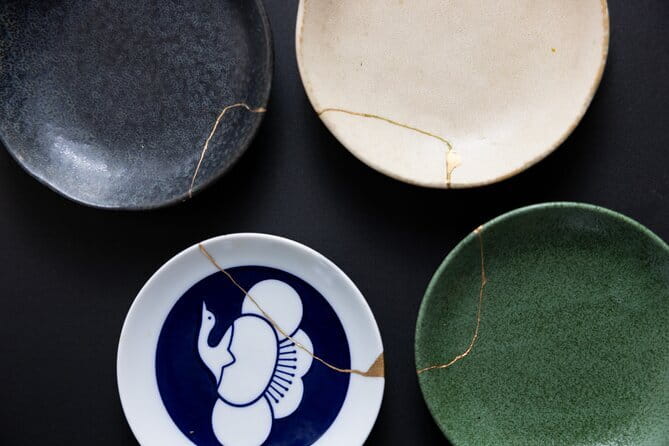
Kintsugi is Japan’s art of repairing broken ceramics in a way that honors the break instead of hiding it. In this Shibuya workshop, you’re not just watching a demo. You get to work on your own chosen piece and understand the meaning behind the technique as you do it.
What makes this class feel like a vacation experience (not a craft errand) is the pace. You’ll slow down, hold a real artifact of daily life, and learn a process that’s both practical and philosophical. It also helps that it’s designed for a small group. When the class is that size, questions don’t get lost and corrections actually land while you’re still working.
The workshop is in central Tokyo, but it doesn’t feel like a factory. The goal is mindful crafting, which you can feel as soon as the session begins with matcha and snacks.
More booked around Shibuya Crossing
- Official Street Go-Kart in Shibuya
★ 5.0 · 3,435 reviews - Tokyo: Street Kart Experience in Shibuya
★ 4.9 · 1,484 reviews - Shibuya Meltdown Nightlife Tour: All-You-Can-Drink Bar Hopping
★ 5.0 · 1,058 reviews - Shibuya Official Street Go-Kart in Shibuya Annex
★ 5.0 · 972 reviews
The calm start at Mon Cadeau: matcha, sweets, and a focused mindset
The class begins with a calming matcha tea experience. This matters more than you might think. Kintsugi is detail work, and your hands need patience and steady attention. Starting with tea and local sweets helps you settle in rather than rushing in from the street.
You’ll be in an environment that’s set up for teaching. That’s important because kintsugi isn’t just a “stick it back together” task. The technique involves careful steps, and the class format is meant to keep you from feeling overwhelmed.
If you like workshops that feel personal and human, this one leans that way. The hosts and instructors have a welcoming, supportive presence, which helps when you’re learning something hands-on for the first time.
Picking your piece: choosing pottery from mon cadeau’s collection
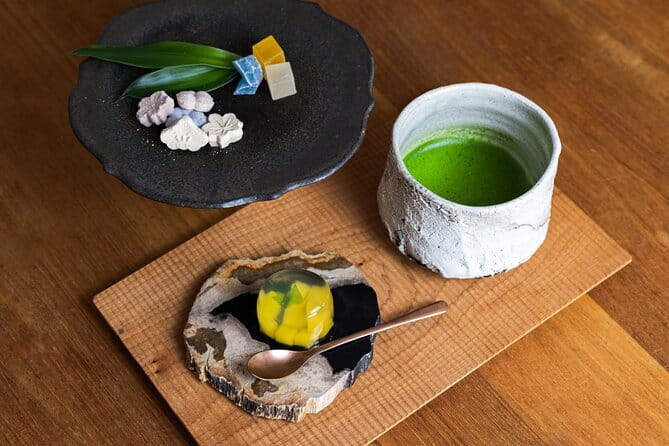
One of the best parts is that you choose your own piece of crockery to repair. That means your “take-home souvenir” isn’t necessarily predetermined. You’re matching the project to what you’re interested in, and that changes how meaningful the finished item feels.
Because you’re selecting from mon cadeau’s collection, you don’t need to bring damaged ceramics from home. You just show up ready to repair something that’s part of their workshop materials. This is a relief in Tokyo, where carrying extra items can quickly turn into a hassle.
You’ll also get context on the origins and traditions surrounding kintsugi. That way, the gold-glue repair isn’t presented like a random craft trick. You’ll understand why the process looks the way it does and why the repaired lines matter.
How the workshop runs: from demos to your hands-on kintsugi
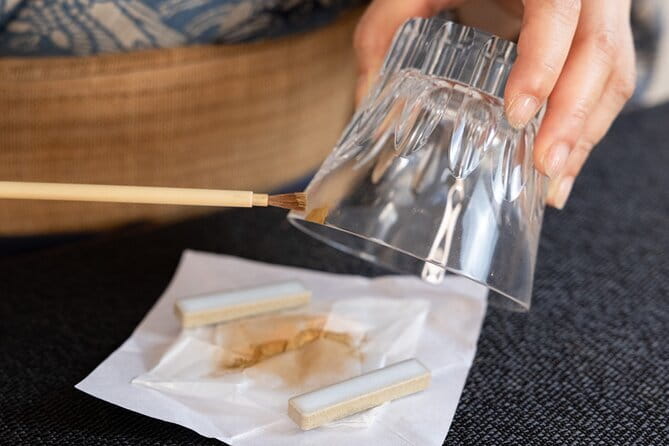
The class runs about 2 hours, and it’s structured so you can follow along without feeling rushed. You’ll get step-by-step demonstrations first, then you’ll move into hands-on work restoring the chosen piece.
Even with a short timeframe, the workshop is designed to make the technique learnable. The instructor provides guidance throughout, and you’re not left to figure it out alone. That’s the difference between a “watch and hope” class and a real skill-building workshop.
The core concept you’ll work with is the idea of repairing ceramics with gold glue. Over centuries, broken pottery in Japan has been fixed and often made more beautiful through this kind of visible repair. In the workshop, that history becomes something practical: you’re applying the method to a real object while learning how the steps connect.
Teacher time you can actually use with Michiko-san and Yuki-san
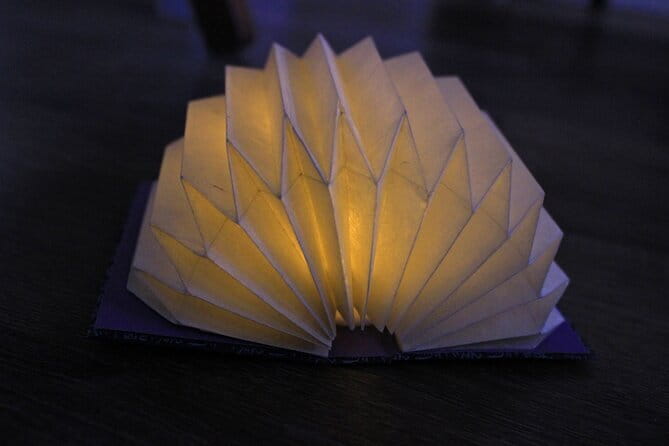
This is a small-group experience with a maximum of 6 travelers, and that’s a big deal for kintsugi. Fine-motor work needs feedback. If you’re in a large class, the teacher can’t watch your exact progress at every step.
The instructors, Michiko-san and Yuki-san, lead with a warm, patient approach. Their teaching style is step-by-step, and they provide personalized guidance so you can keep going even if a part of the process feels tricky at first.
You’ll feel more like you’re learning in a friendly home setting than in a high-traffic tourist studio. That also helps you ask questions freely. When people feel comfortable asking, they learn faster.
More hands-on studios our readers booked
- Tokyo Shinjuku Chopsticks Making Class★ 5.0 · 1,763 reviews
- Chopstick Making Workshop in Ginza★ 4.8 · 1,366 reviews
- Kintsugi Experience: Art of Golden Joinery in Tokyo★ 5.0 · 467 reviews
- Tokyo Chopstick Making Workshop with Artisan★ 5.0 · 466 reviews
- Tokyo: Shinjuku Chopstick Making Class★ 4.9 · 440 reviews
Location in Shibuya: getting there without drama
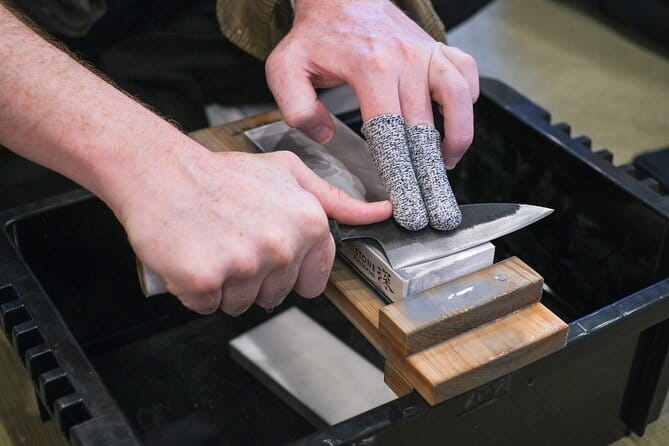
The meeting point is Central Hospital, 25-1 Shinsenchō, Shibuya, Tokyo 150-0045, Japan. The good news is it’s near public transportation, which makes it easy to plug into a Tokyo day without needing a complicated route.
The workshop ends back at the meeting point. That simple “start and finish in the same place” design helps you plan your afternoon or evening without worrying about last-minute transfers.
Bring yourself, your curiosity, and a calm mindset. The class is short enough that you won’t lose half the day to travel, but long enough to actually finish a project.
Price and value: is $145.35 per person a good deal

At $145.35 per person, this is not a bargain-basement craft class. But for Tokyo, it’s priced like a guided experience with real instruction and a personalized outcome.
Here’s what you’re paying for:
- Hands-on kintsugi with guidance throughout
- Your own chosen piece from their collection
- Materials and process centered on a traditional Japanese practice
- Small-group teaching (max 6), which is where the “value” really shows up
A cheaper craft class can end up feeling generic: you make something simple, the teacher checks in once, and you leave with a product but not much understanding. This workshop is designed the other way. You’ll learn the origins and traditions, practice the technique step-by-step, and leave with restored crockery.
If you’re the kind of traveler who likes experiences that stay with you after the photos fade, this price starts to make sense. You’re buying time, instruction, and a meaningful object tied to a cultural idea of repair.
Who should book this kintsugi class, and who should skip it
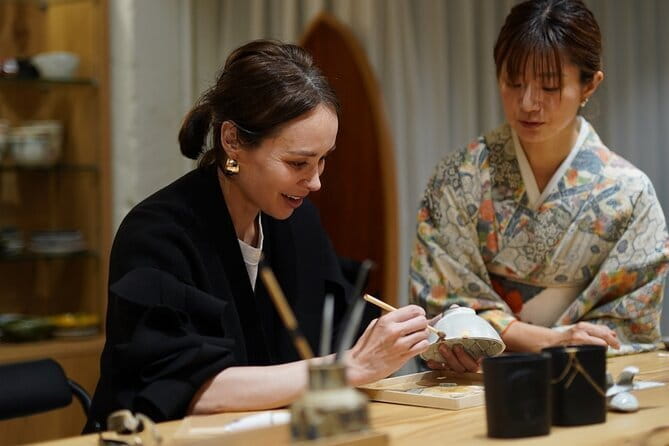
This workshop is a great fit if you want a slower Tokyo moment. You like hands-on learning, and you enjoy craft experiences where you can ask questions and get corrections. It’s also ideal for travelers who want something more thoughtful than a typical shop stop.
It’s also a strong option for people traveling as a pair or small group, because the class is private in the sense that only your group participates. With a maximum of 6 travelers, you should expect a calm pace rather than a crowded room.
You might skip it if:
- You want a full-day activity in Tokyo, since the class is about 2 hours
- You prefer purely sightseeing-focused itineraries with no hands-on making
Also note: confirmation is provided at booking time, and the workshop runs as a private tour/activity for your group.
Practical tips before you go (so your hands behave)
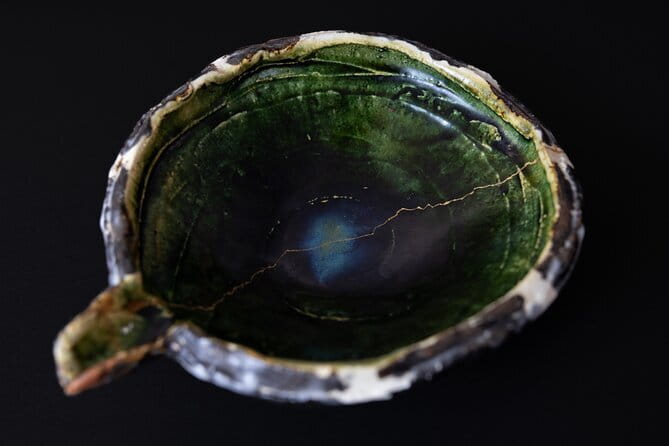
You don’t need special experience. Most participants can join the workshop. Still, kintsugi is slow and precise, so plan like it’s a craft class, not a quick stop.
Wear comfortable clothes you don’t mind using carefully. You’ll be working with the repair process, and you’ll benefit from staying focused on the steps as the instructor demonstrates.
Plan your Tokyo day so you arrive a bit early. The meeting point is at Central Hospital in Shinsenchō, Shibuya, and being on time helps you settle before the matcha start.
Finally, if you’re sensitive to strong smells, keep in mind that gold glue repair involves materials associated with lacquer-like processes. The class description doesn’t spell out fragrance details, so you might find it mild, or you might notice it more than you expect.
Should you book the Mon Cadeau kintsugi workshop in Shibuya?
I’d book this if you want a guided cultural craft with a personal outcome. The combo of matcha + sweets, a small group cap, and step-by-step attention from Michiko-san and Yuki-san makes it feel genuinely learnable. You’re not just making an object. You’re learning why the gold repair line matters.
I’d think twice if you hate hands-on tasks, want a long itinerary, or want a low-cost souvenir. This is a skill-based experience with a clear time limit, and it’s best when you’re ready to slow down and focus.
If you’re planning a Tokyo trip and want something that feels both Japanese and practical, this Shibuya kintsugi class is an easy yes.
FAQ
How long is the kintsugi workshop?
It runs about 2 hours.
What is the group size limit?
The workshop is limited to a maximum of 6 travelers.
Is this a private experience?
Yes. Only your group will participate.
Where does the workshop meet in Shibuya?
It starts at Central Hospital, 25-1 Shinsenchō, Shibuya, Tokyo 150-0045, Japan.
Does the class include matcha tea and snacks?
Yes. It begins with a calming matcha tea experience and local sweets are served.
Do I get to choose the item I repair?
Yes. You choose your own piece of crockery from mon cadeau’s collection.
How much does it cost?
The price is $145.35 per person.
What ticket type do I receive?
You get a mobile ticket.
Are service animals allowed?
Yes, service animals are allowed.
Is the booking refundable if I cancel?
No. The experience is non-refundable and cannot be changed for any reason. If canceled due to not meeting a minimum number of travelers, you’ll be offered a different date/experience or a full refund.
More Tour Reviews in Tokyo
- Mt Fuji and Hakone 1-Day Bus Tour Return by Bullet Train
★ 5.0 · 26,383 reviews - 1-Day Tokyo Bus Tour
★ 5.0 · 14,250 reviews - Tokyo: teamLab Planets TOKYO Digital Art Museum Entry Ticket
★ 4.6 · 9,779 reviews - Mt Fuji & Hakone Cruise, Drum Show Bullet Train 1 Day from Tokyo
★ 4.0 · 7,413 reviews - Tokyo: Shinjuku Food Tour (13 Dishes at 4 Local Eateries)
★ 5.0 · 6,603 reviews
More Artisan Workshops in Tokyo
- Tokyo Shinjuku Chopsticks Making Class
★ 5.0 · 1,763 reviews - Chopstick Making Workshop in Ginza
★ 4.8 · 1,366 reviews - Kintsugi Experience: Art of Golden Joinery in Tokyo
★ 5.0 · 467 reviews - Tokyo Chopstick Making Workshop with Artisan
★ 5.0 · 466 reviews - Tokyo: Shinjuku Chopstick Making Class
★ 4.9 · 440 reviews
More Around Shibuya Crossing
- Official Street Go-Kart in Shibuya
★ 5.0 · 3,435 reviews - Tokyo: Street Kart Experience in Shibuya
★ 4.9 · 1,484 reviews - Shibuya Meltdown Nightlife Tour: All-You-Can-Drink Bar Hopping
★ 5.0 · 1,058 reviews - Shibuya Official Street Go-Kart in Shibuya Annex
★ 5.0 · 972 reviews - Tokyo: Shibuya Food Tour (13 dishes and 4 Eateries)
★ 5.0 · 770 reviews
Latest Tokyo reviews off our desk






Shibuya Experiences, compared.
 ★ 5.0Official Street Go-Kart in ShibuyaFrom $763,435 reviews
 ★ 4.9Street Kart Experience in ShibuyaFrom $741,484 reviews
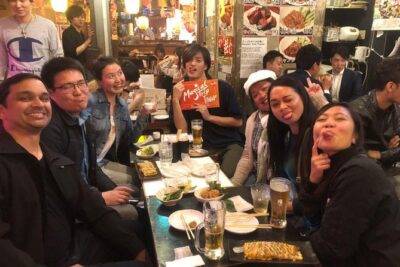 ★ 5.0Shibuya Meltdown Nightlife Tour: All-You-Can-Drink Bar HoppingFrom $1061,058 reviews
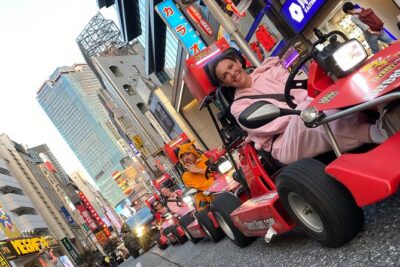 ★ 5.0Shibuya Official Street Go-Kart in Shibuya AnnexFrom $69972 reviews
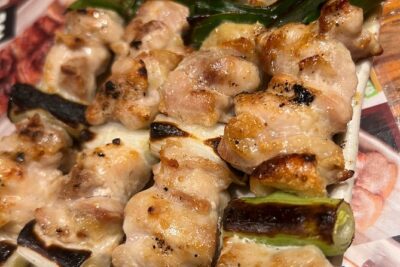 ★ 5.0Shibuya Food Tour (13 dishes and 4 Eateries)From $77770 reviews
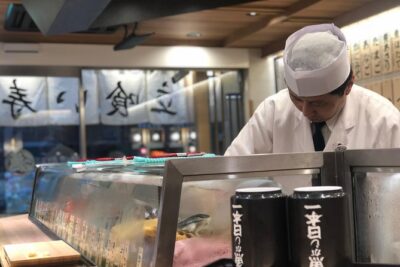 ★ 5.0Best of Shibuya Food TourFrom $217612 reviews
 ★ 4.8Shibuya Highlights Walking TourFrom $19601 reviews
 ★ 4.7Premium Go-Kart Tour with Tower & Shibuya CrossingFrom $116528 reviews
Browse the lists this tour appears in