
Tokyo chopstick making beats another souvenir. This hands-on Shinjuku class turns a busy day into something quiet and skillful, where you’ll carve and smooth your own wooden pair with traditional tools. I especially like the chance to take home a personal, usable craft instead of a mass-produced trinket, and the way the English-speaking staff makes the steps clear enough for first-timers. One thing to consider: the wood you choose can be harder or easier, so expect a little hands-on effort, especially if you pick a tougher grain.
You’ll meet on the 10th floor of the Shinjuku West Building (take the elevator up; it’s by 617 Bar near the post office) and settle into a small workshop for about an hour. You’ll start by choosing among included wood options, get walked through shaping and finishing, and end by wrapping your finished chopsticks for carrying or gifting. It’s beginner friendly, but it’s also real craftwork—so bring patience, not just a camera.
In This Review
- Why This Shinjuku Chopstick Class Feels Different From Usual Tokyo Activities
- What You’ll Do: The Chopstick-Making Flow (And What Each Part Is For)
- 1) Check in on the 10th floor and get set up
- 2) Choose your wood (2 included) and start with real technique
- 3) Carve and shape your chopsticks using traditional tools
- 4) Smooth and finish for grip and comfort
- 5) Optional engraving and personalization (often extra)
- 6) Wrap and take your chopsticks home
- The Instructors: Why People Feel Cared For in This Workshop
- Key Things I’d Put on Your Must-Know List Before You Go
- Price and Value: Why $12 Can Be a Very Good Deal
- Practical Tips for a Smooth Class in Shinjuku
- Who Should Book This Chopstick-Making Class (And Who Might Not)
- How to Fit It Into Your Tokyo Day
- FAQ
- FAQ
- How long is the Shinjuku chopstick making class?
- Where is the meeting point for the workshop?
- Is the class taught in English?
- What does the price include?
- Can I choose different wood types beyond the included options?
- Can I personalize the chopsticks with engraving?
- Is this class beginner-friendly?
- What happens at the end of the class?
- Do I need to book in advance?
- What is the cancellation policy?
- Should You Book This Shinjuku Chopstick Making Class?
Why This Shinjuku Chopstick Class Feels Different From Usual Tokyo Activities
If you want a Tokyo activity that’s both cultural and relaxing, this is a strong pick. Instead of racing from one landmark to the next, you’re doing something physical and focused: carving, shaping, and smoothing your own pair of chopsticks. The result is satisfying in a way that shopping just can’t match.
Two details matter here. First, you’re not just watching a demo. You’re using traditional and authentic tools to make something you’ll actually use at meals later. Second, the class is built for normal humans, not craft experts. The staff and instructors are comfortable guiding you step-by-step in English, and many people note how patient and encouraging the coaching feels.
The only real drawback is that your chopsticks depend on your wood choice and your technique. Some woods can be more challenging to work with, so if you’re expecting effortless perfection, you might feel a bit of friction. The good news: the guidance is there to help you keep going until you’ve got a finished pair.
What You’ll Do: The Chopstick-Making Flow (And What Each Part Is For)
This class runs about 1 hour, and the process is structured so you get momentum quickly. Even if you finish on the faster side, it’s still worth giving the full time to get clean shaping and a smooth feel.
More Shinjuku plates and pours our readers rated
- Tokyo: Shinjuku Food Tour (13 Dishes at 4 Local Eateries)
★ 5.0 · 6,603 reviews - Tokyo Bar Hopping Tour in Shinjuku (All-You-Can-Drink + Dinner)
★ 5.0 · 3,587 reviews - Tokyo: Shinjuku Food Tour (15 Dishes and 4 Eateries)
★ 4.9 · 2,033 reviews - Best of Shinjuku: Izakaya Food Tour (4 Stops, 14+ Tastings)
★ 5.0 · 1,863 reviews
1) Check in on the 10th floor and get set up
You’ll meet at the 10th floor of the Shinjuku West Building and come up using the elevator. The meeting point is by 617 Bar, close to the post office, and the coordinates point you right to the Shinjuku West Building area.
Once you’re inside, you’ll be seated at a work table. The space is small and workshop-like, which is part of the calm. You can focus without feeling lost in a huge group.
2) Choose your wood (2 included) and start with real technique
You’ll pick from two types of wood included in the price. The big idea is that different woods can feel different when you carve and sand them. In practice, some choices require more care to shape smoothly.
If you’re new, treat the wood selection as your first “decision skill” of the day. Pick something you’ll feel excited about, but don’t be surprised if a tougher option takes more effort. Instructors can guide you if you’re struggling.
3) Carve and shape your chopsticks using traditional tools
Then comes the main work: carving and shaping. You’re guided on how to form the chopsticks so they taper correctly and feel right in the hand.
You’ll use traditional tools, and the class emphasizes Japanese technique rather than shortcuts. This is the part that feels most “you’re making it for real,” because wood shavings appear and your chopsticks start looking like chopsticks instead of a block.
4) Smooth and finish for grip and comfort
Next you smooth the surface so your chopsticks won’t feel rough. This step matters more than it sounds. Smoothness affects how the chopsticks handle at the table.
Many people describe the whole experience as calming, and I get why: once you’re into the rhythm of shaping and smoothing, the workshop becomes a quiet zone.
More hands-on studios our readers booked
- Tokyo Shinjuku Chopsticks Making Class★ 5.0 · 1,763 reviews
- Chopstick Making Workshop in Ginza★ 4.8 · 1,366 reviews
- Kintsugi Experience: Art of Golden Joinery in Tokyo★ 5.0 · 467 reviews
- Tokyo Chopstick Making Workshop with Artisan★ 5.0 · 466 reviews
- Tokyo: Shinjuku Chopstick Making Class★ 4.9 · 440 reviews
5) Optional engraving and personalization (often extra)
You can personalize your chopsticks. Names or added touches are available as an option, and engraving is typically an extra charge (for example, one commonly mentioned price is 2000 JPY). If you want a “Tokyo story” on your chopstick pair, budget for it.
Not everyone does engraving. Some people are happy enough with the carving and the fact that they made the chopsticks from scratch.
6) Wrap and take your chopsticks home
At the end, your finished chopsticks come with a special wrapping so you can bring them home or gift them right away. This is the practical payoff: you leave with something that looks good and works.
The Instructors: Why People Feel Cared For in This Workshop
A big reason this class scores so high is the coaching. The names that show up again and again include Masa, Shu, Koji, Fu, Yuki, Mimi, Karen, Anh, Tom, Jen, and Mauro. Even when the names differ, the pattern stays consistent: clear instructions, patience when you make a mistake, and help that gets you unstuck fast.
If you’re traveling alone, this also helps. You’re sitting at a table with staff hovering nearby. The atmosphere tends to feel encouraging rather than intimidating, which makes a difference when you’re carving by hand.
One more practical point: instructions are in English, and the staff is used to handling different skill levels, including kids and adults.
Key Things I’d Put on Your Must-Know List Before You Go
- You choose wood: two types are included, and your selection affects how hard the carving feels.
- It’s truly hands-on: you use traditional tools to shape and smooth your own chopsticks.
- English-speaking guidance: staff and instructors teach step-by-step so you can finish confidently.
- Optional engraving: it’s available but usually costs extra, such as 2000 JPY.
- Small workshop size: it’s not a giant factory line; the room is set up for small groups at tables.
- You can ask about wood shavings: some participants mention taking shavings and using them for scent or crafts, but you should confirm any rules for bringing wood back home.
Price and Value: Why $12 Can Be a Very Good Deal
At $12 per person for a 1-hour workshop, this is priced like an activity, not like a souvenir shop purchase. You’re getting several things bundled together:
- the workshop itself
- English-speaking instruction
- materials in the form of included wood types
- traditional tools
- a finished take-home product with wrapping
The cost becomes especially reasonable when you compare it to what chopsticks cost in stores, where you’re usually paying for someone else’s labor and design. Here, you’re paying for time, guidance, and the ability to make a usable pair you can personalize.
There are possible add-ons, though. A higher-grade wood selection and engraving typically cost extra. That’s not a dealbreaker, but it’s worth planning. If you do the engraving, your final spend goes up; if you stick to included wood and the basic make-and-wrap, you can keep it close to the starting price.
Practical Tips for a Smooth Class in Shinjuku
This class is easy to say yes to, but a few tips will help you enjoy it more.
Wear comfortable clothes. You’re carving and smoothing wood, and you’ll likely get wood dust or shavings around your station.
Don’t rush the smoothing step. If you skip it or skim it, your chopsticks might feel rough at the table.
If your wood choice feels hard, don’t blame yourself. Some woods are simply more demanding. The instructors tend to correct technique when you’re stuck, and many people specifically praise how quickly help comes once a problem starts.
If you want photos for memories, you can ask the staff during the workshop. Several people mention that staff helps with pictures and even videos when requested.
Who Should Book This Chopstick-Making Class (And Who Might Not)
This is a great fit if you:
- want a break from sightseeing and something calming and hands-on
- enjoy doing small crafts with your hands
- want a practical souvenir you’ll use, not just display
- travel as a family, couple, or solo traveler who likes structured activities
It may be less ideal if you:
- want a purely passive cultural lesson (this is active craftwork)
- hate any chance of mess (wood shavings are part of the process)
- expect a guaranteed perfect result on your first try without guidance
Kids can handle it too, based on multiple experiences mentioning children in the group. The class atmosphere seems supportive rather than strict, which makes a difference for younger makers.
How to Fit It Into Your Tokyo Day
This is one of those activities that works well as a mid-day reset or an evening decompress. Shinjuku can be intense—crowds, trains, neon—and this workshop offers a quiet counterpoint.
If you’re doing a first-day activity, it’s especially useful. You’ll start feeling grounded in the culture through a small everyday object. And because you make something you’ll use later, it connects your trip to meals back in your routine.
FAQ
FAQ
How long is the Shinjuku chopstick making class?
The class lasts about 1 hour.
Where is the meeting point for the workshop?
Meet at the 10th floor of the Shinjuku West Building. Use the elevator. The building is close to 617 Bar near the post office.
Is the class taught in English?
Yes. English-speaking staff and an English instructor are provided.
What does the price include?
The workshop includes making your own chopsticks, use of traditional and authentic tools, English-speaking staff, and a choice of wood (2 types included).
Can I choose different wood types beyond the included options?
You can choose wood options, but some additional or higher-quality woods may require extra payment.
Can I personalize the chopsticks with engraving?
Engraving is available as an optional add-on, and it typically costs extra.
Is this class beginner-friendly?
Yes, it’s designed to be beginner friendly and supportive, with guidance through the steps.
What happens at the end of the class?
You take home your finished chopsticks, wrapped for carrying or gifting.
Do I need to book in advance?
You can reserve a spot in advance. Starting times depend on availability.
What is the cancellation policy?
Free cancellation is available up to 24 hours in advance for a full refund.
Should You Book This Shinjuku Chopstick Making Class?
If you want one thing in Tokyo that’s affordable, cultural, and genuinely satisfying, I’d book it. For roughly the price of a couple decent meals, you get an English-taught workshop, traditional tools, hands-on technique, and a take-home souvenir that actually gets used.
Just go in with the right mindset: you’re learning a craft, so your first try might not look museum-perfect. The best part is that help is right there, and the final pair is still yours—made by hand in Shinjuku.
More Tour Reviews in Tokyo
- Mt Fuji and Hakone 1-Day Bus Tour Return by Bullet Train
★ 5.0 · 26,383 reviews - 1-Day Tokyo Bus Tour
★ 5.0 · 14,250 reviews - Tokyo: teamLab Planets TOKYO Digital Art Museum Entry Ticket
★ 4.6 · 9,779 reviews - Mt Fuji & Hakone Cruise, Drum Show Bullet Train 1 Day from Tokyo
★ 4.0 · 7,413 reviews - Tokyo: Shinjuku Food Tour (13 Dishes at 4 Local Eateries)
★ 5.0 · 6,603 reviews
More Artisan Workshops in Tokyo
- Tokyo Shinjuku Chopsticks Making Class
★ 5.0 · 1,763 reviews - Chopstick Making Workshop in Ginza
★ 4.8 · 1,366 reviews - Kintsugi Experience: Art of Golden Joinery in Tokyo
★ 5.0 · 467 reviews - Tokyo Chopstick Making Workshop with Artisan
★ 5.0 · 466 reviews - Tokyo: Chopstick-Making Workshop
★ 4.9 · 348 reviews
More Shinjuku Food and Drink
- Tokyo: Shinjuku Food Tour (13 Dishes at 4 Local Eateries)
★ 5.0 · 6,603 reviews - Tokyo Bar Hopping Tour in Shinjuku (All-You-Can-Drink + Dinner)
★ 5.0 · 3,587 reviews - Tokyo: Shinjuku Food Tour (15 Dishes and 4 Eateries)
★ 4.9 · 2,033 reviews - Best of Shinjuku: Izakaya Food Tour (4 Stops, 14+ Tastings)
★ 5.0 · 1,863 reviews - Tokyo: Shinjuku Local Bar and Izakaya Guided Walking Tour
★ 4.9 · 1,794 reviews
Latest Tokyo reviews off our desk






Shinjuku Food & Bar Tours, compared.
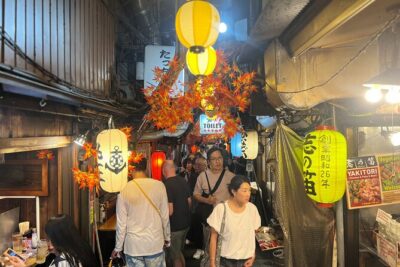 ★ 5.0Shinjuku Food Tour (13 Dishes at 4 Local Eateries)From $866,603 reviews
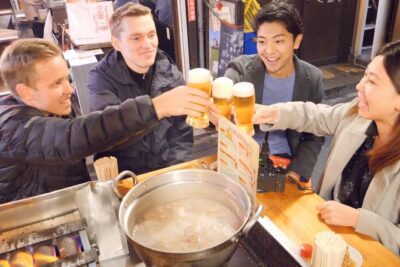 ★ 5.0Tokyo Bar Hopping Tour in Shinjuku (All-You-Can-Drink + Dinner)From $1063,587 reviews
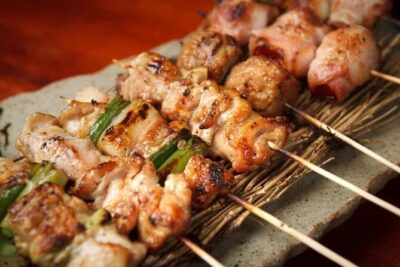 ★ 4.9Shinjuku Food Tour (15 Dishes and 4 Eateries)From $852,033 reviews
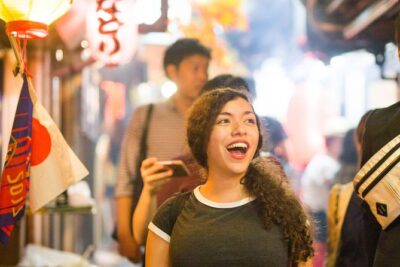 ★ 5.0Best of Shinjuku: Izakaya Food Tour (4 Stops, 14+ Tastings)From $921,863 reviews
 ★ 4.9Shinjuku Local Bar and Izakaya Guided Walking TourFrom $341,794 reviews
 ★ 5.0Tokyo Shinjuku Chopsticks Making ClassFrom $201,763 reviews
 ★ 5.0Tokyo Shinjuku Sumo Show & Experience with PhotoFrom $791,750 reviews
 ★ 5.0Tokyo Night Foodie Tour in Shinjuku – Seasonal Sushi, Wagyu BeefFrom $1111,161 reviews
Browse the lists this tour appears in