
Reviewed · CRAFT & ARTISAN WORKSHOPS
Chopstick Making Workshop in Ginza
Ginza has a hands-on kind of charm. In this chopstick making workshop, you pick from 24 types of wood and craft a pair with a plane, sandpaper, and oil, then you can personalize it with optional name engraving. The only real catch is that it’s true woodworking, so you’ll use some arm and core strength to shave the wood evenly.
This is set in central Tokyo at the meeting point in Ginza (2-9-13 Ginza, Chuo-ku), and it’s designed to be doable in just one hour. You also get English support from staff, so you’re not stuck translating tool instructions while everyone else moves faster.
In This Review
- Key Things to Know Before You Go
- Why This Ginza Chopstick Workshop Beats Another Souvenir
- The “Heart of Ginza” Location: Easy to Fit Into a Day
- Picking Your Wood and Length (Where Your “Souvenir” Becomes Yours)
- The One-Hour Craft Process: Plane, Sand, Oil, Repeat (With Real Tool Time)
- What If You’ve Never Used a Plane?
- English-Speaking Help: The Real Secret Sauce for First-Timers
- Name Engraving with a Laser: Personal, Crisp, and Carry-Home Ready
- Price and Value: How $25 Can Stay $25 (If You Choose Smartly)
- Practical Tips So Your Chopsticks Come Out Smooth
- Who This Workshop Fits Best (And Who Might Find It Frustrating)
- Should You Book the Chopstick Making Workshop in Ginza?
- FAQ
- Where is the workshop meeting point?
- How long is the chopstick making workshop?
- What does the price include?
- Can I choose different wood types and lengths?
- Are all wood types included in the price?
- What tools and steps are part of the process?
- Can I take the chopsticks home the same day?
- Can I engrave my name or a phrase on the chopsticks?
- Do staff speak English?
- Is there free cancellation?
Key Things to Know Before You Go
- Pick your wood and length first: choose from 24 wood types and two chopstick lengths
- You do the shaping by hand: plane the wood, then smooth tips and corners with sandpaper
- Oil gives the final look and feel: you coat your chopsticks for a polished finish
- Engrave for extra meaning: laser engraving can add a name or phrase (charged extra)
- English support is built in: English-speaking staff assist throughout
- It’s a real workshop vibe: tools are manual; some woods are easier than others
Why This Ginza Chopstick Workshop Beats Another Souvenir
A lot of Tokyo souvenirs are pretty, then they sit in a drawer. This workshop flips that script: you make something you’ll actually use, and each pair carries your choices—wood type, length, finish, and sometimes a name or phrase.
What I like most is how straightforward the goal is. You come in, select your materials, follow clear steps, and leave with a pair you made from scratch the same day. That makes it ideal when you want a Tokyo experience that’s personal but doesn’t swallow your whole afternoon.
There’s also a quietly satisfying logic to the process. Planing forces you to slow down and control pressure; sanding turns rough edges into something smooth. By the time the oil goes on, you can see the difference in a way photos never quite capture.
More hands-on studios our readers booked
- Tokyo Shinjuku Chopsticks Making Class
★ 5.0 · 1,763 reviews - Chopstick Making Workshop in Ginza
★ 4.8 · 1,366 reviews - Kintsugi Experience: Art of Golden Joinery in Tokyo
★ 5.0 · 467 reviews - Tokyo Chopstick Making Workshop with Artisan
★ 5.0 · 466 reviews
The “Heart of Ginza” Location: Easy to Fit Into a Day
This class meets at 2-9-13 Ginza, Chuo-ku, Tokyo, which is about as central as you can get. If your days already orbit Ginza shopping streets, you won’t feel like you’re doing a half-day detour just to craft something small.
One practical point: Ginza can be confusing even for people who navigate well. A few people in the experience feedback noted they ended up at the wrong spot initially, then corrected course using the booking info. So if you’re walking in from a nearby hotel, double-check the address before you commit your steps.
The workshop itself is structured for a one-hour block, so it tends to work best when you keep the rest of your schedule light. If your plan includes tight train transfers back-to-back, you’ll feel calmer if you leave a buffer afterward.
Picking Your Wood and Length (Where Your “Souvenir” Becomes Yours)
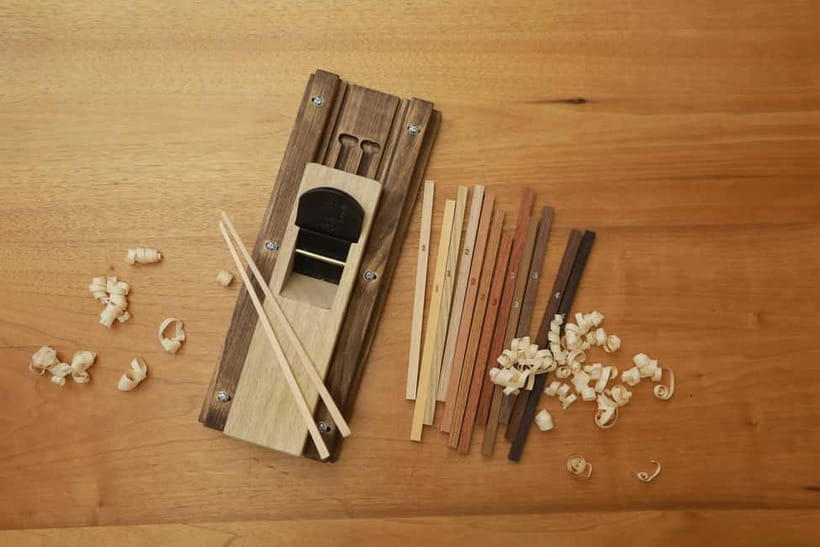
You start by choosing your chopsticks from 24 types of wood and two different lengths. That sounds like a menu detail, but in practice it’s where the experience becomes personal.
Here’s the value angle: 5 wood types are included for free, while the remaining 19 are higher-grade and cost extra. That means you can keep the experience close to the advertised price by selecting one of the included options, or you can upgrade if you care more about grain, feel, or difficulty level.
From the experience notes, some woods are tougher to work than others. People called out that certain choices can demand more patience and steady pressure. If you want the easiest path to a smooth final result, you might consider sticking with one of the included woods first time around—and upgrade only if you get confident with the tools.
Also keep an eye on what you’re trying to optimize: making the best-looking chopsticks isn’t just about the wood. It’s also about how evenly you plane and how carefully you sand the tips and corners.
The One-Hour Craft Process: Plane, Sand, Oil, Repeat (With Real Tool Time)
The workshop flow is a hands-on sequence you can follow without any woodworking background.
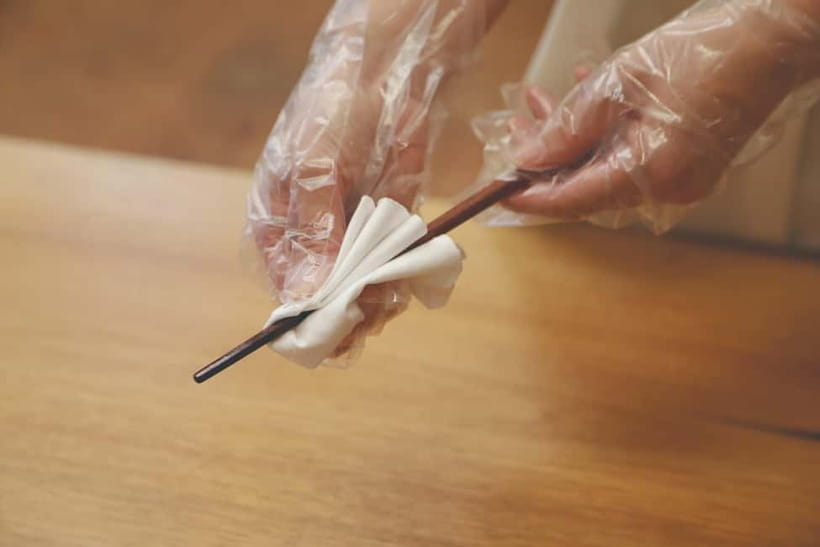
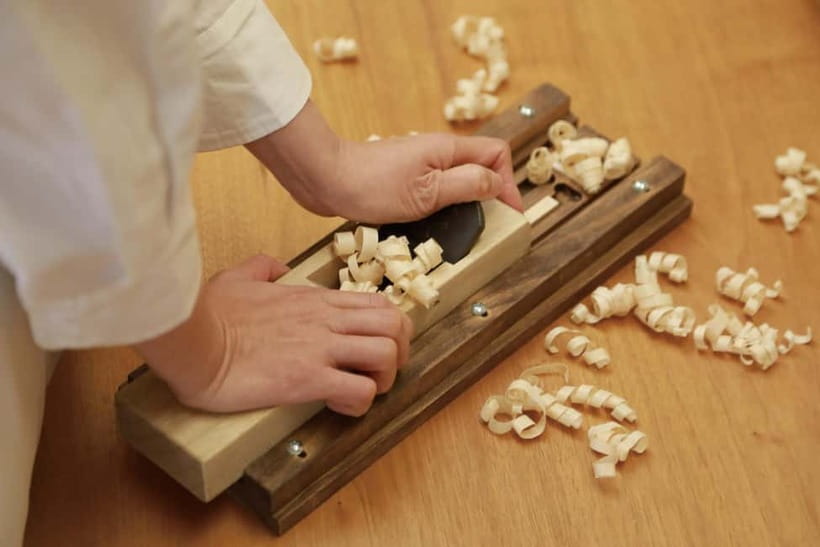
1) Set your chopsticks on the stand and begin planing with a plane
You’re shaving down the wood with manual control. Expect this to feel physical. Even people who picked it up fast noted it takes strength to get clean shavings.
2) Smooth the tips and corners with sandpaper
This is where you refine the final feel. Reviews from the class experience show that sanding can be where people slow down to do it right—especially if they want extra precision.
3) Coat with oil for the finish
The oil step matters because it’s the visual “completion.” It also helps your chopsticks look polished rather than raw.
4) Take them home the same day
You’re not making art that dries somewhere else; you’re making tools you can use later at home. That same-day takeaway is a big reason this works as a souvenir rather than a temporary activity.
A subtle but helpful detail: many people described the pace as relaxed, with enough time to get help and redo steps if needed. Still, it’s a one-hour class, so plan to focus while you’re there instead of treating it like a casual chat session.
What If You’ve Never Used a Plane?
You’ll likely be fine, but go in knowing it’s not finger-painting. People who struggled early often said the pressure needed felt counterintuitive until they got guided. Once you hit that rhythm, the whole process clicks—then you get that real sense of achievement from controlling the tool and seeing the shape come together.
Readers also shortlisted these Tokyo bookings:
- Sushi Making Tokyo Roll and Authentic Japanese Sushi Class★ 5.0 · 3,971 reviews
- Tokyo: Roll and Authentic Sushi Making Class in Asakusa★ 4.9 · 1,957 reviews
- Tokyo Shinjuku Chopsticks Making Class★ 5.0 · 1,763 reviews
- Tokyo: Sushi Making Class in a Happi Coat near a Famous Spot★ 4.9 · 1,377 reviews
- Chopstick Making Workshop in Ginza★ 4.8 · 1,366 reviews
English-Speaking Help: The Real Secret Sauce for First-Timers
This workshop includes English-speaking staff who assist during the class. That isn’t a small detail—it’s the difference between “I think I’m doing it right” and “I’m confident I’m doing it right.”
In the experience feedback, specific instructors were repeatedly praised for clarity and patience. Names you may hear include Tina, and others like Waka who taught from start to finish with a very professional, step-by-step approach. Some classes also referenced instructors Kotoha, Shion, and Koko, who were described as helpful and engaged.
The practical takeaway: if you get stuck mid-step—tool angle, pressure, or orientation—ask quickly. Staff can guide you while others are working too, so you’re not left trying to guess alone.
One more thing you should expect: the room can be busy, with multiple pairs at different stages at once. That can feel chaotic if you rush, but it also means there are usually helpers circulating. If you stay calm and ask for a quick check, it tends to work well.
Name Engraving with a Laser: Personal, Crisp, and Carry-Home Ready
If you want your chopsticks to feel like a true keepsake, the optional engraving is the strongest upgrade.
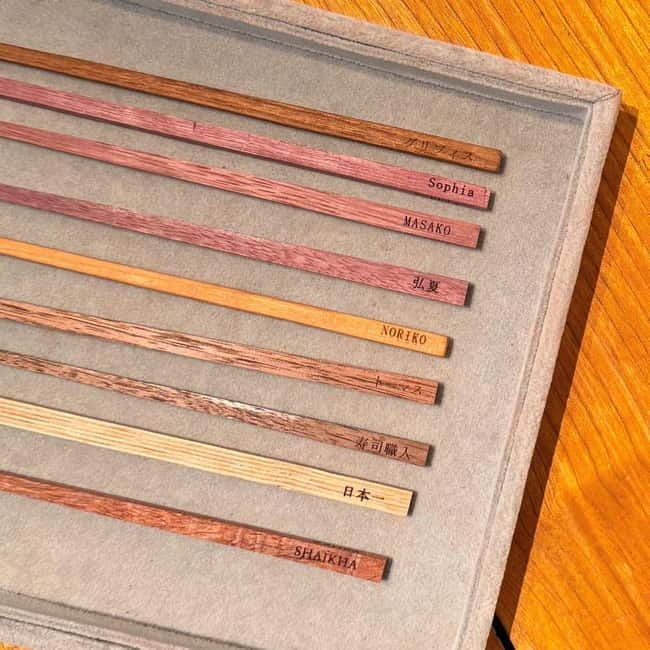
- You can add a name or a favorite phrase
- The engraving can be done in Japanese or your native language
- It uses a high-performance laser described as gentle on the wood
- There’s an extra 1,100 yen charge for engraving
In the experience details shared, one common pattern was paying ¥2,200 per pair (¥1,100 per pair). So if you’re making chopsticks for two people together, that’s worth budgeting for.
This is also one of those upgrades that’s easy to justify. You’re already investing time in the build, and engraving turns the final product into something that feels made-for-you rather than mass-produced.
If you’re worried about wording, pick something short and readable. You want it to look good on the narrow surface, and shorter text usually behaves better for a clean laser engraving.
Price and Value: How $25 Can Stay $25 (If You Choose Smartly)
The base price is listed as $25 per person for a 1-hour workshop. That price is meaningful because it includes the core experience: tools, materials, and a guide fee of 1,000 yen included in the experience fee.
The place where value gets tricky is upgrades. The workshop offers:
- Wood upgrades: 5 included woods free, 19 higher-grade woods cost extra
- Engraving: extra 1,100 yen
So your final bill can land close to the base price or rise depending on your choices.
Here’s how I’d decide:
- If you want a satisfying activity and a useful souvenir, choose one of the included woods and skip engraving.
- If you want a gift-like keepsake (especially for family), you’ll probably feel the engraving upgrade is worth it.
- If you want a specific wood character, upgrade wood intentionally rather than by default. Some woods are simply harder to shape, and that can affect how much you enjoy the process.
Bottom line: this is good value because you’re paying for real tool time and a finished pair that you can use right away, not just a ticket to watch.
Practical Tips So Your Chopsticks Come Out Smooth
These are the kinds of small things that make a noticeable difference in a one-hour class:
- Expect a workout: planing takes strength, and sanding takes focus. Even adults describe it as “real hands-on woodworking.”
- If you have long hair, tie it back: at least one person recommended a hair tie because the motion can get sporty.
- Don’t change direction late in the process: if you notice uneven shaving or a sharp edge, correct earlier rather than trying to fix everything at the last second.
- Ask about wood difficulty: if you’re choosing from higher-grade options, you can ask staff what tends to be more forgiving for beginners.
Also, keep your hands busy with the tools, not your phone. Your best results usually come from staying present for each step—plane, then sand, then oil.
Who This Workshop Fits Best (And Who Might Find It Frustrating)
This works best for people who like making things with their hands. It’s especially good if you want a souvenir that feels useful back home.
Based on the experience information:
- It’s wheelchair accessible
- It’s not suitable for children under 3
- It’s not suitable for people over 70
Beyond age, the real factor is mindset. If you want an easy, passive activity, this may feel like too much tool work. If you want something focused and satisfying, it’s a strong fit.
Families also seem to enjoy it when the child has patience and listens to tool guidance. One note highlighted success with a wide age span, which suggests the instruction style can handle different comfort levels as long as participants stay attentive.
Should You Book the Chopstick Making Workshop in Ginza?
If you’re choosing between another shopping stop and a hands-on Tokyo workshop, I’d lean toward booking this—especially if you care about souvenirs you’ll actually use. The combination of wood selection, manual tool shaping, and same-day take-home makes it feel worth the time.
I’d skip it only if you know you hate manual work, or you want something fully effortless. This class asks for a bit of effort, and the payoff is in your finished chopsticks.
If you do book, go in ready to focus, pick a wood you’re excited about, and consider engraving if you want your pair to feel personal rather than generic. For many people, that combination turns a one-hour workshop into a Japan memory you’ll keep using.
FAQ
Where is the workshop meeting point?
The meeting point is listed as 2-9-13 Ginza, Chuo-ku, Tokyo.
How long is the chopstick making workshop?
The duration is 1 hour.
What does the price include?
The included items are the chopstick making workshop, use of tools and materials, English-speaking staff support, and the guide fee of 1,000 yen included in the experience fee.
Can I choose different wood types and lengths?
Yes. You choose from 24 types of wood and two different lengths.
Are all wood types included in the price?
No. 5 wood types are free of charge, and the remaining 19 are higher grade and incur an additional charge.
What tools and steps are part of the process?
You’ll plane the chopsticks using a plane, smooth them with sandpaper, then coat them with oil for the finish.
Can I take the chopsticks home the same day?
Yes. You can take the finished chopsticks home on the day.
Can I engrave my name or a phrase on the chopsticks?
Yes. Engraving is available as an option, and there is an additional 1,100 yen charge.
Do staff speak English?
Yes. English-speaking staff are included, and staff can also use Japanese.
Is there free cancellation?
Yes. Free cancellation is offered up to 24 hours in advance for a full refund.
More Workshops in Tokyo
- Sushi Making Tokyo Roll and Authentic Japanese Sushi Class
★ 5.0 · 3,971 reviews - Tokyo: Roll and Authentic Sushi Making Class in Asakusa
★ 4.9 · 1,957 reviews - Tokyo Shinjuku Chopsticks Making Class
★ 5.0 · 1,763 reviews - Tokyo: Sushi Making Class in a Happi Coat near a Famous Spot
★ 4.9 · 1,377 reviews - Tokyo Sushi Making Class in Tsukiji with Professional Chef
★ 5.0 · 1,177 reviews
More Tour Reviews in Tokyo
- Mt Fuji and Hakone 1-Day Bus Tour Return by Bullet Train
★ 5.0 · 26,383 reviews - 1-Day Tokyo Bus Tour
★ 5.0 · 14,250 reviews - Tokyo: teamLab Planets TOKYO Digital Art Museum Entry Ticket
★ 4.6 · 9,779 reviews - Mt Fuji & Hakone Cruise, Drum Show Bullet Train 1 Day from Tokyo
★ 4.0 · 7,413 reviews - Tokyo: Shinjuku Food Tour (13 Dishes at 4 Local Eateries)
★ 5.0 · 6,603 reviews
More Artisan Workshops in Tokyo
- Tokyo Shinjuku Chopsticks Making Class
★ 5.0 · 1,763 reviews - Kintsugi Experience: Art of Golden Joinery in Tokyo
★ 5.0 · 467 reviews - Tokyo Chopstick Making Workshop with Artisan
★ 5.0 · 466 reviews - Tokyo: Shinjuku Chopstick Making Class
★ 4.9 · 440 reviews - Tokyo: Chopstick-Making Workshop
★ 4.9 · 348 reviews
Latest Tokyo reviews off our desk




Craft & Artisan Workshops, compared.
 ★ 5.0Tokyo Shinjuku Chopsticks Making ClassFrom $201,763 reviews
 ★ 5.0Kintsugi Experience: Art of Golden Joinery in TokyoFrom $59467 reviews
 ★ 5.0Tokyo Chopstick Making Workshop with ArtisanFrom $26466 reviews
 ★ 5.0Authentic Pure Gold Kintsugi Workshop with Master Taku in TokyoFrom $142217 reviews
 ★ 5.0Calligraphy on Kanji Fan & Scroll with DrinkFrom $53210 reviews
 ★ 5.0Let’s experience calligraphy in YANAKA, Taito-ku, TOKYO !!From $75127 reviews
Browse the lists this tour appears in