
Reviewed · CRAFT & ARTISAN WORKSHOPS
Tokyo Chopstick Making Workshop with Artisan
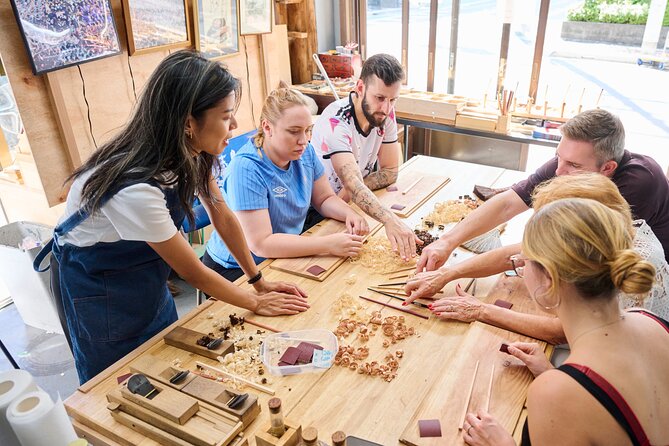
Carving chopsticks sounds oddly relaxing. This small Tokyo workshop turns a simple souvenir into a hands-on craft lesson, with traditional tools and your finished chopsticks to take home. You’ll learn not just how to make them, but why they matter in everyday Japanese life.
What I like most is the tight, guided feel: you work in a small group (up to 10), and instructors like Angie and Kaana are there to help you keep going when the wood fights back. I also love that the result is practical and personal, with options like choosing different wood types and even adding engraving for an extra touch.
One consideration: this is real woodwork, so expect an arm workout and some effort. And if you’re very budget-focused, be aware that one person felt you could pay less by walking in rather than booking the experience as packaged.
In This Review
- Key things to know before you go
- Carve Your Own Chopsticks in Tokyo’s Craft Neighborhood
- Step-By-Step: What You’ll Do During the Workshop
- Meeting Point in Taito: Getting There Without Stress
- Small Group Attention (Up to 10): Why It Matters for Beginners
- Wood Choices and Engraving: How to Get a Great Result for the Money
- Time and Pace: Plan for More Than a Single Clock Hour
- Value for $26.53: Is This Worth It?
- What You’ll Learn Beyond the Tools
- Who Should Book This Workshop (and Who Might Not Love It)
- Should You Book This Tokyo Chopstick Workshop?
- FAQ
- How long does the Tokyo chopstick workshop take?
- Where do I meet for the workshop?
- Is the group size small?
- Do I get to take the chopsticks home the same day?
- Can I choose different kinds of wood?
- Is engraving available?
- Is it near public transportation?
- What is the cancellation policy?
Key things to know before you go
- Up to 10 people at a time means more hands-on attention
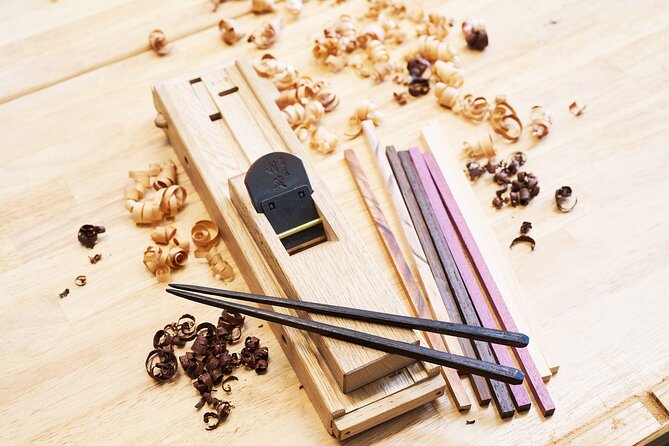
- Choose your wood; nicer types can cost more
- Optional engraving can add a nice personal gift feel
- Same-day take-home with everything wrapped and ready
- Traditional tools + steady coaching from instructors like Angie and Kaana
- Tokyo craft neighborhood location makes the area part of the experience
Carve Your Own Chopsticks in Tokyo’s Craft Neighborhood
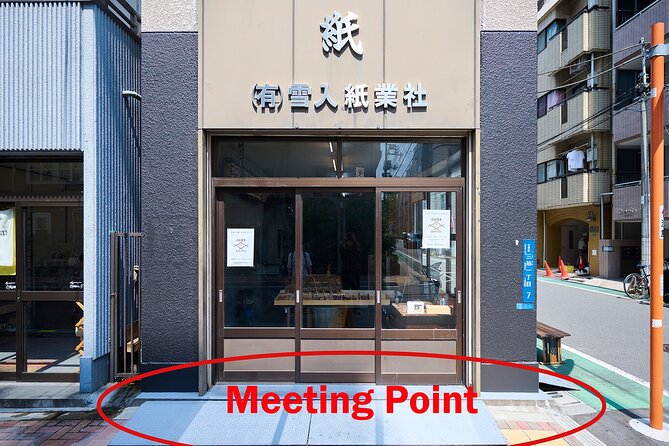
Tokyo can be full of high-volume attractions. This workshop is the opposite: a focused craft session where you make something you’ll actually use. You’ll start in a Tokyo craft area near public transportation, with a meeting address in Taito City (1-chōme-7-1 Misuji), and you’ll leave with a set of chopsticks you shaped yourself.
The tone is part learning, part doing. The way the session is described—carving, shaping, smoothing, finishing—means you won’t just watch. You’ll get your hands involved fast, and that’s where the fun really happens.
It also fits well with travel days that don’t need another museum stop. If the weather changes or you want something quieter than a big-ticket sightseeing block, this is a strong choice.
More hands-on studios our readers booked
- Tokyo Shinjuku Chopsticks Making Class
★ 5.0 · 1,763 reviews - Chopstick Making Workshop in Ginza
★ 4.8 · 1,366 reviews - Kintsugi Experience: Art of Golden Joinery in Tokyo
★ 5.0 · 467 reviews - Tokyo Chopstick Making Workshop with Artisan
★ 5.0 · 466 reviews
Step-By-Step: What You’ll Do During the Workshop
The workshop runs about one hour (approx.), but it can take longer depending on how carefully you work. One review noted they finished closer to two hours, and that makes sense when you’re learning hand skills and want the final surface to feel right.
Here’s the typical flow you can expect:
First, you’ll be guided through the process of turning wood into chopsticks. That includes basic orientation—how to hold tools, how much pressure to use, and how to keep the lines even. Even if you’re a complete beginner, the instruction is meant to keep you moving step by step.
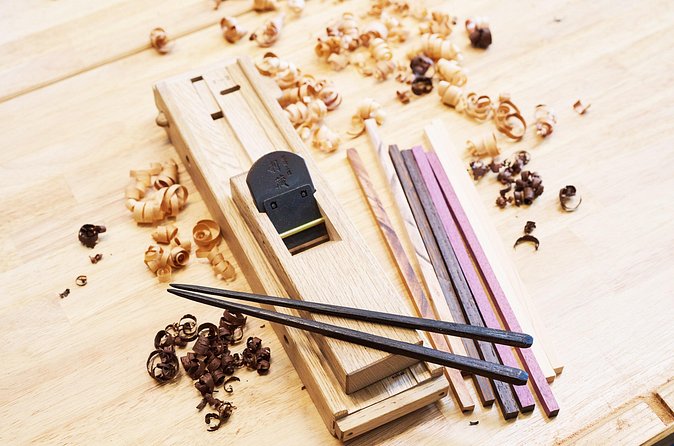
Next comes the carving and shaping stage. This is where you’ll feel the most physical work. Expect that your wrists and forearms will get involved, especially if you’re used to tapping on a phone rather than planning wood. The upside is that it’s also the stage that makes the final product feel earned.
After shaping, you smooth the surface. Smoothing is not just a finishing step; it’s how your chopsticks become comfortable to hold. If your goal is to make something you’d be happy to use at home, smoothing is where the quality shows.
Finally, you finish the chopsticks and take them home the same day. You’ll also get them wrapped beautifully so you can use them right away or give them as a gift without needing extra shopping.
Along the way, your guide also shares the cultural significance of chopsticks in Japan, so the workshop isn’t only a craft trick. It adds context to something you’ve likely seen everywhere in Tokyo, from small noodle shops to big sushi counters.
Meeting Point in Taito: Getting There Without Stress
The meeting point is listed at 1-chōme-7-1 Misuji, Taito City, Tokyo 111-0055. It also notes the area is near public transportation, which matters because you don’t want a craft workshop to turn into a navigation puzzle.
If you’re spending time around Ryogoku, you may find this location handy. One review specifically mentioned it’s walkable to Ryogoku Kokugikan, so it can slot nicely near sumo-related plans or an evening meal nearby.
Bring a little extra time to orient yourself. For a workshop like this, being early helps in practical ways: you settle in, you get instructions straight, and you don’t feel rushed while you’re learning tool basics.
Small Group Attention (Up to 10): Why It Matters for Beginners
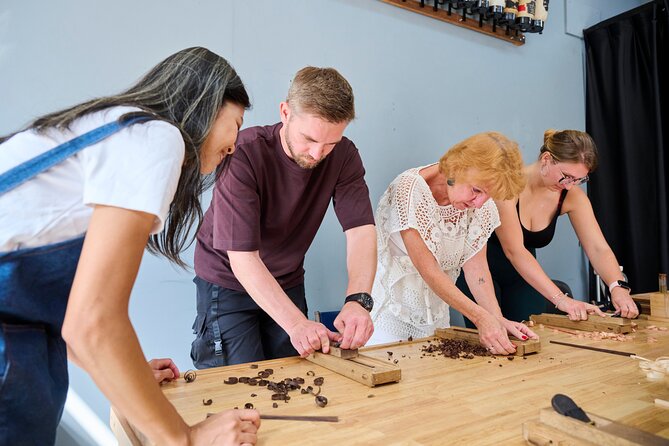
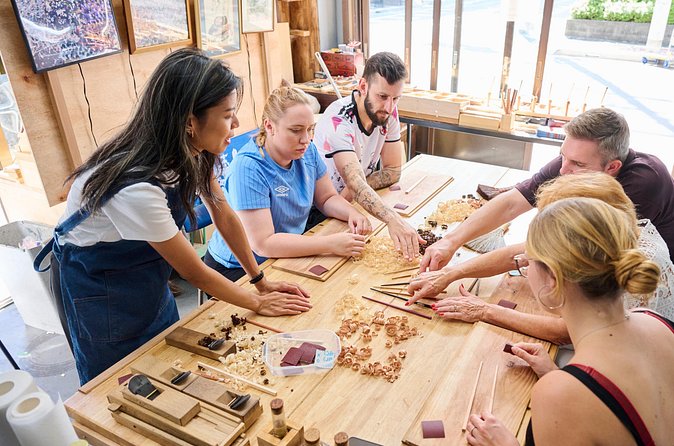
This isn’t a giant class where you watch a single demo from the back row. The workshop has a maximum of 10 travelers, so the instructor can check your progress while you work.
That makes a difference for beginners. When you’re carving by hand, the first mistakes are normal: too much pressure, uneven alignment, a surface that needs extra smoothing. With a small group, instructors like Angie, Kaana, and others you might meet (including Rasmus and Sakura at certain times) can help you correct those issues before they turn into a frustrating stop.
It also makes the workshop more relaxed. Reviews describe it as fun and memorable, with help that feels personal rather than robotic. If you’ve tried other hands-on activities where you wait around for your turn, this one is built to keep you working.
Wood Choices and Engraving: How to Get a Great Result for the Money
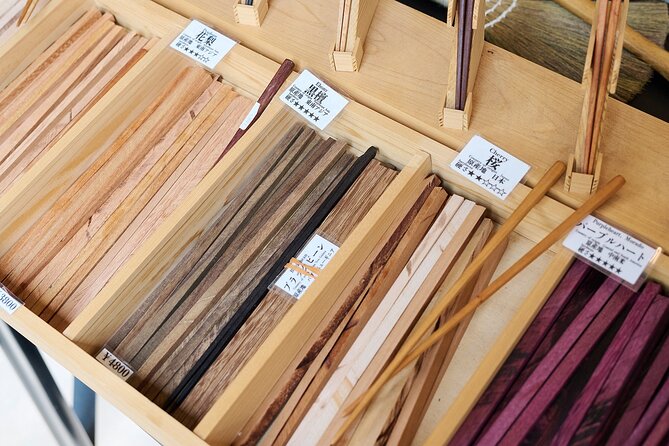
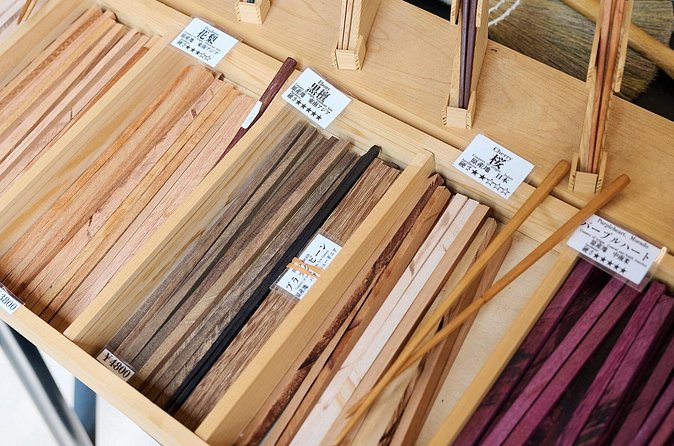
The workshop lets you create personalized chopsticks, and a big part of that personalization is the wood choice. You’ll be able to select from different wood types, and the catch is that nicer woods can cost more. If you see an upgrade option, treat it like quality control rather than upselling—better wood can feel better in the hand and look nicer at the end.
Think about what you’re using the chopsticks for:
- If you want something you’ll actually use often, you may prefer a wood that feels smooth and comfortable once finished.
- If your goal is a gift, you might choose a wood based on appearance, then add finishing touches.
Engraving is another option. One review said they engraved their chopsticks, and the engraving was described as extra cost. It can be a meaningful upgrade because it turns a craft into a memory you can read later—especially if you’re traveling with someone and want a shared story.
Practical tip: if you’re new to woodwork, consider asking what wood is easiest to shape. One review specifically suggested choosing an easier wood if you’ve never planed wood before. That’s a simple way to protect your enjoyment and avoid ending up with chopsticks that you wish were smoother.
Readers also shortlisted these Tokyo bookings:
- Sushi Making Tokyo Roll and Authentic Japanese Sushi Class★ 5.0 · 3,971 reviews
- Tokyo: Roll and Authentic Sushi Making Class in Asakusa★ 4.9 · 1,957 reviews
- Tokyo Shinjuku Chopsticks Making Class★ 5.0 · 1,763 reviews
- Tokyo: Sushi Making Class in a Happi Coat near a Famous Spot★ 4.9 · 1,377 reviews
- Chopstick Making Workshop in Ginza★ 4.8 · 1,366 reviews
Time and Pace: Plan for More Than a Single Clock Hour
The workshop is listed at about one hour, but you should still plan like it might take longer. The physical work and the learning curve are real, and when an instructor is showing steps, you don’t want to rush the carving and smoothing parts.
A review noted the session took closer to two hours. That doesn’t mean it runs late every time—it likely means the workshop encourages careful work and isn’t a factory line.
So if you have dinner reservations, give yourself breathing room. If your schedule is tight, aim for a time slot that still gives you options afterward.
The good news: because you’re actively making something, time passes differently than it does in a sit-and-watch tour. You’re not waiting. You’re working.
Value for $26.53: Is This Worth It?
At $26.53 per person, this is priced like an activity souvenir experience rather than a full-day craft getaway. The value comes from what you get:
- You’ll make a functional item (chopsticks) rather than a decorative trinket
- You’ll get guidance from an artisan-level instructor in a small group
- You’ll take your chopsticks home the same day
That matters because many souvenirs are either too generic or too fragile to be used. Your chopsticks are the opposite: they’re meant for daily life and become part of your real routine when you’re back home.
That said, there’s one caution. One review claimed the workshop might be possible to do as a walk-in and pay less than booking the packaged experience, with the advice to save time and money if that option fits your travel style. I can’t confirm how often walk-ins are available, but it’s a reminder to check your own preferences: if you like certainty and a set start time, booking helps. If you like flexibility and are budget-tight, it could be worth considering alternatives.
Overall, for the experience of making and taking home something personalized, this is a fair deal.
What You’ll Learn Beyond the Tools
This is not only a woodworking class. You also learn about the cultural significance of chopsticks in Japan, which adds meaning to the work you’re doing.
Even a short cultural context improves the souvenir. When you know how chopsticks function socially and practically—how something everyday can still carry tradition—you view the final item differently. It turns the chopsticks into a conversation starter, not just a bagged souvenir.
And because you’ll be working in a craft neighborhood rather than inside a tourist bubble, the whole day feels more grounded. The neighborhood setting helps the workshop feel like part of local life, not a staged performance.
Who Should Book This Workshop (and Who Might Not Love It)
This workshop is best for people who like making things with their hands. If you enjoy artisan classes, want a break from crowded sites, or want an experience that doubles as a take-home gift, it fits beautifully.
It’s also great for groups at a slower pace. Since the class is small and interactive, it works well for friends who want to do an activity together without being separated into a huge crowd. One review even described it as a hit with kids around 10 and 12, with the right guidance.
Who might want to reconsider?
- If you hate anything involving tool use or sanding/smoothing, your arms may disagree with you.
- If you have almost no flexibility in your schedule, the session may run a bit longer than expected, depending on your pace.
- If you’re very price-sensitive and prefer to search for the lowest-cost option on the spot, you may want to compare booking vs. walk-in possibilities (where available).
Should You Book This Tokyo Chopstick Workshop?
If you want a genuinely different Tokyo souvenir that comes from your own hands, I think this is a strong yes. The small group size, hands-on tool time, same-day take-home result, and the cultural context around chopsticks make it feel like more than an activity stamp.
Book it if:
- you want personalized chopsticks you can use
- you like small-group instruction and don’t want to feel lost
- you’d enjoy a relaxed craft session in a neighborhood setting
Consider skipping or changing your plan if:
- you’re expecting a purely sit-down experience
- your schedule is razor-thin and you can’t handle it running longer
- you’re only looking for a cheap collectible rather than a meaningful, usable item
If you do book, go in with the right mindset: you’re making something by hand, so effort is part of the charm. And when you pick up your finished set wrapped and ready to use, it’s hard not to feel proud.
FAQ
How long does the Tokyo chopstick workshop take?
The experience is listed at about 1 hour. Some sessions may take closer to 2 hours depending on how carefully you finish your chopsticks.
Where do I meet for the workshop?
You meet at 1-chōme-7-1 Misuji, Taito City, Tokyo 111-0055, Japan. The activity ends back at the meeting point.
Is the group size small?
Yes. The workshop has a maximum of 10 travelers, so you can get help while you’re working.
Do I get to take the chopsticks home the same day?
Yes. You take your personalized chopsticks home the same day.
Can I choose different kinds of wood?
Yes, you can choose wood options. Nicer woods can cost extra.
Is engraving available?
Engraving is available for an additional cost, if you want a more personal set.
Is it near public transportation?
Yes, it’s noted as being near public transportation.
What is the cancellation policy?
You can cancel for a full refund if you cancel at least 24 hours before the start time. If you cancel less than 24 hours before, the amount paid is not refunded.
More Workshops in Tokyo
- Sushi Making Tokyo Roll and Authentic Japanese Sushi Class
★ 5.0 · 3,971 reviews - Tokyo: Roll and Authentic Sushi Making Class in Asakusa
★ 4.9 · 1,957 reviews - Tokyo Shinjuku Chopsticks Making Class
★ 5.0 · 1,763 reviews - Tokyo: Sushi Making Class in a Happi Coat near a Famous Spot
★ 4.9 · 1,377 reviews - Chopstick Making Workshop in Ginza
★ 4.8 · 1,366 reviews
More Tour Reviews in Tokyo
- Mt Fuji and Hakone 1-Day Bus Tour Return by Bullet Train
★ 5.0 · 26,383 reviews - 1-Day Tokyo Bus Tour
★ 5.0 · 14,250 reviews - Tokyo: teamLab Planets TOKYO Digital Art Museum Entry Ticket
★ 4.6 · 9,779 reviews - Mt Fuji & Hakone Cruise, Drum Show Bullet Train 1 Day from Tokyo
★ 4.0 · 7,413 reviews - Tokyo: Shinjuku Food Tour (13 Dishes at 4 Local Eateries)
★ 5.0 · 6,603 reviews
More Artisan Workshops in Tokyo
- Tokyo Shinjuku Chopsticks Making Class
★ 5.0 · 1,763 reviews - Chopstick Making Workshop in Ginza
★ 4.8 · 1,366 reviews - Kintsugi Experience: Art of Golden Joinery in Tokyo
★ 5.0 · 467 reviews - Tokyo: Shinjuku Chopstick Making Class
★ 4.9 · 440 reviews - Tokyo: Chopstick-Making Workshop
★ 4.9 · 348 reviews
Latest Tokyo reviews off our desk






Craft & Artisan Workshops, compared.
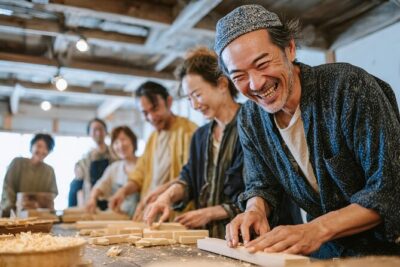 ★ 5.0Tokyo Shinjuku Chopsticks Making ClassFrom $201,763 reviews
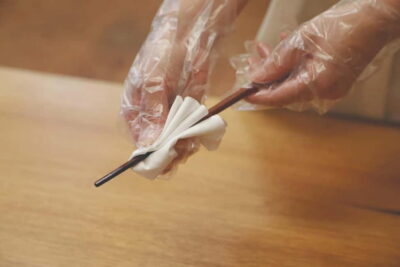 ★ 4.8Chopstick Making Workshop in GinzaFrom $251,366 reviews
 ★ 5.0Kintsugi Experience: Art of Golden Joinery in TokyoFrom $59467 reviews
 ★ 5.0Authentic Pure Gold Kintsugi Workshop with Master Taku in TokyoFrom $142217 reviews
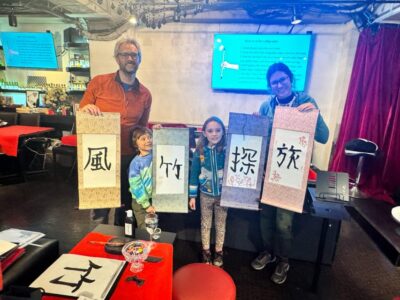 ★ 5.0Calligraphy on Kanji Fan & Scroll with DrinkFrom $53210 reviews
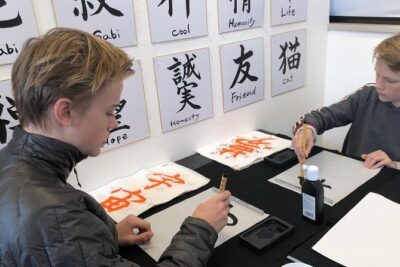 ★ 5.0Let’s experience calligraphy in YANAKA, Taito-ku, TOKYO !!From $75127 reviews
Browse the lists this tour appears in