
Reviewed · YOKOHAMA DAY TRIPS
Let’s make Wagashi at private home in Yokohama, suburban Tokyo
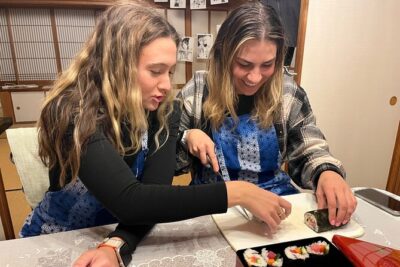
Sweet-making beats souvenir shopping. In Yokohama, I learned how to make Wagashi step by step inside a real Japanese private home, not a studio. You get a close-up look at Japanese seasonal sweets, plus a matcha moment that feels like a tiny, personal tea stop.
Two things I especially liked: the craft itself was hands-on and fun (I shaped nerikiri-style sweets and learned how the filling and form matter), and the tea pairing made it feel complete instead of rushed. With Ikuyo—who has taught for 15 years and studied tea ceremony for over 40—there’s patience in the pacing, and the class size stays small (up to 4).
One possible drawback: this is a 2-hour workshop with a limited output (you make 5 pieces and eat 1), so if you’re chasing a long, big sightseeing day, this won’t replace that. You’ll also start at Azamino Station, so plan time to reach the neighborhood if you’re not using pickup.
In This Review
- Quick highlights
- Why Wagashi at a private Yokohama home near Azamino feels special
- Getting to Azamino Station and what pickup can change
- Meet Ikuyo and learn what Wagashi is really about
- The hands-on part: shaping nerikiri from dough to finished sweets
- Tea time with matcha: eat one together, take four home
- Vegan and gluten-free notes you can plan around
- Price and value: what you’re paying for at $52.03
- Who should book this (and who might want something else)
- A simple day plan: pair with Yokohama Ramen Museum
- Should you book Wagashi at this private home in Yokohama?
- FAQ
- Where does the workshop start and end?
- How long is the Wagashi making experience?
- How many pieces of wagashi do I make?
- Do I need to bring anything?
- Is matcha included?
- What wagashi style will I make?
- Is there pickup?
- Are the sweets vegan or gluten-free?
- How big is the group?
- What if my plans change?
Quick highlights
- Seasonal wagashi choices explained through the sweets you make
- Hands-on nerikiri dough shaping with red/white bean paste and mochi
- Small group class size (maximum 4 travelers) for a calmer pace
- You’ll share 1 wagashi with freshly made matcha, then take 4 home
- Many options are vegan and gluten-free
Why Wagashi at a private Yokohama home near Azamino feels special
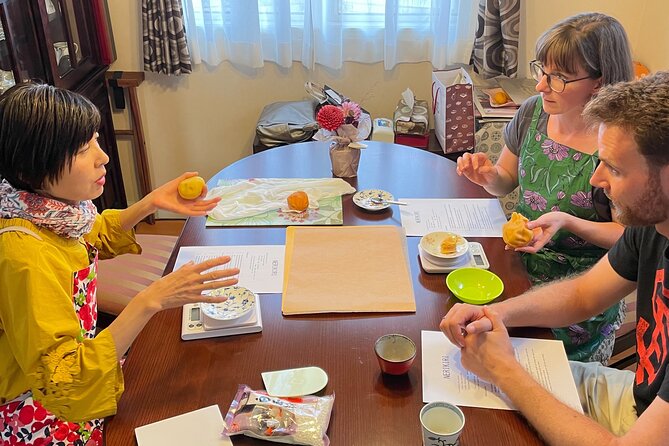
Yokohama is a great base for day trips, but most food experiences are either fast or staged. This one is different because it happens in a private Japanese home in the suburban Tokyo orbit. That setting changes the vibe right away: you’re not watching from the sidelines. You’re working at the table, learning the rhythm, and building something you’ll later eat slowly with matcha.
What makes it especially interesting is the focus on Japanese seasons. Wagashi isn’t just “sweet.” The shapes, textures, and even the dough work can reflect spring, summer, autumn, or winter. In a short class, you still get the main idea: the craft connects to nature and timing, not just taste.
Ikuyo runs the workshop and brings both long training and practical teaching. She’s been studying Japanese tea ceremony for over 40 years and teaching wagashi-making for 15 years, so you’re getting more than a cooking demo. You’re learning why certain steps matter and how the final shape carries meaning.
The harbour city next door, reviewed
- Tokyo 8hr Private Tour with Licensed Guide from Yokohama
★ 5.0 · 94 reviews - Shuttle Van Transfer, Yokohama(Port)⇒Tokyo, Narita, Haneda, TDR
★ 5.0 · 63 reviews - Yokohama Ramen Adventure From a Local Noodle Factory to Home
★ 5.0 · 60 reviews - Yokohama 4hr Private Tour with Government-Licensed Guide
★ 5.0 · 34 reviews
Getting to Azamino Station and what pickup can change
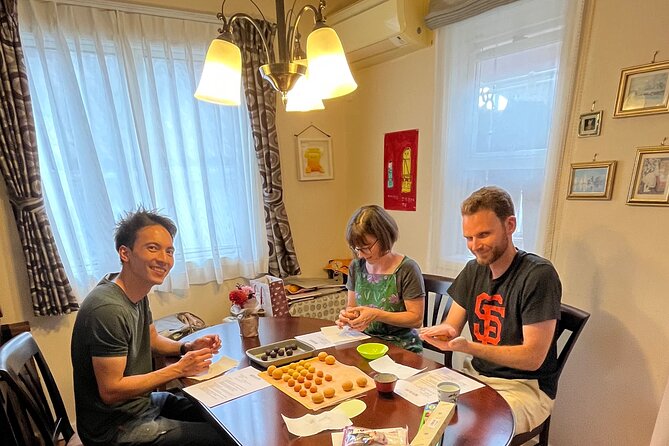
The meeting point is Azamino Station (2 Chome Azamino, Aoba Ward). The experience ends back where you start, so think of it as a neat loop: go in, make sweets, eat together, return.
If you choose pickup, it can simplify the day a lot—especially if you’re trying to pair this with other Yokohama plans. Even without pickup, the area is set up for public transport, so you should be able to reach Azamino without too much stress.
Timing is also manageable. The workshop itself is about 2 hours total, with around 1.5 hours making sweets and then the shared eating/matcha part. That makes it a good mid-morning or early afternoon activity. And if you’re the type who likes to plan a simple, low-effort day, this fits nicely.
Meet Ikuyo and learn what Wagashi is really about
When I walked in, the first thing I appreciated was how the workshop treats wagashi like a craft and a culture, not just a snack. Ikuyo introduces the basics and the key categories—nerikiri, gyuhi, manju, and more—so you can place the sweet you’re about to make in the bigger wagashi world.
Here’s the practical value: you learn that wagashi types aren’t interchangeable. Some are more about texture, some about filling, and some about how the shape signals season or theme. In this class, you’ll focus on making one major style—nerikiri-type sweets—from dough that includes white bean paste and mochi.
Ikuyo also sets expectations in a friendly, organized way. She explains steps thoroughly and guides you through shaping and filling. One of the best parts is that the process feels achievable. Even if your shapes aren’t picture-perfect at first, you’re still learning the right technique—and the main win is tasting what you made.
Also, you’ll get a sense that matcha is not an afterthought. The tea pairing is part of the lesson, which makes the class feel like a complete Japanese moment.
The hands-on part: shaping nerikiri from dough to finished sweets
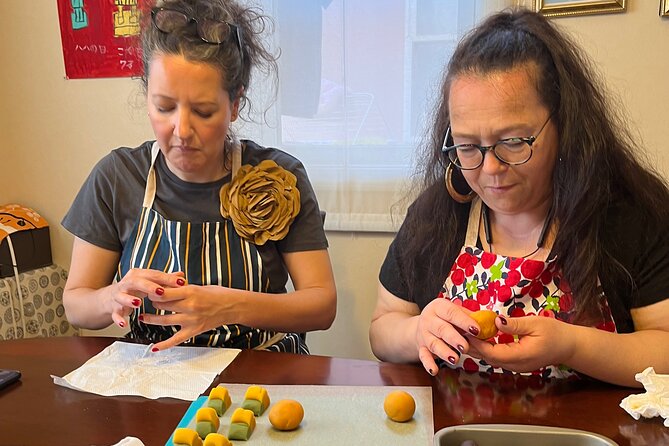
This is the core experience, and it’s where you’ll feel the most satisfaction. You’ll make 5 pieces of wagashi during the workshop. The exact style can vary by season, but the classic example is nerikiri, made from dough with white bean paste and mochi.
The process usually involves:
- Working the dough base (the texture matters)
- Adding or working in the filling (red bean paste and/or white bean paste)
- Shaping the outside so it matches the intended look
- Finishing the piece so it holds its form
What I found helpful is that Ikuyo ties the shaping to the seasonal theme. The point isn’t to copy a perfect image. The point is to understand the craft choices—how the outside wraps the filling, how the mochi-in-dough gives chew, and how shaping affects bite and presentation.
You should expect a calm, step-by-step pace. The class is limited to up to 4 travelers, so you’re not competing for attention. That matters because wagashi is detail work. When someone can watch what you’re doing and correct small technique issues, you end up with better results and fewer frustrations.
And here’s a small mental tip: aim for good technique, not perfection. One of the nicest things about the workshop vibe is that your wagashi can still be delicious even if the shapes aren’t exactly like the reference. The class rewards effort and learning.
Tea time with matcha: eat one together, take four home
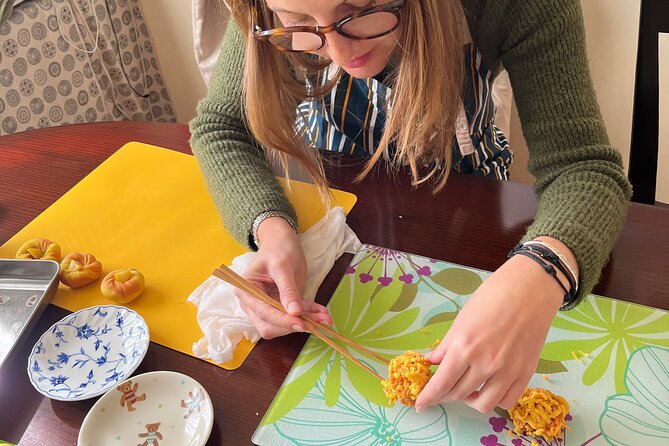
After the making portion, you’ll enjoy the fun part—tasting. You’ll eat 1 piece of wagashi together with matcha that Ikuyo prepares. This shared bite is simple, but it’s a big part of why the class feels meaningful rather than just hands-on cooking.
Then you’ll pack up the remaining 4 pieces to take home. That changes how you can plan your day. You don’t need to “finish everything on-site” to make the experience feel worthwhile. You get the satisfaction of eating one immediately and the convenience of bringing the rest back for later.
In a lot of food workshops, the eating phase is an awkward moment—too fast, too casual. Here it feels like the workshop has a proper closing ritual. Matcha also helps you appreciate the wagashi’s sweetness. The tea isn’t there just for authenticity points; it balances flavors and changes how the paste and mochi texture lands on your palate.
If you like tea culture, this part is where you’ll likely feel the biggest connection. Even without a full long tea ceremony, it’s still a taste of how Japanese sweets and tea relate.
Readers also shortlisted these Yokohama bookings:
- Tokyo 8hr Private Tour with Licensed Guide from Yokohama★ 5.0 · 94 reviews
- Kamakura 6hr Private Walking Tour with Government-Licensed Guide★ 5.0 · 42 reviews
- Yokohama 4hr Private Tour with Government-Licensed Guide★ 5.0 · 34 reviews
- Japanese Tea Ceremony at Private Home in Yokohama, suburban Tokyo★ 5.0 · 32 reviews
- Mt. Fuji & Hakone Day Trip from Tokyo: Private English Driver★ 5.0 · 25 reviews
Vegan and gluten-free notes you can plan around
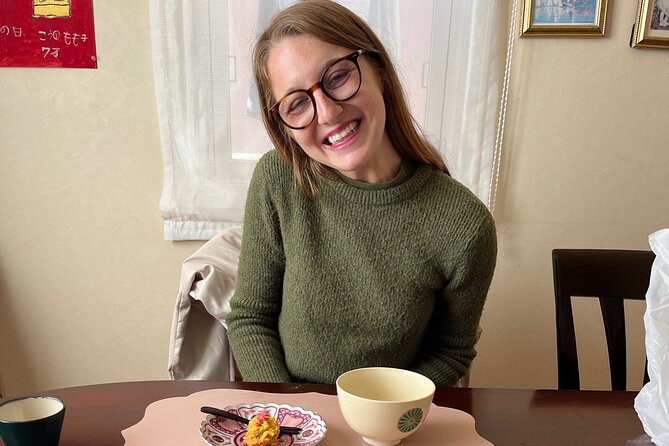
Wagashi often gets treated like a mystery sweet, but in this workshop there’s good news: many wagashi are vegan & gluten-free. That doesn’t mean every single piece in every season will automatically fit every diet, but it gives you a strong starting point for planning.
If you’re trying to eat in a way that avoids gluten, this matters because traditional sweets can be hit-or-miss. Having a class that leans toward vegan and gluten-free options is a practical advantage, especially when you’re on a limited trip time and don’t want to gamble on ingredients.
Best practice for you: mention any strong dietary needs when you book, and ask what applies to the specific wagashi you’ll make that day. The workshop’s emphasis on preparation and guidance suggests you won’t be left guessing.
Price and value: what you’re paying for at $52.03
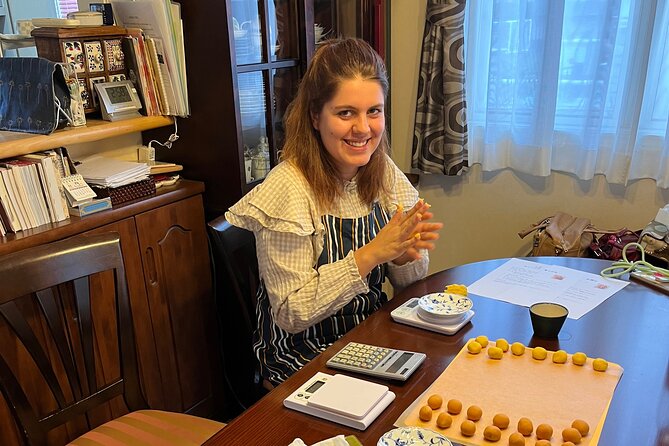
At $52.03 per person, this workshop may sound simple—until you break down what’s included.
You’re paying for:
- A private home setting (rarer than public studios)
- A small group format (up to 4)
- Hands-on instruction led by Ikuyo, with significant training in both tea and wagashi
- The materials and process to make 5 pieces
- Tea service: you eat 1 piece with matcha, and you take 4 pieces home
- A cultural context for seasonality and craft types like nerikiri
In other words, you’re not just buying dessert. You’re buying time, technique, and a guided taste of Japanese seasonal culture. And because you leave with edible results, the value sticks with you even after the class ends.
If you enjoy food crafts, this price becomes easier to justify. If you only want the cheapest snack option, there are easier ways to eat in Yokohama. But if you want an experience you can actually do—then eat—this hits the sweet spot.
Who should book this (and who might want something else)
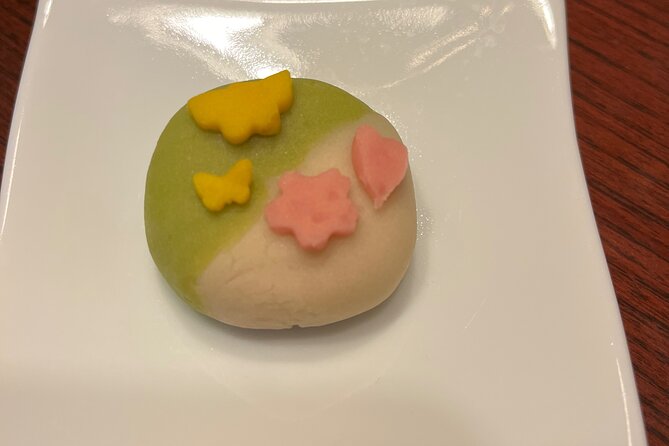
This class is a strong match if you:
- Want an authentic, hands-on Japanese food experience
- Like calm, detailed activities where someone walks you through steps
- Care about seasonal themes in food
- Appreciate matcha and want it paired with what you made
- Prefer small groups over big tours
You might consider a different option if you’re:
- Looking for a high-energy day packed with sights
- Expecting a longer history lecture or a full tea ceremony sequence (this class focuses on making and a short tea pairing)
- Tight on time getting to Azamino Station and skipping pickup
For most people, though, it’s a great counter-program to busier sightseeing days. It gives you something tactile, personal, and easy to remember.
A simple day plan: pair with Yokohama Ramen Museum
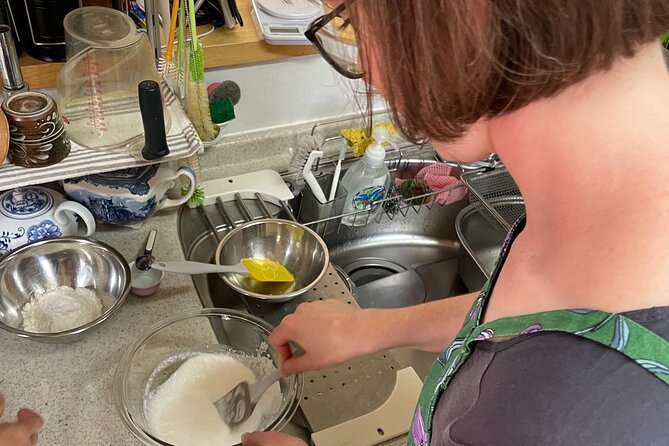
Here’s a practical add-on. If you’re near Azamino Station, it’s worth knowing that Yokohama Ramen Museum is around 15 minutes away. So you can turn this into a clean food day: make wagashi in the afternoon (or morning), then wander over later for ramen.
That kind of pairing is smart because both activities are food-focused, and neither needs a complicated schedule. Plus, the return route makes planning easier since the workshop starts and ends at the same meeting point.
Should you book Wagashi at this private home in Yokohama?
If you want a memorable food workshop that feels truly Japanese and personal, book it. The biggest reasons are the small-group setup, the hands-on wagashi shaping, and the fact that you’ll enjoy matcha with what you made—not just watch someone else do it.
I’d especially recommend it if you enjoy careful craft work and seasonal details. It’s the kind of experience where you’ll leave with edible souvenirs and a better sense of what wagashi actually is.
If you’re the type who needs big sightseeing or a longer itinerary, treat this as a focused food-and-culture stop, not a whole day replacement. But as a calm, satisfying break in your Yokohama trip, it’s hard to beat.
FAQ
Where does the workshop start and end?
It starts at Azamino Station (2 Chome Azamino, Aoba Ward, Yokohama) and ends back at the same meeting point.
How long is the Wagashi making experience?
The total time is about 2 hours. Making takes about 1.5 hours, and then you eat 1 piece with matcha.
How many pieces of wagashi do I make?
You make 5 pieces of wagashi during the workshop. You eat 1 piece together on-site and take 4 pieces home.
Do I need to bring anything?
You don’t need to bring anything special.
Is matcha included?
Yes. You’ll eat your wagashi with matcha, and the host makes the matcha for you.
What wagashi style will I make?
You’ll make seasonal wagashi. A major example in the class is nerikiri, made from dough that includes white bean paste and mochi, with fillings like red bean paste or white bean paste.
Is there pickup?
Pickup is offered, and the activity notes it ends back at the meeting point.
Are the sweets vegan or gluten-free?
Many of the wagashi are vegan and gluten-free, but the specific pieces depend on what’s chosen for the season.
How big is the group?
The workshop has a maximum of 4 travelers.
What if my plans change?
You can cancel for a full refund up to 24 hours before the experience starts, and cancellation is free according to the policy shown. Confirmation is subject to availability and is received within 48 hours of booking.
More Private in Yokohama
- Daikoku & Tokyo Private JDM Tour by 700HP R34 GT-R
★ 4.9 · 101 reviews - Tokyo 8hr Private Tour with Licensed Guide from Yokohama
★ 5.0 · 94 reviews - R34Skyline Daikoku PA Fast & Furious Private Experience
★ 5.0 · 63 reviews - Kamakura 6hr Private Walking Tour with Government-Licensed Guide
★ 5.0 · 42 reviews - Yokohama 4hr Private Tour with Government-Licensed Guide
★ 5.0 · 34 reviews
More Tour Reviews in Yokohama
- EVO, WRX, Skyline – JDM Night Run to Daikoku Car Meet
★ 4.9 · 478 reviews - Tokyo: Best Price Daikoku Parking Area JDM Car Meet
★ 4.9 · 192 reviews - Daikoku & Tokyo Private JDM Tour by 700HP R34 GT-R
★ 4.9 · 101 reviews - Tokyo 8hr Private Tour with Licensed Guide from Yokohama
★ 5.0 · 94 reviews - 【Tokyo】JDM Daikoku Parking Area & Nissan Facility Tour
★ 5.0 · 87 reviews
The Harbour City Next Door, Rated
- Tokyo 8hr Private Tour with Licensed Guide from Yokohama
★ 5.0 · 94 reviews - Shuttle Van Transfer, Yokohama(Port)⇒Tokyo, Narita, Haneda, TDR
★ 5.0 · 63 reviews - Yokohama Ramen Adventure From a Local Noodle Factory to Home
★ 5.0 · 60 reviews - Yokohama 4hr Private Tour with Government-Licensed Guide
★ 5.0 · 34 reviews - Japanese Tea Ceremony at Private Home in Yokohama, suburban Tokyo
★ 5.0 · 32 reviews
Latest Yokohama reviews off our desk


Yokohama Day Trips, compared.
 ★ 5.0Tokyo 8hr Private Tour with Licensed Guide from YokohamaFrom $20194 reviews
 ★ 4.5Narita Airport: One Way Private Transfer to Tokyo|Yokohama HotelsFrom $7769 reviews
 ★ 5.0Tokyo/Yokohama: Mt. Fuji and Hakone Private Day TourFrom $39264 reviews
 ★ 5.0Shuttle Van Transfer, Yokohama(Port)⇒Tokyo, Narita, Haneda, TDRFrom $12263 reviews
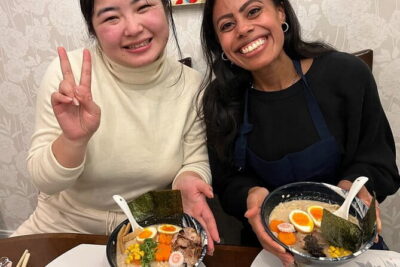 ★ 5.0Yokohama Ramen Adventure From a Local Noodle Factory to HomeFrom $16560 reviews
 ★ 4.5Private One-Way Transfers to/from Yokohama PortFrom $6750 reviews
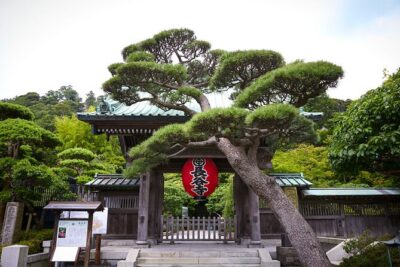 ★ 5.0Private Car Tour to see Highlights of Kamakura, Enoshima, Yokohama from TokyoFrom $1,18348 reviews
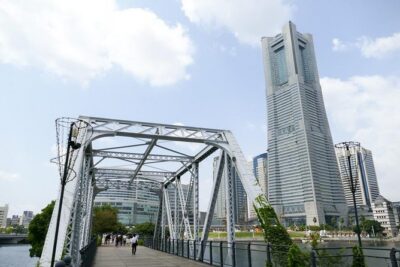 ★ 5.0Yokohama 4hr Private Tour with Government-Licensed GuideFrom $10834 reviews
Browse the lists this tour appears in