
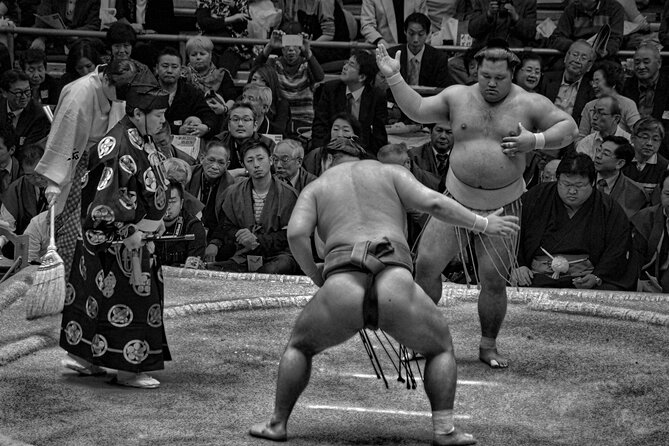
Reviewed · SUMO TOURNAMENTS & SHOWS
Official Sumo Tournament Ticket with Guided Experience
Sumo looks simple until you know the rules. This guided tour turns a ticket into a full cultural lesson in Tokyo’s sumo heartland.
I love the hands-on guidance: you get a pro-style explanation of the rules, rankings, and rituals so you know what you’re actually watching. I also love that the day is structured around the right places—Former Yasuda Garden, then Ryogoku Kokugikan, then the match time—so you’re not just wandering hoping things make sense. One thing to consider: the seats are reserved second-floor (class B or C), so you may not get the closest, floor-level view.
In This Review
- Why this tour feels like more than a ticket
- Key things I’d circle on your plan
- Ticket to tradition: what you’re really buying
- Before the arena: Former Yasuda Garden in 30 minutes
- Ryogoku Kokugikan walking tour: getting oriented the right way
- The main event: watching sumo at Japan’s most prestigious arena
- What you’ll be doing during those three hours
- Seating reality check (so you’re not surprised)
- The guide factor: why names like George, Cesar, Lily, and Ethan matter
- What you can bring, what you should do, and stadium etiquette
- Time planning: 5 hours in Tokyo, not a half-day blur
- Price and value: is $209 a fair deal?
- Who this tour is best for
- Quick tips to make your day smoother
- Should you book this sumo tournament experience?
Why this tour feels like more than a ticket
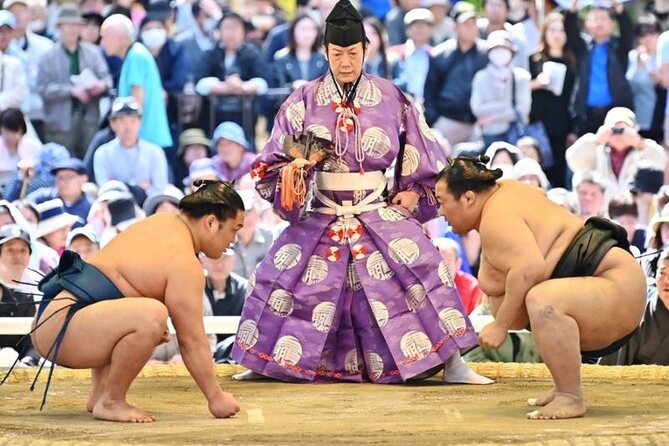
Getting sumo tickets can be a stress test, and this package takes the scramble out of it. You’re also not left to decode sumo on your own; guides like George, Cesar, Lily, and Ethan were called out for making the experience click fast, with friendly answers during the action. The tradeoff is simple: it’s about 5 hours, and you won’t have time to add food inside the arena area because food and drinks aren’t permitted at the stadium.
Key things I’d circle on your plan
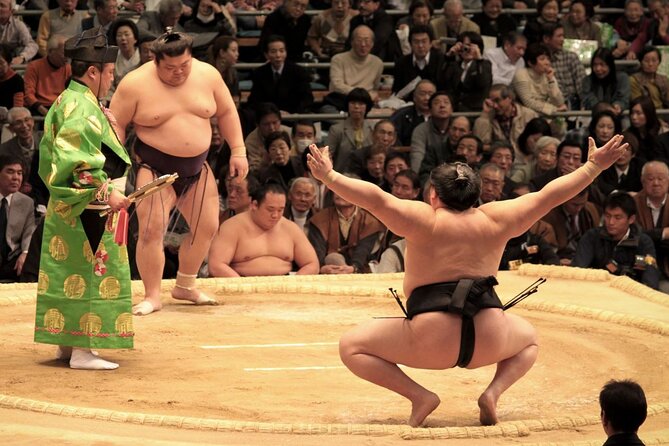
- Expert explanations while you’re there so the rituals and rankings stop feeling like random pageantry
- Former Yasuda Garden stop for a quick, practical Sumo history primer before you reach the arena
- Ryogoku Kokugikan walking tour that helps you get your bearings fast
- Reserved seat (B or C class, second floor) that removes the uncertainty of day-of seating
- Photos allowed, but controlled (no flash; nothing bulky blocking views)
Other ringside bookings readers scored
- Tokyo: Sumo Show and Dining Experience
★ 4.8 · 2,742 reviews - the SUMO show
★ 5.0 · 1,960 reviews - Tokyo Shinjuku Sumo Show & Experience with Photo
★ 5.0 · 1,750 reviews - Tokyo: Sumo Show and Experience in Shinjuku
★ 4.8 · 1,001 reviews
Ticket to tradition: what you’re really buying
This is an official sumo tournament day trip in Tokyo, built around three parts: a short history intro, a guided stadium walk, and about three hours watching bouts live. The price is $209 per person, and it’s not just paying for entry—this includes the guide and the reserved seating, which is where value really shows up.
Here’s the practical math: live sumo tickets are famously hard to secure through public channels, and even when you find them, you’re on your own figuring out what to watch, what it means, and when to pay attention. This tour solves those friction points with a structured plan and a guide who sticks with the group through the match portion.
Also, the tour runs about 5 hours total, with a small group size (maximum 25). That size matters in a good way: you get questions answered without feeling like you’re trying to catch up with a crowd.
Before the arena: Former Yasuda Garden in 30 minutes
The day starts at Former Yasuda Garden (1-chōme-12-1 Yokoami, Sumida City). You’ll get a brief introduction to sumo history here—about 30 minutes, and admission is free.
I like this kind of warm-up because sumo has layers. If you walk into Ryogoku Kokugikan with zero context, you’ll still see athleticism and drama, but you’ll miss the ceremonial cues that make sumo different from other combat sports. This first stop is designed to give you enough background to watch with better attention during the tournament.
No heavy “lecture” vibe is implied here—just a quick foundation before the walking tour and the serious match time.
Ryogoku Kokugikan walking tour: getting oriented the right way
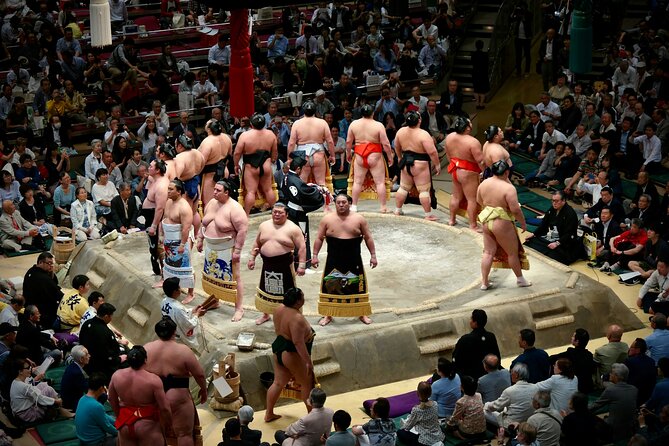
Next you’ll head to Ryogoku Kokugikan, where you join a guided walking tour of the stadium area. This portion is about 30 minutes, and admission is included.
Why this matters: arenas can feel confusing when you don’t know where things are happening. A guided walk helps you understand the venue layout and what parts of the experience you should focus on once the tournament starts. It also bridges your first stop’s history into what you’ll see in real time.
This stop is a good “gear up” moment. You’ll be close to the tournament environment without yet being thrown into the roar of competition.
The main event: watching sumo at Japan’s most prestigious arena
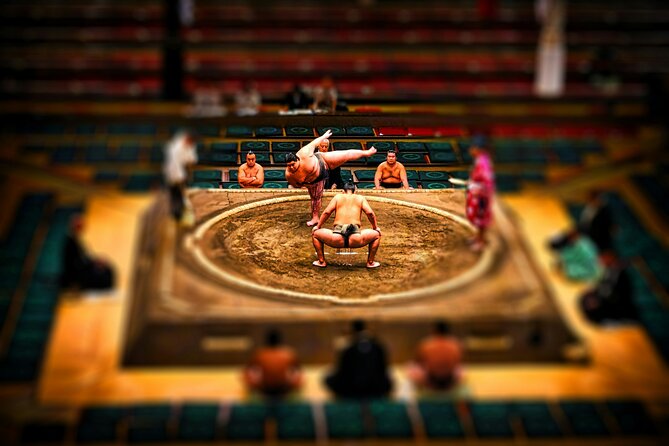
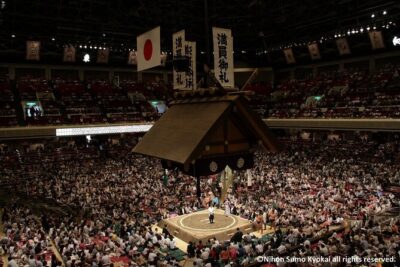
Then comes the best part: you experience the live tournament at Ryogoku Kokugikan Sumo Arena in Ryogoku. This is about 3 hours, and the tournament tickets are included.
The tour notes you can enjoy the tournament for as long as you like, which is a nice bonus if you’re the type who wants to keep watching once you’re settled. You’re seated in reserved class B or C depending on the option you choose, and the seats are on the second floor.
Readers also shortlisted these Tokyo bookings:
- Tokyo: teamLab Planets TOKYO Digital Art Museum Entry Ticket★ 4.6 · 9,779 reviews
- Tokyo: Hop-On Hop-Off Sightseeing Bus Ticket★ 3.9 · 4,207 reviews
- Tokyo: Japanese Dance Cabaret Theater Asakusa-Kaguwa Ticket★ 4.8 · 2,270 reviews
- Tokyo Skytree Admission Ticket with Tembo Deck and Galleria★ 4.0 · 589 reviews
- Tokyo: ‘Red Tokyo Tower’ Digital Amusement Park Ticket★ 4.1 · 398 reviews
What you’ll be doing during those three hours
You’ll be watching top-ranked wrestlers compete, while your guide helps you understand what you’re seeing. The tour description specifically calls out explanations of:
- the rules
- the ranking system
- the rituals
- the cultural background
If you’ve never watched sumo before, that’s the difference between passive viewing and real understanding. You’ll notice the ceremonial moments more clearly, and you’ll be better at following why one bout matters, not just who wins.
Seating reality check (so you’re not surprised)
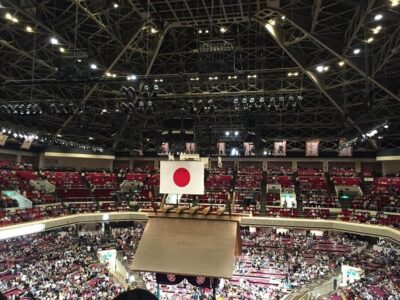
Because your reserved seats are second-floor, you may not get the tightest possible proximity. This isn’t a deal-breaker—the action is still the center of attention, and guides help keep your viewing focused. But if you’re chasing a floor-level view for every detail, you might want to consider whether second-floor works for you.
The guide factor: why names like George, Cesar, Lily, and Ethan matter
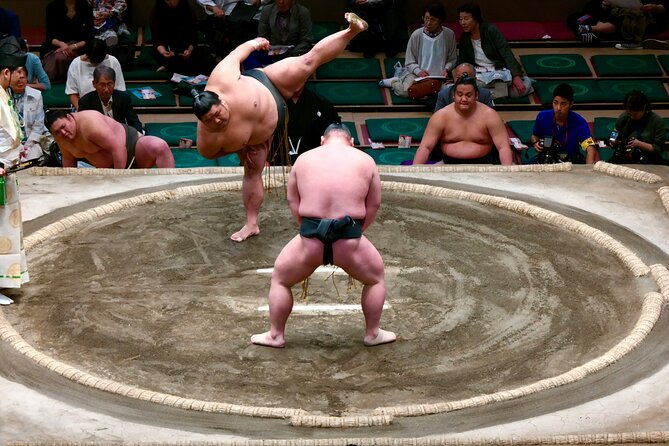
This experience is guided by a professional sumo expert, and the reviews strongly emphasize how much the guide adds. George comes up for being organized and making the day feel meaningful through clear explanations and plenty of room for questions. Cesar is highlighted for being full of knowledge, with history that enhances the entire experience. Lily is praised for joy and passion about sumo history and culture, with people going from curious to fully invested during the matches. Ethan is noted for providing a strong mix of history, culture, and sport, while keeping the experience well-organized.
Even without knowing which guide you’ll get, this pattern tells you something important: the tour’s “secret sauce” is interpretation. You’re not just going to see sumo—you’re going to understand it while you watch.
What you can bring, what you should do, and stadium etiquette
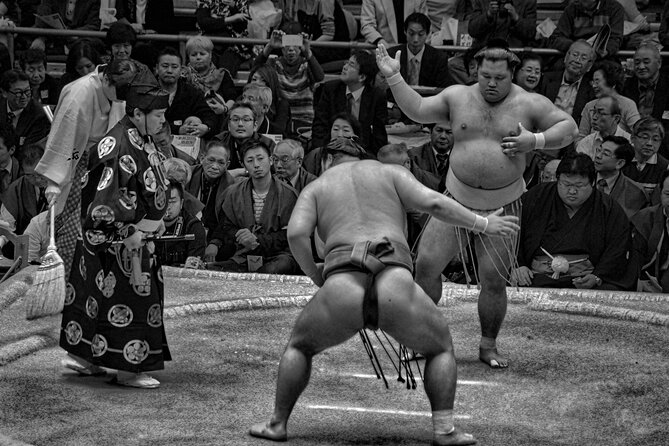
There are a few rules that affect your day-to-day comfort.
- Food and drinks are not permitted in the stadium. So plan to eat before you arrive or after you finish the match portion. This matters because stadium snacking would normally be a common convenience on long event days.
- Photos are allowed, but no flash and avoid bulky equipment that blocks other viewers.
- Be respectful and quiet during the tournament. The guidance asks you to refrain from loud or disrespectful behavior and avoid shouting or disturbing other spectators.
None of these are unusual for a serious event, but they’re worth remembering so you don’t accidentally turn into the person everyone tries to move around.
Time planning: 5 hours in Tokyo, not a half-day blur
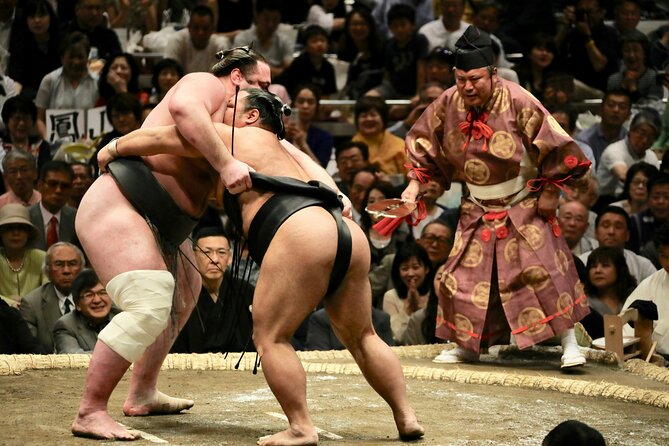
This tour runs about 5 hours total. That’s enough time for three distinct phases—history intro, stadium walk, and tournament viewing—without dragging on for a full day.
If your Tokyo schedule is tight, this still works because:
- it’s anchored in one area of the city (Ryogoku area),
- the start and end points are very close (both in Sumida/Ryogoku area),
- you don’t have to build your own logistics around getting tickets and finding your seat.
You’ll also want to treat the day as a fixed event. The matches are the point, so try not to stack it with something that could pressure you to leave early.
Price and value: is $209 a fair deal?
At $209 per person, you’re paying for several bundled items: the official tournament tickets, reserved seats (B or C class, second floor), and an expert guide to translate the ceremony and rules.
If you’ve ever tried to book sumo tickets on your own, you already know the real cost is often time and stress. This tour converts that uncertainty into a guided, seated experience with a clear flow. You’re also booking an average lead time of about 22 days, which suggests you should not wait for the last minute if you have a specific tournament date in mind.
So is it worth it? For first-time sumo watchers, or for anyone who wants to understand what they’re seeing instead of Googling in the stands, the guide + ticket bundle is the key value.
Who this tour is best for
This works especially well if:
- you’ve never watched sumo and want the rules explained in plain terms while you’re in the arena
- you care about Japanese tradition and want context, not just a sport-event snapshot
- you want a small-group experience (up to 25) with real chances to ask questions
It may be less ideal if:
- you specifically want the closest possible view to the ring
- you plan to snack during the event (since food and drinks aren’t permitted at the stadium)
- you’re the type who wants to roam independently without a guided structure
Quick tips to make your day smoother
- Arrive with a plan to eat before the tournament portion, since food/drink isn’t allowed in the stadium.
- Keep your camera gear simple—photos are allowed, but bulky items that block views can be a problem.
- Treat the stadium like a quiet show: watch, listen for the guide’s cues, and don’t try to turn it into a loud audience experience.
- If you have questions, ask them during the matches. The reviews mention the guide staying responsive, and this is the best way to get clarity fast.
Should you book this sumo tournament experience?
If you want sumo in Tokyo with the least hassle and the most meaning, I’d book it. The reserved seating removes ticket stress, and the guided explanations are what turn the tournament into something you can actually follow.
I’d skip it only if you’re determined to have floor-level proximity or you prefer fully independent sightseeing over a guided structure. For everyone else—especially first-timers—this is a strong “see the real thing and understand it” kind of day.
If your dates match an official tournament, grab it early. You’re trying to catch a window when tickets are hard to find, and this is one of the cleaner ways to do it.
More Tickets in Tokyo
- Tokyo: teamLab Planets TOKYO Digital Art Museum Entry Ticket
★ 4.6 · 9,779 reviews - Tokyo: Hop-On Hop-Off Sightseeing Bus Ticket
★ 3.9 · 4,207 reviews - Tokyo: Japanese Dance Cabaret Theater Asakusa-Kaguwa Ticket
★ 4.8 · 2,270 reviews - Tokyo Grand Sumo Tournament Viewing Tour with Tickets
★ 5.0 · 692 reviews - Tokyo Skytree Admission Ticket with Tembo Deck and Galleria
★ 4.0 · 589 reviews
More Tour Reviews in Tokyo
- Mt Fuji and Hakone 1-Day Bus Tour Return by Bullet Train
★ 5.0 · 26,383 reviews - 1-Day Tokyo Bus Tour
★ 5.0 · 14,250 reviews - Tokyo: teamLab Planets TOKYO Digital Art Museum Entry Ticket
★ 4.6 · 9,779 reviews - Mt Fuji & Hakone Cruise, Drum Show Bullet Train 1 Day from Tokyo
★ 4.0 · 7,413 reviews - Tokyo: Shinjuku Food Tour (13 Dishes at 4 Local Eateries)
★ 5.0 · 6,603 reviews
More Sumo, Ringside and Rated
- Tokyo: Sumo Show and Dining Experience
★ 4.8 · 2,742 reviews - the SUMO show
★ 5.0 · 1,960 reviews - Tokyo Shinjuku Sumo Show & Experience with Photo
★ 5.0 · 1,750 reviews - Tokyo: Sumo Show and Experience in Shinjuku
★ 4.8 · 1,001 reviews - Tokyo Grand Sumo Tournament Viewing Tour with Tickets
★ 5.0 · 692 reviews
Latest Tokyo reviews off our desk




Sumo Tournaments & Shows, compared.
 ★ 4.8Sumo Show and Dining ExperienceFrom $792,742 reviews
 ★ 5.0the SUMO showFrom $891,960 reviews
 ★ 5.0Tokyo Shinjuku Sumo Show & Experience with PhotoFrom $791,750 reviews
 ★ 4.8Sumo Show and Experience in ShinjukuFrom $691,001 reviews
 ★ 5.0Tokyo Grand Sumo Tournament Viewing Tour with TicketsFrom $124692 reviews
 ★ 5.0Tokyo Sumo Wrestling Tournament ExperienceFrom $124660 reviews
 ★ 4.7Luxury Sumo Show Experience & Japanese cuisine & DrinkFrom $103577 reviews
 ★ 4.8Sumo Morning Practice Viewing TourFrom $81570 reviews
Browse the lists this tour appears in