
Reviewed · IMPERIAL PALACE TOURS
Private Tour – History, Art and Nature at the Imperial Palace
One quiet corner of Tokyo can teach a lot. This private tour pairs Imperial Palace gardens with 20th-century art and then wraps it up with park time and postcard views by the moat. You get a guide who stays focused on your group, so the day feels efficient instead of frantic.
I particularly like how the route connects big symbols to small details: the Imperial Palace grounds, the Edo-era traces in the East Gardens, and then the National Museum of Modern Art sitting inside the palace zone. The pacing also gives you breathing room, not just stop-and-snap photo time.
One thing to keep in mind: the Imperial Palace gardens and nearby areas can shift with seasonal closures or weather, so if conditions are rough you may see small route changes.
In This Review
- Quick Takeaways
- A Private Imperial Palace Day With One Guide and Real Green Space
- Getting Oriented at Tokyo Station Marunouchi Ekimae Hiroba
- Wadakura Fountain Park: A Small Memorial You Can Actually Sit With
- The East Gardens of the Imperial Palace and Edo Castle Traces
- National Museum of Modern Art (MOMAT) Inside the Palace Zone
- Kitanomaru Park: Open Lawn, Quiet Edges, Easy Reset
- Café 33 in Kitanomaru Park: A Real Break in the Imperial Greens
- Chidorigafuchi Moat Views: The Classic Tokyo Photo Moment
- Price and Value: How $90.60 Fits a 4.5-Hour Private Day
- When This Private Tour Makes the Most Sense
- Should You Book This Private Tour of Imperial Palace Art and Nature?
- FAQ
- How long is the private tour?
- Is this a private tour or a shared group tour?
- Where does the tour start and end?
- Is the National Museum of Modern Art admission included?
- Which stops are free during the tour?
- Do I need to budget for meals?
- What if I need to cancel or the weather is bad?
Quick Takeaways
- Private guide time means fewer bottlenecks and more real-time help with what you’re seeing
- Imperial Palace East Gardens offer seasonal garden changes plus Edo-period ruin sites in a calm setting
- National Museum of Modern Art (inside the palace zone) adds strong context for Japan’s modern art story
- Kitanomaru Park + Café 33 gives you a natural break in the Imperial greens
- Chidorigafuchi is a quick hit of classic Tokyo moat scenery with solid photo angles
A Private Imperial Palace Day With One Guide and Real Green Space
Tokyo can be loud. This tour is a different feeling: more walking outdoors, fewer crowds packed into the same viewpoint. It’s built around the Imperial Palace grounds, then continues into nearby garden and park stops that still feel like you’re breathing inside the city.
What makes it work for me is the private format. Having a guide who can answer questions as you go changes how you experience places like the East Gardens. The best guides on this kind of route (and this tour has had guides such as Keiko, Yumi, Fumi, Sonoko, and Jinnosan) tend to keep the story clear and the directions practical.
Expect a fair amount of walking, though. Comfortable shoes matter here. Also, the total time is about 4 hours 30 minutes, so you’ll be moving for a good chunk of the day.
More walks around the Imperial grounds
- Tokyo: Imperial Palace and Shogun Historical Walking Tour
★ 5.0 · 2,251 reviews - Tokyo: Imperial Palace Japanese History Walking Tour
★ 4.9 · 987 reviews - Tokyo: Imperial Palace and Shogun Walking Tour
★ 4.9 · 935 reviews - Imperial Palace East Garden and Edo Castle Walking Tour in Tokyo
★ 5.0 · 510 reviews
Getting Oriented at Tokyo Station Marunouchi Ekimae Hiroba
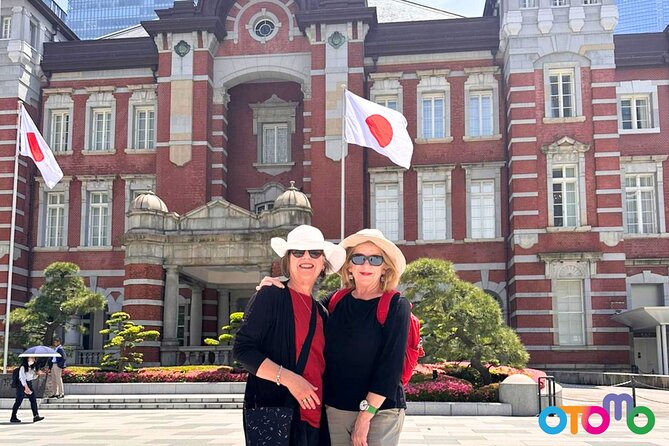
You start at Tokyo Station, right by the Marunouchi area. The station square is a great warm-up because you can see the building from the front and get your bearings fast before you head into the Imperial Palace zone.
This first segment is short—about 15 minutes—and that’s on purpose. Tokyo Station can eat time if you’re trying to figure out directions on your own. Starting there means you leave with a sense of where you are relative to central Tokyo, not just a photo of the station facade.
Wadakura Fountain Park: A Small Memorial You Can Actually Sit With
Next comes Wadakura Fountain Park, tucked inside the Imperial Palace grounds. It’s a compact stop, but it’s worth the pause because it’s not just scenic—it’s a commemorative spot tied to the marriage of the Emperor Emeritus and Empress Emerita.
This is one of those Tokyo “quiet truths” moments. You’ll notice how the grounds are designed for reflection, not for constant motion. If you take a minute here, the rest of the garden walking makes more sense. You’re not rushing through history; you’re stepping into how space and meaning connect.
The East Gardens of the Imperial Palace and Edo Castle Traces
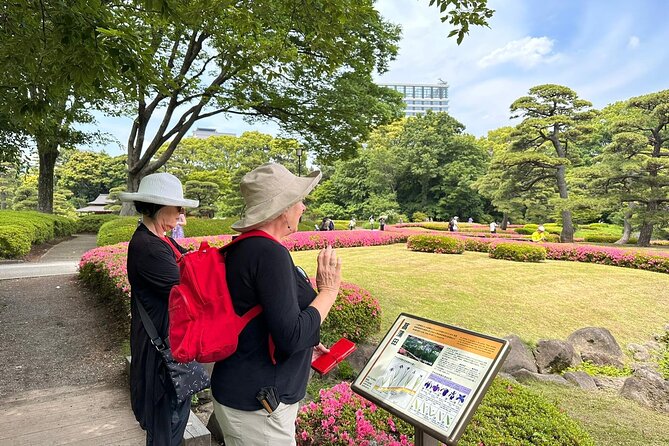
This is the heart of the day: the East Gardens of the Imperial Palace. Expect a Japanese garden layout with seasonal changes, plus historical remnants connected to Edo Castle. The East Gardens time is about 30 minutes, which is enough to enjoy the feel of the place without turning it into a full-day endurance test.
A big value of this stop is interpretive help. The East Gardens can look like “just beautiful landscaping” if you don’t know what to look for. With a guide in your corner, you can focus on the historical rhythm—where the past is physically present and how the garden design supports the experience.
If you’re visiting during cherry blossom season, this stop often hits extra hard. One guide-led experience involved taking guests to special viewpoint spots at the start of cherry blossom season, so the timing can turn a nice garden walk into a memorable Tokyo ritual.
Practical note: this park-style area is free, so you don’t burn budget here, but you still gain a lot through storytelling and pacing.
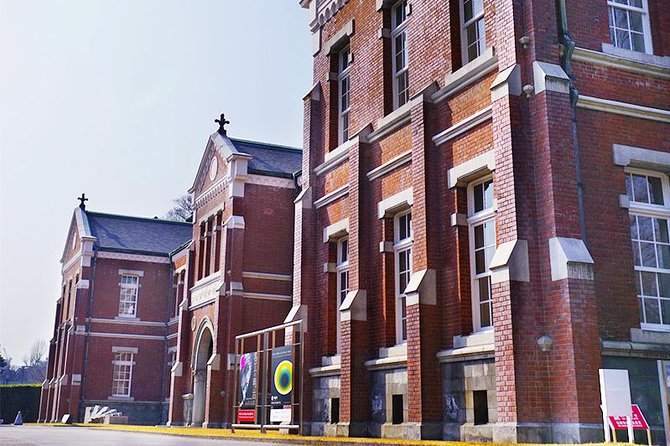
National Museum of Modern Art (MOMAT) Inside the Palace Zone
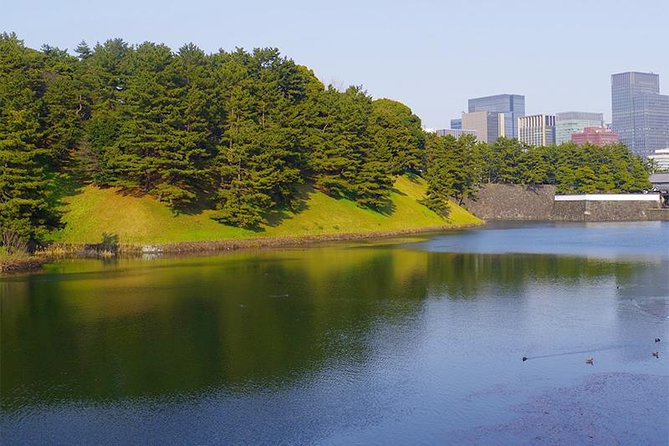
After the gardens, you’ll head to the National Museum of Modern Art, Tokyo. This is about 40 minutes. The ticket is not included in the tour price, so you’ll pay the admission fee directly.
Why I think this museum stop is smart on this particular route: it bridges the Imperial Palace setting with Japan’s modern art evolution. The museum being inside this palace-adjacent zone makes the contrast feel natural. You’re moving from a space built for tradition and ceremony into a place built for modern expression.
If your goal is to see Tokyo beyond the obvious viewpoints, this is a strong add. If your priority is only gardens and moat scenery, you might find the museum time a bit longer than you’d like—one review mentioned that it could be skipped. Still, even if you’re not an art superfan, the museum stop gives your day structure and context.
Readers also shortlisted these Tokyo bookings:
- Tokyo 6hr Private Tour with Government-Licensed Guide★ 5.0 · 3,902 reviews
- Private Tour to Mt. Fuji and Hakone (Fully Licenced Operator)★ 5.0 · 1,910 reviews
- Tokyo Customized Private Tour (Must See Places in 1 Day)★ 5.0 · 1,499 reviews
- Mount Fuji Full-Day Private Tour from Tokyo (Customizable)★ 4.9 · 1,470 reviews
- Tokyo: Private City Highlights Tour with Local Guide★ 4.8 · 1,433 reviews
Kitanomaru Park: Open Lawn, Quiet Edges, Easy Reset
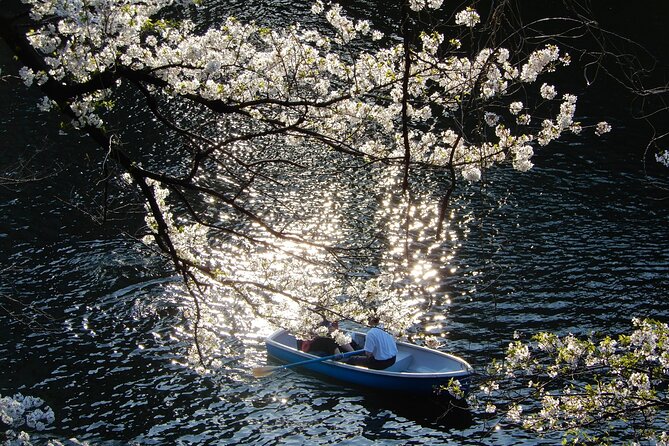
Kitanomaru Park is a free stop and one of the best “slow down” parts of the tour. You’ll have about 20 minutes here. The park is known for a spacious lawn and diverse trees and plants around the area, creating its own ecosystem feel within the Imperial Palace grounds.
This is where you reset after the museum and garden walking. If you’re traveling with kids, older family, or anyone who wants a little less museum intensity, this open park segment can be the relief point of the whole day.
I also like that it’s included without an entrance fee, so you can enjoy the greenery without mentally tracking costs.
Café 33 in Kitanomaru Park: A Real Break in the Imperial Greens
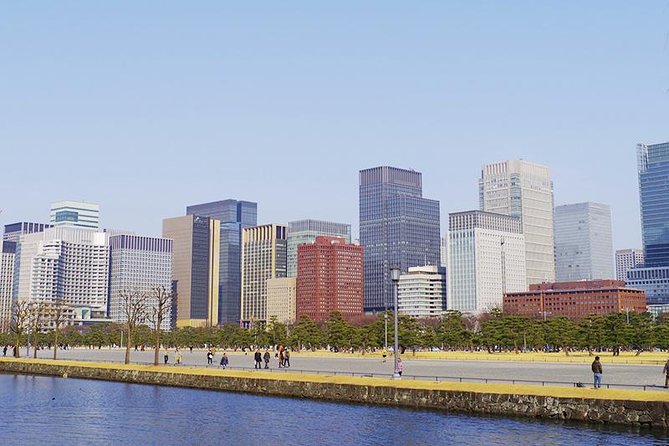
Then there’s a scheduled stop at Café 33, also in the Kitanomaru Park area, for about 40 minutes. Meals are not included. Still, this is a good setup because it avoids the usual Tokyo problem of finding something fast while you’re already on a timed sightseeing day.
The café uses local fresh ingredients from the Tohoku area and Tokyo. That detail matters because it signals this isn’t just a random coffee stop—it’s an actual place to eat while staying close to the day’s route.
This break is also handy for photos. You can step outside, compare shots, and decide what you want from the final part of the walk without feeling rushed.
Chidorigafuchi Moat Views: The Classic Tokyo Photo Moment
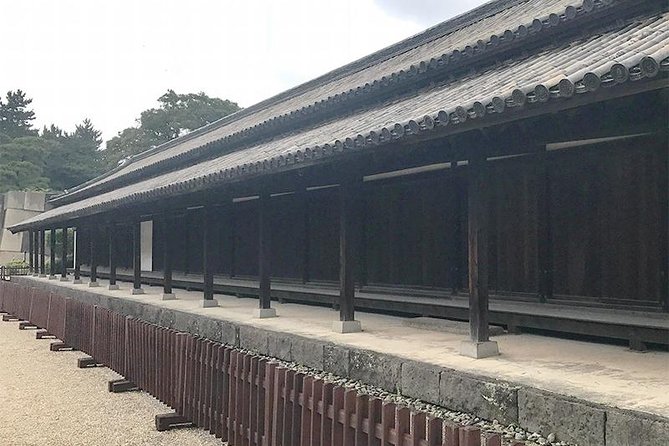
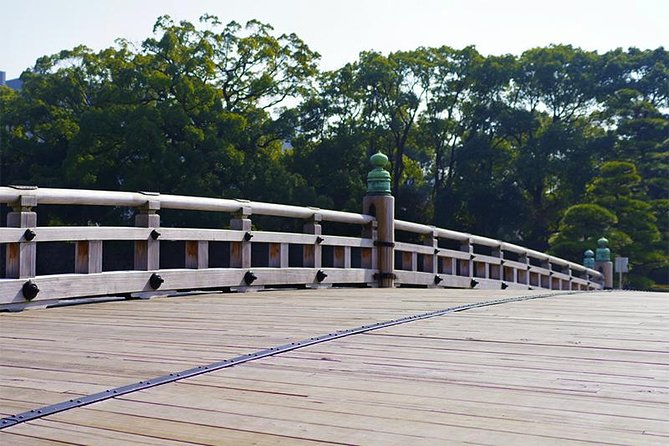
The tour finishes with Chidorigafuchi, about 20 minutes. This is one of the most famous moat-view areas in Tokyo, and even in a short time you can get strong photo angles.
The big idea here is “nature that remains in Tokyo.” Chidorigafuchi offers that calmer, reflective feeling that’s hard to find in the densest city blocks. It pairs well with everything you saw earlier because it continues the day’s theme: Tokyo’s green space and historical layers.
If you’re photographing, take a few minutes to look for the angles that show both the water and the tree line. The views here are the kind that reward a slow turn of the head, not just one quick snap.
Price and Value: How $90.60 Fits a 4.5-Hour Private Day
The price is $90.60 per person, and it’s for a private tour (so only your group participates). That matters because you’re not paying for seat time on a big bus. You’re paying for a guide, timing, and a structured route through major sights that sit close together.
Here’s the value math that helps you plan:
- Estimated additional costs are about 1,500 JPY per person
- That breakdown is 500 JPY for admission fees (mainly the modern art museum)
- And about 1,000 JPY for meal costs (since the café stop is food-on-your-own)
A lot of the sightseeing stops are free: Wadakura Fountain Park, the East Gardens, Kitanomaru Park, and Chidorigafuchi. So your money mostly goes toward the museum and your lunch, not a stack of entrance fees.
Also, you’ll want to factor in that transportation costs are borne by you. The tour does provide the guide and necessary guide expenses for the day, but the kit of “how to get there” is still on you.
On top of that, the tour offers a mobile ticket and group discounts. If you’re traveling with a friend or family member, that can make the private format feel even more reasonable per person.
When This Private Tour Makes the Most Sense
This is a great match if you want:
- Imperial Palace grounds without getting stuck on what’s worth seeing
- strong context for the East Gardens and the Edo Castle ruin elements
- a mix of outdoor calm and an indoor art stop
- a guide who can pace the day to your group
It’s also a good “first Tokyo trip” option. Starting near Tokyo Station and ending near Hanzomon Station helps you integrate the day into the rest of your stay. You’ll walk away with a better sense of central Tokyo geography.
This tour may not be ideal if you want a super flexible, spend-whatever-you-want day. The total time is fixed, and stops are timed. If you want to linger for hours in gardens, plan to add extra time on your own afterward.
Weather can also be a factor. If conditions are bad, the destinations and routes may change, so keep that flexibility in mind.
Should You Book This Private Tour of Imperial Palace Art and Nature?
I’d book it if your ideal Tokyo day is calm, scenic, and guided. You get a clear path through the Imperial Palace area, you get at least one meaningful “indoors” stop at the museum, and you still end with a classic exterior view at Chidorigafuchi.
You should think twice if you’re only interested in gardens and you’d rather skip the museum. In that case, you might find the museum time costs you attention that you’d prefer to spend outdoors.
If you do book, my best practical advice is simple: wear comfortable shoes, plan for a paid admission at the National Museum of Modern Art, and treat Café 33 as your lunch window rather than hoping to squeeze in food later.
FAQ
How long is the private tour?
It runs for about 4 hours 30 minutes.
Is this a private tour or a shared group tour?
It’s a private tour. Only your group participates.
Where does the tour start and end?
It starts at Tokyo Station (Marunouchi area) and ends at Hanzomon Station (Tokyo Metro Hanzōmon Station area).
Is the National Museum of Modern Art admission included?
No. Admission to the National Museum of Modern Art, Tokyo is not included.
Which stops are free during the tour?
Wadakura Fountain Park, the East Gardens of the Imperial Palace, Kitanomaru Park, and Chidorigafuchi are listed as free.
Do I need to budget for meals?
Yes. There’s a stop at Café 33, and meal costs are on you. The tour’s estimated meal budget is 1,000 JPY per person.
What if I need to cancel or the weather is bad?
You can cancel for a full refund up to 24 hours before the start time. If the weather is bad on the day, the destinations and routes may be changed.
More Tours in Tokyo
- Mt Fuji and Hakone 1-Day Bus Tour Return by Bullet Train
★ 5.0 · 26,383 reviews - 1-Day Tokyo Bus Tour
★ 5.0 · 14,250 reviews - Tokyo: Shinjuku Food Tour (13 Dishes at 4 Local Eateries)
★ 5.0 · 6,603 reviews - Tokyo Mt Fuji 5th St & Hakone Cruise Bus Tour w/Bullet Train
★ 4.4 · 5,024 reviews - Flagship 2-Hours Official Street Go-Kart Tour – Tokyo Bay Shop
★ 5.0 · 4,974 reviews
More Tour Reviews in Tokyo
- Mt Fuji and Hakone 1-Day Bus Tour Return by Bullet Train
★ 5.0 · 26,383 reviews - 1-Day Tokyo Bus Tour
★ 5.0 · 14,250 reviews - Tokyo: teamLab Planets TOKYO Digital Art Museum Entry Ticket
★ 4.6 · 9,779 reviews - Mt Fuji & Hakone Cruise, Drum Show Bullet Train 1 Day from Tokyo
★ 4.0 · 7,413 reviews - Tokyo: Shinjuku Food Tour (13 Dishes at 4 Local Eateries)
★ 5.0 · 6,603 reviews
More Imperial Palace Walks
- Tokyo: Imperial Palace and Shogun Historical Walking Tour
★ 5.0 · 2,251 reviews - Tokyo: Imperial Palace Japanese History Walking Tour
★ 4.9 · 987 reviews - Tokyo: Imperial Palace and Shogun Walking Tour
★ 4.9 · 935 reviews - Imperial Palace East Garden and Edo Castle Walking Tour in Tokyo
★ 5.0 · 510 reviews - Tokyo: Imperial Palace East Gardens Walking Tour
★ 4.8 · 353 reviews
Latest Tokyo reviews off our desk






Imperial Palace Tours, compared.
 ★ 5.0Imperial Palace and Shogun Historical Walking TourFrom $222,251 reviews
 ★ 4.9Imperial Palace Japanese History Walking TourFrom $32987 reviews
 ★ 4.9Imperial Palace and Shogun Walking TourFrom $16935 reviews
 ★ 5.0Imperial Palace East Garden and Edo Castle Walking Tour in TokyoFrom $25510 reviews
 ★ 4.8Imperial Palace East Gardens Walking TourFrom $19353 reviews
 ★ 4.5Imperial Palace, Sensō-ji Temple, & Tokyo Tower TourFrom $40339 reviews
 ★ 5.0Tokyo Castle, Imperial Palace, Shogun & Garden Walking TourFrom $31211 reviews
 ★ 4.7Edo Castle & East Garden of the Imperial Palace TourFrom $42112 reviews
Browse the lists this tour appears in