
Reviewed · UENO FOOD TOURS
Private Ueno Park Architecture Tour
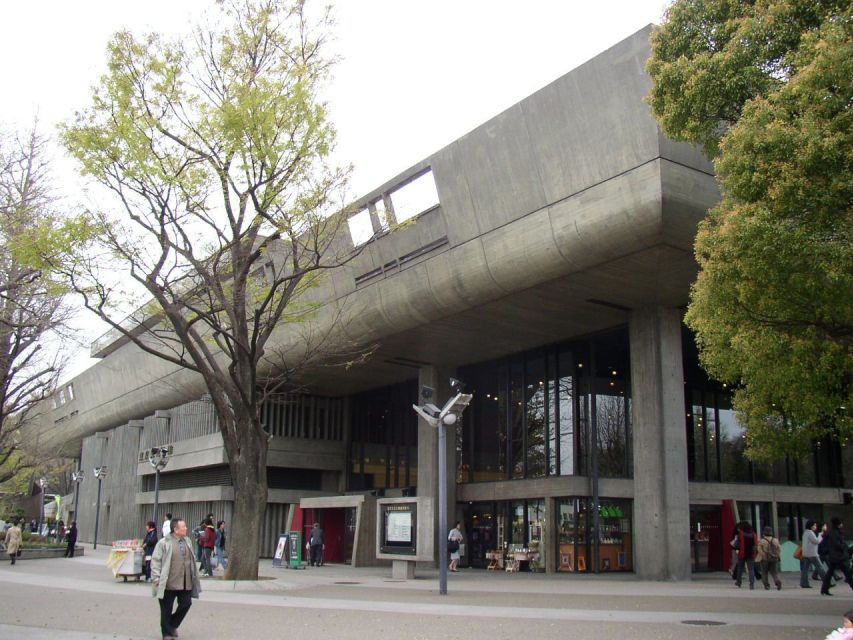
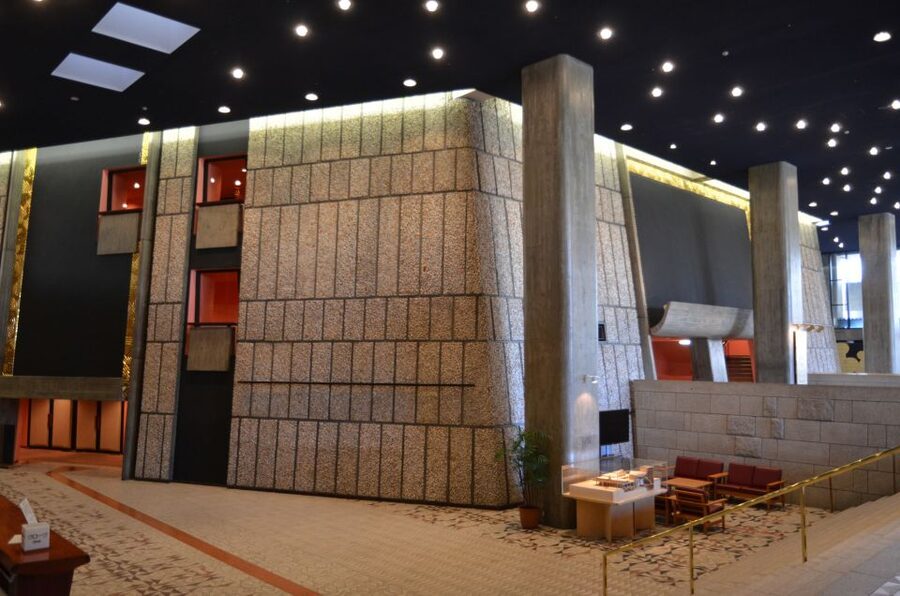
Le Corbusier meets Tokyo museum architecture in Ueno. This tour starts at the National Museum of Western Art, so the architecture conversation begins immediately, not after you’ve walked for a while. I also love that you follow it up with Tokyo Bunka Kaikan, designed by Kunio Maekawa, which adds a distinctly Japanese point of view to the story of modern design. You’re not just looking at pretty buildings here. You’re learning how Tokyo’s cultural institutions shaped architectural choices over time, with an option to see the same masterpieces in a different mood at night.
Three and a half hours is great for covering major stops, but it can feel tight if you’re the type who wants to study details for a long time. 3.5 hours works best when you treat the tour like a guided reading of the park, then use extra time afterward to wander on your own.
In This Review
- Key highlights to look forward to
- Ueno Park as Tokyo’s Modern-Architecture Field Trip
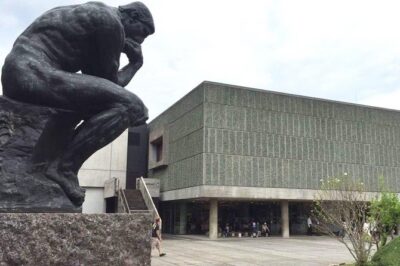
- Meeting at Le Corbusier’s National Museum of Western Art (UNESCO)
- Tokyo Bunka Kaikan Across the Street: Maekawa’s Mentor Story
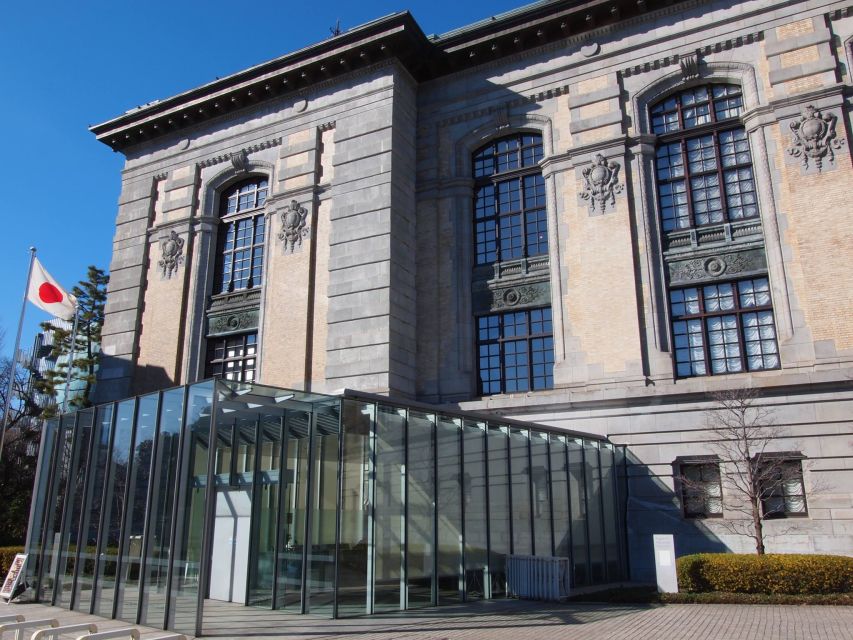
- International Library of Children’s Literature: Renovation, Preservation, and a New Annex
- Tokyo National Museum’s Four Architectural Works by Era (1908–1999)
- Day or Night: How Lighting Changes the Architecture Reading
- Price and What You’re Really Getting for $158
- How Guides Bring This Tour to Life (Mari Is a Good Example)
- Who This Private Ueno Park Architecture Tour Fits Best
- Should You Book This Ueno Park Architecture Tour?
- FAQ
- Where does the tour start?
- How long is the tour?
- Is admission to the Tokyo National Museum included?
- What languages are available?
- Is hotel pickup or drop-off included?
- Can I see the tour at night?
- What happens if the National Museum of Western Art is closed during specific dates?
Key highlights to look forward to
- Le Corbusier’s National Museum of Western Art sets the tone from minute one, and it’s a UNESCO World Cultural Heritage Site (modern architecture value, noted in 2016).
- Kunio Maekawa’s Tokyo Bunka Kaikan is right across the way, so you can compare influences without long transit.
- A renovation-and-preservation stop at the International Library of Children’s Literature adds a real-world layer beyond new construction.
- Tokyo National Museum’s four landmark buildings trace multiple architectural eras between 1908 and 1999.
- Optional night timing changes how you read proportions, entrances, and façade depth.
Ueno Park as Tokyo’s Modern-Architecture Field Trip
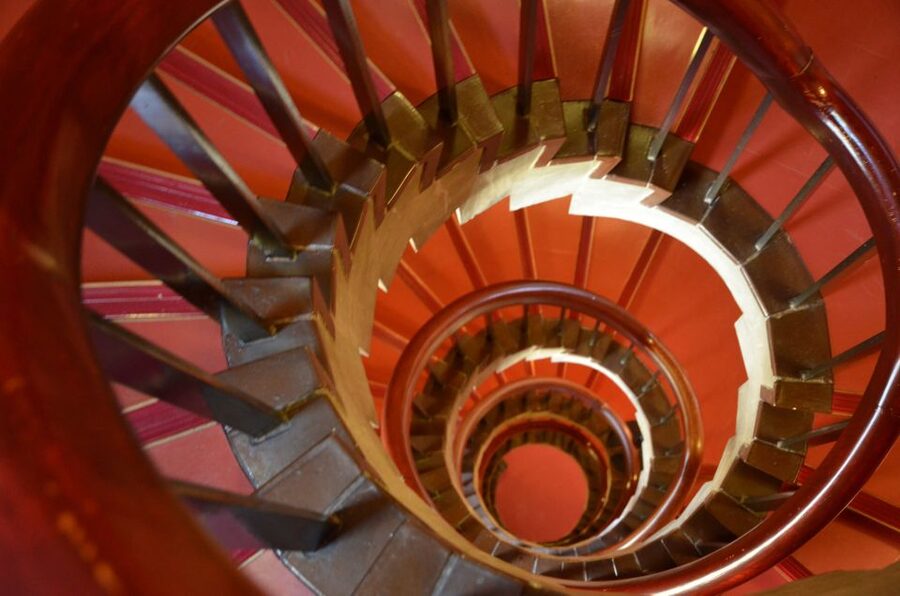
Ueno Park is Tokyo’s art-and-culture hub, and that matters for architecture. These buildings weren’t built in isolation. They were designed to frame collections, ceremonies, education, and public life. That’s why this tour feels like a timeline you can walk through, from modern architecture’s late-1800s roots toward what came later.
What you’ll enjoy most is the way the route connects influences. You’ll see a major European modernist voice introduced at the start, then watch how a Japanese architect paid respect to a mentor. After that, the tour shifts from famous names to how architecture gets maintained and repurposed—like what you can learn from the library’s preservation and its newer arch-shaped annex.
And yes, there’s a practical bonus: this isn’t the kind of area where you waste time comparing brands or hunting for snacks. It’s cultural real estate. So you get your bearings faster, and your sightseeing stays focused.
More Ueno tastings on our list
- Eat and Drink Like a Local: Tokyo Ueno Food Tour-Taverns&Ramen
★ 5.0 · 957 reviews - Tokyo: Food Tour in Ueno with 10+ Tastings of Japanese Classics
★ 5.0 · 303 reviews - Tokyo Ueno Food Tour Sushi Ramen and Local Favorites
★ 5.0 · 54 reviews - Japanese Food Experience Night Tour in Ueno
★ 5.0 · 47 reviews
Meeting at Le Corbusier’s National Museum of Western Art (UNESCO)
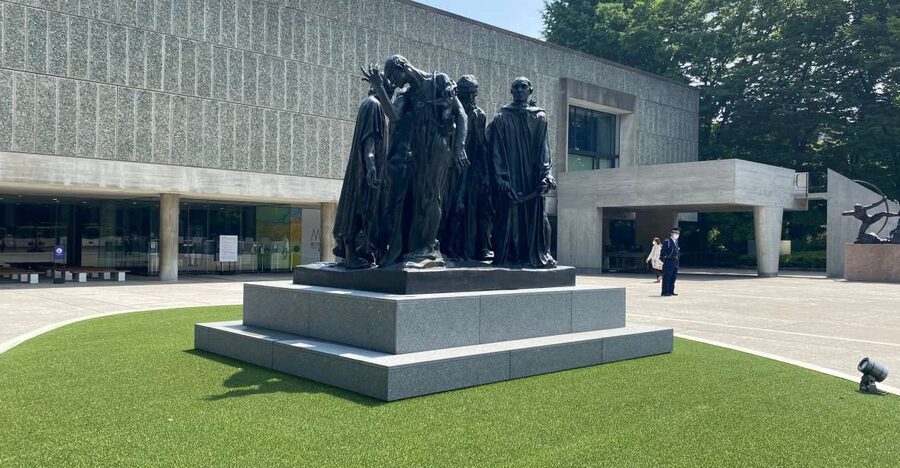
Your tour begins in front of the National Museum of Western Art at Uenokōen, specifically the spot listed at 7-7, Taitō-ku. This is a smart starting point because the building is designed by Le Corbusier, and it’s recognized for modern architectural value as a UNESCO World Cultural Heritage Site (2016).
Here’s what to watch for at the beginning. Don’t just admire the façade like a postcard. Use your guide’s cues to notice how the museum’s identity is tied to modern design principles—and how that modern identity becomes a public landmark in Tokyo. If you’re coming from sightseeing that’s more about temples and traditional streets, this stop flips the script in a good way.
One more thing: if your dates fall between 23 Jan 2023 and 28 Feb 2023, the museum is closed. In that situation, you’ll still get guidance outside the museum, so you won’t be left with nothing to see. It changes the experience slightly, but you can still follow the architecture story.
Tokyo Bunka Kaikan Across the Street: Maekawa’s Mentor Story
From the Le Corbusier museum, you move to Tokyo Bunka Kaikan, which is located just opposite. That short jump is more than convenience. It lets you compare ideas at walking speed, which is great when architecture is your main goal.
Kunio Maekawa designed Tokyo Bunka Kaikan, and the tour frames it as a meaningful relationship: Maekawa was one of three local apprentices of Le Corbusier. So instead of feeling like two unrelated buildings, these stops become connected chapters.
What I like about how this is taught is the balance. You’re not just hearing name-dropping. You’re learning what respect to a mentor can look like in built form. That can include how function and form get negotiated, how public buildings hold space for culture, and how Japanese architects translated modernist thinking into something that fits Tokyo.
If you want one mental trick for this segment, use it: try to spot what stays consistent with modern architecture across both buildings, then look for what changes once the architect is operating with different cultural priorities.
International Library of Children’s Literature: Renovation, Preservation, and a New Annex
Next comes the International Library of Children’s Literature, and this is where the tour adds realism. Not every architecture story is about a brand-new opening or a famous façade. Some of the most interesting decisions happen when a building ages, gets updated, or needs repairs while still honoring its identity.
You’ll observe the preservation and renovation work here, plus you’ll see a new arch-shaped annex building. That combo is valuable because it shows how architecture lives beyond the day it’s photographed. It also makes the tour feel more current. A park tour can turn into a museum of the past. This stop brings you back to the present.
What to look for during this part: how the building’s relationship to its surroundings gets protected during renovation. You can also watch for how a newer annex uses an arch shape to create contrast without throwing everything out. Even if you don’t call yourself an architecture nerd, this section helps you understand why maintenance is a design act, not just a repair job.
Tokyo National Museum’s Four Architectural Works by Era (1908–1999)
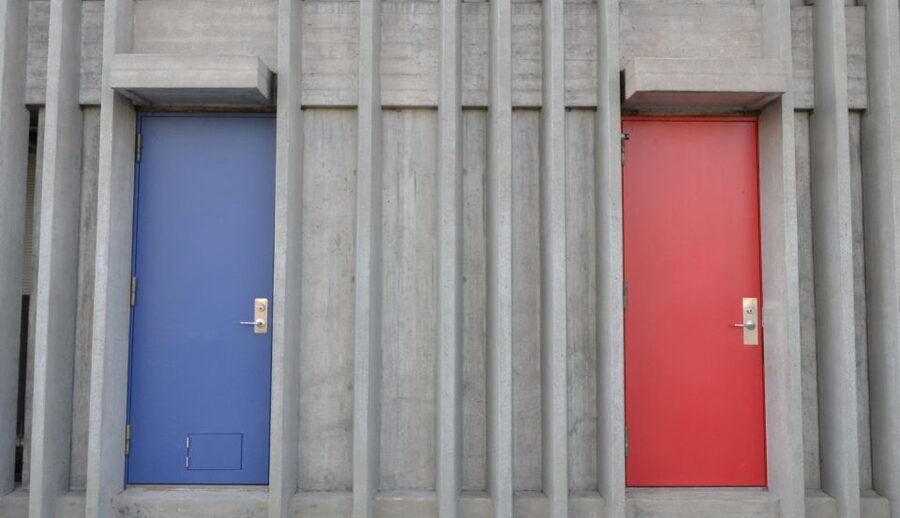
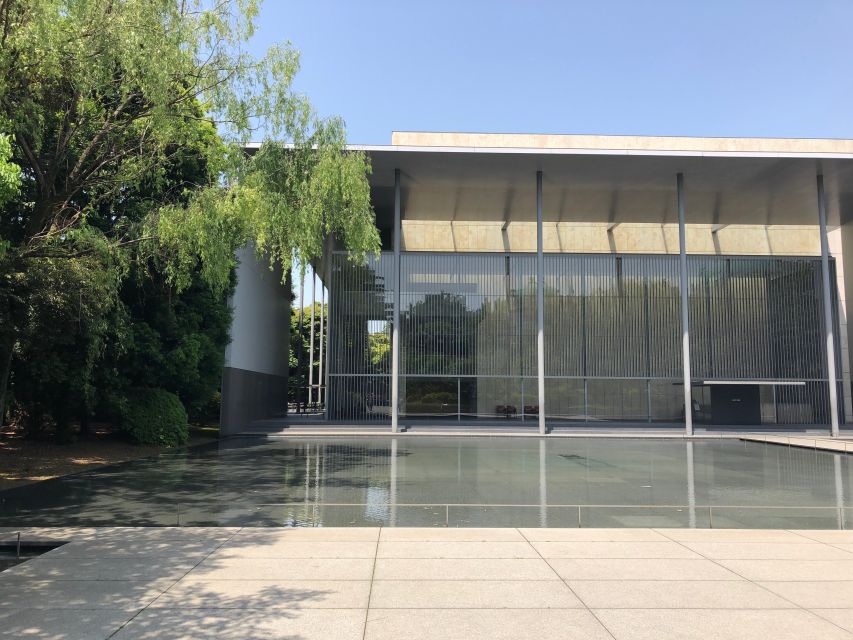
The tour’s biggest “architecture museum” moment is the Tokyo National Museum stop. You get to admire four architectural works: Hyokei-kan, Hon-kan, Toyo-kan, and the Gallery of Horyuji Treasure.
The key idea here is that these aren’t treated as random buildings. They’re presented as works that reflect the historical background of their eras, spanning a range from 1908 to 1999. That timeframe matters because it helps you see how architectural thinking changes in response to time, function, and changing cultural needs.
Here’s how I suggest you experience this segment:
- Start by identifying each building as its own era, not as a single museum complex.
- Let your guide connect how the style choices serve the museum’s role at the time.
- After that, look again with fresh eyes and see how those differences feel when you’re standing in the park.
A practical plus: the Tokyo National Museum admission fee is included. So you don’t have to budget extra for entry during the tour window, and you can focus on the architecture explanation and the guided route.
When the guided part wraps up, you can explore the collections at your own pace. That’s a nice finishing move because it gives you control over how long you want to stay with the art, using the architecture context your guide just gave you.
Readers also shortlisted these Tokyo bookings:
- Private Tour to Mt. Fuji and Hakone (Fully Licenced Operator)★ 5.0 · 1,910 reviews
- Tokyo Customized Private Tour (Must See Places in 1 Day)★ 5.0 · 1,499 reviews
- Mount Fuji Full-Day Private Tour from Tokyo (Customizable)★ 4.9 · 1,470 reviews
- Private Custom Tour: Tokyo in a Day★ 5.0 · 1,432 reviews
- Tokyo 4hr Private Tour with Government-Licensed Guide★ 5.0 · 1,394 reviews
Day or Night: How Lighting Changes the Architecture Reading
One of the standout highlights is that you can take the tour at night. I like this because nighttime viewing isn’t only about mood. It changes how you interpret edges, entrances, and depth.
At night, façades can lose some of their color cues, but proportions often become easier to read. You also tend to notice how building entrances and circulation work as pathways for people—especially around cultural institutions where visitors move in predictable patterns.
If you’re choosing between day and night, I’d make it simple:
- Pick daytime for clearer detail and easier long viewing.
- Pick night if you want the architecture to feel like part of the city’s evening rhythm.
And since Ueno is a cultural area, the night option makes the park feel like it has a different personality, not just different lighting.
Price and What You’re Really Getting for $158
The price is listed at $158 per person for a private group, with a duration of about 3.5 hours. On paper, that might sound steep until you break down what’s included and what you’re covering.
What you actually get included:
- English-speaking guide
- Admission fee to the Tokyo National Museum
- Break time with drinks
What you’re also paying for, indirectly, is time efficiency. This route hits major architectural anchors in Ueno Park without you needing to figure out which buildings matter and why. Instead of doing a self-guided walk where you guess the connections, you get the narrative stitched together: Le Corbusier at the western museum, Maekawa’s mentor link at Tokyo Bunka Kaikan, the library’s preservation and annex, then four museum buildings spanning 1908–1999.
Private groups also tend to be where the “value” shows up. You can ask questions when something doesn’t make sense, and the guide can pace you based on what you care about most. In the same amount of time, a private group usually feels less rushed.
Not included: hotel pickup and drop-off. That’s normal for city walking tours. It also means you’ll want to plan how you’ll get to the meeting point in front of the National Museum of Western Art.
How Guides Bring This Tour to Life (Mari Is a Good Example)
One of the best signs for a tour like this is that the guide style matters. In this case, guides are described as warm, fun, and passionate about architecture, with strong English communication.
For example, Mari is mentioned as warm and funny, and as someone who clearly loves Ueno’s architectural story. That kind of energy helps a lot when you’re walking between buildings that could otherwise blur together.
Even if you don’t get the same guide, the format is built around explanation and context. You’re going to spend time at each site, not just passing by. And you’ll have a break with drinks, which helps keep the energy up so you can absorb the next stop.
Who This Private Ueno Park Architecture Tour Fits Best
This is a great fit if you:
- Want modern architecture in Tokyo, not just traditional sights
- Like your sightseeing connected by a theme (in this case, architectural evolution and influence)
- Enjoy guided context you can apply while you wander afterward
It’s also good for your first architecture tour in Tokyo. You get a clean framework quickly: a major UNESCO-listed modernist museum start, a mentor relationship through Maekawa, a preservation-and-renovation reality check at the children’s literature library, and then the museum’s multi-era architecture spread.
If you’re the type who dislikes structured routes, you might find 3.5 hours feels “guided” rather than free-form. The tradeoff is that you get the story, not just the photos.
Should You Book This Ueno Park Architecture Tour?
I think it’s a smart booking if architecture is one of your main interests and you want to understand what you’re seeing instead of guessing. The route is built around high-impact stops, and the included Tokyo National Museum admission is a practical cost saver.
Book it if you like:
- walking tours with a strong theme
- comparisons between architects and building eras
- night viewing if you’re flexible with timing
Skip it only if you already feel you can read these buildings on your own, or if you want a longer, slower “study mode” tour. With only 3.5 hours, you’ll likely do best with this as your guided introduction, then add extra independent time at the museum afterward.
FAQ
Where does the tour start?
It starts in front of the National Museum of Western Art at Uenokōen 7-7, Taitō-ku, Tōkyō-to 110-0007, Japan.
How long is the tour?
The duration is 3.5 hours. Starting times vary, so you’ll want to check availability.
Is admission to the Tokyo National Museum included?
Yes. Admission to the Tokyo National Museum is included.
What languages are available?
The live guide works in Japanese and English, and the tour includes an English-speaking guide.
Is hotel pickup or drop-off included?
No. Hotel pickup and drop-off are not included.
Can I see the tour at night?
The tour highlights night timing as an option. You’ll need to check availability for the start times that fit your schedule.
What happens if the National Museum of Western Art is closed during specific dates?
From 23 Jan 2023 to 28 Feb 2023, the museum is closed, so you won’t visit inside. Guidance is provided outside during that period.
More Tours in Tokyo
- Mt Fuji and Hakone 1-Day Bus Tour Return by Bullet Train
★ 5.0 · 26,383 reviews - 1-Day Tokyo Bus Tour
★ 5.0 · 14,250 reviews - Tokyo: Shinjuku Food Tour (13 Dishes at 4 Local Eateries)
★ 5.0 · 6,603 reviews - Tokyo Mt Fuji 5th St & Hakone Cruise Bus Tour w/Bullet Train
★ 4.4 · 5,024 reviews - Flagship 2-Hours Official Street Go-Kart Tour – Tokyo Bay Shop
★ 5.0 · 4,974 reviews
More Tour Reviews in Tokyo
- Mt Fuji and Hakone 1-Day Bus Tour Return by Bullet Train
★ 5.0 · 26,383 reviews - 1-Day Tokyo Bus Tour
★ 5.0 · 14,250 reviews - Tokyo: teamLab Planets TOKYO Digital Art Museum Entry Ticket
★ 4.6 · 9,779 reviews - Mt Fuji & Hakone Cruise, Drum Show Bullet Train 1 Day from Tokyo
★ 4.0 · 7,413 reviews - Tokyo: Shinjuku Food Tour (13 Dishes at 4 Local Eateries)
★ 5.0 · 6,603 reviews
More Ueno Tastings
- Eat and Drink Like a Local: Tokyo Ueno Food Tour-Taverns&Ramen
★ 5.0 · 957 reviews - Tokyo: Food Tour in Ueno with 10+ Tastings of Japanese Classics
★ 5.0 · 303 reviews - Tokyo Ueno Food Tour Sushi Ramen and Local Favorites
★ 5.0 · 54 reviews - Japanese Food Experience Night Tour in Ueno
★ 5.0 · 47 reviews - Tokyo Ueno Food & Nature & Localtown Tour: 10Dishes+ Drinks
★ 5.0 · 34 reviews
Latest Tokyo reviews off our desk






Ueno Food Tours, compared.
 ★ 5.0Eat and Drink Like a Local: Tokyo Ueno Food Tour-Taverns&RamenFrom $95957 reviews
 ★ 5.0Food Tour in Ueno with 10+ Tastings of Japanese ClassicsFrom $142303 reviews
 ★ 5.0Tokyo Ueno Food Tour Sushi Ramen and Local FavoritesFrom $8954 reviews
 ★ 5.0Japanese Food Experience Night Tour in UenoFrom $10547 reviews
 ★ 5.0Tokyo Ueno Food & Nature & Localtown Tour: 10Dishes+ DrinksFrom $12034 reviews
 ★ 5.0All-You-Can-Drink Bar Hopping Tour in UenoFrom $9822 reviews
 ★ 4.8Asakusa, Kappabashi, and Ueno Walking TourFrom $4114 reviews
 ★ 5.0Private Ueno Park Architecture Walking TourFrom $1468 reviews
Browse the lists this tour appears in