
Reviewed · UENO FOOD TOURS
Private Workshop for Making Paper Last 1,000 years in Ueno
Paper that lasts 1,000 years feels like magic. In Ueno, you go step-by-step through Japanese papermaking, including peeling and beating kozo fibers, then finishing with your own postcard designs and sheets. I love the hands-on craft work and the kozo-leaf tea break that ties the materials to what you’re making.
One thing to plan for: there’s a cat in the workshop, and the provider asks you to tell them about allergies ahead of time.
In This Review
- Key things to know before you book
- Why a 1,000-year washi workshop in Ueno is a smart use of time
- What you’ll make in 150 minutes (and what that means for you)
- Hyouhitor and Dakai: peeling and beating kozo fibers
- The mold, deckle, and sifting steps where your sheet appears
- While your paper dries: make postcards and finish your set
- The kozo-leaf tea and local sweets: a clever, satisfying break
- The cozy workshop vibe, including Kami-chan the cat
- A beautiful, small, organized studio experience in Ueno
- English and Japanese support: how you’ll follow the steps
- Price and value: is $130 for 150 minutes worth it?
- Getting there in Ueno: one practical tip to save frustration
- Who should book this washi workshop, and who might skip it
- Should you book this private washi workshop?
- FAQ
- How long is the private washi workshop?
- What paper products do I make?
- What is included in the workshop?
- What languages are used during the workshop?
- Is this experience private?
- Is there a refund if plans change?
- Is there anything I should know about allergies?
Key things to know before you book
- Hands-on washi from raw fibers: you’ll experience the full flow, not just stamping paper.
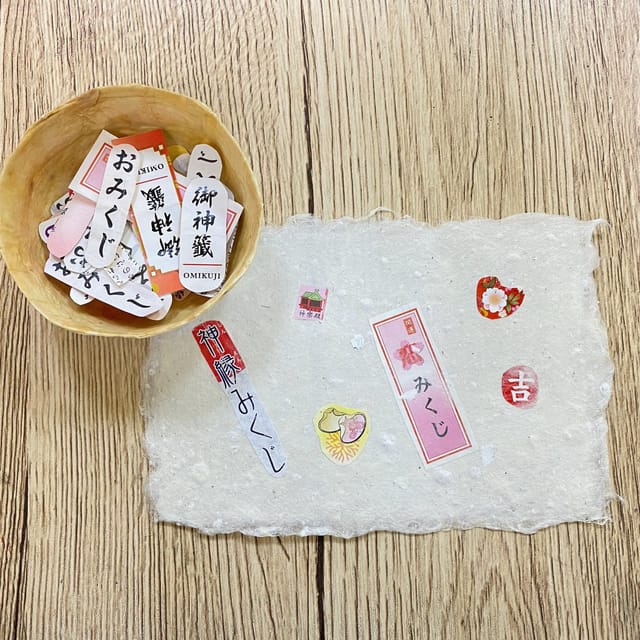
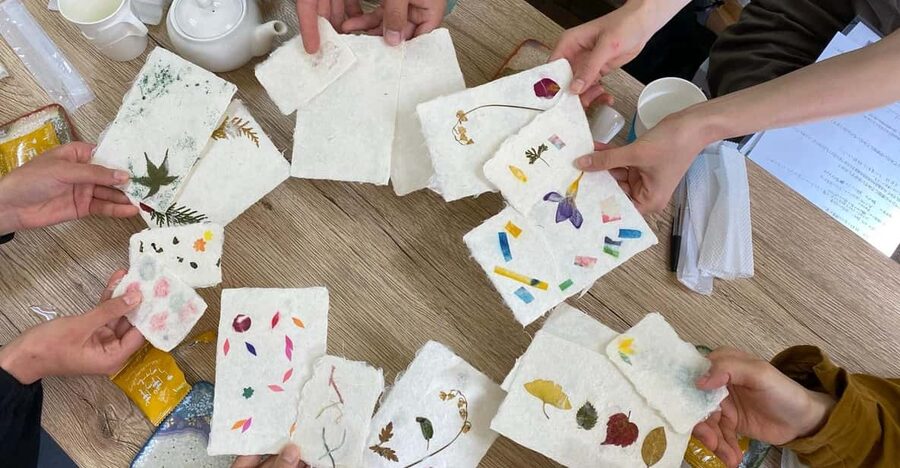
- You make 4 paper items: two postcard designs plus Rakusui paper and an A5 sheet.
- Kozo-leaf tea with local sweets: you drink what the fibers come from, then snack while paper dries.
- Private, small, and well organized: this is run like a tidy craft studio, not a rushed group demo.
- Japanese and English support: the instructor demonstrates so you can follow even without perfect Japanese.
- A cozy workshop mascot: Kami-chan the cat adds charm, but you should consider allergies.
Why a 1,000-year washi workshop in Ueno is a smart use of time
If you like craft travel, this is one of those experiences that teaches by doing, not by talking. You’re not just watching paper magic happen. You’re hands-on with the messy, physical steps that turn tree fiber into sheet-form paper.
Washi is built differently from most paper you buy. The process you’ll learn here uses kozo (paper mulberry) fibers, and the workshop explains how those fibers become a usable, durable sheet. That’s why the theme of paper lasting so long feels more than a marketing line.
I also like the pacing. You’re not stuck making one thing the whole time. You move from prep to sheet-making, then into creating finished items while your paper dries. It gives your brain a breather, and it keeps the workshop from feeling like one long chore.
More Ueno tastings on our list
- Eat and Drink Like a Local: Tokyo Ueno Food Tour-Taverns&Ramen
★ 5.0 · 957 reviews - Tokyo: Food Tour in Ueno with 10+ Tastings of Japanese Classics
★ 5.0 · 303 reviews - Tokyo Ueno Food Tour Sushi Ramen and Local Favorites
★ 5.0 · 54 reviews - Japanese Food Experience Night Tour in Ueno
★ 5.0 · 47 reviews
What you’ll make in 150 minutes (and what that means for you)
This is a private workshop for 150 minutes, and you’ll produce a full set of paper outputs:
- Two postcard designs
- Rakusui paper
- An A5 paper sheet
That matters because you leave with multiple real items you created, not just a single souvenir you can’t use. Postcards are especially practical. You can mail them, frame them, or keep them as proof you actually did the work.
In a private setting, you also get smoother guidance. You’re more likely to understand what to aim for—like even thickness and a clean sheet—because the instructor can adjust to your pace.
Hyouhitor and Dakai: peeling and beating kozo fibers
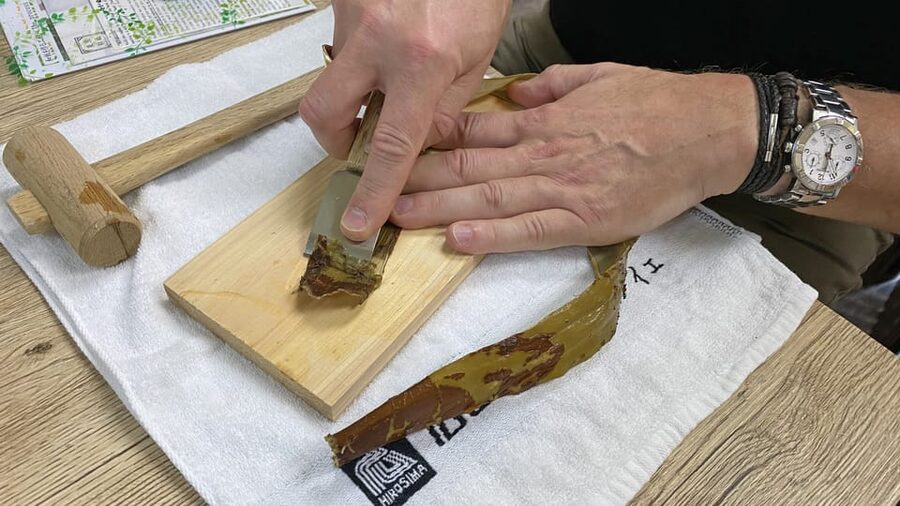
The workshop starts with a general explanation, then moves into the core papermaking labor. You’ll experience hyouhitor, which is peeling off the outer bark, and dakai, which is beating the tree fibers.
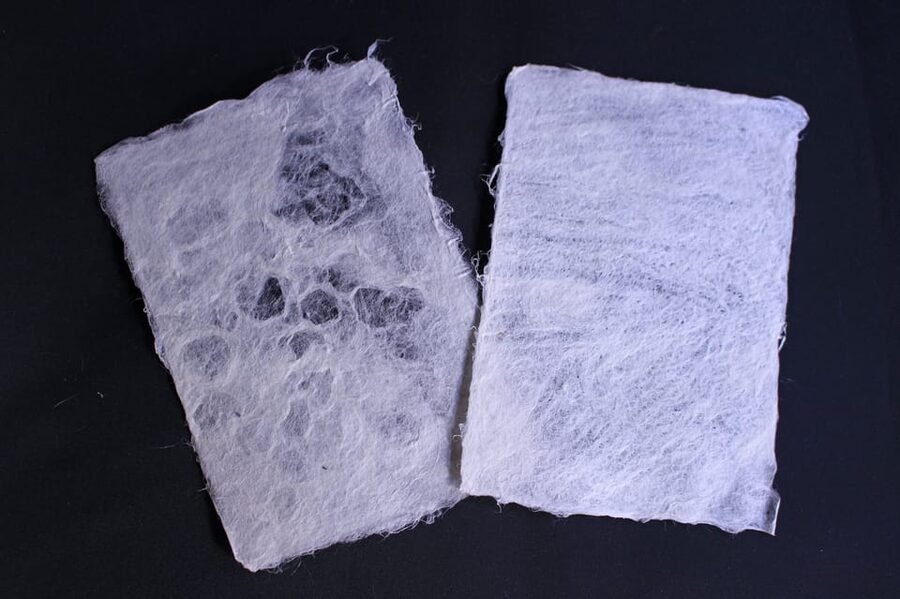
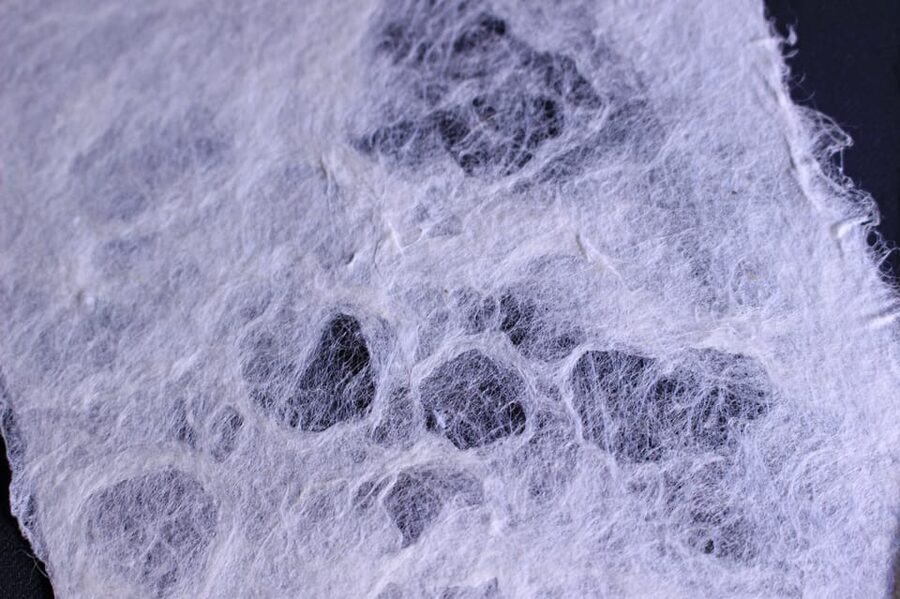
These steps are the part most people never see. They sound simple, but they’re where the fibers become workable. Peeling gets you to the right material. Beating turns it into a texture that can mix into a pulp for forming paper.
You don’t need to be strong or experienced. What you need is attention and patience. The instructor’s role here is big: you’ll get demonstrations, and you’ll learn what the process should look and feel like at each stage. That’s a big deal if you’re doing this for the first time.
The mold, deckle, and sifting steps where your sheet appears
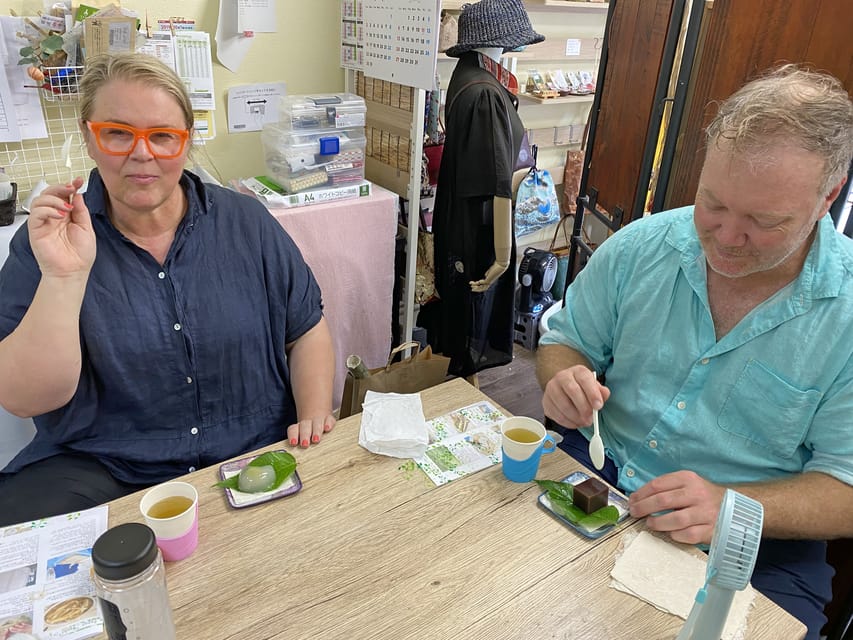
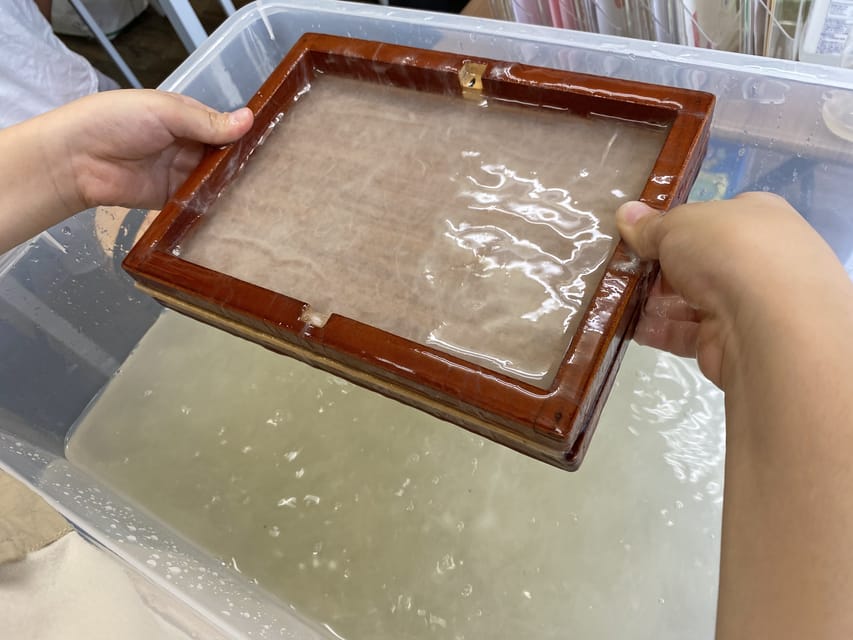
Next comes the transformation stage: you pour the raw material into a papermaking mold and use a deckle. Then you sift the solution so the sheet forms evenly and flat.
This is the moment where the workshop becomes visual. Before this, you’re working mostly with preparation and pulp. After it, you can see the sheet taking shape, like a thin fabric made from plant fibers.
Two practical things to watch:
- Evenness: you’re aiming for a uniform look so the sheet doesn’t end up patchy.
- Sheet formation: the goal is a clean, flat result, since you’ll use the finished paper for your postcard and A5 creations.
You’ll also notice why this takes coordination. You’re controlling fluid, fiber distribution, and the tray-and-mold rhythm all at once. This is exactly the kind of craft where “trial and correction” is part of the fun.
While your paper dries: make postcards and finish your set
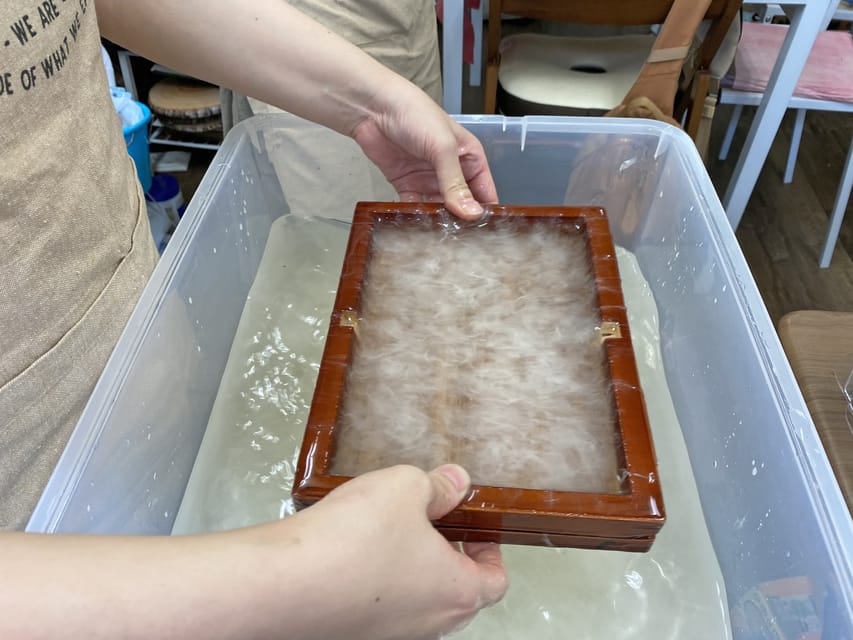
As your paper dries, the workshop keeps you busy. You’ll create your two postcard designs, plus prepare your Rakusui paper and A5 paper so everything feels like a completed set instead of a half-finished craft.
Drying time is usually the waiting game in papermaking. Here, you’re not just waiting in silence. You get a tea break, sweets, and time to work on the finished pieces.
That structure is great for first-timers. You can focus on the technical steps when it’s time, then shift into design and finishing when it’s time. The experience feels complete instead of stretched.
Readers also shortlisted these Tokyo bookings:
- Private Tour to Mt. Fuji and Hakone (Fully Licenced Operator)★ 5.0 · 1,910 reviews
- Tokyo Customized Private Tour (Must See Places in 1 Day)★ 5.0 · 1,499 reviews
- Mount Fuji Full-Day Private Tour from Tokyo (Customizable)★ 4.9 · 1,470 reviews
- Private Custom Tour: Tokyo in a Day★ 5.0 · 1,432 reviews
- Tokyo 4hr Private Tour with Government-Licensed Guide★ 5.0 · 1,394 reviews
The kozo-leaf tea and local sweets: a clever, satisfying break
One of the most memorable parts is the food and drink. You’ll be offered the workshop’s original Japanese paper tea, made from kozo leaves. With it, you’ll get local Japanese sweets from a shop the organizers clearly like.
This works on two levels. First, it turns the craft ingredients into something you can taste. Second, it gives you a calm pause while drying happens in the background.
It’s a small thing, but it makes the workshop feel like a studio experience rather than a factory tour. And if you like trying food tied to what you’re doing, this part alone is worth paying attention to.
The cozy workshop vibe, including Kami-chan the cat
Here’s the charming part that comes with an important note. The workshop includes a cat, and the provider specifically asks you to let them know about allergies.
In the reviews, the cat is described as a well-behaved mascot named Kami-chan. The vibe is described as cozy and inviting, and that’s easy to believe when you’re doing a hands-on craft in a calm space.
If you’re not allergic, the cat can be a fun, low-key mascot presence. If you are allergic, don’t guess. Tell the organizers. That’s the difference between a lovely experience and a miserable one.
A beautiful, small, organized studio experience in Ueno
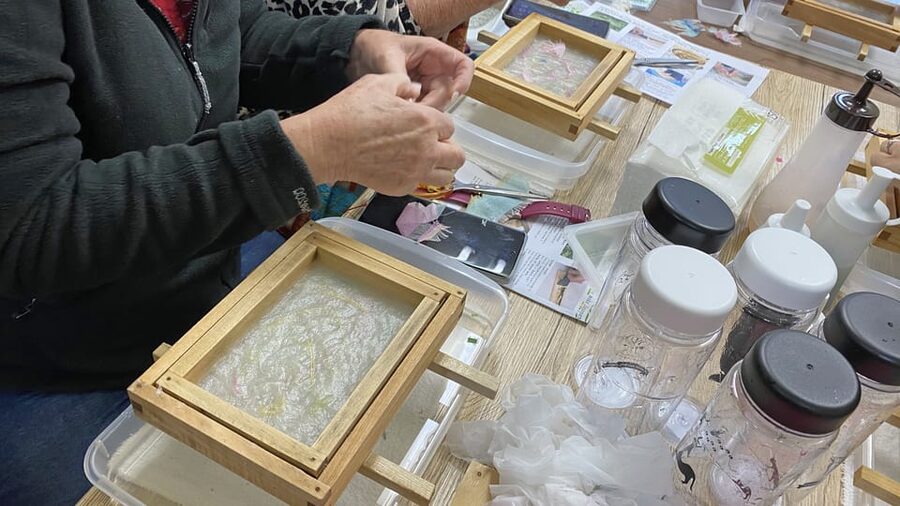
The workshop is described as small and compact, with strong organization. Everything is set up so you’re not constantly searching for tools or wondering what happens next.
I like that because craft workshops can go one of two ways:
- you get a guided flow, or
- you feel like you’re stuck in uncertainty
This one aims for the first. The instructor is attentive and keeps you on track, and the materials are ready so you can start working quickly.
You also get work clothes provided, which is a relief. Even if you’ve done crafts before, papermaking can get messy. Having appropriate clothing means you can focus on the fiber work instead of protecting your own clothes.
English and Japanese support: how you’ll follow the steps
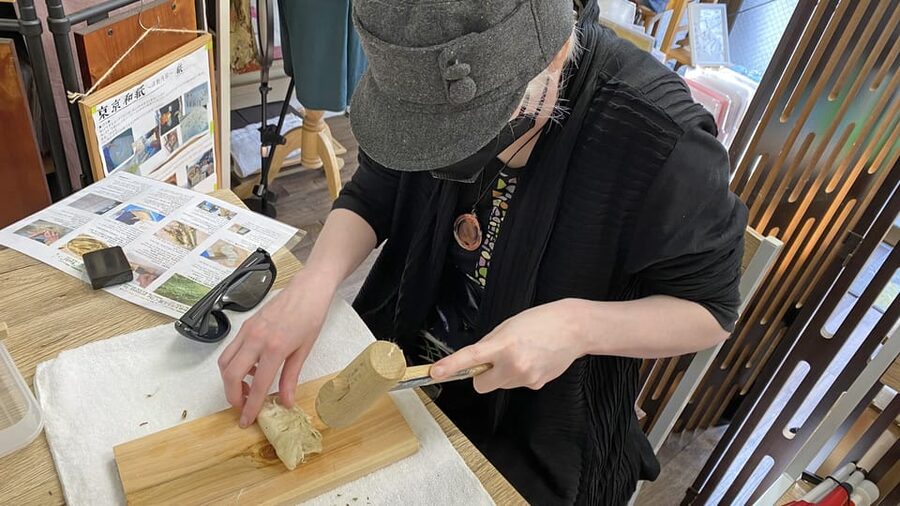
The instructor speaks Japanese and English, and the process is demonstrated. That combination matters.
If you can understand Japanese, you’ll likely pick up extra detail. If you only speak English, you still won’t feel lost, because demonstrations make the instructions concrete. This is one of those workshops where seeing the motion is more important than memorizing vocabulary.
In practice, you’ll want to watch two things:
- the sequence (what comes first, what comes next)
- the target result (what a good sheet should look like)
That’s how you succeed quickly, even as a first-timer.
Price and value: is $130 for 150 minutes worth it?
At $130 per person for 150 minutes, this isn’t a cheap activity. But it can be good value if you compare it to what you’d otherwise pay for a papermaking class plus the outcomes you take home.
You’re paying for:
- a private setup (so the instructor can focus on you)
- step-by-step guidance through the real papermaking process
- multiple products to take home (two postcards, Rakusui paper, and A5 paper)
- materials and required workshop supplies
- tea plus local Japanese sweets
- provided work clothes
The “value” sweet spot here is that you leave with more than one item. A lot of workshops produce one souvenir. This one produces a set, and each part is connected to what you did with your hands.
If you’re the type who likes making practical souvenirs, learning a craft method, and taking home items you’ll actually use, $130 can make sense.
Getting there in Ueno: one practical tip to save frustration
Ueno is busy and rail lines can shift. One review mentioned that the only real difficulty was finding the place, especially with a Metro-line issue affecting the nearest station route.
So here’s my practical advice: give yourself extra time and plan for last-mile directions. Don’t treat it like a “show up right on the dot” situation. If the line you expect has trouble, you still want a calm buffer to reach the workshop without rushing.
Who should book this washi workshop, and who might skip it
This workshop is a strong match if you:
- want a hands-on craft experience in Japan’s Ueno area
- enjoy making gifts that are tied to a real process
- want English-friendly guidance and clear demonstrations
- like the idea of kozo (paper mulberry) being part of both the craft and the tea
Consider skipping or choosing a different format if:
- you have cat allergies and can’t manage that risk
- you dislike messy or wet processes (even with provided work clothes)
- you prefer tours where you mainly watch rather than make
Should you book this private washi workshop?
Yes, I think it’s worth booking if you want a quiet, guided craft day where you control the outcome. The best part is the full chain: peeling, beating, molding, deckling, sifting, and finishing—then eating and drinking while paper dries.
The private setup also helps you actually learn. You’re not blending into a crowd. You get an instructor who can adapt to your pace, and the workshop runs like a studio with clear steps.
Just be honest about two things before you go: your comfort with papermaking mess, and your allergy situation with Kami-chan. If those check out, you’ll likely walk away feeling like you didn’t just visit Japan. You made something real.
FAQ
How long is the private washi workshop?
It lasts 150 minutes.
What paper products do I make?
You create two designs of postcards, Rakusui paper, and an A5 paper.
What is included in the workshop?
The workshop includes required materials, coffee or tea, and a friendly instructor.
What languages are used during the workshop?
The instructor provides support in Japanese and English.
Is this experience private?
Yes. It’s a private group workshop.
Is there a refund if plans change?
Free cancellation is available up to 24 hours in advance for a full refund.
Is there anything I should know about allergies?
There is a cat in the workshop. If you have allergies, you should inform the organizers.
More Private in Tokyo
- Tokyo 6hr Private Tour with Government-Licensed Guide
★ 5.0 · 3,902 reviews - Private Tour to Mt. Fuji and Hakone (Fully Licenced Operator)
★ 5.0 · 1,910 reviews - Tokyo Customized Private Tour (Must See Places in 1 Day)
★ 5.0 · 1,499 reviews - Mount Fuji Full-Day Private Tour from Tokyo (Customizable)
★ 4.9 · 1,470 reviews - Tokyo: Private City Highlights Tour with Local Guide
★ 4.8 · 1,433 reviews
More Tour Reviews in Tokyo
- Mt Fuji and Hakone 1-Day Bus Tour Return by Bullet Train
★ 5.0 · 26,383 reviews - 1-Day Tokyo Bus Tour
★ 5.0 · 14,250 reviews - Tokyo: teamLab Planets TOKYO Digital Art Museum Entry Ticket
★ 4.6 · 9,779 reviews - Mt Fuji & Hakone Cruise, Drum Show Bullet Train 1 Day from Tokyo
★ 4.0 · 7,413 reviews - Tokyo: Shinjuku Food Tour (13 Dishes at 4 Local Eateries)
★ 5.0 · 6,603 reviews
More Ueno Tastings
- Eat and Drink Like a Local: Tokyo Ueno Food Tour-Taverns&Ramen
★ 5.0 · 957 reviews - Tokyo: Food Tour in Ueno with 10+ Tastings of Japanese Classics
★ 5.0 · 303 reviews - Tokyo Ueno Food Tour Sushi Ramen and Local Favorites
★ 5.0 · 54 reviews - Japanese Food Experience Night Tour in Ueno
★ 5.0 · 47 reviews - Tokyo Ueno Food & Nature & Localtown Tour: 10Dishes+ Drinks
★ 5.0 · 34 reviews
Latest Tokyo reviews off our desk






Ueno Food Tours, compared.
 ★ 5.0Eat and Drink Like a Local: Tokyo Ueno Food Tour-Taverns&RamenFrom $95957 reviews
 ★ 5.0Food Tour in Ueno with 10+ Tastings of Japanese ClassicsFrom $142303 reviews
 ★ 5.0Tokyo Ueno Food Tour Sushi Ramen and Local FavoritesFrom $8954 reviews
 ★ 5.0Japanese Food Experience Night Tour in UenoFrom $10547 reviews
 ★ 5.0Tokyo Ueno Food & Nature & Localtown Tour: 10Dishes+ DrinksFrom $12034 reviews
 ★ 5.0All-You-Can-Drink Bar Hopping Tour in UenoFrom $9822 reviews
 ★ 4.8Asakusa, Kappabashi, and Ueno Walking TourFrom $4114 reviews
 ★ 5.0Private Ueno Park Architecture Walking TourFrom $1468 reviews
Browse the lists this tour appears in