
Reviewed · UENO FOOD TOURS
Private Workshop to Create Paper Last for 1,000 years in Ueno
Paper-making that lasts a millennium. This private Ueno workshop walks you through real Japanese papermaking and ends with four handmade paper items, not just a quick craft. You’ll also pause for the operator’s original Japanese paper tea and local sweets while your sheet dries.
I love the full, step-by-step process—hyouhitor (peeling off the outer bark) through dakai (beating tree fibers)—because you actually understand what changes the fiber into paper. I also love the food angle: the tea is made from Kozo leaves, the same raw material behind paper, and it comes with Japanese sweets from a local shop.
One thing to consider: there’s a cat in the workshop. If you have allergies, you’ll want to tell the staff ahead of time so you can plan.
In This Review
- Key highlights in plain terms
- How the 1,000-Year Washi Workshop Works in Ueno
- What You Make: 2 Postcards, Rakusui Paper, and an A5 Sheet
- The Real Washi Steps: Hyouhitor, Dakai, and the Mold-Deckle Stage
- Your Paper Dries While You Enjoy Japanese Paper Tea and Sweets
- Private Workshop Energy: Working with Your Group, Not a Crowd
- The Cat Mascot Kami: Fun Buddy or Allergy Issue
- Meeting Point Near Ueno: Where to Start (So You Don’t Waste Time)
- Price and Value: Is $143.35 Worth It?
- When Weather Changes Your Plans
- Should You Book This Ueno Washi Workshop?
- FAQ
- What do I make during the workshop?
- How long is the experience?
- Is Japanese paper tea included?
- Is this a private activity?
- Where is the workshop meeting point?
- Is there a cat in the workshop?
Key highlights in plain terms
- You make four items: 2 postcard designs, Rakusui paper, and an A5 sheet
- You learn the whole Washi workflow from outer bark peeling to beating fibers
- Kozo-based Japanese paper tea plus Japanese sweets while paper dries
- It’s a private class so you work only with your group
- Cat mascot Kami may be present, so allergies matter
- You leave with gift-ready handmade paper you can’t copy at home
How the 1,000-Year Washi Workshop Works in Ueno
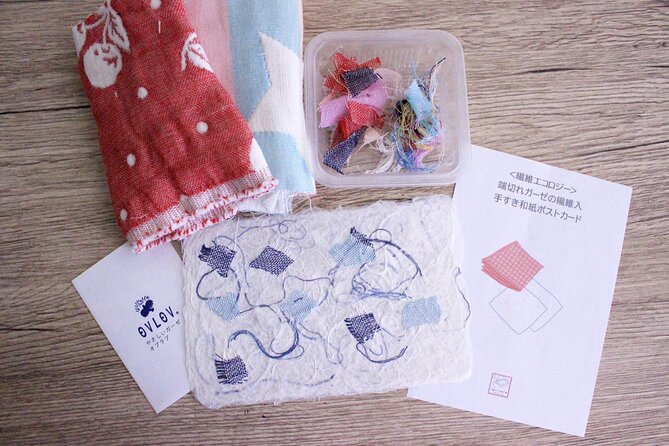
This is a hands-on private washi paper workshop in Tokyo’s Taito area, set up for you and your group to make real products rather than just decorate a ready-made sheet. The session runs about 2.5 hours, and you’ll finish with four paper creations, including two postcard designs and two larger formats (Rakusui and A5).
The big value for me is that it’s structured like a process, not a demo. You start from raw plant material and work through the stages that papermakers use to get a flat, even sheet—then you watch (and work around) the drying time instead of rushing past it.
More Ueno tastings on our list
- Eat and Drink Like a Local: Tokyo Ueno Food Tour-Taverns&Ramen
★ 5.0 · 957 reviews - Tokyo: Food Tour in Ueno with 10+ Tastings of Japanese Classics
★ 5.0 · 303 reviews - Tokyo Ueno Food Tour Sushi Ramen and Local Favorites
★ 5.0 · 54 reviews - Japanese Food Experience Night Tour in Ueno
★ 5.0 · 47 reviews
What You Make: 2 Postcards, Rakusui Paper, and an A5 Sheet
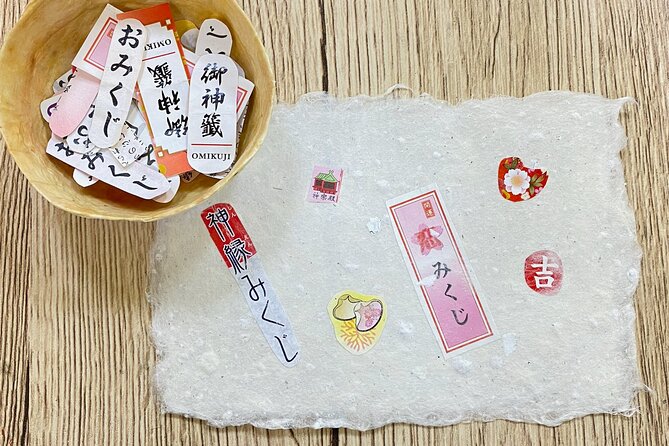
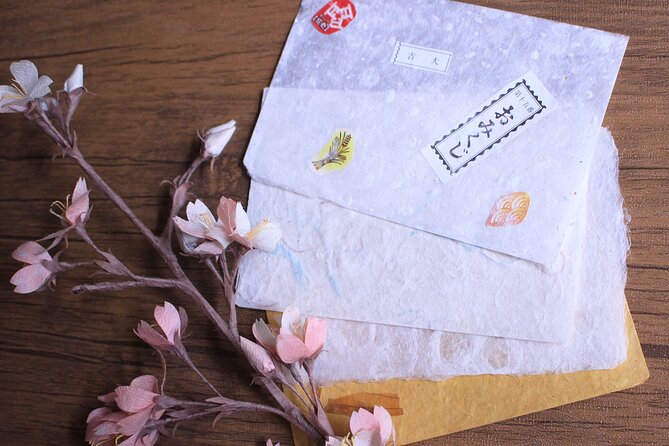
By the end, you’re not leaving with one souvenir. You’re leaving with a small set of handmade stationery-style gifts that feel personal and usable.
Here’s what your session is designed to produce:
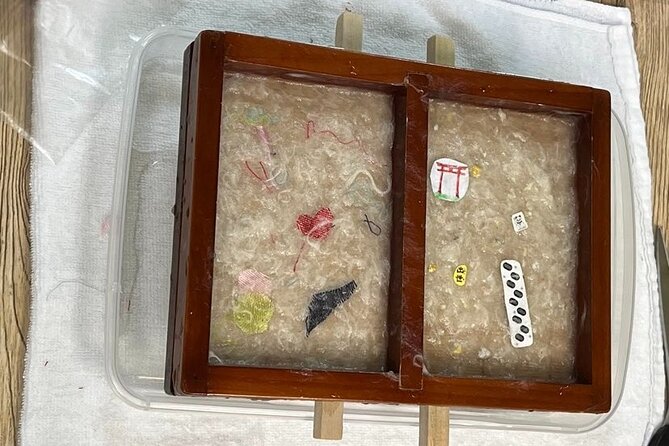
- Two postcard designs with your own artwork plan
- Rakusui paper
- An A5 sheet of washi you can keep, frame, or use as special writing paper
Even if your goal is travel photos and shopping, this is the kind of activity that gives you something tangible. A finished postcard or sheet of A5 paper is also much easier to share—give it as a present, mail it, or use it during your trip.
Practical thought: since you’re making four items in one sitting, expect the time to be well paced. This isn’t “take your time and chat”; it’s more like a focused workshop where you learn, act, then move on.
The Real Washi Steps: Hyouhitor, Dakai, and the Mold-Deckle Stage
The workshop gives you the full flow of Japanese papermaking, so you understand what you’re doing and why the steps matter.
You’ll experience:
- Hyouhitor: peeling off the outer bark
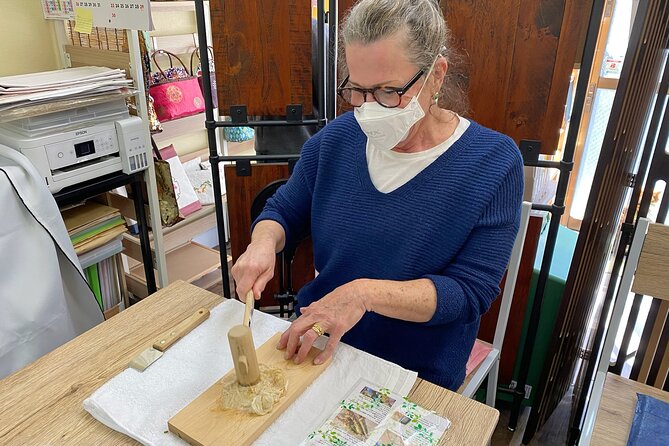
- Dakai: beating tree fibers to prepare them for papermaking
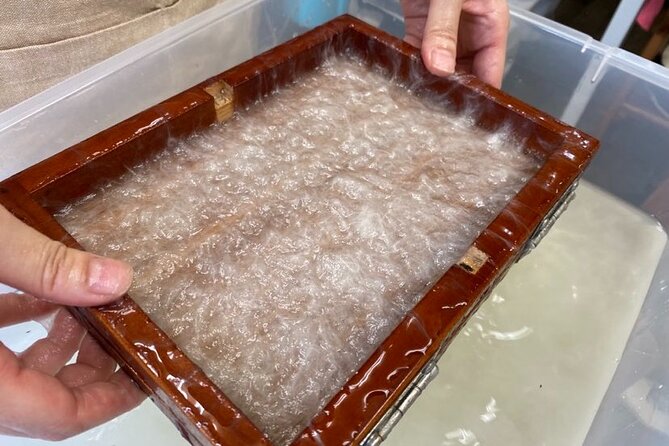
- Pouring the prepared material into a paper-making setup, including mold and deckle
- Sifting the solution to form an even, flat sheet of paper
This is the part I’d call the heart of the experience. When you see how the fibers are turned into a sheet—especially the mold/deckle workflow and the sifting for evenness—you stop thinking of washi as something mysterious. It becomes a series of manageable actions.
Why that matters for you: when you know the technique, you understand what makes your finished paper feel different. You can also appreciate why washi has a reputation for durability—this workshop is built around the idea of paper that can last a very long time, not just a quick craft.
Your Paper Dries While You Enjoy Japanese Paper Tea and Sweets
Once the sheet is formed, there’s waiting time—because paper needs to dry. Instead of awkward silence, you get a snack break designed specifically around the theme of paper.
The workshop serves:
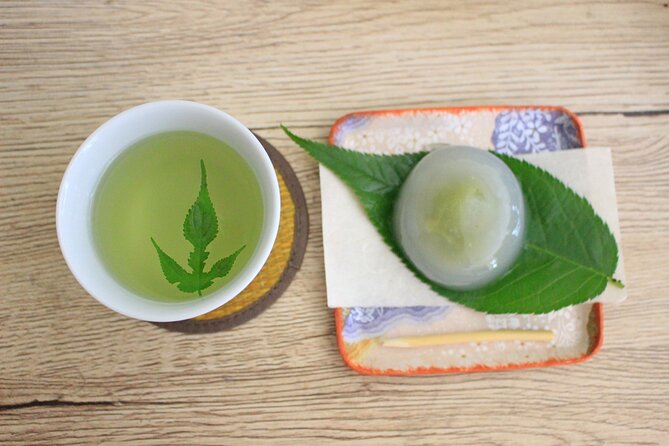
- Original Japanese paper tea, made from Kozo leaves
- Japanese sweets sourced from a beloved local shop
I like this part because it connects the food to the material. Kozo is the core ingredient behind the paper fibers, and having tea made from the same plant gives you a different way to experience the process. It’s not just included for comfort; it matches the story of what you made.
If you’re the type who wants hands-on culture, this pairing helps the session feel coherent: you work with the plant, then you taste it in a simple, related form.
Private Workshop Energy: Working with Your Group, Not a Crowd
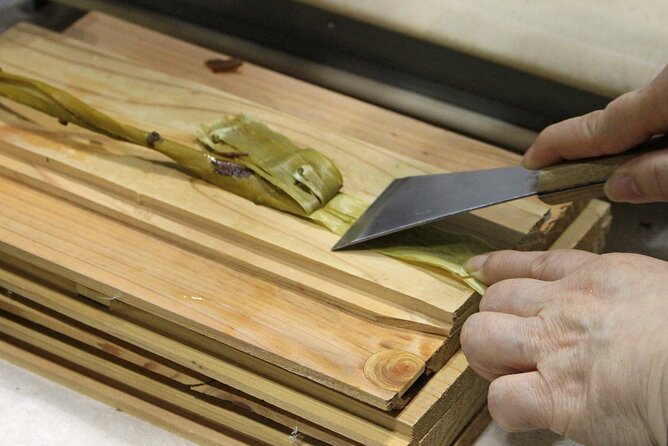
This is a private tour/activity, so only your group participates. That matters more than it sounds. In small settings, you’re more likely to get help when you’re doing something physical and precise—like handling fibers, working the mold/deckle, or aligning your postcard designs.
There’s also a clear focus on instruction style. The teaching approach is patient and kind, which is a big deal in a craft workshop where people vary in hand-eye coordination and comfort with messier steps.
One more real-world note: the session has a mobile ticket, and the start point is near public transportation. That makes planning easier if you’re already moving around Tokyo by train.
Readers also shortlisted these Tokyo bookings:
- Private Tour to Mt. Fuji and Hakone (Fully Licenced Operator)★ 5.0 · 1,910 reviews
- Tokyo Customized Private Tour (Must See Places in 1 Day)★ 5.0 · 1,499 reviews
- Mount Fuji Full-Day Private Tour from Tokyo (Customizable)★ 4.9 · 1,470 reviews
- Private Custom Tour: Tokyo in a Day★ 5.0 · 1,432 reviews
- Tokyo 4hr Private Tour with Government-Licensed Guide★ 5.0 · 1,394 reviews
The Cat Mascot Kami: Fun Buddy or Allergy Issue
Yes, there’s a cat in the workshop, and its mascot name is Kami. It’s part of the vibe—sweet, calm, and present enough to show up in the experience description.
That said, the operator is clear about allergies: you should inform them if you have any. If you’re sensitive, don’t assume you can just “tough it out.” Use the advance note so you can get a safe plan from the start.
If you like cats, this is one of those small moments that makes the workshop feel more human and less like a textbook class.
Meeting Point Near Ueno: Where to Start (So You Don’t Waste Time)
The workshop starts at:
Japan, 110-0016 Tokyo, Taito City, Taitō, 3-chōme302 市川ビル
It ends back at the meeting point.
Because the venue is described as near public transportation, you can usually slot this into an Ueno-area day without too much detour. Still, I’d give yourself extra walking buffer, since this kind of workshop start time works best when you arrive calm and ready to start the process.
Price and Value: Is $143.35 Worth It?
At $143.35 per person, this isn’t a budget craft class. But it can be strong value if you care about the difference between a souvenir and a real making experience.
What you get for the price:
- A private session (only your group)
- Hands-on instruction through the key steps of Washi production: hyouhitor, dakai, mold/deckle work, and sheet formation
- Four finished paper products: two postcards, Rakusui paper, and an A5 sheet
- Included refreshment: Kozo leaf Japanese paper tea plus Japanese sweets
For me, the pricing makes sense because the class isn’t just hands-on time—it produces real items you can take home. If you compare this to buying postcards or paper locally, you’re paying for the technique, personalization, and the full process experience.
Also, the “booked about 31 days in advance” timing suggests it can be popular. If you’re traveling during peak dates, I’d treat it like a planned activity, not something to browse last minute.
When Weather Changes Your Plans
The experience notes that it requires good weather. If poor weather cancels it, you’ll be offered a different date or a full refund.
That’s not something you should ignore in Tokyo planning. Even if the workshop sounds indoors, follow the operator’s cue. Build it into a day where a time shift won’t ruin your entire itinerary.
Should You Book This Ueno Washi Workshop?
Book it if you want a hands-on Japanese papermaking experience with real steps, not a shortcut craft. You’ll be especially happy if you like making items you can actually use or gift—two postcard designs plus Rakusui and an A5 sheet is a satisfying haul for one 2.5-hour session.
Skip or think carefully if you have cat allergies, since Kami is part of the workshop environment and you’re asked to notify staff if that applies. Also consider whether you’ll enjoy a session that’s paced around making and drying, with tea and sweets used as a timed break instead of long free time.
If your goal is to understand why washi paper works the way it does—and then take home paper that feels genuinely handmade—this one is a solid choice.
FAQ
What do I make during the workshop?
You’ll create four paper products: two postcard designs, Rakusui paper, and an A5 paper sheet.
How long is the experience?
The workshop lasts about 2 hours 30 minutes.
Is Japanese paper tea included?
Yes. You’ll get the workshop’s original Japanese paper tea, made from Kozo leaves, along with Japanese sweets during the drying time.
Is this a private activity?
Yes. It’s a private tour/activity, and only your group will participate.
Where is the workshop meeting point?
The start point is listed as Japan, 110-0016 Tokyo, Taito City, Taitō, 3-chōme302 市川ビル. The activity ends back at the meeting point.
Is there a cat in the workshop?
Yes. There is a cat, mascot Kami. If you have any allergies, you should inform the staff.
More Private in Tokyo
- Tokyo 6hr Private Tour with Government-Licensed Guide
★ 5.0 · 3,902 reviews - Private Tour to Mt. Fuji and Hakone (Fully Licenced Operator)
★ 5.0 · 1,910 reviews - Tokyo Customized Private Tour (Must See Places in 1 Day)
★ 5.0 · 1,499 reviews - Mount Fuji Full-Day Private Tour from Tokyo (Customizable)
★ 4.9 · 1,470 reviews - Tokyo: Private City Highlights Tour with Local Guide
★ 4.8 · 1,433 reviews
More Tour Reviews in Tokyo
- Mt Fuji and Hakone 1-Day Bus Tour Return by Bullet Train
★ 5.0 · 26,383 reviews - 1-Day Tokyo Bus Tour
★ 5.0 · 14,250 reviews - Tokyo: teamLab Planets TOKYO Digital Art Museum Entry Ticket
★ 4.6 · 9,779 reviews - Mt Fuji & Hakone Cruise, Drum Show Bullet Train 1 Day from Tokyo
★ 4.0 · 7,413 reviews - Tokyo: Shinjuku Food Tour (13 Dishes at 4 Local Eateries)
★ 5.0 · 6,603 reviews
More Ueno Tastings
- Eat and Drink Like a Local: Tokyo Ueno Food Tour-Taverns&Ramen
★ 5.0 · 957 reviews - Tokyo: Food Tour in Ueno with 10+ Tastings of Japanese Classics
★ 5.0 · 303 reviews - Tokyo Ueno Food Tour Sushi Ramen and Local Favorites
★ 5.0 · 54 reviews - Japanese Food Experience Night Tour in Ueno
★ 5.0 · 47 reviews - Tokyo Ueno Food & Nature & Localtown Tour: 10Dishes+ Drinks
★ 5.0 · 34 reviews
Latest Tokyo reviews off our desk






Ueno Food Tours, compared.
 ★ 5.0Eat and Drink Like a Local: Tokyo Ueno Food Tour-Taverns&RamenFrom $95957 reviews
 ★ 5.0Food Tour in Ueno with 10+ Tastings of Japanese ClassicsFrom $142303 reviews
 ★ 5.0Tokyo Ueno Food Tour Sushi Ramen and Local FavoritesFrom $8954 reviews
 ★ 5.0Japanese Food Experience Night Tour in UenoFrom $10547 reviews
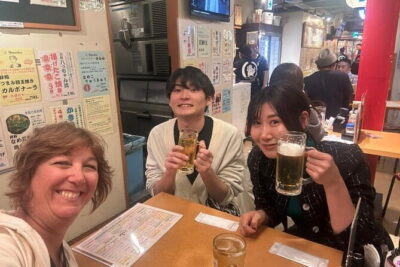 ★ 5.0Tokyo Ueno Food & Nature & Localtown Tour: 10Dishes+ DrinksFrom $12034 reviews
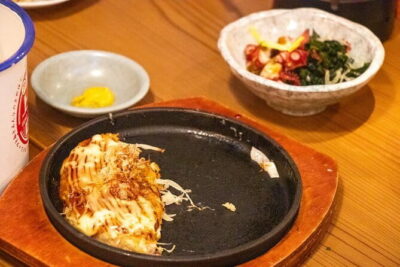 ★ 5.0All-You-Can-Drink Bar Hopping Tour in UenoFrom $9822 reviews
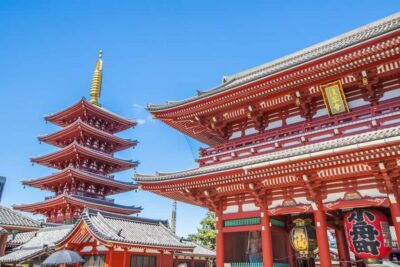 ★ 4.8Asakusa, Kappabashi, and Ueno Walking TourFrom $4114 reviews
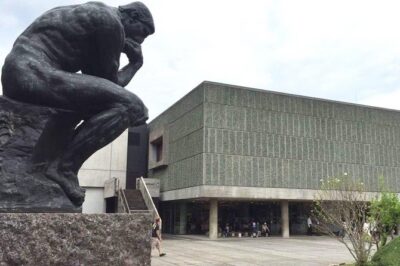 ★ 5.0Private Ueno Park Architecture Walking TourFrom $1468 reviews
Browse the lists this tour appears in