
Reviewed · AKIHABARA ANIME TOURS
Ramen Making from Scratch +Akihabara Tour –Cooking Class
Ramen taught in English, in Tokyo. You start in Akihabara, then move on to a modern kitchen studio to make Jiro-style ramen from scratch. I like that you do real work, not just watch: you’ll learn noodle-making from flour and build a bowl you actually eat at the end. The one trade-off is simple: this is not a vegan or vegetarian class, and it is not set up for everyone with mobility needs.
Two things I genuinely liked: the grocery-store walk that explains the ingredients you’ll use, and the hands-on kitchen time with a guided English instructor. If you’re hoping for a laid-back tasting tour only, this can feel a bit more active than that, because you’ll be cooking.
In This Review
- Key Points Worth Paying Attention To
- Akihabara to Ramen, The Link Makes Sense
- The 11AM Meeting and How the Day Flows
- Akihabara Walking Tour: Get Oriented, Then Get Hungry
- The Supermarket Stop: Learn the Ingredients Before the Cooking
- Train Ride to Patia Kitchen Studios: A Real Tokyo Transfer
- Cooking Class at Patia: Where You Actually Make the Ramen
- Jiro-style ramen, explained in English
- Chashu flexibility: pork to chicken
- Food and the Best Part: Eating What You Built
- Price and Value: What $120 Actually Buys
- Who This Class Is Best For (and When to Skip It)
- Should You Book This Ramen Class?
- FAQ
- How long is the ramen-making experience?
- Where do I meet the group?
- What’s included in the price?
- Can I change the chashu topping?
- Do you offer vegan or vegetarian options?
- Is the class wheelchair accessible, and are strollers allowed?
Key Points Worth Paying Attention To
- Fresh noodles from flour: you’ll make the noodles yourself, not just assemble ramen.
- Supermarket ingredient walk: you learn what goes into the ramen before you cook.
- Jiro-style ramen in English: a rare option for learning this style without language barriers.
- Patia Kitchen Studios location and setup: a stylish studio near a train stop.
- Small group size: limited to 6 participants, so you get more direct help.
Akihabara to Ramen, The Link Makes Sense
Akihabara is all about today’s Japan: neon electronics, anime culture, and the kind of everyday street energy that makes Tokyo feel current instead of staged. Starting your ramen class there gives you a real local warm-up before the cooking. You get a short walking loop to get your bearings, then you head to a supermarket to see the ingredients you’ll use.
What I like is that this isn’t ramen-as-a-souvenir. It’s ramen-as-a craft. You’re learning technique, ingredient logic, and how Japanese cooks think about balance, not just chasing one famous bowl.
You also get the useful framing that a grocery walkthrough provides. When you see the flour, noodles-related items, and typical ramen components up close, the later steps in the kitchen feel less mysterious. The lesson becomes easier to remember because you’ve seen what’s in your hands already.
One more smart detail: this class is taught in English and it specifically includes Jiro-style ramen. If you’ve ever tried to decode Jiro-style from other sources, you know how hard it is without clear guidance. Here, you’re not guessing.
More of Akihabara, ranked by our reviewers
- Official Street Go-Kart Tour – Akihabara
★ 5.0 · 1,578 reviews - Tokyo Go Kart: Asakusa, Skytree, and Akihabara **IDP MUST**
★ 5.0 · 988 reviews - Akihabara Anime & Game Adventure Walking Tour (Group or Private)
★ 5.0 · 404 reviews - Tokyo: Gameboy Mod Workshop at Akihabara
★ 5.0 · 253 reviews
The 11AM Meeting and How the Day Flows
You meet at 11AM at JR Akihabara Station, outside the Central Ticket Gate. The schedule is tight enough that being early matters. If you’re more than 10 minutes late, the group departs ahead of you and you are asked to go straight to the kitchen studio. In that case, there are no refunds for delays, so plan to arrive with a little cushion.
The tour runs about 3 hours. You’ll do:
- a short Akihabara walking segment,
- a supermarket visit for ingredient context,
- a train ride to the kitchen studio,
- and an about 90-minute cooking class where you make your ramen and then eat it.
At the end, you finish at the kitchen studio, not back at Akihabara. So it helps to have your plans flexible for where you’ll be afterward.
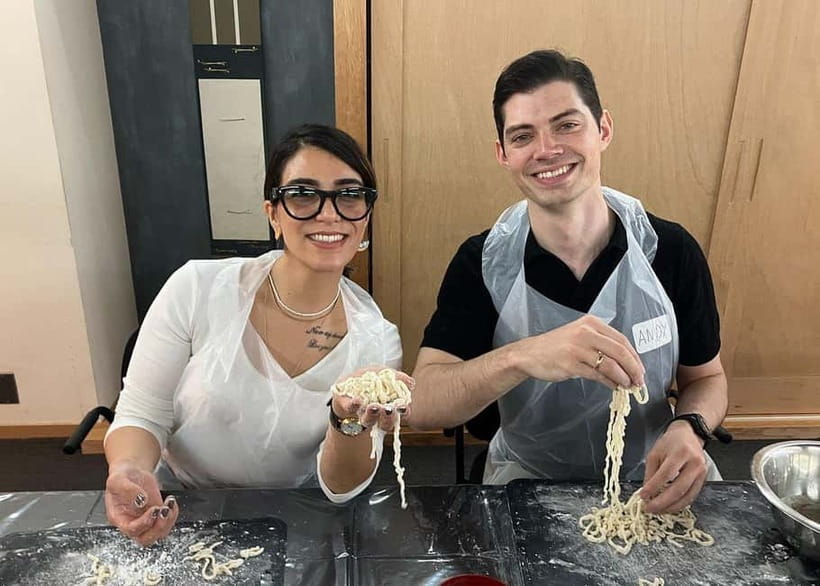
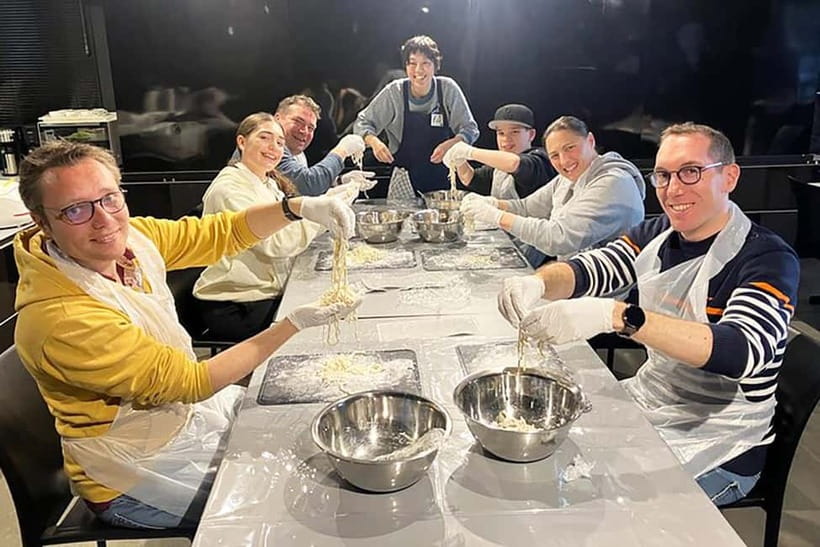
Also, note that the class is small, limited to 6 people. That matters because ramen-making is physical work. More hands-on time means you’re less likely to spend the whole class waiting your turn.
Akihabara Walking Tour: Get Oriented, Then Get Hungry
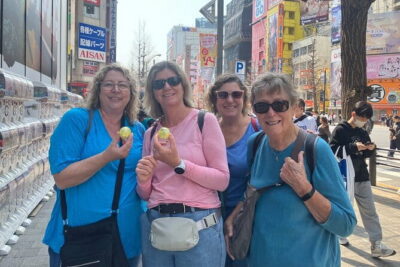
The walking portion is brief, about 20 minutes. You’re not touring museums or doing a mega-city checklist. Instead, it’s meant to help you move through Akihabara with less confusion, while spotting the kinds of sights that define the neighborhood.
This first segment also sets the mood for the rest of the experience. You go from street-level Tokyo culture straight into the ingredient mindset of ramen. It’s a clean transition: pop-culture streets in the morning, pantry details next.
Practical tip: if Akihabara feels overwhelming, this short orientation is exactly what you want before you get pulled into a fast-moving train transfer. You’ll know where you’re headed and why you’re stopping for groceries.
The Supermarket Stop: Learn the Ingredients Before the Cooking
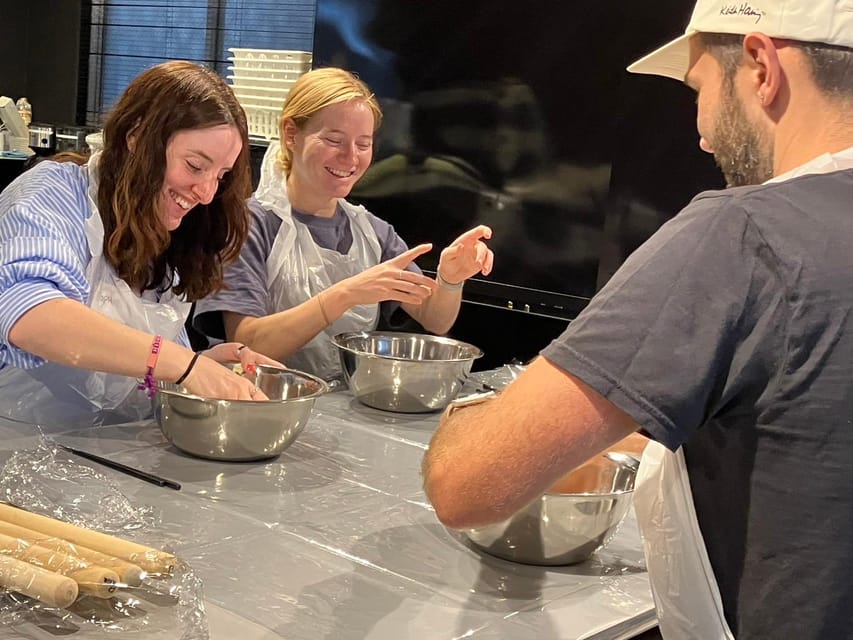
Next comes the supermarket walk, about 20 minutes. This is one of the best parts because it turns ramen ingredients from vague ideas into something concrete.
Your guide explains the ingredients used for the ramen you make that day. That matters because ramen doesn’t just taste like broth and noodles. It’s also about specific components, how they behave during cooking, and how they work together.
You’ll also get a sense of what Japanese shoppers actually buy for everyday cooking. That’s more valuable than reading a menu afterward, because you learn what to look for if you ever try to recreate this later.
Two details I think you’ll appreciate here:
- You get the ingredient context while you can still ask questions, not after you’re already stuck in the kitchen.
- You can mentally map the supermarket items to the steps you’ll do next, which makes the cooking lesson easier to retain.
One limitation to be aware of: this class does not offer vegan or vegetarian options. The ramen experience is built around typical ramen components, so it won’t match dietary restrictions beyond the given flexibility on the chashu topping.
Train Ride to Patia Kitchen Studios: A Real Tokyo Transfer

After the supermarket, you take a train ride to Patia Kitchen Studios. The transit window is about 15 to 30 minutes.
The studio is in central Tokyo and described as a few minutes from the nearest station. That’s helpful because the cooking portion isn’t buried under a long trek.
One logistics note: transportation from Suehirocho Station to the studio is not included in the tour. You’ll need your own Suica or other IC card for trains. If you don’t have an IC card, the guide can help you buy a ticket.
This matters because it affects how smooth the day feels. If you arrive already set up with an IC card, you’ll lose less time dealing with payment machines or paper tickets. If you’re unsure, bring a backup plan and keep your transit timing realistic.
Also, you finish at the studio, which means you’ll need to travel out from there. If you’re pairing this with other Tokyo plans, check the studio area on your map so you’re not guessing at the end.
Readers also shortlisted these Tokyo bookings:
- Ramen & Gyoza Cooking Class in Tokyo with Local Supermarket Visit★ 5.0 · 823 reviews
- Tokyo: Easy Ramen Cooking Experience in Kabukicho, Shinjuku★ 4.6 · 321 reviews
- Ramen and Sushi Cooking Class with Sake Pairing Set in Tokyo★ 5.0 · 291 reviews
- Tokyo: Wagyu and 7 Japanese Dishes Cooking Class★ 4.9 · 273 reviews
- Tokyo Washoku 4-hour Cooking Class: From Market to Table★ 5.0 · 253 reviews
Cooking Class at Patia: Where You Actually Make the Ramen
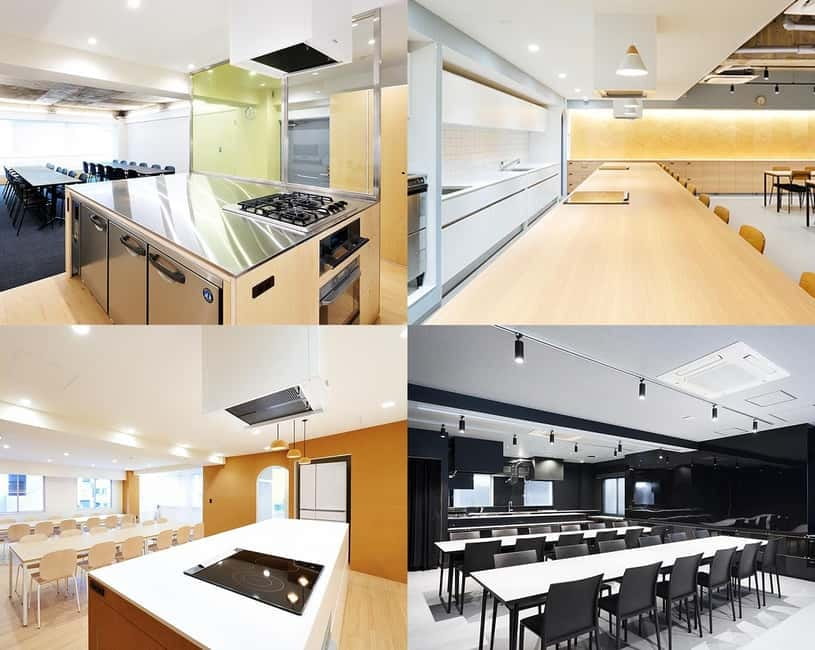
The cooking class runs about 90 minutes. This is the core of the experience: broth, fresh noodles, and toppings all under instruction.
The studio format is designed to help you cook comfortably. It’s described as spacious and relaxing, and it’s popular with Japanese TV programs tied to Jiro-style ramen. You’re not cooking in a cramped corner, which helps because noodle-making needs a little space and attention.
Here’s what you can expect in the kitchen:
- You’ll prepare the broth.
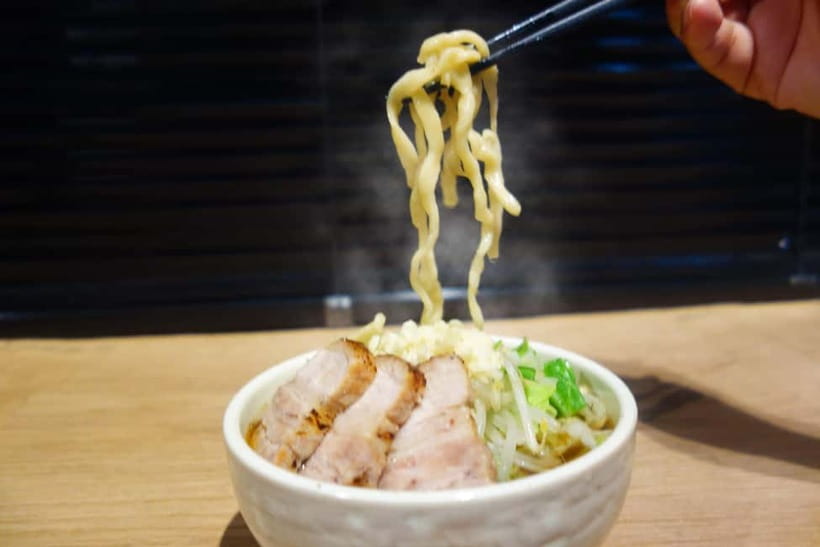
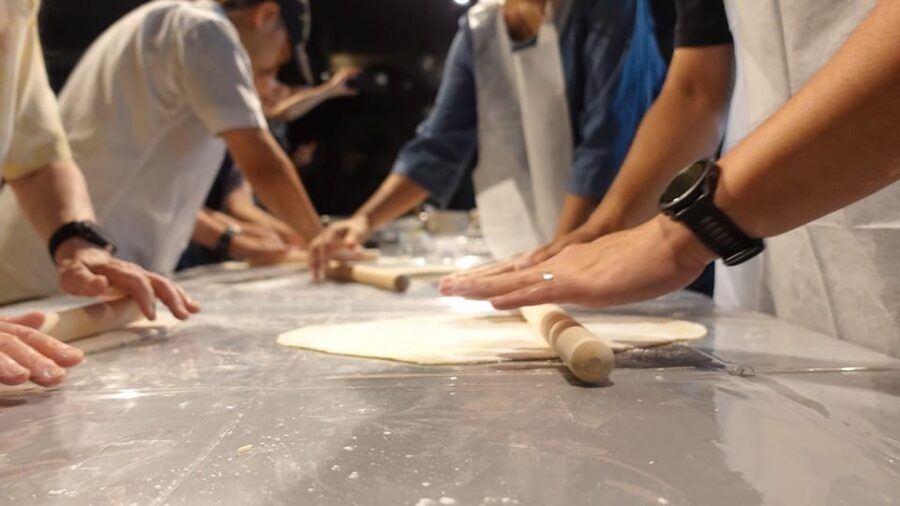
- You’ll make fresh noodles from flour.
- You’ll handle toppings and bring everything together.
- Then you eat the bowl you made.
That combination is the value. Many ramen experiences teach you how to order. This one teaches you how to build. When you make fresh noodles yourself, you understand the feel of dough and what changes the texture. When you make the broth, you learn that depth comes from technique, not just seasoning in a jar.
Jiro-style ramen, explained in English
The standout claim here is that this is the only class where you can learn Jiro-style ramen in English. Even without deep background knowledge, the English instruction should make the workflow clearer: what you’re aiming for, what to watch for, and how to adjust as you go.
And because the supermarket stop already set up the ingredients you’ll use, the “why” is less hidden. You’re not just following steps. You’re connecting those steps to the ingredients you picked out earlier.
Chashu flexibility: pork to chicken
There’s a specific option if you plan ahead: if you let the team know more than 48 hours in advance, you can change the chashu from pork to chicken.
That’s a real perk for people who don’t eat pork. Just make sure you give the notice window early enough. If you’re close to your date, you could miss the chance to adjust.
Food and the Best Part: Eating What You Built
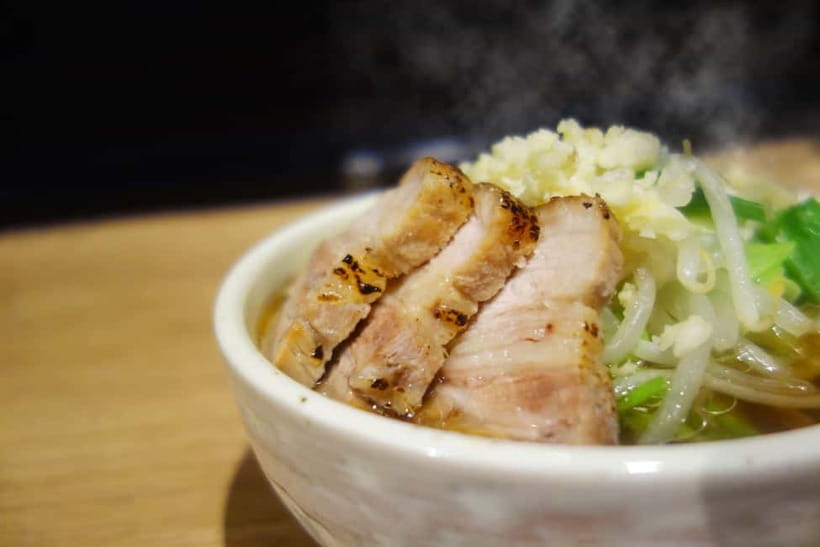
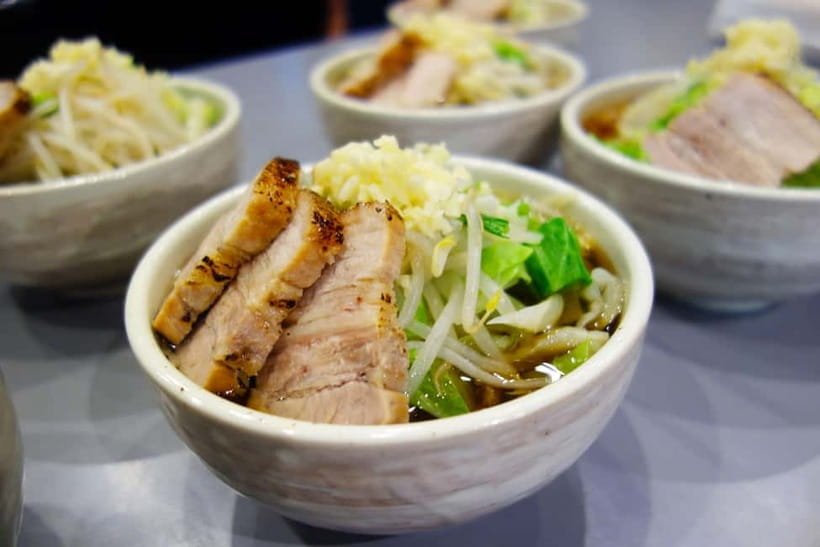
You’ll enjoy a delicious bowl of Jiro-style ramen you made yourself. It sounds obvious, but it’s worth saying because many classes end with “sample bites.” Here, you’re eating the full result of your work.
The included food and beverage is another practical win. You’re not racing around afterward to find a meal. Your calories and your satisfaction are handled in the same 3-hour block.
There are also later-downloadable photographs provided during the experience. That’s a small thing, but it’s useful in a city like Tokyo where you’ll want reminders without spending your time behind a camera.
Price and Value: What $120 Actually Buys
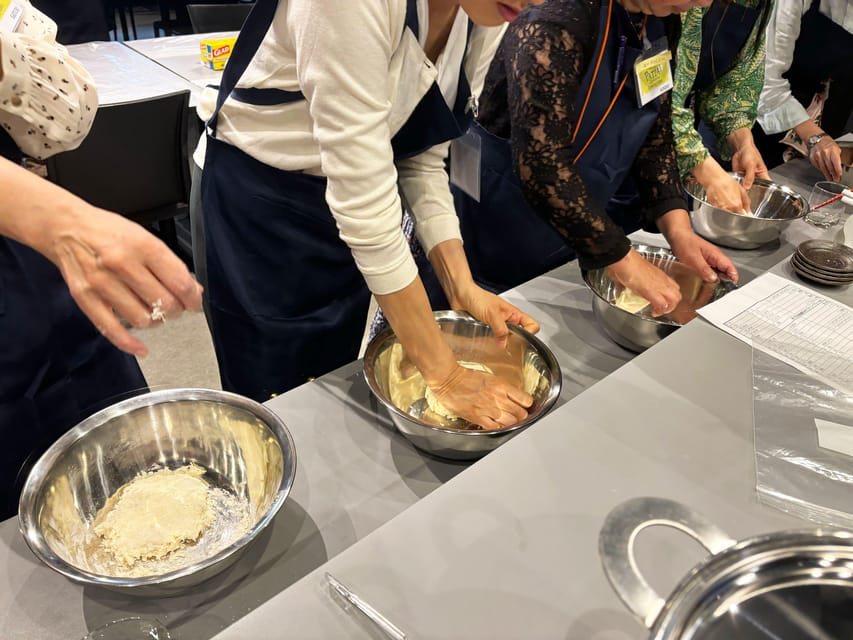
At $120 per person for a 3-hour experience, you’re paying for more than a bowl. You’re paying for instruction, ingredients, studio time, and the fact that you leave with a skill you can repeat.
Here’s how I’d evaluate the value:
- You’re making noodles: that’s not typical for casual food experiences. Fresh noodle work takes time and care.
- You’re learning the broth and toppings workflow: the class teaches a full ramen build, not just one component.
- English instruction: this matters if you want accuracy and not guesswork.
- Small group size (up to 6): less waiting, more help.
- Supermarket walk: you get context, which makes the cooking lesson stick.
If your goal is only to eat and move on, you might find cheaper ramen elsewhere. But if your goal is understanding and doing, this price starts to look fair.
In other words: it’s not a bargain. It’s also not a gimmick. It’s a real skill-focused food lesson in Tokyo, packaged with Akihabara context and guided ingredient learning.
Who This Class Is Best For (and When to Skip It)
This experience fits best if you:
- want an active cooking class instead of a passive tasting,
- care about learning in English,
- are interested in Jiro-style ramen specifically,
- and like the idea of connecting street-level Tokyo (Akihabara) to what you cook (ramen ingredients).
It’s especially good for food-minded couples or small groups who enjoy doing things together.
You might want to skip or rethink it if you:
- need vegan or vegetarian options, because none are available,
- have back problems or mobility limits, since it’s not described as suitable for wheelchair users,
- are traveling with children under 5,
- or rely on baby strollers, which are not allowed.
Also, if you hate any form of schedule pressure, remember the 10-minute lateness rule. This isn’t a sit-and-wait activity. You’ll be on the move and cooking on time.
Should You Book This Ramen Class?
I’d book this if you want a genuine Tokyo food activity that teaches you how ramen is put together, not just where to eat it. The supermarket ingredient walk, the English instruction, and the chance to learn Jiro-style ramen are the big drivers.
I would not book it if you need a plant-based menu or if mobility issues make kitchen work uncomfortable. And if you’re the type who always runs late, set up your day with extra buffer, because missing the start can send you to the studio on your own with no refund.
If those fit your situation, this is one of those experiences that gives you both memories and a repeatable takeaway. You’ll leave with a bowl on the table and a process you can carry home.
FAQ
How long is the ramen-making experience?
The experience lasts about 3 hours, with an approximately 90-minute cooking class as the main portion.
Where do I meet the group?
You meet at 11AM at JR Akihabara Station, outside the Central Ticket Gate.
What’s included in the price?
It includes a grocery store walk, the cooking experience, food and beverage, and later-downloadable photographs.
Can I change the chashu topping?
Yes. If you inform the provider more than 48 hours in advance, you can change the chashu from pork to chicken.
Do you offer vegan or vegetarian options?
No. Vegan and vegetarian options are not available.
Is the class wheelchair accessible, and are strollers allowed?
Wheelchair users are not suitable for this class, and baby strollers are not allowed. Smoking is also not allowed.
More Tours in Tokyo
- Mt Fuji and Hakone 1-Day Bus Tour Return by Bullet Train
★ 5.0 · 26,383 reviews - 1-Day Tokyo Bus Tour
★ 5.0 · 14,250 reviews - Tokyo: Shinjuku Food Tour (13 Dishes at 4 Local Eateries)
★ 5.0 · 6,603 reviews - Tokyo Mt Fuji 5th St & Hakone Cruise Bus Tour w/Bullet Train
★ 4.4 · 5,024 reviews - Flagship 2-Hours Official Street Go-Kart Tour – Tokyo Bay Shop
★ 5.0 · 4,974 reviews
More Tour Reviews in Tokyo
- Mt Fuji and Hakone 1-Day Bus Tour Return by Bullet Train
★ 5.0 · 26,383 reviews - 1-Day Tokyo Bus Tour
★ 5.0 · 14,250 reviews - Tokyo: teamLab Planets TOKYO Digital Art Museum Entry Ticket
★ 4.6 · 9,779 reviews - Mt Fuji & Hakone Cruise, Drum Show Bullet Train 1 Day from Tokyo
★ 4.0 · 7,413 reviews - Tokyo: Shinjuku Food Tour (13 Dishes at 4 Local Eateries)
★ 5.0 · 6,603 reviews
More of Akihabara, Reviewed
- Official Street Go-Kart Tour – Akihabara
★ 5.0 · 1,578 reviews - Tokyo Go Kart: Asakusa, Skytree, and Akihabara **IDP MUST**
★ 5.0 · 988 reviews - Akihabara Anime & Game Adventure Walking Tour (Group or Private)
★ 5.0 · 404 reviews - Tokyo: Gameboy Mod Workshop at Akihabara
★ 5.0 · 253 reviews - Akihabara: Private Anime and Pop Culture Tour
★ 4.8 · 152 reviews
Latest Tokyo reviews off our desk




Akihabara Anime Tours, compared.
 ★ 5.0Official Street Go-Kart Tour – AkihabaraFrom $611,578 reviews
 ★ 5.0Tokyo Go Kart: Asakusa, Skytree, and Akihabara **IDP MUST**From $99988 reviews
 ★ 5.0Akihabara Anime & Game Adventure Walking Tour (Group or Private)From $90404 reviews
 ★ 5.0Gameboy Mod Workshop at AkihabaraFrom $360253 reviews
 ★ 4.8Akihabara: Private Anime and Pop Culture TourFrom $95152 reviews
 ★ 5.0Akihabara Tailor-made Private Tour for Anime FansFrom $132142 reviews
 ★ 5.0Original Street Kart Experience from AkihabaraFrom $51111 reviews
 ★ 5.0Ramen Making from Scratch +Akihabara Tour –Tokyo Cooking ClassFrom $123107 reviews
Browse the lists this tour appears in