
Reviewed · SHIBUYA EXPERIENCES
Shibuya Highlights Hachiko Scramble Meiji Jingu and Sky
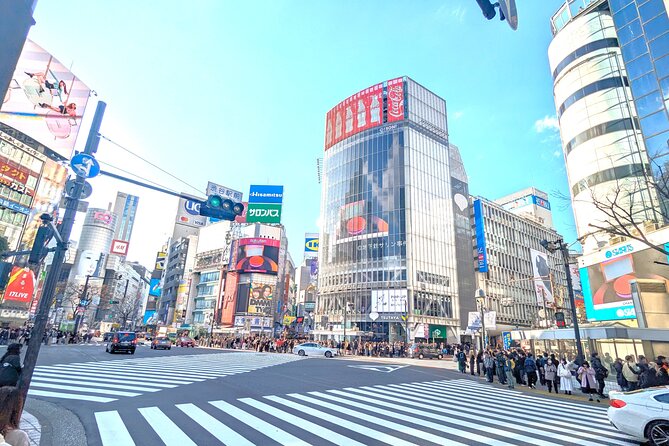
Shibuya changes mood every block. This private walk stitches together customizable Shibuya highlights with a real reset at Meiji Jingu, so you see the city’s extremes in one afternoon. I love how the guide can steer you toward what you care about (photos, food vibes, shopping streets), and I also like that the route includes both modern icons and calmer sacred Tokyo. One possible drawback: you’ll face lines and heavy foot traffic, especially around Hachiko and the scramble, so plan on slow-and-steady and comfy shoes.
For three hours, you’ll cover the places most first-time visitors want—then get the “how to do it right” advice that saves you time. You’ll start at the Hachiko statue, hit Shibuya Crossing and Center-gai, wander through Miyashita Park and Cat Street, and then transition to shrine peace before ending at Shibuya Scramble Square for the Sky. The only big gotcha is that Shibuya Sky isn’t included, so you need to line up your ticket timing and availability.
If you’re traveling with kids, friends, or a small group and you want a guide who moves with your energy, this format makes sense. You also get a mobile ticket and a true private-group experience (up to 6 people), which helps when you’re trying to keep logistics painless in one of Tokyo’s busiest zones. If you hate crowds or want a totally chill day with lots of long museum stops, you may find this route a bit tight.
In This Review
- Key things that make this tour work
- Why Shibuya Highlights plus Shibuya Sky feels like more than “just sightseeing”
- Hachiko Square first: classic, photogenic, and worth going early
- Shibuya Crossing and Center-gai: where you learn Tokyo’s rhythm fast
- Miyashita Park and Shibuya Yokocho: new-school style with classic street-food energy
- Cat Street toward Omotesando Hills: fashion-forward walking breaks
- Meiji Jingu: the calm reset and your best photo reward
- Takeshita Street and the ride to Shibuya Sky
- Price and value: when $195.11 makes sense
- The guide factor: Berkay, Mitsu, and Bernal get praised for tailoring
- Practical tips so your Shibuya day doesn’t feel like a sprint
- Should you book this Shibuya Highlights and Sky tour?
- FAQ
- How long is the tour?
- Is Shibuya Sky included in the tour price?
- Where do I start and where does the tour end?
- What is included in the $195.11 group price?
- Do I need to do anything to get Shibuya Sky tickets?
- What if the weather is bad or I need to cancel?
Key things that make this tour work
- Private guide, up to 6 people: you’re not stuck with a one-size-fits-all pace.
- Modern Shibuya + shrine calm in the same route: it’s a smart contrast, and it keeps the day interesting.
- Hachiko + Scramble Crossing handled efficiently: expect photos, and expect people—come ready.
- Street-culture stops from Center-gai to Takeshita: you get both the “youth culture” history vibe and the current trends.
- Miyashita Park rooftop-area photo moments: fashion and views meet in a newer Shibuya hangout.
- Shibuya Sky is the finale (but ticketed separately): you’ll need to secure it to lock in the best payoff.
Why Shibuya Highlights plus Shibuya Sky feels like more than “just sightseeing”
Tokyo has a talent for making every neighborhood feel like its own movie set. Shibuya is the loud opening scene—neon, crowds, and everyone moving at once. Then this tour adds a curveball: Meiji Jingu, where the noise drops away under tall trees and a big torii gate photo.
That contrast is exactly why this tour’s structure is smart. You get the world-famous chaos (Hachiko and the scramble) and then you switch gears to a place that’s described as a healing, city-center green oasis. After that, Harajuku-style street energy comes back in with Takeshita Street—perfect for a final punch before you head up for the views at Shibuya Sky.
You also get flexibility. The route can be customized based on your requests, and the guide is positioned as a concierge—so if you care more about photos than shopping, or vice versa, the day can shift without you losing momentum.
More booked around Shibuya Crossing
- Official Street Go-Kart in Shibuya
★ 5.0 · 3,435 reviews - Tokyo: Street Kart Experience in Shibuya
★ 4.9 · 1,484 reviews - Shibuya Meltdown Nightlife Tour: All-You-Can-Drink Bar Hopping
★ 5.0 · 1,058 reviews - Shibuya Official Street Go-Kart in Shibuya Annex
★ 5.0 · 972 reviews
Hachiko Square first: classic, photogenic, and worth going early
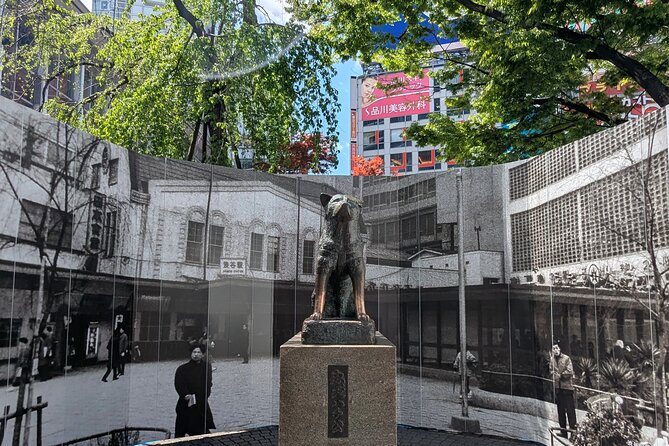
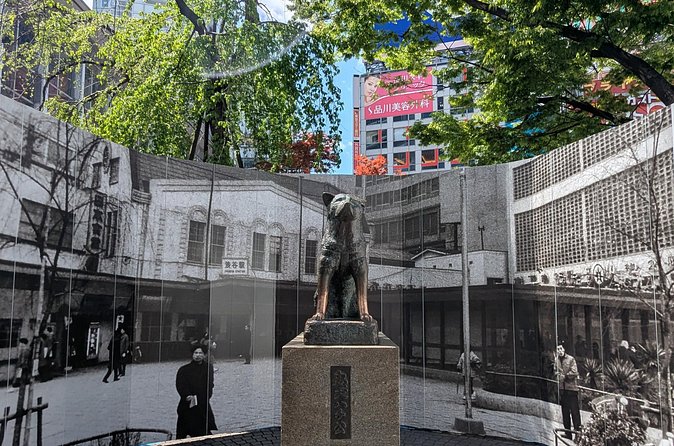
You kick things off at the Hachiko statue in Shibuya. This is the famous bronze dog memorial—often treated like a meeting point and a must-see photo spot. The tour starts with a commemorative photo, and that’s useful because it’s easy to stand around thinking where to shoot.
Here’s the practical tip: come early. During busy periods, you may line up, and you’ll waste time if you stroll in later with a “we’ll figure it out” attitude. This is one of those Tokyo moments where showing up a bit ahead can make the difference between calm photos and stress.
I also like that Hachiko sets the tone immediately. It’s not just a random statue—it’s a shortcut to understanding why this area is culturally loaded, not only visually flashy.
Shibuya Crossing and Center-gai: where you learn Tokyo’s rhythm fast
Next up is the Shibuya Crossing—described as one of the world’s most famous intersections, with up to 3,000 people moving through at once. This stop is built for video and photos, and that matters. The crossing is visually best when you’re ready with your phone/camera before the rush hits, not while you’re fumbling for settings.
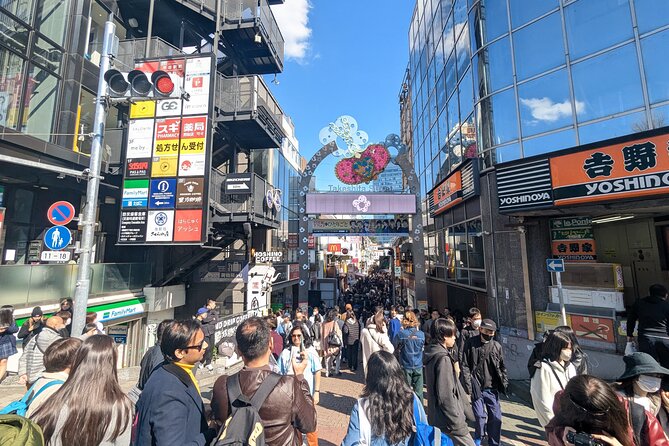
After you’ve seen the “everyone moves together” moment, you head to Shibuya Center-gai. This is the street-level side of Shibuya that feels like it grew up in public: multinational restaurants, apparel and general stores, and game shops all lining up along the corridor. It’s framed as a birthplace of Japanese youth culture, which helps you understand why the vibe here feels different from polished shopping areas.
The value of pairing Center-gai with the scramble is timing. You get the big icon first, then you move into the human-scale street culture that explains what people do before and after the crossing.
Miyashita Park and Shibuya Yokocho: new-school style with classic street-food energy
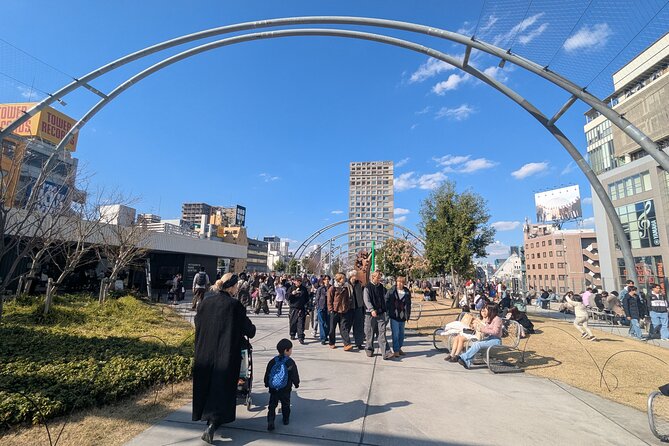
Then you shift into Miyashita Park. The description is “a new spot” housed inside a commercial building with luxury brands and stylish cafes and restaurants nearby. Even better, there’s a rooftop open space where you might catch the sight of a world-famous character—something that can turn a regular park break into a memorable photo stop.
Between Center-gai and Miyashita Park, you pass by Shibuya Yokocho. This is where the mood gets warmer and more traditional: rows of narrow, izakaya-style places with red lantern vibes and a traditional eating/drinking feel. That’s a nice pairing because Miyashita can feel like fashion and design, while Yokocho reminds you Shibuya still runs on casual street-side meals.
If you’re the kind of traveler who likes to understand daily life, this is where the tour does a good job. You’re not only looking at landmarks—you’re passing through the “what people actually do” spaces.
Cat Street toward Omotesando Hills: fashion-forward walking breaks
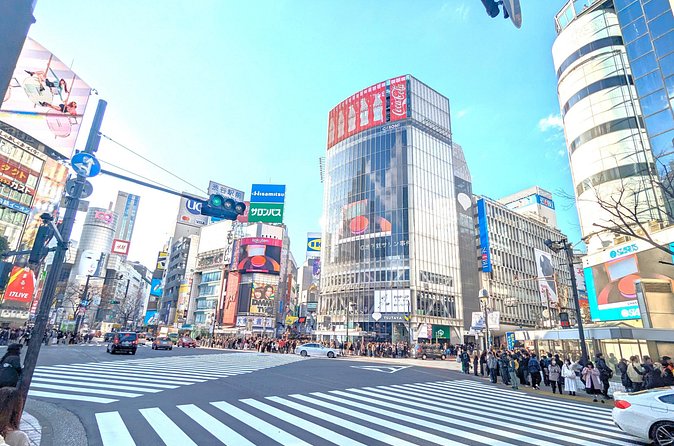
From Miyashita, you head to Shibuya Cat Street (on the way to Harajuku). Cat Street is described as a promenade connected to the old Shibuya River route stretching toward Omotesando. Expect brand shops, glasses shops, and stylish cafes—plus that laid-back feeling of walking through boutiques rather than staring at big monuments.
The fun part here is the transition. Cat Street feels like a runway at street level. Then the route continues along tree-lined streets toward Omotesando Hills, and you pass Tokyu-developed buildings with distinctive designs: Omokado and Harakado. These names may not mean anything until you see the architecture, and then they’ll stick with you.
This section is a good “breather” in the middle of the day—still full of people, but more about strolling and noticing details than surviving traffic-like crowding.
More quiet hours at Meiji Shrine
- Tokyo: Meiji Shrine, Asakusa, Skytree Bus Tour and Cruise★ 4.7 · 1,986 reviews
- Tokyo Panoramic 1 Day: Meiji Shrine, Asakusa, Odaiba and SKYTREE®★ 4.5 · 1,222 reviews
- Tokyo: Meiji Shrine Walking Tour — Shinto & Imperial System★ 4.9 · 266 reviews
- Tokyo: Meiji Jingu Shrine and Shinto Culture Walking Tour★ 5.0 · 245 reviews
- Tokyo: Meiji Shrine and Shinto Culture Walking Tour★ 5.0 · 225 reviews
Meiji Jingu: the calm reset and your best photo reward
Meiji Jingu is the long stop at about 45 minutes. The tour frames it as having the highest number of visitors in Japan, and that’s believable once you see the scale and the flow of people moving through the grounds.
You’ll take a commemorative photo in front of the torii gate. Then the tour positions the shrine as a power spot—a green oasis in the center of the city that can feel like a genuine mental reset.
Practical note: because this is a major shrine, you can still get crowds inside. But the pace feels different from Shibuya Crossing. The trees and the shrine layout naturally slow you down, which is exactly what you need before the final Harajuku street-energy push.
If you only did Shibuya and skipped Meiji Jingu, you’d miss the biggest emotional contrast of Tokyo’s “two sides” story.
Takeshita Street and the ride to Shibuya Sky
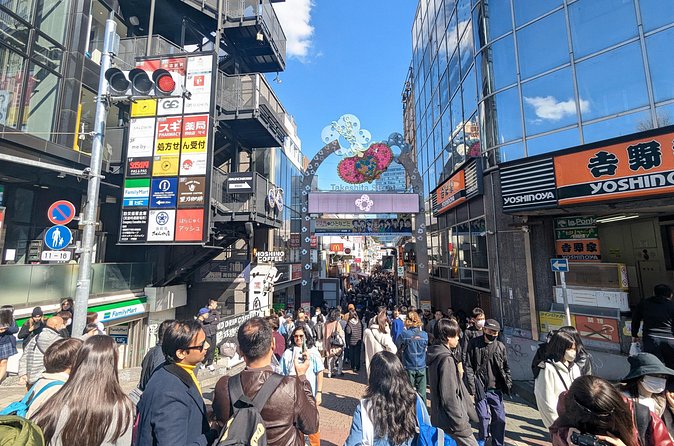
After the shrine, you head to Takeshita Street, described as a birthplace of Japanese pop culture. This is where kawaii culture spread globally, and it’s also where newer trends like edge and goth styles have been mentioned as becoming popular.
This part is intense in the best way: stores close together, lots of people deciding what to buy and eat, and street energy that feels very “right now.” Since the tour time is limited, it helps to have a guide who knows how to steer you through without losing the rhythm of the day.
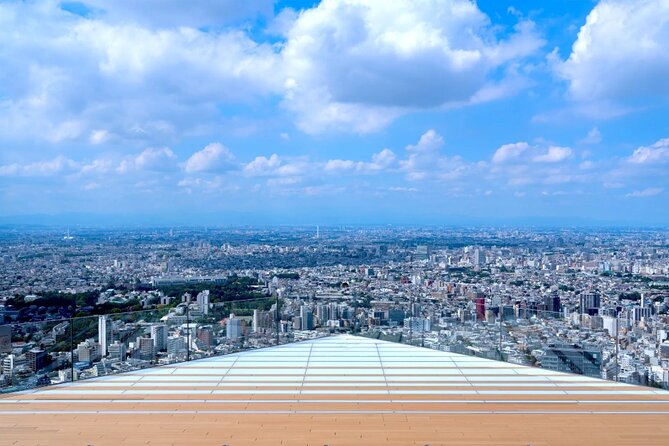
Then comes the payoff: Shibuya Sky at Scramble Square. The tour includes the taxi fare from Takeshita Street to Shibuya Sky, which is a smart move. In Tokyo, travel time can eat your tour plan fast, so having that transport handled keeps the finale smooth.
Important: entry to Shibuya Sky is not included. Tickets cost 2,700–3,400 yen per adult depending on whether you enter before or after 3pm, and you’ll need to reply to an email after booking to secure your spot. The next 10 days being sold out is a real possibility, so don’t wait if Sky is the reason you booked.
Price and value: when $195.11 makes sense
The price is $195.11 per group, up to 6 people, for about 3 hours. Since the guide fee is included, your money goes to local guidance and coordination—especially useful when you’re trying to pack Shibuya icons plus Harajuku streets plus Meiji Jingu plus a ticketed viewpoint into one tidy plan.
A quick way to think about it: if you have a full group of 6, it works out to roughly $32.50 per person for the guided portion. If you travel as 2 people, it’s closer to $97.55 per person. That’s still not crazy for a private guide in Tokyo, but it depends on how much you value having someone keep you moving and making decisions for you.
What’s not included is food and shopping (you pay your own way) and the Shibuya Sky ticket. Since Sky is a paid add-on, your total day cost depends on whether you’re entering before or after 3pm and how many adults/children you have.
One more practical value point: mobile tickets. You’re not hunting paper tickets in a crowd.
The guide factor: Berkay, Mitsu, and Bernal get praised for tailoring
This tour’s reviews put a spotlight on the guides themselves—especially for making the day feel personal instead of scripted.
- Berkay gets high marks for tailoring to what his group wanted, and he also helped with practical food logistics—taking people to his favorite ramen spot and supporting ordering. He even shared picture help, including the idea of a slideshow after the tour, which is a nice souvenir when you’re busy snapping photos all day.
- Mitsu is praised as attentive, friendly, and helpful, with the ability to fulfill customization wishes. One review also notes the day covered about 10km, which hints at how active the itinerary is.
- Bernal is described as guiding in an easygoing way and giving advice about where to go next, which matters when you’re trying to plan the rest of your Tokyo stay beyond this single afternoon.
The big takeaway: you’re paying for more than route knowledge. You’re paying for a guide who can adjust the day in real time—whether that means more photo stops, less shopping pressure, or a quick recommendation that makes your next meal easier.
Practical tips so your Shibuya day doesn’t feel like a sprint
Shibuya is famous for crowds, and this tour walks through several of the busiest landmarks and streets in Tokyo. That means planning for comfort matters more than speed.
- Wear shoes you trust. You’ll walk a lot, and the route includes multiple neighborhood changes.
- Bring a charged phone and a power-friendly setup. The crossing is built for video, and Takeshita and Cat Street are photo-heavy too.
- If Shibuya Sky is your must-do, treat it like the keystone. Get ready to follow the email step quickly and choose the time slot that matches your vibe (before or after 3pm pricing).
- Expect lines at Hachiko during busy times. Build a buffer.
- Assume weather matters. The experience notes it requires good weather, and if conditions are poor, you’ll be offered a different date or a full refund.
If you do those things, the day feels smoother—and you’ll spend more time actually enjoying it instead of thinking about logistics.
Should you book this Shibuya Highlights and Sky tour?
Book it if you’re a first-time Shibuya visitor, short on time, and you want a guided route that hits the headline spots plus the calm counterweight of Meiji Jingu. It’s especially worth it if you like the idea of a private group (up to 6) and you want the guide to tailor the day to your tastes.
Skip it or rethink it if you dislike crowds, want a very slow pace with lots of downtime, or you mainly care about museums and indoor attractions. And if Shibuya Sky is your priority, plan early—ticket timing and availability are the only truly stressful part of the whole experience.
If you want a Tokyo day that captures the city’s split personality—chaos, culture, street fashion, then a top-floor view—this is a strong way to do it in about three hours.
FAQ
How long is the tour?
It runs for about 3 hours.
Is Shibuya Sky included in the tour price?
No. Shibuya Sky tickets are sold separately (2,700–3,400 yen per adult depending on entry time, and 1,200 yen for children).
Where do I start and where does the tour end?
The tour starts at the Hachiko Statue in Shibuya and ends at Shibuya Scramble Square, where Shibuya Sky is located.
What is included in the $195.11 group price?
The price includes the guide fee, plus the taxi fare from Takeshita Street to Shibuya Sky. Food, drink, and shopping are not included.
Do I need to do anything to get Shibuya Sky tickets?
Yes. After booking, you’ll receive an email and you need to reply to secure your tickets. Tickets for the next 10 days can sell out, so prompt action helps.
What if the weather is bad or I need to cancel?
The experience requires good weather. If it’s canceled due to poor weather, you’ll be offered a different date or a full refund. You can also cancel up to 24 hours in advance for a full refund.
More Tour Reviews in Tokyo
- Mt Fuji and Hakone 1-Day Bus Tour Return by Bullet Train
★ 5.0 · 26,383 reviews - 1-Day Tokyo Bus Tour
★ 5.0 · 14,250 reviews - Tokyo: teamLab Planets TOKYO Digital Art Museum Entry Ticket
★ 4.6 · 9,779 reviews - Mt Fuji & Hakone Cruise, Drum Show Bullet Train 1 Day from Tokyo
★ 4.0 · 7,413 reviews - Tokyo: Shinjuku Food Tour (13 Dishes at 4 Local Eateries)
★ 5.0 · 6,603 reviews
More Meiji Shrine Hours, Rated
- Tokyo: Meiji Shrine, Asakusa, Skytree Bus Tour and Cruise
★ 4.7 · 1,986 reviews - Tokyo Panoramic 1 Day: Meiji Shrine, Asakusa, Odaiba and SKYTREE®
★ 4.5 · 1,222 reviews - Tokyo: Meiji Shrine Walking Tour — Shinto & Imperial System
★ 4.9 · 266 reviews - Tokyo: Meiji Jingu Shrine and Shinto Culture Walking Tour
★ 5.0 · 245 reviews - Tokyo: Meiji Shrine and Shinto Culture Walking Tour
★ 5.0 · 225 reviews
More Around Shibuya Crossing
- Official Street Go-Kart in Shibuya
★ 5.0 · 3,435 reviews - Tokyo: Street Kart Experience in Shibuya
★ 4.9 · 1,484 reviews - Shibuya Meltdown Nightlife Tour: All-You-Can-Drink Bar Hopping
★ 5.0 · 1,058 reviews - Shibuya Official Street Go-Kart in Shibuya Annex
★ 5.0 · 972 reviews - Tokyo: Shibuya Food Tour (13 dishes and 4 Eateries)
★ 5.0 · 770 reviews
Latest Tokyo reviews off our desk






Shibuya Experiences, compared.
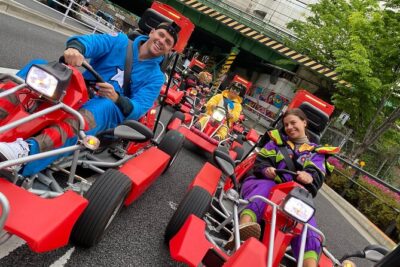 ★ 5.0Official Street Go-Kart in ShibuyaFrom $763,435 reviews
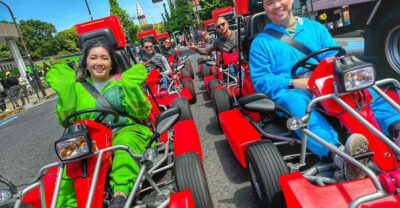 ★ 4.9Street Kart Experience in ShibuyaFrom $741,484 reviews
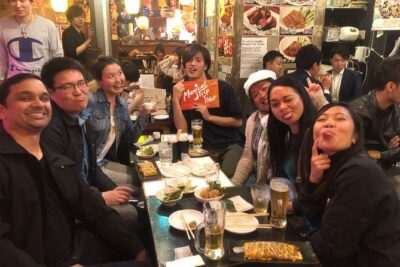 ★ 5.0Shibuya Meltdown Nightlife Tour: All-You-Can-Drink Bar HoppingFrom $1061,058 reviews
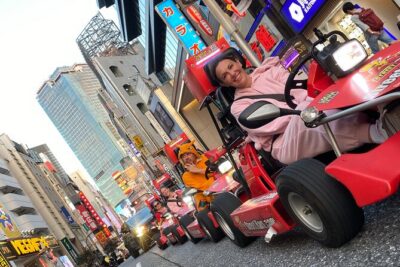 ★ 5.0Shibuya Official Street Go-Kart in Shibuya AnnexFrom $69972 reviews
 ★ 5.0Shibuya Food Tour (13 dishes and 4 Eateries)From $77770 reviews
 ★ 5.0Best of Shibuya Food TourFrom $217612 reviews
 ★ 4.8Shibuya Highlights Walking TourFrom $19601 reviews
 ★ 4.7Premium Go-Kart Tour with Tower & Shibuya CrossingFrom $116528 reviews
Browse the lists this tour appears in