
Reviewed · MEIJI SHRINE TOURS
Tokyo: Meiji Shrine and Shinto Culture Walking Tour
A forest shrine in the middle of Tokyo. This Meiji Jingu Shinto tour turns a quick visit into something you understand, from the entrance giant torii to the etiquette most visitors skip. You get a guide who explains what you’re looking at and why it matters.
I really like the way the guide breaks down Shinto practice in plain language. You’ll be able to follow along with basic actions like bowing at key points and ritual cleaning, instead of just watching others and hoping you do it right. Guides such as Yumi and Sara are especially good at making the experience feel conversational and easy to ask questions about.
One thing to consider: you’re on your feet for about 2 hours on shrine paths. If you prefer a minimal-walking visit or you’re dealing with limited mobility, this may feel like more time outdoors than you’d like.
In This Review
- Key highlights worth your attention
- Meiji Jingu: Tokyo’s calm pocket, explained in the right order
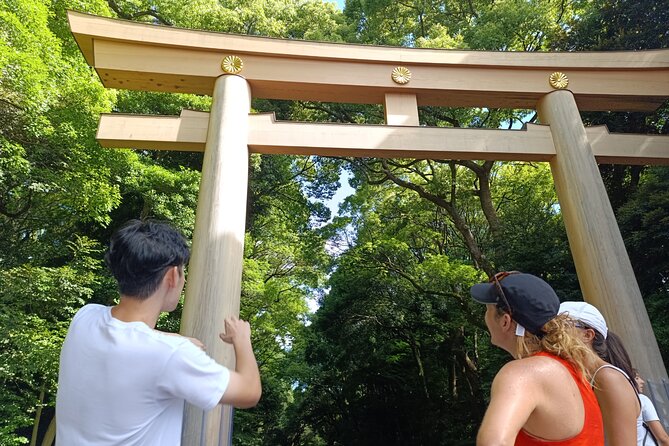
- Entering through the biggest torii you’ll see in Tokyo
- The artificial forest walk: why this shrine feels different
- What you’ll learn about Shinto rituals (without feeling lost)
- The centerpiece dedication: Emperor Meiji and Empress Shoken
- Why the 2-hour format feels like good value
- Where to meet in Harajuku (and why it helps)
- Who this tour is best for
- Rain, crowds, and the real-world experience
- Should you book this Meiji Jingu Shinto tour?
- FAQ
- FAQ
- How long is the Meiji Jingu Shinto Culture Walking Tour?
- What is the price per person?
- Is the entrance fee included?
- What is included in the tour?
- What is not included?
- What meeting point should I use?
- Where does the tour end?
- How big is the group?
- Do I need to print anything for tickets?
- What if I need to cancel?
Key highlights worth your attention
- Small group capped at 15 so you actually get answers and room to ask questions
- Admission ticket included, so you’re not doing extra calculations at the gate
- The towering myojin-style torii sets the tone right away at 12 meters tall and 17.1 meters wide
- Shinto etiquette explained including bowing and ritual cleansing at the shrine area
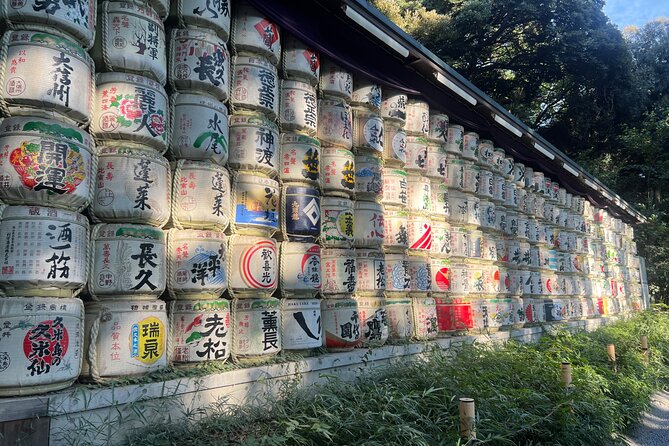
- A massive artificial forest around the shrine (70 hectares) that cools the whole experience
- Guides connect the shrine to Emperor Meiji and the Meiji era, including restoration themes
Meiji Jingu: Tokyo’s calm pocket, explained in the right order
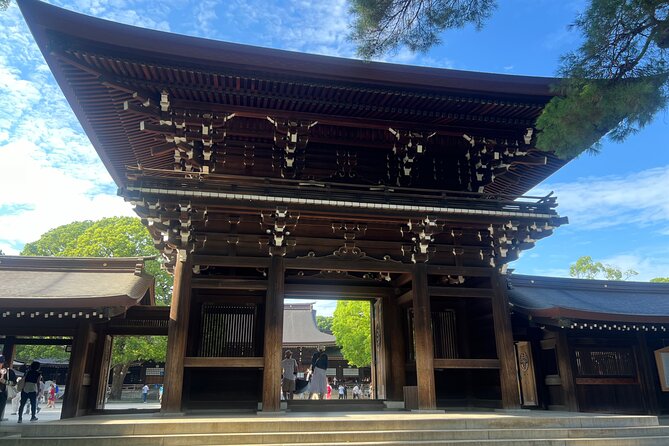
Meiji Jingu works in two layers: first, you feel it. Then, if you know what you’re seeing, you understand it. This tour does both. You start with the approach—towering torii gates and a tree-lined path that makes Tokyo’s noise fade behind you fast.
The big win for me is that you’re not just walking through pretty scenery. The guide puts meaning to the steps. The shrine is dedicated to the deified spirits of Emperor Meiji and Empress Shoken, and that history connects to why the place is treated with care. A guide helps you notice what you might otherwise miss, like how the shrine’s layout guides your behavior.
I also like that the tone stays respectful and practical. You’re learning religion and tradition without turning it into a lecture. The best moments tend to be the small ones: how the space nudges you to slow down, how you’re supposed to act at certain points, and why those small actions matter in Shinto practice.
More quiet hours at Meiji Shrine
- Tokyo: Meiji Shrine, Asakusa, Skytree Bus Tour and Cruise
★ 4.7 · 1,986 reviews - Tokyo Panoramic 1 Day: Meiji Shrine, Asakusa, Odaiba and SKYTREE®
★ 4.5 · 1,222 reviews - Tokyo: Meiji Shrine Walking Tour — Shinto & Imperial System
★ 4.9 · 266 reviews - Tokyo: Meiji Jingu Shrine and Shinto Culture Walking Tour
★ 5.0 · 245 reviews
Entering through the biggest torii you’ll see in Tokyo
The tour’s first major visual hit is the entrance torii: the largest wooden myojin-style torii of its kind in Japan. It rises 12 meters high and spreads 17.1 meters across, and standing in front of it changes how the whole shrine feels. It reads like a threshold, not decoration.
This is also where a guide earns their fee. Without context, you might just take photos and move on. With context, you start paying attention to what the torii signals: you’re crossing from the everyday world into shrine space. The guide’s explanations help you understand why visitors slow down and why certain gestures show up again and again.
If you’re the kind of person who gets annoyed by vague history, this is your fix. Instead of only dates and names, you get the “what to look for” version. You learn how the entrance and early route shape your mindset for the rest of the grounds.
The artificial forest walk: why this shrine feels different
Meiji Jingu sits inside a huge artificial forest of about 70 hectares. That detail matters. It’s part of why the shrine doesn’t feel like a theme park stop—even in the middle of the city.
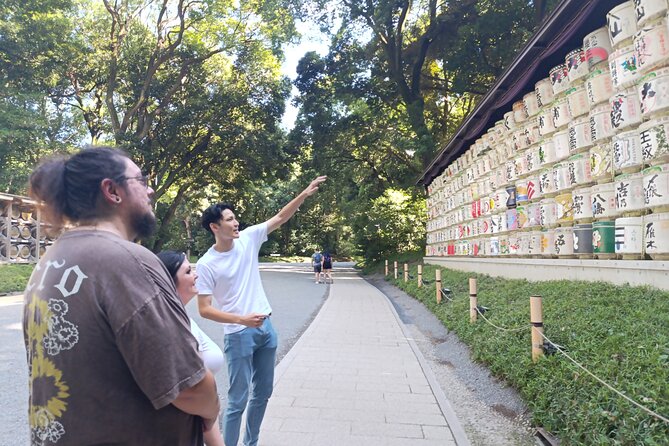
As you walk, you’ll likely notice the contrast between Harajuku/Shibuya energy outside and the quieter, more protected feeling inside. The guide helps you make sense of how the forest setting supports the shrine’s atmosphere. You’re not just passing trees; you’re moving through a designed space meant to create calm.
Practical tip: wear shoes you trust. The grounds are walkable, but the surface can be a bit uneven along paths. A guide keeps the pace comfortable and helps you avoid wandering off course when there are multiple routes and viewpoints.
This is also a great time to ask questions. People tend to be more curious on this part of the walk because everything feels slowed down. If you have questions about what Shinto looks like in everyday practice, this is when you’ll actually get answers you can use.
What you’ll learn about Shinto rituals (without feeling lost)
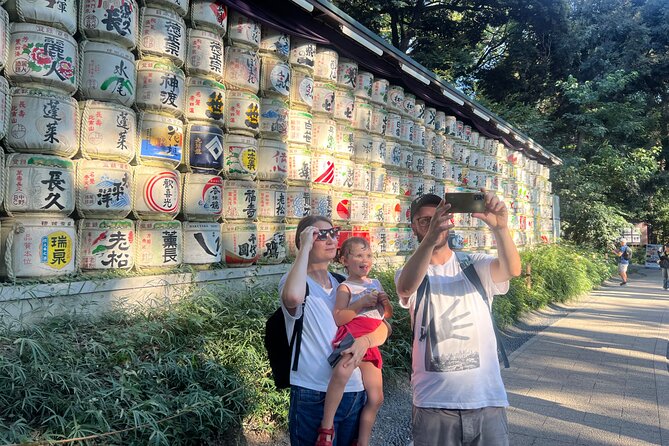
A lot of tourists see Shinto shrines as photo stops. This tour helps you see them as lived tradition. The guide focuses on symbolism and ritual basics, which is exactly what makes the experience feel more complete than a self-guided walk.
You’ll get guidance on things like:
- Bowing etiquette at key points around the shrine approach
- Ritual cleansing practices (often associated with purification before entering shrine areas)
- How the shrine environment shapes respectful behavior
The goal isn’t to turn you into an expert. It’s to help you participate correctly and feel confident, even if you’ve never visited a Shinto shrine before.
I especially value tours that explain the logic behind actions. When you know what a gesture means, you stop treating it like a random custom. You can move through the space with awareness, not guesswork.
The centerpiece dedication: Emperor Meiji and Empress Shoken
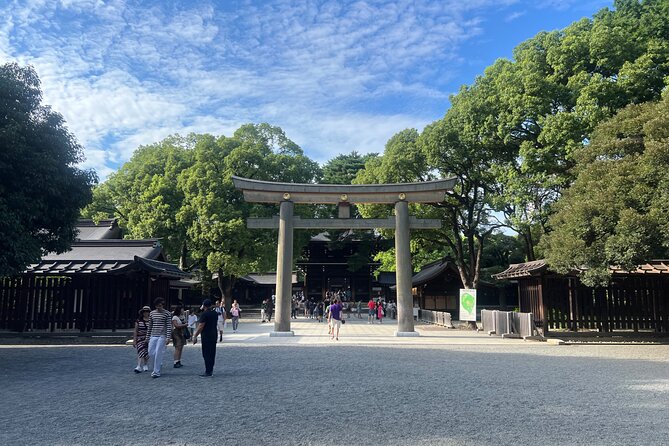
Meiji Jingu is dedicated to the deified spirits of Emperor Meiji and Empress Shoken. The shrine was established in 1920, which also places it in a modern context rather than a purely ancient one. That matters because it helps explain why the shrine feels both traditional and tied to Japan’s more recent nation-building story.
A good guide connects those dots. In this case, some guides focus on themes like the Meiji restoration and Emperor Meiji’s achievements—ideas that help you understand why the shrine exists and why it’s treated as significant today. When a guide handles this with clarity, the story stops being abstract and becomes tied to what you’re standing near.
If you care about history but hate long timelines, you’ll probably like the balance here. You get enough background to understand why the shrine is dedicated to these figures, without drowning in details.
Readers also shortlisted these Tokyo bookings:
- Tokyo Tsukiji Fish Market Food and Culture Walking Tour★ 5.0 · 3,184 reviews
- Tokyo: Imperial Palace and Shogun Historical Walking Tour★ 5.0 · 2,251 reviews
- Tokyo: Shinjuku Local Bar and Izakaya Guided Walking Tour★ 4.9 · 1,794 reviews
- Tokyo: Tsukiji Fish Market Food and Walking tour★ 5.0 · 1,724 reviews
- Tokyo: Asakusa Walking Tour with Sensoji Temple Visit★ 4.8 · 1,583 reviews
Why the 2-hour format feels like good value
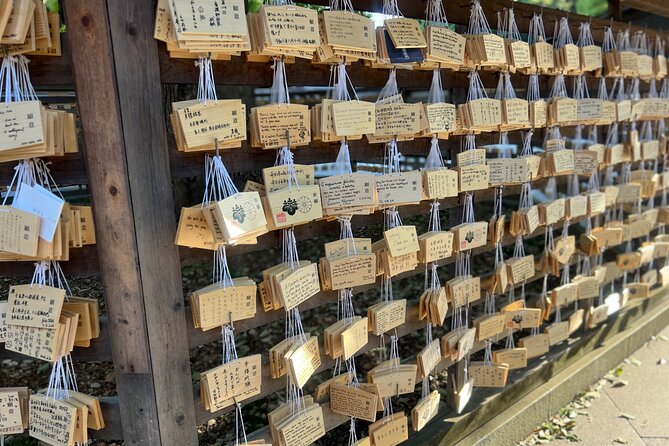
At $18 per person for around 2 hours, this isn’t a bargain tour where you get rushed. It’s a short, focused walk that aims to deliver context while you’re still in the right setting to absorb it.
Here’s how the value holds up:
- Small group size (max 15) keeps the experience personal
- Admission ticket included means you don’t have surprise extra costs at the entrance
- The tour is structured around the Meiji Jingu experience, not a long list of unrelated stops
In other words, you’re paying for context where it counts. With shrines, the difference between a self-guided visit and a guided one often comes down to etiquette and interpretation. This tour is designed for that.
Also, the “mobile ticket” detail is helpful. It’s one less thing to manage while you’re moving through Tokyo.
Where to meet in Harajuku (and why it helps)
The tour starts at Starbucks Coffee with HarajukuJapan, address listed as Shibuya, Jingūmae, 1-chōme 14-30. You end back at the meeting point, which is nice when you don’t want to figure out transit or your route after you’re done.
This location choice is practical. It gives you a clear, easy landmark in an area that’s full of confusing side streets. Even if you’re arriving from elsewhere in Tokyo, you can usually get yourself oriented quickly because it’s near public transportation.
One small but smart move: arrive a few minutes early. Tokyo trains are efficient, but crowds happen. Getting settled before the group starts makes the first part of the walk less stressful.
Who this tour is best for
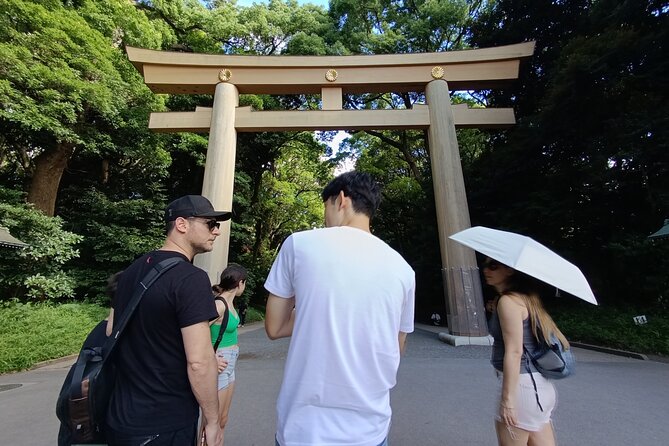
This is a strong fit if:
- You want to visit Meiji Jingu but you don’t want to guess how to act
- You’re curious about Shinto religion and how rituals show up in real life
- You prefer a small-group experience where you can ask questions
It’s also good for people who like photography, as long as you’re willing to slow down. The torii and forest scenes are photo-worthy, but the tour helps you capture more than images—you’ll likely remember the meaning behind what you saw.
If you already know Shinto deeply, you might find some parts basic. Still, the etiquette guidance and the shrine-specific context can be useful even for return visitors.
Rain, crowds, and the real-world experience
Tokyo weather can be a mood shift. The good news is that this tour is built around one main shrine area, so rain doesn’t usually ruin the day—it just changes the feel of the walk. Even in less-than-ideal weather, guides like Matt-san have led with calm, thoughtful guidance and kept attention on the shrine themes you came for.
Crowds can be high around central Tokyo, but the shrine setting helps. The forest and the flow of the grounds naturally space people out more than you’d expect from the nearby city energy.
Should you book this Meiji Jingu Shinto tour?
Book it if you want a confident, respectful visit to Meiji Jingu with a guide who explains the “why” behind the rituals. The combination of a small group, included admission, and a clear focus on Shinto practice makes the $18 feel more like you’re buying understanding than just transportation to a landmark.
Skip it (or consider a simpler self-guided plan) if you hate walking, you prefer totally independent travel, or you’re only after the photos and don’t care about etiquette or interpretation. For everyone else, this is a tidy, meaningful way to experience one of Tokyo’s most important shrine spaces without turning it into a blur.
FAQ
FAQ
How long is the Meiji Jingu Shinto Culture Walking Tour?
The tour lasts about 2 hours.
What is the price per person?
The price is $18.00 per person.
Is the entrance fee included?
Yes. Admission ticket is included.
What is included in the tour?
It includes a tour guide and historical insights into the district.
What is not included?
Tips are not included.
What meeting point should I use?
Meet at Starbucks Coffee – With HarajukuJapan, located in Shibuya, Jingūmae, 1-chōme 14-30.
Where does the tour end?
It ends back at the meeting point.
How big is the group?
The maximum group size is 15 travelers.
Do I need to print anything for tickets?
No. The tour uses a mobile ticket.
What if I need to cancel?
You can cancel for a full refund up to 24 hours in advance.
More Tours in Tokyo
- Mt Fuji and Hakone 1-Day Bus Tour Return by Bullet Train
★ 5.0 · 26,383 reviews - 1-Day Tokyo Bus Tour
★ 5.0 · 14,250 reviews - Tokyo: Shinjuku Food Tour (13 Dishes at 4 Local Eateries)
★ 5.0 · 6,603 reviews - Tokyo Mt Fuji 5th St & Hakone Cruise Bus Tour w/Bullet Train
★ 4.4 · 5,024 reviews - Flagship 2-Hours Official Street Go-Kart Tour – Tokyo Bay Shop
★ 5.0 · 4,974 reviews
More Tour Reviews in Tokyo
- Mt Fuji and Hakone 1-Day Bus Tour Return by Bullet Train
★ 5.0 · 26,383 reviews - 1-Day Tokyo Bus Tour
★ 5.0 · 14,250 reviews - Tokyo: teamLab Planets TOKYO Digital Art Museum Entry Ticket
★ 4.6 · 9,779 reviews - Mt Fuji & Hakone Cruise, Drum Show Bullet Train 1 Day from Tokyo
★ 4.0 · 7,413 reviews - Tokyo: Shinjuku Food Tour (13 Dishes at 4 Local Eateries)
★ 5.0 · 6,603 reviews
More Meiji Shrine Hours, Rated
- Tokyo: Meiji Shrine, Asakusa, Skytree Bus Tour and Cruise
★ 4.7 · 1,986 reviews - Tokyo Panoramic 1 Day: Meiji Shrine, Asakusa, Odaiba and SKYTREE®
★ 4.5 · 1,222 reviews - Tokyo: Meiji Shrine Walking Tour — Shinto & Imperial System
★ 4.9 · 266 reviews - Tokyo: Meiji Jingu Shrine and Shinto Culture Walking Tour
★ 5.0 · 245 reviews - Tokyo: Meiji Shrine Walking Tour — Shintoism & Imperial System
★ 5.0 · 209 reviews
Latest Tokyo reviews off our desk






Meiji Shrine Tours, compared.
 ★ 4.7Meiji Shrine, Asakusa, Skytree Bus Tour and CruiseFrom $1221,986 reviews
 ★ 4.5Tokyo Panoramic 1 Day: Meiji Shrine, Asakusa, Odaiba and SKYTREE®From $851,222 reviews
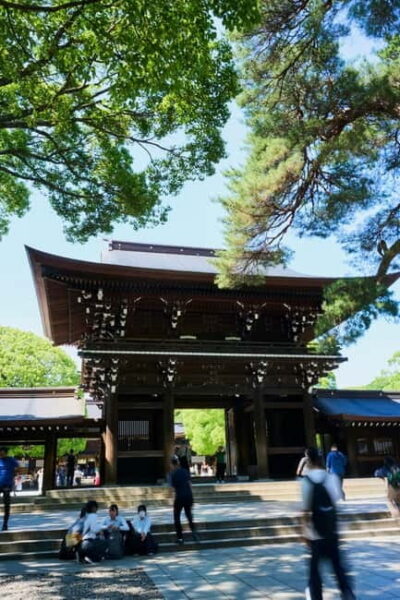 ★ 4.9Meiji Shrine Walking Tour — Shinto & Imperial SystemFrom $23266 reviews
 ★ 5.0Meiji Jingu Shrine and Shinto Culture Walking TourFrom $19245 reviews
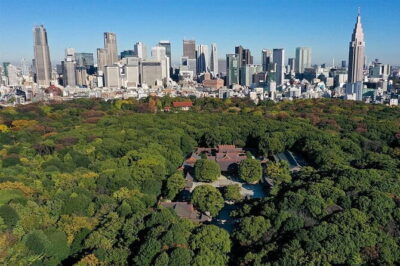 ★ 5.0Meiji Shrine Walking Tour — Shintoism & Imperial SystemFrom $21209 reviews
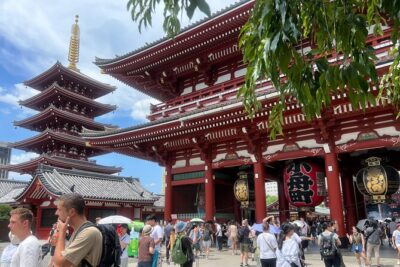 ★ 5.0Tokyo Morning Tour: Asakusa, Meiji Shrine and Tsukiji Fish MarketFrom $157128 reviews
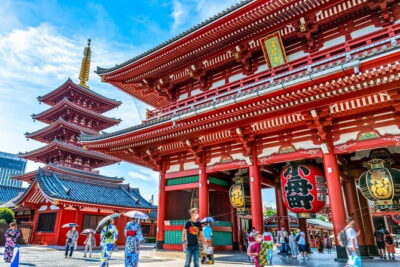 ★ 5.0Tokyo Morning Tour : Meiji Shrine, Asakusa and Fish MarketFrom $72102 reviews
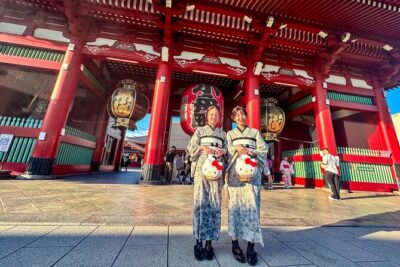 ★ 5.0Full Tokyo: Meiji Shrine, Imperial Palace, Asakusa & SkytreeFrom $3978 reviews
Browse the lists this tour appears in