
Reviewed · MEIJI SHRINE TOURS
Tokyo: Meiji Jingu Shrine and Shinto Culture Walking Tour
Tokyo has shrines. Meiji Jingu has a mood.
This 2-hour Shinto culture walking tour uses the most famous gates and ceremonial spots to explain how worship works in Japan, from how you move through space to what offerings mean. I like that it’s not just sightseeing; it’s built around understanding Shinto rituals in the exact places they happen.
I also like the pace: a short garden stop, a few iconic checkpoints (including the big torii and consecrated barrels), and then a solid hour at the shrine itself. One possible drawback: you’ll walk at a respectful, quiet pace through a popular site, so if you’re chasing fast, high-energy thrills, this is calmer than it is exciting.
In This Review
- Key things you’ll notice on this walk
- Why Meiji Jingu feels different from other Tokyo shrines
- Meeting by Harajuku’s Starbucks: start easy, get oriented fast
- Meiji Jingu Gyoen (Imperial Garden): photo time with a purpose
- The Big Torii: the moment the city drops away
- Consecrated sake barrels: small items with big meaning
- Consecrated wine barrels: same idea, different offering
- Inside Meiji Shrine: how to watch, move, and understand what you see
- The serene forest effect: 100,000 trees and the gift of time
- Guides make the difference: what excellent Q&A looks like
- Wheelchair accessible, English guide, and the practical “2-hour fit”
- Value check: is $19 a good deal for a shrine-and-garden tour?
- Who this tour suits best (and who should skip it)
- Should you book this Meiji Jingu Shinto Culture Walking Tour?
- FAQ
- What is the duration of the Tokyo Meiji Jingu Shrine and Shinto Culture Walking Tour?
- How much does the tour cost?
- Where do I meet for the tour?
- Is the tour guide available in English?
- What does the tour include for admission?
- Are photos included?
- How long do you spend at the Imperial Garden?
- How much of the tour is spent at Meiji Shrine itself?
- Can I cancel for a full refund and reserve without paying right now?
- Is the tour wheelchair accessible?
Key things you’ll notice on this walk
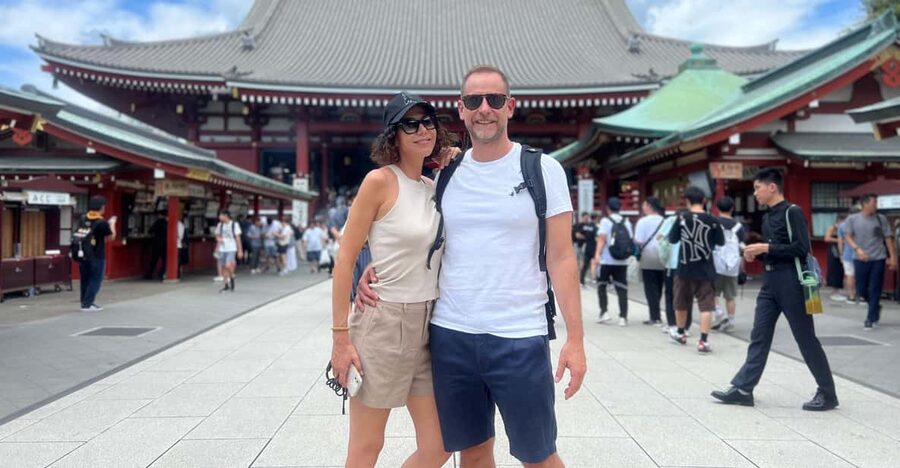
- Small-group feel with time to ask questions and get answers on the spot
- Photo stops included, so you’re not wrestling with your phone every two minutes
- Meiji Jingu Gyoen as more than a pretty detour: it sets the “spiritual garden” tone
- Big torii and consecrated barrels that you’ll understand instead of just point at
- A full hour at Meiji Shrine, giving you breathing room to watch and follow along
Why Meiji Jingu feels different from other Tokyo shrines
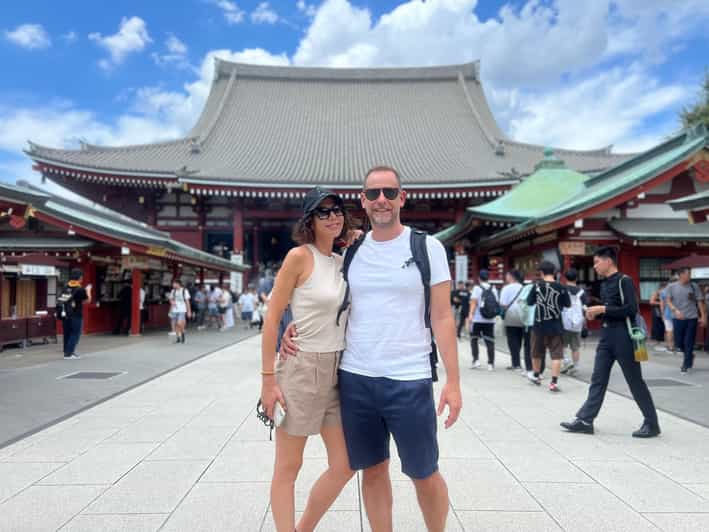
Meiji Jingu isn’t a shrine you rush. The whole layout is designed to slow you down. Even before you get to the main worship area, you’re moving from Tokyo’s noise into a controlled, quieter world of trees and ritual space.
What makes this tour worth your time is that it teaches you to read the place. You’ll learn the symbolism behind Shinto practices and see how nature and spirituality connect here. That matters because, without context, a shrine can look like beautiful architecture you don’t fully understand. With context, it turns into a living system of meaning.
More quiet hours at Meiji Shrine
- Tokyo: Meiji Shrine, Asakusa, Skytree Bus Tour and Cruise
★ 4.7 · 1,986 reviews - Tokyo Panoramic 1 Day: Meiji Shrine, Asakusa, Odaiba and SKYTREE®
★ 4.5 · 1,222 reviews - Tokyo: Meiji Shrine Walking Tour — Shinto & Imperial System
★ 4.9 · 266 reviews - Tokyo: Meiji Jingu Shrine and Shinto Culture Walking Tour
★ 5.0 · 245 reviews
Meeting by Harajuku’s Starbucks: start easy, get oriented fast
You’ll meet in front of the Starbucks closest to Meiji Shrine (the location is listed with coordinates: 35.6705208, 139.7031067). This is practical for two reasons: it’s easy to find and it gives you a clear “start line” so you’re not guessing where the group gathers.
From there, the guide leads you into the site. You’re walking with a plan, not wandering. That’s a big deal in Tokyo, where getting turned around costs time, patience, and energy.
Meiji Jingu Gyoen (Imperial Garden): photo time with a purpose
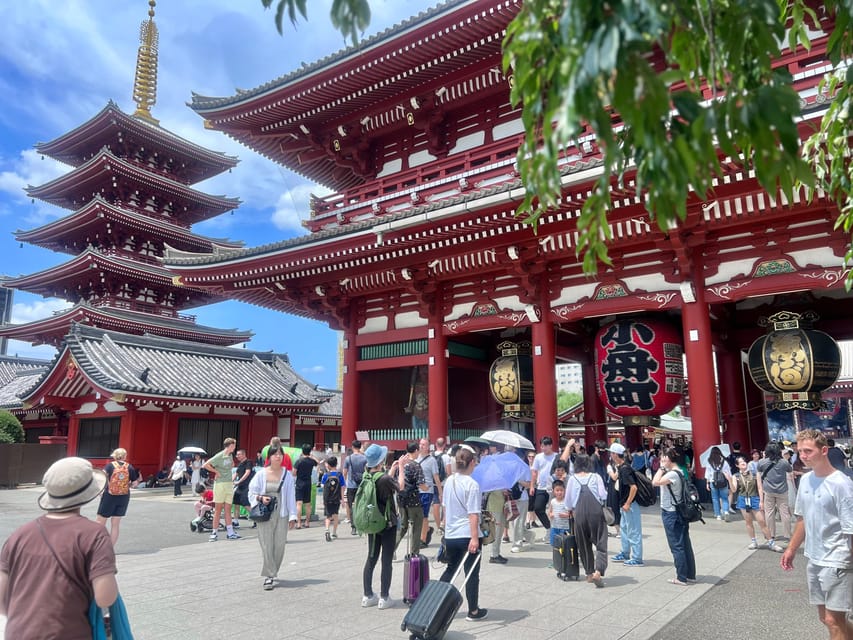
The first major stop is Meiji Jingu Gyoen, with about 30 minutes that includes both a photo stop and guided touring. This is where the experience sets its tone. You’re not just looking at greenery; you’re learning how the garden supports the shrine’s spiritual atmosphere.
A calm garden stop is also useful if you’ve just arrived in Japan or you’re coming off a packed day. It’s a gentler on-ramp. Instead of jumping straight into crowds and big structures, you get a moment to settle your senses and understand what you’re about to see.
The Big Torii: the moment the city drops away
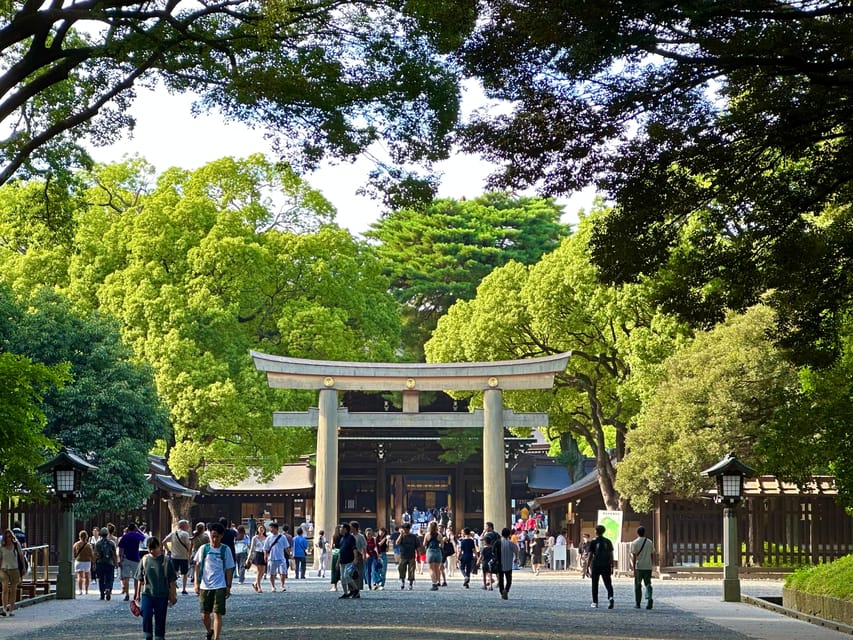
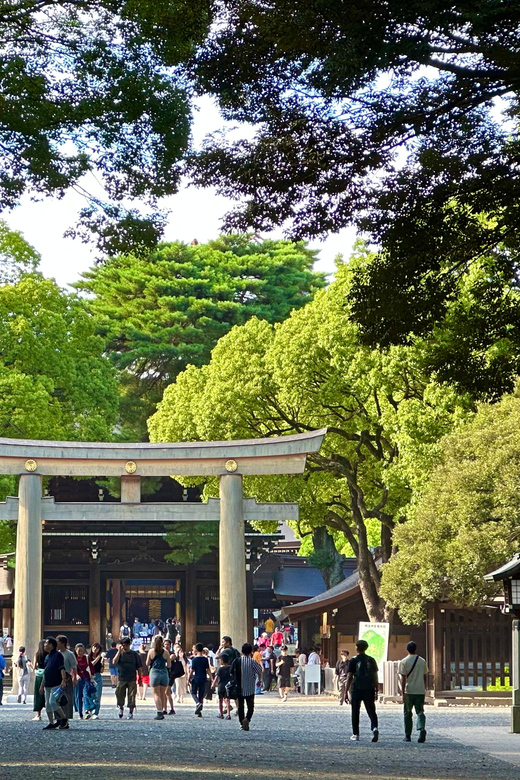
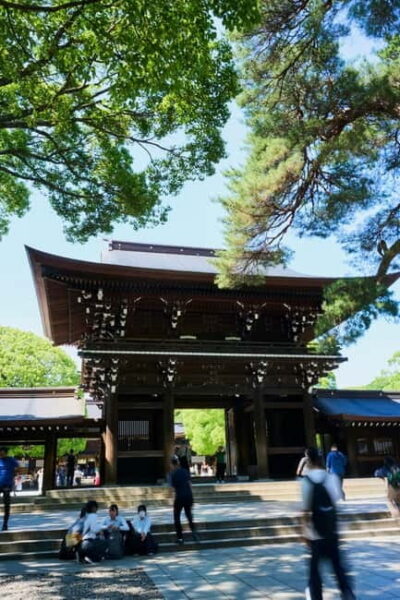
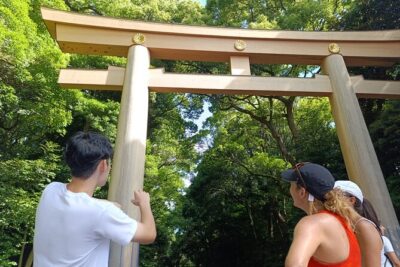
Next comes the Big Torii, with around 10 minutes of guided touring. This gate is iconic for a reason. It marks a clear shift: you’re moving from ordinary space into a sacred route.
The practical value here is that the guide helps you interpret what you’re looking at and how you should think about your movement and behavior. You’ll get more out of the torii than the photo if you understand what it represents in daily shrine life.
Consecrated sake barrels: small items with big meaning
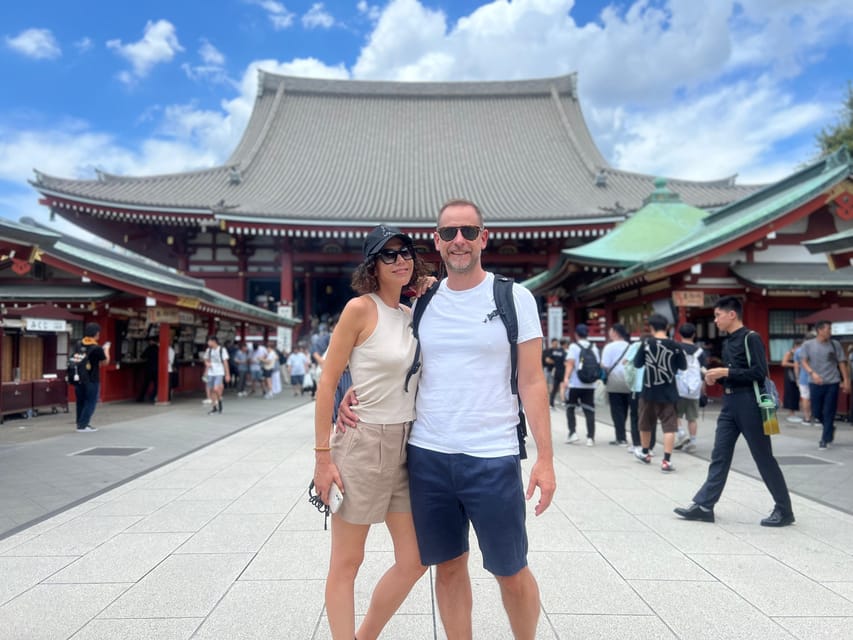
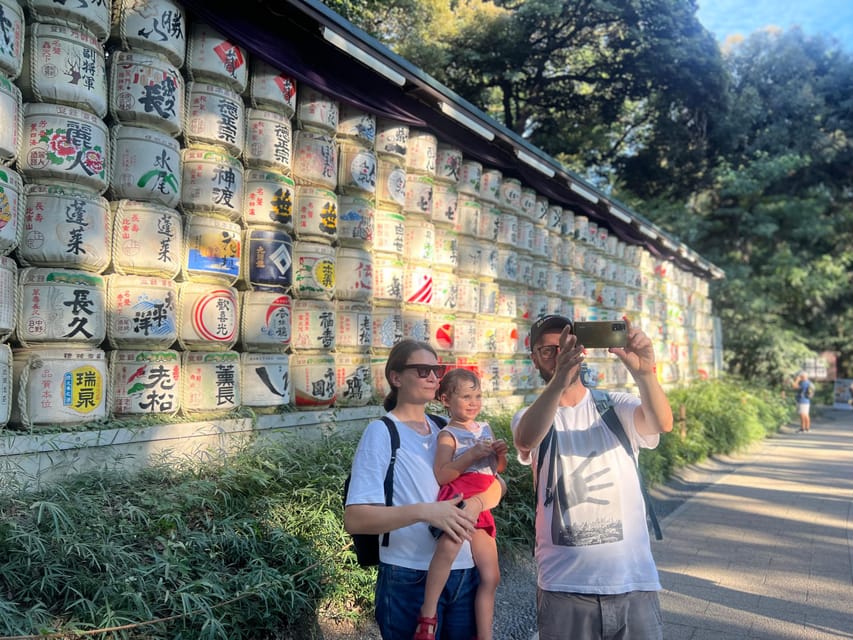
After the torii, you’ll spend another set of short guided stops on consecrated sake barrels (about 10 minutes). These items can look straightforward at a glance, but in Shinto practice, offerings are part of a relationship between people and the spirits they honor.
This is the kind of stop that changes how you see the whole site. When you understand why certain things are placed where they are, the shrine stops being a backdrop and becomes a message written in objects, rhythm, and tradition.
Readers also shortlisted these Tokyo bookings:
- Tokyo Tsukiji Fish Market Food and Culture Walking Tour★ 5.0 · 3,184 reviews
- Tokyo: Imperial Palace and Shogun Historical Walking Tour★ 5.0 · 2,251 reviews
- Tokyo: Shinjuku Local Bar and Izakaya Guided Walking Tour★ 4.9 · 1,794 reviews
- Tokyo: Tsukiji Fish Market Food and Walking tour★ 5.0 · 1,724 reviews
- Tokyo: Asakusa Walking Tour with Sensoji Temple Visit★ 4.8 · 1,583 reviews
Consecrated wine barrels: same idea, different offering
You’ll also visit Meiji Shrine’s consecrated wine barrels (another 10 minutes). This repetition is intentional. You’ll see that the “offering logic” is consistent, even when the items differ. It’s a quick way to connect the ritual theme to real-world details.
If you’re the type who likes learning fast and then using it immediately, this stop format is efficient. You get a new piece of the puzzle each time, instead of getting one long lecture you can’t use.
Inside Meiji Shrine: how to watch, move, and understand what you see
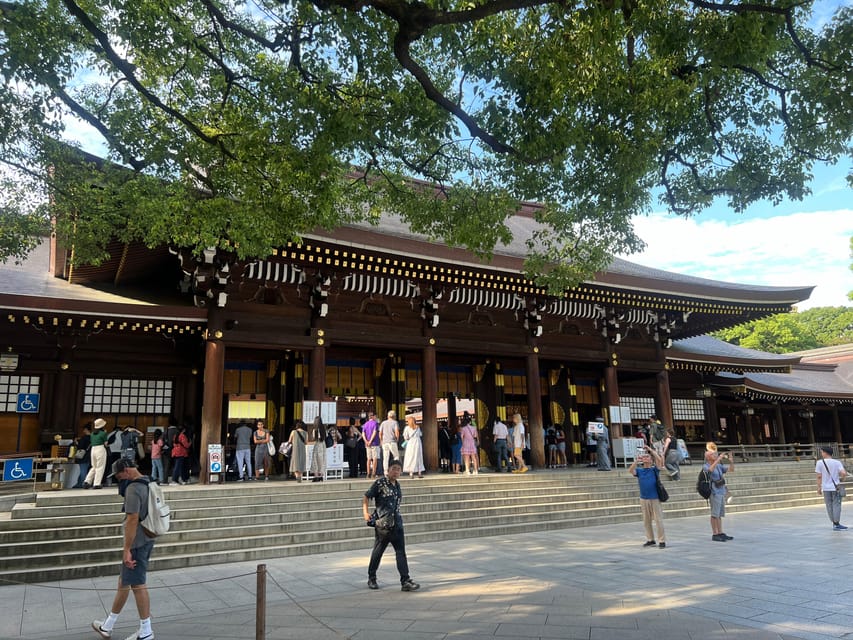
The highlight is the hour-long Meiji Shrine sightseeing and guided tour (about 1 hour). This is where the guide’s job really matters. A shrine isn’t just a place to stand and take a picture. It’s a place to observe ceremony, follow customs, and understand what different actions mean.
Based on what I’ve seen from strong guides on similar shrine walks, the best part is usually the “how to act” guidance paired with cultural background. Some guides in past groups have explained the difference between Shinto and Buddhist teachings, and they’ve also answered lots of questions when people get stuck on etiquette.
You’ll likely come away with a clearer sense of what to do when you approach worship areas, and why visitors sometimes notice certain rituals more than others. That’s the real payoff: your visit feels less like guessing and more like participation.
The serene forest effect: 100,000 trees and the gift of time
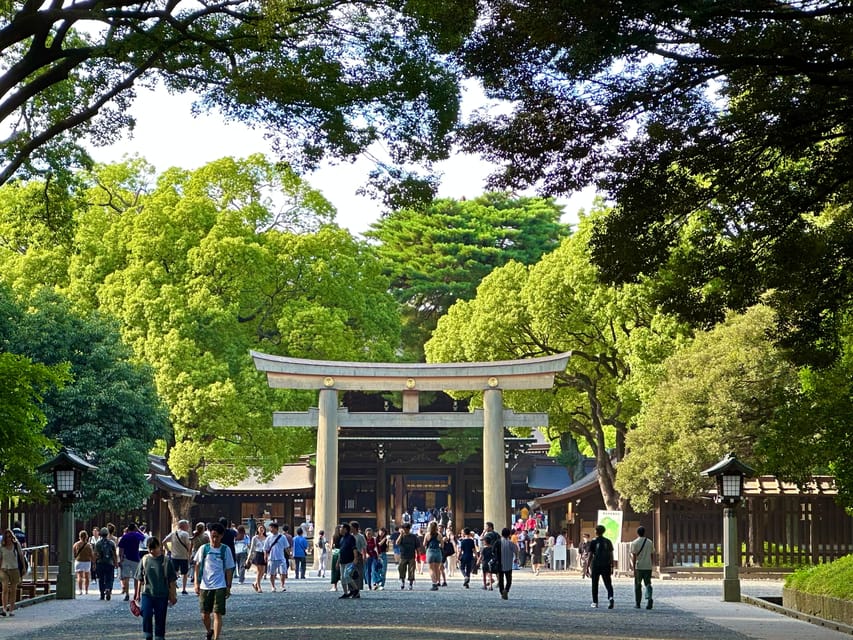
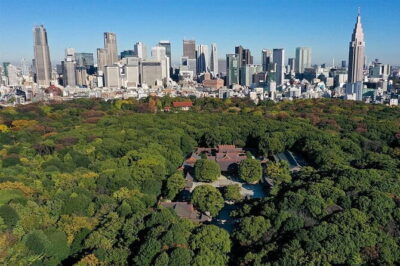
One of the stated highlights is a sacred forest of 100,000 trees. That isn’t just a dramatic number. Trees here help shape the experience. They soften sound, create shade, and turn your walk into something closer to a quiet reset than a normal city outing.
Timing can matter. Even though the tour is only 2 hours, arriving earlier in the day is often what people remember most for the calm feeling. If you can choose a time slot, I’d lean toward earlier rather than later—especially if you want to actually hear the space instead of competing with foot traffic.
Guides make the difference: what excellent Q&A looks like
What consistently shows up in strong feedback is the guide interaction. People have praised guides by name, including Maya, Minori, Nicholas, Hoshi, Naruto, Yumi, Naruto, and Yota, and the pattern is the same: they explain clearly and they keep answering questions.
This matters because Shinto can feel confusing at first. You might notice symbols, offerings, gates, and directions, but you won’t automatically know what they mean. A good guide helps you connect the dots without talking over you.
Another detail that’s surprisingly helpful: the tour includes photos taken during the tour. That means you can focus on the sights and the explanations, and you don’t have to constantly stop to trade phone handling duties.
Wheelchair accessible, English guide, and the practical “2-hour fit”
The tour is listed as wheelchair accessible, and the guide is live in English. That combination makes it a solid option when you want context but don’t want to fight language barriers.
The duration—2 hours—is also a smart size for Meiji Jingu. You get enough time for multiple stops and a full shrine visit, but you’re not trapped there all day. It’s easy to pair this with other Tokyo experiences afterward, whether you’re heading back toward Harajuku or moving on to something more urban.
Value check: is $19 a good deal for a shrine-and-garden tour?
At $19 per person for a 2-hour guided experience, this is priced like a budget-friendly cultural add-on, not a luxury excursion. And it’s not just a walk.
You’re paying for:
- a professional English-speaking guide
- photos taken during the tour
- entry/admission to Meiji Shrine and the Meiji Shrine Imperial Garden
- guided historical and cultural context in multiple short segments
If you were to visit on your own, you’d still pay admission and you’d still be left to figure out what certain ritual elements mean. Here, your guide does that translation work for you, and the included photos remove a hassle.
In plain terms: this is good value if you want meaning, not just pretty scenery.
Who this tour suits best (and who should skip it)
This tour fits you if:
- you want a structured introduction to Shinto culture without doing homework
- you like calm walking and clear explanations
- you prefer small-group pacing with time for questions
- you want photos taken for the main sights
Consider skipping it if:
- you hate walking on uneven shrine paths
- you only want skyline photos and don’t care about ritual context
- you’re expecting a high-energy, entertainment-heavy format
Should you book this Meiji Jingu Shinto Culture Walking Tour?
If you’re spending limited time in Tokyo, I think this is one of the best ways to start your relationship with Japanese shrine culture. You’ll see the big, famous elements (torii, main worship areas, consecrated offerings) and you’ll understand what you’re looking at while you’re there. For $19, the included shrine and garden admission and the guide-led context make it a practical, low-risk choice.
Book it early in your trip if you want etiquette tips and a stronger foundation for future religious sites. Book it anytime if you’re craving a quieter break that still feels meaningful.
FAQ
What is the duration of the Tokyo Meiji Jingu Shrine and Shinto Culture Walking Tour?
The tour lasts 2 hours.
How much does the tour cost?
It costs $19 per person.
Where do I meet for the tour?
You meet in front of the Starbucks that is closest to Meiji Shrine (coordinates: 35.6705208, 139.7031067).
Is the tour guide available in English?
Yes, the live tour guide speaks English.
What does the tour include for admission?
Entry/admission to Meiji Shrine and Meiji Shrine Imperial Garden is included.
Are photos included?
Yes, photos are taken during the tour.
How long do you spend at the Imperial Garden?
The Meiji Jingu Gyoen stop includes about 30 minutes for a photo stop and guided tour.
How much of the tour is spent at Meiji Shrine itself?
The Meiji Shrine sightseeing and guided tour is listed as about 1 hour.
Can I cancel for a full refund and reserve without paying right now?
The tour offers free cancellation up to 24 hours in advance for a full refund, and you can reserve now & pay later.
Is the tour wheelchair accessible?
Yes, it is listed as wheelchair accessible.
More Tours in Tokyo
- Mt Fuji and Hakone 1-Day Bus Tour Return by Bullet Train
★ 5.0 · 26,383 reviews - 1-Day Tokyo Bus Tour
★ 5.0 · 14,250 reviews - Tokyo: Shinjuku Food Tour (13 Dishes at 4 Local Eateries)
★ 5.0 · 6,603 reviews - Tokyo Mt Fuji 5th St & Hakone Cruise Bus Tour w/Bullet Train
★ 4.4 · 5,024 reviews - Flagship 2-Hours Official Street Go-Kart Tour – Tokyo Bay Shop
★ 5.0 · 4,974 reviews
More Tour Reviews in Tokyo
- Mt Fuji and Hakone 1-Day Bus Tour Return by Bullet Train
★ 5.0 · 26,383 reviews - 1-Day Tokyo Bus Tour
★ 5.0 · 14,250 reviews - Tokyo: teamLab Planets TOKYO Digital Art Museum Entry Ticket
★ 4.6 · 9,779 reviews - Mt Fuji & Hakone Cruise, Drum Show Bullet Train 1 Day from Tokyo
★ 4.0 · 7,413 reviews - Tokyo: Shinjuku Food Tour (13 Dishes at 4 Local Eateries)
★ 5.0 · 6,603 reviews
More Meiji Shrine Hours, Rated
- Tokyo: Meiji Shrine, Asakusa, Skytree Bus Tour and Cruise
★ 4.7 · 1,986 reviews - Tokyo Panoramic 1 Day: Meiji Shrine, Asakusa, Odaiba and SKYTREE®
★ 4.5 · 1,222 reviews - Tokyo: Meiji Shrine Walking Tour — Shinto & Imperial System
★ 4.9 · 266 reviews - Tokyo: Meiji Shrine and Shinto Culture Walking Tour
★ 5.0 · 225 reviews - Tokyo: Meiji Shrine Walking Tour — Shintoism & Imperial System
★ 5.0 · 209 reviews
Latest Tokyo reviews off our desk


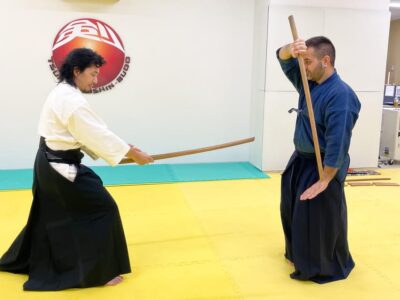

Meiji Shrine Tours, compared.
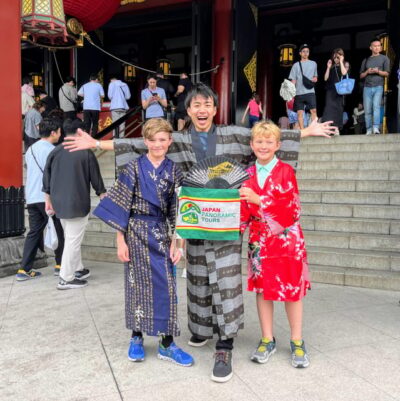 ★ 4.7Meiji Shrine, Asakusa, Skytree Bus Tour and CruiseFrom $1221,986 reviews
 ★ 4.5Tokyo Panoramic 1 Day: Meiji Shrine, Asakusa, Odaiba and SKYTREE®From $851,222 reviews
 ★ 4.9Meiji Shrine Walking Tour — Shinto & Imperial SystemFrom $23266 reviews
 ★ 5.0Meiji Shrine and Shinto Culture Walking TourFrom $18225 reviews
 ★ 5.0Meiji Shrine Walking Tour — Shintoism & Imperial SystemFrom $21209 reviews
 ★ 5.0Tokyo Morning Tour: Asakusa, Meiji Shrine and Tsukiji Fish MarketFrom $157128 reviews
 ★ 5.0Tokyo Morning Tour : Meiji Shrine, Asakusa and Fish MarketFrom $72102 reviews
 ★ 5.0Full Tokyo: Meiji Shrine, Imperial Palace, Asakusa & SkytreeFrom $3978 reviews
Browse the lists this tour appears in