
Reviewed · ASAKUSA & SENSOJI TOURS
Tokyo Panoramic 1 Day: Meiji Shrine, Asakusa, Odaiba and SKYTREE®
Tokyo can feel huge on day one. This one-day plan keeps you moving between the city’s best-known sights, with bus transport doing most of the heavy lifting. You’ll get Meiji Jingu in a quiet forest setting and the TOKYO SKYTREE Tembo Deck views from up high, with included admission and an English guide. The main trade-off is time: it’s a full day, so you’ll still be on a schedule and you may have limited flexibility at each stop.
What I like most here is that the itinerary is built for orientation. You see classic Tokyo (shrines, temples, and the old capital feel) and modern Tokyo (Odaiba and the bay-breeze skyline) without you needing to figure out trains between everything. One consideration: lunch is included as a Western-style buffet, and the info says vegetarian requests can’t be accommodated.
If you want a smooth introduction to Tokyo, this tour is a strong fit.
In This Review
- Key Highlights Worth Booking For
- A One-Day Tokyo Plan That Starts at Tokyo Station
- Meiji Jingu Shrine: A Forest Break Inside the Metropolis
- Imperial Palace Gardens and Nijubashi Bridge Views
- Rainbow Bridge and Odaiba: Tokyo Bay Scenery Without the Stress
- Haneda Airport Garden Lunch: A Western Buffet Stop at 13:30
- Senso-ji in Asakusa: Nakamise Street and Classic Tokyo Temple Energy
- TOKYO SKYTREE Tembo Deck: 350 Meters of 360-Degree City Views
- How the Schedule Really Feels (Transfers, Delays, and Getting Around)
- Guide Quality Is the Difference Maker on This Tour
- Price and Value: Why This Costs $85.87 and When It’s a Win
- Should You Book This Tokyo Panoramic 1-Day Tour?
- FAQ
- What are the main stops on this Tokyo tour?
- Is TOKYO SKYTREE admission included, and which level do you visit?
- Is lunch included, and does it have vegetarian options?
- Where do you meet the tour, and where does it end?
- How long is the tour, and how much time is spent traveling?
- What should I wear or bring for walking?
- How big is the group?
Key Highlights Worth Booking For
- Included TOKYO SKYTREE Tembo Deck admission with big 360-degree city views
- Coach transport from Tokyo Station so you avoid decision fatigue on public transit
- Meiji Jingu and Senso-ji in one day, two of Tokyo’s most memorable sacred sites
- Asakusa walking around Nakamise street with shopping built right in
- Odaiba + Rainbow Bridge for Tokyo Bay scenery and modern-city contrast
- Hybrid bus + warm commentary from a licensed English guide interpreter
A One-Day Tokyo Plan That Starts at Tokyo Station
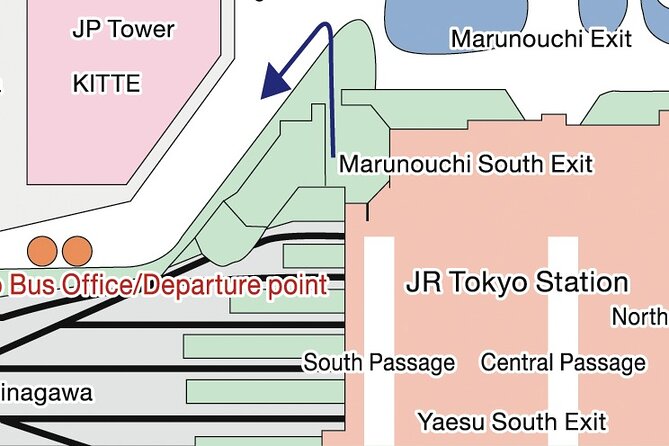
The tour begins and ends at Tokyo Station (Marunouchi South Exit area), which is ideal if you’re staying near the core and want an easy start without a scavenger hunt. The group is capped at 40 travelers, so it’s not a massive cattle-call situation, but it’s still a guided group experience where you’ll want to follow the meeting points.
You’ll ride an air-conditioned/heated bus, and the operator may use an environment-friendly hybrid bus. A practical detail that matters in Tokyo summers: the bus may have its engine and cooling/heating turned off while waiting, so dress for comfort.
There’s also a heads-up on pace: the tour is about 9 hours total, with around 4 hours spent on transfers between sightseeing spots. That’s normal for Tokyo day trips, but it does mean you’ll be spending less time drifting and more time “in and out” at each highlight.
Finally, the tour notes that arrival times can slide depending on traffic, and the order of stops can change near the end. So I treat this as a great day for seeing a lot, not as a day to rush to other plans right afterward.
More temple mornings in old Asakusa
- Tokyo: Japanese Dance Cabaret Theater Asakusa-Kaguwa Ticket
★ 4.8 · 2,270 reviews - Tokyo: Meiji Shrine, Asakusa, Skytree Bus Tour and Cruise
★ 4.7 · 1,986 reviews - Tokyo: Roll and Authentic Sushi Making Class in Asakusa
★ 4.9 · 1,957 reviews - Tokyo: Asakusa Walking Tour with Sensoji Temple Visit
★ 4.8 · 1,583 reviews
Meiji Jingu Shrine: A Forest Break Inside the Metropolis
Meiji Jingu is one of those Tokyo stops that resets your brain. The shrine sits in a dense, quiet forest setting right in the city, so you get that “how is this still Tokyo?” feeling fast.
You’ll spend about 1 hour here, with free admission. That hour is plenty for a slow walk through the main approach area and temple grounds without feeling pushed through. It’s also the kind of place where you benefit from the guide’s pacing, because Tokyo shrines have small etiquette cues that can be easier to follow when someone explains them in plain English.
Practical tip: wear shoes that handle uneven ground and lots of walking. The tour explicitly asks for easy-walking footwear, and you’ll be grateful at Meiji’s paths.
If you like contrast, this is a great anchor stop. After the city’s traffic roar, Meiji Jingu gives you a calmer Tokyo version to hold onto all day.
Imperial Palace Gardens and Nijubashi Bridge Views
After Meiji, the tour heads to the Imperial Palace area, with about 40 minutes on the grounds. This stop focuses on the gardens and viewpoints, including Nijubashi Bridge, described as the face of the Imperial Palace.
It’s a good choice for a “Tokyo overview” tour because it’s not just a single photo spot. You’ll get a sense of scale and layout—Tokyo’s power and order, laid out in a more controlled, formal way than you see at the shrines.
A note to keep in mind: the tour info says operation near the Imperial Palace can be suspended or departure may not be possible from the designated location due to entry restrictions or traffic rules. That doesn’t mean the stop never happens, but it can affect timing.
So if you’re the type who hates uncertainty, plan your day around the tour and avoid strict appointments afterward.
Rainbow Bridge and Odaiba: Tokyo Bay Scenery Without the Stress
At some point in the route, you’ll cross Rainbow Bridge, which the tour positions as an iconic Tokyo Bay symbol. Crossing it is a quick way to shift from inland Tokyo to the bay side, and it gives you a different skyline angle even before you reach Odaiba.
Then you’ll visit Odaiba for about 30 minutes, with free time at your own pace. This is where the tour offers variety: Odaiba is popular and very “modern Tokyo,” with large shopping areas and attractions that work for different ages.
You’ll also see mention of the Odaiba Statue of Liberty replica, tied to friendship symbolism. Whether you care about replicas or not, Odaiba’s real value on this tour is the contrast. You go from shrine quiet to bay views and shopping energy in less than a day.
One caution: 30 minutes is short. So treat Odaiba as a scenic taste, not a “deep explore.” If you want to shop or linger for longer, you’ll probably want to add a separate return visit on another day.
Haneda Airport Garden Lunch: A Western Buffet Stop at 13:30
Lunch is included, but it’s scheduled as a late meal around 13:30. You’ll eat at All Day Dining Grande Aile at the Villa Fontaine Grand Haneda Airport in the Haneda Airport Garden area.
The lunch is described as a Western-style buffet. You’ll get options that tend to be familiar—useful if you want a comfortable reset mid-tour. Also, buffet-style meals in a tour day format are practical: you eat when you’re ready and you don’t lose time waiting for dishes.
The catch is dietary planning: the info says requests for vegetarian meals can’t be accommodated. So if you’re vegetarian (or prefer strict vegetarian options), you’ll want to think ahead—this is one of those “included” parts that can shape your satisfaction level.
A couple of tour-day realities to consider:
- A buffet is good for variety, but you’ll still be limited by what’s offered.
- If you don’t love the lunch style, you’ll still have plenty of walking afterward, so at least your calories get used up.
Still, for many people this lunch works as a comfortable break before the more crowded, high-wattage parts of Tokyo.
More quiet hours at Meiji Shrine
- Tokyo: Meiji Shrine Walking Tour — Shinto & Imperial System★ 4.9 · 266 reviews
- Tokyo: Meiji Jingu Shrine and Shinto Culture Walking Tour★ 5.0 · 245 reviews
- Tokyo: Meiji Shrine and Shinto Culture Walking Tour★ 5.0 · 225 reviews
- Tokyo: Meiji Shrine Walking Tour — Shintoism & Imperial System★ 5.0 · 209 reviews
- Tokyo Morning Tour: Asakusa, Meiji Shrine and Tsukiji Fish Market★ 5.0 · 128 reviews
Senso-ji in Asakusa: Nakamise Street and Classic Tokyo Temple Energy
Next up is Senso-ji, Tokyo’s oldest temple, with about 1 hour here and free admission. This stop is built for the classic Tokyo experience, with the famous Kaminarimon Gate (red and bold), a statue of the thunder god, and the well-known five-story pagoda view area.
You’ll also spend time around Nakamise, the shopping street leading toward the temple. This is where souvenirs, snacks, and traditional-styled goods create that sensory Tokyo feeling—smells, texture, crowds, and all.
Why this stop is a highlight in a “panoramic” day: it’s instantly recognizable, and it gives you a strong sense of Tokyo’s older spiritual culture. You get architecture you can spot from far away, plus a walk that keeps you moving without feeling like you’re standing in one spot all hour.
If you like photo opportunities, this is one of your best bets. If you dislike crowds, you’ll want to keep your pace steady and let the guide set expectations so you’re not stuck waiting behind slow walkers.
TOKYO SKYTREE Tembo Deck: 350 Meters of 360-Degree City Views
The headline modern stop is TOKYO SKYTREE®. You’ll visit the Tembo Deck at 350 meters for about 1 hour 15 minutes, and the admission is included.
The tower itself is described as the world’s tallest free-standing broadcasting tower at 634 meters, and the big draw here is the view. From the deck, you get 360-degree panoramic cityscape views, which is exactly what makes this tour feel like more than just temples and streets.
Important detail: the tour info says only the Tembo Deck is included. Access to the Tembo Galleria (450 m) requires an additional admission fee, paid on your own. If you’re the type who likes maximum height points, you should budget for that add-on decision.
A practical note for viewpoint planning: this is one of the stops where weather matters. If skies are clear, the views can be postcard-level. If it’s hazy, you’ll still get the city grid and skyline layers, just with less crisp distance.
Also, this is a stop where you might want to decide quickly what you want to do: enjoy the full ring of views, or spend more time watching for specific landmarks. The guided schedule means you won’t have unlimited wandering time.
How the Schedule Really Feels (Transfers, Delays, and Getting Around)
This tour is designed to be efficient, not effortless. Even with included transport, you’ll spend significant time moving between areas—about 4 hours total for transfers. That’s why the bus matters: it reduces stress, and you don’t spend your day decoding train lines.
The day also comes with a reality check on timing:
- Traffic and seasonal conditions can change arrival times.
- The tour order can shift.
- The Imperial Palace area may have restrictions that affect operations.
So I recommend you treat this as your “see Tokyo highlights” day and keep your later evening open. If you try to stack other timed plans, Tokyo traffic will happily rearrange your life.
On walking: the tour is listed as requiring moderate physical fitness. That usually means you’re doing steady walking and standing, not marathon-distance hikes. Still, you’ll be moving through shrine areas, temple approach streets, and observation decks, so plan for a full-body day.
Guide Quality Is the Difference Maker on This Tour
A guided day lives or dies by communication. The tour info promises a National Government Licensed English Guide Interpreter, and the reviews attached to this experience strongly emphasize what good guides do well: clear directions, strong historical context, and keeping everyone together without turning the day into a sprint.
I saw patterns in the named guides people praised, like Mina, Chicuko, Kaori, Keiko Tobe, Yumii, and Asushi. The common theme is that they make the day easier to navigate—especially when you’re dropped into busy areas like Asakusa.
There’s also one practical “do this” tip that comes up from real-world experience: find the meeting point the day before if you’re even slightly unsure about Tokyo Station. It saves anxiety on a morning when you’re dealing with Japan’s crowds and signage.
And yes, there can be variability. Some tours get a guide whose voice projects less clearly or whose commentary is lighter than you’d hoped. If that happens, your best defense is simple: ask questions during transitions. If you’re curious about a shrine detail or a neighborhood, guides can usually adjust on the fly if you speak up.
Price and Value: Why This Costs $85.87 and When It’s a Win
At $85.87 per person, this tour isn’t pretending to be cheap. But when you compare what’s included, it starts looking practical rather than overpriced.
You get:
- Bus transport through multiple areas
- English guide interpreter fee
- Western-style buffet lunch
- Admission to TOKYO SKYTREE Tembo Deck
That last part matters. Observation-deck tickets aren’t just “one more charge” in Tokyo—they’re often a major share of the cost on their own. Here, the Tembo Deck entry is included, and you only pay extra if you want the Tembo Galleria at 450 m.
Where you should calibrate expectations:
- The lunch is included, but it’s not vegetarian-friendly per the tour notes.
- Odaiba time is short, so you might feel like you only tasted it if your heart wants more shopping or bay wandering.
For first-time visitors who want the big hits in one day, it can be a good value. For people who hate group schedules or want deep time in one neighborhood, you’ll likely want to build your own plan instead.
Should You Book This Tokyo Panoramic 1-Day Tour?
Book it if:
- You’re in Tokyo for a short stay and want Meiji Jingu, Asakusa/Senso-ji, and TOKYO SKYTREE in one day
- You’d rather ride with a guide and bus than stitch together train routes
- You like the idea of a guided day with included SKYTREE admission
Consider skipping or modifying if:
- You need vegetarian meals and can’t manage lunch without strict options
- You want long time in Odaiba or want to linger more than the schedule allows
- You dislike any “tour structure” and prefer total freedom
My take: this is a solid “orientation day” choice. You’re paying for the convenience, the entry to the big viewpoint, and the guide to translate context so Tokyo feels less like random landmarks and more like a story you can actually follow.
FAQ
What are the main stops on this Tokyo tour?
You’ll visit Meiji Jingu, the Imperial Palace area, Odaiba (including a crossing of Rainbow Bridge), Haneda Airport Garden for lunch, Senso-ji in Asakusa, and TOKYO SKYTREE Tembo Deck.
Is TOKYO SKYTREE admission included, and which level do you visit?
Yes. Admission to TOKYO SKYTREE Tembo Deck (350 m) is included. If you want access to Tembo Galleria (450 m), that requires an additional admission fee paid separately.
Is lunch included, and does it have vegetarian options?
Lunch is included as a Western-style buffet. The tour notes that vegetarian meal requests cannot be accommodated.
Where do you meet the tour, and where does it end?
The tour starts at Tokyo Station (Marunouchi area) and ends at Tokyo Station. The drop-off point is listed as Tokyo Station Marunouchi South Exit.
How long is the tour, and how much time is spent traveling?
The tour lasts about 9 hours 10 minutes. The info says it takes about 4 hours in total for transfers between sightseeing spots.
What should I wear or bring for walking?
The tour advises wearing shoes easy to walk in, since you’ll spend time walking at multiple stops.
How big is the group?
This tour has a maximum group size of 40 travelers.
More Skytree Entries
- Tokyo: Meiji Shrine, Asakusa, Skytree Bus Tour and Cruise
★ 4.7 · 1,986 reviews - Tokyo Go Kart: Asakusa, Skytree, and Akihabara **IDP MUST**
★ 5.0 · 988 reviews - Tokyo: Asakusa, Skytree & Akhihabara Go-Kart City Experience
★ 4.7 · 761 reviews - Tokyo Skytree Admission Ticket with Tembo Deck and Galleria
★ 4.0 · 589 reviews - Tokyo: 1 Day Bus Tour with Meiji-Jingu,Odaiba,lunch&Skytree
★ 4.6 · 156 reviews
More Meiji Shrine Hours, Rated
- Tokyo: Meiji Shrine, Asakusa, Skytree Bus Tour and Cruise
★ 4.7 · 1,986 reviews - Tokyo: Meiji Shrine Walking Tour — Shinto & Imperial System
★ 4.9 · 266 reviews - Tokyo: Meiji Jingu Shrine and Shinto Culture Walking Tour
★ 5.0 · 245 reviews - Tokyo: Meiji Shrine and Shinto Culture Walking Tour
★ 5.0 · 225 reviews - Tokyo: Meiji Shrine Walking Tour — Shintoism & Imperial System
★ 5.0 · 209 reviews
More Mornings in Old Asakusa
- Tokyo: Japanese Dance Cabaret Theater Asakusa-Kaguwa Ticket
★ 4.8 · 2,270 reviews - Tokyo: Meiji Shrine, Asakusa, Skytree Bus Tour and Cruise
★ 4.7 · 1,986 reviews - Tokyo: Roll and Authentic Sushi Making Class in Asakusa
★ 4.9 · 1,957 reviews - Tokyo: Asakusa Walking Tour with Sensoji Temple Visit
★ 4.8 · 1,583 reviews - Tokyo Asakusa Rickshaw Tour
★ 5.0 · 1,375 reviews
Latest Tokyo reviews off our desk






Asakusa & Sensoji Tours, compared.
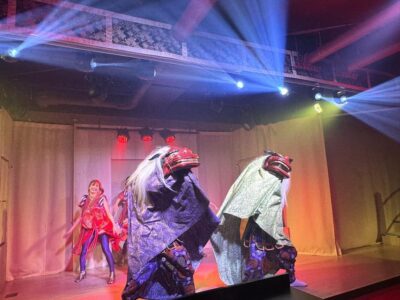 ★ 4.8Japanese Dance Cabaret Theater Asakusa-Kaguwa TicketFrom $492,270 reviews
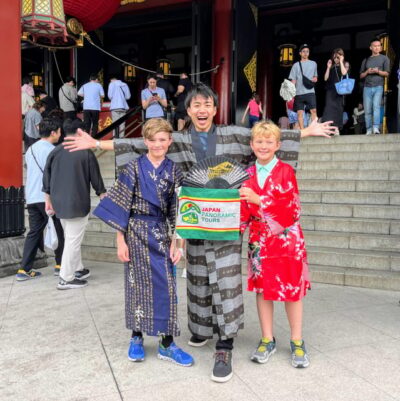 ★ 4.7Meiji Shrine, Asakusa, Skytree Bus Tour and CruiseFrom $1221,986 reviews
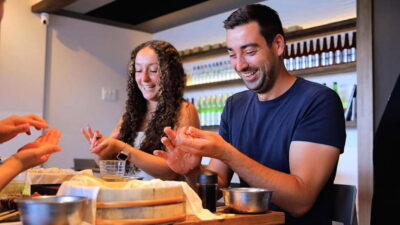 ★ 4.9Roll and Authentic Sushi Making Class in AsakusaFrom $581,957 reviews
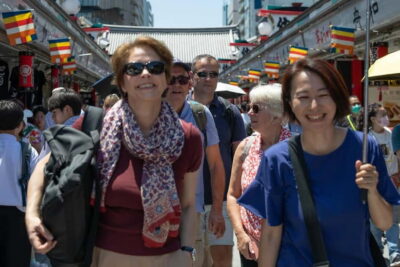 ★ 4.8Asakusa Walking Tour with Sensoji Temple VisitFrom $221,583 reviews
 ★ 5.0Tokyo Asakusa Rickshaw TourFrom $421,375 reviews
 ★ 5.0Tokyo Go Kart: Asakusa, Skytree, and Akihabara **IDP MUST**From $99988 reviews
 ★ 4.7Asakusa, Skytree & Akhihabara Go-Kart City ExperienceFrom $96761 reviews
 ★ 4.9Matcha Making Experience with Mochi Sweets in AsakusaFrom $22388 reviews
Browse the lists this tour appears in