
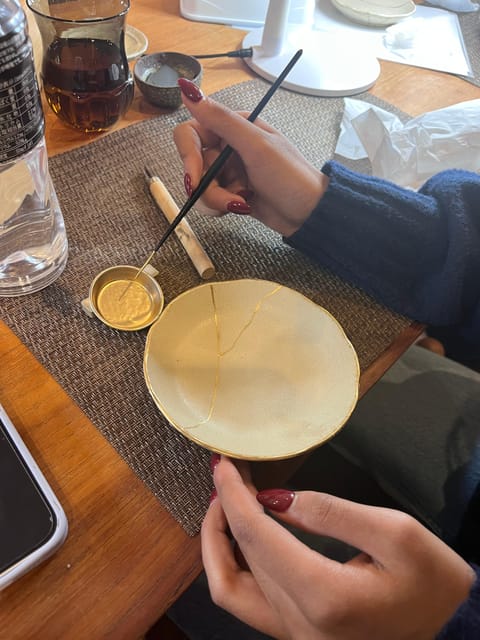
Reviewed · SHIBUYA EXPERIENCES
Shibuya Tokyo: Modern Kintsugi Workshop in Shibuya
Gold repairs, matcha calm, and Shibuya altitude. This modern kintsugi workshop happens up the hill from Shibuya Crossing, in a quieter studio where you can slow down and work on a real craft project. I like that the class is small (up to 6 people), so you get hands-on help instead of feeling lost in the crowd.
You start with matcha and seasonal sweets, then learn the steps through clear instruction before you repair and restore your chosen piece. One consideration: you have to arrive on time, because you won’t be able to join if you show up more than 15 minutes after your reserved start time.
In This Review
- Key points to know before you go
- Why modern kintsugi feels special in Shibuya
- Finding mon cadeau: the hill walk and the correct entrance
- The 2-hour workshop flow: tea first, then your hands on the repair
- What you’ll actually do with your broken crockery
- The modern kintsugi philosophy: wabi-sabi, made practical
- Small group teaching: why you’ll feel supported
- Cost and value: why $141 can make sense here
- What to wear, and what rules to remember
- Who should book this Shibuya kintsugi workshop
- Should you book this Shibuya kintsugi workshop?
- FAQ
- Where is the meeting point for mon cadeau in Shibuya?
- How long is the workshop?
- What language is used for instruction?
- How many people are in the class?
- What is included in the price?
- Do I need to bring anything?
- Is video recording allowed during the workshop?
- What happens if I arrive late?
- Is this workshop suitable for young children?
Key points to know before you go
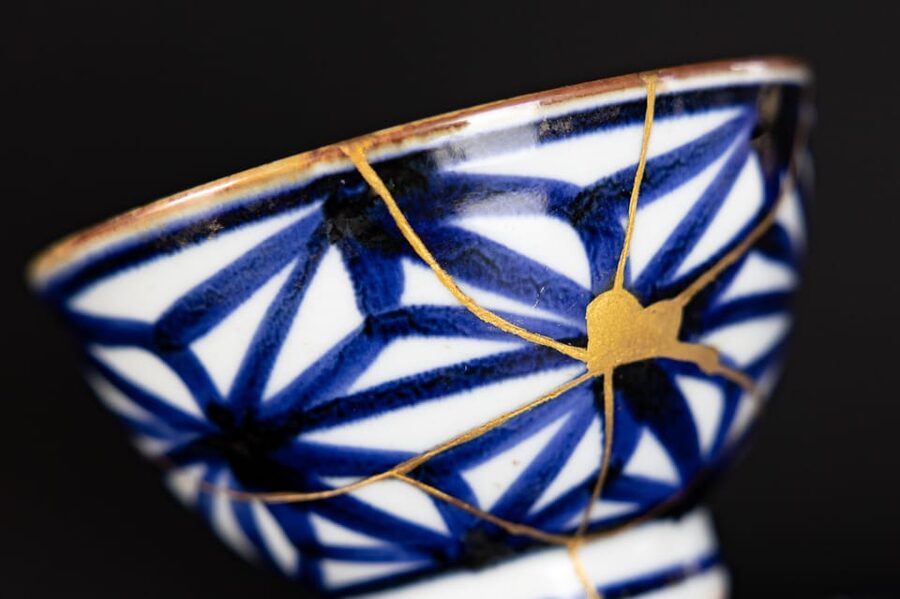
- Up-hill Shibuya location: a short walk away from the crossing, so the experience feels calmer fast
- Small group attention: limited to 6 participants for close guidance during hands-on work
- Modern materials approach: contemporary supplies designed to be faster and safer while keeping the spirit of kintsugi
- Matcha and seasonal sweets: part of the pre-class wabi-sabi mindset
- Take-home souvenir in a gift box: you leave with your restored crockery, ready to keep or gift
Why modern kintsugi feels special in Shibuya
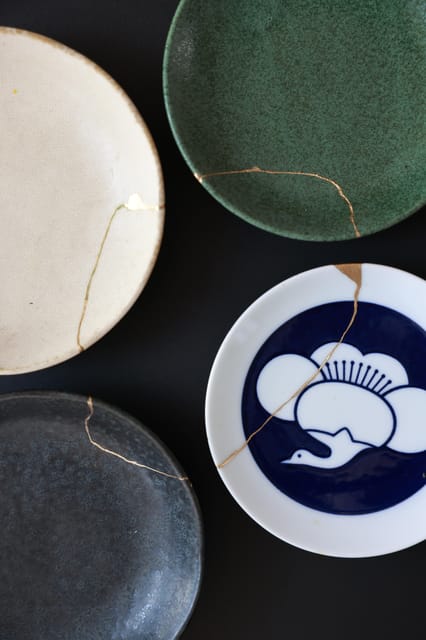
Shibuya is loud. This workshop gives you a way to step away from the noise without leaving the area. The setting matters: mon cadeau’s studio sits up the hill from Shibuya Crossing, and that small geography shift makes a big difference in how you feel the moment you arrive.
What I like most is the focus on process, not just results. You’re not simply watching someone “do art” while you wait. You’ll pick a piece of crockery, get a step-by-step demonstration, then work through the reassembly/repair/restoration steps yourself with ongoing support. That’s a very practical way to learn kintsugi, even if you’ve never touched the materials before.
I also appreciate the tone of the class. Before you start repairing, you’re served matcha and seasonal sweets, along with an introduction to the wabi-sabi idea behind the craft. It nudges you from tourist mode into something calmer and more intentional. For many people, that’s what turns a souvenir into a story you actually want to carry home.
More booked around Shibuya Crossing
- Official Street Go-Kart in Shibuya
★ 5.0 · 3,435 reviews - Tokyo: Street Kart Experience in Shibuya
★ 4.9 · 1,484 reviews - Shibuya Meltdown Nightlife Tour: All-You-Can-Drink Bar Hopping
★ 5.0 · 1,058 reviews - Shibuya Official Street Go-Kart in Shibuya Annex
★ 5.0 · 972 reviews
Finding mon cadeau: the hill walk and the correct entrance
The meeting point is specific, and it helps to plan for a little navigation time. You’ll meet outside the studio next door to the Central Hospital Annex building, at the top of Bunkamura-dori on Shoto 2-Chome Crossing. Plan to arrive about 5 minutes early.
Once you book, you’ll receive directions by email. Still, do yourself a favor and don’t trust every routing suggestion blindly. One practical tip that shows up in people’s notes: Google Maps may route you into a side alley, but the entrance is on the main street. Look for the tiled façade and the large brown double door with a narrow glass panel.
Because the studio is up the hill, expect a short climb. Comfortable shoes help. Nothing extreme, but it’s Tokyo—your legs will notice the difference between Shibuya Crossing flat energy and this slightly higher street.
Finally, watch the timing. If you arrive more than 15 minutes late past your reserved start time, you won’t be able to join the class. If there’s any chance you’ll be slowed down by train connections or weather, buffer your schedule.
The 2-hour workshop flow: tea first, then your hands on the repair
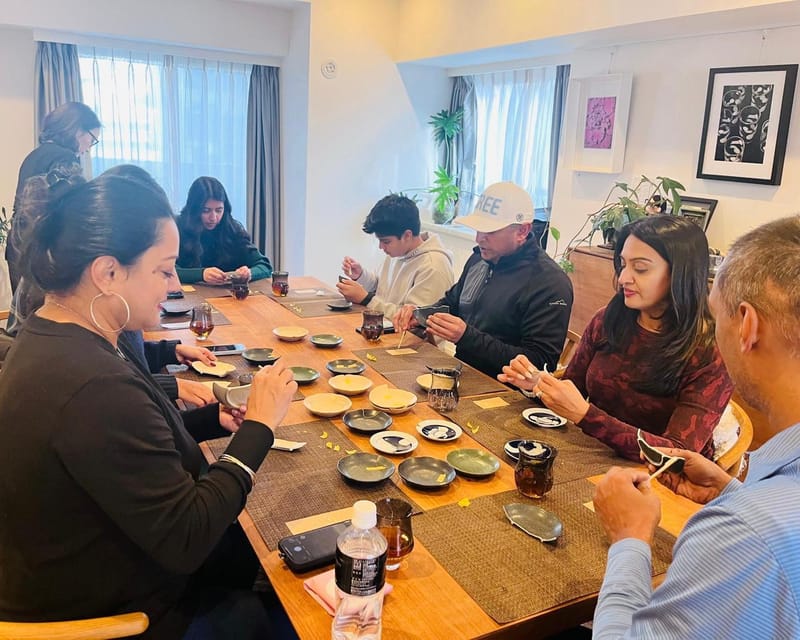
This is a 2-hour class, designed like a calm, guided sequence. Here’s how it typically unfolds, and why each step matters.
First comes matcha tea and seasonal Japanese sweets. This isn’t just a nice gesture. It sets the pace for the craft: kintsugi is about careful repair, patience, and accepting breakage as part of an object’s life. Then you’ll get an introduction explanation sheet, which helps you understand what you’re doing and why.
Next, you’ll select your crockery piece from the collection. That choice matters, because you’ll be staring at (and working on) this object for the whole session. Pick something that feels meaningful to you—something you’d genuinely want in your home or as a gift.
After that, your instructor demonstrates each step of the reassembly, repair, and restoration process. Then it’s your turn: you’ll go step-by-step under supervision, moving forward once you understand what the next action should look like. This is where the small class size earns its keep.
By the end, you package your restored crockery in a special gift box. I like that they plan for the take-home moment. It reduces stress and helps you leave with a souvenir that feels complete, not like you hurried the last detail.
What you’ll actually do with your broken crockery
Kintsugi has a poetic side. The workshop gives it a hands-on side. You’ll be working on crockery using the materials provided—no need to bring your own tools or supplies.
The class is built around learning the workflow: reassembly, repair, and restoration. Even without getting lost in jargon, you’ll see the logic behind each phase. Start with alignment and stability, then move into the repair work, then finish with restoration so the piece looks and feels like it belongs together again.
A key detail: this workshop uses modern, contemporary materials rather than traditional ones. That matters for you because it’s described as faster and safer, and it can lower the intimidation factor if you’ve heard about gold-lacquer methods in the past. You still get the look and philosophy of kintsugi—the repaired lines and the idea that damage can become part of the story.
Also, the instructor is teaching in English. That helps a lot if your Japanese is minimal (which is the usual scenario for many visitors). You won’t be forced to guess what comes next.
Not allowed: video recording. So plan on relying on your own notes and photos if you’re allowed to take them (the only stated restriction here is video recording).
The modern kintsugi philosophy: wabi-sabi, made practical
Wabi-sabi can feel like a vague art concept until you do something with it. Here, it’s translated into action.
The class frames repair as a form of acceptance. Instead of hiding the break, kintsugi treats the object’s history as visible and worth honoring. That’s why the pace is slow enough to feel deliberate. You don’t rush to finish. You learn to make each step look right, because the end result is part of the message.
What makes the session especially approachable is the contemporary approach. One reason people get hooked is that the technique feels learnable. You’re not stuck with materials that are only for experts or only for museums. You get proper guidance, step-by-step demonstrations, and tools prepared for you.
If you like crafts that combine meaning with technique, this is a good fit. If you just want a fast photo opportunity, you’ll likely find the workshop more satisfying than a typical quick stop—because you’re actively doing the thing, not watching the thing.
More hands-on studios our readers booked
- Tokyo Shinjuku Chopsticks Making Class★ 5.0 · 1,763 reviews
- Chopstick Making Workshop in Ginza★ 4.8 · 1,366 reviews
- Kintsugi Experience: Art of Golden Joinery in Tokyo★ 5.0 · 467 reviews
- Tokyo Chopstick Making Workshop with Artisan★ 5.0 · 466 reviews
- Tokyo: Shinjuku Chopstick Making Class★ 4.9 · 440 reviews
Small group teaching: why you’ll feel supported
With a maximum of 6 participants, you should expect more than “check-in once in a while.” This format gives the instructor room to watch your work and adjust what you’re doing.
From what’s described in participants’ experiences, the teacher hosts (including Michiko) and supporting staff like Yuki, Koto, and Rita often guide in a hands-on, attentive way. The vibe is warm and comfortable. People specifically call out how patient the instruction feels, and how the teacher’s guidance makes the steps easy to follow without hovering in a stressful way.
That balance is important. Too much distance, and you’re guessing. Too much hovering, and you’re self-conscious. The workshop seems to land in the sweet spot: surgeon-like tool handling (in a helpful way), quick responsiveness, and plenty of time for each student to practice the next step.
If you’re traveling solo, you’ll still get the class experience without feeling ignored. If you’re traveling with friends or family, the small group size also makes it easier for everyone to stay engaged instead of waiting around.
Cost and value: why $141 can make sense here
At $141 per person for 2 hours, this isn’t the cheapest activity in Shibuya. But the value comes from what you get for that time.
You’re paying for:
- Step-by-step instruction in English
- A small group format with hands-on supervision
- All materials needed for the repair and restoration
- A selected piece of crockery to restore
- Matcha tea and seasonal Japanese sweets
- An explanation sheet
- A special gift box for your finished souvenir
If you compare it to buying a decorative souvenir, you’re also buying a skill and a story. You’ll leave with something functional and personal—an object you repaired yourself, not just a made-for-tourist item. That’s usually what turns “craft class” money into “worth it” money.
Also, modern materials can reduce wasted time. If the workflow is faster and safer (as described), your 2-hour window is used efficiently. You get both learning and a finished piece without stretching the session into a full day.
What to wear, and what rules to remember
Simple setup, low friction. You don’t need to bring anything. The only suggested item is to wear comfortable clothes.
You should also plan around one clear restriction: no video recording. If you’re coming specifically to document your process, keep that in mind and rely on your photos (if permitted) or wait to share details later.
Children: the workshop isn’t suitable for children under 5. If you’re traveling with kids, this can still work for older children who like hands-on activities, but it’s worth matching expectations to the fact it’s a careful craft class with time and materials.
Late arrival: the rule is strict—arrive within 15 minutes of your reserved start time or you won’t be able to join.
Who should book this Shibuya kintsugi workshop
This workshop is a great match if you:
- Want a hands-on cultural experience in the middle of a busy Tokyo trip
- Like crafts where the final object matters
- Prefer small groups and personalized instruction
- Enjoy Japanese aesthetics and the wabi-sabi way of thinking
- Want a souvenir that feels personal and thoughtfully made
It’s also a good choice for couples or friends who want something calmer than a standard sightseeing block. And if you love food culture, the matcha and seasonal sweets add an extra layer beyond the craft itself.
You might skip it if you need a very flexible schedule, because the session timing and the late cutoff are firm. You might also rethink if you dislike careful, detail-focused activities.
Should you book this Shibuya kintsugi workshop?
Yes, if you want a guided craft session that ends with a real take-home souvenir. The small group size, English teaching, and step-by-step supervision are the big reasons to choose this over generic “look and learn” classes. Pair that with matcha, seasonal sweets, and a studio tucked up from the Shibuya noise, and you get an experience that feels focused without being stiff.
Book it when you can arrive on time. Plan your transportation with a buffer, and give yourself a few minutes to find the entrance on the main street. If you do that, you’ll spend two hours making something meaningful—and you’ll likely want to keep repairing at home afterward, not just admire it once.
FAQ
Where is the meeting point for mon cadeau in Shibuya?
You’ll meet outside the mon cadeau studio next door to the Central Hospital Annex building at the top of Bunkamura-dori on Shoto 2-Chome Crossing, about 5 minutes before your lesson starts.
How long is the workshop?
The workshop lasts 2 hours.
What language is used for instruction?
The instructor teaches in English.
How many people are in the class?
The class is a small group with a limit of 6 participants.
What is included in the price?
Matcha tea, seasonal sweets, an introduction explanation sheet, all restoration and repair materials, and a piece of crockery for you to repair.
Do I need to bring anything?
No. You do not need to bring anything; just wear comfortable clothes.
Is video recording allowed during the workshop?
No, video recording is not allowed.
What happens if I arrive late?
You won’t be able to join the class if you arrive more than 15 minutes past your reserved start time.
Is this workshop suitable for young children?
It is not suitable for children under 5 years old.
More Tour Reviews in Tokyo
- Mt Fuji and Hakone 1-Day Bus Tour Return by Bullet Train
★ 5.0 · 26,383 reviews - 1-Day Tokyo Bus Tour
★ 5.0 · 14,250 reviews - Tokyo: teamLab Planets TOKYO Digital Art Museum Entry Ticket
★ 4.6 · 9,779 reviews - Mt Fuji & Hakone Cruise, Drum Show Bullet Train 1 Day from Tokyo
★ 4.0 · 7,413 reviews - Tokyo: Shinjuku Food Tour (13 Dishes at 4 Local Eateries)
★ 5.0 · 6,603 reviews
More Artisan Workshops in Tokyo
- Tokyo Shinjuku Chopsticks Making Class
★ 5.0 · 1,763 reviews - Chopstick Making Workshop in Ginza
★ 4.8 · 1,366 reviews - Kintsugi Experience: Art of Golden Joinery in Tokyo
★ 5.0 · 467 reviews - Tokyo Chopstick Making Workshop with Artisan
★ 5.0 · 466 reviews - Tokyo: Shinjuku Chopstick Making Class
★ 4.9 · 440 reviews
More Around Shibuya Crossing
- Official Street Go-Kart in Shibuya
★ 5.0 · 3,435 reviews - Tokyo: Street Kart Experience in Shibuya
★ 4.9 · 1,484 reviews - Shibuya Meltdown Nightlife Tour: All-You-Can-Drink Bar Hopping
★ 5.0 · 1,058 reviews - Shibuya Official Street Go-Kart in Shibuya Annex
★ 5.0 · 972 reviews - Tokyo: Shibuya Food Tour (13 dishes and 4 Eateries)
★ 5.0 · 770 reviews
Latest Tokyo reviews off our desk




Shibuya Experiences, compared.
 ★ 5.0Official Street Go-Kart in ShibuyaFrom $763,435 reviews
 ★ 4.9Street Kart Experience in ShibuyaFrom $741,484 reviews
 ★ 5.0Shibuya Meltdown Nightlife Tour: All-You-Can-Drink Bar HoppingFrom $1061,058 reviews
 ★ 5.0Shibuya Official Street Go-Kart in Shibuya AnnexFrom $69972 reviews
 ★ 5.0Shibuya Food Tour (13 dishes and 4 Eateries)From $77770 reviews
 ★ 5.0Best of Shibuya Food TourFrom $217612 reviews
 ★ 4.8Shibuya Highlights Walking TourFrom $19601 reviews
 ★ 4.7Premium Go-Kart Tour with Tower & Shibuya CrossingFrom $116528 reviews
Browse the lists this tour appears in