
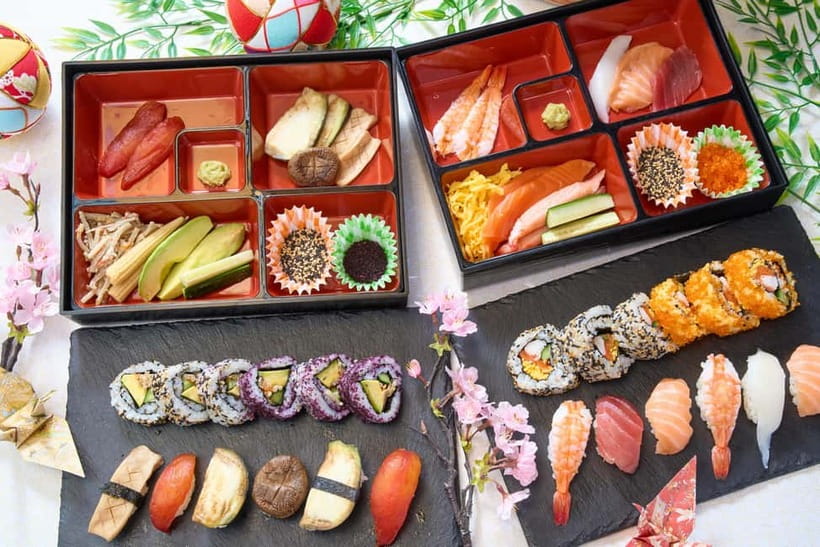
Reviewed · SHIBUYA EXPERIENCES
Shibuya Tokyo: Sushi Making Class (Vegan/Vegetarian/Halal)
Tokyo can be a lot. This class makes it tasty and manageable. Right in Shibuya, you get an English-led, hands-on session where you learn to make vegan/vegetarian sushi from fresh ingredients, then eat it in a clean, friendly studio. I especially like the structure: a short quiz first, then clear steps for rolling and nigiri without any stress.
My main caution is simple: if you’re set on a very specific ingredient or format, the class can’t adjust the menu on the day, so you’ll want to flag dietary needs when you book. Also, audio recording isn’t allowed, so plan to rely on photos and your own notes.
In This Review
- Key highlights to know before you go
- Why Shibuya sushi class is a smart Tokyo food plan
- What you’ll make: California rolls and nigiri (plant-based)
- The 90-minute flow: quiz, rolling, forming, then eating
- Ingredients and technique tips that actually help at home
- Dietary options: vegan, vegetarian, halal-friendly, gluten-free
- Shibuya location and timing: the 7-minute walk advantage
- English-speaking instructors and the feel of the room
- Price and value: is $58 worth it?
- Who should book this vegan/vegetarian/halal sushi class?
- Practical rules to keep it smooth
- Should you book this Shibuya vegan sushi making class?
- FAQ
- How long is the sushi-making class?
- How much does the class cost?
- Where is the class located?
- Is the class offered in English?
- Can I choose vegan, vegetarian, or halal options?
- Is there a gluten-free option?
- What sushi do you make during the class?
- Do you include a sushi history quiz?
- Are audio recordings allowed during the class?
- Is it possible to change the menu on the day of the class?
Key highlights to know before you go
- Shibuya Station is close: about a 7-minute walk, so it fits well even on a packed day
- You make both rolls and nigiri: California rolls plus nigiri are part of the hands-on lesson
- Diet-friendly options: vegan, vegetarian, halal-friendly, and gluten-free options are available
- English-speaking instruction: friendly local instructors guide you step-by-step
- A sushi history warm-up: a quiz about sushi culture before you start cooking
- You eat what you make: sit down, taste, and take photos before diving in
Why Shibuya sushi class is a smart Tokyo food plan
If you like Japan’s food culture, but you also hate long, complicated plans, this kind of class is a sweet spot. You get a real activity in the middle of Tokyo’s most recognizable neighborhood, without needing reservations at a hard-to-get restaurant.
Shibuya is also the right place for this because it’s easy to combine. You can do this before dinner, after shopping, or as your one fully planned moment in a city where everything else is spontaneous. The best part is how practical it is: you’re not just watching. You’re making food that you can later try to recreate at home.
And you won’t be left guessing what to do. The class is taught in English by a local instructor team, so even if your Japanese is limited (like mine would be), you can still follow the process and ask questions.
More booked around Shibuya Crossing
- Official Street Go-Kart in Shibuya
★ 5.0 · 3,435 reviews - Tokyo: Street Kart Experience in Shibuya
★ 4.9 · 1,484 reviews - Shibuya Meltdown Nightlife Tour: All-You-Can-Drink Bar Hopping
★ 5.0 · 1,058 reviews - Shibuya Official Street Go-Kart in Shibuya Annex
★ 5.0 · 972 reviews
What you’ll make: California rolls and nigiri (plant-based)
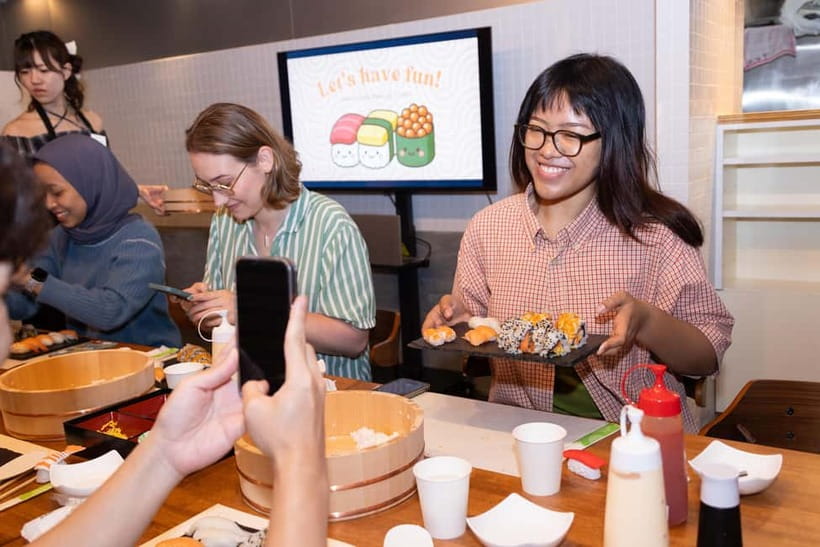
This class focuses on two sushi formats: California rolls and nigiri. That pairing matters. Rolls teach you how to work with fillings, rolling pressure, and neat shapes. Nigiri teaches a different skill set—how to shape rice and top it with ingredients so it looks right and eats well.
For the vegan and vegetarian versions, you’ll work with fresh produce options such as eggplant, mushroom, tomato, and avocado. That ingredient list is a big deal for two reasons. First, it makes the class feel like real Japanese cooking rather than a simplified substitute. Second, it gives you flavors and textures you can recognize even if you’ve never had plant-based sushi before.
If you choose halal-friendly or gluten-free options, you’ll want to confirm details when booking, but the important point is that the experience is designed to accommodate different diets. You’re not stuck eating a default menu that doesn’t match your needs.
The 90-minute flow: quiz, rolling, forming, then eating
This is a 90-minute class, so the pace is focused. You’ll start with a short welcome quiz about the history of sushi. It’s not a lecture. It’s a fun warm-up that gets everyone talking and helps you pay attention once you’re handling ingredients and rice.
Then you move into the hands-on part. Your instructor guides you through key ingredients and practical techniques for rolling, so you get better control over how things stay together and how the sushi looks. After that, you make nigiri and learn the steps needed to form it properly.
Finally, you eat. That part can sound obvious, but in many classes the lesson takes over and the meal feels rushed. Here, you sit down and taste the results. Staff are also happy to take photos of your sushi before you dig in, which is a nice touch if you want something visual to remember the day.
Ingredients and technique tips that actually help at home
Even if you’ve never rolled sushi before, the class is built for beginners. The teaching style is friendly and patient, and the goal is clear: you should be able to reproduce the basics later.
Here’s what you can pay attention to while you’re in the kitchen—these are the skills that translate best:
- Rice handling: sushi rice is the foundation. If it’s too dry or uneven, the whole roll suffers. Watch for guidance on how to keep the grains workable without making a sticky mess.
- Rolling consistency: for California rolls, the most common mistake is overstuffing or pressing too hard. Focus on how your instructor positions fillings and applies even pressure.
- Nigiri shaping: nigiri looks simple, but the rice needs a firm, tidy form. The class teaches how to shape it so the topping sits correctly.
- Flavor balance in plant-based toppings: vegan and vegetarian sushi can taste like vegetables, or it can taste like sushi. The difference is technique and seasoning choices. You’ll be guided on ingredients and tips to get that sushi result.
After class, you’re taking home more than recipes. You’re leaving with a repeatable workflow: rice, fillings, rolling, shaping, topping, and serving. That makes the class feel like a skill purchase, not just a one-time meal.
Dietary options: vegan, vegetarian, halal-friendly, gluten-free
I really like that this class spells out dietary flexibility upfront. You can choose vegan, vegetarian, halal-friendly, and a gluten-free option during booking. That’s a big deal in Japan, where it can be hard to find consistent options unless you have very clear language or a plan.
The most practical advice: indicate your food preferences and restrictions when you book. The class can accommodate needs, but it’s not the kind of activity where you want to figure everything out on arrival. Also, menu changes can’t be handled on the day of the activity, so don’t count on swapping ingredients at the last minute.
If you have allergies or strong dietary limits, this kind of structured class is often easier than eating out because the process is controlled and you can ask direct questions. The staff have a reputation for being accommodating and making people feel comfortable, which matters when you’re managing dietary needs.
More sushi counters to book, ranked
- Sushi Making Tokyo Roll and Authentic Japanese Sushi Class★ 5.0 · 3,971 reviews
- Tokyo: Roll and Authentic Sushi Making Class in Asakusa★ 4.9 · 1,957 reviews
- Make Sushi and Create Unforgettable Memories in Tokyo★ 5.0 · 1,413 reviews
- Tokyo: Sushi Making Class in a Happi Coat near a Famous Spot★ 4.9 · 1,377 reviews
- Tokyo: Tsukiji Fish Market Sushi Making Class with Pro Chef★ 4.9 · 506 reviews
Shibuya location and timing: the 7-minute walk advantage
The studio is in the heart of Shibuya, about a 7-minute walk from Shibuya Station. That’s ideal if you want to avoid the usual Tokyo problem: time disappearing into trains, transfers, and wandering.
Practically, it means you can plan around it. For example:
- Go earlier in the day if you want a relaxed start before you meet friends.
- Pair it with Shibuya shopping, then come back for a warm, indoor activity.
- If you’re doing nightlife in Shibuya later, this class can be your calm anchor first.
One small thing to remember: the meeting point may vary depending on the option booked. So double-check your exact meeting spot before you head out, and give yourself a little buffer. In a neighborhood like Shibuya, that extra time buys you calm.
English-speaking instructors and the feel of the room
This is an instructor-led class with English support, and you’ll feel the difference quickly. When staff are friendly and clear, the difference shows up in your food. It also shows up in your comfort level. Many people worry about messing up, but a well-run sushi class makes the process feel doable.
Names like Momoyo and Kaito come up with especially positive feedback. What you can take from that pattern is that the teaching style is conversational and supportive, not stiff. Expect guidance you can follow step-by-step, plus small bits of sushi culture to keep it interesting.
Also, the space is described as clean and pleasant to work in. For a cooking activity, that matters more than you might think. It makes the experience feel safe, calm, and easy to focus on.
Price and value: is $58 worth it?
At $58 per person for 90 minutes, you’re paying for four things: instruction, ingredients, tools, and the meal you eat. If you compare that to the cost of ingredients plus a cooking workshop somewhere else in a major city, the pricing feels reasonable for what you get.
The real value isn’t only the food. It’s the combination of:
- learning two sushi styles (rolls and nigiri),
- working with real produce-based fillings,
- getting diet-friendly options handled through the same class format,
- and leaving with skills you can try again.
If you love food but you also like learning, this is a solid buy. If you only want a quick snack, it’s probably not the right fit. But if you want an activity that results in an actual meal and a take-home skill, it’s a strong use of time.
Who should book this vegan/vegetarian/halal sushi class?
This class fits best if you want hands-on Tokyo without the stress of finding the perfect restaurant. It’s a good choice for:
- vegans and vegetarians who want sushi that feels authentic in technique, not just a substitute
- people traveling with dietary needs (halal or gluten-free) who want a structured option
- couples or solo visitors who want a memorable activity that isn’t dependent on reservations
- food lovers who enjoy learning by doing, not only watching
It may be less ideal if you want a super long course, a deep technical training, or a menu that can be customized on the spot. The format is short and focused.
And if you’re the type who hates being in a small shared space—any cooking class can have that energy—you should be aware of that going in. Still, the overall vibe is described as relaxed and welcoming, so it doesn’t feel intense.
Practical rules to keep it smooth
Before you go, there are a few details that can affect your experience:
- Audio recording is not allowed, so rely on photos instead.
- Menu changes aren’t accommodated on the day. Set your preferences when booking.
- Indicate your dietary restrictions in advance so the team can prepare the right version for you.
- The lesson uses tools and utensils provided, so you don’t need to bring anything except yourself and a calm attitude.
Also, the exact meeting point can vary by option booked. Plan to arrive a few minutes early so you can find your way without stress.
Should you book this Shibuya vegan sushi making class?
Yes, I’d book it if your priority is a real cooking experience in a top Tokyo neighborhood, with English instruction and plant-based sushi that you actually make and eat. The combination of California rolls plus nigiri, plus diet-friendly options, makes it feel practical rather than performative.
I’d think twice if you need last-minute menu changes or if you’re looking for something more open-ended than a structured 90-minute lesson. Short classes move fast by design.
If you want an easy win—something fun, learnable, and delicious—this is the kind of activity that makes your Tokyo day feel complete.
FAQ
How long is the sushi-making class?
It runs for 90 minutes.
How much does the class cost?
The price is $58 per person.
Where is the class located?
It’s in the heart of Shibuya, and it’s about a 7-minute walk from Shibuya Station.
Is the class offered in English?
Yes. The instructor speaks English.
Can I choose vegan, vegetarian, or halal options?
Yes. Vegan, vegetarian, and halal-friendly options are available if you indicate your needs when booking.
Is there a gluten-free option?
Yes, a gluten-free option is available.
What sushi do you make during the class?
You make California rolls and nigiri as part of the hands-on lesson.
Do you include a sushi history quiz?
Yes. The class includes a fun welcome quiz about the history of sushi before you start cooking.
Are audio recordings allowed during the class?
No. Audio recording is not allowed.
Is it possible to change the menu on the day of the class?
No. Menu changes cannot be accommodated on the day of the activity.
More Tour Reviews in Tokyo
- Mt Fuji and Hakone 1-Day Bus Tour Return by Bullet Train
★ 5.0 · 26,383 reviews - 1-Day Tokyo Bus Tour
★ 5.0 · 14,250 reviews - Tokyo: teamLab Planets TOKYO Digital Art Museum Entry Ticket
★ 4.6 · 9,779 reviews - Mt Fuji & Hakone Cruise, Drum Show Bullet Train 1 Day from Tokyo
★ 4.0 · 7,413 reviews - Tokyo: Shinjuku Food Tour (13 Dishes at 4 Local Eateries)
★ 5.0 · 6,603 reviews
More Sushi Counters to Book
- Sushi Making Tokyo Roll and Authentic Japanese Sushi Class
★ 5.0 · 3,971 reviews - Tokyo: Roll and Authentic Sushi Making Class in Asakusa
★ 4.9 · 1,957 reviews - Make Sushi and Create Unforgettable Memories in Tokyo
★ 5.0 · 1,413 reviews - Tokyo: Sushi Making Class in a Happi Coat near a Famous Spot
★ 4.9 · 1,377 reviews - Tokyo Sushi Making Class in Tsukiji with Professional Chef
★ 5.0 · 1,177 reviews
More Around Shibuya Crossing
- Official Street Go-Kart in Shibuya
★ 5.0 · 3,435 reviews - Tokyo: Street Kart Experience in Shibuya
★ 4.9 · 1,484 reviews - Shibuya Meltdown Nightlife Tour: All-You-Can-Drink Bar Hopping
★ 5.0 · 1,058 reviews - Shibuya Official Street Go-Kart in Shibuya Annex
★ 5.0 · 972 reviews - Tokyo: Shibuya Food Tour (13 dishes and 4 Eateries)
★ 5.0 · 770 reviews
Latest Tokyo reviews off our desk






Shibuya Experiences, compared.
 ★ 5.0Official Street Go-Kart in ShibuyaFrom $763,435 reviews
 ★ 4.9Street Kart Experience in ShibuyaFrom $741,484 reviews
 ★ 5.0Shibuya Meltdown Nightlife Tour: All-You-Can-Drink Bar HoppingFrom $1061,058 reviews
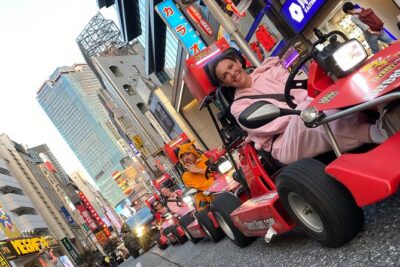 ★ 5.0Shibuya Official Street Go-Kart in Shibuya AnnexFrom $69972 reviews
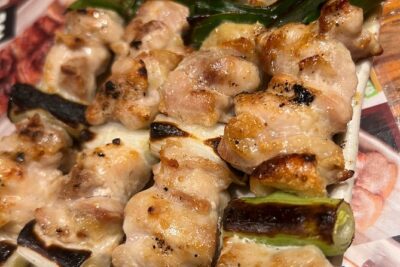 ★ 5.0Shibuya Food Tour (13 dishes and 4 Eateries)From $77770 reviews
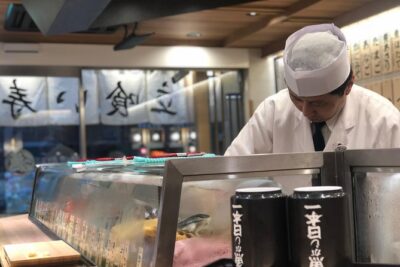 ★ 5.0Best of Shibuya Food TourFrom $217612 reviews
 ★ 4.8Shibuya Highlights Walking TourFrom $19601 reviews
 ★ 4.7Premium Go-Kart Tour with Tower & Shibuya CrossingFrom $116528 reviews
Browse the lists this tour appears in