
Reviewed · SHINJUKU FOOD & BAR TOURS
Shinjuku Tokyo: Authentic Japanese Home-Style Culinary Class
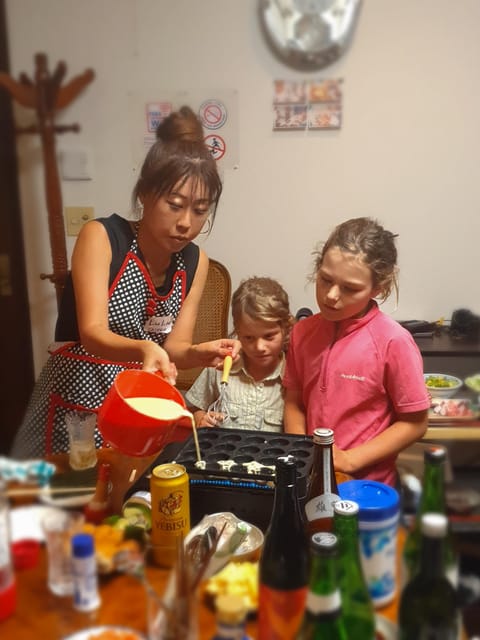
Tokyo dinner gets real fast. This Shinjuku-area class is hands-on Japanese home cooking, led in English, with you making several dishes and then eating what you cooked. I especially like the menu choices (from okonomiyaki and takoyaki to sushi rolls and a gozen set) and the way instructors bring in ingredient know-how so you’re not just following steps.
One thing to consider: your exact menu choice can depend on how many groups are in the studio that day, and the address comes after booking, so plan for a quick message back-and-forth to find the right door.
In This Review
- Key highlights worth prioritizing
- Cooking Like a Tokyo Home Cook, Near Shinjuku
- Choosing Your Menu: Okonomiyaki, Gyoza, Takoyaki, Sushi Rolls, Teriyaki, Gozen
- Inside the 150 Minutes: From Prep to Plating
- What You Learn Beyond the Recipe (The Stuff That Makes It Repeatable)
- Dietary Needs and Allergies: Plan It Like a Pro
- Tools, Studio Setup, and Finding the Place
- Price and Value: Is $88 Worth It?
- Who This Shinjuku Class Suits Best
- Should You Book This Shinjuku Home-Style Culinary Class?
- FAQ
- How long is the cooking class in Shinjuku?
- Where do I meet the instructor?
- What menu options can I choose?
- Does the class accommodate vegetarians or vegans?
- What’s included in the price?
- Is transportation included?
Key highlights worth prioritizing
- Right by Shinjuku: You’re in central Tokyo, with the exact studio address sent after you book.
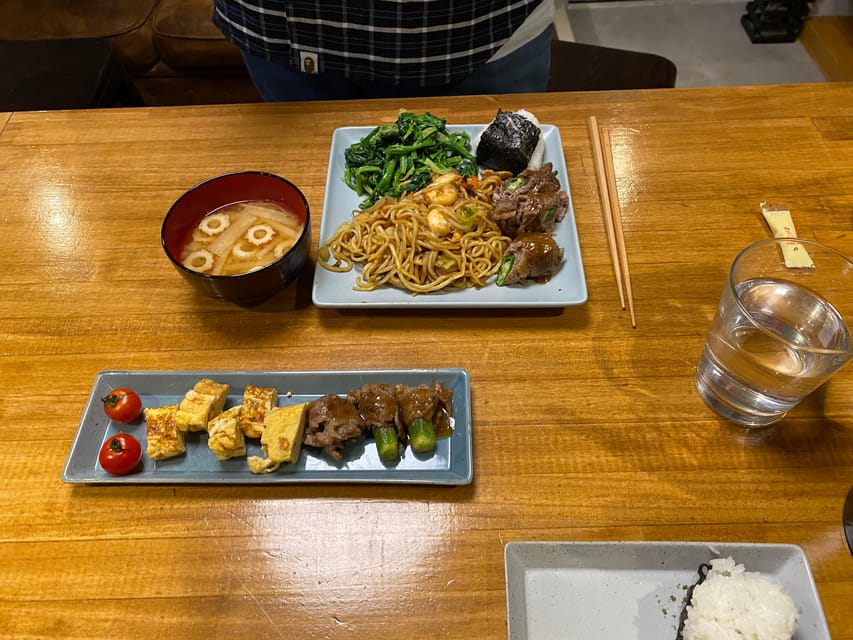
- Pick your menu from popular Japanese favorites: Okonomiyaki/yakisoba, gyoza/takoyaki, rolled sushi/teriyaki, or a gozen set.
- Hands-on cooking, not a lecture: You’ll prep and cook, then sit down for the meal you made.
- Diet-friendly planning: They accommodate vegetarians/vegans and can discuss allergies if you tell them in advance.
- English instruction with real Q and A time: Many classes feel personal, with instructors like Kana, Kayo, and Lulu (plus assistants such as Yuki) helping you through technique.
Cooking Like a Tokyo Home Cook, Near Shinjuku
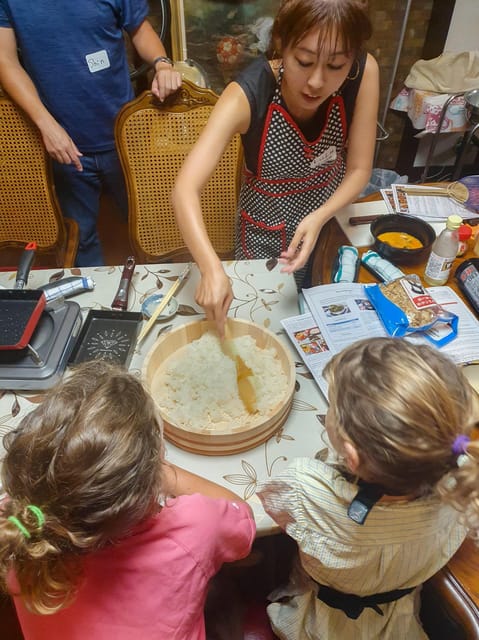
This is the kind of activity that makes Tokyo feel less like a museum and more like a working kitchen. You’ll spend about 150 minutes cooking and then enjoy the meal together—so you’re not just learning words like miso, teriyaki, or teppan. You’re doing the real steps with guidance.
What makes it especially appealing is how close it stays to everyday Japanese food. The menus are Japan’s known, loved dishes, but you’re cooking them in a home-style way, where the small decisions matter—how you build flavor, what texture you’re aiming for, and how you season without overthinking it.
I also like the small touch of flexibility. If you’ve got special requests (menu tweaks or dietary needs), the instructors can work with you—just communicate it early so they can discuss what options will be available.
The studio is in or around Shinjuku, and the exact address is shared after booking. That’s normal in Tokyo, but it does mean you should keep your phone handy and follow the message instructions closely.
More Shinjuku plates and pours our readers rated
- Tokyo: Shinjuku Food Tour (13 Dishes at 4 Local Eateries)
★ 5.0 · 6,603 reviews - Tokyo Bar Hopping Tour in Shinjuku (All-You-Can-Drink + Dinner)
★ 5.0 · 3,587 reviews - Tokyo: Shinjuku Food Tour (15 Dishes and 4 Eateries)
★ 4.9 · 2,033 reviews - Best of Shinjuku: Izakaya Food Tour (4 Stops, 14+ Tastings)
★ 5.0 · 1,863 reviews
Choosing Your Menu: Okonomiyaki, Gyoza, Takoyaki, Sushi Rolls, Teriyaki, Gozen
The class is built around menu selection. When you book, you choose one of the menu options, and ingredients are prepared ahead of time in certain cases—especially if you’re the only group scheduled that day. If another group shares the session, menu choice may be limited, so don’t wait until the last second to lock in what you want.
Here’s what each menu path typically gives you:
Menu A: Okonomiyaki and yakisoba set
Okonomiyaki is a savory batter-and-cabbage setup cooked on a teppan-grill style surface, topped and sauced to match your preferences. Yakisoba comes with ramen noodles stir-fried with vegetables and commonly paired with seafood or pork, plus that sweet-savory sauce vibe. This is a great pick if you want a fun, hot-and-skillet type experience.
Menu B: Gyoza and takoyaki set
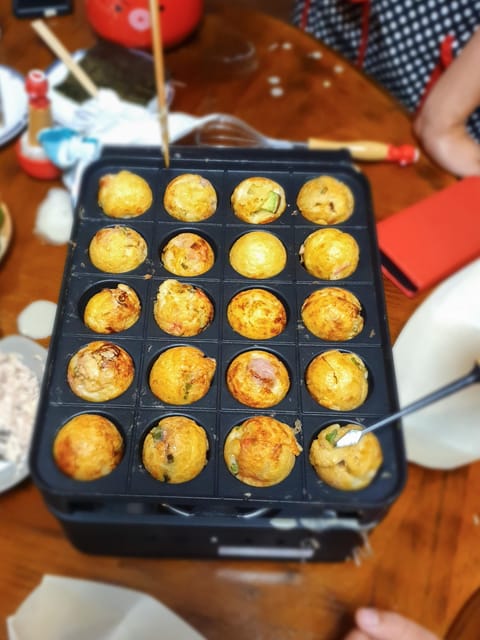
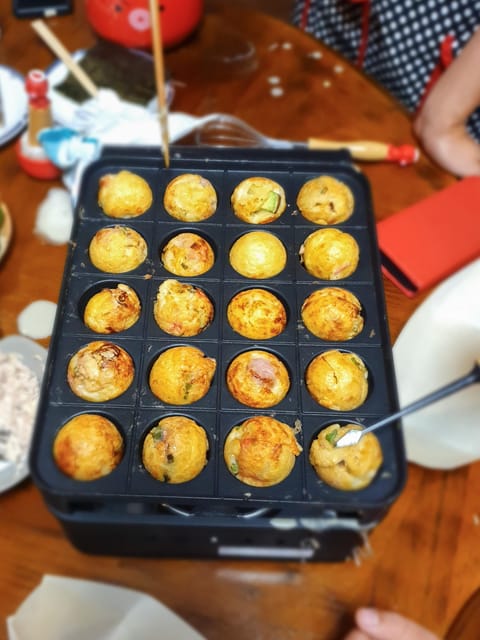
Gyoza is pan-fried crispy on the outside, with juicy filling inside. Takoyaki is famous from Osaka and many summer festivals—small dumplings cooked in a special mold shape, usually with a tasty savory batter base. If you like finger-food energy and crispy edges, this menu is a crowd-pleaser.
Menu C: Rolled sushi and teriyaki set
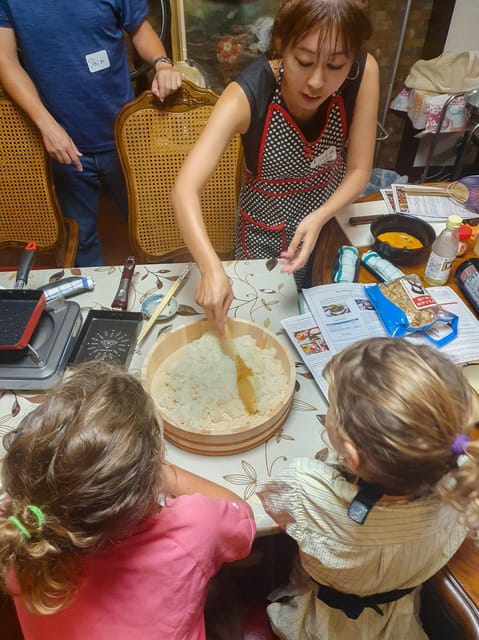
This is the option for sushi lovers who want to stop relying on pre-made rolls. You’ll roll and chop your own sushi pieces, then pair them with yellowtail or chicken teriyaki and miso soup. The key value here is learning the workflow—rolling, portioning, and tasting—so you can repeat it at home.
Menu D: Traditional gozen set
Gozen is a “a little of everything” Japanese meal: a meat plate, a fish plate, a side dish, miso soup, and an onigiri rice ball. It’s ideal if you want the broadest sampler of home-style flavors without choosing one dish and hoping it’s your favorite.
Menu E: Request-based option
If you request a menu, you discuss and decide together with the instructor. This is a helpful route if you’ve got a strong preference or you’re trying to match your food comfort zone.
In my view, the best way to choose is simple: pick based on what you can’t easily recreate from a package. Sushi rolling, takoyaki molds, crispy gyoza technique—those are the skills that tend to stick.
Inside the 150 Minutes: From Prep to Plating
You’ll meet at the kitchen studio in or around Shinjuku, then get set up with an English-speaking instructor. The class is structured so you actively cook through the meal, with step-by-step guidance. Several people noted the instructions were clear and the hosts were patient, including instructors such as Kana, Kayo, Mika, Lulu, Miyuki, and assistants like Yuki.
Even though the exact flow varies by menu, the pacing stays similar:
First you get organized: ingredients and tools are in front of you, and the instructor explains what you’re making and why each step matters. Then you start cooking—batter management for okonomiyaki, pan timing for gyoza, mold-and-fill technique for takoyaki, or rolling and chopping for sushi. As you work, you’ll get technique coaching and ingredient context.
Finally, you eat what you made. Many participants come away full for a long time because you don’t just taste small bites—you build an actual meal. That’s a big deal in Tokyo, where “snack meals” are everywhere. Here, food is the point, and the quantity matches the price.
One more practical upside: you’ll usually get take-home support in some form. People mentioned receiving recipes and sometimes photos from the experience, which makes it much easier to repeat the dishes later instead of relying on memory.
What You Learn Beyond the Recipe (The Stuff That Makes It Repeatable)
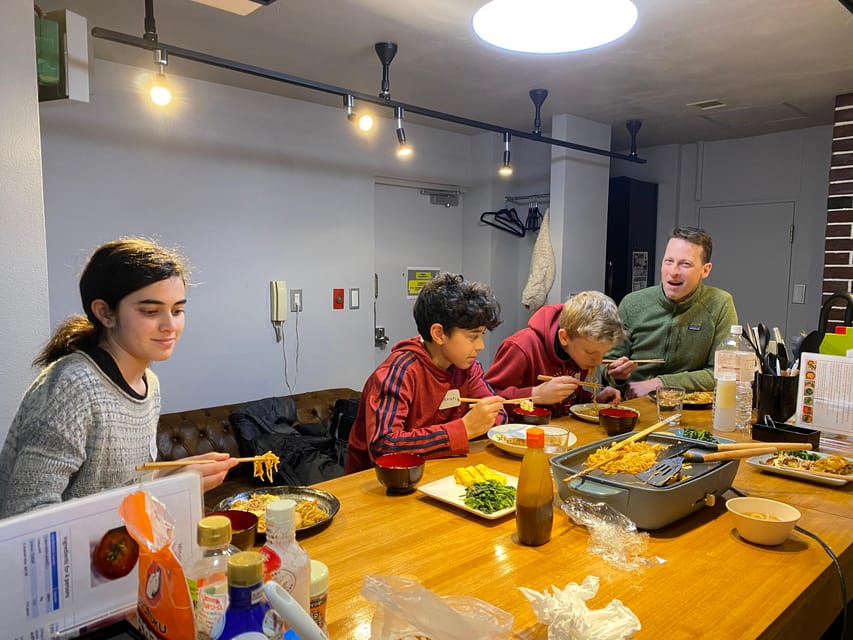
This isn’t just about following a recipe once. You’re learning the logic behind Japanese home cooking—how textures and flavors are built.
For example, with okonomiyaki and yakisoba, you learn the feel of batter and how the hot surface affects cooking speed. With gyoza, you learn the pan-fry timing that gets you crisp without burning. With takoyaki, you learn how the dumplings form as the batter cooks in a mold—so you stop treating them like a mystery snack.
For sushi and teriyaki, it helps that the instructor explains ingredient roles. Yellowtail or chicken teriyaki isn’t just “sweet sauce on meat.” You learn what makes it taste right and how to pair it with miso soup for a balanced meal.
And with gozen, you learn how Japanese meals think in sets: miso soup for comfort, an onigiri for simplicity, and a side dish that rounds out the flavors. That’s a useful mental model if you cook at home and want your meals to feel intentional instead of random.
Also, the English instruction matters. If you’re nervous about language, this class reduces friction. It’s much easier to ask follow-up questions when you can talk about ingredients, substitutions, and technique timing.
Dietary Needs and Allergies: Plan It Like a Pro
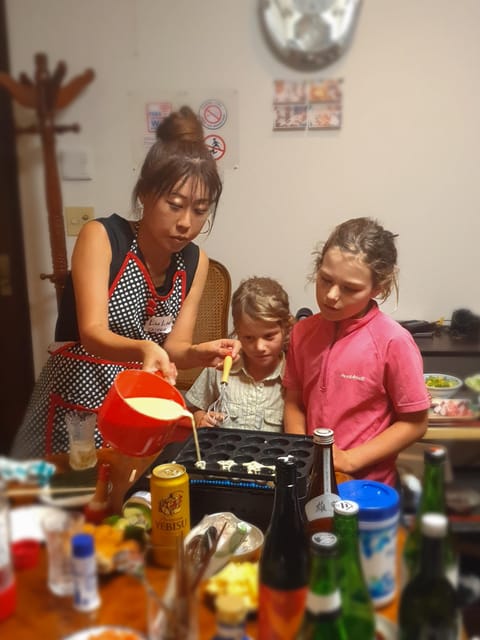
If you eat vegetarian or vegan, this is one of the better Tokyo food classes to consider. The experience is designed to accommodate dietary preferences, including vegetarians or vegans. That doesn’t mean every exact menu can be turned into every exact version, but it does mean they’re set up to discuss options rather than hand you an awkward “sorry.”
For allergies, you’ll want to message ahead. The class asks you to let them know in advance so they can discuss the menu and what options will be available. I also like that they frame this as a conversation, not a last-minute scramble.
Practical tip: when you contact them, list your allergy plainly and also tell them which dishes you’re interested in. That way they can steer menu selection early, especially important if your menu choice might be affected when another group is in the studio.
If you’re not sure how strict your dietary needs are, use clear language. Better to over-explain once than to guess and get surprised later.
Readers also shortlisted these Tokyo bookings:
- Sushi Making Tokyo Roll and Authentic Japanese Sushi Class★ 5.0 · 3,971 reviews
- Tokyo: Roll and Authentic Sushi Making Class in Asakusa★ 4.9 · 1,957 reviews
- Tokyo Shinjuku Chopsticks Making Class★ 5.0 · 1,763 reviews
- Tokyo: Sushi Making Class in a Happi Coat near a Famous Spot★ 4.9 · 1,377 reviews
- Chopstick Making Workshop in Ginza★ 4.8 · 1,366 reviews
Tools, Studio Setup, and Finding the Place
You’ll get cooking tools and ingredients included, plus drinking water. That means you aren’t hauling kitchen gear through Shinjuku, and you’re not paying extra for basic materials.
The studio address is provided after booking. That’s efficient for organizers, but it can be tricky in Tokyo buildings where entrances vary. One thing I’d do: after you book, keep an eye on the message thread and plan extra time for arrival. If the place is inside a multi-unit building, you may need to follow the instructions exactly to get in.
Once you’re inside, the experience feels organized and warm. People highlighted how friendly and welcoming the hosts were, and how easy it was to ask questions. Some even described the class as private or small enough that they had lots of individual attention—especially when they were the only group that day.
Price and Value: Is $88 Worth It?
At $88 per person for about 150 minutes, this class competes with a good sit-down meal in Tokyo—except you get something extra: skills you can use again, and a full meal you cooked yourself.
For value, I think it comes down to three things:
You get real technique, not just photos. Rolling sushi, pan-frying gyoza, and building okonomiyaki batter are learnable actions. Even if you can find a similar dish at a restaurant, you can’t easily buy “the method” the same way.
Included ingredients and tools lower your risk. You’re paying for the whole cooking process. That’s different from half-day tours where you’re still paying for most food separately.
You eat what you make. The servings tend to be satisfying. You’re not leaving hungry or stuck hunting down dinner plans after cooking for 2.5 hours.
The one reason you might hesitate is if you prefer watching over cooking. A few people said they wanted more hands-on time compared to explanation-only moments. If you know you want lots of action at the stove, choose your menu based on dishes you’re excited to physically make.
Who This Shinjuku Class Suits Best
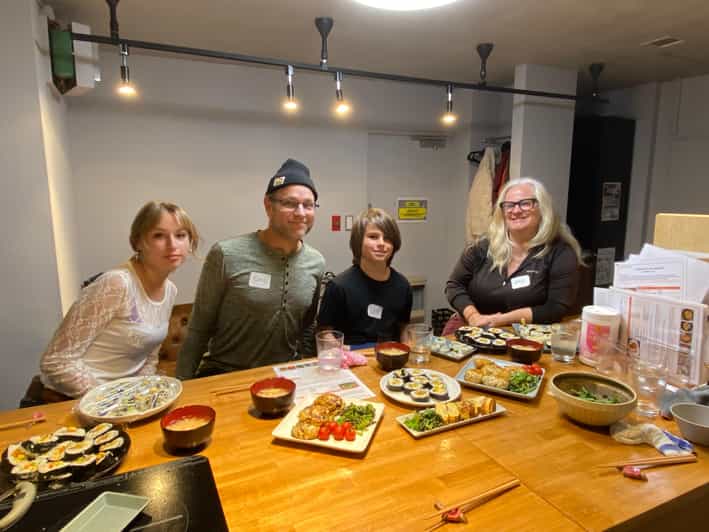
This experience is a strong fit if you want Japanese food that feels personal and practical. It’s especially good for:
- Food lovers who want to cook famous dishes like takoyaki, gyoza, and okonomiyaki instead of just ordering them.
- Travelers who like learning ingredient roles—miso, sauces, and seasoning logic—so you can replicate flavors at home.
- People with dietary needs who want a class that can discuss accommodations rather than hand you a generic alternative.
- Families and mixed groups. Several participants said it worked well for kids too, mainly because instructors explained patiently and kept the experience interactive.
It might be less ideal if you want a huge sightseeing component. This is a food class first. You’re in the studio cooking and then eating, not moving through multiple Tokyo neighborhoods.
Should You Book This Shinjuku Home-Style Culinary Class?
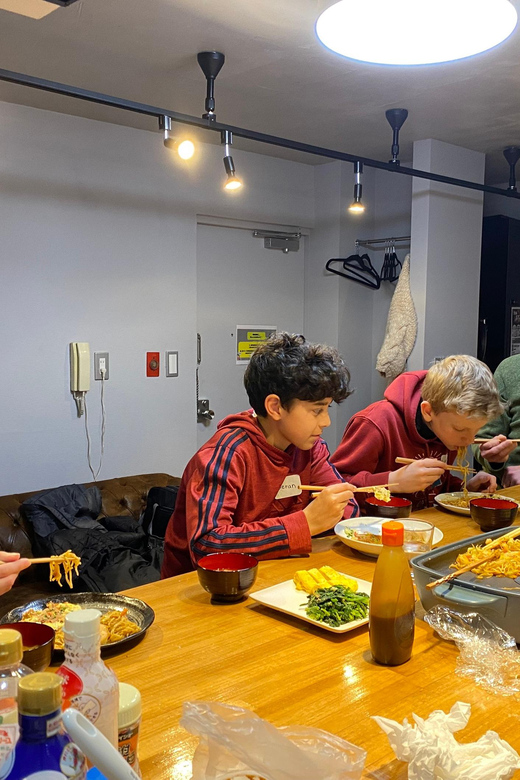
My honest take: book it if you want a Tokyo meal with hands-on payoff. The class checks the boxes that matter—great menu options, English instruction, included tools and ingredients, and dietary conversation for vegetarians/vegans and allergy planning.
I’d especially book it if you’re staying near Shinjuku and you want something that feels more like local life than a standard restaurant stop. And if you’re the type who buys one kitchen gadget after cooking class—well, you’ll understand why.
Hold off or ask extra questions if you have very specific allergies and you want confirmation of exact substitutions, or if you’re worried about sharing the session with another group affecting menu choice. Send your details early, and you’ll set yourself up for a smoother experience.
FAQ
How long is the cooking class in Shinjuku?
The class duration is 150 minutes.
Where do I meet the instructor?
You meet at the kitchen studio in or around Shinjuku, Tokyo. The exact address is shared after you book.
What menu options can I choose?
You can choose one of several menu options, including: okonomiyaki and yakisoba set, gyoza and takoyaki set, rolled sushi and teriyaki set, or a traditional gozen set. There’s also an option to request a menu and discuss it together.
Does the class accommodate vegetarians or vegans?
Yes. The experience is designed to accommodate dietary preferences, including vegetarians or vegans.
What’s included in the price?
Included are cooking tools, ingredients, drinking water, and all fees and taxes.
Is transportation included?
No. Private transportation is not included.
More Workshops in Tokyo
- Sushi Making Tokyo Roll and Authentic Japanese Sushi Class
★ 5.0 · 3,971 reviews - Tokyo: Roll and Authentic Sushi Making Class in Asakusa
★ 4.9 · 1,957 reviews - Tokyo Shinjuku Chopsticks Making Class
★ 5.0 · 1,763 reviews - Tokyo: Sushi Making Class in a Happi Coat near a Famous Spot
★ 4.9 · 1,377 reviews - Chopstick Making Workshop in Ginza
★ 4.8 · 1,366 reviews
More Tour Reviews in Tokyo
- Mt Fuji and Hakone 1-Day Bus Tour Return by Bullet Train
★ 5.0 · 26,383 reviews - 1-Day Tokyo Bus Tour
★ 5.0 · 14,250 reviews - Tokyo: teamLab Planets TOKYO Digital Art Museum Entry Ticket
★ 4.6 · 9,779 reviews - Mt Fuji & Hakone Cruise, Drum Show Bullet Train 1 Day from Tokyo
★ 4.0 · 7,413 reviews - Tokyo: Shinjuku Food Tour (13 Dishes at 4 Local Eateries)
★ 5.0 · 6,603 reviews
More Shinjuku Food and Drink
- Tokyo: Shinjuku Food Tour (13 Dishes at 4 Local Eateries)
★ 5.0 · 6,603 reviews - Tokyo Bar Hopping Tour in Shinjuku (All-You-Can-Drink + Dinner)
★ 5.0 · 3,587 reviews - Tokyo: Shinjuku Food Tour (15 Dishes and 4 Eateries)
★ 4.9 · 2,033 reviews - Best of Shinjuku: Izakaya Food Tour (4 Stops, 14+ Tastings)
★ 5.0 · 1,863 reviews - Tokyo: Shinjuku Local Bar and Izakaya Guided Walking Tour
★ 4.9 · 1,794 reviews
Latest Tokyo reviews off our desk




Shinjuku Food & Bar Tours, compared.
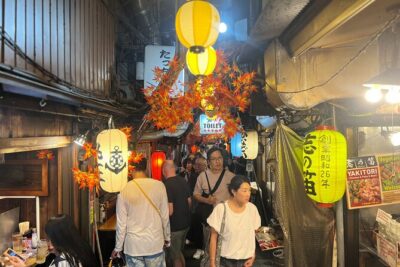 ★ 5.0Shinjuku Food Tour (13 Dishes at 4 Local Eateries)From $866,603 reviews
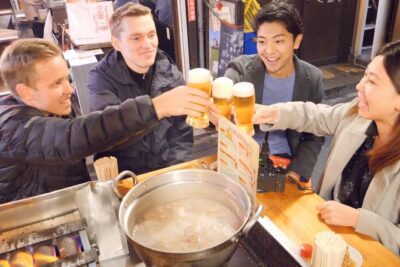 ★ 5.0Tokyo Bar Hopping Tour in Shinjuku (All-You-Can-Drink + Dinner)From $1063,587 reviews
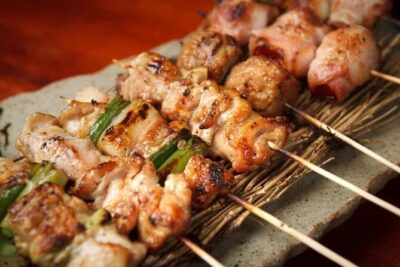 ★ 4.9Shinjuku Food Tour (15 Dishes and 4 Eateries)From $852,033 reviews
 ★ 5.0Best of Shinjuku: Izakaya Food Tour (4 Stops, 14+ Tastings)From $921,863 reviews
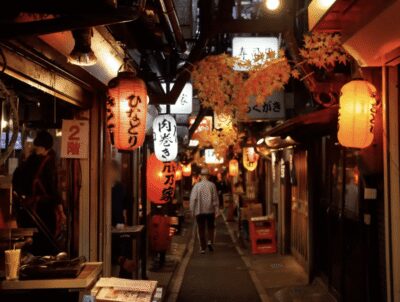 ★ 4.9Shinjuku Local Bar and Izakaya Guided Walking TourFrom $341,794 reviews
 ★ 5.0Tokyo Shinjuku Chopsticks Making ClassFrom $201,763 reviews
 ★ 5.0Tokyo Shinjuku Sumo Show & Experience with PhotoFrom $791,750 reviews
 ★ 5.0Tokyo Night Foodie Tour in Shinjuku – Seasonal Sushi, Wagyu BeefFrom $1111,161 reviews
Browse the lists this tour appears in