
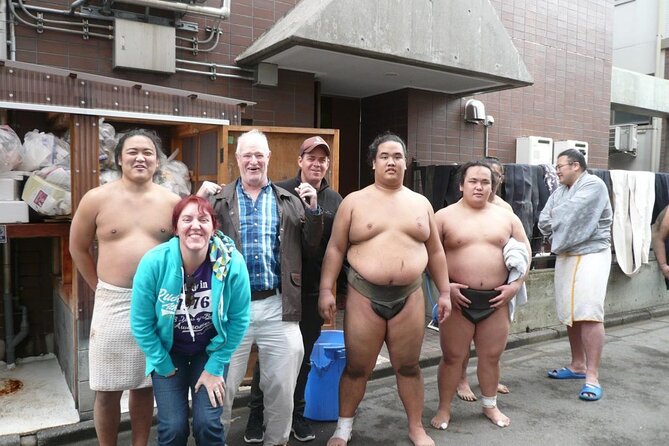
Reviewed · SUMO TOURNAMENTS & SHOWS
Sumo Morning Training Watch in Tokyo,Hotel-pickup w/English guide
Waking up early has perks in Tokyo. This tour gives you behind-the-scenes access to a working sumo stable, plus an English-speaking, nationally licensed guide to explain what you’re seeing.
Two things I really like: the included hotel pickup (so you’re not wrestling with transfers before training starts) and the chance to watch practice matches up close. One thing to consider is timing and logistics: the start is 7:30am, and you’ll travel to the stable using public transport with some walking, so good shoes and a transit card help a lot.
Key details that make this tour worth your morning
- Hotel pickup included for a smooth start
- English-speaking guide to translate rules, rituals, and what matters in the ring
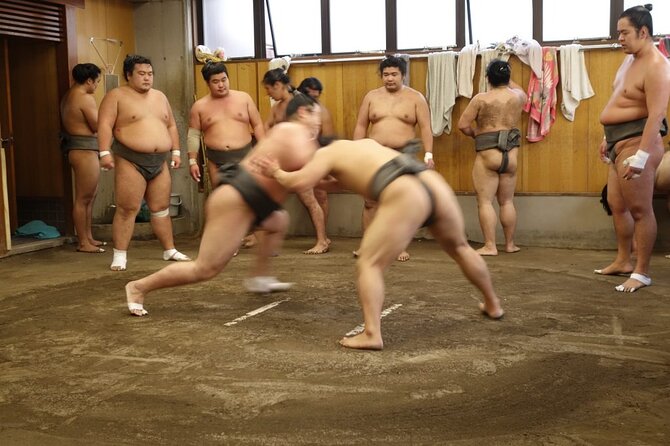
- Real stable training: basic exercises, stretching, drills, and bouts between wrestlers
- Quiet viewing etiquette during training, with help from your guide afterward
- Photo opportunities at the end, schedule depending on the session and stable
- Small group size (up to 15), which helps you ask questions and stay oriented
In This Review
- Tokyo at 7:30: Hotel Pickup and Getting to the Stable
- What You’ll See in Real Morning Sumo Training
- Your English Guide: Rules, Rituals, and How to Ask Questions
- Up Close Etiquette: Seating, Noise, and Photo Time
- Price and Logistics: Is This Good Value?
- Dates It Doesn’t Run: Plan Around the Calendar
- Who This Sumo Morning Training Tour Is For
- Should You Book This Sumo Morning Training Tour?
- FAQ
- What time does the tour start?
- Is hotel pickup included?
- Do I need to bring food or drinks?
- How long is the experience?
- What’s included with the tour besides the guide?
- Is there a refund if I cancel?
Tokyo at 7:30: Hotel Pickup and Getting to the Stable
The tour starts at 7:30am, which means you’ll beat the usual city rush. The big win is that you get hotel pickup with an English guide, so you’re not trying to decode the route while sleepy-eyed and juggling a map app.
From there, you’ll head toward the sumo stable using public transport (often a mix of train/subway and walking). This is one of those experiences where timing matters, because you want to arrive while the session is already underway or close to starting. If you’ve used Japan’s transit system before, you already know the drill: keep your transit card handy, and plan for a bit of walking.
One practical detail: the pickup avoids the most stressful part of the morning. Even if you’re comfortable navigating Tokyo, it’s easier when someone is watching the clock and guiding the group to the right spot.
What You’ll See in Real Morning Sumo Training
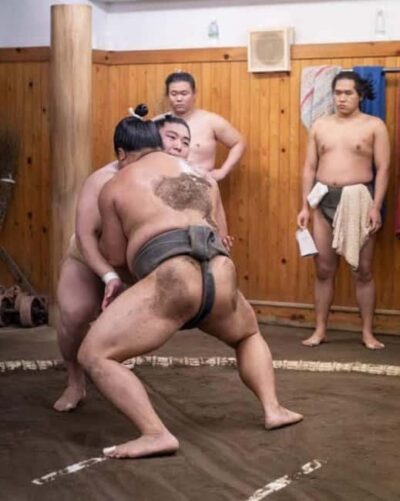
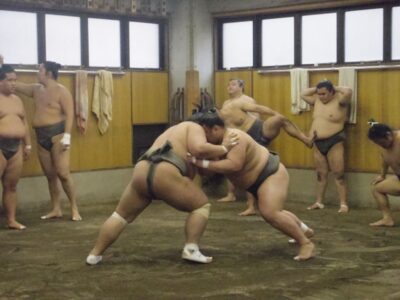
This isn’t a theme-park performance. You’re visiting a genuine sumo stable and watching the wrestlers work through training—exercises, routines, and bouts that show how serious the sport is behind closed doors.
The session typically follows a pattern like this:
First comes basic exercises. You’ll see drills aimed at strengthening legs and hips, plus conditioning that hits the upper body. It’s not just about looking strong; it’s about building the kind of power and balance that makes you win when you clash and strain for position.
Next you’ll usually watch practice matches—serious bouts between two wrestlers at a time. This is where sumo becomes easier to understand. Once you’ve seen the rhythm of the training and the way they test grips and footwork, the rules stop feeling abstract and start feeling real.
A lot of the impact comes from the physicality. Even when it’s “practice,” the effort looks and sounds intense. You’ll notice how training isn’t random. It’s repetition, control, and discipline, with breaks and reset moments that keep the session moving.
And depending on the session/stable, there may be a chance to take photos with the wrestlers after training. The timing is not always identical, so treat photos as a likely bonus, not a guaranteed stop.
Other ringside bookings readers scored
- Tokyo: Sumo Show and Dining Experience
★ 4.8 · 2,742 reviews - the SUMO show
★ 5.0 · 1,960 reviews - Tokyo Shinjuku Sumo Show & Experience with Photo
★ 5.0 · 1,750 reviews - Tokyo: Sumo Show and Experience in Shinjuku
★ 4.8 · 1,001 reviews
Your English Guide: Rules, Rituals, and How to Ask Questions
A sumo stable has its own flow. During training, you’ll likely be expected to stay quiet so you don’t disrupt the wrestlers. That can make you feel a little helpless if you don’t know what’s going on.
The guide is what bridges that gap. You can ask questions, and the guide helps you interpret what you’re seeing—traditions, history, and the basic structure of sumo rules. Many guides also give you written handouts or use simple tools to help communication without breaking the stable’s quiet rules.
In past groups, guides like Hiromi, Koichiro, Midori, Yuka, Atsushi, and Mari have helped people get their bearings fast—explaining what’s important, pointing out details, and keeping the experience from turning into a silent “watch and hope” situation. Some guides even use a board or notes so you can ask questions while still respecting the training atmosphere.
One more useful point: before the training starts, you’ll often get context so the session makes sense. That means when wrestlers do specific drills or when routines shift, you can recognize it as part of the discipline—not just random movement.
Up Close Etiquette: Seating, Noise, and Photo Time
Watching sumo training up close is exciting, but it comes with etiquette. In the stable, you’re generally asked to keep quiet while the wrestlers are training. That’s not just a rule for fun; it protects focus and keeps the training environment respectful.
Seating can be part of the “plan for your body” checklist. You may sit on cushions near the ring. Some sessions also use very low chairs, which can be awkward if you’re used to higher seating or if you have knee trouble. If you know you have mobility limits, go in expecting close contact with the floor.
The end-of-session photo opportunity is often the emotional highlight. Guides coordinate the timing and, when it’s possible, help you get a moment with the wrestlers. In many experiences, the photo time is the moment everyone remembers once the session ends and the stable quiet returns.
If you’re hoping to photograph, keep your camera ready but don’t rush the moment. Follow your guide’s lead, because the stable schedule is the boss.
Price and Logistics: Is This Good Value?
At $159.88 per person, this is a premium morning activity. But it’s premium for a reason: you’re not just buying entry to a public event. You’re paying for hotel pickup, an English-speaking, nationally licensed guide, and access to a working stable training session where you’re close to active wrestlers.
Duration is about 3 hours, which helps with value. You get a full morning window that includes travel to the stable, instruction, training viewing, and (often) photo time afterward. You also get a small group limit (up to 15), which generally keeps the experience personal enough that you can ask questions.
What’s not included matters for budgeting. There’s no food & drink, and there’s no hotel drop-off. So plan on grabbing a coffee or breakfast afterward on your own. Also, since the tour does not include drop-off, you’ll likely return to a nearby transport point and handle the rest of your day independently.
The one logistics consideration I’d circle is the route to the stable. Even with pickup, you’ll still be on foot at points. If you’re bringing light shoes or sandals, swap them for sneakers you can walk in comfortably.
Dates It Doesn’t Run: Plan Around the Calendar
This specific tour isn’t available on several windows in 2025. If you’re traveling during these times, you’ll need a backup plan.
It’s not available:
- May 10 – June 5
- June 26 – August 6
- September 13 – October 8
- October 23 – December 3
If your trip dates fall inside those gaps, double-check alternatives early. Sumo access depends on the stable schedule, and your best chance is booking when it’s actually running.
Readers also shortlisted these Tokyo bookings:
- Tokyo 6hr Private Tour with Government-Licensed Guide★ 5.0 · 3,902 reviews
- Tokyo: Shinjuku Local Bar and Izakaya Guided Walking Tour★ 4.9 · 1,794 reviews
- Tokyo: Private City Highlights Tour with Local Guide★ 4.8 · 1,433 reviews
- Tokyo: Tsukiji Fish Market Guided Walking Tour★ 4.9 · 1,397 reviews
- Tokyo 4hr Private Tour with Government-Licensed Guide★ 5.0 · 1,394 reviews
Who This Sumo Morning Training Tour Is For
This is a strong fit if you want something more real than a quick sightseeing stop. You’ll like it if you care about sports culture, rituals, and how daily training looks when there’s no audience staging.
It also works well if you’re traveling with limited patience for transport puzzles. Hotel pickup plus an English guide makes the start easier, especially if it’s one of your first days in Japan.
It’s less ideal if you want a long, relaxed morning. The start is early, and you’ll move from the hotel to the stable, then watch training on stable terms, including quiet rules. If you hate early starts or dislike public transport walking, this may not feel worth it.
Should You Book This Sumo Morning Training Tour?
I’d book it if you want the closest-to-real experience you can get in Tokyo: actual training at a working stable, explained in plain English, with the logistical load carried by your guide. The hotel pickup and small group size are the difference between a smooth cultural outing and a stressful scramble.
Hold off or consider a different option if your comfort with early mornings is low, or if you don’t plan to handle the “no food included, no drop-off included” reality. Also, if your travel dates land in the unavailable windows, you’ll want to pivot fast.
If your goal is to start your trip with a uniquely Japanese experience you can’t recreate at home, this is one of those rare activities where the value comes from access and context, not from flash.
FAQ
What time does the tour start?
The tour start time is 7:30am.
Is hotel pickup included?
Yes. Hotel pickup is included, but hotel drop-off is not.
Do I need to bring food or drinks?
Food and drink are not included, so plan to eat on your own after the tour.
How long is the experience?
The duration is approximately 3 hours.
What’s included with the tour besides the guide?
You’ll get a nationally licensed English-speaking guide and hotel pickup. You’ll also have a mobile ticket.
Is there a refund if I cancel?
Yes. There’s free cancellation up to 24 hours before the experience’s start time for a full refund. If you cancel less than 24 hours before, the amount paid is not refunded.
More Guided in Tokyo
- Tokyo 6hr Private Tour with Government-Licensed Guide
★ 5.0 · 3,902 reviews - Tokyo: Shinjuku Local Bar and Izakaya Guided Walking Tour
★ 4.9 · 1,794 reviews - Tokyo: Private City Highlights Tour with Local Guide
★ 4.8 · 1,433 reviews - Tokyo: Tsukiji Fish Market Guided Walking Tour
★ 4.9 · 1,397 reviews - Tokyo 4hr Private Tour with Government-Licensed Guide
★ 5.0 · 1,394 reviews
More Tour Reviews in Tokyo
- Mt Fuji and Hakone 1-Day Bus Tour Return by Bullet Train
★ 5.0 · 26,383 reviews - 1-Day Tokyo Bus Tour
★ 5.0 · 14,250 reviews - Tokyo: teamLab Planets TOKYO Digital Art Museum Entry Ticket
★ 4.6 · 9,779 reviews - Mt Fuji & Hakone Cruise, Drum Show Bullet Train 1 Day from Tokyo
★ 4.0 · 7,413 reviews - Tokyo: Shinjuku Food Tour (13 Dishes at 4 Local Eateries)
★ 5.0 · 6,603 reviews
More Sumo, Ringside and Rated
- Tokyo: Sumo Show and Dining Experience
★ 4.8 · 2,742 reviews - the SUMO show
★ 5.0 · 1,960 reviews - Tokyo Shinjuku Sumo Show & Experience with Photo
★ 5.0 · 1,750 reviews - Tokyo: Sumo Show and Experience in Shinjuku
★ 4.8 · 1,001 reviews - Tokyo Grand Sumo Tournament Viewing Tour with Tickets
★ 5.0 · 692 reviews
Latest Tokyo reviews off our desk






Sumo Tournaments & Shows, compared.
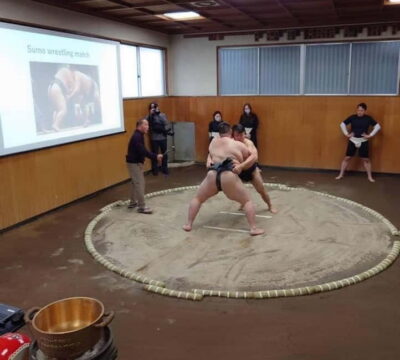 ★ 4.8Sumo Show and Dining ExperienceFrom $792,742 reviews
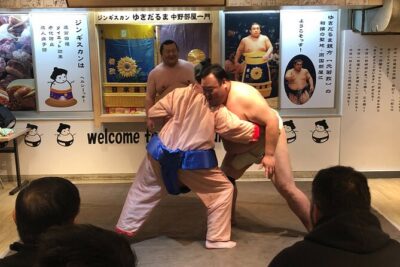 ★ 5.0the SUMO showFrom $891,960 reviews
 ★ 5.0Tokyo Shinjuku Sumo Show & Experience with PhotoFrom $791,750 reviews
 ★ 4.8Sumo Show and Experience in ShinjukuFrom $691,001 reviews
 ★ 5.0Tokyo Grand Sumo Tournament Viewing Tour with TicketsFrom $124692 reviews
 ★ 5.0Tokyo Sumo Wrestling Tournament ExperienceFrom $124660 reviews
 ★ 4.7Luxury Sumo Show Experience & Japanese cuisine & DrinkFrom $103577 reviews
 ★ 4.8Sumo Morning Practice Viewing TourFrom $81570 reviews
Browse the lists this tour appears in