
Reviewed · SUMO TOURNAMENTS & SHOWS
Sumo Practice Viewing Guided Tour and Photo with Sumo Wrestlers
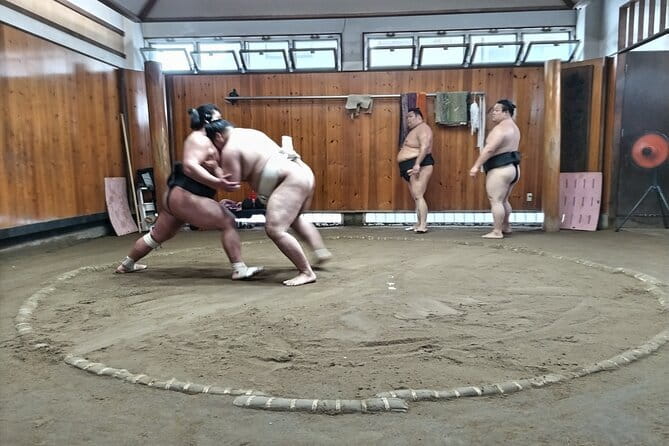
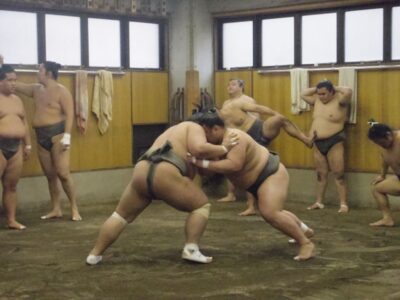
A silent morning, and then the power hits you. This sumo stable tour gives you rare behind-the-scenes access at Tatsunami-beya, including context from a licensed English interpreter and the chance for a photo right after practice. What I like most is watching the real training up close, and then getting that commemorative photo with sumo wrestlers when the dust settles. The main catch: during practice, you must stay quiet, and some sessions can feel more like watching a focused gym workout than a high-energy performance.
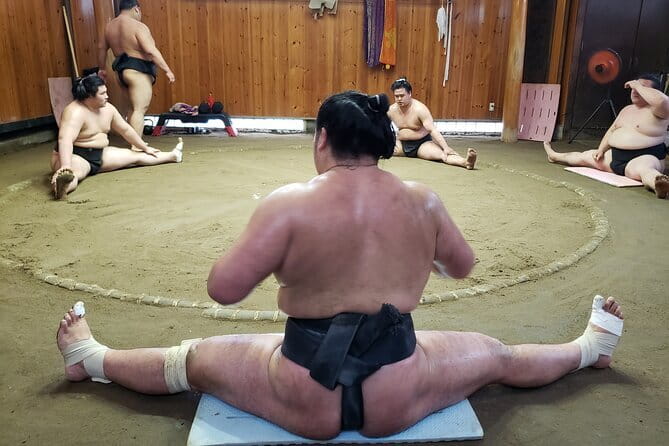
You’ll sit on tatami-style flooring with cushions for comfort, and you’ll get an audio guide so you can follow what’s happening even though talking is prohibited. Etiquette is strict here for good reason: the training hall is sacred, and distraction can throw off the wrestlers’ routine or even risk injury.
One more thing to keep your expectations realistic: the stable has an active yokozuna at times, but he does not appear at every practice. That’s normal in sumo life, so plan for an authentic training session first, not a guaranteed celebrity sighting.
In This Review
- Key things to know before you go
- Tatsunami-beya practice: the closest you can get to sumo training life
- Getting to the stable near Asakusa without wasting your morning
- First stop: the etiquette briefing that sets the tone
- Practice viewing on tatami: what the 45 minutes feels like
- After practice: the photo with wrestlers and a Q&A corner
- Price and value: what your $118.60 is buying
- Practical rules that will save you stress inside the stable
- Who should book this sumo practice viewing tour
- Age considerations
- Final verdict: should you book?
- FAQ
- What time does the Tatsunami-beya sumo practice tour start?
- How long is the tour?
- Is talking allowed during the practice?
- Will the yokozuna appear at every practice session?
- Do I need to take off my shoes?
- Can I bring food and drink into the sumo stable?
- Can I cancel for a full refund?
Key things to know before you go
- Strict silence during practice means you’ll rely on the audio guide, not live conversation.
- Tatsunami-beya is a sacred training hall, so rules about touching, phones, and even posture are enforced.
- Cushion seating on tatami keeps you comfortable, and chairs are available if you need them.
- Practice length can change depending on how many wrestlers train that day.
- A photo with wrestlers is included after practice, plus time for a Q&A corner.
- The yokozuna isn’t guaranteed to appear, even though the stable hosts an active one.
Tatsunami-beya practice: the closest you can get to sumo training life
If you’ve ever watched sumo on TV, you know how polished it looks. In the training stable, you see the raw work that makes that polish possible. This tour takes you to Tatsunami-beya, a Tokyo sumo stable where wrestlers live and train every day.
One of the coolest details is the connection to modern professional sumo. Practice here is built for the Grand Sumo Tournament schedule—held six times a year—so you’re watching the kind of preparation that has real stakes. It also helps that this stable houses an active yokozuna, the top rank in professional sumo. Just remember the yokozuna does not appear at every practice session, so the experience is about training, not just chasing one famous face.
Also, this isn’t a casual museum-style look. The training hall is treated like sacred space, which is why the tour focuses on quiet observation, a brief etiquette lecture, and a strict viewing setup. You’re not interrupting workouts—you’re learning how to watch properly.
Other ringside bookings readers scored
- Tokyo: Sumo Show and Dining Experience
★ 4.8 · 2,742 reviews - the SUMO show
★ 5.0 · 1,960 reviews - Tokyo Shinjuku Sumo Show & Experience with Photo
★ 5.0 · 1,750 reviews - Tokyo: Sumo Show and Experience in Shinjuku
★ 4.8 · 1,001 reviews
Getting to the stable near Asakusa without wasting your morning
The tour starts at 8:30 am, and you’ll meet at Tatsunami-beya Sumo Stable (1-chōme-16-5 Hashiba, Taito City, Tokyo 111-0023). It ends back at the meeting point, so you won’t be wandering across town afterward.
Location-wise, the stable is about a 30-minute walk from Asakusa Station (Toei Line, Tokyo Metro Line, Tobu Railway). If you prefer not to walk that early, you can also take the Toei Bus East 42-Ko route or the Taito Ward Kita-Megurin loop bus.
This matters because sumo practice is time-based. You don’t want a transport delay turning your visit into a rushed entry. If you’re staying in the Asakusa area (or nearby), it’s a very workable morning plan.
First stop: the etiquette briefing that sets the tone
Before you watch anything, you’ll get a viewing lecture with a National Government Licensed English Guide Interpreter. This is more than background. It’s your “how to act in the training hall” checklist, and it shapes the whole experience.
The key idea is simple: you’re in the wrestlers’ workspace. So the tour asks you to keep quiet as whispering and talking are prohibited while watching practice. You’ll also follow rules about what you can and can’t do inside:
- shoes off when you enter
- no standing up or moving around during practice
- don’t step on the ring or touch wrestlers without permission
- avoid posture that shows the soles of your feet toward the ring (it’s considered impolite)
- keep phones on silent and don’t use flash photography
- no eating or drinking in the stable
- avoid strong scents like excessive perfume or fabric softener smell
- remove hats and sunglasses indoors
Honestly, this etiquette lecture is part of the value. It turns what could be an awkward, touristy sit-and-stare moment into something respectful and smooth.
Practice viewing on tatami: what the 45 minutes feels like
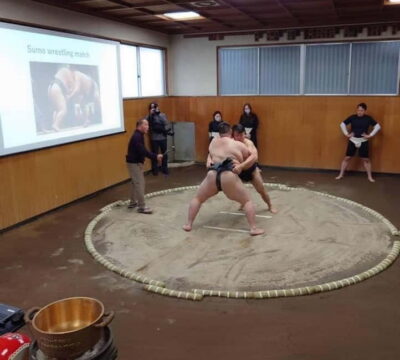
The heart of the tour is the practice viewing portion. You’ll watch during morning training, seated on a wooden floor with cushion seating on tatami mat flooring. If you have trouble sitting, chairs are available—requesting this in advance is the right move.
Your quiet time is about 45 minutes, but the exact length isn’t guaranteed. If fewer wrestlers train that day, practice viewing may be shorter, and the tour can end earlier. If more wrestlers train, viewing can run longer. Either way, there are no refunds for schedule variation, so treat this like a living, on-the-ground situation rather than a rigid show.
During practice, talking is prohibited. That’s where the audio guide matters. You’ll get explanations through the audio guide service, so you’re not completely guessing what you’re seeing.
One practical note: the tour format can feel like watching a focused workout. Some sessions may involve only a small group training up close, so you should be ready for a quieter rhythm. If you love the details—how they move, how practice flows, how disciplined the environment is—this works well. If you expect constant commentary from a guide during the action, you may feel like the experience is too silent.
After practice: the photo with wrestlers and a Q&A corner
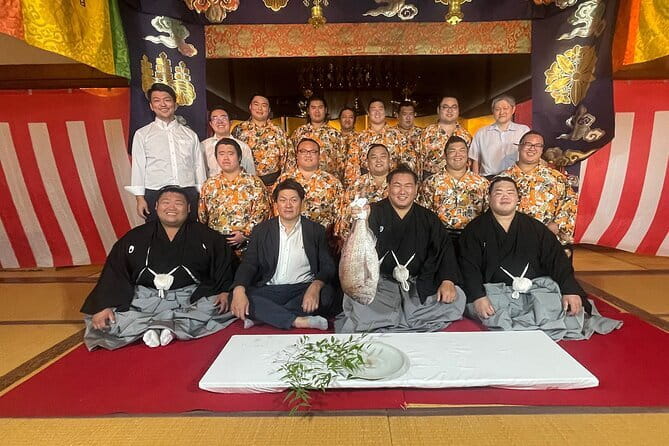
When practice finishes, you’ll shift gears quickly. The next part includes a commemorative photo with sumo wrestlers and time to look around at personal belongings, plus a Q&A corner.
This is the “human moment” you want after the silent viewing. You get that official photo included, and you’ll have a short chance to ask questions in the allowed time window. The tour also includes original merchandise linked to the experience, and you may have the chance to shop exclusive mementoes afterward.
Keep expectations flexible on who you see. The yokozuna isn’t guaranteed to appear at every session, but the tour still builds in the photo moment with wrestlers present that day. In other words: you’re getting a real, scheduled part of stable life, not just a staged performance.
Readers also shortlisted these Tokyo bookings:
- Tokyo 6hr Private Tour with Government-Licensed Guide★ 5.0 · 3,902 reviews
- Tokyo: Shinjuku Local Bar and Izakaya Guided Walking Tour★ 4.9 · 1,794 reviews
- Tokyo: Private City Highlights Tour with Local Guide★ 4.8 · 1,433 reviews
- Tokyo: Tsukiji Fish Market Guided Walking Tour★ 4.9 · 1,397 reviews
- Tokyo 4hr Private Tour with Government-Licensed Guide★ 5.0 · 1,394 reviews
Price and value: what your $118.60 is buying
At $118.60 per person, this isn’t the cheapest thing in Tokyo. But the value is in access and included extras that are hard to recreate on your own.
Here’s what’s included:
- National Government Licensed English Guide Interpreter
- audio guide service
- sumo stable practice viewing
- commemorative photo with sumo wrestlers
- original merchandise tied to the tour
The group size is capped at 45 travelers, which helps keep the experience controlled. Also, you get a mobile ticket, which is convenient in a city where paper tickets can be annoying to manage.
Food and drink aren’t included, and that’s normal for this kind of structured visit. But the overall package—licensed interpretation, proper viewing setup, and a photo—pushes this more into “experience value” than “just an observation ticket.”
If your top priority is maximum backstage access plus cultural rules plus a real photo moment, the price can feel fair. If your priority is active storytelling and lots of speaking during practice, you might find the silence hard to justify at this cost.
Practical rules that will save you stress inside the stable
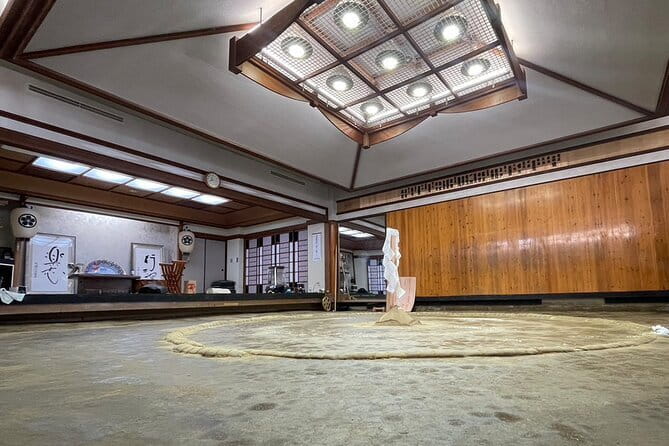
The stable has clear do’s and don’ts, and they can be surprisingly specific. The good news is: if you follow them, everything goes smoothly.
Here’s how I’d prepare as a practical checklist:
- Arrive ready for shoe-off entry. You’ll need to remove your shoes, and you should keep them neatly in place.
- Leave big items behind. Strollers and large baggage like suitcases cannot be brought.
- Go to the restroom before entry if you can. The restroom may be available, but availability is limited.
- Control your scent. Strong perfume or fabric softener smell is discouraged, so go light.
- Phone, flash, and posture are strict. Mobile phones must be silent/off, no flash photography, no standing, and don’t stretch your legs toward the ring.
- No mid-exit. You should not leave midway once the visit is underway.
- No food or drink inside. Don’t plan on snacks as a comfort thing.
One extra detail worth calling out: if you need a chair instead of tatami seating, put the request in the remarks in advance. That’s the simplest way to make the sitting portion easier.
Who should book this sumo practice viewing tour

This is a great fit if you want an authentic look at training culture and you can respect quiet rules. It’s also ideal if you’re an early riser and like the idea of watching morning practice without distractions.
You’ll likely enjoy this most if:
- you appreciate traditional etiquette and want to understand the sport beyond TV highlights
- you’re comfortable spending time seated and quiet
- you want a close-up training view plus an included photo
- you’re traveling with a flexible mindset about timing and who appears
Who might not love it:
- you want lots of conversation during the practice itself (talking is prohibited)
- you expect a constant stream of spectacle rather than disciplined training
- you’re sensitive to audio clarity issues—since the audio guide is the key during silent viewing, it’s worth keeping patience in mind
Age considerations
This tour has age rules: children 0–3 years old may not join. For minors, parental permission in writing is necessary for anyone under eighteen, and if a participant is under fifteen or not yet enrolled in middle school, they must be joined by a parent or guardian.
Final verdict: should you book?
I’d book this tour if you’re aiming for the real sumo stable experience: quiet, close viewing, a licensed English interpreter, and a proper cultural setup where the wrestlers can train without interference. The included photo and merchandise are a nice bonus, but the bigger win is learning how to watch sumo in the way locals expect.
I’d think twice if you’re expecting an energetic commentary-style show during practice. This is about observing training, staying still, and following etiquette. If that sounds like your kind of Tokyo morning, Tatsunami-beya is worth it.
FAQ
What time does the Tatsunami-beya sumo practice tour start?
The tour starts at 8:30 am.
How long is the tour?
It runs about 1 hour 20 minutes to 2 hours.
Is talking allowed during the practice?
No. Whispering and talking are strictly prohibited while watching the practice.
Will the yokozuna appear at every practice session?
No. The yokozuna does not appear at every practice session.
Do I need to take off my shoes?
Yes. During the visit, you must take off your shoes and keep them neatly in place.
Can I bring food and drink into the sumo stable?
No. Eating and drinking are not allowed in the stable.
Can I cancel for a full refund?
Yes. You can cancel up to 24 hours in advance for a full refund, and changes within 24 hours of the start time are not accepted.
More Tours in Tokyo
- Mt Fuji and Hakone 1-Day Bus Tour Return by Bullet Train
★ 5.0 · 26,383 reviews - 1-Day Tokyo Bus Tour
★ 5.0 · 14,250 reviews - Tokyo: Shinjuku Food Tour (13 Dishes at 4 Local Eateries)
★ 5.0 · 6,603 reviews - Tokyo Mt Fuji 5th St & Hakone Cruise Bus Tour w/Bullet Train
★ 4.4 · 5,024 reviews - Flagship 2-Hours Official Street Go-Kart Tour – Tokyo Bay Shop
★ 5.0 · 4,974 reviews
More Tour Reviews in Tokyo
- Mt Fuji and Hakone 1-Day Bus Tour Return by Bullet Train
★ 5.0 · 26,383 reviews - 1-Day Tokyo Bus Tour
★ 5.0 · 14,250 reviews - Tokyo: teamLab Planets TOKYO Digital Art Museum Entry Ticket
★ 4.6 · 9,779 reviews - Mt Fuji & Hakone Cruise, Drum Show Bullet Train 1 Day from Tokyo
★ 4.0 · 7,413 reviews - Tokyo: Shinjuku Food Tour (13 Dishes at 4 Local Eateries)
★ 5.0 · 6,603 reviews
More Sumo, Ringside and Rated
- Tokyo: Sumo Show and Dining Experience
★ 4.8 · 2,742 reviews - the SUMO show
★ 5.0 · 1,960 reviews - Tokyo Shinjuku Sumo Show & Experience with Photo
★ 5.0 · 1,750 reviews - Tokyo: Sumo Show and Experience in Shinjuku
★ 4.8 · 1,001 reviews - Tokyo Grand Sumo Tournament Viewing Tour with Tickets
★ 5.0 · 692 reviews
Latest Tokyo reviews off our desk



Sumo Tournaments & Shows, compared.
 ★ 4.8Sumo Show and Dining ExperienceFrom $792,742 reviews
 ★ 5.0the SUMO showFrom $891,960 reviews
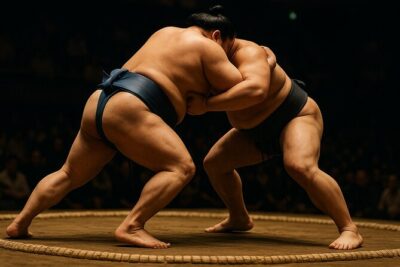 ★ 5.0Tokyo Shinjuku Sumo Show & Experience with PhotoFrom $791,750 reviews
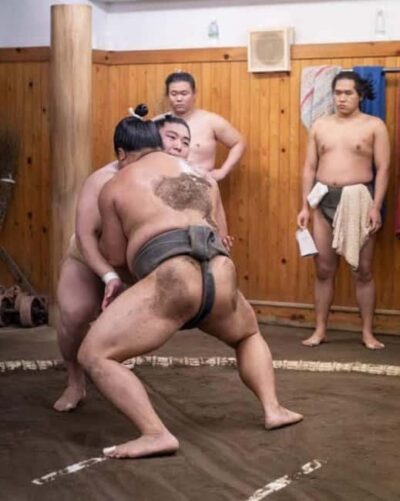 ★ 4.8Sumo Show and Experience in ShinjukuFrom $691,001 reviews
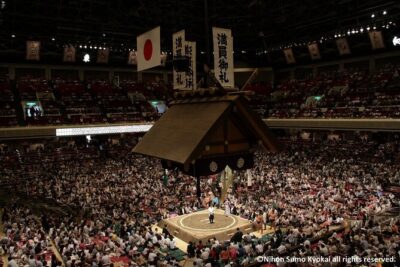 ★ 5.0Tokyo Grand Sumo Tournament Viewing Tour with TicketsFrom $124692 reviews
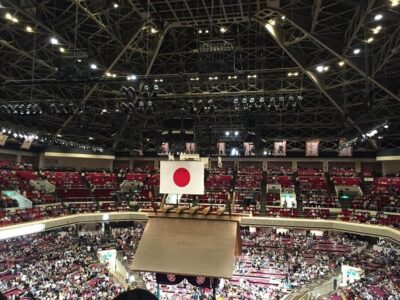 ★ 5.0Tokyo Sumo Wrestling Tournament ExperienceFrom $124660 reviews
 ★ 4.7Luxury Sumo Show Experience & Japanese cuisine & DrinkFrom $103577 reviews
 ★ 4.8Sumo Morning Practice Viewing TourFrom $81570 reviews
Browse the lists this tour appears in