
Reviewed · FOOD
Super Sugamo Local Foodie Adventure
Sugamo has a food scene you’ll never fake. This small-group adventure in Tokyo’s older, local neighborhood turns a simple walk into a guided lesson on Japanese flavors, with five food stops plus lunch, dessert, and a drink. Two things I really like: the focus on what you’d struggle to find on your own, and how the guide shares history and culture alongside what you’re eating. The main consideration is simple: it’s a short, fixed-time tour, so you’ll want to be ready to sample even if you’re hungry but not ready to plan.
One possible drawback: this is a weather-dependent experience and it runs on a set route, so if you’re the type who needs lots of flexibility to wander at your own pace, this may feel a bit structured. Still, with a maximum of 6 travelers, the pace stays friendly and you can ask questions along the way.
In This Review
- Key Things I’d Plan For
- Sugamo Station to Jizodori: Why This Tokyo Neighborhood Feels Different
- Price and Value: What $199 Really Covers in 3 Hours
- The Start at 11:30: Where You Meet and What That Means for Your Day
- The Food Strategy: Five Tastings, Then Lunch, Then Dessert (with a Drink)
- Stop-by-Stop: What Happens Without the Guesswork
- Dietary Needs: What Flexibility Looks Like in Real Life
- Small Group Energy: Up to 6 Travelers Makes Questions Easy
- What You’ll Take Home Beyond Recipes
- What to Bring, and How to Keep It Enjoyable
- Who Should Book This Food Adventure
- Booking Tips Before You Commit
- Should You Book Super Sugamo Local Foodie Adventure?
- FAQ
- Where is the meetup location for the tour?
- What time does the tour start?
- How long is the tour?
- How many people are in the group?
- What’s included in the price?
- Are dietary restrictions accommodated?
- What is the cancellation policy?
Key Things I’d Plan For
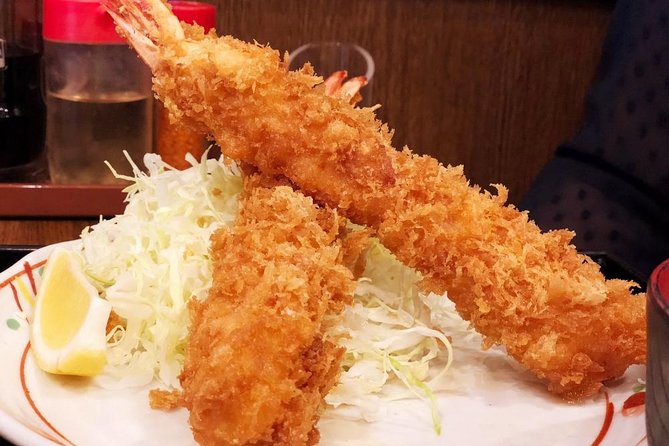
- Five stops, one meal flow: tasting first, then lunch, then dessert, then a drink.
- Sugamo over the usual grid: you get a neighborhood feel instead of just “famous sights.”
- A small group (up to 6): easier conversations with your local English-speaking guide.
- Route anchored by landmarks: Sugamo Station meetup and a finish on Jizodori Shopping Street.
- Diet flexibility: options listed for no shellfish, no pork, vegetarian, and pescetarian.
- Shopping along the way: you’ll browse for souvenirs at a local arcade.
Sugamo Station to Jizodori: Why This Tokyo Neighborhood Feels Different
Tokyo can be so efficient it feels samey. That’s why I like choosing tours that move beyond the big-ticket map. Sugamo is a great example. It’s a real neighborhood with local rhythm, and the tour uses that setting to do something practical: it helps you eat your way through the area without guessing where to go.
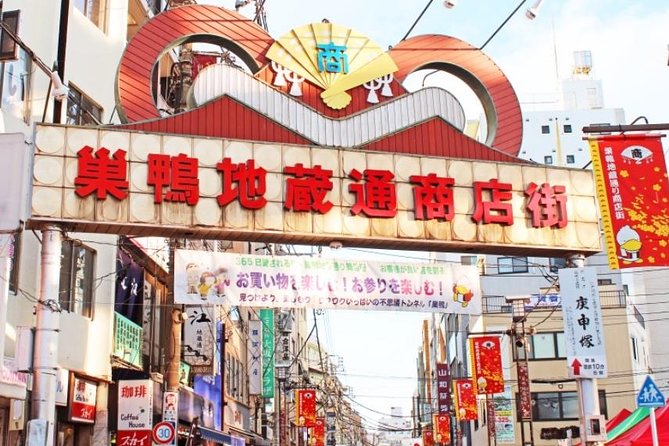
The route is built around places you can actually find (Sugamo Station as the starting point, then a finish at Jizodori Shopping Street). That matters because good food tours do more than hand you a menu. They teach you how to navigate local food culture with confidence, even if you don’t speak Japanese.
Another reason this works well for both first-timers and repeat visitors: you’re not just collecting snacks. You’re learning how Japanese meals break down by type—small bites, a real lunch, and then dessert—so the whole experience feels like a mini education, not a random sampling session.
Readers also shortlisted these Tokyo bookings:
- Tokyo: Shinjuku Food Tour (13 Dishes at 4 Local Eateries)
★ 5.0 · 6,603 reviews - Tokyo Tsukiji Fish Market Food and Culture Walking Tour
★ 5.0 · 3,184 reviews - Tokyo: Shinjuku Food Tour (15 Dishes and 4 Eateries)
★ 4.9 · 2,033 reviews - Best of Shinjuku: Izakaya Food Tour (4 Stops, 14+ Tastings)
★ 5.0 · 1,863 reviews
Price and Value: What $199 Really Covers in 3 Hours
At $199 per person for about three hours, you’re paying for three things at once: access, guidance, and food logistics. The value is in the fact that you’re not paying separately for five stops, lunch, dessert, and a drink. You’re also paying for a local English-speaking guide who can explain what you’re eating and where it fits in Japanese food culture.
Here’s how I think about it as a traveler: if you tried to copy the plan independently, you’d spend time hunting for places, then time translating menus, then guessing what to order. Even if you’re confident with Japanese, most visitors aren’t confident with the right places in a smaller neighborhood like Sugamo. This tour saves you that effort.
Also, the booking timing gives you a hint about demand. On average it’s booked about 70 days in advance, which usually means people who plan ahead like this format. With a maximum group size of 6, it’s not a huge production—so booking earlier is smart if your dates are fixed.
The Start at 11:30: Where You Meet and What That Means for Your Day
The tour starts at 11:30am, which is a solid time if you want to avoid the ultra-early “breakfast sprint” and also avoid the late lunch crush. You’re eating during the part of the day when you’re hungry, but not so hungry that you’ll feel rushed.
Your meetup is at Sugamo Station, at the front of the Aoyama Flower Market shop inside the station entrance area. Having the tour anchored to a recognizable storefront is a big practical win. It reduces that classic food-tour stress: showing up and playing station-maze detective.
Because this tour ends on Jizodori Shopping Street, you can also use the finish as a natural springboard for your afternoon. You don’t have to “go back” the way you came. You can walk the shopping street afterward at your own pace, if you want.
The Food Strategy: Five Tastings, Then Lunch, Then Dessert (with a Drink)
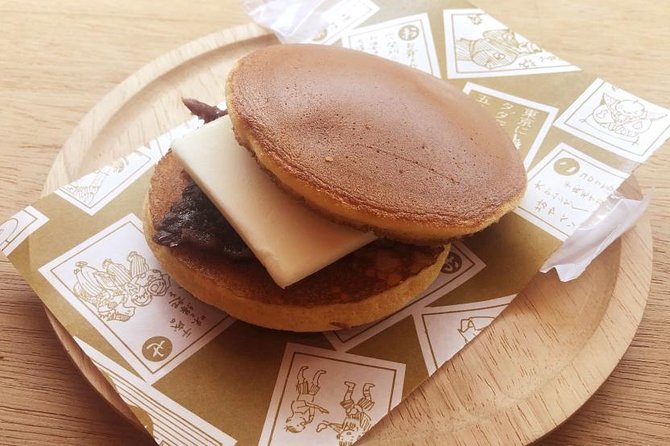
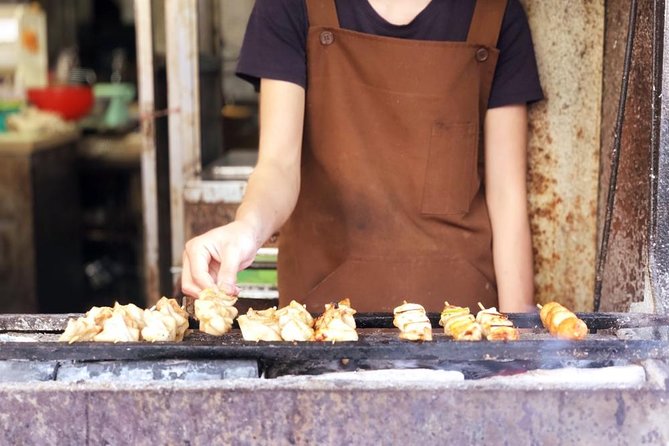
The structure is very clear: you sample dishes across five food stops, then you get lunch in a local restaurant, followed by dessert and one drink. That flow is exactly what makes this kind of tour satisfying instead of just calorie dumping.
Tastings first
Early stops work like an introduction. You taste a range of dishes so you start understanding the neighborhood’s food style, and you also learn how to read Japanese food “signals” beyond a single item. You’ll likely leave knowing what to look for the next time you’re wandering.
Lunch second
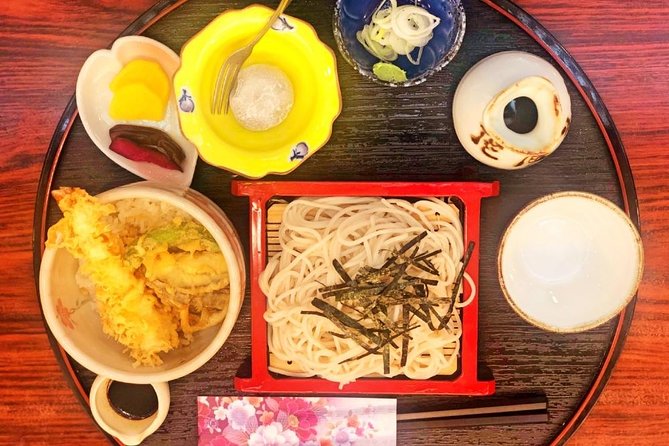
Lunch is the anchor. It’s not just a snack, and it’s not just standing around with small bites. A proper lunch gives you that fuller meal context—what works together, what’s served hot or cold, and how Japanese meals often build around balance.
Dessert and a drink third
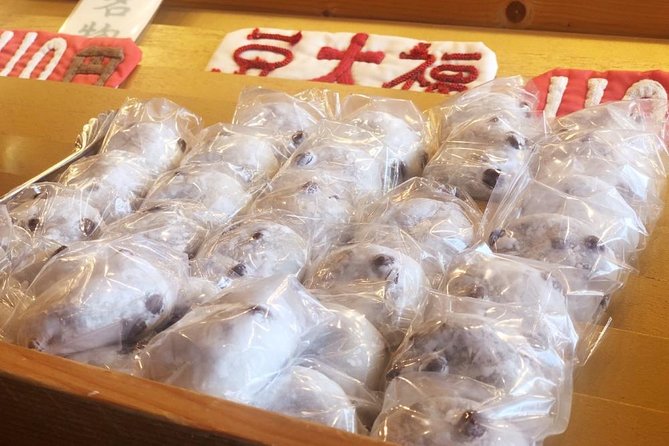
This is where the tour becomes memorable. Dessert in Japan often isn’t a sugar bomb. It’s frequently lighter, sometimes seasonal, and often built to feel like a final note rather than an afterthought. The included drink rounds things out so you can rest a bit after tasting and walking.
One extra plus is that the tour is described as family-friendly, so the pacing and variety are designed to keep things comfortable for different ages and tastes.
Stop-by-Stop: What Happens Without the Guesswork
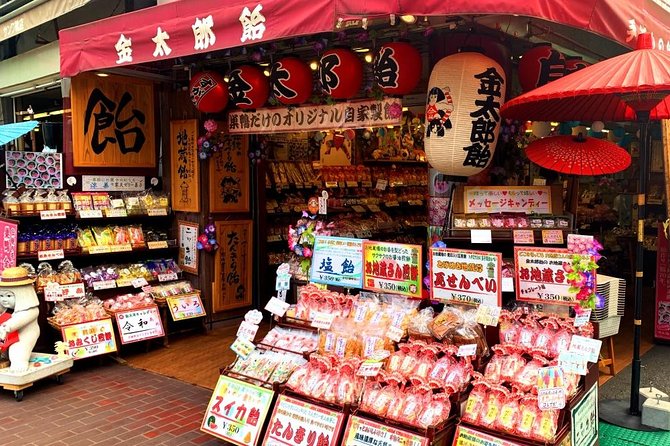
The tour has a clear progression, even if the exact dishes at each stop can vary. Here’s how to think about each phase, and what you should watch for.
Stop 1: Sugamo Station meetup near Aoyama Flower Market
This is the getting-started moment. You’ll meet at the station entrance area, and you’ll quickly get oriented. If you’re a little nervous about finding the right starting point, this is why the meetup location is so helpful. You’re already in the transport hub, and the flower shop landmark gives you a visual reference.
Stop 2: Sugamo District food flow and shopping arcade time
This is where most of the experience happens. The tour highlights include lunch and local tastings at five food stops, plus dessert and one drink. You’ll also browse shops at a local shopping arcade for souvenirs unique to the area.
Two things matter here:
- The shopping arcade time keeps the tour feeling grounded in everyday life, not like you’re moving from “set piece” to “set piece.”
- It’s also a quiet way to learn about local shopping habits—small items, practical finds, and souvenirs that reflect neighborhood taste rather than generic tourist packaging.
Ending point: Jizodori Shopping Street
Finishing on Jizodori is smart because Sugamo’s shopping street energy doesn’t instantly turn off at the end of a guided tour. If you want to continue exploring, you’re dropped at a place where it makes sense to keep walking and browsing.
- Tokyo: Shinjuku Food Tour (13 Dishes at 4 Local Eateries)★ 5.0 · 6,603 reviews
- Tokyo Mt Fuji 5th St & Hakone Cruise Bus Tour w/Bullet Train★ 4.4 · 5,024 reviews
- Flagship 2-Hours Official Street Go-Kart Tour – Tokyo Bay Shop★ 5.0 · 4,974 reviews
- From Tokyo: Mount Fuji Full-Day Sightseeing Trip★ 4.5 · 4,970 reviews
- Tokyo: Hop-On Hop-Off Sightseeing Bus Ticket★ 3.9 · 4,207 reviews
Dietary Needs: What Flexibility Looks Like in Real Life
This tour lists dietary flexibility options, which is a big deal for food adventures. It states no shellfish, no pork, plus options listed for vegetarian and pescetarian.
In practical terms, that means the guide is working with enough structure to try to accommodate you instead of simply telling you to choose from a menu on your own. Still, with any food tour, I’d treat this as “flexible within reason,” not “no problem for every possible allergy.” But it’s clearly designed to handle several common restrictions and preferences.
If you have strict needs beyond what’s listed, you’ll want to communicate them at booking so the guide can plan around your meals and keep the experience smooth.
Small Group Energy: Up to 6 Travelers Makes Questions Easy
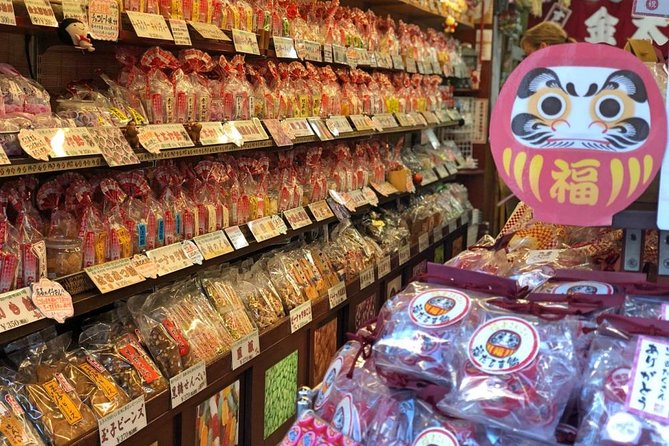
A maximum of 6 travelers changes the whole vibe. It’s not only about comfort; it’s about interaction. When a tour group is big, you ask one question every hour and hope the guide hears you. With a tiny group, you’re more likely to get answers that actually help you choose your next bite.
It also helps with the “how to eat” part of the tour. Japanese food can be simple, but ordering and etiquette can still trip you up. A small group makes it easier to ask things like how something is typically eaten, what to expect in terms of taste, or how to handle items you’ve never seen before.
And that’s where the guide’s role becomes more than a translator. This experience is positioned as cultural as well as food-focused, so you’re learning why the dishes belong in the neighborhood’s food life, not just what they are.
What You’ll Take Home Beyond Recipes
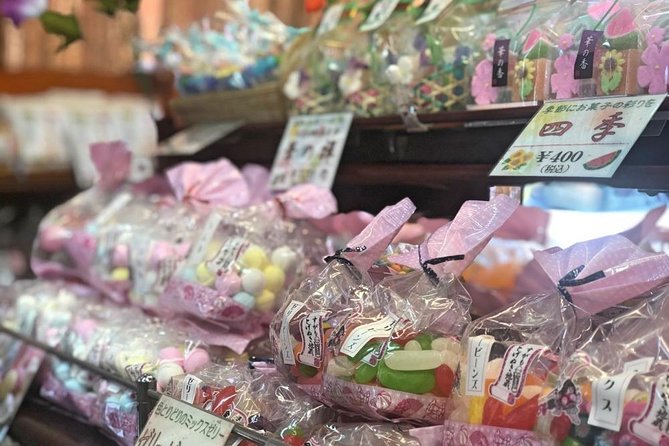
I don’t judge a food tour only by how good the food is. I judge it by whether it changes how I move through a city afterward. This one is built to do that because the point isn’t just tasting; it’s learning.
A standout theme from the experience’s reputation is that the guide brings a mix of food knowledge and cultural context. In other words, you’re not only eating. You’re connecting the dots between neighborhood life and the kind of dishes you’re given.
One dish also gets special praise in the conversation around this tour: cold soba. Even if you can’t predict which exact items you’ll taste on your date, it’s a signal that the lineup can include classic, crowd-pleasing Japanese comfort food.
What to Bring, and How to Keep It Enjoyable
Because this is a 3-hour walking food tour, comfort beats style. Wear shoes that you already know you can stand in. You’ll be moving through an area with shopping stops, so you don’t want footwear that needs breaking in mid-tour.
Bring your appetite—but also plan for restraint. You’re sampling multiple dishes plus lunch, dessert, and a drink. If you go in starving, you’ll feel great for the first half and stuffed by the end. If you eat a huge breakfast, you might end up avoiding bites to stay comfortable. A normal, light pre-tour snack usually works best.
Also remember: additional drinks or food aren’t included (you can purchase them, just not as part of the tour price). If you think you’ll want extra, having some flexibility in your budget helps.
Who Should Book This Food Adventure
I think this tour fits best if you:
- Want a local Tokyo neighborhood experience rather than another checklist day
- Like eating but also want explanation—what you’re eating and why it’s local
- Prefer a small-group format with easier questions
- Travel solo, as a couple, or as a family and want variety without planning
It’s also a strong pick if you’re visiting Tokyo more than once. The second trip is where neighborhood-based food tours shine, because you start recognizing patterns and can appreciate regional differences more.
If you’re the type who hates structure, doesn’t want to walk, or wants total freedom to pick your own restaurant, this might feel too guided. But if you’re happy trading some autonomy for expert help and smoother ordering, it’s a great match.
Booking Tips Before You Commit
Two practical things to keep in mind:
- It’s often booked about 70 days in advance on average. If your schedule is tight, book early rather than hoping for luck.
- The tour runs at 11:30am, so plan your morning around it. You’ll want time to get to Sugamo Station without rushing.
If the weather turns, the experience requires good weather and can be adjusted or refunded if it’s canceled due to poor conditions. That’s not a reason to avoid it, just something to remember if you’re traveling during rainy or storm-prone weeks.
Should You Book Super Sugamo Local Foodie Adventure?
If your goal is to eat well in Tokyo without spending half your day figuring out where to go, I’d book this. The biggest strengths are the tight structure (five tastings plus lunch, dessert, and a drink), the neighborhood focus on Sugamo, and the small group size that keeps the guide’s attention on you.
I’d skip it only if you want maximum wandering time or you hate pre-planned routes. Otherwise, this is exactly the kind of value-forward, local-feeling experience that makes Tokyo feel personal instead of generic.
FAQ
Where is the meetup location for the tour?
The tour meets at Sugamo Station, at the front of the Aoyama Flower Market shop inside the Sugamo Station entrance area.
What time does the tour start?
The start time is 11:30am.
How long is the tour?
The duration is approximately 3 hours.
How many people are in the group?
The tour has a maximum of 6 travelers.
What’s included in the price?
You get tastings at 5 food stops, lunch at a local restaurant, dessert, and 1 drink, plus a local English-speaking guide.
Are dietary restrictions accommodated?
Yes. The tour lists flexibility for no shellfish, no pork, vegetarian, and pescetarian.
What is the cancellation policy?
Free cancellation is available up to 24 hours in advance for a full refund. The experience also requires good weather, and if it’s canceled due to poor weather, you’ll be offered a different date or a full refund.
More Food in Tokyo
- Tokyo: Shinjuku Food Tour (13 Dishes at 4 Local Eateries)
★ 5.0 · 6,603 reviews - Tokyo Tsukiji Fish Market Food and Culture Walking Tour
★ 5.0 · 3,184 reviews - Tokyo: Shinjuku Food Tour (15 Dishes and 4 Eateries)
★ 4.9 · 2,033 reviews - Best of Shinjuku: Izakaya Food Tour (4 Stops, 14+ Tastings)
★ 5.0 · 1,863 reviews - Tokyo: Tsukiji Fish Market Food and Walking tour
★ 5.0 · 1,724 reviews
More Tour Reviews in Tokyo
- Mt Fuji and Hakone 1-Day Bus Tour Return by Bullet Train
★ 5.0 · 26,383 reviews - 1-Day Tokyo Bus Tour
★ 5.0 · 14,250 reviews - Tokyo: teamLab Planets TOKYO Digital Art Museum Entry Ticket
★ 4.6 · 9,779 reviews - Mt Fuji & Hakone Cruise, Drum Show Bullet Train 1 Day from Tokyo
★ 4.0 · 7,413 reviews - Tokyo: Shinjuku Food Tour (13 Dishes at 4 Local Eateries)
★ 5.0 · 6,603 reviews
Latest Tokyo reviews off our desk





Food, compared.
 ★ 5.0Shinjuku Food Tour (13 Dishes at 4 Local Eateries)From $866,603 reviews
 ★ 5.0Tokyo Tsukiji Fish Market Food and Culture Walking TourFrom $993,184 reviews
 ★ 4.9Shinjuku Food Tour (15 Dishes and 4 Eateries)From $852,033 reviews
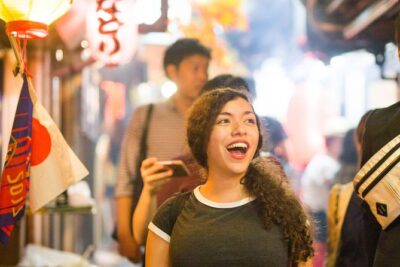 ★ 5.0Best of Shinjuku: Izakaya Food Tour (4 Stops, 14+ Tastings)From $921,863 reviews
 ★ 5.0Tsukiji Fish Market Food and Walking tourFrom $301,724 reviews
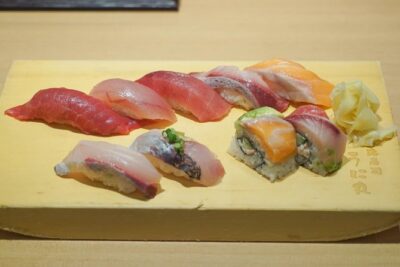 ★ 5.0Tokyo Night Foodie Tour in Shinjuku – Seasonal Sushi, Wagyu BeefFrom $1111,161 reviews
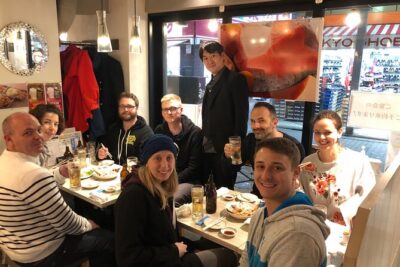 ★ 5.0Eat and Drink Like a Local: Tokyo Ueno Food Tour-Taverns&RamenFrom $95957 reviews
 ★ 5.0Shibuya Food Tour (13 dishes and 4 Eateries)From $77770 reviews