
Reviewed · JDM & DRIFT CAR MEETS
Tokyo Drift Lesson self driving & PRO experience JAPAN TRACK
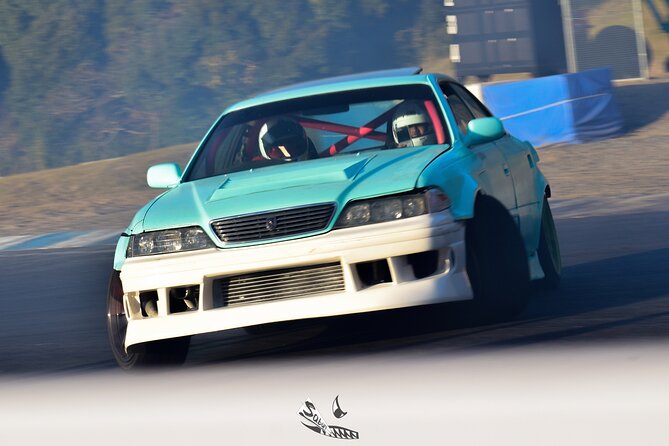
Smoke, cones, and control on a closed track. This private Tokyo drifting lesson takes you to Minami Chiba Circuit in Chiba Prefecture, next to Tokyo, so you can learn the moves without worrying about city traffic. You’ll get coached step-by-step, then you can even chase along while advanced drivers show you what smooth really looks like.
What I like most is the hands-on coaching plus the chance to ask questions freely during a private experience. I also like the package touches that make it more than just wheel time, including the ride-along with advanced drivers and a photographer shoot to actually keep the memories.
One thing to consider: it’s a single day and the price is high, so it’s best if you’re going for the experience itself, not just a quick photo-op. Also, you’ll want to follow the dress and equipment rules closely since you’re drifting in a controlled, safety-first setup.
In This Review
- Key Points Worth Knowing
- How This Tokyo Drift Lesson Actually Works
- The Track Setting: Minami Chiba Circuit Near Tokyo
- What You Do All Day: From Briefing to Donuts to Chase Runs
- Your Instructors and the Coaching Style (Names Included)
- Safety First: Gear, Closed Course, and Practical Rules
- The Photographer Shoot: Why It’s Worth It
- Price and Value: Is $846.98 Per Person Worth It?
- Who This Drift Lesson Fits Best
- Planning Tips: What to Wear and How to Prep Your Mind
- FAQ
- FAQ
- Do I need a driver’s license to do the drift lesson
- What safety gear is provided
- What should I wear
- Is this a private experience
- How long is the experience
- Where does the activity start and end
- Should You Book This Tokyo Drift Lesson?
Key Points Worth Knowing
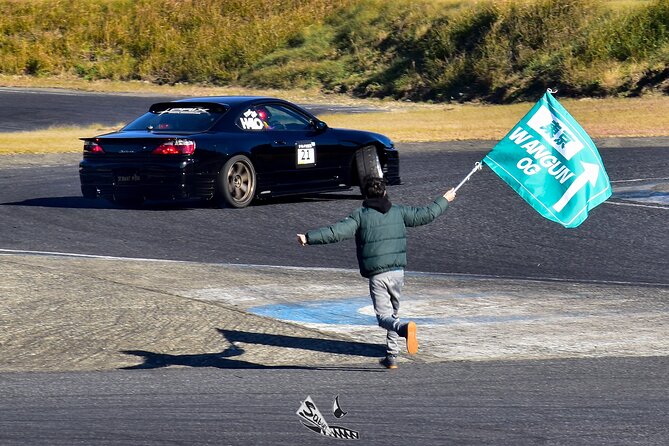
- Minami Chiba Circuit, closed track practice: no public-road stress, and you do not need a license
- Beginner-friendly drifting goals: learn steady circle driving, with practice progressing toward donuts and more
- Ask-anything private coaching: you can pepper your guides with questions throughout the session
- Safety equipment included: helmet, face mask, and gloves are provided
- Expert ride-alongs plus a photographer: you learn by doing and by watching, then you leave with keepsakes
How This Tokyo Drift Lesson Actually Works
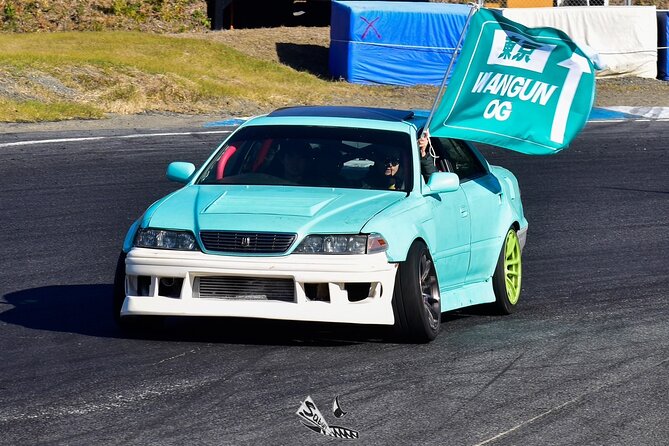
This is not a vague car-simulator fantasy. You’re on a real drift course at Minami Chiba Circuit, and the goal is to give you repeatable techniques you can feel with your own hands and feet. Even if you’ve never drifted, the plan is to get you comfortable with controlled cornering and steady circle driving by the end of the day.
The experience is private, meaning it’s only your group. That matters because drift learning is all about feedback, and private time lets you ask questions without waiting for the next person in line. It also means the day can feel more personal, especially if you’re coming as a couple, friends, or family.
You’ll also get a look at how experts do it. The day includes a ride along with advanced drivers, so you can see the timing, positioning, and confidence that makes the car rotate cleanly instead of just sliding.
More Daikoku nights and JDM runs, rated
- Tokyo: Fast & Furious Tokyo Drift III Experience
★ 4.8 · 2,432 reviews - GT-R35 800hp Club Membership – secret underground car meet
★ 4.8 · 998 reviews - Tokyo: Daikoku JDM Car Meet & Night Car Culture Tour
★ 4.8 · 626 reviews - Secret Car Meet: R34 Skyline Car Club Membership
★ 4.8 · 494 reviews
The Track Setting: Minami Chiba Circuit Near Tokyo
The action happens at Minami Chiba Circuit in Chiba Prefecture, next to Tokyo. That location is important because it keeps the day realistic: you can pair this with other Tokyo plans without losing your whole schedule to travel.
A closed circuit is the big practical win here. You can focus on steering inputs, throttle control, and timing without the added mental load of normal traffic. It also helps the instructors teach faster because the environment is built for repetitive practice.
In the drift world, learning is often about “one thing at a time.” On a track, your instructors can guide you through drills like donuts around cones, then build toward bigger moves. Some people can progress to making 8’s if they pick up the fundamentals quickly, but you’re not expected to start there.
What You Do All Day: From Briefing to Donuts to Chase Runs
The full experience runs about 6 hours. In that window, you’re not just watching. You’re doing laps on a course designed for this kind of teaching, and you get instructor guidance while you drive.
You can think of the day in three phases.
First comes the setup and instruction. You’ll get your safety gear (helmet, face mask, gloves) and then go over how to handle the car for the specific drift techniques you’ll practice. Since drifting is about balance and control, you’ll likely spend time learning how to aim the car where you want it before trying to make it rotate.
Next is your driving practice. You’ll learn to make controlled drifts around cones, and you’ll build muscle memory for smooth steering and throttle timing. The structure is especially helpful if you’re a beginner, because you’re not thrown into the deep end. The goal is steady circle driving first, so you can learn rhythm rather than just chase speed.
Then you’ll see the more advanced side of things. The experience includes side-riding in the chase as much as you like, so you can follow the action and understand what good technique looks like in real time. One of the best parts of this kind of coaching is that you get to compare what you felt you did with what the advanced drivers are doing.
Your Instructors and the Coaching Style (Names Included)
The vibe here seems designed for people who want to learn, not just people who want to flex. In the feedback I’ve seen, guides are friendly and energetic, and they explain drifting culture along with the driving. That combo matters because drifting is technical, but it’s also a community thing, and understanding the why helps your learning stick.
Specific guide names came up a lot in standout comments: Ken and Ren are credited for incredible driving and for sharing insight into drifting culture. Tai is mentioned as making the day memorable, with a big focus on being fun and making it work even if you’re starting from scratch. Morty is described as a killer vibe from the moment pick-up starts, and the day becomes more than just the track session.
Even without knowing the full coaching plan ahead of time, the private format plus the instructor attitude is a clear signal: you’ll get real guidance, and you’ll have chances to ask follow-up questions.
Safety First: Gear, Closed Course, and Practical Rules
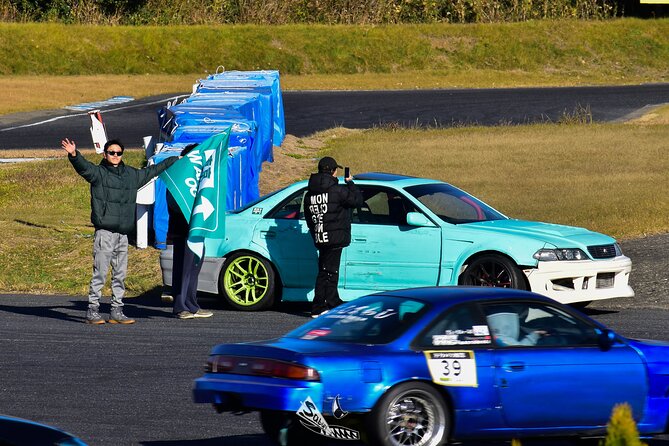
You don’t show up in full drift gear and hope for the best. The experience provides key equipment: helmet, face mask, and gloves. That takes a major headache off your planning, since you won’t need to source the core safety items before you arrive.
You’ll still need to bring what’s not included. Wear sneakers (they specifically note shoes should be sneakers), and use long sleeves and long pants to cover your skin. The reason is simple: drifting and track days involve heat, friction, and constant contact with the car and safety equipment. Wearing the right clothing helps you feel comfortable instead of distracted.
Also, because this happens on a closed circuit, you do not need a license. That makes this much more approachable than many driving activities that require extra steps.
One more practical detail: the service allows service animals. If that’s part of your planning, it’s good to know ahead of time.
Readers also shortlisted these Tokyo bookings:
- Sushi Making Tokyo Roll and Authentic Japanese Sushi Class★ 5.0 · 3,971 reviews
- Tokyo: Roll and Authentic Sushi Making Class in Asakusa★ 4.9 · 1,957 reviews
- Tokyo Shinjuku Chopsticks Making Class★ 5.0 · 1,763 reviews
- Tokyo: Sushi Making Class in a Happi Coat near a Famous Spot★ 4.9 · 1,377 reviews
- Chopstick Making Workshop in Ginza★ 4.8 · 1,366 reviews
The Photographer Shoot: Why It’s Worth It
This includes a shoot with a photographer so you can remember the day. For a lot of action activities, people end up with random phone clips and the same one blurry shot of the car passing by. A dedicated photo session is a smart move because drifting is fast and visually dramatic, and having someone aim for the right angles is hard to do solo.
It also adds value if you’re celebrating something. One review described it as a birthday surprise, which makes sense: the drifting itself is fun, but the lasting proof is what makes the day feel like a real event in your memory.
If you’re the kind of traveler who likes tangible keepsakes, this is the part that turns an athletic experience into something you’ll want to show later.
Price and Value: Is $846.98 Per Person Worth It?
At $846.98 per person for about 6 hours, this is not a casual activity. It’s closer to a premium day tour where the cost is mostly paying for track access, staff time, instruction, safety gear, and the included ride-alongs and photo coverage.
So the value depends on how you like to travel.
If you’re a car person, a JDM fan, or someone who’s been watching Tokyo’s drifting scene from afar, the price starts to make sense because you’re paying for the ability to do it for real. You’re also paying for structure. Drift learning is about coaching you can’t easily copy on your own, and doing it on a real circuit with safety gear is a big part of what you’re buying.
If you’re budget focused, you might compare it to other Tokyo experiences and wonder why it costs so much. The honest answer is: it costs because it’s private, technical, and track-based. You’re not paying for a view, you’re paying for controlled practice with professional support.
One advantage: there are group discounts, and the private format can feel more reasonable when you’re splitting the cost across friends or family members who genuinely want to participate.
Who This Drift Lesson Fits Best
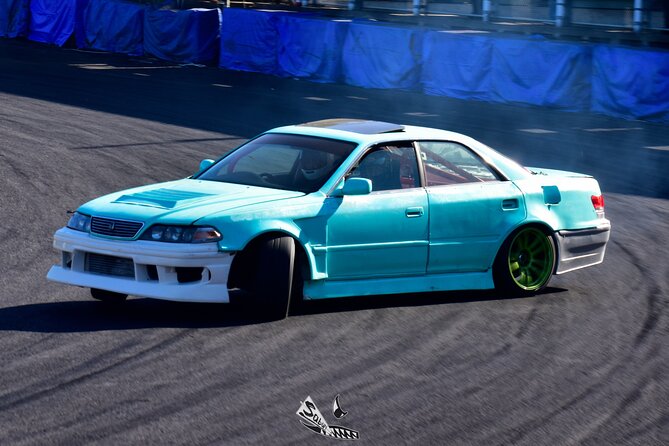
This is a great fit if you want hands-on learning, not just entertainment. If you like cars and want to learn real drifting technique like steady circles and cone work, you’re in the right place.
It also works well if you’re traveling with someone who’s excited but nervous. Beginner-friendly coaching and provided safety equipment reduce the “I’ll mess it up” fear. The private format helps too, because you can ask questions when you’re confused instead of letting frustration build.
It might be less ideal if you’re looking for a calm, scenic day. This is an active, technical track lesson, and the day’s rhythm is built around driving practice and instruction.
Planning Tips: What to Wear and How to Prep Your Mind
Don’t overthink it, but do prep. Wear sneakers, bring long sleeves and long pants, and plan to use the helmet, face mask, and gloves they provide. If you’re tempted to come in light clothing because it’s summer, resist that urge. Comfort matters, and the rules are there for a reason.
Mentally, go in with the right expectations. Drifting is not about looking cool from the start. It’s about getting control first. The progression from donut-like moves around cones to more advanced patterns like 8’s for those who pick it up quickly gives you a natural ladder without making you feel behind.
Finally, treat questions like part of the activity. The private setup means asking stuff is not a distraction. It’s literally part of the service.
FAQ
FAQ
Do I need a driver’s license to do the drift lesson
No. The instruction takes place on a closed circuit, so you do not need a license.
What safety gear is provided
The experience includes a helmet, face mask, and gloves.
What should I wear
Wear sneakers. You should also wear long sleeve and long pants to cover your skin.
Is this a private experience
Yes. It’s private, and only your group participates.
How long is the experience
It runs for about 6 hours.
Where does the activity start and end
The meeting point is at 2nd, 2-chōme-6-2 Shinbashi, Minato City, Tokyo 105-0004, Japan, and the experience ends back at the same meeting point.
Should You Book This Tokyo Drift Lesson?
Book it if you want to learn drifting with real coaching on a real track, and you’re excited about JDM culture. The private format, provided safety gear, expert ride-alongs, and the photographer shoot add real value beyond just driving in circles.
Skip it if you want a relaxing day, or if you’re not planning to put your focus into learning technique. At this price, it’s best when the experience matches your interests and you’ll savor the process, not just the result.
More Workshops in Tokyo
- Sushi Making Tokyo Roll and Authentic Japanese Sushi Class
★ 5.0 · 3,971 reviews - Tokyo: Roll and Authentic Sushi Making Class in Asakusa
★ 4.9 · 1,957 reviews - Tokyo Shinjuku Chopsticks Making Class
★ 5.0 · 1,763 reviews - Tokyo: Sushi Making Class in a Happi Coat near a Famous Spot
★ 4.9 · 1,377 reviews - Chopstick Making Workshop in Ginza
★ 4.8 · 1,366 reviews
More Tour Reviews in Tokyo
- Mt Fuji and Hakone 1-Day Bus Tour Return by Bullet Train
★ 5.0 · 26,383 reviews - 1-Day Tokyo Bus Tour
★ 5.0 · 14,250 reviews - Tokyo: teamLab Planets TOKYO Digital Art Museum Entry Ticket
★ 4.6 · 9,779 reviews - Mt Fuji & Hakone Cruise, Drum Show Bullet Train 1 Day from Tokyo
★ 4.0 · 7,413 reviews - Tokyo: Shinjuku Food Tour (13 Dishes at 4 Local Eateries)
★ 5.0 · 6,603 reviews
More JDM and Drift Nights
- Tokyo: Fast & Furious Tokyo Drift III Experience
★ 4.8 · 2,432 reviews - GT-R35 800hp Club Membership – secret underground car meet
★ 4.8 · 998 reviews - Tokyo: Daikoku JDM Car Meet & Night Car Culture Tour
★ 4.8 · 626 reviews - Secret Car Meet: R34 Skyline Car Club Membership
★ 4.8 · 494 reviews - Tokyo Drift: Daikoku PA Supreme Car Experience 大黒PA
★ 4.7 · 372 reviews
Latest Tokyo reviews off our desk




JDM & Drift Car Meets, compared.
 ★ 4.8Fast & Furious Tokyo Drift III ExperienceFrom $1502,432 reviews
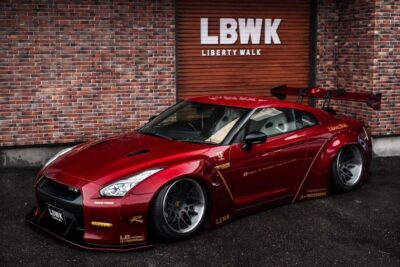 ★ 4.8GT-R35 800hp Club Membership – secret underground car meetFrom $205998 reviews
 ★ 4.8Daikoku JDM Car Meet & Night Car Culture TourFrom $98626 reviews
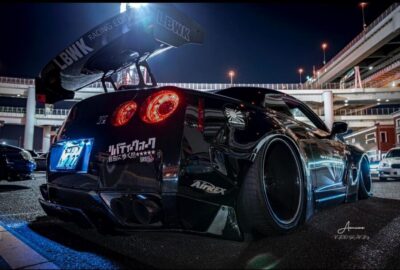 ★ 4.8Secret Car Meet: R34 Skyline Car Club MembershipFrom $236494 reviews
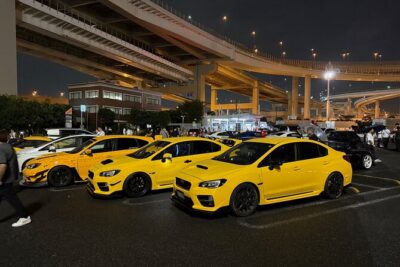 ★ 4.9EVO, WRX, Skyline – JDM Night Run to Daikoku Car MeetFrom $125478 reviews
 ★ 4.7Tokyo Drift: Daikoku PA Supreme Car Experience 大黒PAFrom $58372 reviews
 ★ 4.9Legendary JDM CAR Daikoku Underground MeetupFrom $82360 reviews
 ★ 4.6Go Daikoku PA Fast & Furious 3 Sports Car MeetupFrom $49356 reviews
Browse the lists this tour appears in