
Reviewed · IMPERIAL PALACE TOURS
Tokyo: Edo Castle Ruins & Imperial Palace East Garden Tour
A castle tour in the heart of Tokyo feels like a shortcut through time. This one strings together Edo Castle remnants and the Imperial East Gardens with an English-speaking guide who explains what you’re actually looking at. You’ll walk, pause, and connect the dots between shoguns, emperors, and the defensive design that shaped old Tokyo.
What I like most is the way the tour turns details into meaning, especially at the Wadakura Fountain and the surrounding grounds. I also love the payoff at the Tenshu-dai area, where the views make the scale of the former castle easier to grasp.
One possible drawback: you can’t enter the Imperial Palace’s inner palace buildings, so if you’re hoping for that postcard-palace interior experience, this tour focuses on gardens and historic ruins instead.
In This Review
- Key highlights you’ll care about
- From Wadakura to the Imperial East Gardens: The point of this tour
- Wadakura Free Rest Area and the Wadakura Fountain: the story starts early
- Gates, moats, and guardhouse thinking: Ote-Mon and Ote-San’no Ruins
- Edo Castle ruins and Honmaru: seeing power without the full building
- Todofuken-no-ki, Suwa-no-chaya, and the quieter East Garden rhythm
- Ninomaru Garden and koi fish: the calm payoff
- Price and value: is $37 worth 2 hours?
- Practical stuff before you go: walking, photos, and palace limits
- Should you book this tour? My honest take
- FAQ
- How long is the tour?
- Where do we meet?
- Is the tour guide available in English?
- What’s included in the price?
- What isn’t included?
- Can you enter the Imperial Palace’s inner grounds?
- Are flash photography or smoking allowed?
- Is the tour suitable for young children or wheelchair users?
Key highlights you’ll care about
- Wadakura Fountain story tied to a royal wedding, told right where the fountain is
- Gate-and-moat layout explained in plain terms so it makes sense in your photos
- Ote-Mon Gate and guardhouse areas that help you picture how castle defense worked
- Tenshu-dai panoramic views plus a restoration model to frame what the keep might have looked like
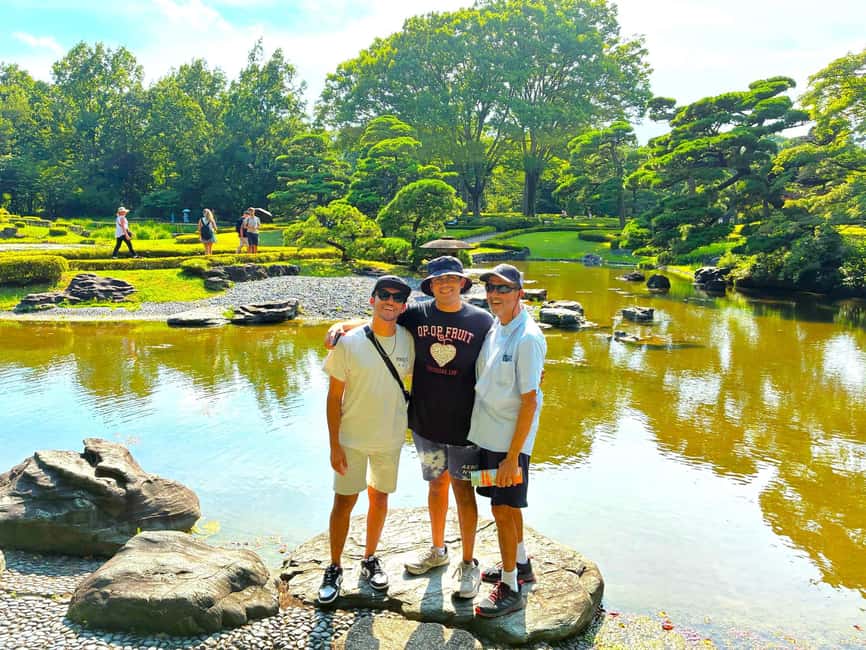
- Ninomaru Garden calm with koi fish to slow your pace after the ruins
- A small-group feel (private or small groups available) with time for questions
From Wadakura to the Imperial East Gardens: The point of this tour
Tokyo can be so smooth and modern that it’s easy to forget it used to be a fortified seat of power. This tour gives you a focused walk through the former Edo Castle grounds and then eases you into the Imperial East Gardens. The magic is in the “translation” from ruins and paths into stories—who ruled, what they feared, and why specific spots mattered.
You’re out for about 2 hours, and that time is spent efficiently. Each stop is short, but it’s the kind of short that keeps you moving while still giving context. If you like your sightseeing with clear explanations (and not just signage), you’ll likely enjoy this format.
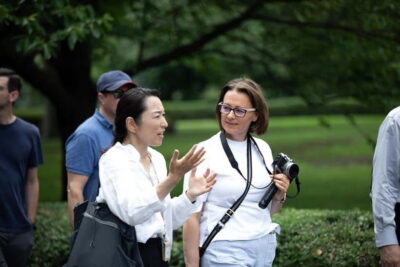
Also, the guide is English-speaking and you may meet guides such as Mari-san or Isao, both known for friendly explanations and patience with questions. That matters, because the terrain is real-world and uneven—having someone point out what to notice makes the whole thing easier.
More walks around the Imperial grounds
- Tokyo: Imperial Palace and Shogun Historical Walking Tour
★ 5.0 · 2,251 reviews - Tokyo: Imperial Palace Japanese History Walking Tour
★ 4.9 · 987 reviews - Tokyo: Imperial Palace and Shogun Walking Tour
★ 4.9 · 935 reviews - Imperial Palace East Garden and Edo Castle Walking Tour in Tokyo
★ 5.0 · 510 reviews
Wadakura Free Rest Area and the Wadakura Fountain: the story starts early
Your meeting point is outside the 和田倉無料休憩所 (Wadakura Free Rest Area), in front of the entrance. The guide will be holding a yellow sign, so you can spot them quickly and avoid the awkward waiting shuffle.
Right away, you’ll be guided through the Wadakura Fountain National Park area. The fountain isn’t just a pretty landmark; it was built to commemorate a royal wedding. That one fact helps everything around it click—this spot isn’t only about “old Japan,” it also connects ceremony, tradition, and public memory.
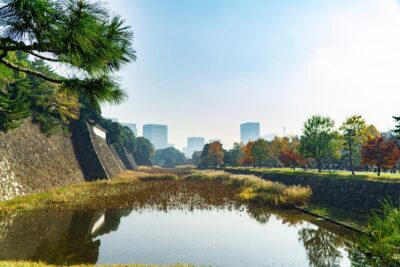
You’ll also move through the Wadakura Moat area while the guide explains how water was part of defense. Moats are easy to see in photos, but harder to understand in context. Here, you’re given the why: castles weren’t only walls and heroes; they were systems.
One small practical note: because this portion is early in the tour, you’ll want your comfy shoes on from the start. You’re likely doing more walking than you first expect from a “ruins tour.”
Gates, moats, and guardhouse thinking: Ote-Mon and Ote-San’no Ruins
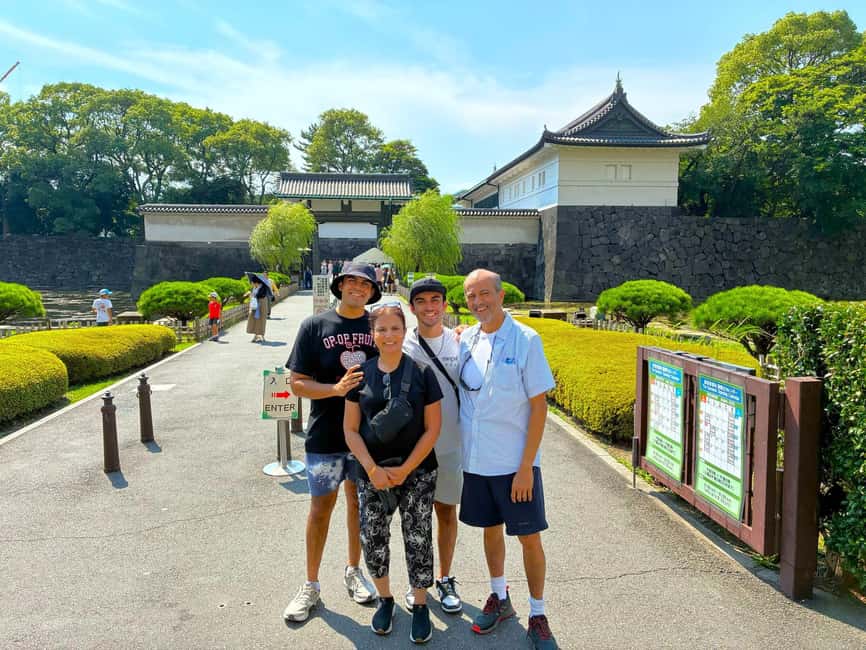
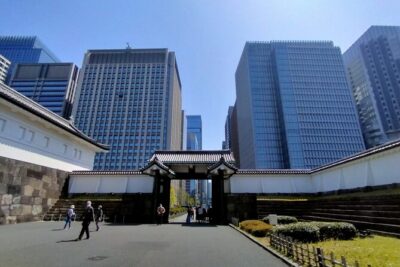
After the fountain and moat, the tour shifts to gate territory—where you can literally feel the difference between open space and controlled entry. The Ote-Mon Gate stop is where the tour becomes visual. You’ll look at the gate approach and the kind of movement castles forced on people entering the grounds.
Then you’ll reach the Ote-San’no Gate Ruins. These remnants can look small or incomplete if you don’t know what they’re supposed to represent. With a guide pointing out the function, you start to see patterns: where protection concentrated, where threats would have been expected, and why gates were designed as choke points rather than free-for-alls.
Next up is the Hyakunin Bansho Guardhouse area. “Guardhouse” sounds like one more stop, but this is where the tour’s defense story becomes more human. You’ll learn how castle security was structured, and you’ll connect the idea of samurai service to the physical layout you’re standing in. It’s not just history trivia—it helps you understand why the castle’s “spaces” were made to control motion.
If you’re the type who likes architecture and practical design, this section is a highlight. If you’re more of a “show me famous buildings” person, this part can feel more conceptual—still worth it, but keep your expectations aligned with ruins and explanations rather than restored palaces.
Edo Castle ruins and Honmaru: seeing power without the full building
Now you’re into the core of the Edo Castle story: the ruins and the main hall area. The Edo Castle Ruins stop gives you a guided sense of place—what the grounds were, how space was organized, and how the castle complex worked as a whole.
Then you’ll visit the Site of Edo Castle Honmaru (Main Hall). Honmaru is the big-name area, but today much of what you see is remnants and markers. What makes this stop worthwhile is the guide framing: you’re not just viewing leftovers; you’re learning what the center represented—political authority, military command, and the symbolic heart of power.
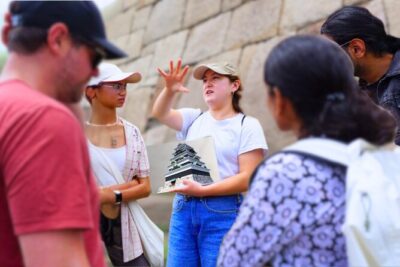
After that, you’ll see an Edo Castle keep restoration model. This is smart tour planning. Ruins can confuse your brain: was this wall taller, what did the roofline look like, where did sightlines run? A model helps you build a mental picture fast, before you head to views.
From there, you’ll go to the Tenshu-dai, where the emphasis turns to what you can see. The panoramic views matter because they connect ground-level ruins to their original purpose. Elevated views from inside the castle weren’t about aesthetics; they were about surveillance. Even if you’re not a military history buff, you’ll understand why that sightline mattered.
Timing-wise, this whole segment is built to stay energetic. There are short guided pauses, but you’re moving long enough to build momentum without getting exhausted.
Todofuken-no-ki, Suwa-no-chaya, and the quieter East Garden rhythm
Once you transition into the Imperial East Gardens, the mood changes. The tour doesn’t just walk you past greenery—it gives you stops that work as landmarks in the garden space.
You’ll encounter 都道府県の木 (the trees representing prefectures). It’s one of those features you could easily skip over on your own because it’s not “famous” in the way people expect. In a guided setting, it becomes a way to understand how the grounds reflect modern civic life layered over older space.
You’ll also visit 諏訪の茶屋 (Suwa Tea House area). Again, it’s not an empty scenic stop. It’s part of how the gardens were structured for leisure and ritual, not only defense. This contrast is valuable: Edo Castle’s strength was control, while the garden spaces offer a different kind of control—designed calm.
This is also where you’ll start getting the benefits of a timed tour. You’re not wandering for an hour trying to guess what’s important. You’re walking a guided path and learning what each stop represents.
- Tokyo: Shinjuku Food Tour (13 Dishes at 4 Local Eateries)★ 5.0 · 6,603 reviews
- Tokyo Mt Fuji 5th St & Hakone Cruise Bus Tour w/Bullet Train★ 4.4 · 5,024 reviews
- Flagship 2-Hours Official Street Go-Kart Tour – Tokyo Bay Shop★ 5.0 · 4,974 reviews
- From Tokyo: Mount Fuji Full-Day Sightseeing Trip★ 4.5 · 4,970 reviews
- Tokyo: Hop-On Hop-Off Sightseeing Bus Ticket★ 3.9 · 4,207 reviews
Ninomaru Garden and koi fish: the calm payoff
The final garden highlight is Ninomaru Garden, including time to enjoy its pond and koi fish. This is the part of the tour where your brain gets a break. After gates, moats, and defensive thinking, a quiet pond scene gives you a reset.
The koi fish stop isn’t just cute. In a garden designed for contemplation, the pond becomes a focal point that shapes how you move and how long you linger. If you’re traveling fast through Japan, this kind of slower moment is exactly what makes a historical tour feel complete rather than stressful.
You’ll also appreciate the flow of the day: ruins to views to gardens. That progression is one reason the tour works even if you don’t consider yourself a “history person.” Your eyes keep getting a new job, and your feet get a manageable break after the more structured castle stops.
Price and value: is $37 worth 2 hours?
At about $37 per person for roughly 2 hours, you’re paying for three things: a live English guide, admission coverage, and the ability to see the grounds with context. In Tokyo, guided time usually costs more than the base attraction price—so the value depends on whether you’ll use the guide’s explanation.
If you like asking questions and getting direct answers, this tour is a strong deal. The guide’s role matters most at the ruins and gate areas, where signage alone can feel vague. With a guide, you’re not just collecting photos; you’re building understanding quickly.
Also, the tour includes a commemorative photo opportunity. That’s small, but it reduces friction—especially if you’re traveling with someone who doesn’t always want to play photographer for the whole trip.
The one value caution: you’re paying for a guided walking route through ruins and gardens, not access to palace interiors. If your top priority is entering palace buildings, this tour won’t deliver that experience.
Practical stuff before you go: walking, photos, and palace limits
This tour runs on rules, so it helps to know them up front. You should bring comfortable shoes, a camera if you like photos, and water. You’ll also want to plan on walking on outdoor paths in the castle and garden areas.
Two photo-related rules matter: flash photography isn’t allowed, and smoking is not permitted. So if you’re used to snapping quick night-mode shots, you’ll need to adjust and use normal lighting.
Now the big limitation: you can’t enter the inner grounds of the Imperial Palace, and the palace buildings aren’t open to the public. The tour focuses on the East Gardens and the historic Edo Castle ruins instead. That’s not a downside if your goal is understanding the space and seeing the public areas that are available—but it is a deal-breaker if you want the interior palace experience.
In terms of who should book: the tour notes it’s not suitable for children under 6, and it’s not designed for people with mobility impairments or wheelchair users. You’ll be on your feet outdoors, and the stops are spread across different ground conditions.
On the plus side, private or small groups are available, which can make the experience feel calmer and more tailored—especially if you’re the type who likes to ask “why” questions.
Should you book this tour? My honest take
Book this tour if you want a guided, efficient walk that connects Edo Castle defense and Imperial East Garden calm. The standout is how the guide turns scattered remnants into a coherent story, especially at the fountain, gates, Honmaru area, and the Tenshu-dai views.
Don’t book it if your dream is entering the Imperial Palace buildings or getting inside the inner palace grounds. This tour is intentionally built around what’s accessible: gardens, ruins, and interpretation.
If you’re deciding between doing this area solo or with a guide, I’d choose the guide. The locations you’ll visit are meaningful, but without explanations they can look like you’re just walking through attractive space. With the guide, you get the functional story: moats, gate control, guardhouse logic, and why the views mattered.
Given the strong overall rating (around 4.4), and the repeated praise for guides like Mari-san and Isao—especially their friendliness and willingness to answer questions—this is a good value pick for a first or second pass around the Imperial area.
FAQ
How long is the tour?
The tour lasts about 2 hours.
Where do we meet?
Meet outside the Wadakura Free Rest Area (和田倉無料休憩所), in front of the entrance. The guide will be holding a yellow sign.
Is the tour guide available in English?
Yes, the tour includes a live English-speaking guide.
What’s included in the price?
Your ticket includes a live tour guide, admission to Edo Castle and the Imperial Palace, and a commemorative photo opportunity.
What isn’t included?
The tour does not include hotel pickup and drop-off, food and drinks, or personal expenses. Entry to the Imperial Palace’s palace buildings is also not included because those buildings aren’t open to the public.
Can you enter the Imperial Palace’s inner grounds?
No. You’re unable to enter the inner grounds of the Imperial Palace. The tour focuses on the East Gardens and the historical Edo Castle ruins.
Are flash photography or smoking allowed?
No. Smoking isn’t allowed, and flash photography is not permitted.
Is the tour suitable for young children or wheelchair users?
It’s not suitable for children under 6, and it’s also not suitable for people with mobility impairments or wheelchair users.
More Tours in Tokyo
- Mt Fuji and Hakone 1-Day Bus Tour Return by Bullet Train
★ 5.0 · 26,383 reviews - 1-Day Tokyo Bus Tour
★ 5.0 · 14,250 reviews - Tokyo: Shinjuku Food Tour (13 Dishes at 4 Local Eateries)
★ 5.0 · 6,603 reviews - Tokyo Mt Fuji 5th St & Hakone Cruise Bus Tour w/Bullet Train
★ 4.4 · 5,024 reviews - Flagship 2-Hours Official Street Go-Kart Tour – Tokyo Bay Shop
★ 5.0 · 4,974 reviews
More Tour Reviews in Tokyo
- Mt Fuji and Hakone 1-Day Bus Tour Return by Bullet Train
★ 5.0 · 26,383 reviews - 1-Day Tokyo Bus Tour
★ 5.0 · 14,250 reviews - Tokyo: teamLab Planets TOKYO Digital Art Museum Entry Ticket
★ 4.6 · 9,779 reviews - Mt Fuji & Hakone Cruise, Drum Show Bullet Train 1 Day from Tokyo
★ 4.0 · 7,413 reviews - Tokyo: Shinjuku Food Tour (13 Dishes at 4 Local Eateries)
★ 5.0 · 6,603 reviews
More Imperial Palace Walks
- Tokyo: Imperial Palace and Shogun Historical Walking Tour
★ 5.0 · 2,251 reviews - Tokyo: Imperial Palace Japanese History Walking Tour
★ 4.9 · 987 reviews - Tokyo: Imperial Palace and Shogun Walking Tour
★ 4.9 · 935 reviews - Imperial Palace East Garden and Edo Castle Walking Tour in Tokyo
★ 5.0 · 510 reviews - Tokyo: Imperial Palace East Gardens Walking Tour
★ 4.8 · 353 reviews
Latest Tokyo reviews off our desk






Imperial Palace Tours, compared.
 ★ 5.0Imperial Palace and Shogun Historical Walking TourFrom $222,251 reviews
 ★ 4.9Imperial Palace Japanese History Walking TourFrom $32987 reviews
 ★ 4.9Imperial Palace and Shogun Walking TourFrom $16935 reviews
 ★ 5.0Imperial Palace East Garden and Edo Castle Walking Tour in TokyoFrom $25510 reviews
 ★ 4.8Imperial Palace East Gardens Walking TourFrom $19353 reviews
 ★ 4.5Imperial Palace, Sensō-ji Temple, & Tokyo Tower TourFrom $40339 reviews
 ★ 5.0Tokyo Castle, Imperial Palace, Shogun & Garden Walking TourFrom $31211 reviews
 ★ 4.7Edo Castle & East Garden of the Imperial Palace TourFrom $42112 reviews
Browse the lists this tour appears in