
Reviewed · SUMO TOURNAMENTS & SHOWS
Tokyo: Enjoy Sumo match and know about it! [Ticket included]
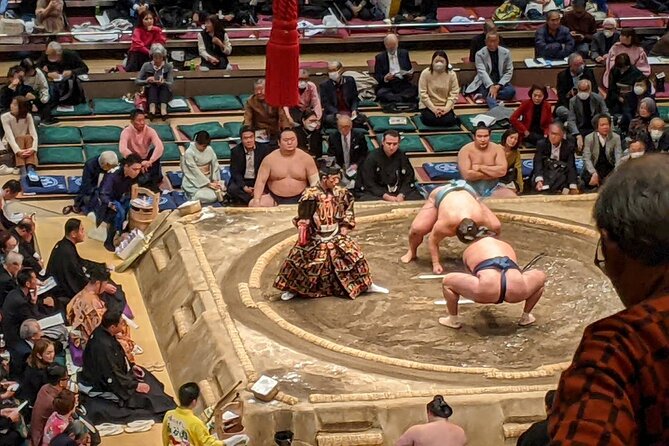
Sumo feels bigger when you’re close enough to hear the breathing. This tour pairs sumo-focused sightseeing in Ryogoku with a real C-seat ticket so you end up watching the action right in front of you. I especially like that you’re not just ticket-in-hand; you get context first, including temple stops and Ryogoku sweets.
The only downside to weigh: the guide experience can vary, and you may finish the guided portion and then watch more independently once you’re at the arena. If you’re hoping for a long, sentence-by-sentence explanation during the match, you’ll want to adjust your expectations.
Still, if you’re here for genuine sumo atmosphere and want the ticket bundled, this setup is an efficient way to spend a day.
In This Review
- Key Things I Think You’ll Enjoy
- Ryogoku First: How This Tour Sets Up the Match
- What the Sumo-Related Stops Are Really For
- The C-Seat Ticket: What Close Up Means in Real Life
- Timing That Works: Tour Ends at 3 p.m., Matches Run 4–6
- How the Guide Helps (and Where You Might Need to Be Flexible)
- Value Check: Is $108 Worth It?
- Rules and Practicalities for Match Day
- Who This Tour Fits Best
- Should You Book This Sumo Tour?
- FAQ
- Where is the meeting point for this sumo tour?
- What does the ticket include?
- What time does the tour end, and when does the match happen?
- What is included besides the ticket?
- Do you have to pay extra for shopping?
- Are alcohol and drugs allowed?
- Is the tour suitable for wheelchair users?
- Is this tour available in English?
- What is the cancellation window?
- Is reserve and pay later available?
Key Things I Think You’ll Enjoy
![Tokyo: Enjoy Sumo match and know about it! [Ticket included] - Key Things I Think You’ll Enjoy](https://c.tokyotourreviews.com/wp-content/uploads/tokyo-enjoy-sumo-match-and-know-about-it-ticket-included-1.jpg)
- A match from C-seat so you’re not standing out in the back staring at screens
- Sumo-related stops in Ryogoku before the tournament begins
- Temples + sweets + sumo goods that connect culture to what you’ll see later
- English-speaking guidance to help you understand what matters in sumo
- A clear schedule: tour ends at 3 p.m., match runs 4–6 p.m.
Ryogoku First: How This Tour Sets Up the Match
![Tokyo: Enjoy Sumo match and know about it! [Ticket included] - Ryogoku First: How This Tour Sets Up the Match](https://c.tokyotourreviews.com/wp-content/uploads/tokyo-enjoy-sumo-match-and-know-about-it-ticket-included-2.jpg)
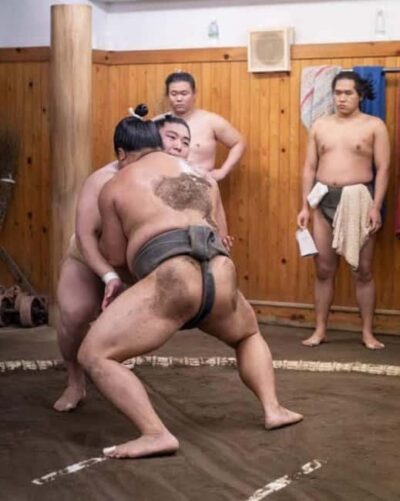
This is a “learn first, watch close” kind of day. You start with sumo culture around Ryogoku, then you move into the tournament setting with your brain already warmed up. That matters more than you might think. Sumo has rules, roles, and little traditions that become obvious once you’ve heard the basics.
I like that the tour doesn’t treat sumo as just spectacle. It frames it as a national sport with history, roots, and sacred space. That’s why the early stops feel like more than sightseeing errands. You’re getting ready to interpret what you’ll see later.
The meeting point is simple: in front of the Sumo Statue near a public toilet. You’ll end back at the same spot, so you’re not stuck figuring out a new meeting location later in the day.
Other ringside bookings readers scored
- Tokyo: Sumo Show and Dining Experience
★ 4.8 · 2,742 reviews - the SUMO show
★ 5.0 · 1,960 reviews - Tokyo Shinjuku Sumo Show & Experience with Photo
★ 5.0 · 1,750 reviews - Tokyo: Sumo Show and Experience in Shinjuku
★ 4.8 · 1,001 reviews
What the Sumo-Related Stops Are Really For
The stops aren’t random. They’re tied to sumo’s world—places and objects that help explain how the sport became what it is.
Here’s what you can expect your route to include:
- Temples with deep connections to sumo
- Ryogoku’s famous sweets (you’ll have time to enjoy snacks from the area too)
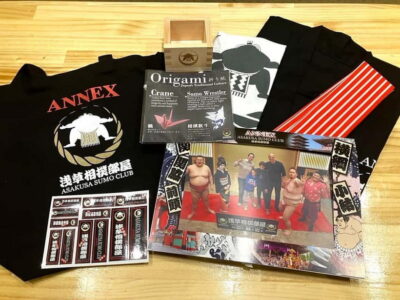
- Sumo goods and other items related to the sport
The practical win is pacing. By the time you reach the tournament venue, you understand why certain things matter: the reverence, the rituals, and the way sumo isn’t just “wrestling,” it’s also a ceremony.
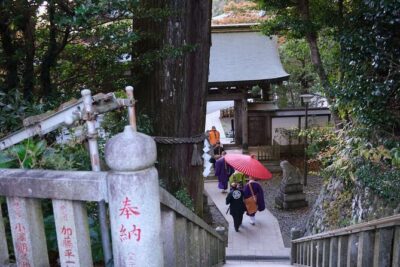
The temple portion especially helps. In many cultures, sports are linked to sacred tradition; sumo is one of Japan’s strongest examples of that. Even if you don’t know every detail, you’ll catch the mood shift when you step from “street sightseeing” into “sacred place” territory.
The C-Seat Ticket: What Close Up Means in Real Life
![Tokyo: Enjoy Sumo match and know about it! [Ticket included] - The C-Seat Ticket: What Close Up Means in Real Life](https://c.tokyotourreviews.com/wp-content/uploads/tokyo-enjoy-sumo-match-and-know-about-it-ticket-included-4.jpg)
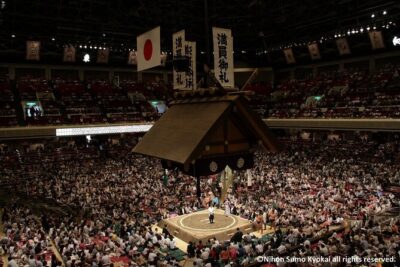
You get a Sumo C-seat ticket included, and that’s the heart of the value. C-seat usually means you’re seated closer than the cheap sections, where you can actually track movement without constantly guessing what’s happening.
When people say sumo feels powerful, it’s not just dramatic language. It’s physical. The bouts are short, the impact is immediate, and once the wrestlers lock up you can feel the intensity in the room. From closer seating, you’ll notice details you’d otherwise miss—how quickly momentum swings, how stances shift, and how the crowd reacts between bouts.
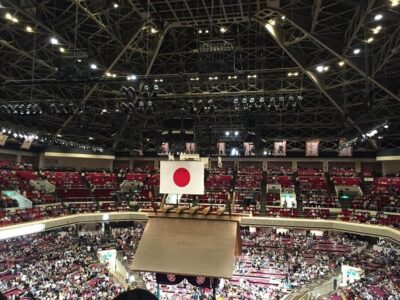
I also like that the tour is designed around getting you to the venue before the frenzy starts. You’re given the tickets at the end of the guided portion, and then you step into the atmosphere for the match itself.
One practical note: your experience will depend a lot on how confident you feel navigating the venue once you’re there. If you’re the type who wants a guide beside you for every minute, pay attention to how the tour ends (see the guide reality check below).
Timing That Works: Tour Ends at 3 p.m., Matches Run 4–6
![Tokyo: Enjoy Sumo match and know about it! [Ticket included] - Timing That Works: Tour Ends at 3 p.m., Matches Run 4–6](https://c.tokyotourreviews.com/wp-content/uploads/tokyo-enjoy-sumo-match-and-know-about-it-ticket-included-5.jpg)
The day has a clean rhythm:
- The tour wraps at 3 p.m.
- The sumo matches run from 4 p.m. to 6 p.m.
That structure is useful for two reasons. First, it gives you enough time for the tour to do its cultural work without eating the whole day. Second, it lets you settle into the tournament setting before the action ramps up.
You can also grab snacks you can buy at the venue. That may sound minor, but it’s actually part of how you enjoy the match day. Food, noise, and crowd flow turn the tournament into an event, not just a sporting stop.
Another thing to keep in mind: the matches get more intense in the second half of the day. If you’re thinking about where to spend your energy, I’d plan to be fully present later on—when the pace and emotion often spike.
How the Guide Helps (and Where You Might Need to Be Flexible)
![Tokyo: Enjoy Sumo match and know about it! [Ticket included] - How the Guide Helps (and Where You Might Need to Be Flexible)](https://c.tokyotourreviews.com/wp-content/uploads/tokyo-enjoy-sumo-match-and-know-about-it-ticket-included-6.jpg)
This tour includes an English speaking guide, and the goal is clear: a guided overview of sumo before you watch. If your guide communicates well, that’s a huge advantage. The information helps you connect what you’re seeing in the ring to the cultural context you just heard.
One positive example you can hope for is an English guide named Hirashima, who was praised for giving a fabulous overview of sumo and making the match feel understandable and alive.
Here’s the consideration: at least some experiences can be more limited than you’d expect. In one case, the guide did not seem to speak English well, and the briefing felt short, after which the group was left in front of the arena with the ticket. I can’t predict your exact day, but I’d plan for the possibility that the guide portion ends and your main job becomes soaking up the atmosphere.
So, how do you make that work? Go in with two mindsets:
- Treat the tour as pre-match orientation, not a full commentary track during every bout.
- Ask questions when you can, especially about basics you’re unsure about.
If you already know some sumo vocabulary, even better. You’ll catch more without needing the guide to provide every translation in real time.
Readers also shortlisted these Tokyo bookings:
- Tokyo: teamLab Planets TOKYO Digital Art Museum Entry Ticket★ 4.6 · 9,779 reviews
- Tokyo: Hop-On Hop-Off Sightseeing Bus Ticket★ 3.9 · 4,207 reviews
- Tokyo: Japanese Dance Cabaret Theater Asakusa-Kaguwa Ticket★ 4.8 · 2,270 reviews
- Tokyo Skytree Admission Ticket with Tembo Deck and Galleria★ 4.0 · 589 reviews
- Tokyo: ‘Red Tokyo Tower’ Digital Amusement Park Ticket★ 4.1 · 398 reviews
Value Check: Is $108 Worth It?
![Tokyo: Enjoy Sumo match and know about it! [Ticket included] - Value Check: Is $108 Worth It?](https://c.tokyotourreviews.com/wp-content/uploads/tokyo-enjoy-sumo-match-and-know-about-it-ticket-included-7.jpg)
Let’s talk money honestly. You’re paying $108 per person, and what you receive includes:
- Sumo C-seat ticket
- English speaking guide
- Guided stops related to sumo (temples, Ryogoku sweets, sumo goods)
So you’re not only buying admission. You’re buying a guided path that gets you ready for what the tournament means. That can be worth it if you want a low-stress day that hands you a sensible storyline: culture first, match second.
Where value can feel questionable is when you expected the guide to provide deep explanation throughout the tournament or when the English delivery isn’t strong. If you’re very self-guided and you’re comfortable figuring everything out on your own, you might wonder what the guide adds.
My practical advice: decide what you want most.
- If you want help making sense of sumo and you like structured sightseeing, the bundle is likely a good use of your time.
- If you want only the cheapest route to the match and you don’t care about context, you may feel boxed in by a guided format.
Either way, C-seat plus a structured morning-to-afternoon flow is a fair starting point for value.
Rules and Practicalities for Match Day
![Tokyo: Enjoy Sumo match and know about it! [Ticket included] - Rules and Practicalities for Match Day](https://c.tokyotourreviews.com/wp-content/uploads/tokyo-enjoy-sumo-match-and-know-about-it-ticket-included-8.jpg)
A few rules and comfort notes matter because they affect your day-of experience.
- No alcohol and drugs are allowed. Plan to skip alcohol before the match so you don’t risk trouble.
- The tour is not suitable for wheelchair users.
- You’ll be in a seated venue for the match, so bring patience for crowds and noise. Sumo is famous partly because it’s loud and immediate once things start.
Also remember what the schedule implies. The guided part ends at 3 p.m., and the matches run 4–6 p.m., so you’ll likely spend the core excitement window in the arena after the guide’s orientation is done. Build your energy for that.
Who This Tour Fits Best
![Tokyo: Enjoy Sumo match and know about it! [Ticket included] - Who This Tour Fits Best](https://c.tokyotourreviews.com/wp-content/uploads/tokyo-enjoy-sumo-match-and-know-about-it-ticket-included-9.jpg)
This is a strong choice if you:
- Love Japanese traditions and want sport with ceremony
- Want a guided route with sumo-themed stops in Ryogoku
- Prefer a bundled plan where your ticket is included
- Like getting context before you watch something intense
It may be less ideal if you:
- Need step-by-step guidance during the entire tournament
- Have limited tolerance for groups that finish the briefing and then split into independent watch time
- Rely on wheelchair accessibility (this one isn’t designed for it)
If you’re a first-timer to sumo, that cultural warm-up is a big help. If you already know sumo basics, you can use the tour to focus on the match atmosphere and learn just enough to spot what’s going on faster.
Should You Book This Sumo Tour?
I’d book it if you want a smooth day built around sumo culture + a close C-seat match. The structure is efficient: you get temples, sweets, and sumo-related goods, then you land at the venue ready for the real action between 4 and 6 p.m.
I’d think twice if you’re expecting an extended, highly detailed English explanation during the tournament itself. The most important variable here is how strong your guide’s English delivery is and how much they’ll stay with you once the match begins.
If you’re looking for a fun, well-timed sumo day that includes admission, this is a solid pick—just go in knowing the tour is an orientation, not a full-time play-by-play.
FAQ
Where is the meeting point for this sumo tour?
You meet in front of the Sumo Statue near a public toilet. The activity ends back at the meeting point.
What does the ticket include?
The tour includes a Sumo C-seat ticket.
What time does the tour end, and when does the match happen?
The tour ends at 3 p.m., and the matches run from 4 p.m. to 6 p.m.
What is included besides the ticket?
You get an English speaking guide.
Do you have to pay extra for shopping?
Shopping cost is not included, so it depends on what you choose to buy.
Are alcohol and drugs allowed?
No. Alcohol and drugs are not allowed.
Is the tour suitable for wheelchair users?
No. It is not suitable for wheelchair users.
Is this tour available in English?
Yes, the language is English.
What is the cancellation window?
You can cancel up to 24 hours in advance for a full refund.
Is reserve and pay later available?
Yes. You can reserve your spot and pay later to keep your plans flexible.
More Tickets in Tokyo
- Tokyo: teamLab Planets TOKYO Digital Art Museum Entry Ticket
★ 4.6 · 9,779 reviews - Tokyo: Hop-On Hop-Off Sightseeing Bus Ticket
★ 3.9 · 4,207 reviews - Tokyo: Japanese Dance Cabaret Theater Asakusa-Kaguwa Ticket
★ 4.8 · 2,270 reviews - Tokyo Grand Sumo Tournament Viewing Tour with Tickets
★ 5.0 · 692 reviews - Tokyo Skytree Admission Ticket with Tembo Deck and Galleria
★ 4.0 · 589 reviews
More Tour Reviews in Tokyo
- Mt Fuji and Hakone 1-Day Bus Tour Return by Bullet Train
★ 5.0 · 26,383 reviews - 1-Day Tokyo Bus Tour
★ 5.0 · 14,250 reviews - Tokyo: teamLab Planets TOKYO Digital Art Museum Entry Ticket
★ 4.6 · 9,779 reviews - Mt Fuji & Hakone Cruise, Drum Show Bullet Train 1 Day from Tokyo
★ 4.0 · 7,413 reviews - Tokyo: Shinjuku Food Tour (13 Dishes at 4 Local Eateries)
★ 5.0 · 6,603 reviews
More Sumo, Ringside and Rated
- Tokyo: Sumo Show and Dining Experience
★ 4.8 · 2,742 reviews - the SUMO show
★ 5.0 · 1,960 reviews - Tokyo Shinjuku Sumo Show & Experience with Photo
★ 5.0 · 1,750 reviews - Tokyo: Sumo Show and Experience in Shinjuku
★ 4.8 · 1,001 reviews - Tokyo Grand Sumo Tournament Viewing Tour with Tickets
★ 5.0 · 692 reviews
Latest Tokyo reviews off our desk


Sumo Tournaments & Shows, compared.
 ★ 4.8Sumo Show and Dining ExperienceFrom $792,742 reviews
 ★ 5.0the SUMO showFrom $891,960 reviews
 ★ 5.0Tokyo Shinjuku Sumo Show & Experience with PhotoFrom $791,750 reviews
 ★ 4.8Sumo Show and Experience in ShinjukuFrom $691,001 reviews
 ★ 5.0Tokyo Grand Sumo Tournament Viewing Tour with TicketsFrom $124692 reviews
 ★ 5.0Tokyo Sumo Wrestling Tournament ExperienceFrom $124660 reviews
 ★ 4.7Luxury Sumo Show Experience & Japanese cuisine & DrinkFrom $103577 reviews
 ★ 4.8Sumo Morning Practice Viewing TourFrom $81570 reviews
Browse the lists this tour appears in