
Reviewed · TSUKIJI MARKET FOOD TOURS
Tokyo: Guided Walking Tour of Tsukiji Market with Breakfast
Morning fish smells better with a plan. This Tsukiji Outer Market breakfast tour strings together a temple start and a guided food walk, capped with 7 tastings in just 150 minutes. You’ll see the market the way locals do, while learning why food, religion, and everyday habits fit together in Japan.
What I like most is the structure. You’re not wandering hungry and lost; you’re pointed toward the right stalls, and the guide helps with ordering and pacing so you can actually enjoy the bites.
My other favorite part is the flexibility. One guide (Rico) and others I saw mentioned made it easy to adjust what you eat if you have preferences, and they’ll steer you to alternatives. One possible drawback: it’s a serious food-and-walk morning, so if you’re not into fish-forward breakfasts, you may end up feeling rushed or limited.
In This Review
- Key Things That Make This Tour Worth Your Time
- Tsukiji Temple to Outer Market: Why This Breakfast Format Works
- Tsukiji Hongwanji Temple Exterior: The Sacred Start to a Food Walk
- The Outer Market Walk: How to See the Market Without Getting Stuck
- The 7 Tastings: Exactly What You’ll Be Eating
- Ordering Help and Line Strategy: Where Guides Save You Time
- Market Atmosphere: What You’re Really Learning to Appreciate
- Price and Value: Is $85 Fair for 150 Minutes?
- Who This Tour Suits Best (And Who Might Want Another Plan)
- Practical Tips So You Get the Most From the Morning
- Should You Book This Tsukiji Breakfast Tour?
- FAQ
- What is the duration of the Tsukiji guided walking tour with breakfast?
- Where does the tour meet?
- How much does the tour cost?
- What is included in the tour?
- Is the tour guide available in English?
- How large is the group?
- Can I cancel for a refund or pay later?
Key Things That Make This Tour Worth Your Time
- Temple first, market second: you start at Tsukiji Hongwanji Temple’s main gate before heading into the Outer Market chaos
- 7 tastings included: skewers, omelette, tuna sandwiches, dashi stock, tea, plus a drink
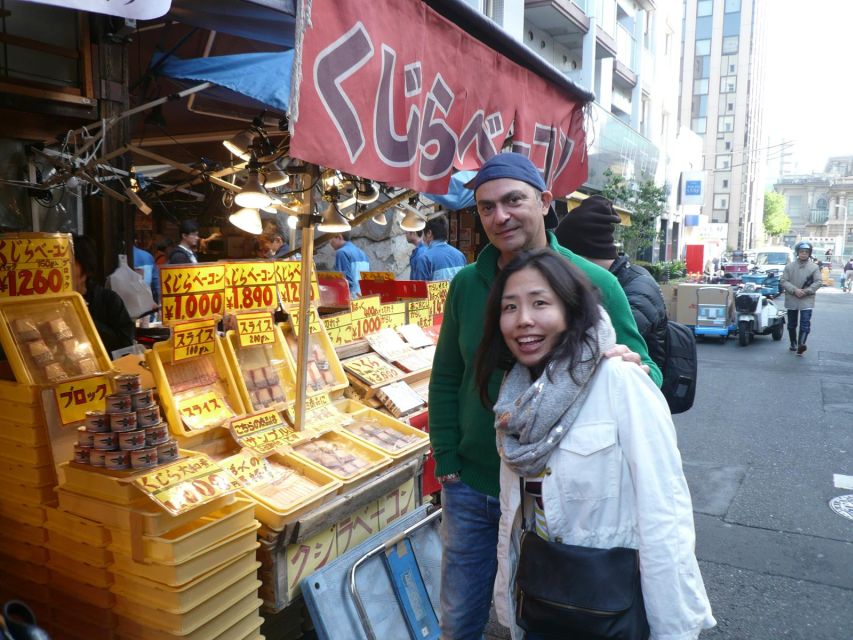
- You watch wholesalers at work instead of just snapping photos and moving on
- Guides handle the ordering for you, including translating what to ask for
- Small group size (max 10) keeps it easier to move and get attention
- Picky-eater friendly when you tell the guide what to skip early (some tours even get adjusted on the fly)
Tsukiji Temple to Outer Market: Why This Breakfast Format Works
Tokyo has markets. Tsukiji has a reputation. But the real magic here is the route: you begin with Tsukiji Hongwanji Temple, then transition into the Outer Market where the food gets real, fast.
If you’ve ever tried to eat breakfast in Japan without language help, you know the problem. Menus can be cryptic, lines can move in odd patterns, and your best bet is usually hoping you picked the right thing. With a guide, you swap uncertainty for momentum. You get a plan for what to try, plus the calm of someone who knows where you’re going next.
And the timing matters. This is a morning experience built around breakfast energy: you’re sampling, standing, walking, and learning without turning the whole day into a food coma.
More market breakfasts our reviewers scored
- Tokyo Tsukiji Fish Market Food and Culture Walking Tour
★ 5.0 · 3,184 reviews - Tokyo: Tsukiji Fish Market Food and Walking tour
★ 5.0 · 1,724 reviews - Tokyo: Tsukiji Fish Market Guided Walking Tour
★ 4.9 · 1,397 reviews - Tokyo Sushi Making Class in Tsukiji with Professional Chef
★ 5.0 · 1,177 reviews
Tsukiji Hongwanji Temple Exterior: The Sacred Start to a Food Walk
The tour meets in front of Tsukiji Hongwanji Temple, right at the main gate area. From Tsukiji Station (Hibiya Line), take Exit A1, turn left, and walk about 50 meters. It’s close enough that you’re not burning vacation time just finding the spot.
Before you hit the market stalls, you get a look at the temple exterior. One of the highlights calls out its ancient Indian-inspired Buddhist look. You’re not going inside on this tour in the info you provided, but seeing the architecture from the outside sets a tone.
Here’s the practical value: it helps you understand the cultural thread. The tour includes explanation about how Japanese culture and religion connect to its cuisine. Even if you’re not religious, it changes how you notice food. You start thinking about offerings, respect for ingredients, and why rituals show up in everyday meals like dashi-based flavors and careful preparation.
The Outer Market Walk: How to See the Market Without Getting Stuck

Once you leave the temple area, the experience shifts into sensory overload—in a good way.
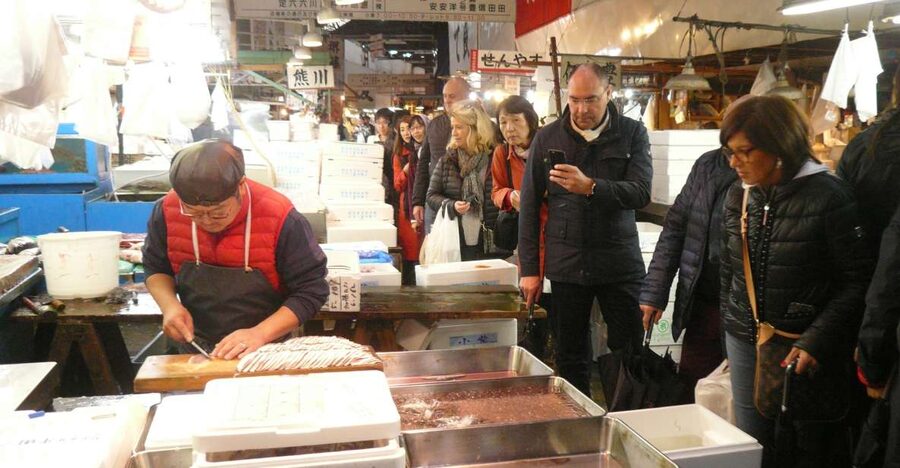
The Outer Market is one of the largest wholesale fish market areas in the world, and it’s famous for a reason. You pass restaurants, shops, and stalls packed around the action. The key difference with a guided tour is that you spend your energy watching what’s happening instead of decoding what everything is and where to go next.
A big part of what you’re paying for is access to the rhythm. Expert wholesalers are busy at work, and you get to observe that process rather than just wandering through a food street after it’s already slowed down. You’ll also notice unusual products as you go—stuff you probably wouldn’t know how to order or describe on your own.
The pacing here is worth paying attention to. The tour lasts 150 minutes, so you’re walking, tasting, and moving on rather than lingering forever at one counter. That’s good for most people because it keeps variety high. If you want a slow “browse everything” morning, you might feel the time pressure.
The 7 Tastings: Exactly What You’ll Be Eating
Your breakfast includes a tasting of 7 local specialties. The tour info lists the lineup, and the reviews support that it’s more than just one or two bites.
You can expect to taste:
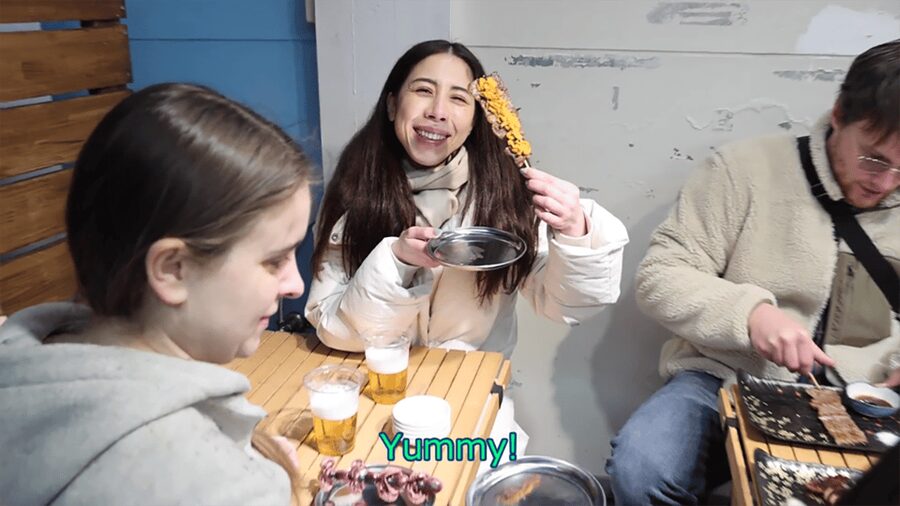
- Grilled seafood or beef skewers
- A Japanese-style omelette
- Tuna sandwiches
- Fried fish paste skewers
- A drink
- A Japanese tea sample
- A sample of dashi soup stock
In plain terms, it’s a smart spread across texture and flavor:
- Skewers = smoky, salty, easy-to-eat protein
- Omelette = soft, savory comfort
- Tuna sandwich = clean, fast umami
- Fish paste skewer = more adventurous texture
- Tea + dashi = the seasoning baseline that makes Japanese breakfasts taste like Japanese breakfasts
Some guides and tours also mention extra items like mochi, fish cake, and nori onigiri as part of the food journey. The only safe way to frame it is this: the core tastings are those seven items, and your guide may help add or swap based on what’s available and what you want.
Ordering Help and Line Strategy: Where Guides Save You Time
The Outer Market can be crowded and a little chaotic. The biggest win of having a guide isn’t only taste—it’s logistics.
You don’t just get a map. You get someone who can talk to vendors, help translate what you’re looking at, and make sure you end up with the foods you actually want. Several comments highlight guides waiting in long lines while the group explores nearby, then helping translate so food matches preferences.
This is also where customization shows up. One reviewer credited Rico with adjusting the tour when they told the guide what was okay to eat and what wasn’t. Another mentions guides arranging alternatives for picky eaters. That matters because fish markets can feel like a take-it-or-leave-it situation if you’re trying to keep to specific foods.
A note on communication: at least one reviewer said the guide’s English was harder to understand at times. It didn’t ruin the trip, but it’s a fair heads-up. If you’re worried, come prepared with a short list of what you do and don’t eat and show it to your guide early.
Readers also shortlisted these Tokyo bookings:
- Tokyo Tsukiji Fish Market Food and Culture Walking Tour★ 5.0 · 3,184 reviews
- Tokyo: Imperial Palace and Shogun Historical Walking Tour★ 5.0 · 2,251 reviews
- Tokyo: Shinjuku Local Bar and Izakaya Guided Walking Tour★ 4.9 · 1,794 reviews
- Tokyo: Tsukiji Fish Market Food and Walking tour★ 5.0 · 1,724 reviews
- Tokyo: Asakusa Walking Tour with Sensoji Temple Visit★ 4.8 · 1,583 reviews
Market Atmosphere: What You’re Really Learning to Appreciate
This tour isn’t only about eating. It’s about learning what to look for in the market world.
You’ll walk past wholesalers and see how shops and stalls connect to the food supply chain—how ingredients move from busy counter to the next plate. And you’ll get context for what you’re tasting, including the cultural link between food and faith that the highlights call out.
That’s why the temple stop isn’t just a photo op. Starting at Tsukiji Hongwanji Temple frames the rest of the morning. You’re essentially getting a story: religion and tradition aren’t separate from what people eat. They show up in flavor habits, respect for ingredients, and the way meals feel connected to daily life.
Price and Value: Is $85 Fair for 150 Minutes?
At $85 per person for 150 minutes, this is not a cheap snack. But it also isn’t just paying for walking.
You’re paying for:
- A live English guide
- A structured tasting menu of 7 local specialties
- Translation and ordering help
- Time saved figuring out where to go and what to order in a dense area
A quick way to judge value: if you tried to recreate this on your own, you’d likely spend money on multiple stops, deal with long lines without a plan, and waste time second-guessing what to order. Here, the guide acts like your shortcut through the market’s complexity.
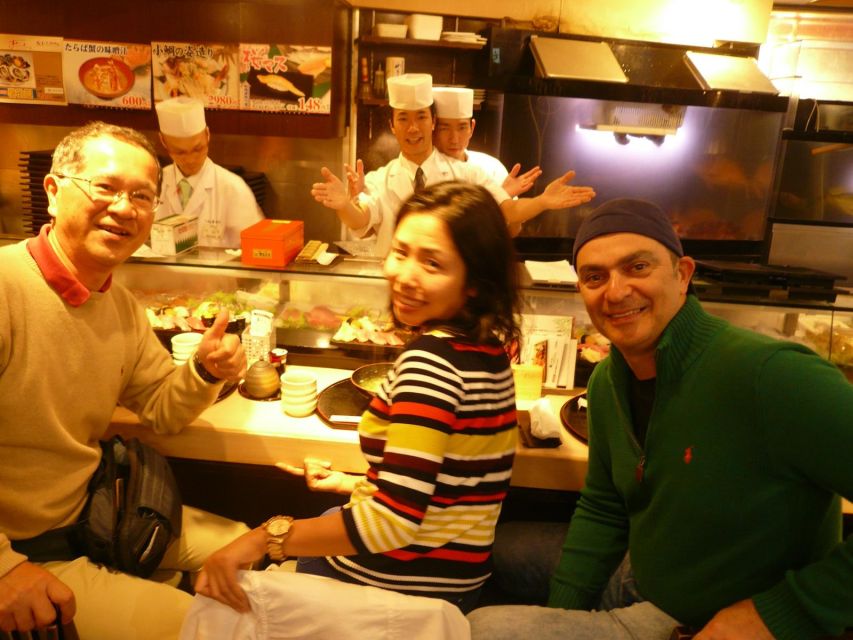
Also, it’s a small group capped at 10. That size matters. You can ask questions, get attention when you need it, and keep the pace. With larger groups, tasting tours often feel like a conveyor belt. This one is built to stay human-scale.
Who This Tour Suits Best (And Who Might Want Another Plan)
This tour fits best if you want a first serious Tokyo food experience without learning everything from scratch.
You’ll likely enjoy it if:
- You like fish and want to try parts of Japanese breakfast you don’t see back home
- You want someone to handle ordering and translation
- You’d rather walk with purpose than wander in confusion
- You appreciate cultural context, even if it’s just a short story before you eat
You might want to think twice if:
- You strongly dislike fish or fish-based flavors. The tastings include tuna and dashi, plus fish paste skewers.
- You don’t want a “come hungry” style morning. The food amount is part of the deal.
- You prefer a relaxed, slow market browse where you can linger wherever something catches your eye for 45 minutes at a time. This tour moves.
Practical Tips So You Get the Most From the Morning
A few things will make a real difference on this kind of tour.
- Wear comfortable shoes. The market walk is active, and you’ll stand while tasting.
- Eat before you start only lightly. This is breakfast, but it’s also heavy tasting. You want room.
- Tell the guide your limits early. If you want swaps or to skip items, letting them know at the start gives them time to adjust.
- Bring a simple food preference list. It saves you from playing language roulette mid-line.
Also, English tours usually go smoother if you’re ready to ask short, direct questions. If you need clarification, ask again. That’s part of the process, not a failure.
Should You Book This Tsukiji Breakfast Tour?
I’d book this tour if you want a high-value introduction to Tsukiji’s food world—one that mixes culture, temple architecture, and a guided tasting route you can’t easily replicate solo.
It’s especially worth it for first-time visitors who want their breakfast to feel guided, not improvised. The combination of a small group, 7 tastings, and ordering/translation help makes the $85 feel less like a gamble and more like a smart shortcut.
If you’re not a fish person, you’ll still likely enjoy the market atmosphere, but the tasting lineup could limit what you eat. For everyone else, this is a solid way to start a Tokyo trip with flavor and context, not just sightseeing.
FAQ
What is the duration of the Tsukiji guided walking tour with breakfast?
The tour lasts 150 minutes.
Where does the tour meet?
Meet in front of Tsukiji Hongwanji Temple. From Tsukiji Station (Hibiya Line), take Exit A1, turn left, and walk about 50 meters to the temple entrance.
How much does the tour cost?
The price is $85 per person.
What is included in the tour?
The tour includes a guide and a tasting of 7 local specialties.
Is the tour guide available in English?
Yes. The live tour guide is English.
How large is the group?
The group is small, limited to 10 participants.
Can I cancel for a refund or pay later?
Yes. You can reserve now and pay later, and you can cancel up to 24 hours in advance for a full refund.
More Tours in Tokyo
- Mt Fuji and Hakone 1-Day Bus Tour Return by Bullet Train
★ 5.0 · 26,383 reviews - 1-Day Tokyo Bus Tour
★ 5.0 · 14,250 reviews - Tokyo: Shinjuku Food Tour (13 Dishes at 4 Local Eateries)
★ 5.0 · 6,603 reviews - Tokyo Mt Fuji 5th St & Hakone Cruise Bus Tour w/Bullet Train
★ 4.4 · 5,024 reviews - Flagship 2-Hours Official Street Go-Kart Tour – Tokyo Bay Shop
★ 5.0 · 4,974 reviews
More Tour Reviews in Tokyo
- Mt Fuji and Hakone 1-Day Bus Tour Return by Bullet Train
★ 5.0 · 26,383 reviews - 1-Day Tokyo Bus Tour
★ 5.0 · 14,250 reviews - Tokyo: teamLab Planets TOKYO Digital Art Museum Entry Ticket
★ 4.6 · 9,779 reviews - Mt Fuji & Hakone Cruise, Drum Show Bullet Train 1 Day from Tokyo
★ 4.0 · 7,413 reviews - Tokyo: Shinjuku Food Tour (13 Dishes at 4 Local Eateries)
★ 5.0 · 6,603 reviews
More Tsukiji Market Breakfasts
- Tokyo Tsukiji Fish Market Food and Culture Walking Tour
★ 5.0 · 3,184 reviews - Tokyo: Tsukiji Fish Market Food and Walking tour
★ 5.0 · 1,724 reviews - Tokyo: Tsukiji Fish Market Guided Walking Tour
★ 4.9 · 1,397 reviews - Tokyo Sushi Making Class in Tsukiji with Professional Chef
★ 5.0 · 1,177 reviews - Tsukiji Fish Market Guided Tour and Sushi Making with Pro Chef
★ 5.0 · 775 reviews
Latest Tokyo reviews off our desk






Tsukiji Market Food Tours, compared.
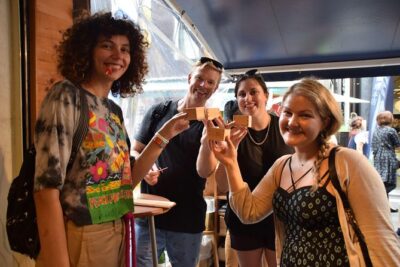 ★ 5.0Tokyo Tsukiji Fish Market Food and Culture Walking TourFrom $993,184 reviews
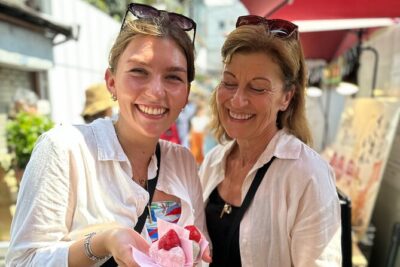 ★ 5.0Tsukiji Fish Market Food and Walking tourFrom $301,724 reviews
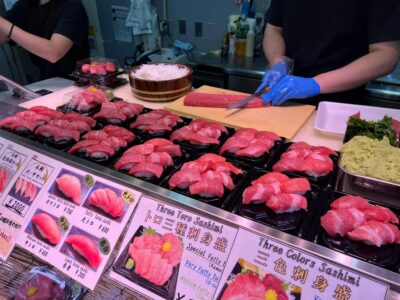 ★ 4.9Tsukiji Fish Market Guided Walking TourFrom $221,397 reviews
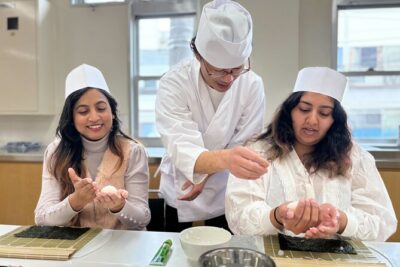 ★ 5.0Tokyo Sushi Making Class in Tsukiji with Professional ChefFrom $491,177 reviews
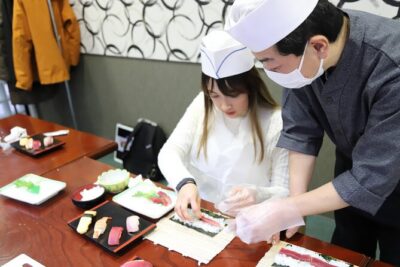 ★ 5.0Tsukiji Fish Market Guided Tour and Sushi Making with Pro ChefFrom $104775 reviews
★ 4.7Tsukiji Fish Market Food and Culture Walking TourFrom $96757 reviews
★ 5.0Tsukiji Fish Market Guided Tour and Sushi Making with Pro ChefFrom $104775 reviews
★ 4.7Tsukiji Fish Market Food and Culture Walking TourFrom $96757 reviews
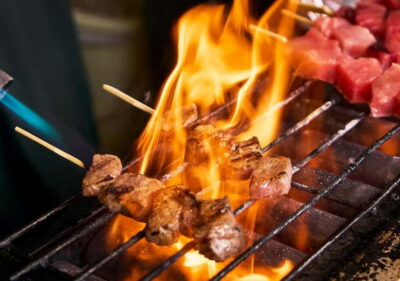 ★ 5.0Tsukiji Fish Market: Street Food & Culture Walking TourFrom $33669 reviews
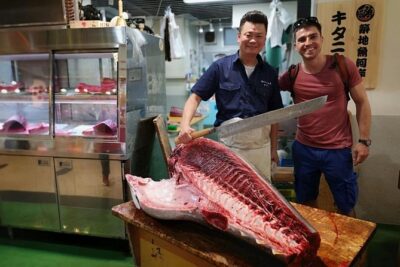 ★ 5.0Tsukiji Fish Market Small-Group Food Walking TourFrom $87621 reviews
Browse the lists this tour appears in