
Reviewed · SHIBUYA EXPERIENCES
Tokyo: Harajuku Meiji Shrine to Shibuya Crossing Guided Tour
Tokyo does the weirdest mix well.
This guided Meiji Jingu to Shibuya Crossing route puts you in two worlds fast: the calm of Japan’s most famous shrine setting, then the picture-perfect chaos of Shibuya. I especially like walking through Meiji Jingu with a local guide who explains what to do and why, and I also love the chance to get real group photos at Shibuya Scramble Crossing without guessing where to stand.
One thing to consider: it’s only 2 hours. If you like to wander slowly (or if you’re the type who needs 30 minutes just to find the restroom), you may feel a little rushed around Harajuku and Shibuya, where foot traffic is heavy.
In This Review
- Key highlights I’d plan around
- Why This 2-Hour Meiji Jingu to Shibuya Walk Works
- Meeting at JR Harajuku Station West Exit (and not wasting time)
- Meiji Jingu: What You Learn (and How You Visit) at Japan’s Top Shrine Spot
- Fortune paper, wish-making vibe, and etiquette support
- Why this stop is a great “Tokyo reset”
- Harajuku on Takeshita Street: A Crepe Stop That’s More Than Food
- Shibuya Scramble Crossing: Photos, Hachiko, and a Better End View
- Hachiko statue: the story behind the loyalty symbol
- Ending viewpoint over Shibuya
- Guide quality, English delivery, and why the pace feels right
- Price and value: Is $78 for 2 hours worth it?
- Who should book this tour (and who might not)
- Should you book this Tokyo tour? My bottom line
- FAQ
- How long is the Tokyo Harajuku–Meiji Jingu–Shibuya guided tour?
- Where do we meet the guide?
- Is the tour in English?
- How big is the group?
- What’s included in the tour price?
- Is there a crepe stop?
- Where do you go for photos?
- Can I cancel and get a full refund?
Key highlights I’d plan around
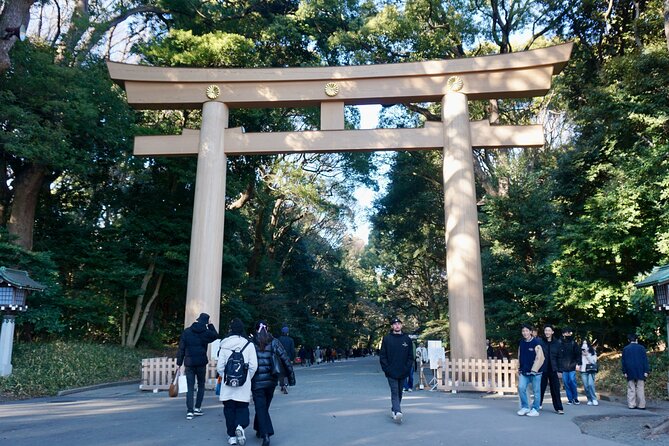
- Small group capped at 10 means you can actually hear the guide and move as a unit
- Meiji Jingu visit plus omikuji (fortune paper) fee is included
- Takeshita Street crepe stop gives you a simple, tasty win in Harajuku
- Shibuya Crossing photo time includes a group moment plus an end viewpoint
- Hachiko story at the statue adds meaning to the famous photo spot
- English live guide (names like Shigure and Masahito show up in feedback)
Why This 2-Hour Meiji Jingu to Shibuya Walk Works
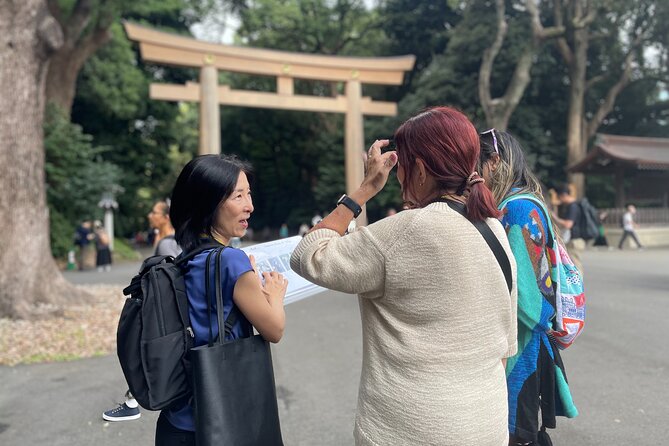
If you’re trying to get oriented in Tokyo, this tour is a smart “best-of” shortcut. You start in Harajuku, hit Meiji Jingu first while the energy feels calmer, then you end in Shibuya where Tokyo shows off its modern identity.
The main value here is not just seeing places. It’s having someone connect the dots for you—how a shrine visit works, what the spots mean, and where to stand so your photos look intentional instead of accidental.
I also like the pacing for people who don’t want to plan. Two hours is long enough to cover the big hits, but short enough that you can still eat well afterward or add your own extra stop in Harajuku or Shibuya.
More booked around Shibuya Crossing
- Official Street Go-Kart in Shibuya
★ 5.0 · 3,435 reviews - Tokyo: Street Kart Experience in Shibuya
★ 4.9 · 1,484 reviews - Shibuya Meltdown Nightlife Tour: All-You-Can-Drink Bar Hopping
★ 5.0 · 1,058 reviews - Shibuya Official Street Go-Kart in Shibuya Annex
★ 5.0 · 972 reviews
Meeting at JR Harajuku Station West Exit (and not wasting time)
Your meeting point is clear: JR Harajuku Station, west exit. The guide is waiting there with a signboard that shows gotcha.
This matters more than it sounds. In Tokyo, you can lose 20 minutes just by popping out of the wrong exit or trying to “figure it out” mid-stride. Starting at a major station with a named exit helps you keep the day moving.
I’d arrive a few minutes early, scan for the gotcha sign, then treat the first five minutes like warm-up mode. Once you’re with the group, you’ll glide through the stops without doing mental navigation.
Meiji Jingu: What You Learn (and How You Visit) at Japan’s Top Shrine Spot
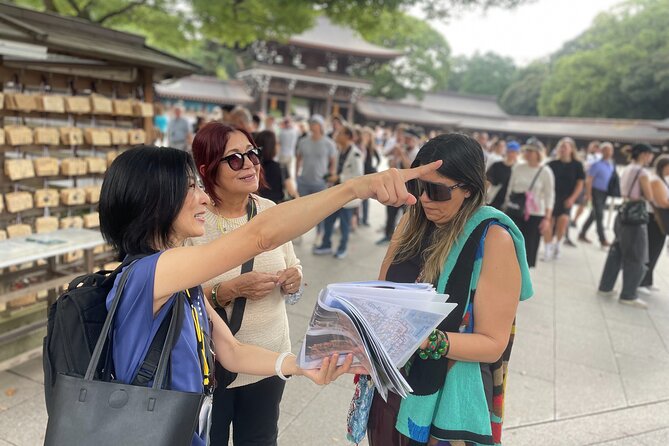
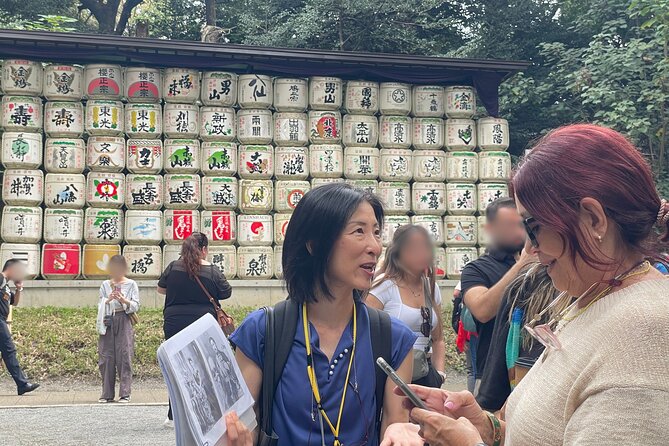
Meiji Jingu is described as the most visited shrine in Japan for Hatsumode (the New Year shrine visit). That tells you the scale of tradition you’re stepping into—even if you’re not there in January.
What I like is that the guide doesn’t just point. They explain the shrine’s origins and how to visit. That “how to” piece is gold if you’re even slightly unsure about etiquette, where to look, and how to handle the flow through the grounds.
Fortune paper, wish-making vibe, and etiquette support
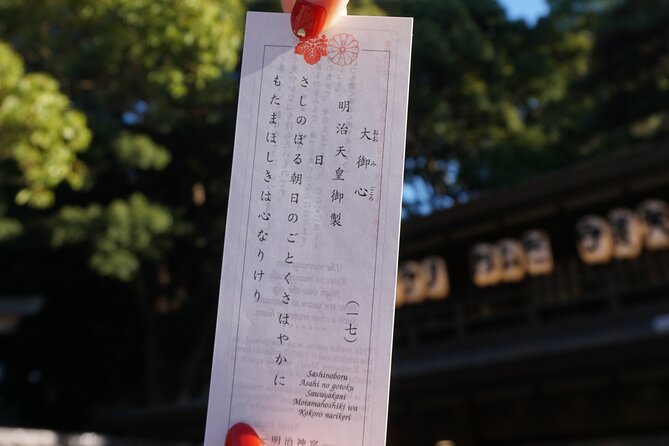
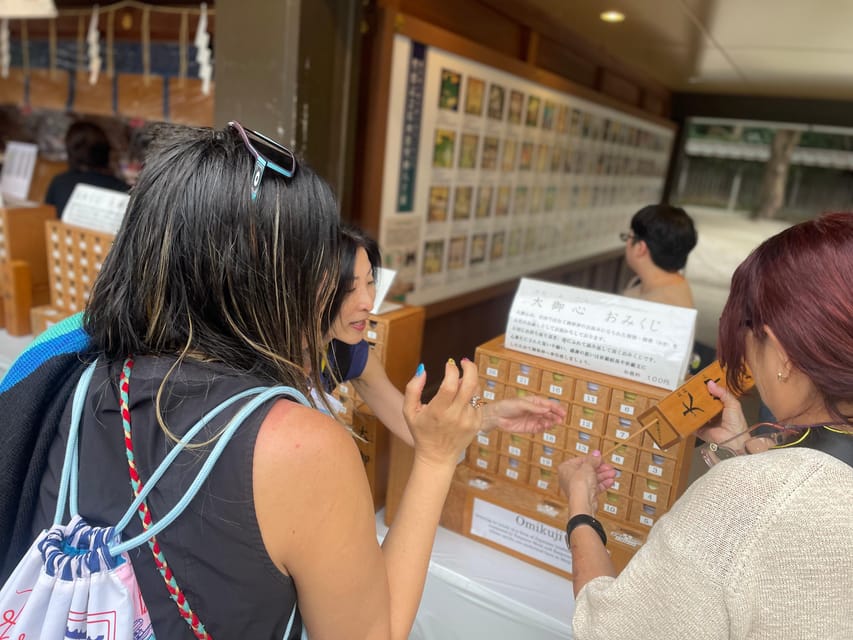
The tour includes the omikuji (fortune paper) fee, so you’re not stuck deciding whether it’s worth it. Omikuji is the kind of little souvenir that feels more like a ritual than a trinket.
In feedback, people highlighted walking through Meiji shrine and learning Japanese customs, including making a wish. That matches what you want from a short guided shrine visit: you get the right behavior without feeling like you’re performing for strangers.
Why this stop is a great “Tokyo reset”
Meiji Jingu gives your brain a pause. You trade street noise for space, trees, and a slower rhythm. That contrast makes Shibuya later feel even more dramatic—in a fun way.
Also, if you go to shrine grounds on your own with no plan, you can spend more time trying to figure out what to do than actually experiencing the place. Having a guide handles the awkward stuff.
Possible catch: shrine areas can still feel crowded, especially near major entrances or during peak times. But even then, the guided structure helps you move at a comfortable pace.
More quiet hours at Meiji Shrine
- Tokyo: Meiji Shrine Walking Tour — Shinto & Imperial System★ 4.9 · 266 reviews
- Tokyo: Meiji Jingu Shrine and Shinto Culture Walking Tour★ 5.0 · 245 reviews
- Tokyo: Meiji Shrine and Shinto Culture Walking Tour★ 5.0 · 225 reviews
- Tokyo: Meiji Shrine Walking Tour — Shintoism & Imperial System★ 5.0 · 209 reviews
- Tokyo Morning Tour: Asakusa, Meiji Shrine and Tsukiji Fish Market★ 5.0 · 128 reviews
Harajuku on Takeshita Street: A Crepe Stop That’s More Than Food
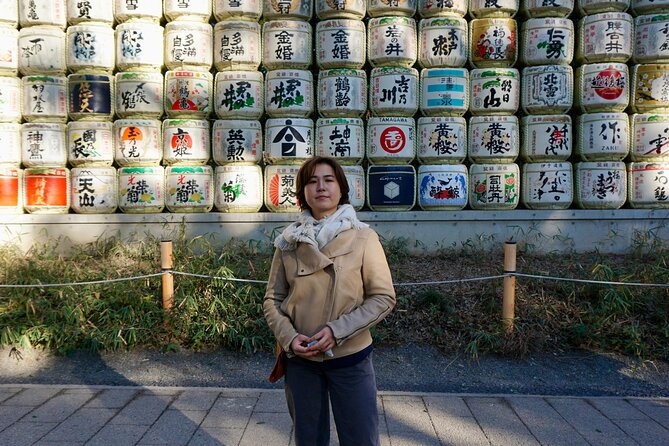
After the shrine, you slide into Harajuku. This is where Tokyo flips from tradition to style, shopping, and street energy.
The tour’s Harajuku highlight is Takeshita Street, plus eating a Japanese-style crepe. That’s a smart inclusion for two reasons:
- It’s an easy local taste you can enjoy even if you don’t know Japanese.
- It breaks up the walking time with something everyone can do together.
And it’s not just about carbs. Takeshita Street is basically a visual snack bar for the eyes—bright storefronts, fashion, and the kind of people-watching Tokyo does well.
Practical tip from experience with Tokyo neighborhoods: if you get claustrophobic in tight shopping streets, stand back from the densest lanes during the crepe moment, eat quickly, then step forward again. A tour helps because you don’t have to guess when to move.
Shibuya Scramble Crossing: Photos, Hachiko, and a Better End View
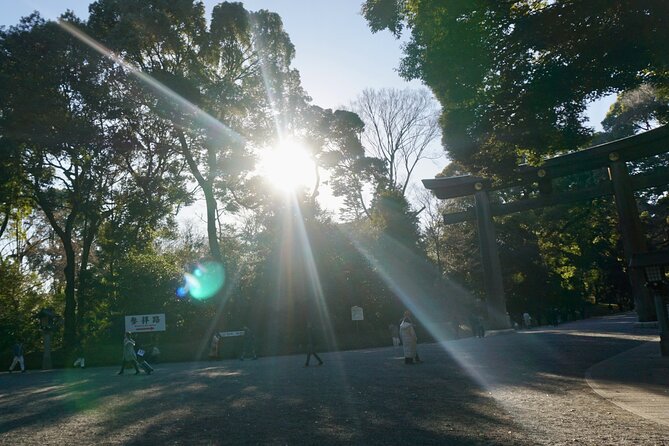
Then you walk down to Shibuya, and the world-famous Scramble Crossing shows up like a movie set that’s real.
This tour does something useful here: it builds in time for famous Shibuya Scramble Crossing group photos. If you’re trying to do this solo, you’ll waste time figuring out where the best angle is, and you might end up standing where the crowd blocks your shot.
Hachiko statue: the story behind the loyalty symbol
Next comes the Hachiko statue, where the guide shares the sad tale behind the symbol of loyalty. Even if you already know the name, hearing the story in context makes the statue feel less like a landmark and more like a point of human meaning in the middle of all that motion.
I like adding stories to photo stops. Without it, you just collect pictures. With it, you collect something you’ll actually remember when you look at them later.
Ending viewpoint over Shibuya
The tour concludes with a farewell while you’re overlooking Shibuya Crossing from a scenic vantage point. That’s a strong finishing move. It lets you absorb the scale of the crossing rather than only experiencing it from street-level chaos.
I’d recommend you do what the guide’s doing at this final stage: pause, look around, and let the place sink in. It makes the photos look better too.
Guide quality, English delivery, and why the pace feels right
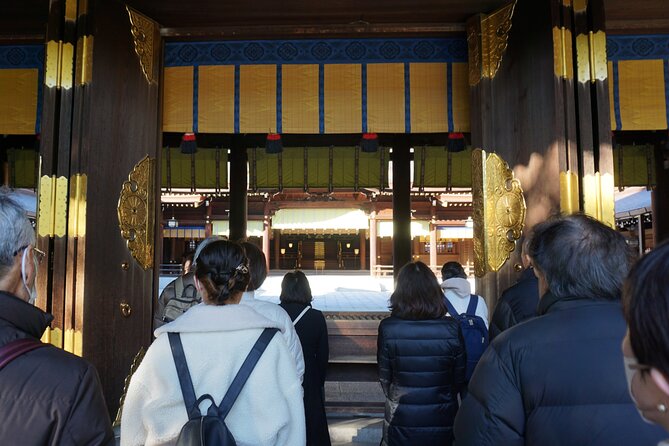
This is where the tour seems to win repeatedly. Multiple people praised the guide’s friendliness and warmth, plus how much detail they received without it becoming a lecture.
Specific guide names mentioned in feedback include Shigure-san and Masahito. The consistent theme: they’re approachable, answer questions, and keep the tour moving at a pace that feels just right for a 2-hour window.
For you, that means:
- You’re less likely to get lost during the walk between Harajuku and Shibuya.
- You can ask practical questions about customs while you’re standing in the right place.
- You don’t have to fight the group dynamic while trying to take photos.
And that “always available” feeling is important in Japan, where rules of movement and etiquette can be subtle. Having someone translate the invisible stuff saves time and stress.
Price and value: Is $78 for 2 hours worth it?
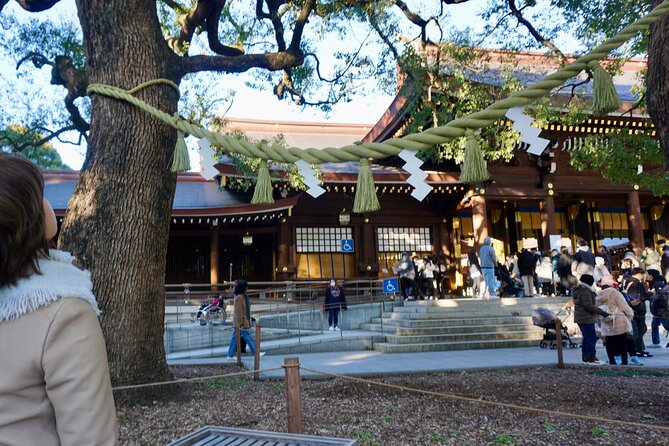
At $78 per person for a 2-hour group tour, you’re paying for three things: local guidance, included ritual cost (omikuji fee), and the time-saving structure linking shrine → shopping street → landmark.
Could you do this route on your own? Yes. You can take trains, wander Meiji Jingu, buy a crepe, and chase Shibuya photos. But if you’re new to Tokyo, the parts that take time are exactly the parts this tour handles:
- knowing shrine etiquette and what to do
- figuring out where to stand for Shibuya photos
- having a short “walk with meaning” instead of a collection of random stops
So the price feels more fair when you value clarity. If you love solo exploration and don’t care about learning etiquette or story context, you might skip. But if you want the quick hit with less guesswork, this is priced like a practical helper, not just a sightseeing stamp.
Also, the small group size (10 max) helps justify the cost. You’re not competing for attention.
Who should book this tour (and who might not)
This tour fits best if you:
- want a smooth, guided introduction to Tokyo’s shrine-to-city contrast
- care about learning basic Japanese customs at Meiji Jingu
- want Shibuya Crossing photos with a plan (not a scramble of your own)
- prefer a small group format so you can ask questions
You might think twice if you:
- plan to spend lots of time shopping and people-watching on Takeshita Street (2 hours won’t satisfy a serious wanderer)
- hate crowds in general, since Harajuku and Shibuya can get busy
- dislike structured routes and want full freedom minute by minute
Should you book this Tokyo tour? My bottom line
If your goal is to see the big iconic highlights—Meiji Jingu, Takeshita Street crepe, and Shibuya Scramble Crossing with Hachiko—and you’d rather have a friendly guide handle the “what do I do here?” parts, I’d book it.
It’s especially worth it when you like good pacing and when you’re traveling with limited time. Two hours is tight, but that’s also the point: you finish with photos, a story, and a clearer sense of how Tokyo moves.
If you already know the shrine etiquette and you’re confident shooting Shibuya from the right angles, then it becomes optional. But for most first-timers, this is a clean, efficient way to experience a classic Tokyo pairing without the usual confusion.
FAQ
How long is the Tokyo Harajuku–Meiji Jingu–Shibuya guided tour?
It lasts 2 hours.
Where do we meet the guide?
Meet at JR Harajuku Station, west exit. The guide waits there holding a signboard that shows gotcha.
Is the tour in English?
Yes, the live tour guide speaks English.
How big is the group?
It’s a small group, limited to 10 participants.
What’s included in the tour price?
Included are the tour guide and the omikuji (fortune paper) fee.
Is there a crepe stop?
Yes. The tour includes eating a Japanese-style crepe at Takeshita Street.
Where do you go for photos?
You’ll have time for photos at Shibuya Scramble Crossing, plus you’ll also see the Hachiko statue.
Can I cancel and get a full refund?
The tour offers free cancellation up to 24 hours in advance for a full refund.
More Tour Reviews in Tokyo
- Mt Fuji and Hakone 1-Day Bus Tour Return by Bullet Train
★ 5.0 · 26,383 reviews - 1-Day Tokyo Bus Tour
★ 5.0 · 14,250 reviews - Tokyo: teamLab Planets TOKYO Digital Art Museum Entry Ticket
★ 4.6 · 9,779 reviews - Mt Fuji & Hakone Cruise, Drum Show Bullet Train 1 Day from Tokyo
★ 4.0 · 7,413 reviews - Tokyo: Shinjuku Food Tour (13 Dishes at 4 Local Eateries)
★ 5.0 · 6,603 reviews
More Meiji Shrine Hours, Rated
- Tokyo: Meiji Shrine, Asakusa, Skytree Bus Tour and Cruise
★ 4.7 · 1,986 reviews - Tokyo Panoramic 1 Day: Meiji Shrine, Asakusa, Odaiba and SKYTREE®
★ 4.5 · 1,222 reviews - Tokyo: Meiji Shrine Walking Tour — Shinto & Imperial System
★ 4.9 · 266 reviews - Tokyo: Meiji Jingu Shrine and Shinto Culture Walking Tour
★ 5.0 · 245 reviews - Tokyo: Meiji Shrine and Shinto Culture Walking Tour
★ 5.0 · 225 reviews
More Around Shibuya Crossing
- Official Street Go-Kart in Shibuya
★ 5.0 · 3,435 reviews - Tokyo: Street Kart Experience in Shibuya
★ 4.9 · 1,484 reviews - Shibuya Meltdown Nightlife Tour: All-You-Can-Drink Bar Hopping
★ 5.0 · 1,058 reviews - Shibuya Official Street Go-Kart in Shibuya Annex
★ 5.0 · 972 reviews - Tokyo: Shibuya Food Tour (13 dishes and 4 Eateries)
★ 5.0 · 770 reviews
Latest Tokyo reviews off our desk






Shibuya Experiences, compared.
 ★ 5.0Official Street Go-Kart in ShibuyaFrom $763,435 reviews
 ★ 4.9Street Kart Experience in ShibuyaFrom $741,484 reviews
 ★ 5.0Shibuya Meltdown Nightlife Tour: All-You-Can-Drink Bar HoppingFrom $1061,058 reviews
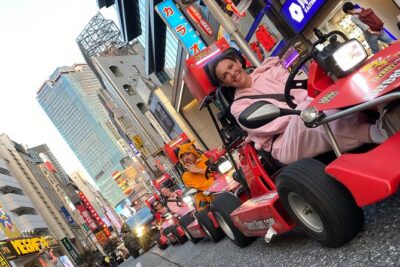 ★ 5.0Shibuya Official Street Go-Kart in Shibuya AnnexFrom $69972 reviews
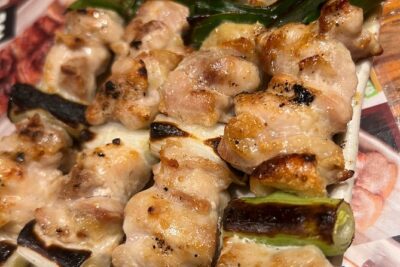 ★ 5.0Shibuya Food Tour (13 dishes and 4 Eateries)From $77770 reviews
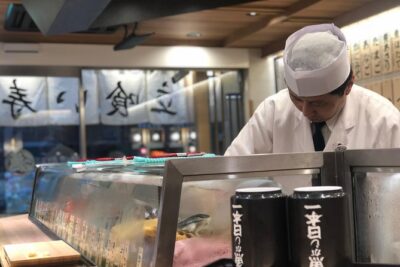 ★ 5.0Best of Shibuya Food TourFrom $217612 reviews
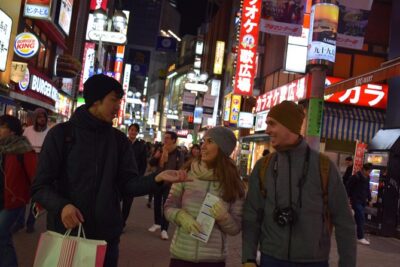 ★ 4.8Shibuya Highlights Walking TourFrom $19601 reviews
 ★ 4.7Premium Go-Kart Tour with Tower & Shibuya CrossingFrom $116528 reviews
Browse the lists this tour appears in